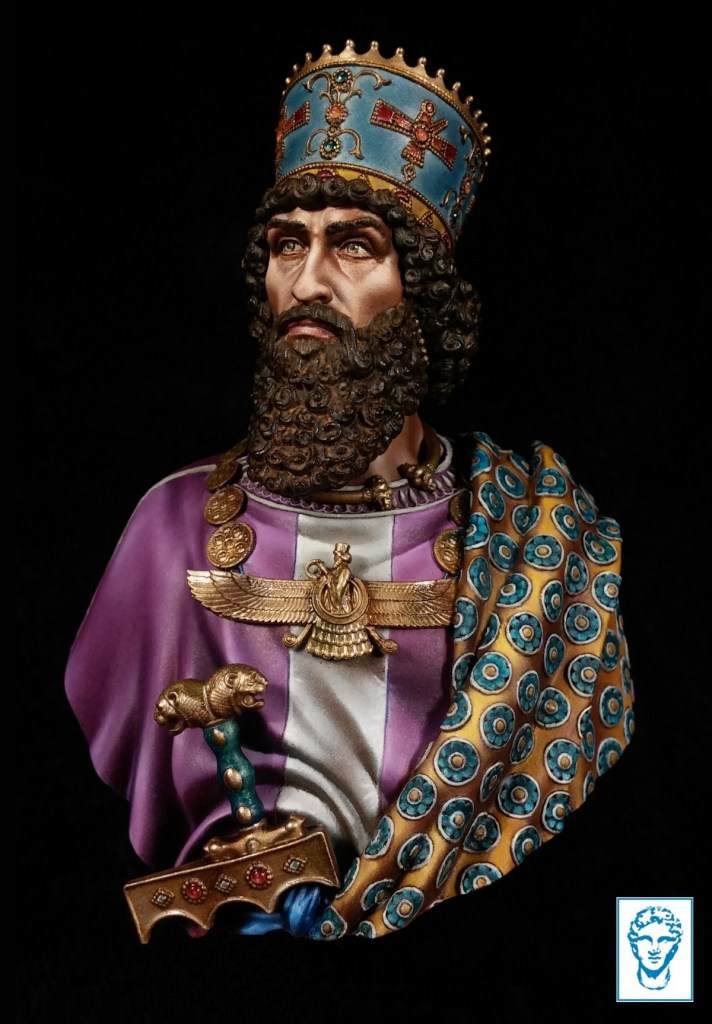
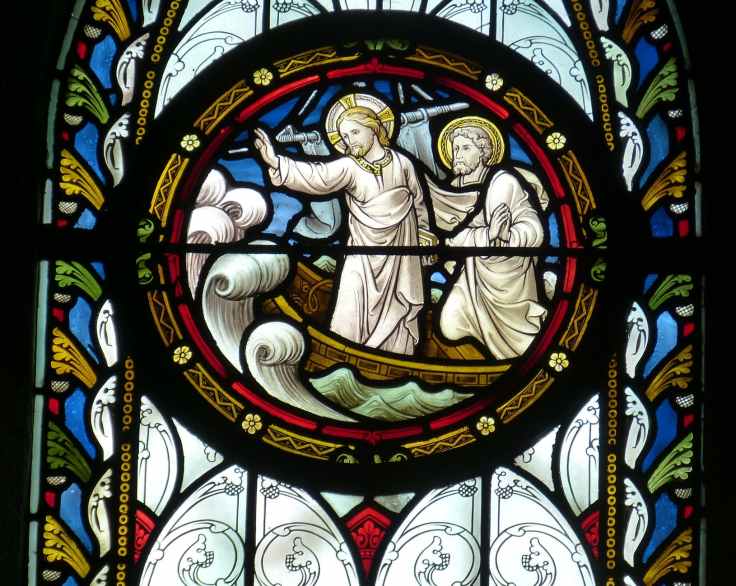
I’m not talking about the current Queen of England–though it’s my understanding that she must, and does, pray as well as the rest of us. Sometimes we forget that even royalty have very human needs, and their power and authority, while greater than ours, is limited. God is still the ultimate authority. Instead, I’m thinking about the old testament Queen Esther/Hadassah.
Queen Esther’s position was one of great power– and of great peril. Her husband, Ahasueras, the King of Persia, had chosen her from among a host of women to replace the disgraced Queen Vashti. But Ahasueras was not a man of character and integrity. Vashti’s disgrace came after the King had been banqueting and drinking for a solid week, and this after six months of entertaining other heads of state! Ahasueras left the running of his kingdom in the hands of his ministers–even Vashti’s dismissal and Esther’s elevation were at the suggestion of the King’s counselors (though the King made the particular choice of Esther over all the other contenders). Ahasueras was unpredictable, capricious, vindictive, hot-headed, and easily led. He also had “unlimited” power– his word was, literally, law.

Even though Esther had risen to a place of prominence and (limited) power, she still faced danger, in the guise of her husband’s Prime Minister, Haman. Haman’s power was second only to the king, and he intended to use that power to rid himself of his enemy, Mordecai, a Jewish exile, who just happened to be the foster-father and cousin of Queen Esther! Not content with simply having Mordecai executed, Haman suggested to the gullible King Ahasueras that all the Jewish exiles throughout the kingdom should be slaughtered and plundered within a single day.
Queen Esther’s only option was to get the king to reverse his own edict– even if she managed to escape the genocidal plot, her silence would spell the doom of the entire scattered nation of her own people. Queen Esther could not trust in her own limited authority, nor in the beauty that had brought her to the throne. Only God could capture the heart and mind of such a king. Queen Esther began to pray.
And she didn’t just fall on her knees in silent despair She asked others to fast and pray for three days before she would approach the king. And she paved the way with another banquet, during which she flattered both the king and his arrogant prime minister before pleading for her life and the lives of her countrymen.
Esther’s beauty and grace alone were no match for Haman’s treachery. But God knew the end of this story from the beginning. Esther was in grave danger, but she was also in God’s loving and all-powerful hands. Esther is remembered for her bravery and poise in the face of Haman’s diabolical plotting, but also for her dependence on God’s power over her own.
What dangers will we face today? If Queen Esther needed to pray– and ask for prayer– in her situation, how much more should we be willing to do so in ours?!
Yesterday was Mother’s Day. And it was a good day. It started out cold and wet, but I got to spend time with my mother, my mother-in-law, several other family members, and some dear friends from childhood. It was a happy day, and it ended with sunshine breaking through the late afternoon clouds, birds singing, and a full heart of memories and gratitude.
But Mother’s Day wasn’t always like that for me. For many years, it was one of the worst days of my year. No matter the weather or the company, there was always a shadow of barrenness and emptiness. Yes, I was grateful for my mother; for my grandmothers and aunts and other relatives; for my friends and their adorable children. But I felt shut out– I was not a mother. I would never be a mother. I was always on the outside looking in.
My circumstances are slightly different now, but I am still not a “natural” mother. No one calls me “mama” or even “grandma.” But Mother’s Day isn’t meant to be a day of sorrow and emptiness, and after years of prayer and letting go of expectations, God is showing me how to enjoy and embrace the circumstances in which He has placed me.
I am not alone in this struggle– far from it. For the past few weeks, I have heard from heartbroken people who dread Mother’s Day. Those who have lost their mothers face the reminder of their grief and loss. It is particularly hard on those who were unable to spend precious days with a dying mother due to COVID restrictions, or lost their mother to COVID. Some mothers are reminded of the wrenching loss of a child– still birth, drug overdoses, suicide, auto accidents, childhood cancer– gut-churning emptiness where once there was a promise of joyful life, grandchildren, shared memories, and so much more. Other mothers (and their children) face the pain of separation and severed relationships. Many, like me, face the reminder that they are NOT a mother– not a “real” mother–even if their circumstances or careers are filled with children “not their own.” And some people face multiple circumstances that cause grief, bitterness, alienation, anger, and despair.
These feelings of sadness and loss are natural, but they do not have to weigh us down or control how we face each day. God wants to share these burdens; He wants to carry the weight of our brokenness and free us to experience joy and peace– even in the midst of our pain! And on those days when our circumstances threaten to overwhelm us, God is never more than a prayer away. He doesn’t make our grief disappear; He doesn’t erase our memories. But He can redeem them with a changed perspective and new hope.
Mother’s Day, Father’s Day, Valentine’s Day, birthdays, anniversaries, etc.– each can bring bitterness and heartbreak, as well as joy. We do well to pay attention to those around us who dread such holidays, and offer the comfort, hope, and encouragement of a listening ear, a loving heart, and, most of all, a loving God who longs for us to pray in and through our heartbreak.
The events of Good Friday are well recorded in all four of the gospels, (see Matthew 27, Mark 15, Luke 23, and John 19 https://www.biblegateway.com/passage/?search=JOhn%2019&version=NIV ) but it is still difficult to imagine exactly what it must have been like that day. The first crow of the rooster came as Jesus was still on trial before the Sanhedrin, hours of questioning and betrayal that would continue as the sun rose and Jesus as passed on up the chain of power to Pontius Pilate for more questioning. The sun was still climbing as Jesus was beaten and paraded before the crowds. The swell of voices shouting for His execution would have echoed through the public square–“Crucify Him! Crucify Him!” “We have no king but Caesar!” The same taunting would continue as Jesus walked the long Via Dolorosa and came to Golgotha.
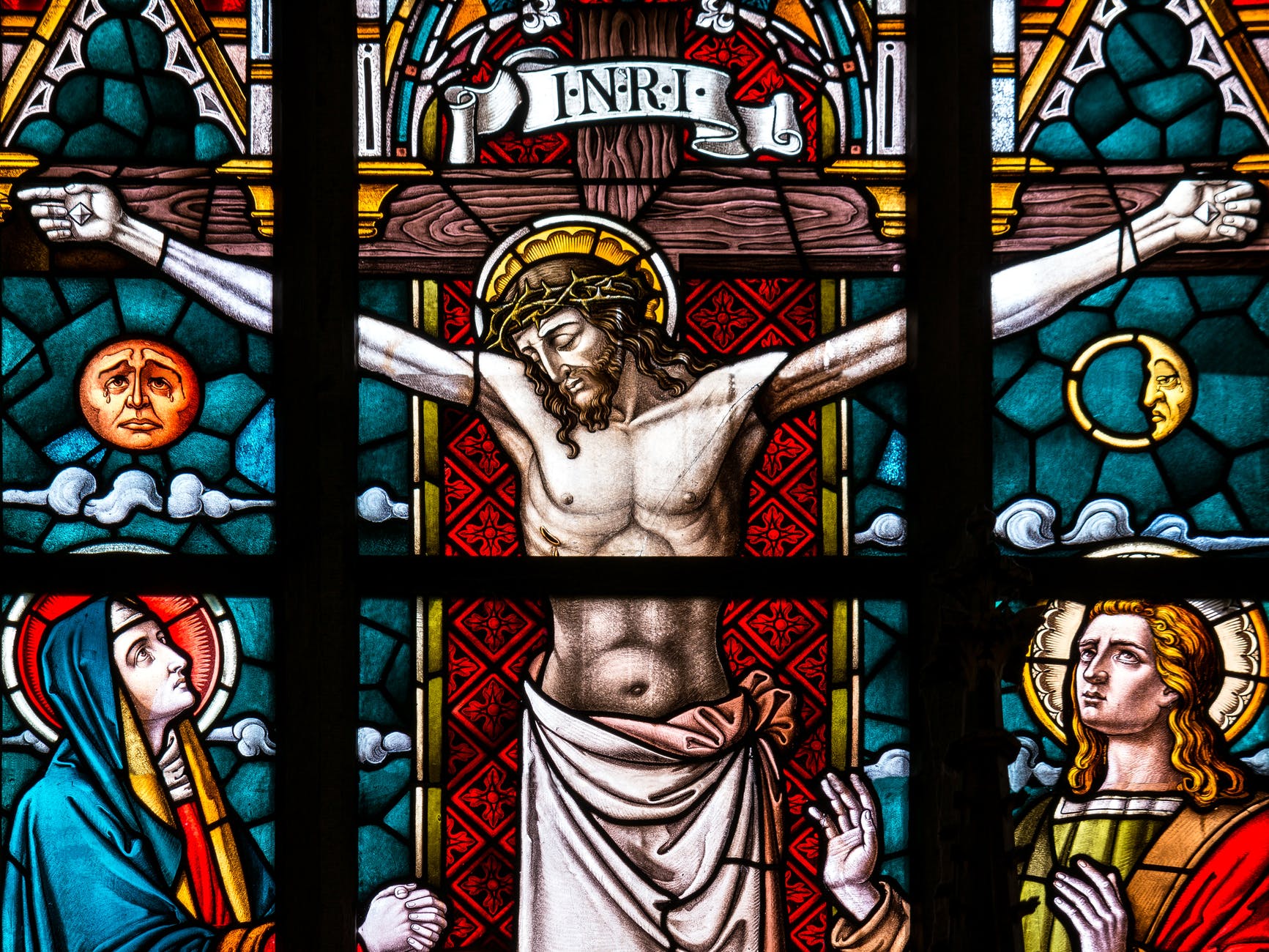
By nine that morning, Jesus, bloodied, whipped, exhausted, humiliated, betrayed, and struggling for every breath, was nailed to the cross. He was fully exposed to the bright morning sun, the heat, and all the stares of the angry mob who came to revel in His anguish. He was unable to wipe the blood or salty sweat that trickled from His brow and ran into His eyes; unable to swat away flies who buzzed around His face, elbows, or cheeks. He was unable to block out the noise–curses, curious questions, His Mother’s agonized cries, and, in the lull, the ordinary noises of a crowded city preparing for a celebration.
As noon approached, there would be the aromas of roasted lamb, market fish, baking bread. The crowds were quieter now, some may have left to seek out lunch or relief from the heat. But the heat and the sun disappeared as darkness rolled in. The angry energy gave way to fear and dread. The earlier shouting was now a an ominous rumbling among the remaining spectators. It was quiet enough to hear Jesus address His Mother and His disciple, John, and answer the thief on the neighboring cross, promising to see him in Paradise. It was possible to hear Jesus cry out later, His voice raspy and broken, but clearly in anguish, “Eloi, Elioi, lama sabachthani!?”
Perhaps it even got so quiet, as it sometimes does in darkness, that you could hear the three men on the crosses struggling to take each breath–their tortured muscled straining to lift their weight enough to get air past their parched lips and tongues–in and out, as distended muscles demanded more oxygen than their bodies could provide. Did the members of the crowd listen to their own heartbeats in those moments?
The unnatural darkness would have magnified the moment when Jesus, the Light of the World, breathed His last breath. And I imagine in the moment after that a silence so deafening, so complete, as the Word of God, the Creator of Life and Giver of Breath departed the Earth– as though all light and sound imploded at the loss. A split second only, but one so intensely silent that it must have taken the breath of every onlooker.
And then, the sound returned full-force– the Earth quaking, the skies crashing, Creation gasping, the Temple Veil ripping, and terrified people rediscovering their ability to cry out. Noise–piercing, and violent and sudden, bringing with it a return of the angry energy of before. But the energy is different now. Subdued. Nervous. Desperate. Empty…
My nation– and even my community–is divided right now. People argue, accuse, blame, and reject their neighbors because of political beliefs. And they defend the “rightness” and righteousness of their own beliefs–even when they must compromise on other beliefs and teachings of the Bible. Some people use the phrase “I’m on the right side of history..” or “History will prove us right.” And they cross their arms, jut out their chin, and stand smugly convinced that they have won the argument.
But history books are written by human beings– and usually those human beings who are in power. “History” is constantly in flux– some things that were deemed “virtuous” or “necessary” in the past are looked on with horror today. Times change; societies change; customs and morals change.
When we justify our politics, or our actions to others in this way, we are really saying, “whatever I am doing, saying, or supporting today will be judged “righteous” by future generations. And that may be so. Those who advocated for the abolition of slavery in America over a century ago should surely qualify as people who were on the “right side of history.” Yet, in the past year of rioting across my country, many of the statues that were toppled, and spray-painted, and chiseled, and marred were of abolitionists. Their moral prowess notwithstanding, they were seen as “old, white men” in old-fashioned clothing, whose lives and legacies were long forgotten, or confused with other “old, white men” who had supported slavery during the same time period. We delight in “debunking” cherished histories, toppling our heroes, and rewriting traditions. And we often compare our “struggles” to those of previous generations, even if the comparisons are skewed or largely non-existent. And in our fight to push forward a particular narrative or policy; in order to “take back” a certain position or tradition, we often lose our moral compass, believing the lie that “the end justifies the means” or that “might makes right.”
In order to be on the “right side of history” today, people tend to make certain compromises– regardless of what “side” they choose. Political parties tend to support diverse causes and groups. Whatever good policies they promote, chances are they also promote policies and beliefs that are in direct conflict with scripture. Words like “compassionate,” “wholesome.” “traditional,” “patriotic”, “liberal,”and “progressive” may sound noble, but they often mask actions and policies that are corrupt, wicked, and destructive.
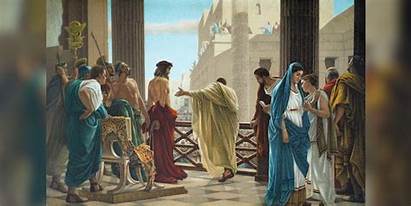
As Christians, we must be careful not to make “comfortable compromises” and to avoid righteous-sounding justifications. Just as importantly, we must be careful when confronted with labels and accusations, not to over-react or respond with bitterness or arrogance. If someone accuses me of being “hateful” or “gullible” because of my political beliefs, it is tempting to puff up and respond in kind. No one likes being judged. In fact, we are told in scripture NOT to judge, lest we be judged in kind. (Matthew 7:1-6) Jesus was often misunderstood, hated, falsely accused. He went to the cross after being found innocent by Pilate– who compromised by offering the Jewish people a choice of the innocent Jesus or the condemned Barabbas, instead of commanding that Jesus be released. In spite of his compromise, Pilate is not considered to be on the “right side of history” for his political masterpiece.
In fact– we are ALL on the WRONG side of of history! No matter how righteous our beliefs, ALL have sinned and fall short of the glory of God (Romans 3:23). Our allegiances, our morality, our political affiliations– none of them will save us from the just judgment of God, or the wavering judgments of future generations. We need, more than ever, to hold fast to the truth, and to seek God’s wisdom. When the final “history” is written, I want to be on God’s side!
As I look outside, there are bare branches on the trees, and the grass is covered in fallen leaves. The beauty of early autumn has almost gone, and winter is coming. The air is brittle and chilly, but not as cold as it will be in another month.
Yet, this is My Father’s world. I trust that winter will come, and pass. Spring will follow, and the trees will once again be covered in leaves and filled with birdsong and new life.
As I listen to the news, I hear of COVID deaths and hospitals filled with the sick and suffering. I hear of political unrest, and people spewing hatred, anger, and fear for the future. There is chaos and uncertainty, injustice, and pain. There are hurricanes and fires, floods, and earthquakes.
Yet, this is My Father’s world. He sends rain on the just and the unjust; He brings healing and hope, even in the darkest hours. This world does not belong to any one nation, or political party, or natural disaster, or epidemic. Such circumstances have the power to cause destruction and fear, but they do not have power over the Creator of all things. Their reign is temporary and limited. And ” ‘tho the wrong seems oft so strong,” God is eternally sovereign– nothing that happens today can either take God by surprise, or cause Him to quake.
I meet with people who are discouraged, angry, bitter, and scared. And I cannot “fix” the world around me with good intentions, or hard work. I cannot give assurance based on my own efforts or my own wisdom. I don’t know the answers, and I don’t have the solutions. I will make mistakes. I will say things that cause confusion, or even offense.
But this is not my world; and it isn’t the world of those who try to discourage me, judge me, take advantage of me, or manipulate me. This is My Father’s world. And in this moment, I will choose to look for His hand and listen for His voice.
God keeps calling my attention to the book of Jonah. It’s not a very lengthy or in-depth book. It has only four chapters, and it tells a single story of the prophet Jonah and his mission to preach to the people of the Assyrian capital of Nineveh. But it is filled with lessons about prayer, obedience, gratitude, repentance, and Grace. https://www.biblegateway.com/passage/?search=Jonah%201&version=NIV And we learn four important things about God: He sends, He saves, He sustains, and He suspends.
FIrst: God sends. The book of Jonah reminds me of reading Ernest Hemingway. It is compact, terse, and to the point. The very first verse reads, “The word of the Lord came to Jonah, son of Amittai.” There is no other intro, no back story, no conversation between Jonah and God… Yet there IS a back story: elsewhere in the Bible, Jonah is mentioned as a prophet of God. Jonah wasn’t an unlikely choice to take a prophecy to Nineveh. He wasn’t new to the whole “prophet” gig– he wasn’t a farmer or a fisherman or a young shepherd boy. He was an experienced seer and prophet. I mention this because God sends who HE wants to send. He didn’t have to give this message to Jonah. And when Jonah ran away, God didn’t have to chase him down and give him a second chance. There were other prophets who might have delivered the message without any fuss or drama. There were priests, soldiers, merchants, and shepherds who could have done the job (and likely done a better job!) The book of Jonah reminds us that God’s purposes are often multi-faceted. God’s purpose in sending Jonah wasn’t just about the Ninevites– He wanted to work in and around and through Jonah to reveal His character. He also sent the big fish (the Bible never says it was actually a whale), and later a gourd vine and a worm– all to minister to Jonah. They all appear in the story, but only to Jonah, not to any of the others! God will send us–or He will send people (or big fish) TO us. He will send people and things to bless us; and to test our patience! But God sends us what is meant for our good and His glory.
God saves: Each chapter contains an example of God’s salvation– In chapter one, God not only saves Jonah from drowning by sending the big fish; He also saves everyone else on the ship. An entire crew of hardened seamen are stunned by God’s power and grace. In chapter two, God rescues Jonah from the fish’s belly, and gives him another opportunity to fulfill his mission. In chapter three, God sees and hears the pleas of the Ninevites–He withholds His judgment and showers the city with amazing Grace. In the final chapter, Jonah wants to die (twice!), yet God provides comfort, compassion, and correction in response. At the end of this book, in spite of storms and raging seas, prophecies of doom and destruction, dangerous journeys, scorching sun, and disobedience, rebellion, and evil– NO ONE DIES!
God Sustains: God could have rescued Jonah without the “whale.” He could have calmed the storm. He could have caused Jonah to walk on water. He could have created a path of dry land for Jonah to walk on… But God caused Jonah to be in the belly of the fish for three days– a circumstance that Jesus used to foretell His own death and resurrection. God sustained Jonah even in the midst of his bitterness, anger, depression, and rebellion. He gave Jonah a miraculous rescue– one Jonah could have shared with the Ninevites to illustrate God’s Mercy. I find it curious that the King of Nineveh invites everyone to fast and pray, saying “Who knows..” Jonah KNEW! He was a living example of God’s Grace and Power. He could have shared this wonderful news with the people of Nineveh, yet he chose to share only the message of God’s wrath. Jonah had the biggest “fish story” in history, and he chose to keep it a secret! In spite of this, God sustained Jonah’s life– against Jonah’s own wishes! How has God sustained us in moments of crisis, doubt, and infidelity?
God Suspends: What does that mean? Well, in this book, it means several things. God suspends His judgment against the city of Nineveh–in later Bible books, we see that the people of Nineveh and Assyria return to their evil ways. They do not turn completely from their worship of idols and their detestable practices. Within a couple of generations, they experience the total destruction that Jonah predicted. God is Gracious and Merciful; He is also Righteous and Just. Jonah’s mistake was to despise God’s Mercy toward his enemies; the Ninevites’ mistake was to forget God’s Holiness. But God also suspends Jonah’s life– three times Jonah expresses a passive desire to die: he asks to be thrown into the sea (he does not know or expect that God will rescue him); he asks to die after the Ninevites are spared; and he asks to die when the worm destroys the gourd vine. But Jonah’s desire to die goes unfulfilled. God’s purpose is not that Jonah should die, but that Jonah should learn to LIVE and love: love his life; love his God (better); and love his former enemies. Sadly, we never find if Jonah ever learned his lesson. The author of Jonah leaves us “suspended” as well.
Our God sends “whales” to rescue us from our rebellious wandering, and “worms” to take away those comforts that keep us from seeing our real needs. He saves us, even though we don’t deserve a second (or third or thirtieth) chance. He sustains us, even in times of failure. And He suspends us, withholding His wrath and giving us loving compassion and correction. Jonah is not a very lovable character– and that is a great comfort to me in times when I am faced with my own failures and missed opportunities. The people of Nineveh were despicable! They deserved justice and judgment. But God loved Jonah; and He loved the people of Nineveh. And He loves us– more than we deserve; more than we can imagine. He loves the unlovable. He loves the despicable. He loves those who cannot love themselves, and those we are convinced we cannot love.
May we learn a lesson today from the “whale” and the “worm”– we can trust God for Mercy and for Justice. We can trust Him to save and sustain us; to send us and suspend us. And we can rest in His love and care–whether we find ourselves in a raging sea or caught in the scorching heat, or sent on a mission that tests our heart and soul to its limit.
There is a sickness in our world. Call it racism, or bigotry, or prejudice. Call it power, or oppression, or tyranny. Trace its roots to fear, to greed, to a lust for power, to pride, to hatred… Expose it as government overreach, police brutality, white supremacy, corruption, indifference to the suffering of others. Protest it with signs, looting, rioting, tear gas, lines of police officers in riot gear, shouting, and anger. Lots of anger.
There is not enough anger in the world to heal it.
Anger is a natural and even God-given emotion. God gets angry; even wrathful. It is right to be angry at injustice and hatred; division, greed, apathy, inequality, brutality, oppression, poverty, sickness, and death– they are unnatural, wrong, maddening.
But anger, even justified anger, cannot heal. It cannot build up, bind wounds, create peace. Anger feels powerful. It is active, dynamic, it tears down and threatens some of the powers that have, in their time, threatened us or those we love. It draws mobs that seem to share our anger– it looks like solidarity, even unity. It makes headlines. It creates “buzz.” It feels righteous and “right.” And it creates change. In the short term, anger “works.” Surging anger forces the oppressor to be quiet, go into hiding, make some small concessions…for now. Maybe they will pass legislation. Maybe they will give lip service to certain ideals. For now.
God understands anger– he even shares anger. Jesus even got angry. But God does not sanction letting our anger spill into vengeance, violence, and retaliation of sin for sin. Our anger does not give us the right to judge others, oppress others, steal destroy, or condemn.
The New Life 17 Now this I say and testify in the Lord, that you must no longer walk as the Gentiles do, in the futility of their minds. 18 They are darkened in their understanding, alienated from the life of God because of the ignorance that is in them, due to their hardness of heart. 19 They have become callous and have given themselves up to sensuality, greedy to practice every kind of impurity. 20 But that is not the way you learned Christ!— 21 assuming that you have heard about him and were taught in him, as the truth is in Jesus, 22 to put off your old self,[f] which belongs to your former manner of life and is corrupt through deceitful desires, 23 and to be renewed in the spirit of your minds, 24 and to put on the new self, created after the likeness of God in true righteousness and holiness. 25 Therefore, having put away falsehood, let each one of you speak the truth with his neighbor, for we are members one of another. 26 Be angry and do not sin; do not let the sun go down on your anger, 27 and give no opportunity to the devil. 28 Let the thief no longer steal, but rather let him labor, doing honest work with his own hands, so that he may have something to share with anyone in need. 29 Let no corrupting talk come out of your mouths, but only such as is good for building up, as fits the occasion, that it may give grace to those who hear. 30 And do not grieve the Holy Spirit of God, by whom you were sealed for the day of redemption. 31 Let all bitterness and wrath and anger and clamor and slander be put away from you, along with all malice. 32 Be kind to one another, tenderhearted, forgiving one another, as God in Christ forgave you.
If you have read this far, some of you will say that I am being unfair– speaking out against protesters, but not against the evil they are protesting. And if I have never spoken out against injustice, if I have never called upon people to seek peace, never lifted my hand to help my neighbors, never encouraged, never offered help, never shared in others’ grief, then I am the worst of hypocrites. Stop reading.
Anger asks us to act NOW– it asks us to abandon patience, prayer, and the promises of God, and take matters into our own hands–in our own power, in the moment, for the moment. And it tells us that we can and should act in the place of God to achieve what we believe to be His ends. Often, it asks us to act with little information, no time to reflect, and at the behest of others, who wish to use our anger to further their ends. Anger tells us that we can force evil people to surrender their power without being corrupted by it. And anger tells us that it has the only solution– the only action– that can bring peace.
Does this mean that no one should be angry? That we should do nothing active in the face of evil? ABSOLUTELY NOT! We should speak truth to our neighbors– not just the truth of our anger, but the truth of our hope for justice, our dependence on God, our love for our brothers and sisters, and our need for Mercy. We must not turn a blind eye to injustice, but we must work toward justice– not just vengeance. We must not sit silent in the face of bigotry, but we must love extravagantly– even those who seem unlovable and unwilling to love us in return. We must not silence those who are angry and hurt, but listen with respect and compassion–as we would wish to be heard.
And we MUST pray! Pray for the grieving; pray for our enemies; pray for justice; pray for peace. Pray even when we don’t have the answers– especially when we don’t have the answers. Pray–fervently, feverishly– pray on our knees and as we pace in frustration. Pray like we’ve never prayed before. Pray until we break a sweat; until we hunger and thirst for GOD’S presence on every street corner, and in every household, and at every riot, and every government office. Those who would silence our prayers and hold them in disdain are trying to silence the power of God Himself! They cannot win, but they can keep us from sharing in God’s ultimate victory by marching in a fake war, instead of defending the Kingdom. We must take our anger to God and let Him show us the path to justice, action, peace, and healing. He may ask us to step out in ways we never imagined–loving our enemy; sharing the gospel; standing in solidarity with those we used to fear; forgiving those who have hurt us; asking forgiveness from those we have hurt.
But then, he does three important things: He recounts what he knows of God’s character, he waits, and he hopes.
Sometimes, when I cry out to God, I expect God to reveal Himself to me with an immediate and positive answer. And, occasionally, God does answer prayer with a dramatic and instant result. But most of the time, God answers first with silence. Not because He is cruel or uninterested or too busy to acknowledge my cry. He gives me time to reflect– on His nature, and the nature of my need. And He gives me time to find peace and trust in the middle of the storm.
I spent much of yesterday crying out– I am frustrated with the uncertainty surrounding COVID-19. I am angry at the misinformation and conflicting reports; I don’t know what to believe about staying put or venturing out–is it allowed? Is it safe if I wear a mask? Can I go to the park or beach? When can I re-open my shop? Can I make the payments until it can be re-opened? When can I safely see my family and friends again? Will it be safe to hug them? And I am frustrated with the way I see people treating each other– yelling, screaming, eager to condemn everyone else’s behavior while justifying their own. And I find myself saying and doing the same thing from the relative safety of my computer screen– after all, I can’t yell at anyone to their face if I can’t leave the house, right? But I can let my 300 closest friends know how heartless and selfish they are if they don’t see things my way! They’re KILLING people! They’re betraying family members! They’re living in fear! They have no compassion! And I cannot make them do what I think is right!
But when I stop the crying and carrying on, and justifying, and finger-pointing; when I stop to remember who God is, and who I am, I remember that God IS attentive. And not just to my frustration, but to everyone’s needs– the person who is living in terror; the person who is suffering pain, grief, agony, and loss; the person who is defiant and uncaring and angry. God is attentive, but He is also overflowing with mercy. If He kept records– if He only looked upon mankind to find evidence of our guilt or to pour out shame and punishment– who could stand? Who would have the authority to tell God how He should direct the universe? Who could say that they were more capable of dispensing life and death, health and sickness, mercy and justice? Would I? It is no little thing to cry out to the God of the universe. And yet, God listens attentively to our every cry. Especially when we cry out to Him for mercy, for wisdom, for peace, and for healing. His answer may not look like what we expect, but He never fails to listen in Love.
And as I contemplate God’s power, wisdom, compassion, grace, and authority, I can wait. And that doesn’t mean that I sit in a lotus position and stop seeing the pain and chaos and death. Or that I count to ten and hold my breath. Or that I set a timer and think happy thoughts for 20 minutes. No. I wait like a watchman– like a sentry waiting for whatever may happen– alert and ready to do my duty. And I wait like a watchman for the dawn– for the light of day to see clearly; for the end of my watch, when there will be rest.
This season is difficult, but it will end. It will give way to a new dawn– with new challenges! But just as the Psalmist tells Israel, I know I can put my hope in the Lord, for “with the Lord is unfailing love and with him is full redemption (v. 7). If I cry out, knowing that God is willing to listen and able to save, but I don’t stand firm in hope, I can still be swept away by the winds of doubt and the current of angst.
What Would Jesus Do? This question, shortened to the acronym WWJD, appeared as a fad on bracelets, t-shirts, billboards, etc., a few years ago. The idea was to ask oneself how Jesus Christ would act or react in various situations.
While I don’t disagree with the premise, I have never been a fan of this trend– mostly because it calls for people to speculate or imagine what Jesus would or might have done in their place. There is nothing wrong with wanting to act like Jesus– that’s what we’re supposed to do–to be disciples of Christ, and be His ambassadors. But our minds and hearts are not perfect; in fact they can be deceitful and arrogant, self-righteous and self-justifying. It is more common for us to justify how Jesus would act like us, than for us to adjust our thoughts and actions to those we know Jesus took during His time on earth. Would Jesus be angry about injustice– of course! Would He want us to have empathy for others– undoubtedly! But what would He actually DO? There are some pretty clear examples in the Bible– both examples of what Jesus DID, and what He DID NOT do:
Jesus drank wine; He visited and ate with known sinners; healed on the Sabbath (in direct violation of the church leaders of His day); interacted with the Romans (soldiers and leaders, etc.)who were oppressing the Jews– without protesting their rule or joining rebel groups; healed and performed miracles for some, but not for others; forgave sins for some, but not for others; paid His taxes without complaint; challenged religious leaders and spoke harshly against their practices; refused to get drawn into condemning and stoning a guilty adultress….
Jesus prayed. He want to temple regularly; read and studied God’s word; He rested, meditated, and spent time alone; He listened to strangers and treated those He met with compassion and respect; He honored His mother, but did not put her above His work; He loved his friends, even those who did not understand Him and the one who betrayed Him; He did not flatter those in power or disdain those in lowly positions; He cared deeply, wept unashamedly, and laughed heartily…
Jesus did not own a home. He didn’t have a “regular” job; He had no savings account or retirement fund; He had no donkey or horse for transportation; He wasn’t a member of a particular congregation or church council, like the Pharisees. Jesus didn’t have a university education; He didn’t run for public office; He never got “employee of the month;” He never married or had kids; We have no evidence that He ever gave to a particular charity, or joined any activist group. Jesus never hosted a barbecue, or led an evangelistic gathering, like His cousin, John the Baptist…
Jesus never addressed many of the issues we deal with today– civil rights, gay rights, abortion, health care, income inequality, democracy/socialism, smoking, drug use, pornography, violence in the media, global climate change, speed limits on highways, income tax structure, campaign finance reform, gender dysphoria, unisex bathrooms, vegans vs. meat eaters…
But the point of Jesus’ ministry on earth was to preach the coming of the “Kingdom of God,” and to fulfill His promise to go to the cross, die for our sins, and to rise again on the third day. He spent time teaching and discipling twelve very different individuals, who saw and did things very differently from each other, and differently from Jesus himself. Peter was fiery, John was a quiet observer, James was stern and concerned about actions, Matthew was concerned with history and prophecy. And all of them were loved by and commissioned by Jesus to spread the Gospel.
In these days of COVID-19, faced with fear and panic, many Christians (myself included) are struggling with the “right” response–we all want to show the love of God, and honor Him above all. In doing so, however, I find myself spending a lot of time justifying my own actions, and condemning the words and actions of others. And I find myself getting hurt and angry when someone I know and love reacts differently, uses different words or tones, or gets caught up in arguments about what “we must do.”
We MUST seek God’s wisdom in these times. And we MUST listen to and obey His word. But beyond that, I believe that God wants us to be very different “parts of the body” (see 1 Corinthians 12) https://www.biblegateway.com/passage/?search=1+Corinthians+12&version=ESV And I believe that God wants us to work together, honoring the various gifts and personalities that we have been given. Some of us are going to be fiery in our defense of health care workers, and advocating for the best and fastest medical care and treatments available. Some of us are going to be spreading small words and acts of encouragement wherever we see the opportunity. Some of us are going to be standing up against threats of corruption and injustice lurking among the actions of those in power. Some of us are going to speak boldly about our Hope in Christ, evangelizing and calling people to repentance. Some are going to be “standing in the gap” in prayer and counseling. Some are going to be providing money, food, PPE (personal protective equipment), and other services. And we must honor the other members of the body– in whatever role they take on– and seek unity, rather than division.
Instead of blasting each other on Facebook or angry e-mails, we need to bring our initial reactions– anger, disappointment, hurt, confusion– to God. HE is the one who will judge our actions and motives in the end. Unless we see Christians who are flagrantly violating God’s laws– looting, cheating, spreading malicious lies and causing division, cursing God and/or misrepresenting Him in heretical fashion–we should ask, not just what Jesus would/might do in my situation, but what DID Jesus do in my place.
Because He died for me when I was still a sinner. He sacrificed His life. Not because I had done anything “right,” or “good enough.” He didn’t keep a list of all the things I got “wrong.” He did not bring condemnation– He brought forgiveness, mercy, and hope! And His mercies are new every morning. If I “get it wrong,” if I do something, or don’t do something–because I am still human and I don’t know everything about COVID-19 or the global economy or what tomorrow will bring–God will still love me. God will forgive me.
My prayer is that I will do the same for others– that I will extend Grace, and true encouragement (rather than flattery or mutual congratulation), and Love, because I know without a shadow of doubt or speculation, that this is What Jesus Would Do.
One of the reasons I began a blog about prayer over eighteen months ago was in reaction to a scathing op-ed article about prayer written in the wake of a mass shooting. Well, here we are again. Two highly publicized (and several “smaller”) mass shootings occurred over the last week in the U.S., and the outrage and anguish is overwhelming and completely understandable. The senseless violence and subsequent loss of life stops us in our tracks. Why? Why would anyone do this? How? How could this happen? In the wake of such evil, millions of people rush to distance themselves from such evil; many of them resort to angry protests and calls for action. Many point their fingers at this leader, that group of people, that philosophy, that industry–any entity (other than oneself) that can be held responsible and made to “pay.” Many offer earnest condolences for the families of the victims– often with the phrase “thoughts and prayers.”
But what good are any of these responses? Nothing we say or do can turn back time and undo the events of the past week. No amount of protesting, legislating, avenging, or moralizing will guarantee that everyone lives in peace and safety as long as evil lurks in human hearts– whether by vigilante gun violence, war, terror attacks, economic and political unrest, rioting, looting, domestic violence, brutality, assault, murder, or suicide. “Banning” guns (or “assault weapons”, “military-style” weapons, etc.) sounds like a sensible action to take, but it is not practical in the face of evil people who will not follow the law, and corrupt governments who will not enforce the law, or worse, who use their power to oppress their own citizens.
Finding, and even punishing a scapegoat may make us feel morally superior and bring a false sense of closure, but it will not break the cycle of anger, hatred, injustice, or lack of respect that is at the root of violence.
But there is something equally repugnant about hearing the phrase “thoughts and prayers”, no matter how earnestly it may be expressed, in the wake of inhuman tragedy. The “thoughts and prayers” of strangers have no warmth, no solidity, no promise, and no strength. They are wisps and vapors of selfish and graceless bystanders, who want to ward off the evil that has befallen someone else. They are nothing more than a pseudo-spiritual appeasement offered to the nameless, faceless fates.
And the greater tragedy is that such empty phrases, expressed as reactions to great evil, cheapen the very real power that should be found in the pursuits of thinking/meditating and praying.
Prayer is not a knee-jerk reaction to bad news. It is not a gesture meant to signal to others that you are beyond the touch of whatever forces have just hurt someone else, or that by your thirty second of piety you can alter the consequences of a catastrophe or change the course of the future.
Where were the “thoughts and prayers” of others two weeks ago? Where will they be tomorrow or next week? What quality of “thoughts and prayers” go out to the families of victims whose names we have not even bothered to learn? Such superficial public expressions, sent with seven teary-eyed and five or six high five/praying hands emojis, mean very little to anyone except the sender. They change nothing from the past, and offer nothing going forward.
I am as guilty of this kind of meaningless virtue-signaling as anyone. I want to feel as though I can, by such empathetic expressions, encourage and strengthen those who have been touched by horror, tragedy, survivor’s guilt, trauma, grief, etc. But I can’t. Nor can my anger, frantic attempts to “fix the world”, or brilliant analyses of all the root causes of violence prevent the next bombing, drive-by shooting, hijacking, arson, political uprising, or disappointing election result. I cannot change the hearts or minds of those with whom I disagree. I cannot “make” a better world.
But that is why I write this blog. It is through a lifestyle of prayer– real prayer, difficult and sometimes agonizing prayer, joyful and grateful prayer, pleading and gut-wrenching prayer, consistent and obedient prayer–that I engage with the only One who CAN bring hope, justice, change, renewal, and salvation to this world. And it is through a lifestyle pursuit of prayer–daily seeking God’s face, asking for His wisdom, accepting His mercy when I fail, reflecting on His character, acting in obedience–that He can change me. That power, that hope, and that renewal is available to ANYONE who will ask. It sustains us when tragedy strikes, and it empowers us to offer far more than empty “thoughts and prayers”– it causes us to pray, not just after a tragedy, but unceasingly– not just for our own comfort and safety going forward, but for the well-being of our enemies, not just for those who look like us or think like us, but for those who scream at us and tell us to stop already with the “thoughts and prayers!” That power causes us to seek peace where there is hatred, justice where we find corruption, and humility when we are surrounded by narcissism.
And if we are not doing those things– if we are not tapping into that power– we should be taking a closer look at those “thoughts and prayers” we are hiding behind.
The prophet Jeremiah lived in violent times. His city was besieged by the Babylonians, and his king was a prisoner in his own palace. God had sent messages of judgment and punishment for the entire nation. Jeremiah prayed diligently, and spoke out against the injustice, pride, and idolatry all around him. In response, he was arrested, beaten, thrown into a pit, and abandoned. God even told him to stop praying for his countrymen, because they were unwilling to accept the truth about their condition, or prepare for the punishment to come. But in the middle of the violence and bad news, God offered hope and promises of restoration, justice, renewal, and peace. He also gave this warning to Jeremiah, that he should stand firm– he should, by his example of consistent obedience and hope– influence others, NOT let himself be influenced by the anger and arrogance of those around him.
Lord, I need to stop offering cheap thoughts and empty prayers that do nothing to honor You and little to help others. Give me the strength and grace to stop reacting to tragedy by reflecting the anger and self-righteousness around me. YOU are my hope, and the best hope I can offer to anyone else. Help me to serve others in truth and love, not judge them, dismiss them, or honor them above You. Help me to seek and stand for justice that is consistent with Your character and Your word, even if I stand alone.