
I’ve been reading in the book of Numbers this week. Numbers is not the most exciting book of the Bible. Many of the chapters are about the census, or about further rules and regulations concerning sacrificial offerings, etc.. But the chapters from 11-15 detail a series of rebellions– grumblings against Moses and efforts to return to Egypt. These rebellions happen after over two years after God had led the people out of Egypt. For two years, they have been protected, fed, sustained, and instructed by God himself. His spirit has appeared as a pillar of cloud by day and a pillar of fire by night throughout their journey. They have had manna and quail to eat, water from the rock to drink, and they have seen the vast army of Egypt drowned in a matter of minutes, while they were led through the sea on dry land!

And now, they are so close to the “finish line.” They are on the very doorstep of the land of Canaan; the land God had promised to GIVE them. All that is left is for Moses to send out some scouts to bring back a report about the land– its cities and farmland, its people and its produce. Those two years must have seemed like a lifetime, but now it would be coming to an end. God would provide a homeland; a place to build houses, raise crops, rear their children, and settle into lives of peace and prosperity.
So what happened? The scouts brought back a factual report. The land had fortified cities, and lush farmland. It was already planted with plenty of fruit trees and vineyards. And there were ancient people groups with mighty warriors. Israel had just taken a census. They also had mighty warriors, and a lot of them! Moreover, they had God’s promise that the land would be GIVEN to them as their inheritance.

They were so close! Victory, rest, and prosperity were so close they should have been able to taste them. Instead, their warriors moaned and wailed like infants. The same people who had vowed to follow the Lord at Mount Sinai, now planned to walk away from His promised prize. They decided to turn around and go back to slavery in Egypt–the same Egypt that God had decimated two years earlier by sending plagues and destroying its army.
Two years of camping and living “on the road,” lost in two hours of grumbling and fear-mongering. And the punishment? Forty years of needless wandering–time to realize what had been thrown away in petty worrying and imagining the worst. Time to regret their reaction and their failure to trust God. Time for God to show them, once again, His ability to keep them safe and sound in the desert places.

And the learning curve would be a steep one. Almost immediately, a group decided that they would “prove” to God that they were ready to conquer Canaan– on their own. But it didn’t work. Then a group decided that Moses was to blame for their misfortune. But they were “swallowed up.” In the forty extra years of wandering, group after group would challenge Moses (and God) and be destroyed from within. Moses, who had already lived forty years in the wilderness tending sheep, would have to repeat the task, shepherding the entire nation of Israel for forty long and difficult years. And even he would fall victim to his own frustrations, calling water from another rock, but doing it “his” way. Even Moses would fall in the wilderness, never getting to enter the promised land.
How many times have you noticed that the closer we get to a goal, the more likely we are to fall short. We sabotage our own efforts, or we rebel against good instruction. Sometimes we just give up a few yards short of the finish. We are just over half-way through the month of February. What goals or resolutions did you make for this year? How many of them have you stuck with?
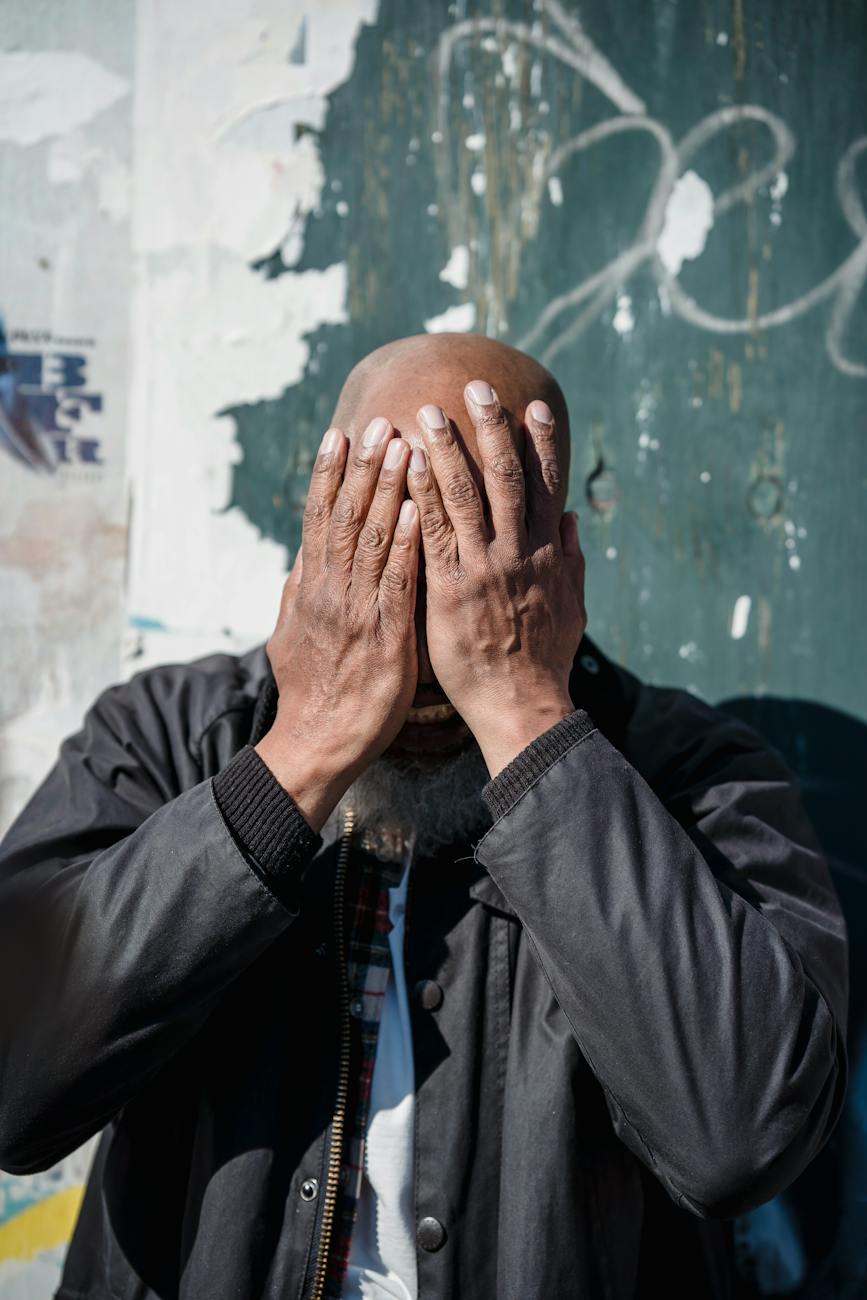
Here are three things I take away from the lessons of Numbers 11-15:
- Look Beyond. Don’t take your eyes off the prize! The scouts’ report was not all bad. Yes, the cities were walled and the warriors were big and fierce. But the walls of Jericho were eventually brought down without a single battering ram, siege ramp, or arrow! Don’t ignore the trials ahead, but don’t let them blind you to the blessings beyond them!
- Look ahead, not behind. Don’t waste time living in past comforts or running from past mistakes. God has something better than whatever we’re going through now. But God isn’t waiting on the other side. He is beside us, around us, WITH us right now. He is patient with us. It may take us two years (or forty-two!) to reach a goal, but if we learn to follow God, we will never be forsaken.
- Look UP! God’s spirit didn’t appear on the ground around the Israelite camp. He appeared as a pillar. God called Moses UP on Mount Sinai. We need to stop looking back at our past, or around, comparing ourselves to others, and look at God’s promises. In relation to our goals and dreams, we need to LIFT them up in prayer! Daily!

We are so close! Let’s keep going in the right direction towards God’s promises.





 Pursuing Prayer