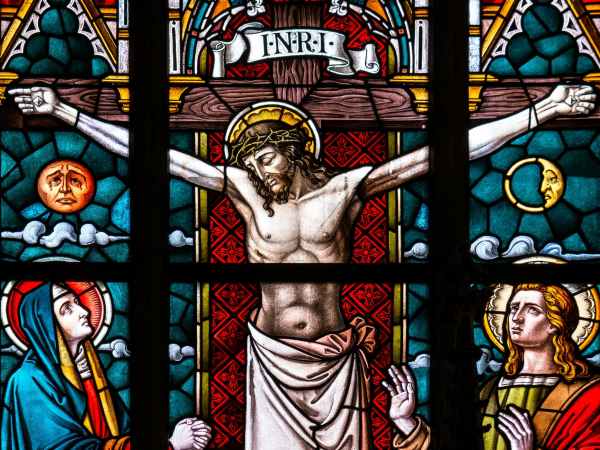
Nothing But the Blood

As I write this, it is still Sunday evening. This morning, we sang a classic hymn at church– “Nothing But the Blood of Jesus.” It’s an old hymn, and familiar; we often sing such hymns on auto-pilot and without really thinking of the wonderful words and truths coming out of our throats.

Photo by cottonbro on Pexels.com

“What can wash away my sin?– Nothing but the blood of Jesus.” “What can make me whole again?–Nothing but the blood of Jesus.” When I come to God in prayer, confessing my sins, it is not my prayer that makes me clean. Nothing I can say or do will give me right standing before God. I am a sinner, and I fall short of God’s glory. I also trespass against His holiness, and even His mercy. I am guilty, and there is no “magic” prayer that will heal me or exonerate me.

Photo by Michelle Leman on Pexels.com

Yet I come before a Holy God and make my confession. Not because He doesn’t know that I have sinned. Not because my words will save me. I come because I know that the Blood of Jesus Christ has, and will make me whole and justified. I have no need to hide the truth of my condition, or try to make my own justification or sanctification. Christ has done it all.

Photo by Ian Panelo on Pexels.com

Prayers of confession are not for God’s benefit, but for ours. To hide our guilt, or to excuse it, is to despise God’s amazing gift of Grace. When we confess to God, it is not because He wants to humiliate us or cause us additional guilt– though this is often the lie we tell ourselves. God is eager to remove our guilt and to guide us in His righteous ways. But He will not save us against our own will or without our permission. He will not conspire with us to hide our secret sins, or pass the blame on to someone else. To do so would be to submit to OUR will. WE are NOT God, though we sometimes act as though our ways are better than His.

Photo by Pixabay on Pexels.com

I’m so glad that God is God– that His ways are perfect, and that I can trust Him completely. Even when I fall short, I can trust that God has already paid the price to make things right– something I could never do, and something I find too wonderful to fully comprehend.

Nothing but the blood can save me. And anything other than the blood will fail to set me free. My prayers of confession– no matter how polished or pious or piteous– cannot unlock the mystery of salvation and restoration. But they acknowledge the marvelous reality that it IS FINISHED! God’s Grace is sufficient! Hallelujah!

“Ever Hearing”

Have you ever tried to have a conversation with someone who just pretended to listen? They nod or make a sympathetic face, but clearly they have no idea what you are saying. Maybe they nodded at the wrong time, or even interrupted you with some comment that was completely off-topic.

Photo by Ketut Subiyanto on Pexels.com

God not only hears what we say to Him, He understands better than WE do!

That is not the case with us. We can be “Ever Hearing” but “Never Understanding,” just like the people of Israel during the ministry of the prophet Isaiah. (see Isaiah 6: 9-13) Isaiah brought warnings and prophetic judgments from God–calls for repentance and warnings of impending punishments. He spent years delivering the same message to hundreds of people. They heard his message, but they did not listen, understand, or repent. Jesus, in Mark 4:12 alludes to this passage in Isaiah– clearly, the people of his day were equally “deaf” to the truth, even though thousands came to hear Jesus speak

Photo by Matheus Bertelli on Pexels.com

Jesus’ brother James, in his epistle, rephrases the same idea– “But be doers of the word, and not hearers only, deceiving yourselves.” (James 1:22 ESV) Just because we have believed the Good News does not make us immune to hearing without listening, understanding, and obeying.

Photo by Ksenia Chernaya on Pexels.com

We have thousands of Bible study books, websites, videos, broadcasts and webcasts, blogs, and live meetings–and, for many of us, they are free and easy to access. There are billboards, memes, t-shirts, Christian radio stations, and more, sharing scripture, testimonies, cartoons, songs, prayers, and more, 24 hours a day in almost every corner of the world and in most of the world’s languages.

Photo by Laura Stanley on Pexels.com

But sometimes, the very prevalence of such material causes us to take it for granted; and our hearts and minds become numb to the glory of God’s wisdom and the urgency of His warnings. We hear that God is sovereign– and we say that we believe–but we act as though we know better than God how the world “should” be. We hear that God is gracious and merciful– and we sing praises for His mercy toward us– but we have no mercy for others who fall short of our expectations. We hear that God is close to the broken-hearted (Psalm 34:18), but we act as though God favors the proud and self-sufficient.

Why would God command Isaiah to continue preaching to those who refuse to listen and obey? And why would Jesus follow in Isaiah’s footsteps– relying on parables and teaching the masses who misunderstood His Gospel?

Scholars have different theories, but I think there are two main reasons:

  • We know from examples and from experience that the same message that falls on “deaf”ears over many years can suddenly “click.” God know this better than anyone. He is patient and humble. God’s message doesn’t change, but sometimes, it takes a while to “seep in” to the heart and mind. Someone who is “ever hearing” may be processing more of the message than we know. God’s spirit whispers, and His truth can be drowned out, but it cannot be silenced. It is important for us to continue to speak, to write, and to LIVE the truth– not just for others, but to make sure we are still listening, understanding, and obeying the truth.
  • God IS truth. And God may whisper, but He will not be silent. God is mysterious, but not absent, or cold, or withdrawn. In Romans 1: 18-32, Paul says that God has revealed all of His invisible qualities in all of nature throughout all of time. We cannot say that we NEVER saw the glory of a sunset, or heard the power of thunder, or felt the warm kiss of the sun, or in some other way experienced the loving and majestic reality of God. We CHOOSE to ignore or rebel against God’s ever-present, all-gracious love.
Photo by ROMAN ODINTSOV on Pexels.com

What glories will we see, hear, and experience today? Will we be “ever hearing” but “never understanding” “how wide, and long and high and deep” (Ephesians 3:17-19) is the Love of Christ? I hope we will take every opportunity to listen, understand, and obey His call today!

If We Confess…

Many years before he became America’s first President, a young George Washington supposedly chopped down his father’s cherry tree. But young George is not remembered primarily for his action of cutting the tree– he is noted for telling the truth and confessing to the act, rather than trying to cover it up or excuse it or escape his punishment.

Photo by Todd Trapani on Pexels.com

Hundreds of years earlier, King David committed adultery, and later had one of his most loyal warriors assassinated to cover up his sin. But when he was confronted with his sin by the prophet Nathan, David tore his clothes. He fasted and prayed, and confessed everything before the Lord. He accepted the bitter punishment that he had tried to avoid earlier, and he was reconciled to God.

If we confess our sins, he is faithful and just to forgive us our sins and to cleanse us from all unrighteousness.

1 John 1:9 (ESV)

This is a very basic tenet of Christianity, and one that most of us learn early in our journey of faith. But it is also one that we sometimes have trouble trusting fully. We find it difficult to confess our “petty” sins–they seem too little; we find it difficult to confess sins long past– why bring them up now? We find it difficult to own up to chronic sins– shouldn’t I be beyond this by now? And we find it difficult to confess that we know what is “right,” and still choose to go our own way. We haven’t been tricked or misled; we haven’t been ignorant or unaware. We have sinned. And God already knows it. God is already waiting to forgive us and to restore to the “joy of (His) salvation” (Psalm 51:12). But we must trust that God is both willing and able to “cleanse us from all unrighteousness.” That He will not continue to hold our sins over us.

Photo by David Garrison on Pexels.com

In the cases of George Washington and King David, we have stories of their failures– one pretty minor, and the other catastrophic. But God didn’t leave them in their failure– that isn’t the end of the story! God’s story is always one of redemption and renewal. King David went on to great victories– and even other failures–yet he remained a “man after God’s own heart.” George Washington endured many trials and setbacks, but God brought him to a place of honor, making him the first of America’s elected leaders, and the one who would be the model of limited power for a limited term of service to the Republic.

Photo by Artem Beliaikin on Pexels.com

God already knows the worst about each of us. Nothing can separate us from His love. Failing to confess won’t change God’s offer– all it will do is prolong our shame and grief, and delay the peace and forgiveness we crave.

Praying for Happiness

A while ago, I was following a thread on Facebook. It was about good parenting, and the idea being discussed was about what a good parent would do to ensure their child’s happiness. Several of the people on the thread agreed that happiness was the highest priority, and that they would do anything to ensure that their child was happy.

Photo by Trung Nguyen on Pexels.com

I disagreed, but I felt it was better not to argue as part of the thread. I never raised any children of my own, and threads on social media tend to pull out our gut reactions, rather than our studied ones. At first glance, it seems natural and good to want the people we love to be happy. I certainly don’t want my family and loved ones to be miserable! But is happiness the very best I can wish for– pray for? So often in life, true and lasting happiness is a process that involves going through struggles and periods of frustration and even failure. I don’t enjoy seeing loved ones struggling, but I want them to learn the life lessons that will help them become all they were designed to be.

I think of the life of Samson (Judges 13-16). Samson was set apart from birth to be a Nazarite. During his childhood, his parents followed the rules set aside for such a designation. The Biblical account makes much of the rule about never cutting his hair, but there were other rules his parents likely followed as he was growing up, such as keeping him away from grapes, wine, wine vinegar, or any other fermented drink, and keeping him away from defilement by dead bodies. It’s never easy to be “different” when you’re growing up. I’m sure Samson had many questions, and moments of unhappiness as a child. But somewhere along the way, his parents seem to have made Samson’s happiness more important than his character development.

Photo by fabio.tsu on Pexels.com

Samson grew to be petulant and spoiled. He seemed to think he was entitled to whatever whim took his fancy. Now the Bible is clear that some of Samson’s desires were part of God’s plan to confront the Philistines, but Samson’s parents put up only a token resistance when he told them he wanted to marry a Philistine woman. At the wedding feast, Samson posed a riddle which exposed his lack of respect for his Nazarite vows. Not only had Samson killed a lion; he had come back later and eaten honey taken from the lion’s carcass– a defilement that broke his vow. Later, of course, he would use the unclean jawbone of an ass to kill a thousand Philistines in a single incident. Samson could have made an offering and renewed his vow, but we have no record that he ever did.

Photo by Pixabay on Pexels.com

The most famous story of Samson is his infamous liaison with a prostitute named Delilah. Though she does little to hide her intention to learn the secret of his strength and betray him to his enemies, Samson toys with her, lies to her, and finally reveals his sacred secret. Once his hair is cut, Samson loses his great strength and is captured by the Philistines and tortured. Only when he is blind, imprisoned, and shamed does Samson seek the Lord and ask for God’s blessing.

Photo by Sinitta Leunen on Pexels.com

Samson pursued a life of pleasure, and gave full vent to his lust, anger, and other strong emotions. I’m sure there were many moments of happiness in his life, but there were also moments of pain, tragedy, betrayal, and shame.

I think the story of Samson is full of lessons for us today. One of those lessons is that even when we are not faithful, God can still use us for His good purposes. God used Samson to judge the nation of Israel, and to bring punishment on the Philistines for their cruelty toward them. God could have disqualified Samson for having broken his vows time and time again, but God used even Samson’s weakness to highlight His strength.

But another lesson, I think is that God showcased exactly what can happen when we place happiness, pleasure, and ease ahead of everything else. Samson caused his own unhappiness and torture. There is no record of Samson bringing happiness to anyone else– only shame, tears, violence, and retribution. God caused Samson to be a model of all that the book of Judges is about– at the end of the book, there is a significant verse, “In those days, Israel had no king: everyone did as he saw fit.”

Photo by August de Richelieu on Pexels.com

I don’t want my family and friends to be “happy” at the expense of their character, or at the expense of others. I pray that they develop Love, Joy, Peace, Patience, Kindness, Goodness, Faithfulness, Gentleness, and Self-Control (Galatians 5:22-23). In the end, this will bring them a level of happiness that surpasses anything the world can offer.
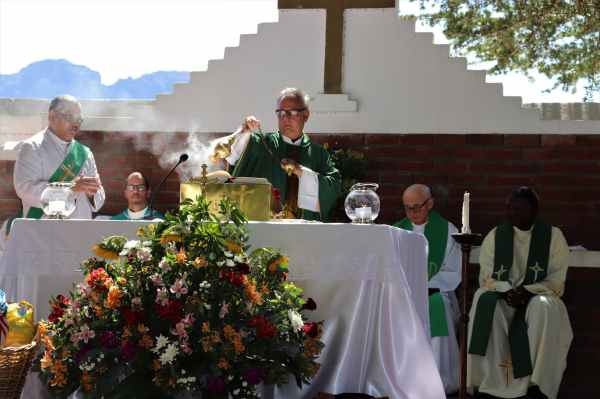
Whiter Than Snow

Winter has arrived full force in my part of the world– snow, falling temperatures, ice, and freezing winds make travel difficult and even dangerous. But snow brings about some good things–and one of those things is its color. The white of the snow helps reflect every small bit of light during the short, gray days of winter. When there is no snow cover, some of us can suffer from a condition called “seasonal affective disorder” (SAD). We don’t get enough exposure to sunlight, which can lead to depression, diminished immunity, and other health-related issues. And, while snow doesn’t contain vitamin D or create sunlight, it does reflect it and sometimes that is enough.

Photo by Maria Orlova on Pexels.com

I am enjoying the whiteness of the new-fallen snow as I write this. Even though it is late afternoon, and normally, it would seem dark by now, the snow makes it lighter; I can actually see better because of the snow! (Of course I couldn’t say this if I were driving and the snow was blowing about or covering my windshield…)
Many people in my community are rejoicing in the snow and cold– it means they can go skiing, snowmobiling, sledding, and build snowmen and snow forts. Some of the children (and their teachers) are hoping to have a “snow day” today. And some people are hoping to make some money from shoveling or plowing driveways and parking lots!

Photo by Jill Wellington on Pexels.com

There will be many people praying for snow; and others praying for the snow to end! And in a few days, the pure white snow may end up dingy and gray from being exposed to unclean air particulates, vehicle exhausts, smoke from chimneys, animal tracks, tire tracks, boot tracks, and trash. But for now, it has a purity and beauty that brightens the spirit.

Photo by Josh Hild on Pexels.com

God uses the imagery of snow to speak of His Salvation. In Isaiah 1:18, He says, “Come now, let us reason together, says the Lord: though your sins are like scarlet, they shall be as white as snow; though they are red like crimson, they shall become like wool.” The psalmist David says to the Lord, “Purge me with hyssop, and I shall be clean; wash me, and I shall be whiter than snow.” (Psalm 51:7) And the Apostle John writes, “And everyone who thus hopes in Him purifies himself as He is pure.” (1 John 3:3)

I don’t feel particularly pure most of the time– I know my past; I know my own failings, and the times I have NOT sparkled, or reflected God’s perfection. And God’s salvation doesn’t ignore any of that. God doesn’t declare that I have never sinned–instead, He takes the dirt, shame, and guilt that I deserve, and swallows it up in His grace. In its place, He gives me a renewed mind, a clean heart, and the power to make choices that reflect His heart and mind.

In a “SAD” world that is cold and gray, depressed and weak, God offers redemption that can make us purer, lighter, and fresher than new-fallen snow. We can reflect His light to a darkened world. And, even though the world is filled with contamination and filth, God has the power (and the desire!) to purify us, protect us, preserve us, and give us a sparkling purpose.

Photo by David Dibert on Pexels.com

Blessings Come Down…

I’ve been reading through the books of Genesis lately, and I was struck anew by the story of the Flood. God caused it to rain for 40 days and 40 nights, and the floods raged for 150 days (See Genesis 7). But the description of the flood does not focus only on rain– instead, it talks about God opening the “springs of the great deep and the floodgates of Heaven” (v. 11).

Photo by GEORGE DESIPRIS on Pexels.com

There are some who argue that before this time, there had been no rain on the earth (see Genesis 2: 5-6). The Bible is not clear whether there was rain after Adam and Eve were expelled from the Garden of Eden, but it appears that rain was unnecessary in the wonderful Garden itself. God had provided rivers and springs to provide water, and there were mists that rose and settled. If this was still so in Noah’s time, then the falling rain would have been terrifying in itself. Things that fall from the sky can inspire both fear and praise.

Photo by Pixabay on Pexels.com

Rain is generally considered a blessing–we need rain in its season, in showers of good quantity, to water crops, provide nourishment for trees and soil, and to replenish springs, pools, lakes, etc. And rain is part of the water cycle…moisture evaporates and rises (like the mists of old) into clouds, where it is held in storage until it rains back down to the earth. Water is a resource, but it is meant to be replenished, renewed, and reused. “New” water is not created, so much as recovered from steam or taken from its current source.

Photo by Jens Johnsson on Pexels.com

Not so with God’s blessings and His mercies. They are “new every morning.” (Lamentations 3:22-23) He sends them down like rain or snow, letting them fall in refreshing showers, reminding us that even when we are separated from God, He still loves us, watches over us, and delights to lavish His gifts on us.

Photo by Velroy Fernandes on Pexels.com

In return, we send up praise. The prayers go up, and the blessings come down. Which reminds me of a song we used to sing in Sunday School.

http://childbiblesongs.com/song-21-wise-man-built-his-house.shtml

God sends rain–God sends blessings. Whether we feel blessed often depends on where WE are. Are we safe in the Ark? In a house built on the solid rock of faith and dependence? Or are we living in perilous ignorance of God’s power to save and sustain us?

Photo by Bibhukalyan Acharya on Pexels.com

The Lord Has Taken Away…

20 Then Job arose and tore his robe and shaved his head and fell on the ground and worshiped. 21 And he said, “Naked I came from my mother’s womb, and naked shall I return. The Lord gave, and the Lord has taken away; blessed be the name of the Lord.”

Job 1:20-21 ESV (via biblegateway.com)
Photo by Pixabay on Pexels.com

The book of Job presents us with a startling picture. Job is a godly man; a righteous man; a man of faith and good works. And yet, God allows him to experience loss upon loss– Job loses everything, short of his life and his nagging, bitter wife. His first response is praise and worship! But as the losses sink in; as the pain and agony and grief continue, Job questions God’s justice and wisdom. Job, like us, wants answers that make sense. He is willing to suffer– even greatly–IF he can see the purpose of his suffering, and justify it to himself.

Photo by RODNAE Productions on Pexels.com

We are getting ready to celebrate Thanksgiving tomorrow in the U.S.– a day when we celebrate what God has given us. We normally celebrate family, health, good food, material blessings, etc. We celebrate abundance and comfort; peace and plenty; family and freedom. But his year, our celebration will be quite different. The Lord has taken away…

Photo by Karolina Grabowska on Pexels.com

Some of us have lost jobs, or we’ve lost our good health to COVID or related factors, or we’ve lost loved ones, often without the chance to say our final “goodbyes”. Millions of us have lost the ability to move about freely and conduct “normal” errands and activities. Schools and businesses are closed or operating from a distance. Families and friends have been kept apart. Much that gave us comfort and happiness has been “taken away” this year. And God has allowed it all to unfold. He has not “taken away” this disease or its consequences. He has not “taken away” floods, or fires, or hurricanes. He has not given us answers or explanations.

Photo by Collis on Pexels.com

Job’s initial praise turns to questioning. While he does not “curse God and die,” as his wife suggests, Job spends his time wondering, “Why me?” His friends try to find answers– “you must have done something to deserve this, Job.” Because God does not “punish” the righteous. It isn’t logical; it isn’t fair; it isn’t just.

Photo by Alem Su00e1nchez on Pexels.com

Except that God laid on His own Son– on Himself– the guilt and punishment for all those who are unrighteous. What Job went through–unknown and unseen to him and his friends–was a glimpse into what God Himself would suffer. Christ lost everything–INCLUDING his life– in order to bring salvation to all those who are willing to believe and receive it. Christ was willing to give away His dignity, His power, His friends and family, and His life. And the Lord allowed it all to be taken.

Photo by Andrea Piacquadio on Pexels.com

Many people read the story of Job– his loss and all his questions and complaints–and conclude that God is not fair or just. They find Him to be capricious and unwilling to ease Job’s suffering or answer his questions. They conclude that God is wicked and unworthy of Job’s praise or trust.

But to do so is to ignore the end of the story– God DOES “answer” Job; He gives Job a chance to justify himself and bring his case. And more than that– He gives Job more than he had before. Job ends up with more children to love, renewed health, and even more wealth than he lost. https://www.biblegateway.com/passage/?search=Job+42&version=CSB And the same is true of Jesus Christ. Because of His “loss,” the world has gained the priceless gift of Salvation by Grace. Christ has become the first of millions to taste victory over death and enter into eternal life. https://www.biblegateway.com/passage/?search=1+Corinthians+15%3A20-23&version=NIV

Loss and grief still exist in this world; disease and suffering and hardship still plague us this year. But we have SO much to celebrate at Thanksgiving. When the Lord “takes away,” it is not because He is capricious, or jealous of our wealth or happiness. It is not because He is unkind or uncaring. At just the right time, and forever more, the Lord will Give without end– lavishly, extravagantly, abundantly. Nothing He takes away in this life– even a cherished love one–is beyond all hope of comfort, redemption, or restoration. Our losses cannot compare to the riches of His Grace and Love. This is a great mystery, but as Job discovered, God WILL DO IT!

Photo by mentatdgt on Pexels.com

Blessed be the name of the Lord! Let us Thank and Praise His Holy Name!

When God Sends a Canoe…

There is an old joke about a man whose house was in the path of a great flood. He prayed and prayed for God to rescue him from the rising waters. As the water crept closer to his front door, a man in a canoe came paddling by. He said he had room in the canoe, if the man wanted to evacuate. “No, no,” the man replied. I have faith that God will rescue me.

Photo by Andy Vu on Pexels.com

But the water kept rising. The man was now trapped upstairs, as the water had flooded his ground floor and continued pouring into his house. A Coast Guard rescue boat came by. It was crowded with people, but the rescue workers assured the man that there was still room for one more. “No, no,” the man replied. I’ve been praying, and I know God will rescue me.

Photo by Onur Kurtic on Pexels.com

Just before sundown, the man was forced to climb onto his roof, as the waters kept rising. A Marine rescue helicopter hovered, and a Marine was lowered with a rope to rescue the man. By this time, the man was hungry, exhausted and shivering, but he refused to accept the Marine’s help, once again claiming that God would rescue him.

Photo by Michael D. Camphin on Pexels.com

As night fell, and the waters were creeping up to his perch on the roof, the man cried out to God,” Where are you, Lord? I prayed for your help, and I trusted you to rescue me. Yet here I am, clinging to the roof. I’m wet, scared, cold, hungry, and tired. Didn’t you hear me? Don’t you care?”

From the darkness above, a voice answered: “I sent two boats and a helicopter. What more do you want?”

Photo by hitesh choudhary on Pexels.com

This is a silly story, but it made me think– how often do I miss God’s answer to my prayers because of my own narrow focus or selfish expectations? When God sends a canoe, do I dismiss it because I want a different outcome? The story doesn’t say why this man refused to see God’s hand in the reasonable rescue attempts that came his way– perhaps he thought God would simply redirect the floodwaters away from his house, or provide a supernatural rescue. And we never find out what happens next– maybe the man gets his miracle, after all.

God’s ways are not our ways, but God often uses practical, even humble means to answer our prayers. And He rarely ever tells us what His answers will look like.

Photo by GEORGE DESIPRIS on Pexels.com

Even the Apostle Paul had to be rescued– several times. In Acts 27 and 28, we find an amazing story in which God revealed to Paul that he would be shipwrecked and rescued. Several attempts were made to save the ship, but Paul’s focus was on saving the lives of all on board. And God answered his prayer. https://www.biblegateway.com/passage/?search=Acts+27-28&version=NIV Strangely, God chose not to reveal that Paul would face a new danger as soon as he was safely on land. Paul trusted God to make sure he arrived safely in Rome– no matter WHAT crisis arose, no matter what surprising disaster loomed. When he was bitten by a poisonous viper, Paul didn’t panic. The same God who had led him safely to shore kept him from harm yet again. This same God would bring him to Rome, where he would be executed for his faith. While in jail, Paul wrote many letters, sometimes asking for basic necessities– including a warm cloak and some parchment. Paul never lived to see his letters become part of the New Testament. He never lived to see generations of martyrs and missionaries reading and sharing his words around the world. But he left a testimony of faith that God would be with him, wherever he went and whatever circumstances he faced.

Photo by Ian Porce on Pexels.com

Whether God sends me a canoe today, or a helicopter tomorrow, I know I can trust Him to do what is best– in His way and in His time.

Amen!

It’s the last word in the Bible. It’s normally the last word of our prayers. It is frequently used by the congregation during a particularly inspiring part of a sermon.

Photo by Binti Malu on Pexels.com

But what does it mean to say, “Amen!”? The original Hebrew word means, “so be it,” or “let it be so.” It is spoken to express confirmation, solemn ratification, or agreement. Saying, “Amen!” is saying that we agree with the words the pastor has spoken, or the words that someone else has just prayed. But, ultimately, it is confirmation that we agree with what God will choose to do, and how He will choose to answer the prayer or speak to us.

Photo by Flickr on Pexels.com

When we say, “Amen,” we are letting go of our will and trusting our prayers, our thoughts, our feelings, and our desires to God’s hands. God is sovereign. He can do anything He wants, regardless of our desires or plans; regardless of our feelings or our actions. He can thwart our plans, upset our circumstances, and set His face against us. But that’s not HIS desire. He wants our willing cooperation and approval. He doesn’t need it, but He desires it. He wants to hear us echo His heart, and respond to His loving care with a hearty “Amen!” Not because He needs it– but because WE need it. We need to rest in His sovereign power instead of trying to fight blindly against our circumstances. We need to wake up and act in accordance with His design, instead of wasting time in apathy and disdain.

Photo by Andrea Piacquadio on Pexels.com

But “Amen!,” like any other word, shouldn’t be used lightly. “Can I get an Amen?” “In Jesus’ name, Amen” These are solemn oaths. “Amen” isn’t just a word of cheer or enthusiasm. It is an acknowledgement of God’s right to rule our lives. Even when it brings testing; even when it involves struggle and pain. All the time, God is in charge, and His ways can be trusted. “AMEN!”

Your Labor Is Not In Vain…

Have you ever had one of those days…the kind where you wondered if anything you did was important, or acknowledged, or valued?

Photo by Ketut Subiyanto on Pexels.com

My father worked for almost 30 years in a factory. His job (for many of those years) was to stand at the same spot for hours a day. He would fit a large bag over an opening, pull a lever, and guide the bag as it filled with several pounds of anhydrous citric acid– a caustic powder that, in small amounts, is used in everything from cleaning products to soft drinks. When the bag was filled, he had to take it down and move it to another station, where the bag was sealed. Finally, he had to take the sealed bag and hoist it onto a conveyor. It was hot, heavy work. It was lonely, noisy, dusty, and monotonous. He worked a swing shift– sometimes twelve or sixteen hours at a time, often overnight. He often had to work on weekends and holidays. And my father was grateful.

Photo by ELEVATE on Pexels.com

When Dad had a day “off,” he could often be found visiting some of the older members of our community– helping them by mowing their lawns or helping with chores, or just visiting and listening to their worries, memories, and dreams. Dad knew the value of his work, and he knew that his work was not in vain. His work fed and clothed our family. It allowed us to give gifts to family, donate to charities, give to the church, and enjoy vacations and outings with friends. His work helped send my sister and I to college, and pay off the mortgage. But more importantly, my father’s unusual schedule allowed him to come to school programs in the middle of the day; it allowed him to go on day trips with my mother or my grandparents; it made him more aware of the value of time. Dad filled thousands of bags of citric acid– and he never knew where it ended up or how it was used, except in a very general way. But God knew. He saw every grain of acid in every bag. He knew where it would go and what good it could do. And he watched my father’s efforts every day.

1 Corinthians 15:57-58
English Standard Version (Via http://www.biblegateway.com)

57 But thanks be to God, who gives us the victory through our Lord Jesus Christ.

58 Therefore, my beloved brothers, be steadfast, immovable, always abounding in the work of the Lord, knowing that in the Lord your labor is not in vain.

Photo by August de Richelieu on Pexels.com

Today, we are celebrating “Labor Day” in my country– a day to celebrate the contributions of working men and women throughout the year. And many people will have time today to enjoy a trip to the beach or a cookout, or an extra-long camping weekend or late-summer vacation. But some will have to work today– clerks at the local store or gas station, police officers, nurses, factory workers, and others. Their labor today will ensure that others are kept healthy, safe, and supplied. We should not forget them.

Photo by CDC on Pexels.com

And we should not forget to take a moment to remember that our labor– whether glamorous, mundane, urgent, physically intense, or mentally stressful–is noticed and valued by our Father in Heaven. Whatever we do, if we are doing it for God’s glory, we will see fruit from our labors. Maybe not today or even in our lifetime. But our efforts– and our words and interactions– matter! Those prayers that we lift up in a quick moment; those simple gestures and hugs; that small favor or gift; each one is noted and celebrated by none other than the Ruler of all Creation.

Photo by Rahul Pandit on Pexels.com

Blog at WordPress.com.

Up ↑