“Little” Prayers

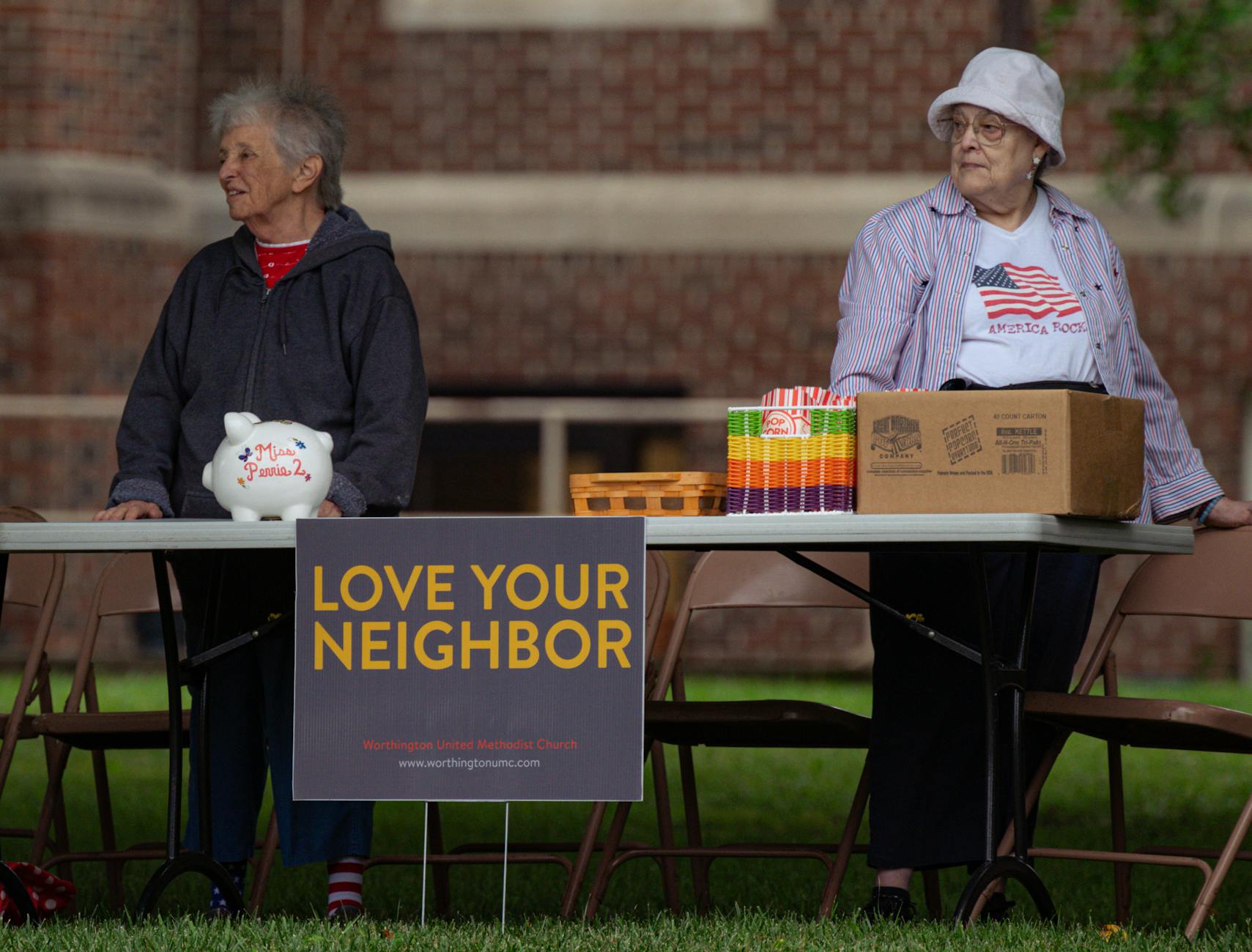
I was challenged the other day by someone who suggested that my prayers are “too little.” Well, not precisely “my” prayers– I head up a small prayer group at church, and we pray for people in our congregation and our community. We keep a running list of people who are suffering from various health issues or housing issues, relationship issues, etc. We also pray for our church staff, for missionaries that our church supports, for upcoming ministry opportunities and programs, and other seemingly “small” requests. These are posted on a list and shared with some of our church members who are shut in or who want to lift up their neighbors in very specific ways.

I don’t think this person meant to be insulting but I see our prayer group quite differently. These “little” prayers are heartfelt, and I believe they reflect the heart of our Savior. Yes, Jesus offered salvation through His death and resurrection to “whosoever believeth” (John 3:16) throughout all the ages, but in His ministry, Jesus was extremely personal and intimate. Among His disciples, Jesus taught them to ask for “our daily bread” and for simple forgiveness as “we forgive” those who have hurt us. (Matthew 6:9-13) And I think our prayer group reflects that aspect of prayer. So, even though our list may seem “small” as we pray for Ned’s pneumonia, or Clarice’s upcoming CAT scan, next week’s teen outing, or Chris’s continuing housing issue, it is also showing compassion and worth to each individual, sharing in their “burdens” (Galatians 6:2) because God loves each of us without condition or limit!

On the other hand, I think I know what this individual was trying to convey. We are also called to pray “big” prayers. Jesus encouraged His disciples to have “big” faith– the kind that moves mountains (see Matthew 17:20– although Jesus says that even faith as small as a mustard seed can result in this kind of answer!) “Little” prayers can be the result of “little” faith. We pray for God to intervene in ordinary things without asking Him to unleash His power and majesty. God is able to do infinitely more than we ask or imagine (Ephesians 3:19-20) through the power of Christ in us! So are we tapping into that promise, or limiting our prayers to what we think God might do on a small scale?

I don’t think our prayer group is doing this at all. We often pray for peace in the Middle East and in other war-torn regions. We pray that the spirits of Anger, Lust, Deception, and Rebellion will be bound and that the eyes of the lost will be opened; that hearts will be softened toward the Gospel, and that our brothers and sisters facing persecution will be, strengthened, emboldened, and protected/rescued. We pray for Revival and renewal across nations and continents. And we pray that in these “little” situations, God’s love, wisdom, and power will be shown clearly– even to those who deny His existence.

Prayer is a huge topic, and a lifelong pursuit. I was challenged by this comment the other day to look closely at how our group functions; at how I present prayer each week; at how we perceive the calling and responsibility of prayer. In the Proverbs, we are told that “As iron sharpens iron, so one person sharpens another.” (Proverbs 27:17) Comments like the one that challenged me the other day are golden opportunities to learn, review, and grow in our daily pursuit. The Church is strengthened when we allow for each member to speak– especially if it stretches our view of things we take for granted!

I don’t believe there are any prayers that are “too little” to bring to God– He delights in our smallest steps of Faith; in our complete and simple dependence on Him. But I also don’t believe that our prayers can or should be limited by the mundane and ordinary. We should come boldly to the throne of Grace– not because of who we are or what we’ve done, but because of the Awesomeness and perfect Sufficiency of the God we serve!

The Weight of Prayer

Have you ever carried a burden that just got heavier each minute? Some pressing need, or a load of guilt and shame, or an unresolved issue that has been hanging over you for years with no relief. Sometimes, prayer is very heavy. It is a sacrifice, and a burden to keep praying for an unsaved loved one, or to fully confess the shame you have carried for years. Your needs (or the needs of loved ones) can push down on your spirit and make it difficult to even want to pray. Pain, grief, or persecution can cause you to shrivel up inside and even though you want to pray, you just can’t seem to find the words.

But oh! The relief of carrying our burdens to the throne of Grace! God may not give us immediate relief from the burdens of pain and suffering, but He will come alongside and shoulder a God-sized portion of our load. He has promised this. Jesus Himself said, “Come to me, all you who are weary and burdened, and I will give you rest. Take my yoke upon you and learn from me, for I am gentle and humble in heart, and you will find rest for your souls.  For my yoke is easy and my burden is light.” (Matthew 11:28-30 NIV)

Not only will God come alongside us as a result of prayer, His Spirit will help us in our weakness and inability to express our deepest emotions. “Likewise the Spirit helps us in our weakness. For we do not know what to pray for as we ought, but the Spirit himself intercedes for us with groanings too deep for words. And he who searches hearts knows what is the mind of the Spirit, because the Spirit intercedes for the saints according to the will of God.” (Romans 8: 26-7 ESV)

I have found this to be true through experience. And I have also found great relief when I can share my burdens with other Christians and know that they are praying for me and for my loved ones. One of the greatest burdens we can bear is that of isolation and hopelessness. Finding a trusted group of fellow believers can ease the pain of bearing such burdens alone. Often, Christian friends can offer limited practical help for immediate needs or provide counseling and wisdom in our next steps. Two words of warning– no group of friends, even Christian friends, can substitute for God. Friendship should not substitute for prayer and Godly wisdom. And true friends will always point you to God rather than trying to fix everything in their own power and time frame. A true friend will not only share the “weight” of your burden, but also the “wait” for God’s answer! Secondly, “sharing” is not the same as rehearsing the same guilty secrets over and over for attention, shock value, or entertainment. It is not gossiping about the same horrible boss or nosy neighbor you can’t seem to forgive or lamenting over all the things you might have done differently as a parent (or spouse or co-worker) last week.

Prayer is deep. It is heavy. And it is powerful. But it can also be freeing, removing the burden of worry, shame, guilt, and isolation. We may enter prayer with groaning and exit with praise! God inhabits our prayers! He is with us in the groaning and in the struggle. He sends us friends and “angels unaware.” And He remains with us in victorious celebration. He provides comfort, strength, and peace as we lay our burdens down. He provides companionship, help, and hope as He shares the weight of whatever we bring to Him.

Don’t “wait” to share your burdens. Let God do the heavy lifting!

Pray For Me, Not About Me

Gossip and judgment are nasty habits– what happens when they creep into our prayer life?

I’ve sometimes struggled with the idea of praying for those who have hurt me or mistreated those I love.  We are commanded to do it, but often, I am tempted to pray about my enemies instead of praying for them.  As if God didn’t know what they had done; as if he needed me to alert him to their bad behavior, and remind him of how I was slighted, misunderstood, or powerless to bring justice to my friend or family member who was wronged.  I want to tell God how to treat them– how to punish them, or abase them, or bring them to feel remorse.  I want to hang on to the indignation and sense of victimhood–after all, God is going to make it right in the end, vindicating me and humiliating them, right?  Except that’s not how it works in God’s economy…My vindication does not come at their expense, but through the blood of the truly innocent Lamb of God.  Let that sink in.  God is not in the business of torturing others to make himself feel more righteous.  If I want to follow Christ, my actions, and my prayers, should be full of his Grace, not my bitterness.

I am not alone in this– and I’m sure I have been “prayed about” often enough.  Even saints and matriarchs of old have done it.  And King David was guilty of it as well–several of the Psalms include angry, even vicious rants against David’s enemies.  It’s understandable; it’s only natural for us to feel indignant, angry, and hurt in the face of injustice, unkindness, hatred, and abuse.  And it’s not inappropriate for us to cry out for justice, or pour out our hurt and frustration. But it is wrong to stand in judgment and unforgiveness when we come before the throne of Heaven.

gossip

I believe that these are the difficult prayers that teach us to know God better– as well as ourselves.  To pray for those who have hurt us means that we must move beyond what they have done– not to deny it, or to excuse or forget about it, but to give it over to God –and deal with who they are.  They are lost exactly as we are lost, but for the grace of God.  They are redeemable, not because they can undo or atone for what has happened, but because God says that whosoever trusts in Him can be saved.  They are precious in God’s sight.  When we stop focusing on who hurt us, and how, we can instead focus on who heals us, and how he wants to heal others.

These prayers also serve to remind us that our true “enemies” are not the people who say or do unkind or even wicked things.  Our true enemies are not the ones who can hurt our feelings, or even our minds or bodies.  Our true enemies are the ones who would steal our souls– who tempt us to hold on to rage and despair, to hopelessness and doubt, to bitterness and shame.

It is so easy to write these words, and to “know” the right thing to do.  But it is a painful, heartbreaking, humbling, stumbling uphill climb to DO the right thing.  I still catch myself so often praying about certain people, instead of praying for them.  God knows my heart–he knows if my prayer is sincere.  And, as I struggle, I am reminded that the change I would wish to see in someone else mirrors the change I should wish to see in me  The same Grace that God sends to heal and comfort me is the same Grace he offers to everyone who will take it–even when they choose not to accept it.

So I hope I am learning to pray for those who sneer at me; those who lash out in their own pain, anger, or thoughtlessness.  To pray for their health and safety, their well-being, and their wholeness. For their sake–for the sake of the One who loves them eternally.  And in the hope that healing and restoration will triumph over what lies in the past.

Words Are Not Enough

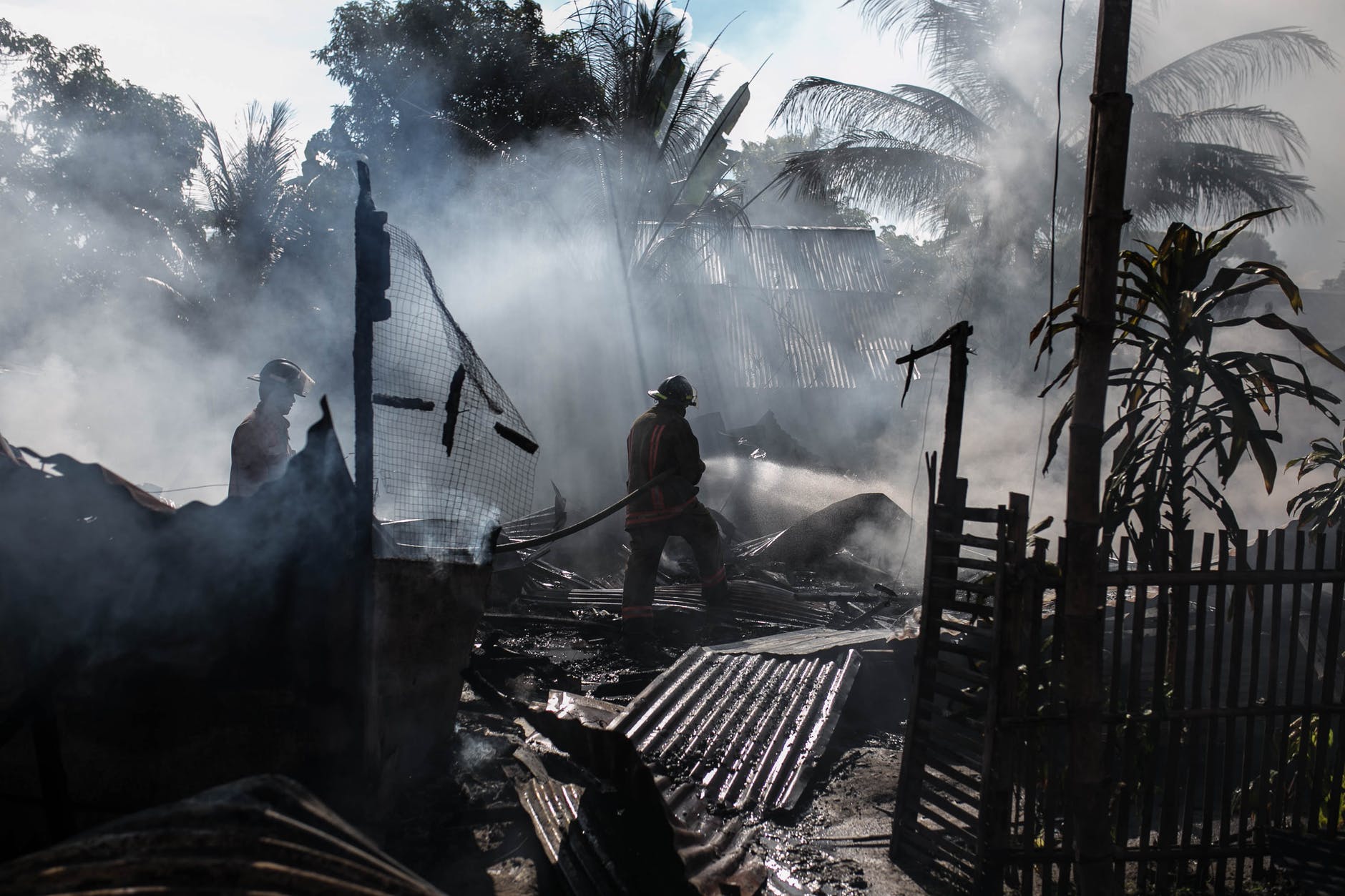
When tragedy happens, words are not enough to bring justice, resolution, and immediate peace to the situation. “I’m so sorry,” or “I’m here for you,” or “I’m praying for you…” In themselves, the words have no power to change circumstances. Words cannot bring back a lost loved one or undo a fire or earthquake or violent attack.

Yet, when we say that we are sorry, or that we are “here,” or that we are praying, we are offering more than just the words we speak. We are offering to share someone’s grief; to help in practical ways that can ease even some of the suffering; to call attention to God’s presence in every situation, no matter how dire.

Prayers are more than just the words we speak. In Romans 8:26, the Apostle Paul says, “We do not know what we ought to pray for, but the Spirit himself intercedes for us through wordless groans.” Prayer often involves our entire being– body, soul, mind, and spirit–as we bow our heads or lift our hands, sweat, groan, go through a range of emotions from grief to praise, and try to express our heart cry in muddled words.

But prayer is not about US. It is not about our words or our emotions or even our desires. Prayer is about staying connected to God. In ourselves, we will always be insufficient. We may be able to take actions that will help others (or ourselves) achieve some measure of relief or understanding when things go terribly wrong. But we cannot bring complete justice; we cannot reverse what has already happened; we cannot guarantee outcomes. In prayer, we give outcomes and justice to the Only One who can bring true healing, justice, and peace out of our tragedies. We give up on the idea that our own thoughts and actions can overcome all the things that are beyond our control. And we lift up our questions, our fears, and our deepest hurts, with whatever measure of Faith we have, to the one we trust to make all things right. And we relinquish the idea that God MUST give us what we desire in the moment to believe that He gives us what is best according to His eternal plan.

Prayer isn’t simple. It isn’t a “cop-out.” It is a sacrifice. God may never answer our desire for an explanation, or for revenge in this life, or for a re-instatement of all that we think we deserve. But prayer connects us to the Sovereign Heart of God. Prayer doesn’t change our circumstances. It changes the way we respond to them. It changes the way we see ourselves and our own limited power. It changes the way we see others– even those who would harm (or have harmed) us.

Words are not enough– but Prayer taps into the all-sufficiency of God. That is more than enough. And the more we pursue and practice Prayer, the more we will understand its power and sufficiency.

Prayer and Marriage

As a young girl, I prayed about being married. Most of my prayers were pretty shallow– more about the wedding than the marriage. I dreamed of dresses and decorations, flowers and a shadowy “prince charming” type of groom, whisking me off into the sunset and living happily, dreamily ever after.

The years went by…MANY years! I prayed and dreamed through my twenties; I prayed and hoped through my thirties; and I prayed with less hope and more desperation in my early forties! But my prayers changed as I saw marriages around me. I saw many marriages that were solid, even through tough times. And I saw many “fairy tale” marriages crumble. I saw a lot of heartbreak, anger, and tears, as people who had once vowed to love one another “’til death us do part” fought over furniture and who got the kids over minor holiday weekends. I heard from frustrated wives who felt like they had made a huge mistake, marrying the “man of their dreams.” Some of them compounded the mistake by looking around for a replacement “Mr. Right.”

Instead of praying about a wedding, I began praying about marriage. Instead of praying for “Mr. Right,” I started praying that God would help me become “Mrs. Right.” And I prayed that God would show me what I should do for others during the time that I was single, as well as what I could do for him in a marriage relationship.

Thirteen years ago, I married my husband, David. He isn’t “Prince Charming,” though he can be charming and noble at times. He is, as I am, a flawed human being. David was married before, and he carries the hurt of betrayal and loss of trust from the past. I carry the hurt of being rejected and passed over for so many years. Marriage doesn’t make the past disappear. Marriage is not a “cure” for such hurts.

But marriage is more. God instituted marriage from the beginning for a man and woman to come together in a mysteriously intimate relationship that models what God’s love is like. (See Genesis 2:24; Matthew 19:5; Ephesians 5:31 and others.) David and I don’t exist to “complete” each other. We don’t cease to be our own individual selves. And yet, we are not the same as we were before our marriage. We are more than the sum of our parts– we are ourselves, yet we are one– the Fairs. He is David Fair, and I am Lila Fair, but WE are THE Fairs. And spiritually, we are also one WITH Christ– as individuals and as a couple. We walk forward as One. We make decisions together. We share hopes and dreams, as well as struggles and disappointments. We fight sometimes– not against each other, but against differences or misunderstandings that could weaken US as a couple and weaken our relationship with Christ.

I don’t pray any less often or less fervently now that I am married, but I pray daily about my marriage. I thank God that He was with me through all the “single” years. I thank God that He continues to work in our marriage– that David and I know more about love and faith, hope and fulfillment than we did 13 years ago! I pray that David and I will grow together for many years to come. I pray that we will impact our family as we live out what a Godly marriage is supposed to be. I pray that our marriage will inspire young men and women who are looking (as I once was) to see what a solid marriage involves– that the way we talk to each other, and behave, and work, and live will give hope to future couples, and glory to God.

Marriage and prayer go hand in hand. Prayer cannot guarantee that marriage will be easy–or even than it will survive. Marriage takes two people praying and walking in the same direction! But marriage–and life– without prayer will never be all that God intends it to be.

Our Father

Dad.  Daddy.  Pops.  Papi.  Da.  Father.

During my youngest years, I called my father “Daddy.”  Daddy was someone to hold me when I was tired, or frightened, or just in need of a hug.  Daddy had all the answers; he could turn my tears into giggles, my pouts into apologies.  His stern word could melt away rebellion; his smile could fill my heart to bursting.

As I grew older, he became “Dad.”  Dad was wise.  Dad gave good advise– even when I didn’t always take it.  Dad listened and showed interest in what I said.  Dad challenged me to do better, think deeper, try harder, and work smarter.  Dad didn’t pick me up and carry me, but he was there beside me when I needed someone to lean on or lend a hand.  Dad was my coach and advocate.

grace1

As an adult, Dad sometimes became “Pa.”  Pa was someone who had “been there”.  He had experience, and wisdom.  He had patience and compassion.  But his days of coaching and propping me up were fewer; his days of sharing his own faults, his unfulfilled dreams, his regrets–commiserating rather than commanding– grew more and became more precious to me.  He was still my father, but he was also my friend– a fellow traveler on this road; one I knew well and loved dearly.  One I respected and trusted, even though he was not perfect.

I was blessed to have a father who was good and kind; a man of integrity and humor; a man who loved his family more than life, loved his neighbors, his community, music, nature, animals, and good food.  Most of all, he loved God.  Not with fire and brimstone fanaticism, but with humble astonishment that God would send his son to die for him.  He lived in the wonder of that truth– that “whosoever believeth (in him) should not perish, but have eternal life” included him.

I say all this, not just to honor my earthly father, or to thank my heavenly father for that relationship, but to point out how prayer is often a reflection of how we view fatherhood.  Some people have a difficult time praying and trusting God because they have never known an earthly father; or they’ve only known earthly fathers who were distant, unapproachable, or abusive.  If this is the case for you, may I encourage you to ask God to reveal himself in a fresh way, with a name and vision that is personal and distinct from the earthly father you have known.  Some people view God as “Daddy”–someone who fixes everything, holds us close, and keeps us safe.  And he is all those things.  But he is also “Dad” who wants to challenge us and coach us to grow and develop our character.  He is “Abba”, and “Senor”, “Lord,” and “Father” and “Papa”.  He is not “Pa” in the sense I knew my father, in that we are not his peers when we reach adulthood.  He has no faults to share, no regrets.  But he wants to share that precious intimacy that comes with time and familiarity–he wants us to develop trust and love as we get to know him better, however we call him.

superdad

There is one clear difference between God and any of our earthly parents– God is GOD– he is the creator and ruler of galaxies, and of microcosms,  omnipotent and omniscient, omnipresent and eternal, holy and sovereign.

And when I pray, I pray to him– almighty King of Kings– and my Father!

Cowardly Prayer

But when you pray, go into your room and shut the door and pray to your Father who is in secret. And your Father who sees in secret will reward you. Matthew 6:6 (ESV)

Prayer can sometimes seem like a cowardly action. It seems passive; it relies on faith and, often, patience. We connect courage to action– courageous people DO something; cowards sit on the sidelines or hide in their closets. Yet Jesus told His disciples to go into their rooms or closets, close the door, and pray in secret. Jesus himself often went out into the desert to pray alone. Jesus’s ministry was filled with passive moments. He spoke, or he walked along from town to town. He stopped to heal people by touching them or speaking to them. He rarely raised his voice or let his temper show. He allowed himself to be arrested, tried, sentenced, beaten, and crucified, without making a vigorous defense or protesting his horrific and unjust treatment. On the cross, his one impassioned outburst was a prayer to His Father–“My God, My God, why have you forsaken me?” (Mark 15:34)

We don’t think of Jesus as a coward. Yet, we often sneer at Christians who spend more time praying and less time “doing.” Being active is not a bad thing. Jesus commanded His disciples with many active words– “GO,” “teach,” “feed My sheep.” And there are busy people who are courageous in their own way. They go into dangerous places to preach the Gospel. They risk their health and safety to reach the lost with the Good News that Jesus Saves! They stand firm for the truth, and they defend it with vigor and passion. But Jesus also commanded His disciples to “Follow Me.” That means that we need to look at and model our lives after the ways that Jesus responded to various situations, and how He lived. The question we often ask is “what would Jesus do?” But the real question we should ask is “what did Jesus DO?”

Jesus prayed. He prayed for people; He prayed with people; and He prayed alone for hours and even days. And Jesus prayed courageous prayers. He didn’t pray “safe” prayers. Even His anguished prayer in the garden ended with courageous and humble resignation– “Father, if you are willing, remove this cup from me. Nevertheless, not my will, but yours, be done.” (Luke 22:42) Jesus also engaged lovingly and personally with the kinds of people that others ignored or wrote off or dismissed as broken, damaged, or irredeemable.

Just this week, a young Christian apologist and conservative speaker, Charlie Kirk, was assassinated. He was well-known and admired (or detested) for speaking up about family values, and Christian principles on American college campuses. He often faced hostile critics and smug detractors– atheists, anarchists, and those who called him a racist, a homophobe/transphobe, a bigot, and a “hater.” I never met Mr. Kirk. I watched some of the videos his group posted of him patiently and passionately arguing for marriage, faith, morality, hard work, ethical behavior, and national issues like immigration reform, tariffs, and foreign policy matters. I respected much of what he said, and some of how he said it. One of the things I most respected was his commitment to listening and asking questions, instead of merely attacking. But the most amazing thing about Mr. Kirk was his passionate and outspoken commitment to Jesus Christ. His faith was the center of everything he said, and in the way he interacted with supporters and detractors alike. He did not shy away from difficult questions, and he rarely resorted to easy answers, but he always pointed others to the example and the words of Jesus.

In the wake of his death, many people are asking, “What now?” Mr. Kirk was articulate, passionate, and willing to put himself in danger in order to defend the truth and his personal views. He trusted God to use him, and he was willing to pay a horrible price– being hated, threatened, and ultimately shot to death–to do what he saw as God’s work. He left behind a family (wife and two children), several close friends, and a host of people who followed him on social media and looked to him as a Godly example. Fellow Christians, while we may grieve his loss here, rejoice that he is Home with his Savior for eternity. But many people are wondering what will happen if no one steps forward to take his place and carry on his mission. While I believe that many young people will be inspired to speak out and engage in discussions, I don’t think most of us are meant to step into a spotlight. I think we NEED more people who will commit to going into their closets and pray. While Mr. Kirk put himself in the public arena, there have been hundreds and thousands of people praying for him. They continue to pray for his family, his outreach organization, “Turning Point”, and they even pray for those who instigated and committed this violence.

Prayer is NOT cowardly. Prayer warriors are needed to intercede, to call on Heaven’s Armies to continue in the age-old battle. We should be willing to have the difficult conversations when they arise. Some of us will be called to initiate such conversations openly and with fierce determination. And we should all be ready to “give a reason for the hope that is in you” (1 Peter 3:15) even when it is with “trembling and fear.” And we should always remember to be humble and show kindness, even to those who despise us. But some of us need to be lifting up those who are being attacked. Some of us need to pray more boldly, more often, and more confidently in light of the violence that has exploded in our world. We need to pray, not just for the Charlie Kirks of the world, but for the salvation of all the would-be assassins. We need to pray for the hearts and minds of those who want to argue and “cancel” all those who stand for God’s Word. And for all those who do not know the truth, who are confused, befuddled, or deceived.

We need those who can be courageous– whether in the public square or in a private room.

In This World You Will Have Trouble…

When will the violence end?  How long, O Lord, must we wait for justice?  Why did you allow this to happen?

And it has happened again.  A school-related shooting, this time in Minneapolis, Minnesota.  News feeds were filled with information, speculation, analysis, and commentary for days after the incident.  A week later, the fury seems to have moved on, and the fate of the two murdered children, their families, and the other wounded victims of the shooter’s rampage are dwarfed by the cries of those with a political agenda.  Some are raising concerns over gun control; others want to look at the effect of puberty blockers and other treatments used for those in the trans community. Everyone looking for a quick explanation and a quick solution, so that this “never happens again.”

Senseless violence, natural disasters, sudden tragic circumstances, still have the power to shock us, overwhelm us, shake our confidence, our composure, our beliefs.  Most of us want to believe that we live in a predictable world, a safe and orderly world, a world that has been tamed, and groomed, and civilized.  And we don’t want those beliefs shattered with the truth– life is unpredictable, filled with tragedy, evil, and danger, and it will end in death.  I’m not saying this as a cynic or a pessimist– life is also wonderful, filled with love, laughter, achievement, delight, and eternally precious.  But why are we so deeply disturbed to face the truth about our troubled world?

I believe it is due, in part, to the recognition that this is a fallen world.  It was not made for evil and tragedy and death, but every tragedy reminds us that the whole earth groans for restoration to what it was always meant to be.  The echo of Eden, and the hope of Heaven live in us, and the reality of our lost state cannot be denied when tragedy strikes.  The pleasant facade of the triumph of reason and humanity cracks, and we are forced to see that evil resides next door, down the street, across town, perhaps even in our own hearts and minds.

I love the movie “The Princess Bride” (ask any of my friends–I can quote whole scenes!), but when I first saw it in the theater, there was one line that struck me like a punch in the stomach.  The Dread Pirate Roberts (a.k.a. Westley) kidnaps/rescues Buttercup from her original captors, and after she tells him of the pain and desolation of losing her true love, he doesn’t comfort her by revealing that he is, indeed, her own sweet love, still alive and well.  Instead, he says, “Life is pain, highness.  Anyone who tells you differently is selling something.”   Wha-what?!   What kind of lover, when confronted by that kind of tragic outpouring, says something so callous?  To quote another line from the movie, “Why don’t you give me a nice paper cut and pour lemon juice on it?”  But Westley is not heartless.  The line is memorable, both because it is jarring in its context, and because we recognize that it holds a truth.  Anyone who tells you that this life will be free of pain and suffering IS selling something.  In the movie, Humperdink is “selling” the idea that he is going to make Buttercup a princess and marry her, and they will live happily ever after; all the while planning to kill her.  In today’s world, there are people trying to sell us ideas– that they “have it all figured out”; that truth and justice and morality  and even a person’s worth and value are all relative; that God doesn’t exist or that he doesn’t care; that evil is a figment of our imagination, or that human institutions can create a perfect society and “save” the planet from other human activities and institutions.

Jesus tells us in John 16:33 that in this world, we will have trials, trouble, tribulation, and/or suffering (depending on which version you read).  Not because God doesn’t care; not because he is incapable of stopping tragedies, but because we (humankind) have turned away from God, and the consequence of our rebellion is tragedy and death.  He doesn’t tell us this because he is callous or insensitive or cynical.  In fact, in the next phrase, he tells us to take heart, and to be of good cheer, for he has overcome the world.  HE has overcome the world, and in doing so, he has given us hope, and peace, and strength– not to avoid or deny tragedy, but to overcome it, and to triumph over it.

How does this relate to the pursuit of prayer?  Prayer is not a magic panacea in times of trouble– it isn’t a chocolate-coated miracle pill.  Prayer (and sharing thoughts and prayers with those who are suffering) doesn’t make the suffering disappear– it doesn’t lessen the horror or the evil of an event, and it doesn’t guarantee that future hate, violence, injustice, or tragedy will disappear or even diminish.   But prayer reminds us that evil will not always triumph; that it need not overwhelm us, paralyze us, or defeat us.  I believe it can bring us from being “mostly dead” in despair, fruitless rage, divisive finger-pointing and fault-finding, “inconceivable” arguments, vengeful fantasies, and conceited self-indulgence, back to abundant life in Christ, and renewed courage to do what is kind and loving, even in the face of evil.  Prayer should also restore our focus on what is good, and noble, and true, so that we can be equipped to fight for what is right, instead of just ranting against what is wrong.

Finally, brothers and sisters, whatever is true, whatever is noble, whatever is right, whatever is pure, whatever is lovely, whatever is admirable—if anything is excellent or praiseworthy—think about such things.– Philippians 4:8

I pray, in the wake of this newest tragedy, that God would show me where I am wrong in my thoughts and actions toward Him and toward others; that he would surround those who are suffering pain and loss, giving them comfort, strength and renewed purpose in the days ahead; that he would lead us to have the tough conversations, and take the right steps to bring renewal, restoration, hope, and healing to our communities and our land; and finally, that we would listen to, and acknowledge the truth, and take heart as we focus on the One who has overcome the world.

Not Enough Prayer..

There is a dangerous idea that sometimes appears in Christian circles.  If we are struggling with circumstances, someone, usually with good intentions, will ask us if we have prayed.  Then they may suggest that we haven’t prayed “enough” or that maybe we haven’t prayed the “right” way.

We want to see results– immediate, dramatic, positive results.  It’s what we expect from everything else in life; from the drive-thru fast food place, the vacation resort, weight loss program, graduation, manicure, even marriage.  When results are not evident, or slow in coming, we think we can and must do something to speed up the process.  We begin looking around for what else we can try– what else we “should have” done– to get the results we want.  We even say to ourselves that God wants more from us before he will provide blessing or healing or a breakthrough.

But that’s not always the case.  God makes everything good–IN HIS TIME.  He has the power to bring about immediate change, but he frequently chooses to walk with us through the times of stress and shadows, when we can’t see the end from the beginning, and we are tempted to turn back or doubt.  He doesn’t do this because he enjoys seeing us go through struggles, but because he knows that we learn to lean on him, to trust him, and to find our strength in him by traveling the narrow road.

13423899_10206741318640863_20981142957496268_n

Our prayers need to focus on God’s love and faithfulness.  He knows our need, sees our situation, and hears our prayers.  Our job is to know His word, look for his hand in our situation, and listen for his counsel as we trust him.  We should not grow weary of praying or give up in our efforts.  But neither should we doubt God’s wisdom or try to manipulate his timing with empty gestures or endless repetition.

Sometimes, we may find that God changes our desires, or opens our eyes to habits we need to change or worries we need to give over to him.  Hear out those well-meaning folks–some of them may carry God’s wisdom.  But in the end, our prayers– our life’s struggles and triumphs– are in God’s hands, not theirs.  It’s not the quantity or the quality of your prayer that makes the difference.  It’s the perfect love and timing of God.

Remember that even Jesus prayed in the Garden of Gethsemane– he prayed with so much intensity that he sweat blood drops.  He prayed more than once that God might let the burden of death and separation pass from him.  It wasn’t that Jesus didn’t pray “enough”, or that his prayers weren’t valid.  It wasn’t that God didn’t listen or care about his own son.  But God sent the assurance that Jesus needed to end his prayers with “Thy will be done.”  So it should be with our prayers.

pexels-photo-576926.jpeg

How Does Your Garden Grow?

I saw an interesting site the other day about “Plant (ing) Your Spiritual Garden.”  Spiritual Gardening

yellow bee on white flower on selective focus photography

I’ve seen different versions– one version had some rows of “P”s, instead of “peace”– Peace, Prayer, Patience, and Positive Thinking.  Another talked about keeping Be’s near your garden– Be Faithful, Be Loving, Be Kind, Be Anxious for Nothing, etc..

I love figurative language– parable and metaphor and such– the Bible uses it generously.  Jesus used parables about gardens, planting, fruit trees, harvest, and vineyards throughout his teachings.  He knew that we can listen on two levels and that we remember concepts better with visual and figurative examples.

girl wearing white floral dress beside grass plant at daytime

Prayer is something we must cultivate–we can grow and produce fruit if we develop the pursuit and practice of prayer.  Remember to pull out the weeds of busyness and doubt.  Plant seeds of praise and trust, dig deep in the fertile soil of faith; allow for the key ingredients of the light of God’s Word and the Living Water of daily fellowship with Him.

There are a lot of other great tips to keep healthy growth happening.  Need some more tips– check out this page.  Proactive Prayer Points

If you have other tips, I’d love to hear them– please leave a comment or suggestion!

agriculture basket beets bokeh

Blog at WordPress.com.

Up ↑