In blogging about prayer and in keeping a prayer journal, there is one type of prayer I don’t dwell on very often. Prayers of confession and repentance are very important, but I don’t include them in my journal and I don’t spend much time analyzing them. It’s not that I want to ignore them or that I want to give a false impression that I don’t say them.
I’m a saint–but only in the sense that Christ’s blood is my atonement and my only hope of salvation. He who started the work is still working, and there’s a lot of work yet to be done. So, while I include prayers of confession and repentance in my practice of pursuing prayer, I don’t write them down or share them publicly.
Here are some of the reasons I don’t spend more time talking about confession:
Confession is not meant to be a public spectacle. It is generally private and very personal between an individual and God. Apologies may be public, and repentance may include public atonement or recompense, but those are not prayer; rather they are the actions taken in conjunction with and as a result of prayer and confession.
Confession is fundamental– it’s not a prayer option, or a stylistic preference–every one of us has sinned, and we all need to admit to our sins, bring them before the throne of God’s grace, and ask for his forgiveness. Hiding sins, denying sins, or lying about them will get in the way of all our other prayers.
Writing about past sins keeps them alive and keeps the focus on me and on my faults, rather than on God and on His Grace.
Making confession public has a tendency to devolve into gossip and self-justification. Descriptions of my sinful actions will necessarily be from my incomplete and very biased point of view. Other people can be misrepresented and hurt.
But the last reason is my favorite– I don’t waste time writing down and discussing past sins because GOD HAS FORGOTTEN THEM! Writing them down, rehearsing them, analyzing them–even analyzing how I might approach confession won’t change God’s response:
10 he does not treat us as our sins deserve or repay us according to our iniquities. 11 For as high as the heavens are above the earth, so great is his love for those who fear him; 12 as far as the east is from the west, so far has he removed our transgressions from us.
Psalm 103:10-12New International Version (NIV)
The key is that we DO confess– humbly, consistently, and with a heart of true repentance. What follows is a free and forgiven conscience, no longer weighted down or pulled off focus by guilt and doubt.
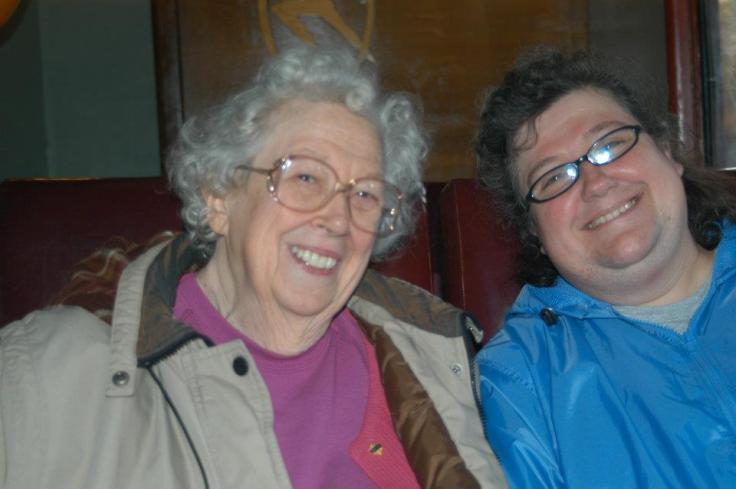
Today marks 90 years since my mother was born. She didn’t live to see this birthday; she died back at the end of February. But birthdays were important to my mother– hugely important. She never forgot a birthday. Mom was pretty sharp into her later years. She might forget someone’s name–for awhile. She might forget a few details about what happened yesterday or last year, but she didn’t forget to take her medication. She would eventually remember that name she couldn’t come up with earlier in the day. And she had an elaborate system of calendars, date books, and directories to help her remember birthdays.
Mom had a large desk calendar. Each day’s “square” was covered in her handwriting– names, numbers, etc., reminding her of birthdays and anniversaries of her relatives, friends, neighbors, and church family. If she knew your name and birthday, it was on her calendar. If she knew your age, it was on there, as well. If she knew your anniversary, it was there, too. If she knew. your birthday and/or anniversary AND your address, you received a greeting card– and it generally arrived on the exact date! Mom did this for literally hundreds of people each year.
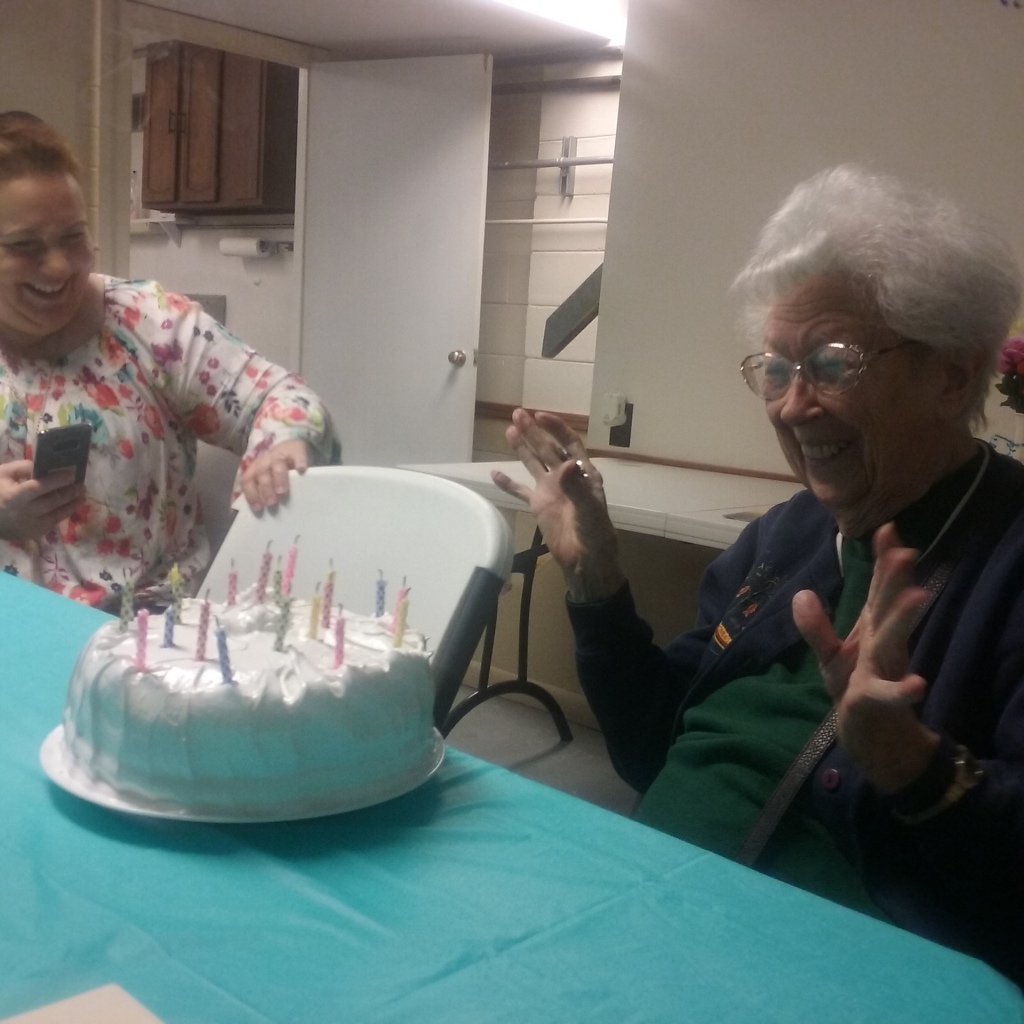
Today hits me hard. Not because Mom made a fuss about her own birthday–even special ones like a 90th. She enjoyed getting a card or gift, or having some cake or ice cream on her birthday, but that’s not what I miss. I miss the absolute joy she had in remembering others, and in being remembered. I can still see the look of childlike glee on her face when she and a friend were both surprised with a birthday party a few years ago. She was delighted for her friend as much as for herself. I can remember her insistence that certain cards be placed in the mailbox on certain days, so that they would not arrive too early or late, but just at the right time for someone’s special day. I remember shopping with her for box after box of greeting cards. Even though she bought “in bulk,” filling a basket or cart with multiple boxes of cards, she was very choosy about them– looking over the designs and the messages inside each box. Often, she had “buyer’s remorse” about a particular box of cards: she wasn’t satisfied with the tone or the greeting. In a box with four different designs, she might send out cards with two of the designs and just leave the others untouched.
Birthdays were important to Mom because individuals were important to her. She wanted every person she knew to feel loved, remembered, and special. Because they ARE! Not just by Mom, but by the God she loved and served.
Mom loved birthdays, including her own. But Mom had another birthday. Mom won’t celebrate another earthly birthday– she won’t get any cards or ice cream today– but she is celebrating her “other” birthday today. She did not knew the exact date, but she was born into eternal life when she accepted Jesus as her savior, and that birthday has no end. It is much more important than her earthly birthday, and fills her (and all who love her) with a greater joy. I can only imagine the gleeful expression on her face at this moment that “was” her birthday, and in every moment since she went “home.” And it’s in large part due to my Mother’s witness and influence that I also have a “second” birthday. I don’t knew its exact date, though I remember it was a beautiful summer day. Later this year, I will celebrate my earthly birthday–and it will be a bit sad without Mom’s card and her smile. But I know that we will someday share much more than a cake with candles, or a greeting card or a wrapped gift.
Mom taught me to appreciate birthdays– and to share the joy of wishing others a “Happy Birthday.” And to anyone celebrating an earthly birthday today, “Happy Birthday!” But I am looking forward to the day that I can share eternity with all those who have a “second birthday” in Christ! I’ll see Mom again, but even that will pale in comparison to experiencing God’s presence and the love He lavishes on His Children!
Just think– God loves you so much that He never forgets your earthly birthday. He not only knows your birthday, He remembers the exact moment of your conception, and every moment since! He knows you and loves you so much that He wants you to have another Birthday into eternal life with Him! And that is better than any earthly birthday card, cake, gift, or party you could ever celebrate! If you have a “second” birthday, even if you don’t know the exact date, I want to wish you a “Happy Birthday” as well– today and every day!
“O Lord My God! When I in awesome wonder consider all the worlds Thy hands have made…Then sings my soul…” (emphasis added) When was the last time you spontaneously broke into the kind of wonder and praise that we find in this old familiar hymn? If it has been awhile, let today be the day that you joyously and loudly sing praise to our Awesome and Great God.
So often, I come to prayer focused on myself– my needs, my unworthiness, my circumstances. But prayer is the act of communicating with the One who is all-sufficient, all-worthy, all-powerful, and all-loving. As we pray, it will often happen that all the cares and concerns melt away in the wonder and insight that we are actually talking to GOD!
But there are times when we miss the great opportunity to fully open ourselves to the Glory and Majesty of Our Father. Yes, we communicate; Yes, He still hears us. But we fail to come away with the full blessing of having spoken WITH God. We speak TO Him; we even speak OF Him. But when we speak WITH God, we are in the presence of such majesty, that we are left beyond words! Our Soul Sings! Our Heart is overflowing! Our mind is overwhelmed with the concept!
Prayer is so much more than what we say; so much more than what we think. God is so much bigger, so much greater, so much MORE than anything we can describe, anything we can imagine! And THIS is who we approach when we pray.
If you have the opportunity, spend some time in nature today. Look up at the sky– clouds, stars, and the endless canopy of space– and let the Majesty of God fill your senses as you make time for prayer. If you cannot get outdoors, find a picture or film or website to remind you of the grandeur of God’s wonderful creation. And then, sing out, shout out, pray and praise the Maker of the Universe, and the Lover you Your Soul! This same God of the beginning is the God who was, who IS and who is to come! The same miracles He has done in the past, He will do NOW and through all time.
There is NOTHING too big or too difficult for God. There is nothing too small or unimportant for Him to do, either. And what He does, He does with Joy and in Love! He rejoices over every one who comes to salvation. He rejoices over every one who comes to Him empty and tired and discouraged– and He rejoices to give them rest, and hope, and strength for the journey ahead. He offers Grace and Beauty from ashes. He offers Eternal Life and Everlasting Peace!
And if that doesn’t make your soul sing, I don’t know of anything else that can!
My prayers will not change the world. Read that again, because it is important to come to grips with certain realities, and with certain half-truths. My. Prayers. Will. Not. Change. The. World. BUT…
We have a great tendency to think in extremes. And the subject of prayer is no exception. Either our prayers seem powerful or they seem empty. But we live in a world of limitations, a world of boundaries. I can do small things– things that make a small difference. I can help a neighbor. I can give out of my abundance. I can exert whatever power or influence I might have. I can write or speak in an effort to persuade.
But I can’t move mountains. I can’t fix a broken soul. I can’t end wars or stop famines or control the wind and waves. And my prayers cannot FORCE God to bend to MY will; to act as I see fit, or in My timing. It is not my actions or my wishes or my words– even in prayer– that will ever change the world.
Sometimes, others will see this as failure. They will say that prayer is ineffective, or weak, or no more than wishful thinking. They see it as an abdication of power– asking God to do something instead of taking action. And that kind of faulty thinking can take root and cause me to stop praying as fervently or as faithfully as I once did. It might make me doubt God’s goodness or His willingness to hear me, or to bless others. Worse, I may see His blessing of others as a slight to my own prayers and pains. I may see my prayers as a waste of time, and I may place more value on striving and struggling and fighting over the power of Faith and Obedience.
Keep Praying!
The truth is that God is the only one who has both the power and the wisdom to save the world– and us– from all the problems we see around us. And the other truth is that HE is the one who invites us to pray as an act of communion with Him IN all his power, wisdom, mercy and love. Our “small” prayers are tied to a Great and Mighty God!
My prayer will not CAUSE God to change circumstances, but it WILL involve me in the process of change– it will allow me to confirm and acknowledge God’s work as it unfolds.
My prayer may not result in immediate change of my circumstances or in the face of great disasters. But it will result in a change in ME. And it will result in changes I can’t even begin to imagine– changes that may unfold over generations; changes that may multiply ten-thousand-fold! Prayer will put me in a place where God can more easily mold me and shape my character to endure and thrive and even ACT in ways that make a positive and lasting difference.
Even prayers of worship and thanksgiving, that may seem to go in only one direction– we have no idea how God uses such prayers to pour out His greatness and worthiness on those of us who are unworthy. God’s ways are mysterious and unpredictable– but they lead to unexpected miracles and unmerited blessings.
Keep praying in the face of doubt. Keep praying in the face of exhaustion and pain. Keep praying in the face of persecution and misunderstanding. God is listening. God is at work. And others are watching and listening, too. Your prayers may be the inspiration to someone else who is struggling. Your prayers may be the seed that is being planted in the very person who is persecuting you. Your praise may be the fuel that will start a fire elsewhere in the world!
My Mom died recently, and my brother and sister and I are cleaning out her estate. This is by no means a small task, as my Mother saved EVERYTHING! All of our elementary school report cards, 4-H Awards programs, class play programs, thousands of photos (mostly unidentified), post cards from all of our vacations (including places we re-visited!), ticket stubs from movies and football games and banquets, our old baby shoes, broken toys, recipes clipped from magazines and old boxes, letters we sent from college, and letters sent to her when she was in high school. She even saved such things that her own mother and grandmother had saved! Souvenirs and memories, all tucked away or piled up throughout her house.
My mom was what is known as a “hoarder.” She was pathological in her collecting bits and pieces of everything that went on all around her. She had clothing she had never worn. She had Christmas gifts she had opened and put back in their wrapping, but never enjoyed. She had books she had never read, DVDs she had never watched, and pots and pans she had never used. She had stacks and bags and boxes of memories she always meant to sort through– someday.
As she grew older, she sometimes would lament that we, as her children, would be burdened with the job of sorting through all her “stuff.” Even so, she wouldn’t let us touch any of it until the last months of her life, when it was obvious that she would never be able to do it herself. And we weren’t to throw anything out– only make an attempt to organize it all!
Of course, now we are throwing out the majority of what she kept. Much of it was damaged by being stacked and stored in the haphazard way it was. Some was damaged by a leaky roof, or mice. Many of the things that are damaged were once useful, and might have been useful yet if they had not been hoarded and held back. Blankets and towels that might have been passed on were left to be chewed up or rotted. Books and photos are warped or stained.
I loved Mom, and she was a great woman of God– a prayer warrior and evangelist. But she was human. In this part of her life, she missed some great opportunities to bless others with the resources she had. She even missed the opportunity to enjoy many of the things she obsessively stored for “someday.” Moreover, she saved many things that weren’t useful. Old boxes and jars of spoiled food, old bills and advertisements, expired credit cards and driver’s licenses.
I have been reminded of many things as I’ve helped go through Mom’s “things.” There are many wonderful memories that still can be found in all of her souvenirs. I found an old storybook– one of my favorites–about a Mama Bear and her naughty, curious little cub. “Why do you love me?,” the cub asks after getting into trouble yet again. “Because you’re my little bear,” she answers as she cleans the wounds and lovingly carries her cub home. Love transcends mischief. It transcends things like lost opportunities and hoarding tendencies, and the frustrations of life.
But sometimes we hang on to things, not out of love, but out of pain or desperation. Mom was a child of the Great Depression. Her family had to move a lot when she was younger. She was forced to give away toys and clothes she wanted to keep; forced to leave old friends and make new ones; forced to make things “last” when new things couldn’t be had. She spent many years having to be frugal and careful to make small memories last a lifetime. She became obsessed with collecting “souvenirs” of even the smallest events, even tragic ones, and holding on to what was “good enough,” even if something better was offered.
Many of Mom’s “souvenirs” have become baggage for those of us who follow. And many of our “souvenirs” will be baggage for those who follow us. Some of our scars will be passed down to our children. Some of our hopes and dreams will be unrealized–unopened and unused gifts that “might have been.” Others objects and experiences will be pleasant reminders of the love that lasts beyond our own lives and limitations. But objects, in themselves, cannot take the place of the actual experiences of joy, love, and peace they are meant to represent.
God wants us to hold fast to certain things. Truth. Hope. Love. Faith. But He calls us to let go of other things. Bitterness, resentment, anger, self-pity. I know that in my final days, I will probably find that I am still carrying some baggage. But I hope that I will find more souvenirs– good memories of a life enjoyed, goals accomplished, and relationships that have stood the test of time. Mom had those in abundance. But some were hidden among the baggage–treasured memories of those who loved her, and those whom she loved, surrounded by the baggage of heartache and longing. I pray that those who follow me won’t have to search among the ruins to find my souvenirs, or hunt through piles of souvenirs to find my treasures.
Christians have a lot of confusing “jargon”. If you grew up in the church, there are certain words and phrases that are supposed to be intuitively understood. If you didn’t grew up in the Bible Belt, or in an old-time church, you may feel like you’ve been dropped into a parallel universe where people speak the King’s English– but it’s King James’ English! Words that would fit neatly into a Shakespearean monologue are flung at you: “Thou shalt not,” “graven images”, “begat”, “beseecheth”, “whosoever believeth,” “Hallowed be Thy Name.”
As a child, I used to think the phrase was “hollow-ed be thy name”– it was confusing. Why would God want his name emptied and hollow? Why would I do that? Of course, it was explained to me that “hallowed” meant holy, or honored, or revered. That made more sense, but I think in some ways we have done more “hollow-ing” and less “hallow-ing” of God’s name in our churches lately.
And it’s not just the argument I hear a lot about actual language usage. I hear some people complain about those who pray to “Daddy God” or “Papa God” or those who use “OMG” when they text, or “Jeesh!” To me, these are “splinter” arguments (another Christian jargon term, referring to Jesus’ example of someone trying to pick a splinter out of someone else’s eye when they have a plank in their own!). That’s not to say that we shouldn’t be careful about the words and names we choose, especially around those who do not know Jesus personally. But the core issue isn’t the vocabulary, but the attitude. The real trend I see is that we are losing our attitude of AWE in God’s presence. We use words, and carry attitudes that devalue the one who is most worthy of our absolute best. Or, we try to put ourselves, our own efforts, and our own attitudes in His place. God IS our Father. He is not “the man upstairs,” or “the Big Guy,” or “Daddy-O.” He is not our “pal” in the sense of any other human acquaintance. He is the Lord of the Universe! But we can call Him “Lord, Lord” and still not have a relationship with Him (see Matthew 7:21-23). Using “religious” sounding language doesn’t make us any closer to God in our heart, and it certainly doesn’t fool Him!
God wants a relationship with us; he loves us with an extravagant, boundless, and everlasting love. He doesn’t want us to run from him in fear or hide from him behind big, empty, but important-sounding words. In fact, in his time on Earth, Jesus walked side by side with his disciples, he ate with people, embraced his friends and family, danced, burped, wiped his nose, held children on his lap, laughed, and lived among us. But he is eternally GOD. Yahweh– the LORD–I AM. Almighty, all-powerful, omniscient and completely HOLY. And his Name is to be revered.
When we say that we follow Christ; when we call ourselves Christians, we bear that name– we take on that Hallowed name–we strive to be ambassadors and representatives of the name which is above all names. This isn’t just about saying his name, “Jesus”, “Father”, “Savior”, “Heavenly Father” in a less-than-honorable fashion. It’s about how we represent His Name as his ambassadors.
We’re not perfect; we will not always live up to the Name we carry– that’s part of the Gospel message–Jesus came to show us how we ought to live, and to give us victory over the reality that we can’t do it in our own flawed state. But in praying “Hallowed be thy Name,” we are not asking for God’s name to become more honorable. We are asking God to give us the wisdom, the power, and the desire to bring him the honor and worship he so rightly deserves. And that only happens when we live transparently, humbly, and in a manner worthy of His Name.
“Our Father, who art in Heaven, Hallowed be Thy Name…”
Of course, we can’t literally pray all the time– we need to eat, sleep, work, travel, and talk with other people as we go through our days. But we always have the ability and the access to cry out to God. There is never a time when God is too busy, or we are unable to formulate a prayer in our hearts and minds. Even if we can’t find the words!
This was borne to me again in the last few months of my Mom’s life. As her health deteriorated; as she started to have trouble remembering names and seeing faces, she still remained committed to prayer. She was always eager for information– who was traveling; who was celebrating a birthday; who was in the hospital; who was in the middle of a divorce; who was moving to a new community, or had just moved here from elsewhere? Even if she couldn’t send a greeting card, or attend a wedding or other event, she could pray.
I know several moms and dads whose lives are hectic. They don’t have the luxury of hours to devote to prayer and Bible study. They may have minutes! Their lives are filled with the morning commute, with cleaning up small disasters everywhere, with trying to balance family life and work life. But they can pray– they can pray as they ride the train, or at their desk; they can pray as they sweep up the latest mess, or as they take a precious (and too-short) bathroom break! They can pray with their children, for their children, or surrounded by co-workers. They can pray silent, desperate prayers or short bursts of praise.
I know several others who are in my mom’s situation. They are aging, or ill; they are bedridden and in pain. They can’t get up; they can’t DO the things they would wish to do. They can’t give hugs or write letters or make phone calls to encourage others. Many of them cannot feed themselves or talk. But they can pray! They have the same access to God’s comfort, wisdom, and Love as everyone else. They can pray with groans and thoughts– even scattered and burdened ones.
I know some people who “don’t know how” to pray. They are new to Faith, or they have strayed so far, they just can’t seem to concentrate on what they want to say to God. They are plagued by guilt, shame, or unresolved bitterness. They feel unworthy, or unclean. Yet, they can still pray. They can cry out in lingering doubt and despair– “Lord, I believe. Help my unbelief.” (Mark 9:24) They can ask the difficult questions for which only God has the answers– questions about forgiveness, injustice, pain, and grief.
I am fortunate. I have a lot of “down time” at our shop. It’s not a very busy (or very prosperous!) shop. But it offers me the opportunity to pray, and to write about prayer. I have the time to think about prayer– what it means, how it works, why it is so vital. And even after a lifetime of praying, I still get surprised by new opportunities for prayer. The other day, a customer walked in, very upset. She was a stranger to me, but I was prompted to ask if I could just take a minute to pray for her. Suddenly, her heart spilled out. The details are her story, and not for this blog post, but God gave me the opportunity to offer encouragement and hope and (hopefully) wise advice as she has many life-changing decisions to make.
I can continue to pray for her situation today. And I can lift up prayers for family, friends, neighbors, and so many others throughout the day. I can pray for Estonia– a nation I’ve never visited and know very little about, but one that God knows and loves dearly! I can pray for K____, one of our “regulars” who stops by the shop to talk and look around, and occasionally to buy something small that he can afford. I can sing praises for all the many attributes or our Amazing God! I can thank God for His many blessings, including a praying mother! I can seek wisdom for the days ahead, and forgiveness for the sins of the past.
I can pray from my seat behind the counter. I can pray in a booth at the local fast food place, and with my husband at our dinner table. I can pray while I wait in line at the grocery. I can pray as I sort through my Mom’s papers and clothes, or as I clean around the shop or at home. I can pray in bed. And yes, I can even pray in the bathroom! I can pray whether I am happy or sad; whether I am under stress or breezing through the day. I can pray in English or “Spanglish” or with groans or snatches of song. I can pray with my eyes open, with my fingers flying across the keys of my computer, or as I walk to the post office.
Children can pray; prison inmates can pray; patients in hospitals can pray; soldiers and construction workers and chefs can all pray. Sewer workers and surgeons, clowns and corporate CEOs, gardeners and guards, taxi drivers (eyes opened!) and teachers– all can pray. Moms and Grandfathers, sisters and uncles can all pray. Those who are blind, lame, mute, or mentally challenged can all pray. Wise men and fools can pray. Strong or weak, rich or poor, king or captive– all can pray.
I could have smiled when I paid my utility bill the other day– When the clerk asked if she could help me, and thanked me, and sent me on my way.
I might have offered my unused coupons to that young man who was shopping– The one with two boisterous kids in the cart, and very few groceries. Maybe he would have been offended. But maybe it would have given him an opportunity And a little hope.
I thought about calling an old friend and asking if we could pray together. Maybe we could have met for tea or gone for a walk together.
I had planned to clean out the closet and set aside some clothes to take to a local shelter.
I considered calling my sister, sending a card to that widower from church, or e-mailing my cousin…
I really needed to spend a little time in confession and repentance, and cleansing. I needed to be renewed, recharged, and transformed. At least, I thought I did. But something else claimed my thoughts, and my good intentions. Now, I just feel worn and guilty and unworthy.
And the “thing” is– I didn’t do anything horrible. I didn’t make anyone cry, or rob a bank. I didn’t burn dinner or break the speed limit. I didn’t break my marriage vows or embezzle a fortune. I didn’t break the law– I didn’t even break a sweat!
I just Didn’t.
Lord, today, I pray that you would light a fire under me. Help me to see the opportunities all around me– tiny acts of kindness, and truths that I need to hold tight. Show me people who need a listening ear, or a helping hand, or a word of encouragement. Help me to move “at the impulse of your love.” And when You direct me to be still, help me to be still and KNOW that You are a God of purpose and hope; joy and abundance. Help me to BE first–to Be obedient, to Be humble, to Be available. But then, help me to DO what you would have me do for Your Great Name. Thank you for second (and third) chances to BE and DO all that brings You honor. Amen.
In my last post, Pursuing Discipline, I spoke of journaling and being consistent in prayer as part of learning discipline. Discipline is an important part of the Christian Walk; one that we don’t always talk about. Discipline is difficult. Discipline is developed over time. And I want to be clear that keeping a Prayer Journal, like other forms of discipline, will take time and effort.
My current prayer journal is the result of years of effort, changes, failures, and baby steps. Several years ago, I found, in a Christian Bookstore, an item called a “Prayer Journal.” It was pre-printed with wonderful facts about different unreached people groups to pray for each week of the year. It was set up in a “planner” format, with each week spread out on a double page, and areas for each day to write in appointments, notes, personal prayer requests, etc. I loved it. But it was specific to that year. As the year was drawing to a close, I went back to the same bookstore, eager to get the next year’s edition. I could not find it.
I thought, “How hard could it be to create my own?” HARD! I did not have the resources to update the information about various countries. I did not like many of the other “planners” I came across. I wasn’t satisfied with apps and on-line planners and calendars. And I wanted to add space for local and personal prayer requests, including all the birthdays and anniversaries of people I know. I wanted a format I could use from year to year, so I wouldn’t have to enter the information over and over again. And I wanted a format where I could see it all, spread out in front of me.
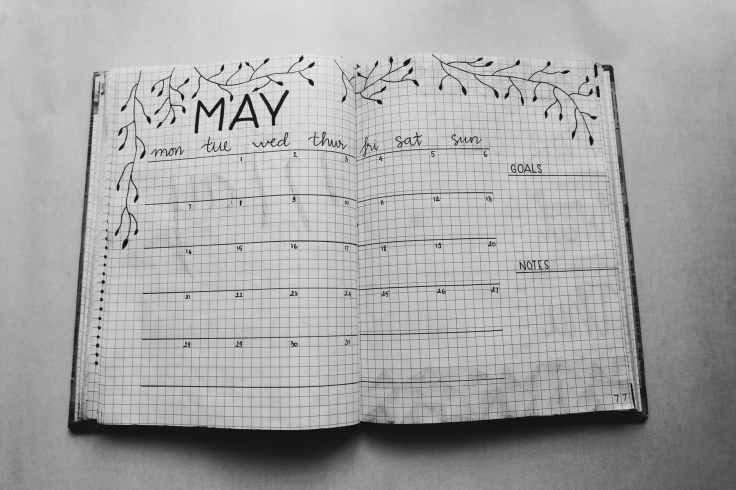
More than twenty years later, I began using the system I currently use– four notebooks for each quarter of the year. Each page is a single day, with the names of people celebrating birthdays, anniversaries, or (in some cases) families mourning the loss of a loved one on that day. In the top corner, I have the name of a country, city, community, or geographical area. These are my daily focus points. In the front of the notebook, I have a reminder of the “Prayer Points”– those topical areas for each day of the week. The bottom half of the page is free for me to add in immediate prayer requests– hospitalizations, those who are traveling or moving, etc.. Each “new” request I add at the bottom gets “tagged” with the year of the request. This way, the journal can be used year after year, until I run out of space for requests, or it wears out! I leave the back of each page for answers. Some days, I go back and look at prayer requests from the previous week and write in the answers or progress. Sometimes, I am reminded to update the request. Sometimes, I see a request from a previous year, and I have not yet written the answer, or there has been an update. In this way, I can help focus my daily prayer time in the morning and/or evening. Of course, I can pray about anything, any time; this is just a way to pursue a more disciplined approach to prayer.
For anyone wanting to use or create a Prayer Journal– please take time to build it prayerfully and deliberately. But also be prepared to “fail.” I went through several notebooks, purchased planners and ready-to-use prayer journals before I found one that works well for me. And even now, there are days when I do not open my journal and use it as it was intended. It is not, after all, a ritual or a code to follow. Prayer is a pursuit– but it is just one part of the pursuit of a closer relationship with God. Disciplined prayer helps me focus on God, helps me understand more of His Character, and helps me build our relationship. Perfect prayer is not the goal, but building on prayer is the objective toward reaching the goal. Part of the building of character and discipline is the journey!
When Jesus’ disciples asked Him to teach them to pray, He did not give them a formula for a prayer journal. He did not give them a system for prayer. He gave them a very simple sample format. But Scripture gives us several other examples of prayers– long and anguished, poetic and joyful, even quick bursts of panic or exasperation. Prayer is far too complex to boil down to a single formula or system.
I hope that what I write here helps you on a journey to discover the complexities of prayer. I hope that you, like me, will draw closer to God as you pursue ways to think about and to practice praying. Your journey, and your journal, will look and function far different from mine. But I hope you find one that helps you grow in discipline, in compassion, in knowledge, and in character. As for me, I will be turning my focus on East Timor, my nephew (who is celebrating his birthday today!), and business and financial issues. And then all the other things on my heart throughout the day! Because God is always listening, and God is always everywhere!
The story is told of an old, worthless-looking violin that came up for auction. No one wanted to bid on it. The auctioneer began with a modest call for three dollars. No bids. Two dollars? Nothing. One dollar? Surely someone would spend just a single dollar. The violin was in working order. It had all its strings and a bow. No one was willing to spend one dollar for an old violin?
Suddenly, an old man came forward and took the violin off the table where it lay. He picked up the bow and began to play a famous violin concerto. In the hands of a master musician, the old violin came to life. Its haunting and soaring music brought the entire room to tears. The old master came to the end of the piece, and there was a hushed silence as he lay the bow and violin back on the table and returned to his seat. Clearing his throat, the auctioneer started a new bid– one thousand dollars. Several people placed a bid. Two thousand? Three? What had been worthless in the eyes of so many just minutes ago suddenly had great value.
That’s a nice story, but it rarely happens that way in real life. I run a resale shop– antiques, collectibles, vintage and retro items, and yes, what most would probably call “junk.” People come in and look around– sometimes they find a piece or two that they like. Sometimes, it’s priced at just a dollar or two; sometimes the price is a little higher. Some people think my prices are too high; others find them on the low side. They think they are getting a real bargain, and they are convinced they will be able to resell the item for much more on-line or elsewhere. They may be right. They may be wrong. Most of them are just doing what I’ve already done– find an item that seems to be undervalued, and sell it to someone else who may value it more highly.
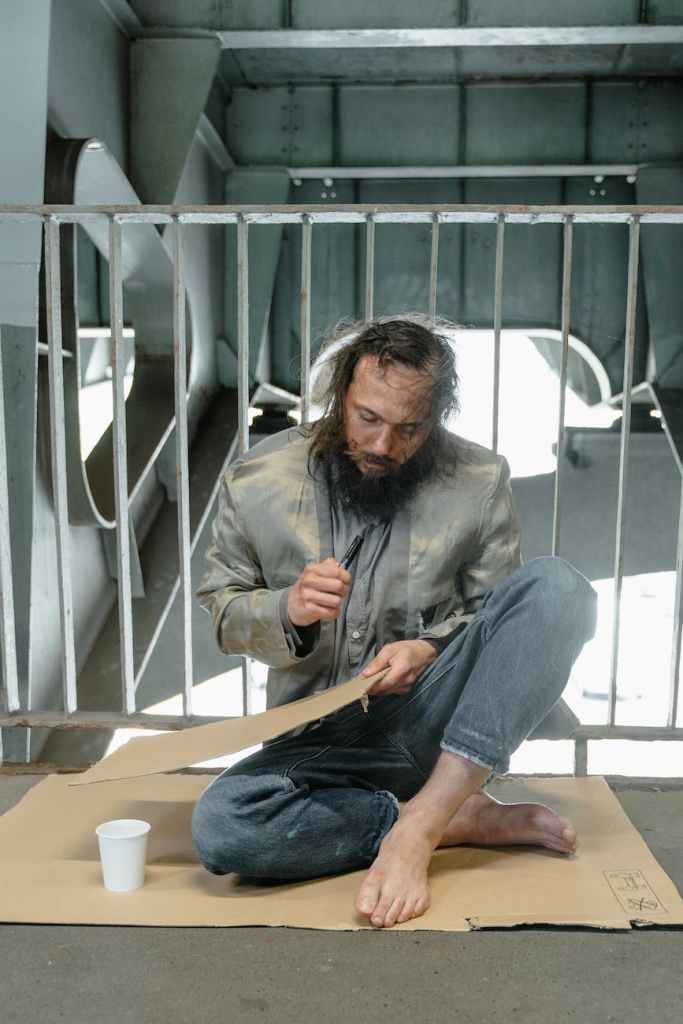
“One man’s junk is another man’s treasure.” That saying applies to many of the objects in my store. But it should never apply to a person. We tend to place a value on someone else based on many superficial factors. We judge people by the way they look– their clothing or their hair or the expression on their face when we first meet. Sometimes we judge them by their skin color or the way they speak– the words they use or if the have an “accent.” We judge some people to be smarter or more important based on who else pays attention to them or how much money they have (or don’t have). We judge their talents and experience based on hearsay or gossip. And we allow others to place their “value” on us. As though some people deserve more attention, more resources, or more love than others.
God sees through all the tarnish, the guilt, the low esteem, and shame that we carry around. Each one of us is equally precious in God’s eyes. There is no “junk” in God’s economy, when it comes to a human life. No matter how dirty, broken, used, misused, patched up, trampled on, or worthless we may seem to others (or to ourselves) we are priceless and cherished by our Heavenly Father.
Jesus sought out the “junk” people of his time– lepers, widows, children, the blind and lame, the sick and weary, diseased, depressed, and demon-possessed. He touched the untouchables, loved the unlovable, and forgave the unforgiveable. Even when He was condemned to die as a criminal, and rejected by His friends and followers, Jesus remembered the Father’s love for others.
In this Holy Week, I pray that I would not lose sight of God’s Amazing Love for us. When we were His enemies– fallen, ruined by Sin–“junk”, Jesus was willing to reach out, to walk with the marginalized and sick, and more than all that, to DIE in order to make us joint heirs and give us the glories of Eternal Life with Him! And when Jesus was taken down off the cross– broken, dead, and “worthless”, God raised Him to Life and gave Him a “Name that is above all names” (Philippians 2).
We pray to a God who cherishes our very thoughts–a God who delights to hear from us! What a powerful thought. What an Amazing Love!