We had an unexpected visitor to our store the other day…a sparrow somehow managed to get inside our store over the weekend, after we closed on Saturday. We assume it found its way in through a small vent, in an attempt to get out of the heavy rain, and couldn’t find its way back out. We don’t know how long it was trapped inside, but by the time my husband found him, its leg was caught, and it was unable to fly away. It was scared, dehydrated, and weak. My husband gently and carefully extracted its leg, and I got a small dish of water. The sparrow was listless, and its breathing was shallow. We feared the worst. Putting small drops of water on his fingertips and holding it up to the bird’s beak, David finally got it to drink some water. After several attempts, the bird started perking up, and finally flapped its wings and flew off!
I was reminded of Jesus’s words in Matthew 10: 29-31–Are not two sparrows sold for a cent? And yet not one of them will fall to the ground apart from your Father. But the very hairs of your head are all numbered. So do not fear; you are more valuable than many sparrows.
Sometimes, we pray for guidance, or protection, or safety when we know we will be facing certain trials or long journeys. And we should acknowledge known dangers and our continual dependence on God. But how many times does God guide and protect us without our awareness!? How many times do we, like this little sparrow, find ourselves in an unfamiliar or dangerous situation and wonder whether anyone even knows where we are? We struggle, only to find ourselves caught– helpless and without much hope. God’s eyes are always on us– wherever we are, whatever our circumstances. His love is unchanging and sure. And sometimes, He sends help in the most unlikely ways and times. Sometimes, He chooses to work through US to help the most unlikely candidates– even a sparrow!
God gave us the opportunity to save this little sparrow– and He gives us opportunities throughout each day to help those around us– to encourage, give, protect, defend, support, and even “save” them as the arms, hands, feet, and voice of God in the world. Similarly, He sends others to cheer us, to warn us, to come alongside us, and to “save” us when it seems like all hope is lost.
Lord, for today, I pray that you will open my eyes to the “sparrow” moments– whether I am the one offering help, or the one who needs to accept it. May I see my worth, not in my circumstances, but in my relationship to you. May I see others as precious and worthy of care, respect, and love. Thank you for sending a little sparrow to remind me how much you love us all.
Last week about this time, I was miserable. Feverish, achy, somewhat nauseous, and doubting my own sanity. I had chosen, along with my husband, to get the COVID vaccine– even though we already had the disease earlier this year! We should have a built-up immunity, and medically, there is no compelling reason to get the vaccine and take the risk of suffering all the symptoms I suffered last week.
Fever and pain have a way of making people cranky, impatient, and rebellious. Especially when they come as a result of trying to do “the right thing.” I was reminded of the Biblical character of Job, who suffered intense pain and suffering through no fault of his own. While my suffering was nothing compared to his– or to many of those who have suffered worse from COVID than I did– it brought some of the same thoughts and complaints. “What did I do to deserve this?” “Why me?” “Don’t you care about my suffering?” “How much longer must I be in pain?” “Wouldn’t it be better if I could just escape this fever and achiness?”
Most of us are not “good patients.” No one likes to suffer, even for a short while. And it can be easy to let our pain determine our prayer life. Our focus narrows to our own circumstances, and how we wish them to change. We tend to go to God with indignation–how could He let us suffer like this?! And yet, even in his indignation and self-centered moaning, Job never lost sight of God’s essential goodness and justice.
Job’s friends started out with a sincere desire to offer help and comfort. They heard of his sufferings, left their homes and traveled to visit and comfort their friend. When they arrived, they wept, tore their clothes, and sat, silent and supportive, for seven whole days! (Job 2:11-13) This is in contrast to Job’s embittered wife, who told him to “curse God, and die!” There is no other mention of her throughout all of Job’s suffering–which may have been one of the unheralded mercies of God!
Job’s conversation with his friends may not sound much like prayer, but we see into Job’s heart and mind through these conversations. As his friends remind Job that God is Just, and that He punishes those who are wicked and rebellious, Job defends himself. But he also defends God–God IS Just; but He is also merciful and loving. What is happening to Job is not consistent with all that Job has experienced of God. In fact, it seems capricious and unfair. Job’s confusion and his questioning are not only coming from his pain and suffering, but from his surprise at God’s silence and seeming absence. Job’s friends see Job’s circumstances as confirmation of his sin. But though Job is confused by sudden change of circumstances, he is convinced that God will continue to be Just– that He will hear Job’s complaint, even if He has decided against Job for reasons Job may never understand. In fact, Job is still convinced of God’s goodness, declaring that “I know my redeemer lives…I myself will see him with my own eyes…how my heart yearns within me..” (Job 19:25-27), and that “the fear of the Lord–that is wisdom”(Job 28:28)
When we face the “ash heap” of despair, pain, grief, and doubt, whether we are isolated or surrounded by well-meaning friends, we have a choice in our response. We can praise God from the ashes, we can bring Him our doubts and questions. Or we can “curse God and die”– choosing to see only our circumstances and losing sight of who God is (and always has been).
The same God who brought David and I through our bout with COVID brought us through last week’s reaction to the vaccine. He is the same God who has comforted families who lost loved ones to this disease, and who has kept still others healthy throughout this crisis. I don’t know why or how we got sick back in February; I don’t know why I had such a bad reaction last week. I don’t know what the future holds, or what other pains and struggles we may face in the weeks and months ahead. The same God who finally appeared to Job–even though He never answered Job’s questions!–is the same God who holds the universe in His hand. He is the same God who never lost sight of Job. He is the same God who parted the Red Sea, healed lepers and kings, raised the dead, and promises everlasting life with Him.
So I may not know what troubles I will face tomorrow, and I may not have the answers to all my questions. But, like Job, I know that my redeemer lives! I know that whatever happens, God will remain Faithful, Good, Just, and Holy. And one day, “I myself will see him with my own eyes…how my heart yearns within me”!
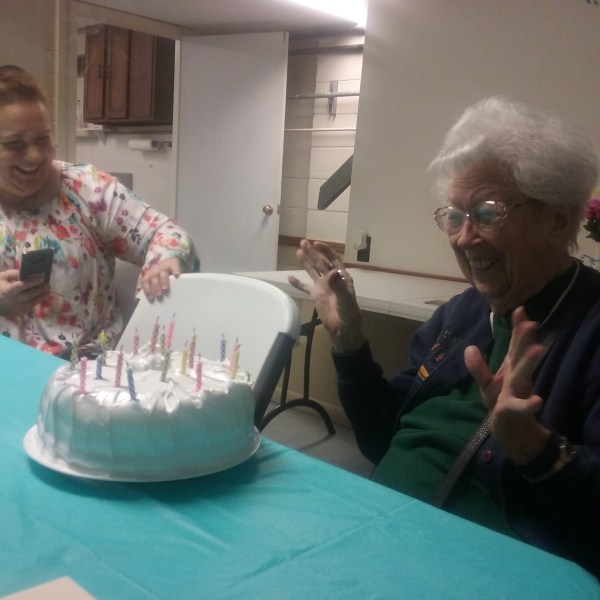
Earlier this week, my mother celebrated her 88th birthday. Mom has survived more than most people can imagine. She was born in 1933, during the worst years of the Great Depression. She survived hunger and poverty, near-homelessness, and insecurity in her earliest years, despite my grandparents’ best efforts to provide for their family. She survived the upheaval of World War 2, when her father left to serve in the Navy and her mother worked long hours in a factory. She and her sister had to take on most of the housework.
As a teenager, mom fell madly in love with a young man who convinced her to drop out of high school and become his wife. Her romantic dream quickly turned into a nightmare of abuse, heartbreak, fear, and starvation. Though he loved her, her husband could not control his own inner torments. He drank heavily and was very controlling. He insulted her, isolated her from family and friends, forbad her from going to church, and he sometimes punched her. By the age of 19, she was anemic, weighed less than 100 pounds, and had just miscarried twins– partly because she had been denied access to pre-natal care; partly because she had been beaten and malnourished. But she survived, and went on to have a healthy pregnancy, mostly because her husband was drafted and sent to Korea.
Mom survived divorce, something to which she had always been opposed, for the sake of her son. She survived the threats against herself and her young boy. She survived all the court dates and new responsibilities. She survived working 10-hours days, six days a week, at a butcher shop, cutting, grinding, and packing up meat, so she could provide for her young son.
Mom remarried at age 30. Shortly before her marriage, she had found a better job; one with better pay and shorter hours. Shortly after her marriage, on her way home from work, she was involved in a horrible accident. She had a head injury, broken ribs, and a broken collarbone. She began suffering from headaches. She suffered another miscarriage. But she survived, and went on to have me and my sister, both healthy deliveries. She had stopped working to be home with us, but she was involved in multiply volunteer opportunities through church and in the community. But her headaches were debilitating, and with them came depression.
Mom survived many dark days of pain and doubt. Though she was socially active, it took a great deal of energy and will to force herself to get out and keep going. Her doctor gave her medication for depression, and, thankfully, he carefully monitored what she took and whether it was effective. The headaches did not diminish, and mom treated them with massive doses of Anacin and other pain relievers.
In her 50s, mom developed more health problems. She developed arthritis. She had a hysterectomy, and had to have her gall bladder removed. In her 60s, mom had cataract surgery. Then she had to watch as her husband’s health deteriorated, and she lost him just after their 35th anniversary. She survived, and had to adjust to widowhood. In her 70s, she had more surgeries– she lost part of her thyroid, and nearly died. She had surgery to “undo” some of the damage from her earlier hysterectomy. She was diagnosed with bone density issues, which caused a curvature in her spine. In her 80s, she developed a heart condition. She had to undergo heart surgery and have a pacemaker. She could have died, but she didn’t. She developed a series of infections from one of her earlier surgeries, and had to use a cane to walk because of the bone density and spine curvature. She was diagnosed with macular degeneration, meaning that she is slowly going blind.
Last fall, during the height of the COVID crisis, Mom fell and broke her hip. She was in a hospital where there were COVID cases, and she was transported to a rehab facility that had 4 COVID cases. By the time she left to come home, she was one of only 4 who had NOT developed COVID at that facility! She continues to go to outpatient rehab twice a week, and now has to use a walker, instead of just a cane, to provide balance and stability when she walks. She no longer drives, and has trouble reading, due to the macular degeneration. But she survives.
I say all of this, not because my mom is tougher, or luckier than other folks; not because she is more worthy of life than those who have not survived such struggles, and not because her life is more tragic than anyone else’s. I say this because my mother is a woman of prayer.
Last week, for Mother’s Day, we took my mom to her local church. She no longer drives, and she rarely gets out because of her health issues. But she wanted to be in church that Sunday. The very first hymn they sang that day was “Love Lifted Me.” And I cried. That was the song she had used, fifty years ago, to rock me to sleep as a child. Sometimes, she would sing it out. Sometimes she would just hum the tune as she rocked me. She was often crying as she sang– exhausted, depressed, worried, or haunted–but those words imprinted themselves in my young mind: Love lifted me. Love lifted me. When nothing else could help– Love lifted me.
My mother wasn’t just singing those words, she was praying.
Mom has lived out those words. Crying out to “the Master of the Sea,” Mom has been lifted up time and again. She has been a prayer warrior, knowing that her prayers rise to the One who loves her best of all; the One who holds her destiny and her redemption in His hands. No matter her circumstances, she can sing, knowing that love will continue to lift her, and carry her through.
When I was a teenager, I read about Solomon and how he prayed for wisdom. God granted his request, and made Solomon the wisest ruler in Israel’s history. He also blessed Solomon with riches and fame, peace, and power. (see 1 Kings, chapter 3) I thought about what I should pray for in my own life– what attribute would I need as I became an adult, a wife, a parent, etc. I prayed for patience.
When I said that I wanted to pray for patience, several wise and respected adults cautioned me NOT to pray such a prayer! “You know what will happen…God won’t “give” you patience…He’ll bring all kinds of things into you life to “teach” you patience. You never pray for such things. It’s like asking for trouble. Be careful what you pray for.”
Looking back almost 40 years later, I would have to say that God answered my prayer. And, as I was warned, He allowed things to come into my life to try my patience and develop my patience. I remained unmarried until I was 46. I never had children of my own. Perhaps some people would wag their finger and say, “See, I told you so.” But I would not change my prayer or change my life’s circumstances. God’s answers were not what I expected, but His ways were better than my expectations. I wanted patience so that I could better handle life’s little ups and downs– so I could be the kind of wife and mother who was always composed; always at peace. Instead, I worked with teenagers and toddlers– many of whom knew very little peace at home. I wasn’t perfectly composed. Sometimes, I yelled at my class, or lost my temper with colleagues. Sometimes, I had to deal with crises–students who died in tragic accidents or by suicide; toddlers at story time whose parents were going through divorce or facing cancer. And all the while, I waited for the husband and family of my hopes and expectations.
I had prayed for patience– and I found it ONLY when I depended on God. All those years I was single and working with “other people’s” children, I learned to lean on God’s timing and wisdom. Even through the pain and tears, and wondering why God seemed silent and my dreams seemed to be out of reach, God was there, listening to my cries, giving me strength to keep going. And He is still doing the same for me now. My circumstances and expectations didn’t change who God was. But they helped shape who I was becoming, and who I am today.
During this time, I also watched peers who seemed to “have it all.” They had beautiful families, beautiful houses, handsome husbands, and fast-track jobs. But underneath, they were lonely and unfulfilled. Many of them ended up divorced, disillusioned, or burned-out. Some of them have turned (or returned) to God; others still struggle, trying to do everything their own way, and trying to juggle too much alone.
God doesn’t demand that we pray “risky” prayers. But when we choose to follow Him, we will have to take some risky steps. We may have to let go of our expectations; we may have to go through rejection and hardship. But what God has in store for us is worth the risk.
I’m not wealthy or famous. I wouldn’t recommend that everyone pray for patience, or wisdom, or some other virtue, thinking that God will make life easier or richer. (I think that’s what worried some of the people who “warned me off” praying this way.) But if you want to know God in a richer, deeper way, it will require a leap of faith.
I’ve been reading about Joseph in Genesis. He was the favored son of Jacob (Israel), and he was a dreamer. His dreams were spectacularly unpopular with his older brothers, and got him into a world (or a well) of trouble. (See Genesis 37)
Joseph’s dreams were sent to him from God…they weren’t just wishes or imaginings. But they were grand. Joseph had a dream that all his brothers (represented by bales of wheat) bowed down to him. Later, he dreamed that his entire family would bow down to him. He was just 17, and full of the arrogance of youth. His jealous brothers were so outraged, they plotted to kill him. When an easier opportunity arose, they sold him into slavery, instead. (See Genesis 39-45)
Joseph’s dreams seemed to mock him when he arrived in Egypt as a slave. And after spending years building up a sterling reputation with his master, his dreams were dashed again. Falsely accused and unable to defend himself, Joseph ended up in prison. Who would ever bow down before a convict and a slave?
Joseph could have become bitter and angry. He could have given in to the frustration of serving those who were willing to let him do all the work and take on all the responsibility, while they got all the credit. But Joseph dared to dream– not the dreams of an arrogant 17-year-old, but the dreams of an honest and God-fearing man. He dreamed that his actions and attitudes mattered– even as a slave; even as a prisoner. He dreamed that God could and would rescue him and vindicate him. He dreamed that God had a purpose for his life– one that depended on Joseph being the best man he could be.
The Bible never records Joseph having visions and dreams in Egypt. But because Joseph had experienced grand dreams as a youth, he was sensitive to the dreams of others. He could have ignored the dreams of Pharaoh’s cup bearer and baker in prison. He could have sneered and laughed at their dreams. He could have told them all about his much grander dreams of old. Instead, he was ready to ask for God’s wisdom to help others interpret THEIR dreams. And in doing so, God gave Joseph the miracle of a dream fulfilled. Along the way, Joseph received life lessons in patience, humility, responsibility, management, integrity, and leadership. Joseph’s brothers–coming to seek grain!– bowed down to him, just as he had once dreamed they would. But they didn’t bow to him as a kid brother; they bowed before Pharaoh’s agent and the second-most powerful man in the entire known world. They bowed before a men who held the kind of power none of them had ever dreamed of. They bowed before a man they might have killed– except for God’s plan. Joseph was sent ahead, trained in the art of management, and perfectly placed to save thousands of lives.
Sometimes our lives seem like a waste– all our dreams have been shattered, either by circumstances or by our own bad choices. But God can take our most cherished dreams and redirect them into something amazing. He has a purpose for your life. It may not seem grand, like Joseph’s youthful dreams, but in God’s hands, it may have an enormous impact. Some days, it may seem like we’re living through a nightmare, but God writes the ending– and He’s already there!
I know many Christians who cite Philippians 4:13 as their favorite verse: “I can do all things through Christ who gives me strength.” And while this is a powerful verse, and holds great promise, I think it has been misused and taken out of context too often in recent years.
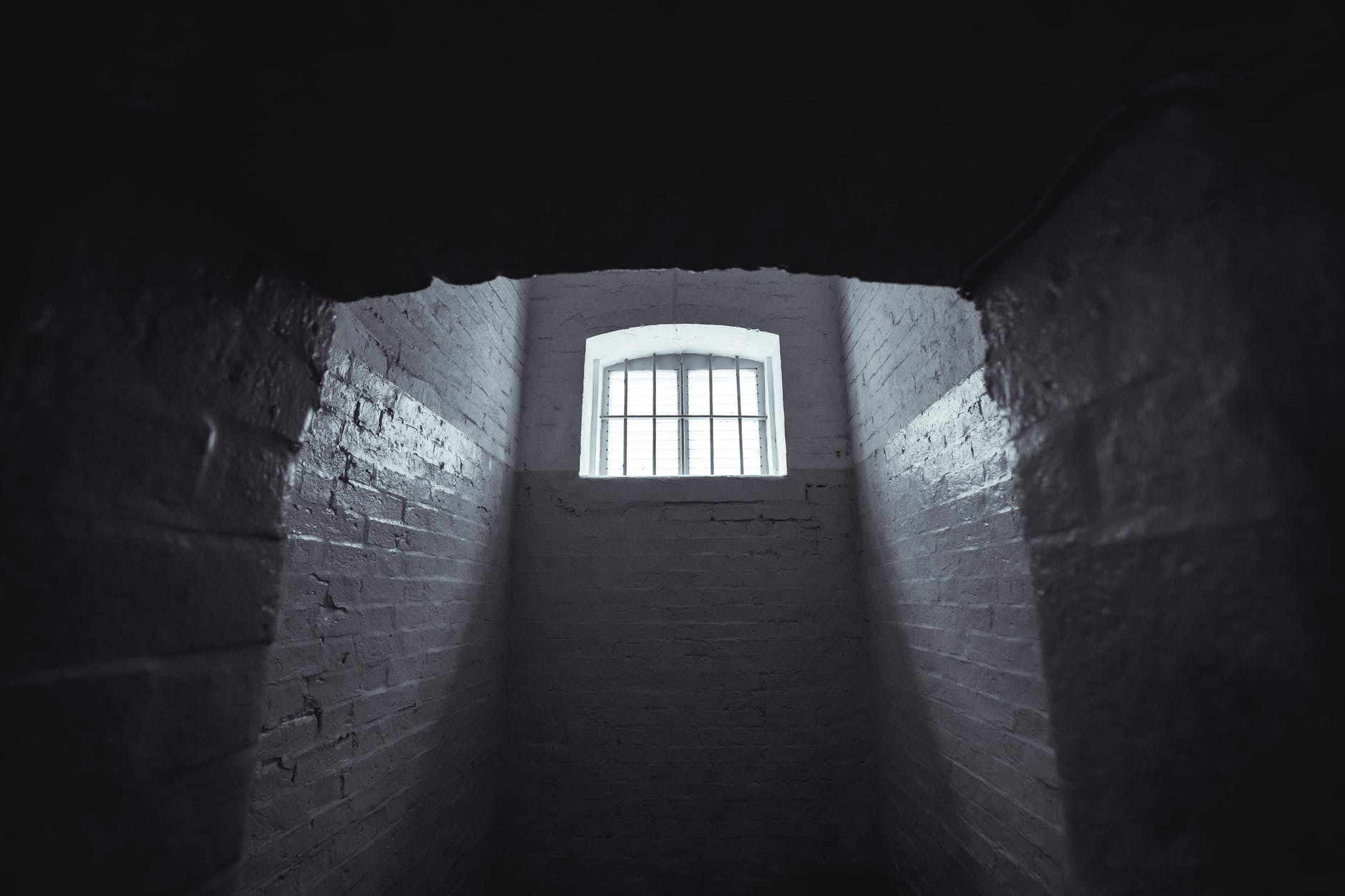
The Apostle Paul wrote this– from a prison cell as he awaited trial and a likely sentence of death! And this thought is a summary statement. It follows a list of circumstances in which Paul had experienced needs, and questions, and setbacks, and lack of provision.
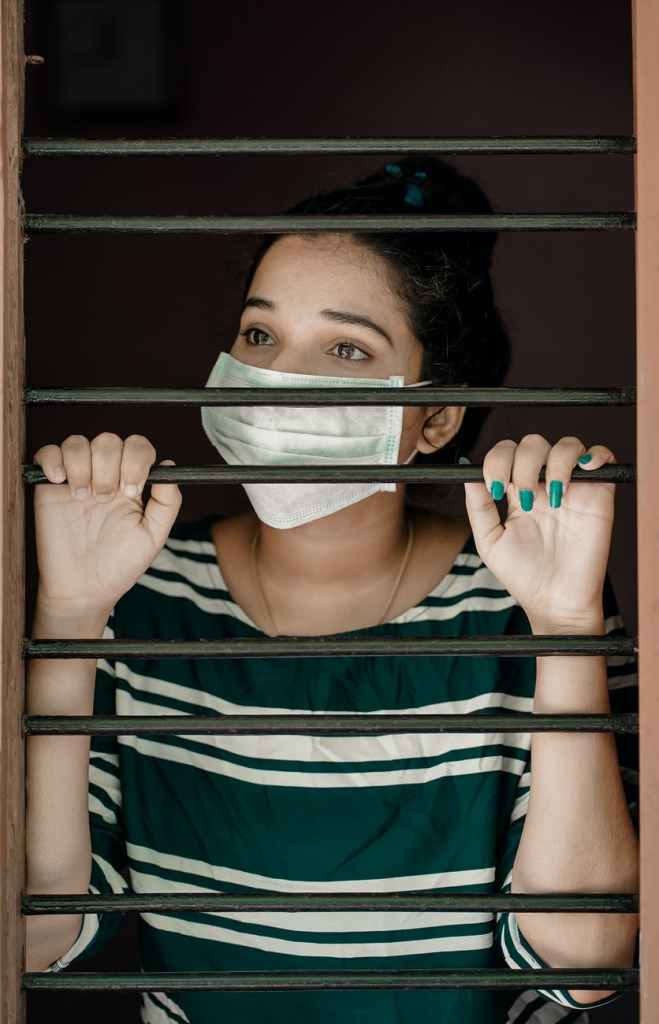
In this season of “sheltering in place,” I have a new appreciation for Paul’s letter. I am not in jail, but there are many restrictions (temporary, but seemingly endless) on where I can go and what activities I can pursue in light of the COVID-19 pandemic. I cannot “do all things” in any normal sense. My family could not gather for Mother’s Day this year. We cannot have friends over for a meal, or take our grandchildren to the movies, or meet together for a traditional church service on Sundays. I cannot open my little shop to customers. I can’t go and get a haircut or hang out at the bakery or coffee shop.
And there are others who are struggling, not just with restrictions, but with increased expectations. They cannot “do all things” to help a dying patient, or stop the spread of infection in their nursing home or hospital ward. They cannot answer frenzied questions about timelines and protocols. They cannot work effectively from home and still be available to their children as both parent and surrogate teacher. Or, they cannot meet the needs of their students without face-to-face interaction.
But Paul is not talking about the mere completion of a worldly task, or achieving a personal goal. Paul isn’t suggesting that he (or anyone else) can do anything and everything he might want to do or that others might wish him to do. He has just finished talking about times of lack, of wants and needs and facing uncertainties. Paul did not (even with Christ’s help) skip lightly around Asia Minor, making friends and influencing people.
So what DID he do? What did he mean by “all things?”
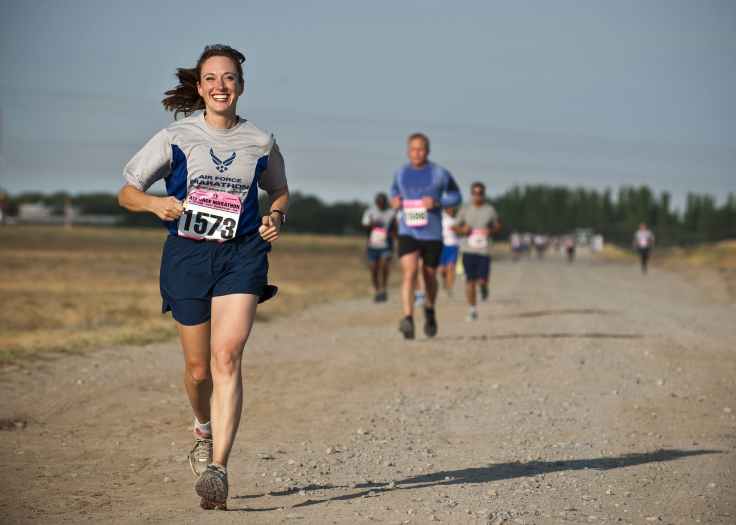
Paul speaks often throughout his letter of “running a race.” Paul learned that in all circumstances, with whatever resources, whatever restrictions, and whatever obstacles, he could “run” his race. Under persecution or in times of great success; in times of plenty, or in times of hunger; in prison or on the road (or seas); in Jewish synagogues or Greek amphitheaters; alone or in crowds– Paul could worship God. He could proclaim the Gospel. He could spread the love and grace of Christ Jesus. If he couldn’t travel, he could still speak. If he couldn’t speak, he could write. If he couldn’t write, he could pray. He could do “all things” that were necessary to accomplish his one goal– to run the race; to finish strong; to live a life of purpose and worship.
May we do the same today, through Christ, who gives us strength. I may not be able to gather with friends, but I have the blessing of being able to call, or e-mail, or IM, or send encouragement. I can still write this blog. I can still pray– in fact I have more time to do so! I can do “all things” that will fulfill my purpose and bring honor to God. And so can you. What a privilege–no matter where we are or what our circumstances!
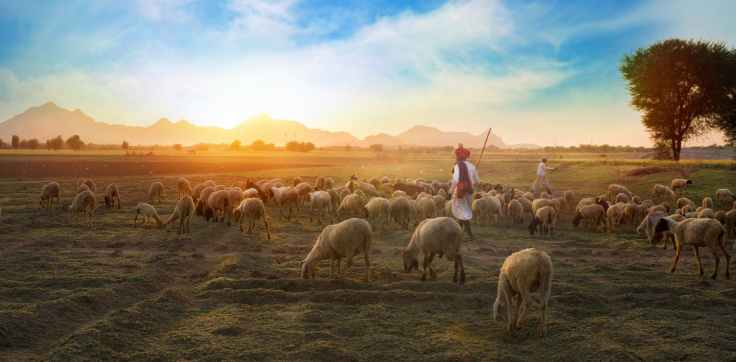
Of all the 150 Psalms in the Bible, Psalm 23 is the most well-known. It speaks of our Lord as a Shepherd who takes care of us, leading us to green pastures and calming our fears even in the valley of the shadow of death. But these four words in the very first verse, though comforting to many, have also been a source of grief to others. If the Lord is my Shepherd, I should have no reason to want. But what if I still have wants? Unanswered prayers? Struggles and trials and lacks?
Let’s look at the phrase carefully. “I shall not want” is the wording in the King James (English) version of scripture. More modern translations render the phrase as “I lack nothing (NIV),” “I have what I need (CSB),” or other variations of “I shall not want.” Let’s stick with “I shall not want,” and look at it word by word.
This Psalm is very personal. The Lord is MY Shepherd– I shall not want. This is between me and my Shepherd. I may be tempted to look around and compare, to want what someone else has, even if I don’t need it; even if it isn’t good for me. But when I depend on my Shepherd to provide, I can trust that whatever comes, He knows what I want and what I need. He knows what is best. Therefore, I shall not worry or wonder or want.
I am a former English teacher, so the verb “shall” interests me here. “Shall” and “will” are sometimes used interchangeably in English, but they are not exactly the same. “Shall” is not used much, but it indicates a future condition, or a condition that is ongoing into the future. It is not the active verb in this phrase, but rather the indicator of when that action (wanting, lacking, needing) will take place and how. The difference between “shall” and “will” in this case is not one of action, or time, but of volition. “Will” indicates a conscious decision– I “Will not want” means I will determine the action and outcome–without a Shepherd’s guidance or provision. I “Shall not want” means the outcome is determined by my Shepherd (in this case), not by my own volition or actions. There may be things I “will” still want– if I’m trying to go my own way and depend on my own wisdom and abilities, but that doesn’t change my condition–God has provided. God has given. God WILL continue to provide.
“I shall NOT want”– I may desire something else; I may not have what others have; I may be poor or sick or sad. I may respond to my circumstances with grumbling, doubt, anger, envy, greed, or disbelief. But I can also respond with trust, gratitude, wonder and worship, knowing that God sees me, knows me, and cares for my always. God doesn’t force me to respond positively to hard times– the Psalmist doesn’t say, “The Lord is my Shepherd, I shall be grateful,” or “I shall never complain.” He doesn’t say, “The Lord is my Shepherd, I shall have whatever gives me pleasure or makes my life easier.” Rather, he gives us a true picture life– I will NOT have everything I wish for; I will NOT understand or take pleasure in all the circumstances of my life, but I shall NOT be abandoned, left alone and without help or resources, lacking any source of hope, joy, peace, or love.
Finally, we come to the word “want.” In this context, it is meant to signify lack– I shall lack for nothing; I shall not be without (God who provides). And this is where many people struggle with the verse; with the Psalm; with the Shepherd Himself. We DO lack– many things. We lack money to pay the bills, we lack in our relationships, we lack perfect health, we lack patience…the list is endless. We “want” for many things. And we read Psalm 23, and it seems to mock us. If God is our Shepherd, why do we lose loved ones to disease? Why do we have to declare bankruptcy? Why did our spouse file for divorce? Why can’t we break that bad habit or addiction? Why do we see “good” people suffering? Doesn’t God see or care? God doesn’t give us easy answers. He doesn’t promise ease and comfort in this fallen world. But He is with us, not matter where, no matter what, no matter how we got there. And He promises to renew, restore, and redeem all that we lack in the present– perfectly and forever after.
I shall not WANT. I shall suffer in the present– loss, pain, confusion, heartbreak, disappointment, failure. But I am not without– not without God’s presence in this world, and not without His promise of justice, mercy, hope, and love now and in the world to come. I am still a sheep–I have needs, I make unwise decisions, and I don’t have the ability to see or defend against the dangers of this world. But I have a Shepherd– all-knowing, all-powerful, and extravagant in Love and Grace. I will depend on Him. I will call out to Him. I will follow Him. And I shall not want!
I spent part of last year taking a closer look at some of the figures of the Old Testament. This week, I’d like to take a closer look at one of the lesser figures of Genesis: Abraham’s nephew, Lot.
We tend to focus on the teachings of Jesus, and the writings of the apostles in the New Testament. We should. But we should not neglect the lessons to be found in these ancient stories. They have a “lot” to teach us about human nature, and about God’s response to it. They are rich with characters, patterns, metaphors, and foreshadowing.
We first meet the character of Lot, along with his family, at the end of Genesis 11: 27 This is the account of Terah’s family line. Terah became the father of Abram, Nahor and Haran. And Haran became the father of Lot. 28 While his father Terah was still alive, Haran died in Ur of the Chaldeans, in the land of his birth. 29 Abram and Nahor both married. The name of Abram’s wife was Sarai, and the name of Nahor’s wife was Milkah; she was the daughter of Haran, the father of both Milkah and Iskah. 30 Now Sarai was childless because she was not able to conceive. 31 Terah took his son Abram, his grandson Lot son of Haran, and his daughter-in-law Sarai, the wife of his son Abram, and together they set out from Ur of the Chaldeans to go to Canaan. But when they came to Harran, they settled there. 32 Terah lived 205 years, and he died in Harran. (Genesis 11:27-32 NIV, taken from http://www.biblegateway.com)
When I was reading this passage the other day, I was struck by something I never noticed before, and have never heard in any sermon or Bible study–Lot’s mother is never mentioned, and there is a strong implication that Lot’s parents were never married. The text merely says that Haran became the father of Lot, and that he died. The next sentence, however, says that both his uncles married– and it names their wives. The Bible does not state explicitly that Lot was illegitimate, or that he never knew his mother, but if that is the case, it makes certain things about his life stand in sharp contrast. And, though it says Haran died while his father was still alive, we don’t know how long he was a part of his son’s life. Lot is part of a family, but his position is not well-defined. He is a grandson, and a nephew, but he has no parents or siblings, and he is not adopted or named as an heir by either of his uncles. (Even before Abraham becomes a father, his “heir” is a servant named Eliezer of Damascus, not his nephew– see Genesis 15:1-3) He travels with his grandfather, and then “moves about” with Abraham (Genesis 13), but doesn’t seem to be a part of Abraham’s household. Instead, he is raised by his grandfather, who seems to have given him his father’s portion of the inheritance. Lot isn’t abandoned by his father’s family, but he is not embraced, either.
Lot seems almost to be included in this family history by chance. And, indeed, his name connotes chance and happenstance. People cast lots, play the lottery, and talk about their “lot in life.” Lot, much like his name, seems to depend on chance as he travels through life. His birth is mysterious and obscure, but he has connections to a great and wealthy family. He has great success in building his flocks and herds, enough that the “land could not not support (he and Abraham) while they stayed together” (Genesis 13:6a), but he doesn’t seem to be able to stay out of trouble. He gets used as a pawn in a territorial war (Genesis 14), and must be rescued by his uncle, only to return to the wicked city of Sodom. Angels must drag him out of the city to rescue him again, when God decides to destroy both Sodom and Gomorrah for their wickedness. Bitter and pouting, Lot becomes a pawn for his own daughters in the aftermath of his rescue, ending his days as a footnote in history, as the ancestor of two of Israel’s fiercest enemies– the Moabites and Ammonites.
Why is the story of Lot woven into the chronicles of Abraham? What can we learn from his character and life story? How does Lot play a part in the genealogy of Jesus?
I’ve challenged myself to learn more–may I pray that you might do the same? Nothing about Lot’s story is written without some purpose–let’s search out what a “lot” God has to share with us in the life of this one man.
I hope that today will be filled with peace, joy, and blessing for anyone reading this. But I know that today will bring bad news for some, pain for others, and hardship for many. Life is filled with struggle, disappointment, failures, and loss. Our first reaction is often to worry, which can lead to more worry, and a sense of urgency, even panic. In many cases, we have neither the resources nor the wisdom to overcome our struggles–even sustained effort or a “lucky break” may leave us without much hope. And the more we worry, the less we accomplish. But telling ourselves (or others) to simply “stop worrying” doesn’t banish worry; sometimes it increases it! Now we worry about worrying too much, or we find new things to worry about.
But there is a time-honored and proven pattern that can help. Jesus spoke of it in His “Sermon on the Mount.” In Matthew 6, He gives us this advice:
“So do not worry, saying ‘What shall we eat?’ or ‘What shall we drink?’ or “What shall we wear?’ For the pagans run after these things, and your heavenly Father knows that you need them. But seek first his kingdom and his righteousness, and all these things will be given to you as well. Therefore do not worry about tomorrow, for tomorrow will worry about itself. Each day has enough trouble of its own.”
The Apostle Paul expanded on this in his letter to the Philippian believers. He told them to be anxious for nothing–that regardless of our situation or circumstances, we should not panic, but pray (seek God’s grace, righteousness, wisdom, and help). But more than that, we should present all of our prayers, petitions, and requests with thanksgiving and praise!
This is not the same as pretending that our struggles don’t exist, or that they are not important, or that we are glad about the pain, uncertainty, or hardship that they bring. Instead it is lifting our eyes to Heaven and finding that God is bigger than it all; that His grace, His strength, His wisdom is sufficient for the next step– for today’s worries–for today’s battles and burdens.
This doesn’t happen naturally or automatically–we must seek, pray, pursue righteousness, ask for help, and continue to stand firm. There are some who point to the words of Jesus, or of Paul as a kind of “magic formula.” If we repeat a few promises from the Bible, or if we pray certain prayers, or convince ourselves and others that we have “enough” faith, God is obligated to change our circumstances and give us the resolution or relief we want. God is not primarily interested in our relief– He is interested in our redemption, our renewal, and our eternal reality. In following this pattern of turning our panic into prayer, and our prayer into praise, He promises that we will experience His peace. Our panic will be transformed–even if our situation stays the same; even if it gets worse before it gets better!
So how do we practice this pattern; how do we train for this transformation?
Start by seeking God with abandon–pursue Him with your whole heart– thank Him for who He is, and for all He has done. It can be helpful to review some of the names of God–I AM, Almighty, Creator, Lord, King of Kings.. Or read a Psalm or find a song that reminds you of God’s character and power. Think of the times when God has been faithful in your own past.
Find something about your situation for which you can be thankful– genuinely thankful. Years ago, when I was young and single, I was laid off from my first full-time job after nine months. Was I worried? Yes! Where would I find another job? How would I pay my bills? But I resolved to start being thankful about all I had learned on the job– I had met new people, learned new skills, purchased a car…God knew my needs for the future, and even though I had to wait another eight months before I found a full-time job, I was able to find temporary work and interview for other jobs in the meantime. And I had friends and family who offered good advice and encouragement along the way. I know some situations are more painful and perplexing than the loss of a job. When I my father died, nothing made the pain less, but I could thank God for Dad’s life and the time we had with him. This is NOT easy, nor is it meant to be…It may not happen for days, or weeks–don’t give up!
Cry out to God– in praise, but also in petition, pain, confusion, confession, and raw emotion. God wants a real relationship with us, and that includes walking with us in the “valley of the shadow of death.” We don’t have to fear evil, or worry about the future, not because it holds no danger or dread, but because we never have to walk alone and defenseless!
Remember this is a pattern to follow, not a pill to swallow–none of this comes easy, and God’s peace is not an instant “fix.” Instead, it is a growing conviction that God is who He says He is– faithful, loving, victorious, eternal, and sovereign. Such peace defies our panic and erodes our worry, leaving us ready to face the battles before us, and move forward through the struggles.
The English word “life” has only four letters, but the central two form another word– “If.” Life is all about making choices–and facing the consequences of those choices. Often we focus on those circumstances over which we seem to have no choice–I didn’t “choose” to be born, to be born female, to be born into the family or community where I grew up. I didn’t choose to be short, I didn’t choose the color of my eyes or skin or hair (though my hair color has changed as I get older!)
But those are circumstances– they are not my LIFE. My life is made up of thoughts, feelings, actions, attitudes, decisions, and interactions with others. The color of my eyes, my lack of stature, or my family name does not determine my attitude or my inner beliefs or the way I treat others. Who I am is determined by the choices I make– to be proud, to believe that I am superior (or inferior) to others; to choose hope and courage or to wallow in worry and despondency; to make the most of my time, or to waste it; to envy others or be grateful for all that I have; to obey or defy; to take care of my body or make unhealthy life choices; to be a good steward or be wasteful and destructive; to show love or to withhold kindness; to forgive or to hold a grudge; to seek God for his love and mercy, or to blame God for every challenge I face. Every choice (and its consequences) is woven into the fabric of my earthly life– every reaction to bad circumstances, every investment in future goals, every moment spent “just vegging”, every secret habit I continue to indulge..
The word “if” can hold great promise or regret– we can get lost in speculating, “if only…” or we can try to bargain with ourselves or with God, “if…then.” God gives us life, and He gives us “if”– the freedom to choose how we will react to our circumstances; freedom to choose how we will live our lives; the freedom to seek Him; the freedom to serve Him (or not) with all the unique gifts and passions He planted in each of us.
Life is filled with “ifs”– good and bad. “If’s” are conditional and have consequences. God’s love is not an “If.” It is unconditional, eternal, and immeasurable. Accepting it, however is conditional–it is the greatest “if” in the center of our life!
Lord, help me make good choices– choices that reflect the love and mercy You have shown; choices that bring You honor and glory. Thank you for making the choice to send Your only Son, that whoever (including me) believes in Him should have everlasting life!





































 Pursuing Prayer