Holiday Poison

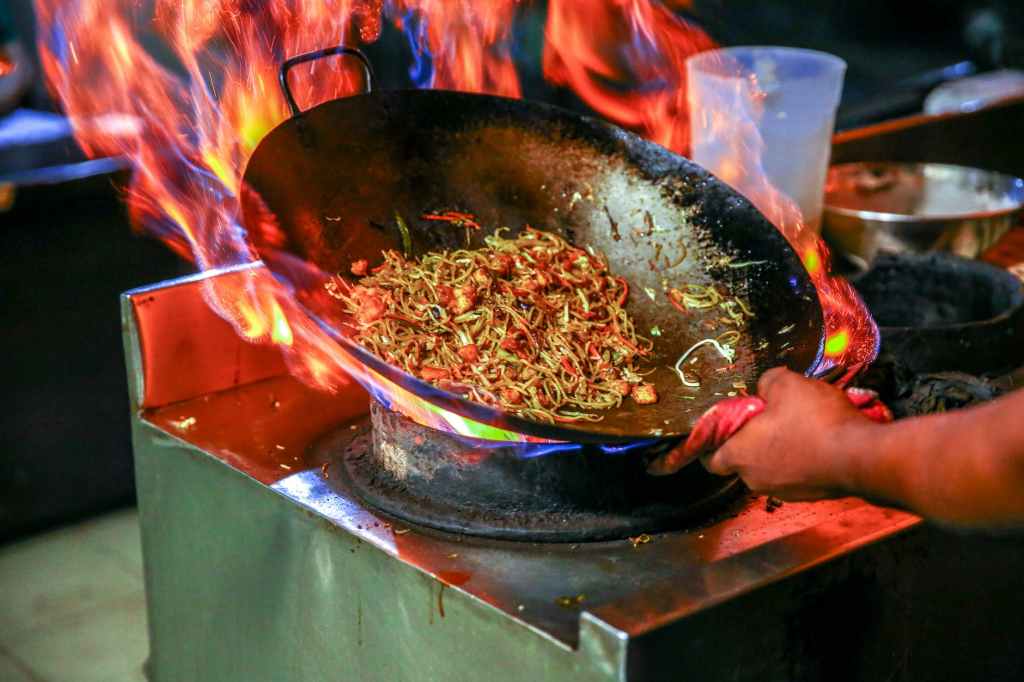
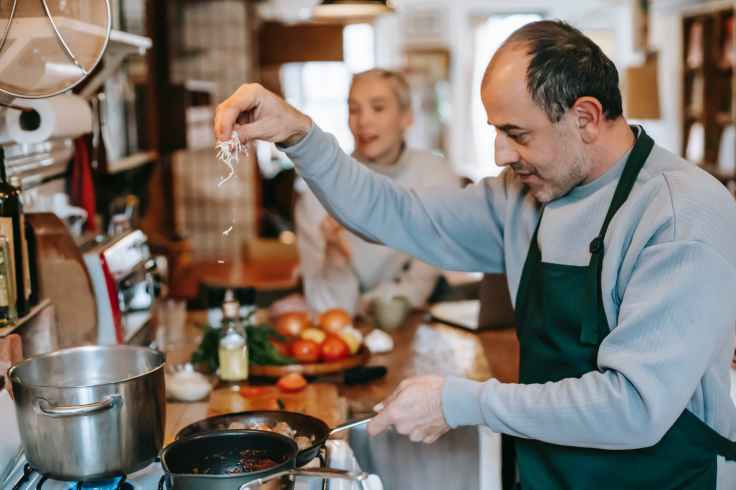
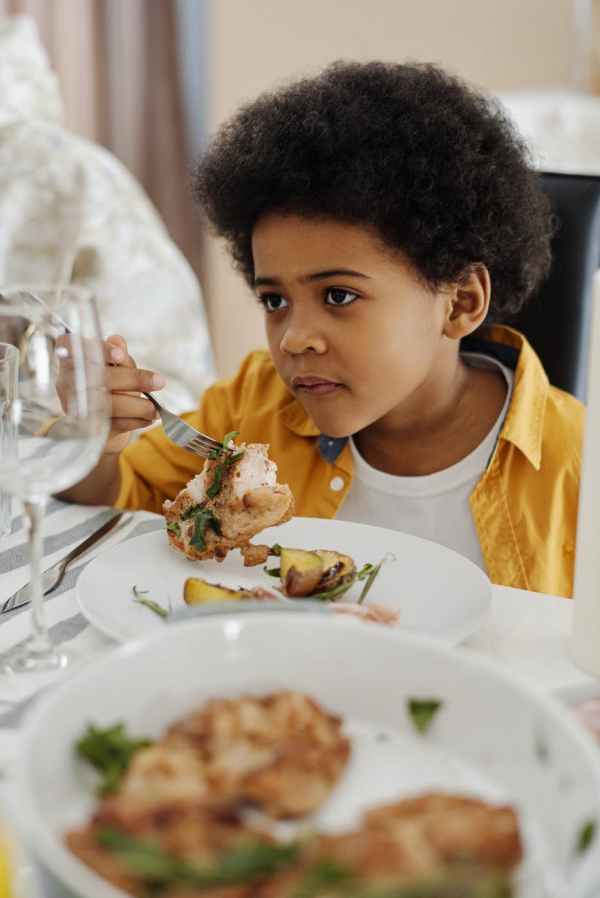
Yesterday was Thanksgiving across the U.S. Many families enjoyed a large dinner, surrounded by family or friends. Traditionally, this dinner might include turkey (or ham or both!), vegetables and fruits (potatoes, sweet potatoes, green beans, baked beans, corn, squash or some kind of greens, cranberries or cranberry sauce, apples or fruit salad), dressing, stuffing, rolls, and/or bread, and some dessert, such as pumpkin pie, pumpkin roll, apple pie, or cake. It’s a holiday which focuses heavily on food and eating.

Photo by Craig Adderley on Pexels.com

Because of this, it is also a holiday that carries the risk of food poisoning. Turkey and other meats, if not cooked properly or long enough, can make people sick. So can leftovers that are left out too long or not stored properly after the big meal.

Photo by Sora Shimazaki on Pexels.com

But there is another kind of poison that can ruin Thanksgiving. It may not make us immediately physically ill, but it is not less dangerous. It is the poison of ingratitude. Like salmonella or other types of bacteria, ingratitude can be invisible. It can hide, waiting to attack without warning, causing everything to have a bitter aftertaste. It may cause violent reactions, such as rage, or lie dormant, causing depression, apathy, or a general dissatisfaction. And just like food poisoning ruining a holiday built around food, ingratitude is a natural problem to have during a time set aside for thankfulness.

Photo by fauxels on Pexels.com

One of the most insidious forms of this holiday poison comes through comparisons–we gather to be near family we love, only to compare ourselves with them. Which one is happier? Wealthier? More popular? More intelligent? Better looking? Is the host’s house nicer than mine (or is my house “good enough”)? Did I work harder? Did my contribution to the meal taste “better”(or was it passed by– again)? Why am I still sitting at “the kids’ table?” The list is endless of the petty grievances that we allow to overwhelm our intentions to be thankful and live in peace. Someone says something to “push our buttons,” or they seem to ignore us completely.

Photo by Ketut Subiyanto on Pexels.com

Another form of holiday poison spreads from person to person–complaining, venting, sounding off, moralizing, criticizing, blaming…what began as a thankful, joyful gathering becomes a snake pit of biting, poisonous talk. And we react. We take the bait, become defensive, get sucked into that political discussion we vowed to avoid, or we revisit old wounds we thought we had put behind us.

Photo by Ken Ozuna on Pexels.com

But unlike food poisoning, bitterness and ingratitude are choices. We can’t always choose our circumstances, nor can we choose what others say or do. But we DO choose our reactions and our attitudes. I can blame someone else’s anger or selfishness for my bitterness, but they didn’t MAKE me succumb to their poison. I can compare myself to others and feel arrogant or inept, but no one forces me to live someone else’s life or measure up to their circumstances.

God has given each of us life and breath, and a purpose. Some of His gifts to us are universal and exactly the same for each person. He has given us each 24 hours in each day; He gives sunshine and rain, day and night, and air to breathe. But some of his gifts are unique to each individual. Our response should be to open our unique gifts, so we can enjoy them and use them, NOT waste time coveting someone else’s gift when we have neglected even to open our own.

Photo by Karolina Grabowska on Pexels.com

I wish I could say that “holiday poison” was easy to avoid– it’s not. It is human nature to grumble and whine and wish for what we do not have. But it IS possible to get healing. It starts with humble confession. We DO wish for what we do not have–and the more we deny and try to bury our failings, the more susceptible we are to the poison they can bring. If we confess our feelings of inadequacy, our desire to have “more” or “better” in life, we can turn to God freely and let Him give us a better perspective. Suddenly, we “see” blessings where we used to see burdens, we can see hope where once there was only grief, and we see opportunities where we only saw obstacles before.

Photo by Nicholas Githiri on Pexels.com

And God’s power to transform our attitude is just one more wonderful thing to be thankful for!

Nothing But the Blood

As I write this, it is still Sunday evening. This morning, we sang a classic hymn at church– “Nothing But the Blood of Jesus.” It’s an old hymn, and familiar; we often sing such hymns on auto-pilot and without really thinking of the wonderful words and truths coming out of our throats.

Photo by cottonbro on Pexels.com

“What can wash away my sin?– Nothing but the blood of Jesus.” “What can make me whole again?–Nothing but the blood of Jesus.” When I come to God in prayer, confessing my sins, it is not my prayer that makes me clean. Nothing I can say or do will give me right standing before God. I am a sinner, and I fall short of God’s glory. I also trespass against His holiness, and even His mercy. I am guilty, and there is no “magic” prayer that will heal me or exonerate me.

Photo by Michelle Leman on Pexels.com

Yet I come before a Holy God and make my confession. Not because He doesn’t know that I have sinned. Not because my words will save me. I come because I know that the Blood of Jesus Christ has, and will make me whole and justified. I have no need to hide the truth of my condition, or try to make my own justification or sanctification. Christ has done it all.

Photo by Ian Panelo on Pexels.com

Prayers of confession are not for God’s benefit, but for ours. To hide our guilt, or to excuse it, is to despise God’s amazing gift of Grace. When we confess to God, it is not because He wants to humiliate us or cause us additional guilt– though this is often the lie we tell ourselves. God is eager to remove our guilt and to guide us in His righteous ways. But He will not save us against our own will or without our permission. He will not conspire with us to hide our secret sins, or pass the blame on to someone else. To do so would be to submit to OUR will. WE are NOT God, though we sometimes act as though our ways are better than His.

Photo by Pixabay on Pexels.com

I’m so glad that God is God– that His ways are perfect, and that I can trust Him completely. Even when I fall short, I can trust that God has already paid the price to make things right– something I could never do, and something I find too wonderful to fully comprehend.

Nothing but the blood can save me. And anything other than the blood will fail to set me free. My prayers of confession– no matter how polished or pious or piteous– cannot unlock the mystery of salvation and restoration. But they acknowledge the marvelous reality that it IS FINISHED! God’s Grace is sufficient! Hallelujah!

If We Confess…

Many years before he became America’s first President, a young George Washington supposedly chopped down his father’s cherry tree. But young George is not remembered primarily for his action of cutting the tree– he is noted for telling the truth and confessing to the act, rather than trying to cover it up or excuse it or escape his punishment.

Photo by Todd Trapani on Pexels.com

Hundreds of years earlier, King David committed adultery, and later had one of his most loyal warriors assassinated to cover up his sin. But when he was confronted with his sin by the prophet Nathan, David tore his clothes. He fasted and prayed, and confessed everything before the Lord. He accepted the bitter punishment that he had tried to avoid earlier, and he was reconciled to God.

9 If we confess our sins, he is faithful and just to forgive us our sins and to cleanse us from all unrighteousness.

1 John 1:9 (ESV)

This is a very basic tenet of Christianity, and one that most of us learn early in our journey of faith. But it is also one that we sometimes have trouble trusting fully. We find it difficult to confess our “petty” sins–they seem too little; we find it difficult to confess sins long past– why bring them up now? We find it difficult to own up to chronic sins– shouldn’t I be beyond this by now? And we find it difficult to confess that we know what is “right,” and still choose to go our own way. We haven’t been tricked or misled; we haven’t been ignorant or unaware. We have sinned. And God already knows it. God is already waiting to forgive us and to restore to the “joy of (His) salvation” (Psalm 51:12). But we must trust that God is both willing and able to “cleanse us from all unrighteousness.” That He will not continue to hold our sins over us.

Photo by David Garrison on Pexels.com

In the cases of George Washington and King David, we have stories of their failures– one pretty minor, and the other catastrophic. But God didn’t leave them in their failure– that isn’t the end of the story! God’s story is always one of redemption and renewal. King David went on to great victories– and even other failures–yet he remained a “man after God’s own heart.” George Washington endured many trials and setbacks, but God brought him to a place of honor, making him the first of America’s elected leaders, and the one who would be the model of limited power for a limited term of service to the Republic.

Photo by Artem Beliaikin on Pexels.com

God already knows the worst about each of us. Nothing can separate us from His love. Failing to confess won’t change God’s offer– all it will do is prolong our shame and grief, and delay the peace and forgiveness we crave.

Am I a “Picky” Pray-er?

When I was a child, I was something of a picky eater. I didn’t like peas, or beets, or spinach , I wasn’t fond of lumpy mashed potatoes, and I didn’t like peanut butter sandwiches, or mustard on my hamburger. Of course, my parents were not sympathetic– I had to at least try some of my vegetables or potatoes, and, like it or not, I often found a peanut butter sandwich in my school lunch bag. I didn’t have to add mustard to a hamburger at home, but if it came on my burger at the drive-in, I either had to eat it with mustard, try to scrape it off, or go without! I didn’t have to be enthusiastic about dinner, but I was taught to be grateful for it.

Now that I am an adult, I still am not fond of peas, though I have learned to like beets and spinach. I don’t eat mashed potatoes very often, lumpy or otherwise. I eat the occasional peanut butter sandwich, and I actually love mustard on my hamburgers. I have learned to like foods that I didn’t like as a child, and learned that certain foods (even peas) are good for me, whether I like them or not.

Photo by Shohei Ohara on Pexels.com

I also learned to pray as a child–we had grace at meals, family prayer time, corporate prayer at church, and bedtime prayers. I learned that sometimes prayer is spontaneous and filled with praise; other times, prayer is dragged out of pain, or anger, pride, or shame. Prayer isn’t always “palatable.” But, like eating, it is necessary and good.

Just as I needed to learn not to be a picky eater, I have to practice prayer in all its aspects. God doesn’t just want the sweet prayers of praise that I am eager to sing out. He doesn’t just want the earnest requests I set before Him. He wants the rotten, stringy, overripe confession that I’ve been hanging on to. He wants the tormented “Why?” when things are falling apart. He wants me to chew on the unanswered requests and unfulfilled longings, and swallow the pride that insists on having its own way. He wants to savor those prayers when I can’t even find the words, but I come to Him anyway, hungry for answers, but even more thirsty for His presence.

Photo by sergio omassi on Pexels.com

Prayer isn’t always easy. It isn’t always “satisfying” in its daily practice. But it gives life and nourishment for the soul.

So I ask myself today: What am I praying about? What do I need to bring to God in prayer? What have I held back? What have I stopped praying for (and why)? Who has been on my heart or mind, but not in my prayers? What have I been trying to do in my own way that I haven’t shared with God in prayer? What does God know about me that I haven’t acknowledged? What praise or thanks have I withheld today? What worries have I borrowed from tomorrow?

What prayer practice do I need to try, or try again? It may take some stretching, but in the end, it’ll be better than peas!

“Seasoning” Prayer

Today, my husband was finally able to get out and go to the grocery. He saw that they were unloading some herbs, already started and ready to plant. It got me thinking about various herbs and their symbolism. What we plant in our garden; what we use in our cooking; how we “season” our prayer life– it all makes a difference. So here are some tips for “seasoning” our prayers…Make sure to add:

Photo by Markus Spiske on Pexels.com
  • Rosemary– for remembrance. Remember and worship God for who He is. Remember His past goodness. Remember His faithfulness. Remember His Great Love. Remember that He sees and hears you; He knows you intimately, and loves you eternally.
  • Sage– for wisdom. Ask for it. God longs to give you stores of wisdom and guidance. He longs for you to seek His wisdom every day.
  • Fennel– for praiseworthiness. God is worthy of all our praise and worship. Prayer is just one way of expressing His worthiness and glory!
  • Mustard seed– for faith. Faith grows exponentially larger and stronger when it is tended. One seed of faith can produce a large plant, which in turn produced hundreds of new seeds. Don’t let the weight of doubt crush that little seed–it really is enough! Not because of the size of your faith, but because of the size of the One in whom it rests.
  • Horseradish/radishes– for bitterness and contrition. A Holy God can only be approached by those whose sins have been forgiven. God offers mercy and grace in abundance– for those who acknowledge their sin and wish to be restored in Grace. Confession and repentance should be a regular part of our prayer life… and this leads to..
  • Hyssop– for cleansing. King David prayed: “Cleanse me with hyssop, and I will be clean; wash me, and I will be whiter than snow…Create in me a pure heart, O God, and renew a steadfast spirit within me.” (Psalm 51: 7, 10) May we seek to have a pure heart and a steadfast spirit. And as we are cleansed, we will have…
  • Parsley– for gratitude and joy. Parsley brightens and garnishes; it brings a finishing touch and its bright green color suggests growth and abundance. Prayer should result in thankfulness and rejoicing as we enter into the very presence of the Giver of All Life.
  • Thyme–for, well, time. Take time every day to meet with God. Make both “quality time” and “quantity time” when you can, knowing that God wants to be part of your day, all day, every day.
  • Chives– for usefulness and peace. Chives add flavor and balance when used in cooking. Bring your daily tasks, your goals, even your everyday worries to God in prayer. Pray as you work, as you run, as you do useful things throughout the day. This will lead to peace and purpose.
  • Garlic– for strength and healing. Especially in times when people are experiencing sickness and confusion, prayer brings strength. As we pray for healing– physical, emotional, and spiritual– we cast our cares upon a Loving and Omnipotent God.
Photo by Wendy Wei on Pexels.com

For some more interesting symbolic meanings of herbs and flowers, you can visit the following sites:
https://theherbalacademy.com/the-secret-meaning-of-herbs/
https://www.richters.com/show.cgi?page=InfoSheets/d9003.html
and many others.

Praying it Forward

Have you ever been the recipient of a small act of kindness, and “paid it forward” by doing something nice for others? It doesn’t have to be an extravagant gesture–someone holds a door open for you, so you do the same for someone else when your hands are free; you give someone a compliment, and as you walk on, you hear them complimenting the next person they see. It doesn’t even have to be the same action–you may see someone pick up trash along the sidewalk, and later you make a small donation to a local charity that collects gently used items for needy residents…

Photo by Pixabay on Pexels.com

The idea is that when we see good things happening, we can be inspired to join in and “spread the good.” In a world full of things that are not so “good”– bitterness, greed, hatred, pushing and shoving, name-calling, apathy, sadness, shame, and evil–good deeds stand out. Even the smallest kind word, smile, or simple act can have an exponential impact when it gets passed on.

Photo by mentatdgt on Pexels.com

Have you ever considered “Praying it forward?” Not as a substitute for “paying it forward”, but as a supplement? When you see someone doing a kindness, or when you are the recipient of that kindness, you can pray:

  • Thank–of course, if you have the opportunity, thank the other person first, but then thank God for HIS goodness and kindness; thank Him for the person you’ve seen or interacted with; thank Him for giving you eyes to see (or ears to hear, etc.) the goodness around you; thank him for others who have blessed you in the past
  • Bless–if you have the opportunity, bless the other person with a smile, or a reciprocal act of kindness, but then ask God to bless the other person–and/or someone else who is on your mind.
  • Ask– ask God for opportunities to “pay it forward”, or just to spread more kindness! Ask how you can show kindness, mercy, and love to others throughout the day. Even more, ask God to intervene (or help you intervene) in places and lives that need more than a small act of kindness.
  • Confess/Repent–sometimes a small act or word of kindness will convict us, reminding us of a time when we have withheld mercy, or have been the means of causing harm or destruction. Use this time to confess and seek to make amends (if possible), or seek forgiveness.
Photo by Vlad Chețan on Pexels.com

May today offer you opportunities to “pay it forward”, and then to “Pray if forward!”

Positioning for Prayer

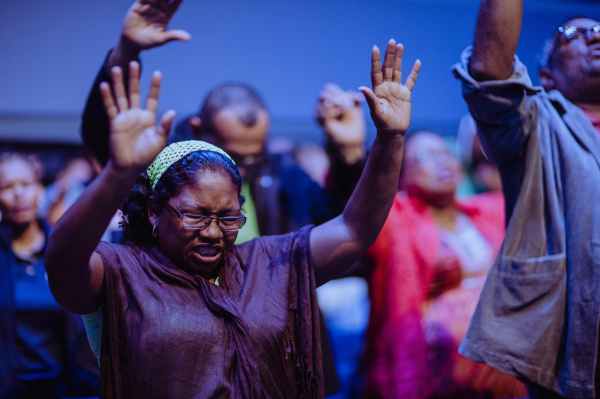
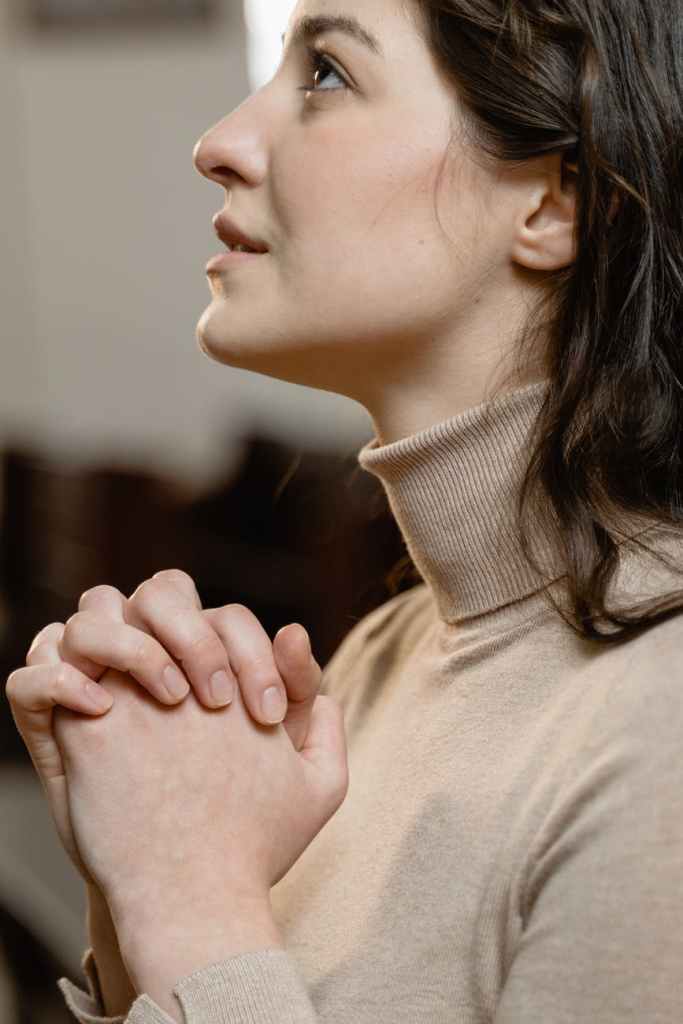
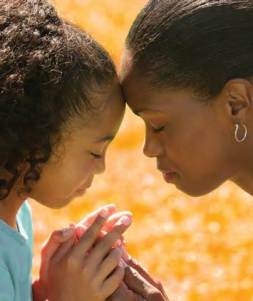
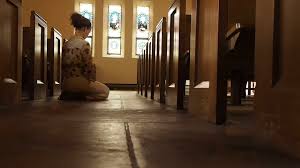
Bow, kneel, stand; hands folded, hands raised, hands clasped–there are many positions we assume when praying.  And different types of prayer seem to have different positions.  We tend to say grace seated or standing behind our chair at the table.  Some families hold hands; others bow their heads and fold their hands.  Some corporate prayers call for kneeling; others are said standing.  Some people bow, some kneel on the floor with arms outstretched; some curl up in their favorite easy chair; some face east or toward a certain focal point; some touch or hold an object, like a rosary or a Bible, or the wall or surface of a sacred place.  Some pray with eyes closed; others with eyes raised toward Heaven.

Does any of this posturing and positioning really matter?  Does God have a preference?  A requirement?  Does He get offended if I stand, or keep my eyes open or neglect to hold my hands a certain way?

gracelady

The answer is not as easy as one might think–The Bible has many specific accounts of prayer, as well as many commands and guidelines.  Hebrew priests stood with hands raised to pronounce blessing and to seek God’s favor.  King David’s psalms are poetic prayers.  They don’t often describe a position of standing or kneeling, but many of them imply a position of lying down, pacing, clapping, shouting, climbing, etc.  Jesus often prayed alone, and spoke of praying privately– in corners and closets away from prying eyes and listening ears.  On the night of the Last Supper and in the Garden of Gethsemane, the Bible describes Jesus as praying while “looking toward Heaven” (John 17:1), and later, “he fell with his face to the ground and prayed.” (Matthew 26: 39)

All this indicates that positions matter in relation to the function or the nature of the prayer.  And that’s where I want to focus my thoughts today.

God isn’t displeased if I stand to pray, rather than kneel–unless I am standing in pride and arrogance.  He is pleased if I kneel in humble and contrite spirit, but not if I kneel out of false humility or to impress others with my self-righteous posturing.  If I bow my head at the table out of habit, and forget who I am supposed to be talking to, or “pretend” to kneel instead of leaving the comfort of my chair– then I may need to take a new position; a new attitude of prayer.

kneelprayer

God isn’t impressed with our physical position in prayer– but I believe he wants our whole self, our undivided attention and our physical and emotional expression and attitude.  Sometimes, the physical position comes as a natural extension of our grief, our joy, our reverence, and our stillness before His throne.  Other times, our physical position brings us out of our pride, our busyness, and prepares our heart attitude.

I have had moments–even days– when I was not naturally motivated to quiet my spirit, bow my head or my heart, and kneel before my Maker.  But in kneeling, and bowing my head, and closing my eyes, I was positioning more than just my body.  I was coming in obedience to the one– the only one– who can transform my mind, renew my spirit, and soothe my restless heart.  Other times, I could not kneel for the joy and exuberance of the moment.  Standing on tiptoe, hands raised, head raised, and heart raised, I sang out to my Father in gratitude and awe.

So the answer to the question– Does our position in prayer matter?– would seem to be, “no.”  What matters is our attitude. God is not impressed or fooled by an outward show–he is concerned with our heart’s desire to be close to him. There is, however, one position that is pivotal in the pursuit of prayer.  That is the position of Faith.  In Hebrews, we are told that “without Faith, it is impossible to please God, for whoever comes to him must believe that he exists, and that he rewards those who earnestly seek him..”(Hebrews 11:6)  Jesus spoke of faith that can move mountains, even if it is the size of a mustard seed.  Whether kneeling or standing, grieving or rejoicing, our prayers must be accompanied by faith– faith that God exists; that he is loving and gracious and all-powerful to save; faith that our “position” in him is one of reconciliation and renewed life through his grace and the finished work of Jesus Christ; faith that he will hear our prayers and answer according to his will; faith that his will is altogether good and perfect– even when we don’t understand it in the here and now.

One final thought–though the Bible does not specifically require that we kneel to pray as we pursue a relationship with him, it does declare that one day, “at the name of Jesus, every knee should bow, in heaven and on earth, and under the earth, and every tongue confess that Jesus Christ is Lord…” (Philippians 10-11a).  I can practice kneeling in this life, knowing that it won’t go to waste!

What? A Privilege?!

“What a Friend we have in Jesus,  all our sins and griefs to bear!  What a privilege to carry everything to God in Prayer!”

The word “privilege” has taken a beating lately.  A privilege used to be considered a good thing.  Merriam-Webster defines it as, “a right or immunity granted as a particular benefit, advantage, or favor.”  A privilege is granted–given as the prerogative of someone in power or authority– to someone else.  It may be given as a reward, or granted for a limited time and under certain conditions.  But a true privilege is a gift–you can’t make your own privilege, and you cannot own or control a privilege– the terms are set by the giver, not the receiver.

In the past generation, the word “privilege” has become charged with political and societal connotations.  Those connotations, and the issues surrounding them, are worthy of discussion and could fill volumes, but I want to talk about a privilege that should be free of undertones and dubious meanings.

Prayer is a pursuit, and a practice.  It is personal, practical, and powerful.  But it is also a privilege.  Often one that we take for granted.

In pursuing prayer, we are not just developing a personal routine or discipline.  We are not just approaching a powerful supernatural entity.  We are fallen creation entering the presence of a Holy Creator; we are rebels entering the throne room of the King of Kings.

We have the right to approach God; to talk to, converse with, ask favors of, plead with, confess to, and expect answers from the One who creates galaxies with a single spoken word, and designs every unique flake of snow.  This same God grants us the right to draw breath, to experience both beauty and wonder, to question and to create.

Prayer in ancient times was almost universally accompanied by sacrifices, and surrounded with ritual– incense, bowing and prostrating oneself, covering or uncovering the head–in recognition of the horrible chasm, the great separation between God and mankind.  Many traditions still use ritual for prayer, and there is nothing wrong in this reminder of God’s Holiness and Sovereignty.  Yet God talks of prayer in intimate terms.  He didn’t impose ritual and sacrifice for his benefit, but for ours.  Several times throughout the Bible, he makes clear that he does not require the blood of bulls and goats–what he wants most is a humble and pure heart.  At the moment Jesus died, the great veil in the Temple was ripped in half from top to bottom–the most holy place laid open to all who might come into God’s presence.  Christ’s death and resurrection were not just means of saving us from Hell, but the means of bringing restoration of the intimacy God designed from the beginning.  God– Almighty, Omnipotent, and completely Holy–wants to give us the privilege to enter his presence and pour out our thoughts, feelings, burdens, and triumphs; to share intimacy with HIM.  We are not just objects of his care (or his wrath), not just creatures in whom he has a certain fond but distant interest.  We are recipients of lavish love and priceless privileges– forgiveness, power over sin, power to become more Christlike, restoration and renewal, and yes,  the pursuit of  prayer.

Blog at WordPress.com.

Up ↑