Mothers and others..

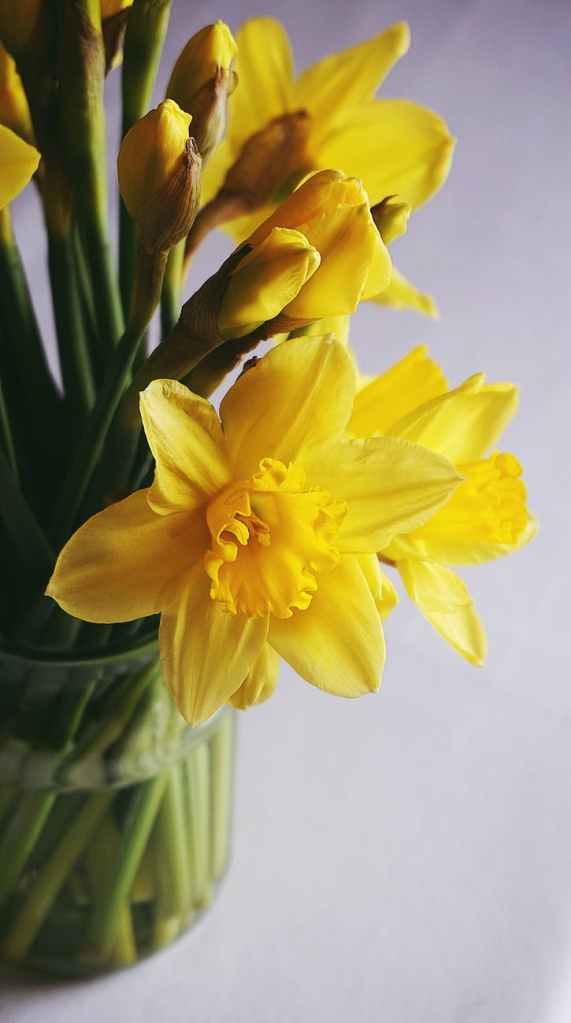
Sunday will be Mother’s Day. People are already talking about how this year will be “different” because of COVID-19. They say it will be more difficult because of the social distancing measures in place. And it will be for many families. There will be few family gatherings, few long and happy discussions around a dinner table, fewer flowers, fewer hugs…Many will still have the opportunity to see their mothers/children via skype or zoom or through a window. Many can still hear a familiar and much-loved voice over the phone, and send messages via text, email or even a letter or card. But it’s not the same. There is something about a mother’s presence– her touch, her voice, her smile, the subtle scent that belongs to no one else– that we cherish and celebrate.

Photo by kelvin octa on Pexels.com

But for many people, this Mother’s Day will be no different. Sadly, there are many who will spend Mother’s Day alone. There is a visceral, painful place– a gaping wound– where there is no “Mother” on Mother’s Day. Maybe it’s caused by death–either the death of our mother, or the death of our child/children. Maybe it’s some other wrenching separation– Alzheimer’s, a ruptured relationship, addiction, mental illness, abandonment, deployment, rejection… We miss what once was, or we miss what we never had. COVID-19 may bring this horror to some this year, and it may leave some with that horror for years to come, but the pain and loss is no different for being caused by a virus. The pain of losing (or not having) a Mother runs deep. It may be felt more keenly on this day, but it aches and gnaws every day. Mothers give life. They nurture. They are the safe arms in which babies find peaceful rest (..eventually). They are the kissers of boo-boos; the proud recipients of our first attempts at writing, and drawing; our first audience for concerts and dances; our first teachers and nurses, police officers, drill sergeants, and life coaches; often our first playmates, too.

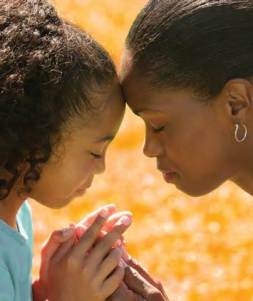
Photo by Katie E on Pexels.com

For many years, I have lived on “the other side” of motherhood. I am a daughter– blessed with an amazing, kind, strong, wise and Godly mother. I cherish the relationship we have, and look forward to the time when I can visit with her in person, instead of over the phone. She spent long nights rocking me to sleep; hours praying and crying by my hospital bed when I almost died as a toddler; listened patiently while I ranted and railed in teenage rebellion; encouraged me when I was exhausted from work and frustrated about living alone; and taught me the joy of spending time with God and loving others. And I want to honor her every day for the Godly example she has been to me and to others.

But I have spent most of my adult life outside the experience of motherhood, watching others with tiny arms wrapped around their necks, others kissing boo-boos and receiving artwork, others taking pictures of their graduating seniors and swapping stories with other moms. And, I have been reminded– sometimes in subtle ways, sometimes with contempt–that I do not “belong.” “You don’t know what I go through.” “You don’t understand.” “Who do you think you are to tell me about my daughter? You’re just her teacher. I’m her MOTHER!” “You can’t tell my children what to do.” None of these statements are wrong– but they hurt. And most of them come from someone else’s pain– their fear of failure, their frustration, their guilt, even a lack of sleep or a migraine…

Photo by Andrea Piacquadio on Pexels.com

Because of my experience, however, I have learned two things– a greater appreciation for my own excellent mother; and a new appreciation for the role I have been allowed to play as an “Other.”

Mothers are vital, but they are not perfect, and, especially where they are missing or rejected or removed, the world needs Others. Women (and men) who will stand as surrogates, substitutes, and valued helpers. Sometimes it is a thankless job; often it is temporary, even momentary, and unexpected. Throughout our lives, there are Others who inspire us, who have our backs, who cheer for us through track meets, or at dance recitals, or spelling bees. Others who may not kiss boo-boos, but patch them up in the moment. There are Others who are the first to spot our hidden potential, or warn us of dangers that no one else has spotted. Others who pray for us, cry with us, and share our smiles. Others who buy Girl Scout cookies, or magazine subscriptions, lemonade, or raffle tickets.

Photo by Cliff Booth on Pexels.com

It was not God’s will for me to be a Mother. I have been blessed in recent years to be a step-mother and -grandmother, and I adore my kids and grandkids. I am so grateful for the mothers and others who shaped their lives, and the honor of being part of their families. But God has also given me a lifetime of being an Other. I may not have the “normal” experience of Motherhood, but I’ve had my share of doubts, failures, “bad” days, and sleepless nights. And I’ve been blessed to get to know hundreds of children– through school, Bible School, Sunday School, mission trips, Story Hours, school visits, Summer Reading, camps, baby sitting, extended family, and more.
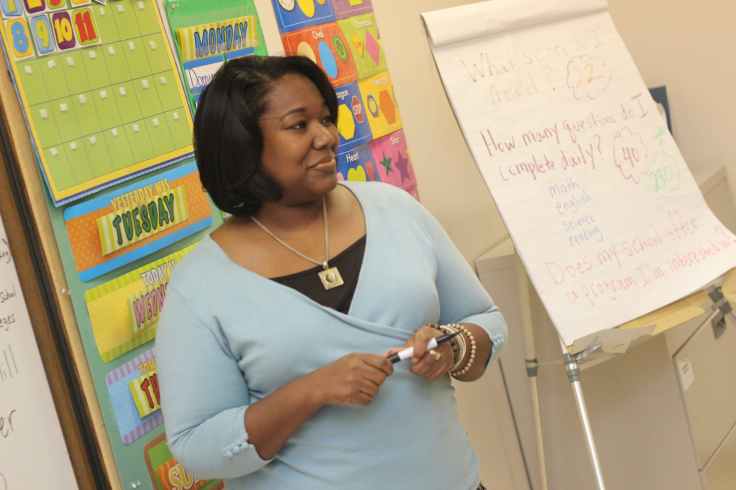
Photo by nappy on Pexels.com

If you are a mother– celebrate Mother’s Day this year. There are millions who have been denied the honor. And many who have lost the privilege.

If your Mother is still alive, but you can’t be with her– celebrate Mother’s Day this year. If you can’t be together in person, make an effort to be together in word and spirit. Flowers are nice; a fancy meal is fine, too, but your time– listening, sharing laughter and memories–it priceless. There will come another year when you won’t be able to be with her– and no phone line or video chat will be able to bring her closer. If your mother is alive, but your relationship is strained, you can still celebrate Mother’s Day. Use this day as a starting point to move forward– some relationships can be repaired if you are willing to take a first step. Others need closure. All relationships need forgiveness– for YOUR sake.

Photo by Andrea Piacquadio on Pexels.com

If you are missing your mother or have no mother–celebrate Other’s Day this year. Look for the people who have encouraged or uplifted you– aunts, neighbors, teachers, college roommates–let them know they’ve made a difference.

If you are not a mother– and even if you are– you are someone’s Other. Celebrate the opportunity to be the best Other you can be. Someone needs an Other today!

Photo by Daria Shevtsova on Pexels.com

More Than the Watchmen Wait for the Morning…

The author of the 130th Psalm cries out to God for mercy. He pleads for God to hear his voice and be attentive to his cry. https://www.biblegateway.com/passage/?search=Psalm+130&version=NIV

But then, he does three important things: He recounts what he knows of God’s character, he waits, and he hopes.

Sometimes, when I cry out to God, I expect God to reveal Himself to me with an immediate and positive answer. And, occasionally, God does answer prayer with a dramatic and instant result. But most of the time, God answers first with silence. Not because He is cruel or uninterested or too busy to acknowledge my cry. He gives me time to reflect– on His nature, and the nature of my need. And He gives me time to find peace and trust in the middle of the storm.

Photo by Collis on Pexels.com

I spent much of yesterday crying out– I am frustrated with the uncertainty surrounding COVID-19. I am angry at the misinformation and conflicting reports; I don’t know what to believe about staying put or venturing out–is it allowed? Is it safe if I wear a mask? Can I go to the park or beach? When can I re-open my shop? Can I make the payments until it can be re-opened? When can I safely see my family and friends again? Will it be safe to hug them? And I am frustrated with the way I see people treating each other– yelling, screaming, eager to condemn everyone else’s behavior while justifying their own. And I find myself saying and doing the same thing from the relative safety of my computer screen– after all, I can’t yell at anyone to their face if I can’t leave the house, right? But I can let my 300 closest friends know how heartless and selfish they are if they don’t see things my way! They’re KILLING people! They’re betraying family members! They’re living in fear! They have no compassion! And I cannot make them do what I think is right!

Photo by Matej on Pexels.com

But when I stop the crying and carrying on, and justifying, and finger-pointing; when I stop to remember who God is, and who I am, I remember that God IS attentive. And not just to my frustration, but to everyone’s needs– the person who is living in terror; the person who is suffering pain, grief, agony, and loss; the person who is defiant and uncaring and angry. God is attentive, but He is also overflowing with mercy. If He kept records– if He only looked upon mankind to find evidence of our guilt or to pour out shame and punishment– who could stand? Who would have the authority to tell God how He should direct the universe? Who could say that they were more capable of dispensing life and death, health and sickness, mercy and justice? Would I? It is no little thing to cry out to the God of the universe. And yet, God listens attentively to our every cry. Especially when we cry out to Him for mercy, for wisdom, for peace, and for healing. His answer may not look like what we expect, but He never fails to listen in Love.

Photo by Pixabay on Pexels.com

And as I contemplate God’s power, wisdom, compassion, grace, and authority, I can wait. And that doesn’t mean that I sit in a lotus position and stop seeing the pain and chaos and death. Or that I count to ten and hold my breath. Or that I set a timer and think happy thoughts for 20 minutes. No. I wait like a watchman– like a sentry waiting for whatever may happen– alert and ready to do my duty. And I wait like a watchman for the dawn– for the light of day to see clearly; for the end of my watch, when there will be rest.

This season is difficult, but it will end. It will give way to a new dawn– with new challenges! But just as the Psalmist tells Israel, I know I can put my hope in the Lord, for “with the Lord is unfailing love and with him is full redemption (v. 7). If I cry out, knowing that God is willing to listen and able to save, but I don’t stand firm in hope, I can still be swept away by the winds of doubt and the current of angst.

Photo by Luis Quintero on Pexels.com

Cry out–then reflect, wait, and hope.

Mayday!

Today is the first of May. This is also known as May Day or Mayday. In many countries, there are traditional celebrations, including dancing around a May Pole, or leaving a small bouquet of fresh spring flowers on someone’s doorstep. It is meant to be a happy occasion, signaling the arrival of spring flowers after a month of showers and growth– the promise of more growth and greenery after a long winter and cool, wet, spring.

Photo by Suzy Hazelwood on Pexels.com

This year, many people have been looking forward to May 1 as a potential “end” to the lockdown/shelter-in-place orders. They are eager for a chance to return to “life as normal,” including spending time in parks and gardens, and celebrating with friends. They long to chat, mingle, and dance with their friends and loved ones in the sunnier, greener weather. Others are just tired of being “cooped up,” and want to get out into the busy marketplaces and public squares. But many leaders (mayors, governors, ministers, presidents, etc.,) are extending the orders to continue social distancing during this pandemic season.

There is another meaning for the phrase “Mayday!” It is an urgent call for help. It comes from the French phrase m’aidez– help me–and is used mostly in radio transmissions from ships in danger. Many people around the world today are, figuratively or metaphorically, calling out “M’aidez!” They are calling on their political leaders, financial institutions, hospitals, emergency workers, and others for help– healing, testing, equipment, food, answers to impossible questions, guidance, and comfort. For many, it feels like drowning in a sea of uncertainty and danger.

Photo by stein egil liland on Pexels.com

Even in times of uncertainty and danger, we have a Faithful and Loving God. When we cry out, “Mayday! Help!”, He is ready and able to answer our call:

I cried unto the Lord with my voice, and he heard me out of his holy hill. Selah.

I laid me down and slept; I awaked; for the Lord sustained me.

I will not be afraid of ten thousands of people, that have set themselves against me round about.

Many times in his life, David had called on the Lord, and found him faithful– to protect him, rescue him, bless him, and forgive him. David danced and celebrated God’s provision for Israel, and he also cried out in anguish and bitterness of soul. And in every situation, God heard David’s “Mayday! M’aidez!”

Photo by icon0.com on Pexels.com
  • King David’s descendant, King Hezekiah, also cried out to the Lord. He led the entire nation of Israel in celebrating a magnificent Passover feast and a Festival of Unleavened Bread. He also built up and fortified walls that had been allowed to crumble. He strengthened a weakened nation. In spite of his measures, however, the nation was threatened with invasion and destruction by a powerful Assyrian army. https://www.biblegateway.com/passage/?search=2+Chronicles+32&version=ESV But Hezekiah, along with the prophet Isaiah, sent up a “M’aidez!” to God, and He answered in a mighty way: 20 Then Hezekiah the king and Isaiah the prophet, the son of Amoz, prayed because of this and cried to heaven. 21 And the Lord sent an angel, who cut off all the mighty warriors and commanders and officers in the camp of the king of Assyria. So he returned with shame of face to his own land. And when he came into the house of his god, some of his own sons struck him down there with the sword. 22 So the Lord saved Hezekiah and the inhabitants of Jerusalem from the hand of Sennacherib king of Assyria and from the hand of all his enemies, and he provided for them on every side. 23 And many brought gifts to the Lord to Jerusalem and precious things to Hezekiah king of Judah, so that he was exalted in the sight of all nations from that time onward.
  • The Apostle Peter called out as he was sinking into the waves. https://www.biblegateway.com/passage/?search=matthew+14%3A22-32&version=NIV His faith, which made him to want to walk out to Jesus on the water, faltered. Peter knew the danger of open water, he faced such dangers in his fishing boat nearly every day. Without a miracle, he would sink below the wind-churned waves and be unable to make it back to the boat or swim all the way to shore. He cried out, “Lord, save me!” “M’aidez!” And Jesus was there to hold his hand and bring him to safety. Later in life, Peter went forth boldly preaching the Resurrection of Jesus, and spreading the Good News that Jesus Saves! Peter knew from first-hand experience that Jesus not only brought physical salvation from storms, but He offered spiritual salvation, renewal, and hope. In fact, it is in one of Peter’s epistles that we find this verse of hope: “..casting all your care upon Him, for He cares for you.” (1 Peter 5:7)

Photo by Guy Kawasaki on Pexels.com

This May Day, we may call out to God in desperation, or in celebration, or both. But let’s take every opportunity to call on His Holy Name.

Photo by 3Motional Studio on Pexels.com

Where Can I Hide?

Psalm 139 New King James Version (NKJV)

For the Chief Musician. A Psalm of David.

139 O Lord, You have searched me and known me.
You know my sitting down and my rising up;
You understand my thought afar off.
You [a]comprehend my path and my lying down,
And are acquainted with all my ways.
For there is not a word on my tongue,
But behold, O Lord, You know it altogether.
You have [b]hedged me behind and before,
And laid Your hand upon me.
Such knowledge is too wonderful for me;
It is high, I cannot attain it.

Where can I go from Your Spirit?
Or where can I flee from Your presence?
If I ascend into heaven, You are there;
If I make my bed in [c]hell, behold, You are there.
If I take the wings of the morning,
And dwell in the uttermost parts of the sea,
10 Even there Your hand shall lead me,
And Your right hand shall hold me.
11 If I say, “Surely the darkness shall [d]fall on me,”
Even the night shall be light about me;
12 Indeed, the darkness [e]shall not hide from You,
But the night shines as the day;
The darkness and the light are both alike to You.

13 For You formed my inward parts;
You [f]covered me in my mother’s womb.
14 I will praise You, for [g]I am fearfully and wonderfully made;
Marvelous are Your works,
And that my soul knows very well.
15 My [h]frame was not hidden from You,
When I was made in secret,
And skillfully wrought in the lowest parts of the earth.
16 Your eyes saw my substance, being yet unformed.
And in Your book they all were written,
The days fashioned for me,
When as yet there were none of them.

17 How precious also are Your thoughts to me, O God!
How great is the sum of them!
18 If I should count them, they would be more in number than the sand;
When I awake, I am still with You.

19 Oh, that You would slay the wicked, O God!
Depart from me, therefore, you [i]bloodthirsty men.
20 For they speak against You wickedly;
[j]Your enemies take Your name in vain.
21 Do I not hate them, O Lord, who hate You?
And do I not loathe those who rise up against You?
22 I hate them with [k]perfect hatred;
I count them my enemies.

23 Search me, O God, and know my heart;
Try me, and know my anxieties;
24 And see if there is any wicked way in me,
And lead me in the way everlasting.

We can’t hide from God. We can ignore Him, deny His existence, even rage against Him. But we cannot escape His Spirit. We cannot hide who we are or what we think from Him. And we cannot flee from His goodness or mercy; we cannot run beyond His ability to restore us, heal us, or save us. He knows the worst about us, and He calls us to the very best we can be. Which begs the question– Why would we want to escape from God? Why do we try to hide from Him? What is it about God that would give us a reason to flee?

Photo by EVG photos on Pexels.com

There are many terrifying things in this world–right now, we are faced with a global pandemic; a plague that brings sickness and death. Now THAT is something worth hiding from! Many of us are “sheltering in place,” trying to hide out until it is safer to interact with others. The disease seems to be everywhere–but it really isn’t– it cannot go where there are no hosts to carry the virus. It can be spread wherever we find other people who are infected, or where the virus lingers on surfaces. The disease does not seek us out or come searching for us if we stay put. Unfortunately, “sheltering in place” comes with its own dangers. We cannot survive long in a bubble. We are interdependent. We need food, medicine, fresh air, and interaction with family and friends to survive and thrive. Hiding away from a tiny virus is only effective in the short term. And there are other diseases from which we cannot hide– cancer and heart disease, and even other viruses that are active, but haven’t been traced or identified.

Photo by Nandhu Kumar on Pexels.com

There are other terrors that we try to escape by fleeing– hurricanes, fires, floods, war, etc. And we may escape immediate danger from such terrors–if we have advance warning or if we have the means to escape. But there is no place of absolute safety: no place on earth where such dangers cannot exist. There is no Utopia– no earthly dwelling, community, or settlement where there is only goodness, harmony, peace, and plenty. There is no place to hide, and no place of escape.

Photo by Johannes Plenio on Pexels.com

It is understandable that we should want to hide from danger or flee bad things, even if such escape is impossible in life. But why should we wish to hide from a loving and merciful God? Is He as bad as COVID-19? Is He as threatening as a hurricane or an air raid?

Certainly, He is as powerful (and even more) than any of the dangers we fear. God has the power, and the authority, to judge, punish, and destroy all who live on the planet. He has the power to obliterate all of His creation, and none of us could stop Him or challenge His right to do as He pleases. And if we should challenge God’s authority, we would be wise to want to run away, hide, or escape the consequences of such foolishness.

Photo by Luis Aquino on Pexels.com

Adam and Eve tried this long ago. After they sinned by eating the Fruit of the Knowledge of Good and Evil, they hid from God. And God’s response was not instant obliteration. He didn’t storm through Eden, destroying everything in His righteous anger before torturing Eve, making Adam watch in horror before He killed them both. Nor did God negate His Holiness by changing the consequences of sin. Death DID enter creation– along with disease, pain, guilt, envy, hatred, lying, greed, destruction– they all exist, persist, and continue to plague all of God’s creation to this day.

But God’s first act–His first words to Adam and Eve after their rebellion– was to seek their presence. God came to walk in the Garden; to meet with Adam and Eve. He called out to them, “Where are you?” He wasn’t asking because He didn’t know that they were hiding. He knew where they were, and why. And even in assigning their punishment, God did not throw extra guilt and recrimination at the fallen couple. He didn’t shout, “How could you do this to ME?!” “How dare you!” “I wish I’d never made you!” “You’re worthless. What a waste of time and energy. Get out of my garden! I never want to see you or hear from you again!”

Photo by Josh Willink on Pexels.com

God’s Spirit is always seeking reconciliation, communion, restoration, and love. God is Holy, and God is Merciful. Holiness desires Whole-ness. Mercy desires Peace. God pursues us, not because He wants to infect us or devour us or destroy us– God wants to hold us, heal us, and give us Life.

The danger is not in God’s presence, but in our ability to reject it. God is everywhere, but not everyone will see Him, accept His authority, or welcome His mercy. Some will spend a lifetime hiding and fleeing, only to discover that God will, reluctantly, give them what they want– an eternity without Him. Without Grace, without Love, without Peace, without Wholeness, without Hope.

Photo by Mitja Juraja on Pexels.com

That is a fate far worse than waking up to “shelter in place,” or even suffering through a virus that can separate us from loved ones for weeks, months, or even a short lifetime.

There are many things worth fleeing in life– But we can find joy, hope, and peace in the presence of a Loving and Omnipresent God.

Photo by Simon Matzinger on Pexels.com

Does Prayer “Work?”

I have a friend who is very keen to study if prayer “works.” His theory is that if someone were to measure the number of prayers said in various regions of the world during the COVID-19 pandemic, and compare those numbers to the rates of infection, numbers of deaths, etc, for the same regions, one could “prove” whether or not prayer is effective.

I don’t think my friend is being sarcastic or overly cynical– I believe he is sincere in wanting to study prayer. I accept his desire to study prayer–to quantify it, even to “prove” it, or legitimate it for those who are skeptical. Unfortunately, he wants to study it as an observer, and not a participant, and he wants to conduct a physical study of a metaphysical practice.

Photo by Ali Arapoğlu on Pexels.com

Scientists are conducting several studies during this time, to see what “works.” Does social distancing “work” better than building up “herd immunity?” Is there a treatment that works better, or faster than others? Can we develop an effective vaccine? What practices– social, hygienic, medical, political– might help mitigate the spread of future viruses? Even these studies will not be definitive. The results will depend a great deal on methodology, and the conclusions will be open to interpretation.

Photo by Lukas on Pexels.com

There are additional problems in studying whether or not prayer “works” or not, because prayer is metaphysical. Here are just a few of the “measurement” problems:

  • How do you measure prayer? By length of time? Number of words used? The number of prayers prayed by each person over a certain period of time?
  • Do you count ritual prayers? Mantras? Meditation? Unspoken “thought” prayers? Recitations? Prayers spoken “in tongues” or in ecstatic states?
  • Do you count corporate prayer as a single prayer or by the number of people in the group?
  • What about social media? Do you count all the people who say they will send “thoughts and prayers?” Do you count those who say they “will pray,” or only those who are “praying,” or “praying now.”
  • If you are testing by geographical region, how do you account for people who are praying for others around the world?
  • How do you measure the efficacy of prayer (as opposed to other factors)? If a region has a higher mortality rate, even though many people prayed, does that mean that prayer “doesn’t work?” Or does it mean that the mortality rate would have been even more devastating (given other factors) without prayer?

More than just measurement problems, there are problems with the very nature of prayer that make such a study impossible:

  • Even if you could come up with a standard definition of “prayer” in order to get a count, prayer is not a physical substance or action. Prayer is not a “cause and effect” exchange. It is communication. If ten people say the same thing at the same time to the same person, it is not necessarily “more effective” than a single person-to-person exchange. If a thousand people pray to the same “god” who is not a god–“Mother Nature” or “The Force,” for example, it cannot be compared to a single person praying to a Loving and All-Powerful God.
  • God’s ways are not our ways. If we are measuring for one thing, God may be working for a different, unseen outcome. If more people contract the virus during the “study period”, we see that as “failure.” But God may be preparing that region to build up a resistance or immunity for a future outbreak. God answered prayer in a mighty way that we won’t see immediately. I have known a great many people, and prayed for a great many people who have not received physical healing in this world. They have suffered. They have died. But that doesn’t mean that prayer “didn’t work.” Their sufferings and eventual deaths have often brought about unbelievable works of God– salvation, families restored, friends discovering renewed purpose, strengthened efforts to fight disease, injustice, poverty, etc., and communities coming together in unity and hope.
  • Prayer is not about measurable results. Prayer is a heart-cry to a caring Creator. It doesn’t just involve asking for healing or miracles or “wish fulfillment.” Prayer involves thanksgiving, worship and adoration, repentance and confession, sharing burdens, asking questions, and building an eternal relationship with God Almighty.
  • In the end, any study results will be interpreted differently by different people. Some people will be convinced by numerical comparisons to re-consider their view of prayer. Others will never be convinced, no matter how much “evidence” someone else presents.

Prayer isn’t like taking an aspirin, or holding a protest rally, or doing research for a cure. Prayer isn’t about “winning the battle.” It isn’t about “what works.” It isn’t about “what” at all. It’s about WHO.

Photo by Luis Quintero on Pexels.com

God “works.” God is sovereign, loving, and wise beyond what we can imagine. His ways endure. And He has vanquished the power of death and disease. Yes, it can still touch us in the here and now, spreading havoc and pain and mourning. But it will never triumph over Hope, and Life, Truth, and Faith. And when we pray, we connect to the source of all that is Eternally victorious! Beyond ANY measure!

Lament

Oh Lord!
I am weak, helpless, empty..
I have nothing to offer,
Nothing to show for my straining.
I lift up hands that are empty and trembling.

People are sick.
People are dying–
Alone, afraid, apart.
People are living–
Alone, afraid, apart.

I cannot reach out far enough,
Cannot speak loud enough,
Cannot run fast enough,
Cannot close the gap…

Photo by Mugurel Photo on Pexels.com

There is a distance–
A yawning, gaping separation
Between me and my loved ones,
Between families and friends,
Between us and each other,
Between us and YOU.

And yet, You are here,
Waiting, whispering…
Words of hope and comfort,
Words of healing and peace,
Words of love and unity.

You are life.
You are truth–
Brighter than fear,
More powerful than death,
Closer than our next precious breath.

Photo by Min An on Pexels.com

Banish the distance, Lord.
Banish the fear and loneliness;
Banish the chaos and darkness;
Bring us –all of US–together–
In peace
In health
In hope,
In Your eternal Love.

Three Words

Essential

We’ve been hearing a lot lately about people who are “essential.” In times of crisis, certain skills and services are necessary to preserve or protect life. In times of war, soldiers, medics, makers of tanks and arms, helmets, planes, boots, and armor become essential. In times of famine, farmers, and anyone with reserves of food or water become essential. In times like these, doctors, nurses, EMTs, and those who make or distribute medicines, PPE (personal protective equipment), ventilators, etc., are essential.

Photo by Anna Shvets on Pexels.com

Being “essential” may sound wonderful, but it comes with a heavy price. Doctors and nurses are stretched and stressed, working ridiculously long shifts and scrambling to find ways to arrest the progress of COVID-19 among their patients who test positive. Meanwhile, their neighbors are complaining about being told to stay home and do nothing because their skills, their businesses, and their contributions are considered “non-essential.” Grocers and the cashiers, restaurant owners, farmers, and truckers are risking their lives to keep people supplied with food, only to have people complain about prices and temporary shortages. And any one of their customers could be spreading the virus– not just to them, but to their other customers. Police officers, already putting their lives on the line, are now asked to interact with those who may be carrying and spreading this virus, as well as dealing with an angry and frustrated population chafing under orders to stay home and stay inactive. And those who are “essential” are also vulnerable– tired and frightened and inadequate to meet every need–they are not infallible or indefatigable.

Photo by Alexander Dummer on Pexels.com

There are really only a few things in life that are actually essential–breathing (which is one of the reasons COVID-19 is so scary, because it attacks the lungs), water, food, and basic shelter (protection from excessive heat or cold). And, while many around the world are facing more extreme shortages than others, most of the chafing and complaining has less to do with not having the essentials than with being (or not being) labeled “essential” with very little notice or guidance, and asked to bear the brunt of a crisis they cannot predict or control.

Redundant (non-essential)

For every person who is feeling the pressure of being “essential” in a time like this, there are others who have been labeled “non-essential”– redundant, expendable, “in the way.” “Stay home!” “Stay away!” “Don’t!” Don’t shake hands, or hug, or visit friends or loved ones (unless you can do so via phone or internet). Don’t touch– don’t touch door knobs or counters or surfaces– don’t even touch your own face!

Photo by Engin Akyurt on Pexels.com

The intent of these messages is a positive one–“help stop the spread of this virus”–but the message often gets lost in the tone of fear and panic that accompanies it. “If you don’t (go away, stay away, stop touching, stop asking questions, stop being in the way…) other people, especially ‘essential’ people, will get sick and die.” “If you could just go away, disappear, be quiet, etc., until this crisis dies down…” Feeding your family, keeping your business open, earning a living, using or developing your skills, offering your services or products– none of that is “essential” right now. You have nothing to offer in a time of crisis– you are expendable. Perhaps not forever, but just now– just for a few more days, weeks, months?…

Jesus offers us a shocking view of what is/who is “essential” or “redundant.” In his encounter with the “rich young ruler,” (see https://pursuingprayer.blog/2020/02/07/a-miss-is-as-good-as-a-mile/) Jesus listens as the young man seeks to justify himself. He has done everything he deems “essential” to inherit eternal life. But Jesus challenges him with one “essential”–sell what he has in order to serve the poor and “redundant.”

Jesus had frequent encounters with lepers– the most “redundant” and expendable people of his day. They were contagious, “unclean,” unwanted. And Jesus also encountered those with great power and prestige–priests and rulers, centurions and tax collectors. Many of them were also considered “unclean,” and unwanted! Those for whom Jesus had the sternest warnings were those who refused to accept, respect, or help those they preferred to judge.

Photo by Lukas on Pexels.com

Whosoever-

Jesus, the only One who actually has the right to judge, didn’t come to further the division of people into categories and labels. While he didn’t turn a blind eye to sinful activities, neither did he point fingers. And while he celebrated faith and service when he found it, he didn’t flatter or fawn over those whose service was more “essential” than others’. Instead, Jesus invited “whosoever” to believe in him (John 3:16), to follow him, and to become part of the Kingdom of God. (Revelation 22:17). Someday, He will judge us, and we will be separated. But the one “essential” will be whether or not we have chosen to depend on Him and trust Him for the wisdom and strength to do His will in service to “whosoever” we encounter.

Photo by Streetwindy on Pexels.com

There is no one so “essential” that God is required to accept her/him into the Kingdom. This may be a strange notion to some of us, who have fallen into thinking that we earn our salvation through good works or memorizing doctrinal statements. But NO person is essential in Heaven. And that’s not bad news or meant to condemn–it is simply a reminder that God’s standard is level and fair. We don’t have to strive and stress; we don’t have to have all the right answers, or do all the “right” things– in fact, we can’t.

And there is no one so “redundant” that God cannot accept him/her into the Kingdom. Again, this may be a strange notion, that we cannot “out-sin” God’s salvation. We can’t mess up, wash out, face-plant, or fail such that God cannot redeem, rescue, or revive us. God will never tell us to “stay away,” “wait,” “don’t get too close.” Instead he says, over and over again, “Come!”

Photo by Artem Beliaikin on Pexels.com

Whosoever is struggling with exhaustion, or impossible expectations, panic, fear, sickness, anger, depression, loneliness, hunger, rejection, injustice, confusion, or emptiness– let them come!

WWJD–Coronavirus edition

What Would Jesus Do? This question, shortened to the acronym WWJD, appeared as a fad on bracelets, t-shirts, billboards, etc., a few years ago. The idea was to ask oneself how Jesus Christ would act or react in various situations.

While I don’t disagree with the premise, I have never been a fan of this trend– mostly because it calls for people to speculate or imagine what Jesus would or might have done in their place. There is nothing wrong with wanting to act like Jesus– that’s what we’re supposed to do–to be disciples of Christ, and be His ambassadors. But our minds and hearts are not perfect; in fact they can be deceitful and arrogant, self-righteous and self-justifying. It is more common for us to justify how Jesus would act like us, than for us to adjust our thoughts and actions to those we know Jesus took during His time on earth. Would Jesus be angry about injustice– of course! Would He want us to have empathy for others– undoubtedly! But what would He actually DO? There are some pretty clear examples in the Bible– both examples of what Jesus DID, and what He DID NOT do:

  • Jesus drank wine; He visited and ate with known sinners; healed on the Sabbath (in direct violation of the church leaders of His day); interacted with the Romans (soldiers and leaders, etc.)who were oppressing the Jews– without protesting their rule or joining rebel groups; healed and performed miracles for some, but not for others; forgave sins for some, but not for others; paid His taxes without complaint; challenged religious leaders and spoke harshly against their practices; refused to get drawn into condemning and stoning a guilty adultress….
  • Jesus prayed. He want to temple regularly; read and studied God’s word; He rested, meditated, and spent time alone; He listened to strangers and treated those He met with compassion and respect; He honored His mother, but did not put her above His work; He loved his friends, even those who did not understand Him and the one who betrayed Him; He did not flatter those in power or disdain those in lowly positions; He cared deeply, wept unashamedly, and laughed heartily…
  • Jesus did not own a home. He didn’t have a “regular” job; He had no savings account or retirement fund; He had no donkey or horse for transportation; He wasn’t a member of a particular congregation or church council, like the Pharisees. Jesus didn’t have a university education; He didn’t run for public office; He never got “employee of the month;” He never married or had kids; We have no evidence that He ever gave to a particular charity, or joined any activist group. Jesus never hosted a barbecue, or led an evangelistic gathering, like His cousin, John the Baptist…
  • Jesus never addressed many of the issues we deal with today– civil rights, gay rights, abortion, health care, income inequality, democracy/socialism, smoking, drug use, pornography, violence in the media, global climate change, speed limits on highways, income tax structure, campaign finance reform, gender dysphoria, unisex bathrooms, vegans vs. meat eaters…

But the point of Jesus’ ministry on earth was to preach the coming of the “Kingdom of God,” and to fulfill His promise to go to the cross, die for our sins, and to rise again on the third day. He spent time teaching and discipling twelve very different individuals, who saw and did things very differently from each other, and differently from Jesus himself. Peter was fiery, John was a quiet observer, James was stern and concerned about actions, Matthew was concerned with history and prophecy. And all of them were loved by and commissioned by Jesus to spread the Gospel.

In these days of COVID-19, faced with fear and panic, many Christians (myself included) are struggling with the “right” response–we all want to show the love of God, and honor Him above all. In doing so, however, I find myself spending a lot of time justifying my own actions, and condemning the words and actions of others. And I find myself getting hurt and angry when someone I know and love reacts differently, uses different words or tones, or gets caught up in arguments about what “we must do.”

Photo by Korhan Erdol on Pexels.com

We MUST seek God’s wisdom in these times. And we MUST listen to and obey His word. But beyond that, I believe that God wants us to be very different “parts of the body” (see 1 Corinthians 12) https://www.biblegateway.com/passage/?search=1+Corinthians+12&version=ESV And I believe that God wants us to work together, honoring the various gifts and personalities that we have been given. Some of us are going to be fiery in our defense of health care workers, and advocating for the best and fastest medical care and treatments available. Some of us are going to be spreading small words and acts of encouragement wherever we see the opportunity. Some of us are going to be standing up against threats of corruption and injustice lurking among the actions of those in power. Some of us are going to speak boldly about our Hope in Christ, evangelizing and calling people to repentance. Some are going to be “standing in the gap” in prayer and counseling. Some are going to be providing money, food, PPE (personal protective equipment), and other services. And we must honor the other members of the body– in whatever role they take on– and seek unity, rather than division.

Photo by Pixabay on Pexels.com

Instead of blasting each other on Facebook or angry e-mails, we need to bring our initial reactions– anger, disappointment, hurt, confusion– to God. HE is the one who will judge our actions and motives in the end. Unless we see Christians who are flagrantly violating God’s laws– looting, cheating, spreading malicious lies and causing division, cursing God and/or misrepresenting Him in heretical fashion–we should ask, not just what Jesus would/might do in my situation, but what DID Jesus do in my place.

Photo by Francesco Paggiaro on Pexels.com

Because He died for me when I was still a sinner. He sacrificed His life. Not because I had done anything “right,” or “good enough.” He didn’t keep a list of all the things I got “wrong.” He did not bring condemnation– He brought forgiveness, mercy, and hope! And His mercies are new every morning. If I “get it wrong,” if I do something, or don’t do something–because I am still human and I don’t know everything about COVID-19 or the global economy or what tomorrow will bring–God will still love me. God will forgive me.

My prayer is that I will do the same for others– that I will extend Grace, and true encouragement (rather than flattery or mutual congratulation), and Love, because I know without a shadow of doubt or speculation, that this is What Jesus Would Do.

Planting Seeds

I live in Michigan, and our state is in the news, because our Governor has issued a new set of restrictions in light of the ongoing COVID-19 outbreak. There is a “Stay Home; Stay Safe” measure restricting travel and “non-essential” business until the end of April. But parts of her new executive order have drawn criticism–especially her restriction of gardening and landscaping activities. Larger stores are not allowed to sell plants and seeds and gardening implements, as they are considered “non-essential” (as opposed to food and medicine purchases). It is still unclear whether or not gardening centers or roadside businesses can still sell plants or seeds if that is their primary business.

Photo by Engin Akyurt on Pexels.com

Thousands of residents are upset about these restrictions, and the slippery logic behind allowing liquor sales, sales of lottery tickets, and recreational marijuana, and allowing access to abortion clinics, while seeming to single out gardening, landscaping, home improvement (we can’t buy paint), and other reasonably “safe” activities, and prohibiting families from being with their loved ones– especially those who are dying of non-COVID-19 related causes.

I am not faulting those who are upset, and I won’t use this space to either fault or defend our governor. These are challenging times, and tempers flare, patience grows thin, and people are not always going to think or act at their best.

Photo by Paul Theodor Oja on Pexels.com

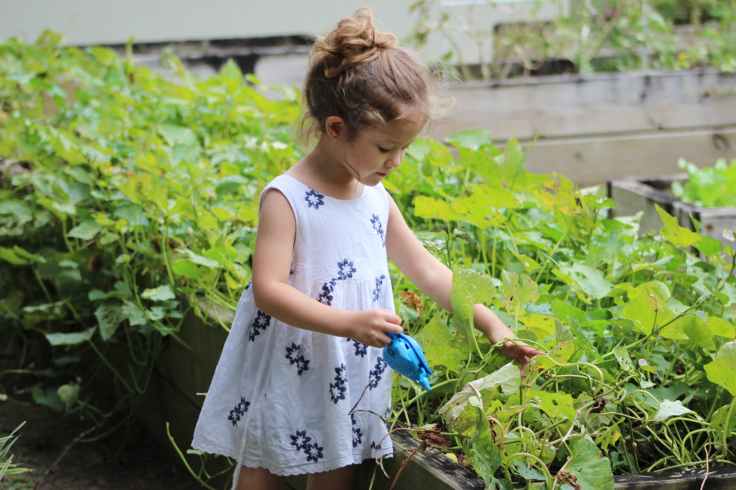
My point is that we– all of us– are sowing seeds during this time. Maybe not vegetable seeds or herbs or flowers, but seeds of discontent, seeds of anger, seeds of bitterness, and seeds of pride. We don’t need soil or seed packets or starter plants to sow a crop of good or bad spiritual produce. We don’t need to visit a store or garden center to bloom where we are planted.

So today, my prayer is that I would plant the following seeds:

Photo by Maggie Zhao on Pexels.com
  • Kindness–Words and deeds that show honor, respect, and love for those around me. Not just my friends, but also those who count themselves my enemies, and those with whom I disagree. Kindness multiplies and brings a fruitful harvest.
  • Joy–Not phony happiness, but true joy– the kind that doesn’t deny hardship, but gives strength in tough times. The kind that grieves with those who grieve, but offers hope and compassion. It is a sweet balm that brings healing and a lingering fragrance.
  • Patience–Waiting is not easy. It is not comfortable. But it is quiet strength that doesn’t give way to panic and anger. Patience is a “hardy” plant for any season.
  • Forgiveness– Forgiveness must be carefully tended in times of distress and uncertainty. We must prune away pride and hurt feelings and the desire for vengeance. Forgiveness is a rare and precious plant.
  • Gratitude/Contentment–I woke up today. That was a blessing. I opened my eyes and saw a roof over my head. I was warm and wrapped in blankets in a bed in a bedroom in my own apartment. I turned on a light, pulled clothes out of my closet, took a shower, and looked in the refrigerator where I had a choice of food to eat. I can breathe without a respirator, I can walk and use my arms and hands. I can speak and listen. Even in the midst of these times– even if I had no home or food, no running water, and I tested positive for COVID-19, or cancer, or MS–God is with me; God loves me; God knows everything about me; God sent His own Son to die for me when I was still a sinner! Gratitude is like a morning glory, declaring beauty, not because of its surroundings, but because that is its nature and its purpose. We can do the same!
  • Faith–I saw a meme the other day that said , “If a tiny virus can do this much damage, imagine what mustard-seed-sized faith can do! There is so much confusion, so much doubt, so much despair right now. But Faith, like a mustard seed, can spread and grow, even under (sometimes especially under) adverse circumstances. And Faith is another strong plant that can withstand the strong hot winds of adversity and weather great storms.
  • Love–Love is like a tomato plant– it just keeps growing and giving and producing. But, like a tomato plant, we need to watch out for blight and worms. True love drives out fear, overcomes, endures…you’ve probably heard all the cliches. But love also involves risk, rejection, and even pain. Make sure you plant your love in good soil and give it the supporting frame of faith in the one who IS Love.
Photo by Kaboompics .com on Pexels.com
  • and finally, Prayer– Prayer is a root vegetable; it grows in good soil and where is can’t always be seen. Prayer can thrive in times of quarantine. It is (or should be) untroubled by what is happening “above ground.” It needs the “living water” of God’s Holy Spirit, and the good soil of faith. Its roots are deep, and it provides nourishment for the soul.

Consider the Lilies..

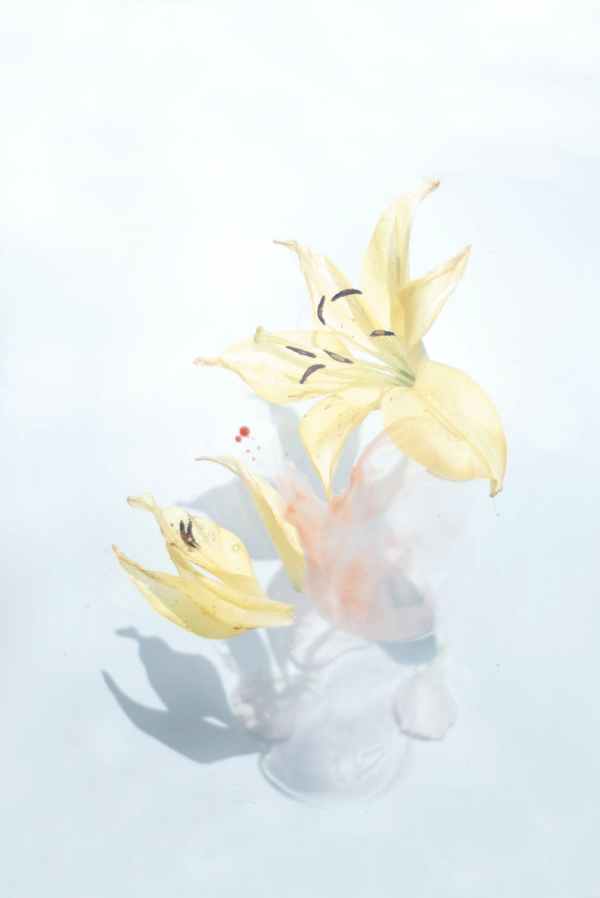
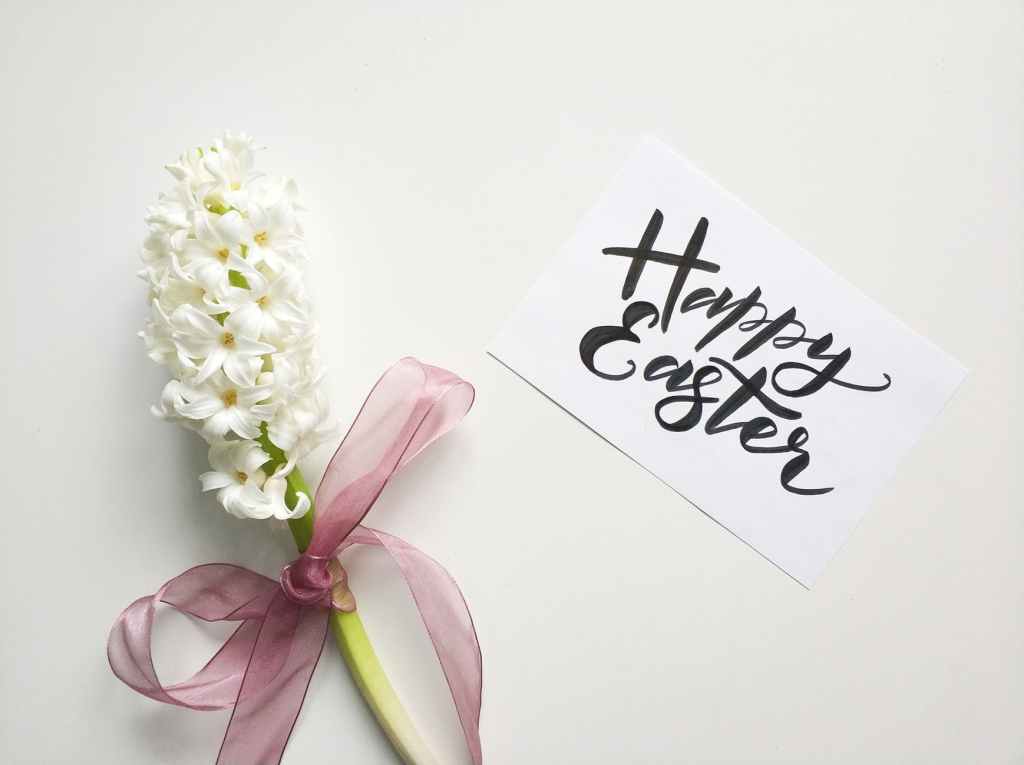
We just celebrated a most unusual Easter– traditions, like gathering at church for sunrise services or grand cantatas, big family meals, Easter Egg hunts, and parades had to be re-imagined, or cancelled. And one Easter tradition that didn’t get a lot of press attention was the damage done to the Easter flower market. Lilies, hyacinths, daffodils, and other spring flowers–some grown locally, others imported from around the world–were unable to be shipped or sold as people are in quarantine. Churches and restaurants, two of the largest consumers of Easter Lilies, had to cancel their orders for this year. People who normally buy lilies from garden centers or florists were unable to do so, and those who grow them were unable to ship them out or sell them. Literally millions of flowers had to be burned, composted, and destroyed during this season of “new life.” Flowers for funerals, weddings, and birthdays were also lost, and millions more will be lost as we approach Mother’s Day next month. What a waste of beauty and life!

Photo by Alena Koval on Pexels.com

And yet..

Some will say that it is a waste of time to mourn the loss of flowers when we should be mourning the loss of human life to COVID-19. I don’t think it is an “either/or” kind of mourning. There is a lot to mourn during these days, and we should not be ashamed to mourn–loss of connection, loss of beauty in the form of flowers, loss of jobs and prosperity, loss of opportunities– many of which we take for granted.

Photo by Italo Melo on Pexels.com

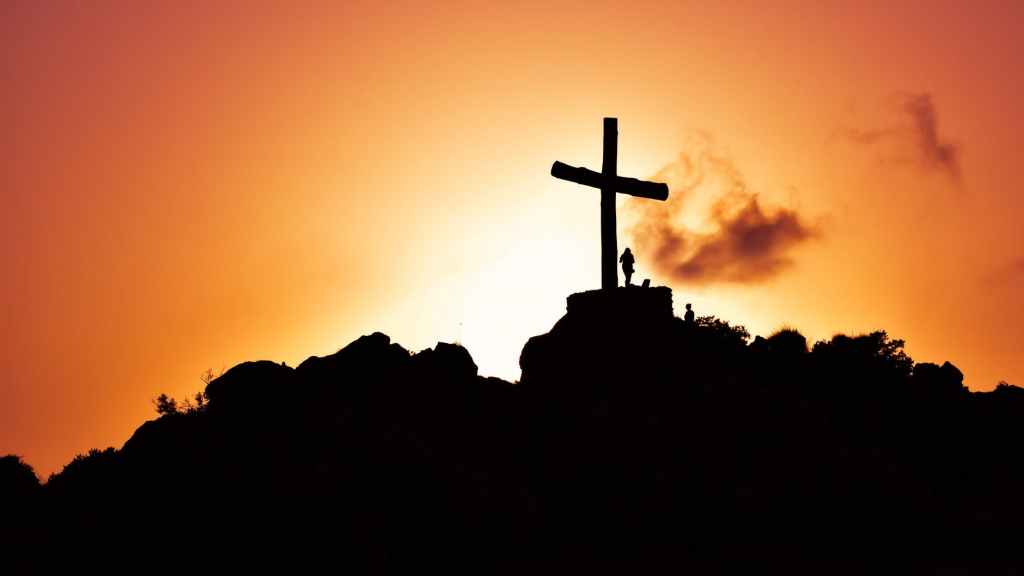
But Easter is not about our loss– in fact, it is not about loss at all. It is about victory and hope and ETERNAL life– not the life of a lily or even a human body– eternal, joyful, victorious life given to us as a gift for all who will receive it! If we are missing a beautiful symbol of that victory this year, we can never be deprived of the reality the Lilies represent!

Photo by Pixabay on Pexels.com

I am reminded that Jesus (and others in the Bible) had a lot to say about Lilies..and grass, and other plants, and their relation to human life. https://www.biblegateway.com/passage/?search=Matthew+6%3A25-34%2CLuke+12%3A22-32&version=ASV https://www.biblegateway.com/passage/?search=Psalm+103%3A15-17&version=ESV
https://www.biblegateway.com/passage/?search=1+peter+1%3A22-25&version=ESV

Photo by Simon Matzinger on Pexels.com

In this season, many of us are feeling very much like the “lilies of the field.” Our lives seem uncertain, our days unproductive, even futile as we wait for this crisis to pass. We miss these symbols of beauty and new life, but we must not place our hope in the symbols. We must not place our hope in what we know or what we do or what we own. Jesus reminds us that we are– our souls, our lives, our hopes, our thoughts, and our longings– worth far more than lilies or sparrows– God knows what we need, and His love for us doesn’t depend on our being “essential”, or healthy, or having all the answers.

Photo by Porapak Apichodilok on Pexels.com

This season reminds us that our lives here are precious, and temporary as the grass. But our existence is both precious and eternal–and thanks to the very God who clothes the lilies of the field, we need not worry or fear what lies ahead. All who turn to Him will be saved. We are not destined to be burned or composted or forgotten. We may face uncertain days ahead, but God has a purpose and a plan for us to bloom– not just for a season, and not just to adorn a building or a home, but to bloom for eternity in His very presence!

Blog at WordPress.com.

Up ↑