Have you had “one of those” days lately? Nothing seems to go according to plan, and as the day goes on, it just seems to go from bad to worse. Something (or someone) comes along and adds insult to injury.
Next week, the Church will be remembering what seemed like the last week in the ministry of Jesus Christ on earth. First comes “Palm” Sunday, commemorating Jesus’ triumphal entry into Jerusalem. Shouts of “Hosanna!” and crowds of people cheering and waving palm branches–it was as though Jesus was a rock star or a prince of Israel. But just a few short days later, he was arrested, and convicted in a corrupt “trial” by the religious officials. The same crowds who cheered him on were screaming for his death, waving fists instead of palm branches. Pilate, to please the crowd, sentenced an innocent Messiah to one of the most brutal deaths imaginable– public, excruciating, humiliating, torturous crucifixion.
Jesus didn’t just suffer death. He was mocked, insulted, deserted by his friends, lied about and lied to by those he should have been able to trust, stripped naked and whipped, and branded as a criminal as his “fate.” In such a short time, to be so crushed and betrayed, brutalized and humiliated–none of my “bad days” can compare to what Jesus went through. His injuries were horrific; the insults and betrayals were worse. Yet He bore them all. He died in anguish; broken, bruised, beaten, and abandoned.
And He could have chosen differently. He was perfectly innocent, perfectly authorized to defend Himself, capable of calling all the Hosts of Heaven to testify on His behalf, and perfectly powerful enough to come down off the cross at any time and send all of His accusers and tormenters to oblivion! That Friday wasn’t just “one of those” days. It was not something that took Him by surprise, nor was it something He “deserved.” He chose to go through that day…it was part of His perfect plan. That day. That death. That stunning humiliation and “defeat.”
But Holy Week doesn’t end in insult, injury, defeat, or despair–because God’s ways are perfect, Jesus turned everything to Glory! We will celebrate next Friday– “Good” Friday– because only God can triumph over death, and transform horror into hope, despair into deliverance, and shame into salvation.
Even on “one of those” days, we can find peace and practice praise as we pray to the one who took “one of those” days and turned it into the greatest miracle!
I’ve mentioned several times on this blog how much I love the book/movie, “The Princess Bride.”
At one point in this fractured fairy tale, the title character, Buttercup– THE princess bride, is waiting to be rescued by her true love, Westley. She has supreme confidence that he will rescue her from having to marry the evil Prince Humperdink. But Humperdink is equally confident that Westley will NOT come– because he knows that the wicked Count Rugen has (supposedly) killed him! As the stuffy archbishop pronounces Buttercup and Humperdink ,”man and wife,” Buttercup is stunned. She keeps repeating, “He didn’t come for me.” She cannot imagine a future in which Westley does not show up and save the day. Her hopes are shattered, and she walks in a fog to the bridal suite, where she prepares to kill herself in despair.
I don’t want to give away everything, but Buttercup’s plans take an unexpected and miraculous turn before the end of the story.
I was reminded of “The Princess Bride” yesterday morning as I sat with my husband, trying to figure out what was happening with his blood pressure. He and I have been battling COVID, and he spent a week in the hospital. He has been home for several days now, and has been improving steadily, until early Sunday morning, when his blood pressure started rising. There were no other symptoms, and we consulted a doctor, who talked us through a course of action, but there was little to nothing they could do for him at the emergency room, unless he had chest pain, paralysis, or a splitting headache, which would indicate possible heart attack or stroke. We increased his oxygen intake level, kept his legs elevated, and his blood pressure came down.
Then, last night, it happened again. No warning; no other symptoms. We made sure he had plenty of oxygen, elevated his legs, continued doing what we had done in the morning. Slowly, the blood pressure reading came back down– still high, but not dangerously so. We’ve prayed for healing– dozens of other family and friends have prayed for healing. Everything seemed to be going fine– why this? Why now?
It is so tempting to imagine our story will be smooth and predictable– even when we have a struggle or set-back– to believe that better days and easier times are just around the next corner. And when it doesn’t happen the way we hope or expect, we want to question God– “Why didn’t you come?” “Why did you delay?” “Why didn’t you send word that I would have to go through this?”
But God HAS sent word– there are dozens of examples in which God delays, or simply does not send a swift and easy rescue. God promised Abraham and Sarah a son– and then delayed 25 years! On top of that, God asked Abraham to take Isaac, the son of the Promise, to be a sacrifice! God showed up–just as Abraham was about to sacrifice his only son. God rescued Abraham and Isaac from their ordeal, but it was a nail-biter! (See Genesis 12-22)
God rescued His people from their slavery in Egypt, and led them straight into a trap! Caught between the Egyptian army and the Red Sea, the Israelites seemed to be sitting ducks. How could they have imagined that God would open the sea so they could cross on dry land? Having been rescued in such a miraculous way, the Israelites should have had absolute confidence in God– but instead, they complained about food, complained about the leadership, complained about the weather–even as they could see God’s presence in a pillar of cloud by day and a pillar of fire by night! God rescued them over and over again in the midst of their struggle (and their lack of faith!). (See the books of Exodus, Numbers, and Deuteronomy)
Daniel was taken into exile as a teenager– over fifty years later, after God had protected him and put him in a place of great power and prestige, Daniel was set up by his enemies and condemned to be eaten by lions. God did not rescue him by removing the lions or overturning Daniel’s sentence. Daniel had no reason to know that God would rescue him at all. But God’s ways are not our ways. God’s way was to shut the mouths of the lions– something ONLY God could do–proving to Darius, to Daniel’s enemies, and to all who heard about it that God was more powerful and more loving than even our wildest imagination. God rescued Daniel through his harrowing experience– and even brought judgment on Daniel’s enemies in the process.(See Daniel 6)
And the list goes on– Jacob, Joseph, Ruth, Shadrach, Meschach, and Abednego, the prophets Elijah, Jeremiah, Ezekiel, and others, kings like David and Hezekiah, the exiles of Israel, the Apostle Paul, Queen Esther, Simon Peter, Jesus’ friend Lazarus, the martyr Stephen. Many of these people went through famine, disease, prison, death threats, and even death itself! Yet God preserved their stories for OUR benefit. God reassures us that He is the God of the living and the dead– death cannot stop true love (another of my favorite lines from The Princess Bride)! Nothing can separate us from God’s loving and wise and perfect care!
I don’t know what today will bring for David and me. I don’t know if we will have to return to the hospital, or if they can help restore his blood pressure to “normal.” I don’t know if I will have a sudden relapse or complications from COVID. I don’t know what future changes, adjustments, or griefs we will have to bear. But I do know this– God is with us!
Sometimes, God rescues us FROM a situation; sometimes He rescues us IN a situation; and sometimes He rescues us THROUGH a situation. We don’t know how God plans to show up and work in our lives over the next weeks. But we know we can trust Him to do what only God can do, and faithfully see us through the rest of our lives.
I pray that if you are facing unexpected difficulties today, that God will cause you to be strengthened and reassured. He loves you. He sees you. He knows where you are, and, better yet, He knows the road ahead!
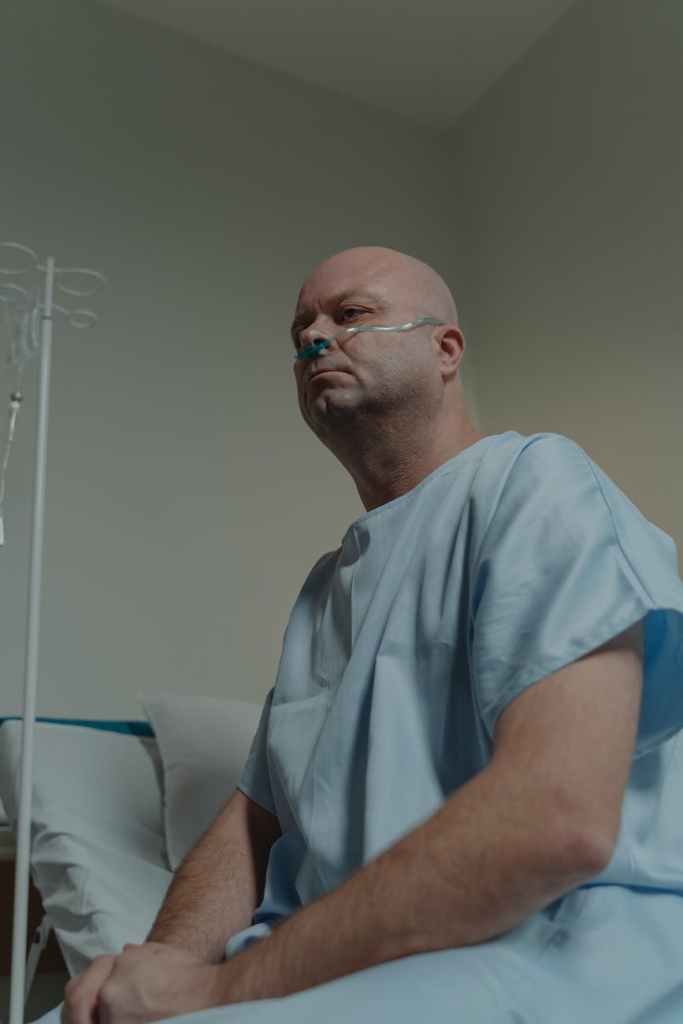
I’ve missed posting a couple of blog posts this past week. My husband and I have been ill. We both came down with COVID, and my husband ended up in Hospital for a week with COVID-related pneumonia. As I write this, he is scheduled to be released to come home, where he will continue to recuperate. I will be finished with my quarantine period, but I am still recovering, as well.
It can be very tempting in times of sickness or unexpected struggles to ask, “Where are you God, in all this?” And, while some would say it is not appropriate to question God, I think this is a good question to explore. There is nothing wrong with the simple question, if you are seeking an honest answer. Here is part of the answer I’ve received over the past two weeks:
Where: I know all the “correct” and spiritual answers– “God is everywhere, omnipresent.” “God is seated on His Throne.” “God is right beside you, and His Spirit is within you…” These are big answers, true and Biblical. But they can be very cold comfort when you see your husband struggling to breathe, or when you are exhausted and frightened. God is omnipresent, but He is spirit– invisible and undetectable through our physical senses. We can “know” He is present, but we can still question His “Presence.” But when we are seeking His presence in the question, there are so many wonderful and comforting answers. God IS Everywhere– so that even when my husband is miles away in a hospital room and I am alone in our apartment, God is in both places at the same time, providing rest, wisdom, and healing! God IS on His Throne– orchestrating timing and people to offer their skills, advice, services, prayers, encouragement, and more. David and I have been sick, and even in danger, but God did not abandon us. He provided for us to be able to get David to the hospital at the right time; He provided friends and family to help us– even strangers to pray for us and encourage us. God’s Spirit gave us strength and courage to ask the right questions, make decisions, and trust Him through this process. And God will continue to be working within, and around, and through us as we continue to heal.
Are: We may claim that God is omnipresent and omnipotent– always present and all-powerful– but often when things don’t go according to our plan, we question. Not so much where God is at the present moment, but where WAS He? Why didn’t He stop this from happening? And where will God be tomorrow, when the medical bills start to arrive? Doesn’t He know or care about the aftermath? The fall-out? When will my husband be able to return to work, if ever? How did we get exposed to COVID? Why didn’t God prevent it? How much more will we suffer? But once again, God IS omnipresent– not just in space, but in time. God knew this would happen long before we had ever heard of COVID. God has already seen the future play out. He knows the end from the beginning, and every step in between. I tend to get lost in all that I cannot see– past and future, why and how–but God is so much bigger than all that. There is NOTHING that can take God by surprise or cause Him to fail in His plans for us. God spends a great deal of time throughout the Bible reminding us of His promises; many of which are promises of His Presence, His Provision, His Protection, and His Peace. He never promised that our lives would be easy, problem- or worry-free, or boringly comfortable. Such lives don’t shape us or develop our character; they teach us nothing about God or ourselves. God wants us to have an abundant life– a life full of “LIFE”! And that means facing challenges that show us how to trust our Loving Father, and cause us to see the depths and breadth of His Love and Power.
You: God is Spirit; He is invisible and indescribable. Yet He is a personal God, and wants a personal relationship with each of us. It is easy to lose sight when I am worried or suffering– I forget the heights and depths of what God has done to pursue that relationship with me– ME! I never have to ask “Where is the God of the Universe?” I can ask, “Where are YOU?!” And even though God is Spirit, He also has a “body”– US! God is in the welcome voice of loved ones, and the hugs (even virtual ones during these days of quarantine) of family and friends. God is in the offers of help and advice from friends and strangers alike. God works through US to bring us together, to encourage, and strengthen, and guide us every day– on good days and difficult days alike.
GOD: Illness gives one plenty of time to think, reflect, and meditate on God. It is a stark reminder that I am NOT God (and never could be, thankfully), and that God knows and always does BEST, even when I can’t see or understand. I know many thousands of people have not survived their COVID journey– they didn’t recover; they lost their husband or wife or other loved ones. God doesn’t stop being God when we don’t get a “happily ever after” ending. Some day, David and I will each die. We will leave or be left behind by other loved ones. God is still GOOD; He is enduringly FAITHFUL; He grieves WITH us, just as He rejoices with us. He SUSTAINS us, and He REDEEMS us.
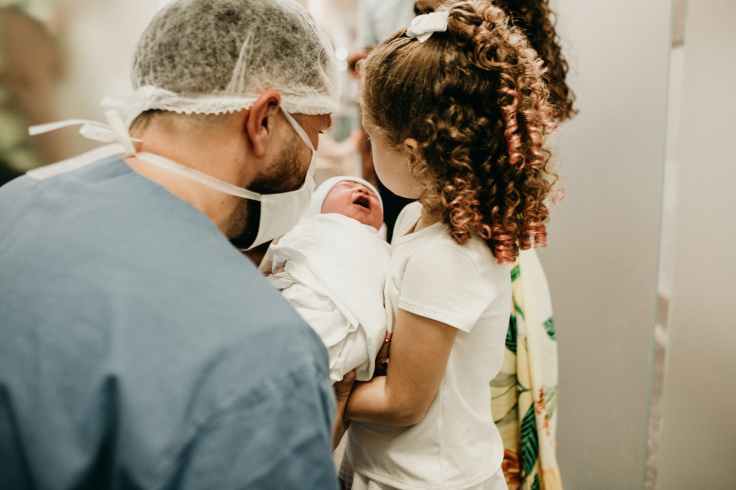
My husband has celebrated his birthday this week, and it reminded me of some of the many ways we celebrate life. Before a baby is even born, we share special moments of excitement–sonograms, gender reveal parties, baby showers, picking out names, feeling little “kicks” and movements in the womb. We give gifts and blessings when the baby arrives. We take baby photos and commemorate all the “firsts”– first tooth, first steps, first words, etc. And each year, we remember. We send cards and other birthday greetings; we give gifts and have parties with special cakes and songs and party hats. We invite others to celebrate, as well.
Not everyone celebrates birthdays, and some people make a mockery of their advancing age, but most of us think birthdays are a big deal, and worth celebrating. LIFE is a big deal. Life is a sacred gift, and we should cherish every moment of it. We celebrate the events of life– achievements, milestones, graduations, new jobs, promotions, relocations, marriages, anniversaries, retirements, and much more. Celebrating life is an industry– cards, balloons, T-shirts, reception halls, catering, special clothing (wedding dresses, tuxes, caps and gowns, etc.), special foods, party favors, confetti, gift items– we spend a lot of time, energy, money, and even “life” celebrating our lives.
And we also celebrate life at its end. Even as we grieve the loss of loved ones, we seek to memorialize their lives. We hold funerals, publish obituaries and memorials, erect tombstones, build monuments, and write tributes and biographies. We celebrate the achievements, memories, and legacies of those who pass on. Their lives mattered. They don’t cease to matter when death comes. For the Christian, there is a special reason to celebrate the end of life– because it is NOT the end! Imagine the celebration of Life that will never end–the celebration of eternity with the Author, Giver, Redeemer, and Sustainer of Life!
Many people have wished my husband an happy birthday this week, and they’ve offered prayers and good wishes. Today, I will be praying for many people who are celebrating a birthday. I will offer up a thanksgiving for their life, and celebrate the One who created each unique person on today’s list.
We’re going through a journey that has focused on worldwide death– fear of death and disease, despair, anger, desperation, and hopelessness. We shouldn’t ignore the reality of death around us, but we mustn’t let it overwhelm the life that is within us. Life is worth celebrating–ALWAYS!
20 Then Job arose and tore his robe and shaved his head and fell on the ground and worshiped. 21 And he said, “Naked I came from my mother’s womb, and naked shall I return. The Lord gave, and the Lord has taken away; blessed be the name of the Lord.”
The book of Job presents us with a startling picture. Job is a godly man; a righteous man; a man of faith and good works. And yet, God allows him to experience loss upon loss– Job loses everything, short of his life and his nagging, bitter wife. His first response is praise and worship! But as the losses sink in; as the pain and agony and grief continue, Job questions God’s justice and wisdom. Job, like us, wants answers that make sense. He is willing to suffer– even greatly–IF he can see the purpose of his suffering, and justify it to himself.
We are getting ready to celebrate Thanksgiving tomorrow in the U.S.– a day when we celebrate what God has given us. We normally celebrate family, health, good food, material blessings, etc. We celebrate abundance and comfort; peace and plenty; family and freedom. But his year, our celebration will be quite different. The Lord has taken away…
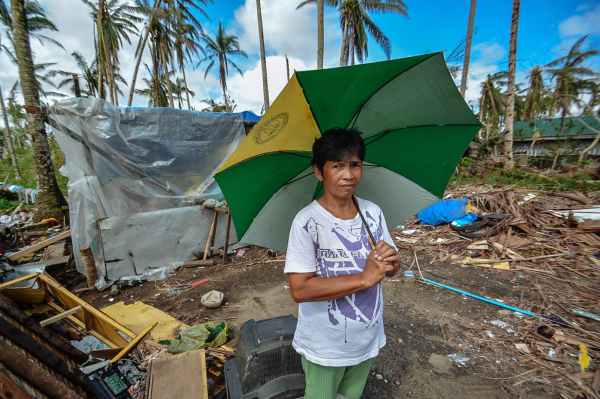
Some of us have lost jobs, or we’ve lost our good health to COVID or related factors, or we’ve lost loved ones, often without the chance to say our final “goodbyes”. Millions of us have lost the ability to move about freely and conduct “normal” errands and activities. Schools and businesses are closed or operating from a distance. Families and friends have been kept apart. Much that gave us comfort and happiness has been “taken away” this year. And God has allowed it all to unfold. He has not “taken away” this disease or its consequences. He has not “taken away” floods, or fires, or hurricanes. He has not given us answers or explanations.
Job’s initial praise turns to questioning. While he does not “curse God and die,” as his wife suggests, Job spends his time wondering, “Why me?” His friends try to find answers– “you must have done something to deserve this, Job.” Because God does not “punish” the righteous. It isn’t logical; it isn’t fair; it isn’t just.
Except that God laid on His own Son– on Himself– the guilt and punishment for all those who are unrighteous. What Job went through–unknown and unseen to him and his friends–was a glimpse into what God Himself would suffer. Christ lost everything–INCLUDING his life– in order to bring salvation to all those who are willing to believe and receive it. Christ was willing to give away His dignity, His power, His friends and family, and His life. And the Lord allowed it all to be taken.
Many people read the story of Job– his loss and all his questions and complaints–and conclude that God is not fair or just. They find Him to be capricious and unwilling to ease Job’s suffering or answer his questions. They conclude that God is wicked and unworthy of Job’s praise or trust.
But to do so is to ignore the end of the story– God DOES “answer” Job; He gives Job a chance to justify himself and bring his case. And more than that– He gives Job more than he had before. Job ends up with more children to love, renewed health, and even more wealth than he lost. https://www.biblegateway.com/passage/?search=Job+42&version=CSB And the same is true of Jesus Christ. Because of His “loss,” the world has gained the priceless gift of Salvation by Grace. Christ has become the first of millions to taste victory over death and enter into eternal life. https://www.biblegateway.com/passage/?search=1+Corinthians+15%3A20-23&version=NIV
Loss and grief still exist in this world; disease and suffering and hardship still plague us this year. But we have SO much to celebrate at Thanksgiving. When the Lord “takes away,” it is not because He is capricious, or jealous of our wealth or happiness. It is not because He is unkind or uncaring. At just the right time, and forever more, the Lord will Give without end– lavishly, extravagantly, abundantly. Nothing He takes away in this life– even a cherished love one–is beyond all hope of comfort, redemption, or restoration. Our losses cannot compare to the riches of His Grace and Love. This is a great mystery, but as Job discovered, God WILL DO IT!
It’s the end of October, and tomorrow will be Halloween. Stores and houses around the neighborhood are decorated with frightening figures of skeletons, witches, ghosts, and gravestones. Some of my friends love this time of year, and they look forward to binge-watching movies about zombies or vampires– anything scary, spooky, or terrifying.
I don’t like Halloween. I don’t like scary movies. But I believe in the value of fright. Life is filled with things–natural and supernatural– that fill us with real fear. And that is as it must be in a fallen world. Sin and death, evil and darkness, fires, earthquakes, violence and plague–they are real and should produce both fear and caution. The Bible is not silent or dismissive of such things. God’s laws warn against evil spirits, calling on the dead, consulting with witches, fortune telling, even giving in to anger, envy, and hatred. God’s laws also provide for hygienic practices to ward off disease and plague.
And yet, the Bible also gives hundreds of warnings against giving in to fear and letting it control our lives. We are to be cautious and wise where fear is concerned. Over all, we are to remember that God is bigger and more powerful than our fears. God can calm storms, put out fires, even conquer disease and death! There is no power, no force, no terror, that can overwhelm God, or touch those under His protection.
Terror holds no power in God’s presence. Therefore, if we know God, we can experience no true terror. But where there is no God, terror will reign. It’s like the saying: “No God; No Peace–Know God; Know Peace”. Terror comes with darkness, with chaos, with lawlessness and loneliness.
There is only one other kind of terror– a Holy Terror. We can be terrified by the awesome Holiness of God. It is altogether more powerful and alien than anything we can even imagine. Even for those who know God, there is the knowledge that God is GOD, and we are not worthy to look on His face or enter into His presence on our own. Normally, when we think of terror, we think of things that are very unholy–evil things; supernatural forces of darkness. Yet Holiness can also inspire terror because it causes us to see our own unworthiness; our own sin and failure. I am reminded of the “face-melt” scene from Raiders of the Lost Ark– Nazis, who have been fearlessly and relentlessly pursuing the Ark of the Covenant, believing that it holds supernatural powers they can use to gain power over life and death, are suddenly and horrifically destroyed when they gaze inside–as they come in contact with the very Glory of God, their terror is absolute, and they are destroyed by its presence.
This season, may we celebrate that God, in His awesome and mighty power, constantly reminds us that we can “Know” Him without fear; instead of running, cowering, or melting, we can come to Him with confidence and joy! And in doing so, we can face any other terror, knowing that God is with us, and for us, and even filling us with His peace! We need not be filled with Holy Terror– instead, we can be filled with the Holy Spirit!
I don’t know why… God didn’t stop the bullet that took the life of a seven-year-old girl in Chicago last weekend; God allowed for miraculous births in the same weekend in multiple hospitals around the world.
I don’t know why… Hundreds of people flocked to my hometown to defy social distancing measures and put others at risk of COVID-19 so they could drink and splash around in the shallows of a small lake. I don’t know why they left garbage and excrement in the lake and in people’s yards and in the high school parking lot. Thousands of men and women risked their lives to maintain order and serve the public–donning their uniforms and braving the heat and the chaos to serve people who despise them, spit on them, defame them, and vilify them.
I don’t know why… On some days God feels so distant and silent; and other times He seems to be surrounding me and permeating me and holding me tight. I don’t know how His word can sometimes feel stale and sometimes cut right through me. I can’t fathom how God can be everywhere—every-when! That He knew me before all the history books and ancient empires and cities and shipwrecks and wars and all the stories I take for granted were even imagined…that He knows me now– every thought; every cell; every hair, every breath…that He knows me a million years from now. I don’t know why He chose to make me, and preserve my life, and bless me with days and hours, with friends and family, and teachers and tasks, challenges and changes.
But praise God, I know WHO. I know who made me. I know who holds me. I know who has the power to make good come from even the worst circumstances. I know who wins the ultimate victory over death and sin and disease and destruction.
And He walks with me and He talks with me—And He tells me I am His own!
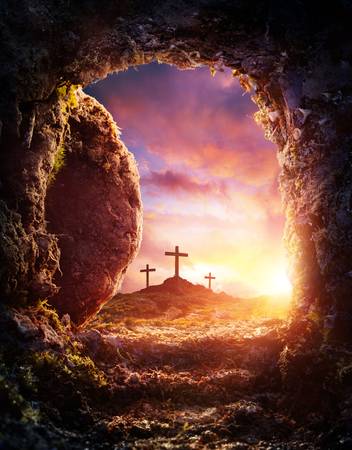
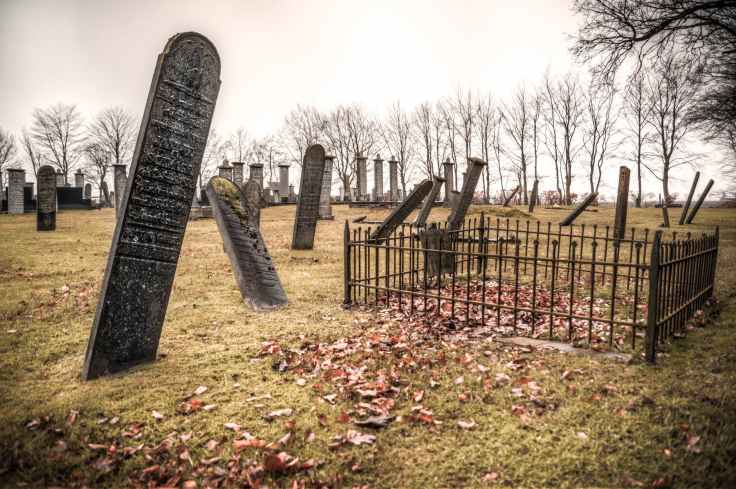
We are living in dark days– days of death counts, and dire predictions; of fear and grief and chaos. Masks, social distancing, angry outbursts, collapsing economies, job loss, political unrest, disease, plague–we are in the grip of a global pandemic. “Bring out your dead.” It’s a phrase from hundreds of years ago, and the horrors of other plagues and other disasters. Tombs, graveyards, skulls and visions of death abound. And yet, as Christians, we celebrate an empty tomb…
It’s been over a month since many Christians celebrated Easter (and almost a month for Orthodox Christians). How soon many of us forget the power of the resurrection. Our world is gripped with fear and anger. But we should be gripped with hope and healing. We celebrate an empty tomb– a testament to the victory of life over death, and hope over chaos!
Even when we use the symbol of the cross, it is not about Christ’s death, but his ultimate victory that we celebrate. Jesus himself even referred to the cross in these terms in John 3:
“Just as Moses lifted up the snake in the wilderness, so the Son of Man must be lifted up, that everyone who believes may have eternal life in him.”
Jesus is speaking with Nicodemus, a Pharisee and religious teacher. He is referring to an historic incident in the wilderness, when the Israelites had rebelled (once again), and the Lord sent venomous snakes among them. Nicodemus would have known about this incident, but Jesus presented it as more than just history– it was a foreshadowing of God’s perfect plan of salvation! https://www.biblegateway.com/passage/?search=Numbers+21%3A4-9&version=NIV God had Moses make a bronze snake to be lifted up on a pole. When the people looked up and saw the bronze snake, they could live. In just such a way, when Jesus was “lifted up” on the cross, he didn’t just die. He battled death to bring life to anyone who “looks up” and believes.
That ancient symbol of a snake on a pole is used by physicians to represent healing. The ancient symbol of Christ on the cross is used to represent redemption and eternal life. Combined with the reality of an empty tomb, we can celebrate life in the midst of any circumstances.
These are difficult days–even with the hope of eternal life, we still have to face the sadness and grief of death, the confusion and hardship of economic chaos, and the uncertainty of what tomorrow will look like– socially, politically, economically, and physically. But we need only “look up” and beyond our circumstances to be reminded that this is not the whole story. There is an empty tomb– ours! There is victory–ours! Won for us by the perfect plan of God, and the perfect obedience of Jesus Christ.
139 O Lord, You have searched me and known me. 2 You know my sitting down and my rising up; You understand my thought afar off. 3 You [a]comprehend my path and my lying down, And are acquainted with all my ways. 4 For there is not a word on my tongue, But behold, O Lord, You know it altogether. 5 You have [b]hedged me behind and before, And laid Your hand upon me. 6 Such knowledge is too wonderful for me; It is high, I cannot attain it.
7 Where can I go from Your Spirit? Or where can I flee from Your presence? 8 If I ascend into heaven, You are there; If I make my bed in [c]hell, behold, You are there. 9 If I take the wings of the morning, And dwell in the uttermost parts of the sea, 10 Even there Your hand shall lead me, And Your right hand shall hold me. 11 If I say, “Surely the darkness shall [d]fall on me,” Even the night shall be light about me; 12 Indeed, the darkness [e]shall not hide from You, But the night shines as the day; The darkness and the light are both alike to You.
13 For You formed my inward parts; You [f]covered me in my mother’s womb. 14 I will praise You, for [g]I am fearfully and wonderfully made; Marvelous are Your works, And that my soul knows very well. 15 My [h]frame was not hidden from You, When I was made in secret, And skillfully wrought in the lowest parts of the earth. 16 Your eyes saw my substance, being yet unformed. And in Your book they all were written, The days fashioned for me, When as yet there were none of them.
17 How precious also are Your thoughts to me, O God! How great is the sum of them! 18 If I should count them, they would be more in number than the sand; When I awake, I am still with You.
19 Oh, that You would slay the wicked, O God! Depart from me, therefore, you [i]bloodthirsty men. 20 For they speak against You wickedly; [j]Your enemies take Your name in vain. 21 Do I not hate them, O Lord, who hate You? And do I not loathe those who rise up against You? 22 I hate them with [k]perfect hatred; I count them my enemies.
23 Search me, O God, and know my heart; Try me, and know my anxieties; 24 And see if there is any wicked way in me, And lead me in the way everlasting.
We can’t hide from God. We can ignore Him, deny His existence, even rage against Him. But we cannot escape His Spirit. We cannot hide who we are or what we think from Him. And we cannot flee from His goodness or mercy; we cannot run beyond His ability to restore us, heal us, or save us. He knows the worst about us, and He calls us to the very best we can be. Which begs the question– Why would we want to escape from God? Why do we try to hide from Him? What is it about God that would give us a reason to flee?
There are many terrifying things in this world–right now, we are faced with a global pandemic; a plague that brings sickness and death. Now THAT is something worth hiding from! Many of us are “sheltering in place,” trying to hide out until it is safer to interact with others. The disease seems to be everywhere–but it really isn’t– it cannot go where there are no hosts to carry the virus. It can be spread wherever we find other people who are infected, or where the virus lingers on surfaces. The disease does not seek us out or come searching for us if we stay put. Unfortunately, “sheltering in place” comes with its own dangers. We cannot survive long in a bubble. We are interdependent. We need food, medicine, fresh air, and interaction with family and friends to survive and thrive. Hiding away from a tiny virus is only effective in the short term. And there are other diseases from which we cannot hide– cancer and heart disease, and even other viruses that are active, but haven’t been traced or identified.
There are other terrors that we try to escape by fleeing– hurricanes, fires, floods, war, etc. And we may escape immediate danger from such terrors–if we have advance warning or if we have the means to escape. But there is no place of absolute safety: no place on earth where such dangers cannot exist. There is no Utopia– no earthly dwelling, community, or settlement where there is only goodness, harmony, peace, and plenty. There is no place to hide, and no place of escape.
It is understandable that we should want to hide from danger or flee bad things, even if such escape is impossible in life. But why should we wish to hide from a loving and merciful God? Is He as bad as COVID-19? Is He as threatening as a hurricane or an air raid?
Certainly, He is as powerful (and even more) than any of the dangers we fear. God has the power, and the authority, to judge, punish, and destroy all who live on the planet. He has the power to obliterate all of His creation, and none of us could stop Him or challenge His right to do as He pleases. And if we should challenge God’s authority, we would be wise to want to run away, hide, or escape the consequences of such foolishness.
Adam and Eve tried this long ago. After they sinned by eating the Fruit of the Knowledge of Good and Evil, they hid from God. And God’s response was not instant obliteration. He didn’t storm through Eden, destroying everything in His righteous anger before torturing Eve, making Adam watch in horror before He killed them both. Nor did God negate His Holiness by changing the consequences of sin. Death DID enter creation– along with disease, pain, guilt, envy, hatred, lying, greed, destruction– they all exist, persist, and continue to plague all of God’s creation to this day.
But God’s first act–His first words to Adam and Eve after their rebellion– was to seek their presence. God came to walk in the Garden; to meet with Adam and Eve. He called out to them, “Where are you?” He wasn’t asking because He didn’t know that they were hiding. He knew where they were, and why. And even in assigning their punishment, God did not throw extra guilt and recrimination at the fallen couple. He didn’t shout, “How could you do this to ME?!” “How dare you!” “I wish I’d never made you!” “You’re worthless. What a waste of time and energy. Get out of my garden! I never want to see you or hear from you again!”
God’s Spirit is always seeking reconciliation, communion, restoration, and love. God is Holy, and God is Merciful. Holiness desires Whole-ness. Mercy desires Peace. God pursues us, not because He wants to infect us or devour us or destroy us– God wants to hold us, heal us, and give us Life.
The danger is not in God’s presence, but in our ability to reject it. God is everywhere, but not everyone will see Him, accept His authority, or welcome His mercy. Some will spend a lifetime hiding and fleeing, only to discover that God will, reluctantly, give them what they want– an eternity without Him. Without Grace, without Love, without Peace, without Wholeness, without Hope.
That is a fate far worse than waking up to “shelter in place,” or even suffering through a virus that can separate us from loved ones for weeks, months, or even a short lifetime.
There are many things worth fleeing in life– But we can find joy, hope, and peace in the presence of a Loving and Omnipresent God.
I have a friend who is very keen to study if prayer “works.” His theory is that if someone were to measure the number of prayers said in various regions of the world during the COVID-19 pandemic, and compare those numbers to the rates of infection, numbers of deaths, etc, for the same regions, one could “prove” whether or not prayer is effective.
I don’t think my friend is being sarcastic or overly cynical– I believe he is sincere in wanting to study prayer. I accept his desire to study prayer–to quantify it, even to “prove” it, or legitimate it for those who are skeptical. Unfortunately, he wants to study it as an observer, and not a participant, and he wants to conduct a physical study of a metaphysical practice.
Scientists are conducting several studies during this time, to see what “works.” Does social distancing “work” better than building up “herd immunity?” Is there a treatment that works better, or faster than others? Can we develop an effective vaccine? What practices– social, hygienic, medical, political– might help mitigate the spread of future viruses? Even these studies will not be definitive. The results will depend a great deal on methodology, and the conclusions will be open to interpretation.
There are additional problems in studying whether or not prayer “works” or not, because prayer is metaphysical. Here are just a few of the “measurement” problems:
How do you measure prayer? By length of time? Number of words used? The number of prayers prayed by each person over a certain period of time?
Do you count ritual prayers? Mantras? Meditation? Unspoken “thought” prayers? Recitations? Prayers spoken “in tongues” or in ecstatic states?
Do you count corporate prayer as a single prayer or by the number of people in the group?
What about social media? Do you count all the people who say they will send “thoughts and prayers?” Do you count those who say they “will pray,” or only those who are “praying,” or “praying now.”
If you are testing by geographical region, how do you account for people who are praying for others around the world?
How do you measure the efficacy of prayer (as opposed to other factors)? If a region has a higher mortality rate, even though many people prayed, does that mean that prayer “doesn’t work?” Or does it mean that the mortality rate would have been even more devastating (given other factors) without prayer?
More than just measurement problems, there are problems with the very nature of prayer that make such a study impossible:
Even if you could come up with a standard definition of “prayer” in order to get a count, prayer is not a physical substance or action. Prayer is not a “cause and effect” exchange. It is communication. If ten people say the same thing at the same time to the same person, it is not necessarily “more effective” than a single person-to-person exchange. If a thousand people pray to the same “god” who is not a god–“Mother Nature” or “The Force,” for example, it cannot be compared to a single person praying to a Loving and All-Powerful God.
God’s ways are not our ways. If we are measuring for one thing, God may be working for a different, unseen outcome. If more people contract the virus during the “study period”, we see that as “failure.” But God may be preparing that region to build up a resistance or immunity for a future outbreak. God answered prayer in a mighty way that we won’t see immediately. I have known a great many people, and prayed for a great many people who have not received physical healing in this world. They have suffered. They have died. But that doesn’t mean that prayer “didn’t work.” Their sufferings and eventual deaths have often brought about unbelievable works of God– salvation, families restored, friends discovering renewed purpose, strengthened efforts to fight disease, injustice, poverty, etc., and communities coming together in unity and hope.
Prayer is not about measurable results. Prayer is a heart-cry to a caring Creator. It doesn’t just involve asking for healing or miracles or “wish fulfillment.” Prayer involves thanksgiving, worship and adoration, repentance and confession, sharing burdens, asking questions, and building an eternal relationship with God Almighty.
In the end, any study results will be interpreted differently by different people. Some people will be convinced by numerical comparisons to re-consider their view of prayer. Others will never be convinced, no matter how much “evidence” someone else presents.
Prayer isn’t like taking an aspirin, or holding a protest rally, or doing research for a cure. Prayer isn’t about “winning the battle.” It isn’t about “what works.” It isn’t about “what” at all. It’s about WHO.
God “works.” God is sovereign, loving, and wise beyond what we can imagine. His ways endure. And He has vanquished the power of death and disease. Yes, it can still touch us in the here and now, spreading havoc and pain and mourning. But it will never triumph over Hope, and Life, Truth, and Faith. And when we pray, we connect to the source of all that is Eternally victorious! Beyond ANY measure!





































 Pursuing Prayer