Prayer Priorities

What’s the most “important” prayer you can pray today? Sometimes, we think it is the prayer we pray in a moment of crisis. Or maybe the one we are asked to lead in front of a congregation. But the setting or the situation doesn’t make one prayer more important than any other.

It’s almost a trick question, really. Jesus never taught that some prayers were more “important” than others. But He did teach the some prayers were more effective than others. And His answers may be surprising to some.

Photo by sergio omassi on Pexels.com

The prayers Jesus praised were prayers of humble confession and needy request. God doesn’t judge our prayers– He judges the heart of the Pray-er. Jesus praised the prayer of the Tax Collector over that of the self-righteous Pharisee (Luke 18:10-14). While others might have been impressed by the Pharisee’s words and confidence, Jesus heard the desperation and the dependence of the Tax Collector. Just before this exchange, Jesus told the parable of a persistent widow, whose constant nagging resulted in getting justice from corrupt judge (Luke 18:1-8). It’s a strange parable–the woman is not meekly accepting of her situation; the judge is corrupt, initially refusing to do the right thing. Yet Jesus prefaces the story by telling his followers to “always pray and not lose heart.” (v. 1) So, the very prayers we dismiss– the nightly prayers for our loved ones, the “unspoken” request we lift up on behalf of a friend, or the seemingly unanswered requests–are no less important than any others.

Finally, Jesus praised (and prayed!) prayers that were “real.” He poured out His heart to His Father in the Garden of Gethsemane; He lifted up His friends’ needs at the Last Supper (John 13-17); He said simple grace before feeding the crowds.

Photo by RODNAE Productions on Pexels.com

So often, we judge our efforts when we pray– did we say the “right” thing? Did we say it the “right” way? Did we leave something out? Forget to say something? But God knows what is on our heart and in our mind. He knows what we “meant to say.” He knows everything we need– and all the needs of everyone else we could mention! He already knows all His names and attributes! And though He loves to hear us speak words of praise, He also listens to our heart, and–26 In the same way, the Spirit helps us in our weakness. We do not know what we ought to pray for, but the Spirit himself intercedes for us through wordless groans. 27 And he who searches our hearts knows the mind of the Spirit, because the Spirit intercedes for God’s people in accordance with the will of God. (Romans 8:26-27 NIV via biblegateway.com)

There is one caveat– because God knows our heart, He also “sees through” prayers that are insincere, proud, self-centered, and thoughtless. Some of the most “important-sounding” prayers fall short of touching God’s ears. He will not listen to the prayers of those who wish to “strike a bargain” with Him, or convince Him of their own self-worth. That doesn’t mean that God doesn’t value each one of us– after all, He became Sin who knew no sin, so that we could become the Righteousness of God (2 Corinthians 5:21). But God’s love is a gift–when we try to bargain for His gifts and earn His Grace with our eloquence, we lose sight of Who He Is.

Photo by Alex Green on Pexels.com

Many centuries before Jesus walked the earth, Hannah poured out her heart in tears, wordless anguish, and groaning. (1 Samuel 1). Her prayer was such a mess, the priest, Eli, accused her of being drunk! But God heard her heart, and answered her prayer, and because of her great faith, her son, Samuel led Israel through some of its most trying times. Hers was a very “important” prayer.

What if our stumbling effort to pour out whatever is on our hearts and lift it up to Almighty God–our praise, our failings, our grief, our desperate need–is be the most important prayer we can pray today?

TGIF

Ahhh…Friday. End of the work week, beginning of the weekend. Payday, too, for some. For many people, their goal is just to get through Friday at work, and spend time doing whatever they want until they have to return to work on Monday. Of course, some people have to work weekends, and others don’t have a job at all. Some have other responsibilities on the weekends– caring for aging parents, or shuttling kids to ball games; volunteer projects, working on home improvement tasks, or mowing the lawn. But Friday has become such a special day in our culture that we even have a phrase, “Thank God it’s Friday” (TGIF for short). And we have special Fridays–Good Friday (the day of Christ’s crucifixion), and “Black” Friday (the huge shopping day after Thanksgiving). And several movies about Fridays– Freaky Friday, His Girl Friday, Friday Night Lights, and a string of Friday the 13th horror flicks. And most of the associations with Friday are positive, even festive. For some people, Friday is the high point of their week!

Photo by Hamann La on Pexels.com

But what about the other days of the week? Do we thank God for Tuesdays, or Saturdays, or Sundays? Shouldn’t we be grateful every day? God gave us seven days each week, and He even sanctioned one of those days each week for rest and reflection. When Jesus spoke of the concept of a “sabbath,” He made clear that a weekly day of rest was God’s gift to US (Mark 2:27 https://www.biblegateway.com/passage/?search=Mark+2%3A27-28&version=ESV) But every day is a gift– filled with God’s presence and promises, even when it may seem like an endless series of chores, mishaps, and personal failures.

Photo by Polina Zimmerman on Pexels.com

God gives us each day, and whether it is payday, Monday, a “bad-hair” day, or a holiday, every day is an opportunity to live, love, and learn. And every day, we have the privilege and the opportunity to spend time in prayer with our Loving Heavenly Father.

Photo by Andrea Piacquadio on Pexels.com

So, yes, Thank God that it’s Friday today. And use this day (and every day) to honor Him, obey Him, and walk in joy with Him. Tomorrow, Thank God it’s Saturday!

Thank You For “Wee” Things…

Photo by Tetyana Kovyrina on Pexels.com

For the sound of my husband breathing
For the tick of the clock on the wall
For daffodils peeping through the sleepy earth
For the robins’ cheerful call

For the scent of frying bacon
For wrinkles and gray hair
For dishes in the drainer
For memories to share

Photo by Magda Ehlers on Pexels.com


I thank You for the “wee” things
And I thank You for the “WE” things
I thank You for the fleeting things
And for the “barely see them” things

For times of laughter; times of tears
For times of loneliness and fears
For so many times throughout the years
You’ve proved Yourself “The God Who Hears”

Photo by Josh Sorenson on Pexels.com

For bedtime stories and toddler sighs
For strangers met on planes and trains
For warm “hellos” and teary “good byes”
For Easter eggs and candy canes

For rainbows, sunsets, and gentle waves
For snowflakes and fragile butterflies
For echoes in mountains, and woods, and caves
For hands to hold and twinkling eyes

Photo by nappy on Pexels.com


Thank You, Lord for loving me
For Hope and Faith and Peace
Thank You for Salvation Free
Your promises to believe.

The Long and Winding Road

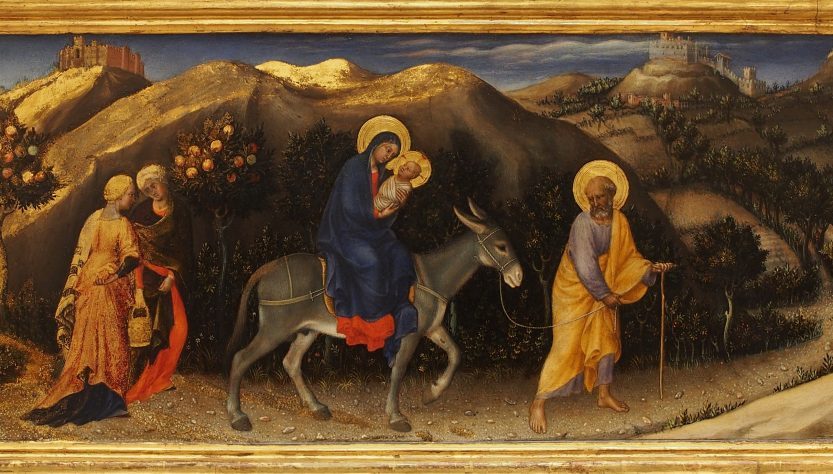
Joseph and Mary traveled dark and dangerous roads to reach Bethlehem before the birth of the Baby Jesus. The wise men made a long journey to see the newborn king. The entire nation of Israel spent more than 40 years wandering in the wilderness. Abraham, Jacob, Jonah, the Apostle Paul…there are many tales in the Bible of long journeys to unknown destinations and unknown outcomes.

Photo by rawpixel.com on Pexels.com

Traveling can be exciting and adventurous, but it can also be filled with detours, setbacks, and hardships. Traveling means being away from our comfort zone, our “safe” place– even if our “safe” place isn’t really safe. Travel often means going into the unknown, especially if we travel alone or travel against our own will. Where does this road lead? Who will I meet along the way? Where will I stay at night? Will I get lost? Will I get delayed? What if I get sick or hurt or attacked? Will I find my way back home? Can I feel safe in a new home, among unknown people and circumstances?

Photo by Andrea Piacquadio on Pexels.com

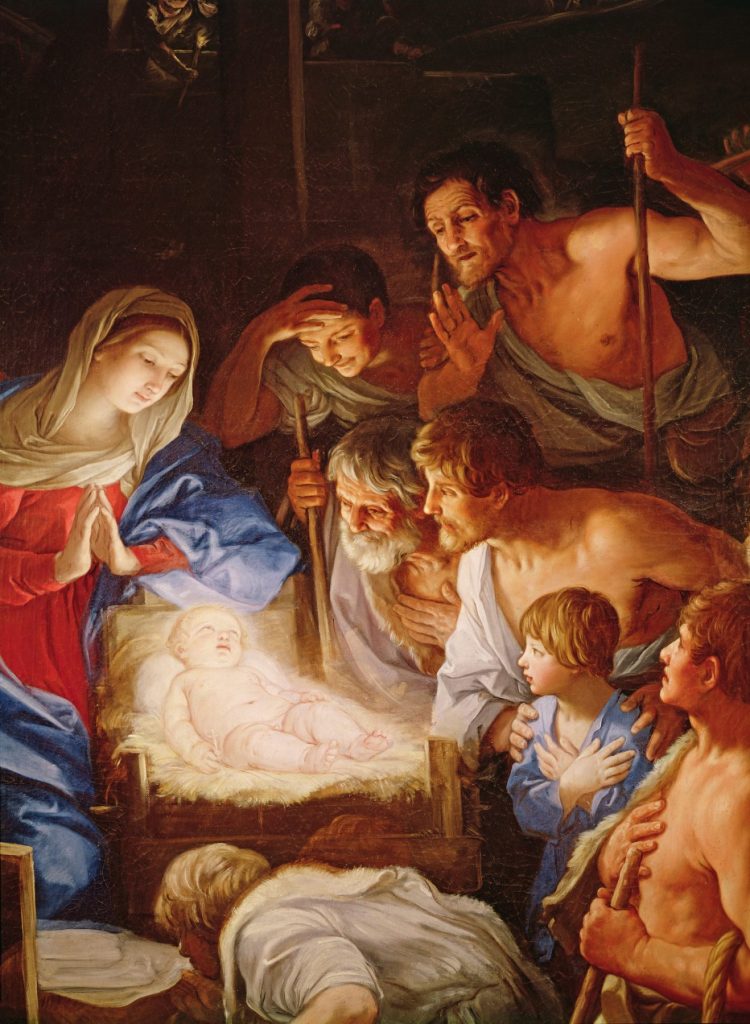
Jesus was born “away from home.” The first people to greet him were not grandparents or giddy relatives or neighbors, but shepherds– unnamed in scripture, unknown to his parents. In fact, the Bible doesn’t say much about Jesus being close to an extended family– his own small family always seemed to be on the move! Later, Joseph was told to take Mary and the child to Egypt; another long and unexpected journey, another long and winding road.

As an adult, Jesus was also “on the road” for much of his ministry. Long dusty roads leading to Galilee, or Jerusalem, Jericho, or Bethany.

Photo by Kamaji Ogino on Pexels.com

At times, it can seem like our “roads” in life are long, winding, dusty paths leading to strange new places– lonely, rambling trails or busy superhighways taking us where we don’t always want to go. But we don’t need to fear traveling– even if we have to walk through the “valley of the shadow of death,” God is always with us. Just as He was with Mary and Joseph on the long road to Bethlehem, where there was no room for them in the inn. Just as He was with Jesus on the lonely path in the Garden of Gethsemane. Just as He was with Jonah in the belly of the big fish!

As we await the Advent of the Christ Child this year, it is likely that most of us have been on a long and winding road. Though many of us have been prevented from physical travel to foreign lands, we’ve traveled on an emotionally and even spiritually exhausting road in 2020. Chaos, corruption, COVID, elections, “executive orders”, economic collapse, lock-downs, lawlessness, and loneliness–we seem to have traveled a lot of miles, and most of them have been perilous and unfamiliar. But God has a plan, and a destination. The journey may not make sense right now; it is not the journey we would have planned; not the journey we would have chosen. But let us follow it to Bethlehem– to the Manger– to the Cross– and finally, HOME!

Amen!

It’s the last word in the Bible. It’s normally the last word of our prayers. It is frequently used by the congregation during a particularly inspiring part of a sermon.

Photo by Binti Malu on Pexels.com

But what does it mean to say, “Amen!”? The original Hebrew word means, “so be it,” or “let it be so.” It is spoken to express confirmation, solemn ratification, or agreement. Saying, “Amen!” is saying that we agree with the words the pastor has spoken, or the words that someone else has just prayed. But, ultimately, it is confirmation that we agree with what God will choose to do, and how He will choose to answer the prayer or speak to us.

Photo by Flickr on Pexels.com

When we say, “Amen,” we are letting go of our will and trusting our prayers, our thoughts, our feelings, and our desires to God’s hands. God is sovereign. He can do anything He wants, regardless of our desires or plans; regardless of our feelings or our actions. He can thwart our plans, upset our circumstances, and set His face against us. But that’s not HIS desire. He wants our willing cooperation and approval. He doesn’t need it, but He desires it. He wants to hear us echo His heart, and respond to His loving care with a hearty “Amen!” Not because He needs it– but because WE need it. We need to rest in His sovereign power instead of trying to fight blindly against our circumstances. We need to wake up and act in accordance with His design, instead of wasting time in apathy and disdain.

Photo by Andrea Piacquadio on Pexels.com

But “Amen!,” like any other word, shouldn’t be used lightly. “Can I get an Amen?” “In Jesus’ name, Amen” These are solemn oaths. “Amen” isn’t just a word of cheer or enthusiasm. It is an acknowledgement of God’s right to rule our lives. Even when it brings testing; even when it involves struggle and pain. All the time, God is in charge, and His ways can be trusted. “AMEN!”

Missing Pieces

My husband and I run a shop. He sells new and used amateur radios and supplies; I sell antiques, collectibles, and resale items. The nature of our business means that we often get merchandise that is “incomplete.” We have used radios– occasionally, there is a knob missing, or a component that needs to be replaced or repaired. We have used games and jigsaw puzzles, packs of playing cards, sets of dominoes, old silverware and buttons and dishes–mismatched, incomplete, and sometimes damaged or chipped. I spend many of my days surrounded by items that some would consider “junk.”

Photo by Quoc Nguyen on Pexels.com

But what some would consider junk, others consider treasure. Collectors come in looking for specific items– old tobacco tins, embroidery samplers, antique kitchen tools, wooden toys, fishing rods, or costume jewelry. Crafters come in looking for old buttons, clothespins, linens, or keys. Some people come in to browse, and end up finding an old book, or a doll that catches their eye. And most items create conversations, spark memories, or inspire curiosity.

Photo by Madison Inouye on Pexels.com

Ours is not a busy shop. We don’t sell convenience foods or new shoes or cell phones. We don’t offer fancy coffees or tea “bombs,” or expensive hand lotion. We don’t sell sporting goods (other than really old skis or the occasional tennis racket). We sell a few new batteries and antennas, and we offer a few local packaged food items (honey and maple syrup, craft sodas, etc.). We don’t make a lot of money at our shop–but we’ve made some friendships, and we’ve had the joy of seeing our customers find unique and useful items. We’re part of something bigger than just making a sale: like so many others with small businesses, we’re making a difference.

Photo by rawpixel.com on Pexels.com

God created each of us to interact– to be part of something bigger than ourselves. Each of us has a need to find “missing pieces”– friendships, experiences, conversations, ideas, even old chipped dishes– that help us discover where we “fit” into a larger picture. As we interact, we make a difference, for better or for worse. We smile or we scream, we create unity or division, we spread hope or we spread hatred, we destroy or we build up. And we search for meaning and fulfillment. Ultimately, we are searching for God, who has promised to make all things new and bring wholeness, completion, and life to our “used” world. There will be no “junk;” no missing pieces or chipped plates or broken antennas in God’s perfect plan. Each of us is treasured by our creator. Even if others see us as filthy, broken, rusted, or worn out, God can says we are priceless and worth redemption. He has a place for us.

Photo by Artem Beliaikin on Pexels.com

10 For if, while we were God’s enemies, we were reconciled to him through the death of his Son, how much more, having been reconciled, shall we be saved through his life!

(Romans 5:10 via biblestudytools.com)
Colossians 1:20-22 NIV

Aromatic Prayer

We have a tiny herb garden. It’s just a couple of plants each of a few different herbs– basil, rosemary, parsley, chives, etc., in small planters on our back stoop. Just enough to have fresh herbs for cooking. They smell really good when I go out to water them, or clip some to add to chicken stew or spaghetti sauce or noodles and butter.

Photo by Markus Spiske on Pexels.com

They add flavor and color, too, but it is the smell that grabs the attention and brings immediate joy.

Our prayers are supposed to be like that, too. The Bible compares our prayers to incense with a pleasing aroma. God delights in the fragrance of our prayers.

Photo by Emre Kuzu on Pexels.com

That seems reasonable for prayers of praise, but what about prayers of pain? How can such prayers bring joy to God?

Photo by sergio omassi on Pexels.com

When I water my herbs, they give off a pleasing aroma. But when I chop and crush the herbs to use them, the scent is stronger, the flavor richer, as the plants give all they have to the dish. Left in their planters, they will grow tall, but they will not be useful. They will smell good, but they won’t fulfill their greater purpose.

Photo by Ric Rodrigues on Pexels.com

God wants our praise– certainly. And He is worthy of it–completely. But God also wants our chopped, crushed, bruised, torn, and painful prayers of need and brokenness. He wants us to trust Him to make even our groans and cries for help into fragrant offerings.

Beyond Our Anger, Lord, Give Us Resolve!

There are a lot of angry people out there. They have ample reason to be angry. The world is filled with darkness, injustice, pain, sickness, violence, oppression..the list goes on. Such things should make us angry. Such things are wrong. They are destructive. They are evil.

Photo by Pixabay on Pexels.com

But anger, even justified, cannot heal. It begets more anger, and yet more evil in the name of vengeance. Anger alerts us to evil, but it cannot be allowed to fester and corrode all that is good.

God created us with emotions, like anger, but He desires us to bring them under His discipline to become instruments of good. All the way back in Genesis, God cautioned Cain in his anger https://www.biblegateway.com/passage/?search=Genesis+4%3A1-16&version=NIV God did not condemn Cain for his anger, but he warned him not to be mastered by it. Cain did not listen, and in his anger, he committed the first murder. God’s wrath against Cain was swift and terrible– God cursed the ground, so it would not produce for Cain; He drove Cain to wander in the barren wilderness. Even so, God put a mark of protection on Cain, and promised His own vengeance on anyone who would try to kill him. God’s mercy overwhelmed simple retribution. God had the power (and the right) to strike Cain dead. He chose to let Cain live with the dark consequences of his anger.

Photo by Pixabay on Pexels.com

God understands that we will get angry– He gets angry, too! But God sees beyond anger, beyond the immediate pain and rage that we feel when confronted with evil. God’s ways are eternal and Holy and right.

If we turn to God in our anger– if we cry out to Him and wait for His wisdom, He can turn even our anger and bitterness into something far better– resolve. We can resolve to bring good out of tragedy; we can resolve to work, and sweat, and pray, and stand firm in the midst of the storm. If anger is like fire– swift and destructive, then resolve is like a mountain–enduring and offering shelter, protection, and a fixed reference. Fire can scorch the mountain. But it cannot move it or destroy it.

Photo by Pixabay on Pexels.com

We are living in uncertain and evil times. Let us acknowledge it; even be angered by it. But then, let us bring our anger, our pain, our confusion– and our hope–to God. As God warned Cain, if we do not do what is right, sin will be crouching at our door, desiring to have us; to destroy us and drive us away from God’s presence. If we deny our anger, if we push it down and pretend that it has no power to touch us, we are playing with fire. But if we bring it to God, acknowledging the struggle, crying out in our pain, God can turn our anger into resolve– steadfast through fire and storm and wind and time. Solidly committed to what is good and right and truly just.

Photo by August de Richelieu on Pexels.com

Anger, violence, vengeance–all promise easy justice and powerful change. But once the fire of emotion and action has passed, we are left with ashes and death. But on the mountain of resolve, even the ashes become mixed with the good soil underneath to produce new life and growth. The good endures. The good resolves to endure. Goodness is eternal. Let us seek the good, and seek that God would, beyond our anger, grant us resolve.

“Seasoning” Prayer

Today, my husband was finally able to get out and go to the grocery. He saw that they were unloading some herbs, already started and ready to plant. It got me thinking about various herbs and their symbolism. What we plant in our garden; what we use in our cooking; how we “season” our prayer life– it all makes a difference. So here are some tips for “seasoning” our prayers…Make sure to add:

Photo by Markus Spiske on Pexels.com
  • Rosemary– for remembrance. Remember and worship God for who He is. Remember His past goodness. Remember His faithfulness. Remember His Great Love. Remember that He sees and hears you; He knows you intimately, and loves you eternally.
  • Sage– for wisdom. Ask for it. God longs to give you stores of wisdom and guidance. He longs for you to seek His wisdom every day.
  • Fennel– for praiseworthiness. God is worthy of all our praise and worship. Prayer is just one way of expressing His worthiness and glory!
  • Mustard seed– for faith. Faith grows exponentially larger and stronger when it is tended. One seed of faith can produce a large plant, which in turn produced hundreds of new seeds. Don’t let the weight of doubt crush that little seed–it really is enough! Not because of the size of your faith, but because of the size of the One in whom it rests.
  • Horseradish/radishes– for bitterness and contrition. A Holy God can only be approached by those whose sins have been forgiven. God offers mercy and grace in abundance– for those who acknowledge their sin and wish to be restored in Grace. Confession and repentance should be a regular part of our prayer life… and this leads to..
  • Hyssop– for cleansing. King David prayed: “Cleanse me with hyssop, and I will be clean; wash me, and I will be whiter than snow…Create in me a pure heart, O God, and renew a steadfast spirit within me.” (Psalm 51: 7, 10) May we seek to have a pure heart and a steadfast spirit. And as we are cleansed, we will have…
  • Parsley– for gratitude and joy. Parsley brightens and garnishes; it brings a finishing touch and its bright green color suggests growth and abundance. Prayer should result in thankfulness and rejoicing as we enter into the very presence of the Giver of All Life.
  • Thyme–for, well, time. Take time every day to meet with God. Make both “quality time” and “quantity time” when you can, knowing that God wants to be part of your day, all day, every day.
  • Chives– for usefulness and peace. Chives add flavor and balance when used in cooking. Bring your daily tasks, your goals, even your everyday worries to God in prayer. Pray as you work, as you run, as you do useful things throughout the day. This will lead to peace and purpose.
  • Garlic– for strength and healing. Especially in times when people are experiencing sickness and confusion, prayer brings strength. As we pray for healing– physical, emotional, and spiritual– we cast our cares upon a Loving and Omnipotent God.
Photo by Wendy Wei on Pexels.com

For some more interesting symbolic meanings of herbs and flowers, you can visit the following sites:
https://theherbalacademy.com/the-secret-meaning-of-herbs/
https://www.richters.com/show.cgi?page=InfoSheets/d9003.html
and many others.

Does Prayer “Work?”

I have a friend who is very keen to study if prayer “works.” His theory is that if someone were to measure the number of prayers said in various regions of the world during the COVID-19 pandemic, and compare those numbers to the rates of infection, numbers of deaths, etc, for the same regions, one could “prove” whether or not prayer is effective.

I don’t think my friend is being sarcastic or overly cynical– I believe he is sincere in wanting to study prayer. I accept his desire to study prayer–to quantify it, even to “prove” it, or legitimate it for those who are skeptical. Unfortunately, he wants to study it as an observer, and not a participant, and he wants to conduct a physical study of a metaphysical practice.

Photo by Ali Arapoğlu on Pexels.com

Scientists are conducting several studies during this time, to see what “works.” Does social distancing “work” better than building up “herd immunity?” Is there a treatment that works better, or faster than others? Can we develop an effective vaccine? What practices– social, hygienic, medical, political– might help mitigate the spread of future viruses? Even these studies will not be definitive. The results will depend a great deal on methodology, and the conclusions will be open to interpretation.

Photo by Lukas on Pexels.com

There are additional problems in studying whether or not prayer “works” or not, because prayer is metaphysical. Here are just a few of the “measurement” problems:

  • How do you measure prayer? By length of time? Number of words used? The number of prayers prayed by each person over a certain period of time?
  • Do you count ritual prayers? Mantras? Meditation? Unspoken “thought” prayers? Recitations? Prayers spoken “in tongues” or in ecstatic states?
  • Do you count corporate prayer as a single prayer or by the number of people in the group?
  • What about social media? Do you count all the people who say they will send “thoughts and prayers?” Do you count those who say they “will pray,” or only those who are “praying,” or “praying now.”
  • If you are testing by geographical region, how do you account for people who are praying for others around the world?
  • How do you measure the efficacy of prayer (as opposed to other factors)? If a region has a higher mortality rate, even though many people prayed, does that mean that prayer “doesn’t work?” Or does it mean that the mortality rate would have been even more devastating (given other factors) without prayer?

More than just measurement problems, there are problems with the very nature of prayer that make such a study impossible:

  • Even if you could come up with a standard definition of “prayer” in order to get a count, prayer is not a physical substance or action. Prayer is not a “cause and effect” exchange. It is communication. If ten people say the same thing at the same time to the same person, it is not necessarily “more effective” than a single person-to-person exchange. If a thousand people pray to the same “god” who is not a god–“Mother Nature” or “The Force,” for example, it cannot be compared to a single person praying to a Loving and All-Powerful God.
  • God’s ways are not our ways. If we are measuring for one thing, God may be working for a different, unseen outcome. If more people contract the virus during the “study period”, we see that as “failure.” But God may be preparing that region to build up a resistance or immunity for a future outbreak. God answered prayer in a mighty way that we won’t see immediately. I have known a great many people, and prayed for a great many people who have not received physical healing in this world. They have suffered. They have died. But that doesn’t mean that prayer “didn’t work.” Their sufferings and eventual deaths have often brought about unbelievable works of God– salvation, families restored, friends discovering renewed purpose, strengthened efforts to fight disease, injustice, poverty, etc., and communities coming together in unity and hope.
  • Prayer is not about measurable results. Prayer is a heart-cry to a caring Creator. It doesn’t just involve asking for healing or miracles or “wish fulfillment.” Prayer involves thanksgiving, worship and adoration, repentance and confession, sharing burdens, asking questions, and building an eternal relationship with God Almighty.
  • In the end, any study results will be interpreted differently by different people. Some people will be convinced by numerical comparisons to re-consider their view of prayer. Others will never be convinced, no matter how much “evidence” someone else presents.

Prayer isn’t like taking an aspirin, or holding a protest rally, or doing research for a cure. Prayer isn’t about “winning the battle.” It isn’t about “what works.” It isn’t about “what” at all. It’s about WHO.

Photo by Luis Quintero on Pexels.com

God “works.” God is sovereign, loving, and wise beyond what we can imagine. His ways endure. And He has vanquished the power of death and disease. Yes, it can still touch us in the here and now, spreading havoc and pain and mourning. But it will never triumph over Hope, and Life, Truth, and Faith. And when we pray, we connect to the source of all that is Eternally victorious! Beyond ANY measure!

Blog at WordPress.com.

Up ↑