Just a Vacation?

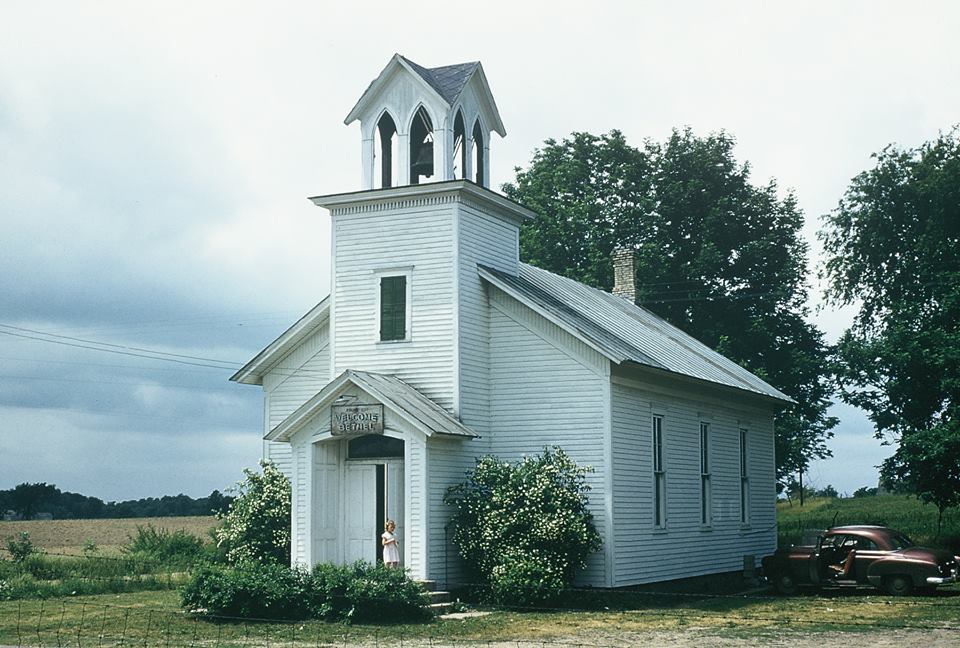
There is an old joke about a church that invited a visiting pastor to speak.  The church secretary called him to ask the title of his sermon, and he very pompously announced that he would be speaking about “Justification by Faith, and Not of Works.”  He was astonished to find, when he arrived to preach, that his pronouncement had been misinterpreted.  The sign outside read, “Come this Sunday– Just a Vacation by Faith, and No Work!”

Christians often give the impression, and sometimes operate under the false belief, that we are on vacation– permanently; that our lives are, or should be, ones of carefree enjoyment and counting our blessings.  We say things like “Let, go, and Let God!”; “This world is not my home!”, and “Won’t God Do It!”  We wait for God or someone else to “fix” the problems around us, saying that “I’m praying about it.” It’s not wrong to say any of these things in context– we SHOULD let go of our needless worry and our constant running after the things of this world.  We should remember that our citizenship is in Heaven.  We should remember that  it is God working all things together for good, and that “He who began a good work (in us) will be faithful to complete it.”  And prayer should always be the first step we take.  But that doesn’t excuse us from action.  The Bible never paints a picture of saints on vacation.  We have a race to run, seeds to plant, and battles to fight.  We are not tourists in our neighborhoods and communities.  We have a job to do.  God gave us hands, and feet, and voices, and brains.  He intends that we use them for his service.

clasped-hands-comfort-hands-people-45842.jpeg


We must remember this in our prayer life, as well.  We need to “carry everything to God in Prayer,” the little things, the tough things, the awkward things.  We must speak words of truth and encouragement, and challenge, to ourselves as well as others.  We must not grow weary of doing good.  God has promised an abundant life, with an easy yoke and rest for our souls.  He promises to strengthen and encourage us in the work we do.  Best of all, he promises that we will be “Justified” by our faith in HIS finished work.  Our work will not be in vain, and our faith will be rewarded– not with a splendid vacation, but with eternal life with our Creator.  Now that’s a trip worth working for!

When “Mother’s Day” Hurts

baby-boy-child-cute-40998.jpeg

Yesterday was Mother’s Day here, celebrating and honoring the mothers in our lives. Mother’s Day can be a wonderful day of celebration.  But it can also be one of the most painful days of the year.  Millions of women each year face acute heartbreak on this day– instead of celebration, they face the haunting memories of abandonment or separation, infertility, miscarriage, infant deaths, broken relationships, missed opportunities, regrets, suicide, and the loss of their own mothers.  There are no cheery greeting cards or perky flower baskets that can erase that kind of gut-wrenching pain– no pithy words or consolation gift that makes this day easy or comfortable.

I have an awesome mother-in-law, the world’s best sister, world-class sisters-in-law, a remarkable step-daughter, daughter-in-law, granddaughter, and a host of other wonderful women in my life.   I love being an auntie, step-mom, daughter-in-law, (step) grandma, great-aunt, and great-grand-aunt! I love that I am still in touch with former students and story hour kids, Sunday School and Bible School attendees, and others I have had the honor to mentor.  So I celebrate Mother’s Day and honor those people and all the ways their lives have impacted mine, and (hopefully) my life has connected with theirs.

But none of that chases away the ache of never having a child of my own– never knowing the joy of tucking my own child into bed; never being able to kiss away a boo-boo or a bad dream and say the words, “Mommy loves you.”  None of that will bring back my beloved mom or grandma my favorite aunts, mentors and friends who are gone.  I miss them more each year; I miss their wisdom, their strength, their comfort.

Maybe because of my own experience, I’m more attuned to it, but I see and hear a lot of pain around this time each year.  My heart goes out to all of the women with empty arms– the women who had to bury a huge chunk of their heart along with a child they can never hold; the women who had to say goodbye to the only one who could ever reassure them that, “Mommy loves you.”

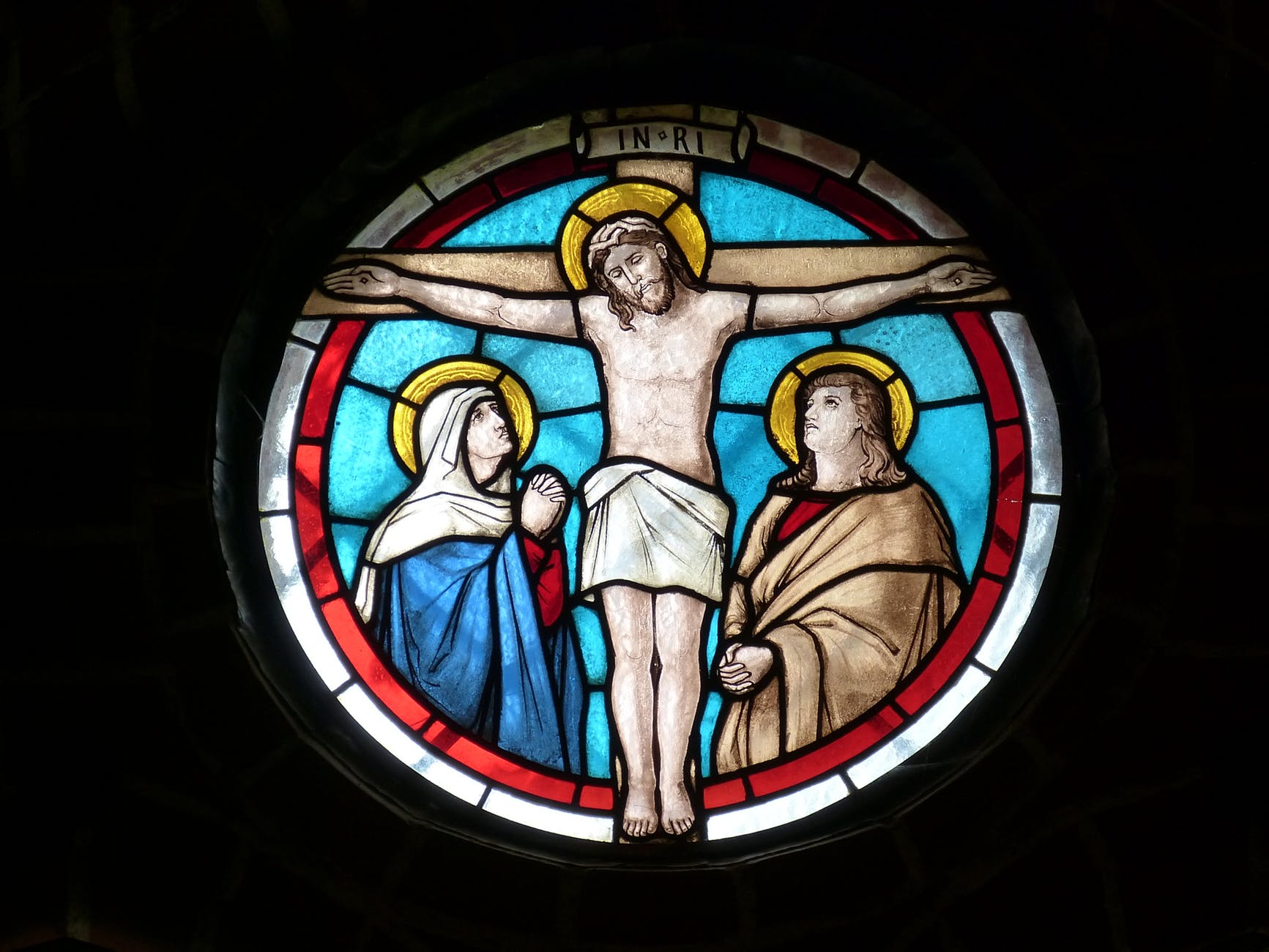
My prayer today is that you would know that even in those moments when your heart is crushed, and your arms ache to hold or be held, that you are not alone; you are not forgotten.  God knows the aching loss of seeing his only son on the cross as he took his last gasping breath before he died.  Jesus experienced the sting of rejection from the people who should have called him brother, and “Father.”  Throughout the Bible, God gave us examples of women (Eve, Sarah, Hagar, Rebecca, Leah, Rachel, Hannah, Elizabeth, Mary and others) who knew the ache of barrenness, rejection, strife, and loss of children.  God saw their pain; he heard their cries of distress and their prayers.  He sees you too.  He hears you.  He loves you beyond anything you can imagine, and beyond where any grief, guilt, or despair can take you.

More than this, he has promised to be close to the poor in spirit, those who mourn, the broken-hearted, and to those who need rest and comfort.  He promises his presence, and he promises to turn our mourning into joy and bring us peace.  He is eager to restore us, to renew our strength, and to reassure us that we are loved with an everlasting love.  God created us in his image– and that includes the image of a mother hen gathering chicks, It includes the image of Mary who wrapped the God of the Universe in swaddling cloths and tucked him into a manger of hay, and who watched as that same God of the Universe died for her.

church-window-church-window-stained-glass-46154.jpeg

God knows the passion, the pain, and the pure love of a woman’s heart– even when “Mother’s Day” hurts.

“Thy Will Be Done”

At the age of 14 months, just after I had learned to walk well, and had learned to say “Mama” and “Da-da”, I became very ill.  Our doctor was baffled– I was tired and weak, I was losing weight, but I wasn’t carrying a fever.  It wasn’t any of the “usual” culprits– we did find out I was allergic to penicillin, but other antibiotics had no effect.  We tried a different doctor– he was also stumped, and all the while, I got weaker.  My desperate parents prayed for healing as the weeks went on.  I was too little to even describe any symptoms– I whimpered and slept; I ate very little, and became too weak to walk.

God was listening to my parents’ prayers, even though the situation seemed impossible and tragic, and God seemed silent and distant.  My mother, in the years since this incident, has shared with me the “breakthrough” moment for her– that moment when her prayers changed from “heal my little girl”, to “thy will be done.”  Not immediately, but shortly after that, the new doctor was inspired to look for another cause.  After some blood tests, he determined that my body wasn’t absorbing and processing protein.  As soon as I began a regimen of protein booster shots, my health began to improve.  I was still sickly as a child; I had immunity issues, and I was small for my age, but I was out of grave danger.  I had to relearn how to walk, and my return to solid foods (especially meat) was a gradual one.  I have no actual memory of these events, but I learned a valuable lesson about prayer.

Praying hands

When we pray “Thy will be done,” we sometimes think it is “our” will vs. “God’s” will… that God’s will is always opposed to ours; that it will lead to us losing whatever it is we are holding on to.  That may be the case, sometimes.  We grapple with God’s will, struggling and wrestling, like Jacob, until we are forced to give in.  Some of us limp our way to the altar of prayer.  But God’s will is not set in relation to ours– His will is His own.  It is higher than ours.  It is perfect and complete.  That doesn’t always make it pleasant, comfortable, or easy.  In my family’s case, it meant months of trips to get shots– every day for the first few weeks; every week for months afterwards, and every month after that until the time I started Kindergarten (a year later than I might have if I had been healthier).  For many, “Thy will be done,” means saying goodbye to a loved one.  Sometimes it means losing a limb, or letting go of a cherished dream.  But what we see; what we experience; these are mere moments in God’s plan for our eternity.  Like the booster shots I had to have as a child, they bring a momentary sting, and the fear of them may loom large, but in God’s plan, they bring us the opportunity for life and health and ultimately, triumph.

Sometimes God’s will means walking through the fire, or walking through the valley of the shadow of death.  Long before my birth and health scare, my mother had lost twins, and been a divorced mother of a young son.  She had already faced death and heartbreak and hardship.  After this incident, she would be hurt by my brother’s teenage rebellion, face depression, and go through health issues with my father before his death; but she would also gain another daughter and live to see grandchildren and great-grandchildren who brought her joy.  In my own life, I have faced the shattered dream of wanting children of my own. I struggled for years with singleness, when I wanted to be married and have a family.  But God’s will was for me to learn patience, compassion, and empathy for others who hurt in these areas.  And he has blessed me with a family I would never have imagined–not only the husband, step-children, and grandkids, but all the students and children I met through my careers in education and public libraries.

It is natural and easy to pray for what our will, our feelings, or our intuition tells us is best– healing for the sick (immediate healing is even better), success for our ventures and those of our families and friends, safety in travels and daily routines, prosperity, and happiness.  It is not wrong to want these things.  But it is better by far to remember that God is sovereign and good.  Giving him complete control over our situations is not weakness; it is not “giving up”.  Instead, it is investing our future– putting it in the hands of the one who holds tomorrow, and all of eternity!  It is trusting the one who is most trustworthy to make the most of our hours and days, our treasures and our dreams.

Even Jesus taught His disciples to pray “thy will be done on earth as it is in heaven” (Matthew 6:10b). But He didn’t just teach that phrase to His disciples– He prayed it Himself in the Garden of Gethsemane. “Father, if you are willing, take this cup from me; yet not my will, but yours be done” (Luke 22:42). Jesus knew he would face humiliation, torture, and death. He knew that He would take on the punishment for all the sins of the world– punishment He did not deserve– and that He would be subject to the full wrath of God. In His humanness, He was anguished to the point of sweating drops of blood. Yet He chose to pray, “Thy will be done.”

I have never been in that kind of anguish– even when I was so very sick or depressed about seemingly broken dreams. But I still find it difficult to fully surrender to God’s sovereign will when the future is in doubt, and when the present looks overwhelming. But growth and victory come when I let God take the reins and guide me through the valleys and wilderness walkways of life. His will is mysterious and sometimes scary, but He is always faithful. And I know that from experience.

All Creation Sings His Praise

Tigers and turtles; flamingos and fleas; whales and warthogs; skinks and skunks; rocks and rosebuds; Eskimos and Ecuadorians–God’s world is filled with variety.  Chirping birds and thundering herds; roaring seas and buzzing bees.  Colors, sounds, smells, and sensations– we are surrounded by glimpses of glory, echoes of eternity, and hints of Heaven.

daylight forest glossy lake
cascade creek environment fern

Often, we take for granted the beauty of God’s creation– we don’t stop seeing it, we just stop marveling at it.  Instead of drinking it in, we drown it out.  We criticize, analyze, and theorize…why did God make rats?  how does He exist outside of time?  when will He change the seasons this year (will we have spring?  how long will winter last)?  what is the purpose of dust?  why are some animals (or rocks or plants) colorful, or noisy, or deadly, or smelly, or slow?   And we miss the forest for the trees– we get caught up in the amazing details and infinite variety in creation, and miss the majesty of the creator– His sense of the ridiculous in things like tumbleweeds and walking sticks, dust devils and platypuses, or His artistry in butterfly wings, dew on spiderwebs, and cascading waterfalls– in geodes and dimples and mewling kittens.  We miss the elegant design in a bees knees, or galaxies, or a banyan tree.

God creates– it is an element of His character.  And we are made in His image– we long to create.  From drafting sentences to making a pie to shaping a piece of wood into something sturdy and useful– we long to produce, to concoct, to cause growth, to heal, to nurture, and to effect change.  We are also created with a deep appreciation of creation– the wisdom and the work it takes to set planets spinning, and ecosystems cooperating, and to unfold a new sunrise every morning.

sunset sunrise nature field

If you haven’t already, take a few minutes asking God to open your eyes and ears to the song and dance of creation today–from dandelions to darting dragonflies to the amazing variety of people dodging traffic or making conversation around you.  Join in!

Praying for Rain

Spring has arrived.  In my part of the world, that means many people are hoping for milder temperatures, gentle spring rains, and new growth after the cold and colorless winter.  Most of us love the idea of spring, and the promise it brings.  Those soft days of baby birds chirping outside our window as the gentle raindrops roll down; of newly budded trees and flowers opening to the warmth of the sun; the smell of freshly turned earth in gardens and fields; the bleating of lambs and the down of chicks and ducklings; children squealing in delight as they leap from puddle to puddle in their colorful boots; the world slowly waking up in a thousand shades of green..

rain-boots-umbrella-wet.jpg

Of course, it never seems to go exactly like that– sometimes the weather this time of year can be volatile– tornadoes, freak ice storms, sudden heat waves, flooding, or a mix of all of the above in a matter of hours!  Chirping birds can’t be heard over the roar of traffic and blaring car radios.  The smell of exhaust chokes out the aroma of rich dirt or fresh flowers.  The same rain that brings puddles also brings mud and run-off and potholes in the road.  And, possibly because we have such expectations of spring, it seems to fly by and disappear almost before it comes.  There is a joke that sort of summarizes the unpredictable nature of spring around here– “I love spring in Michigan (or insert another Midwest state)– last year it was on a Wednesday!”

Like the season of spring, prayer holds promise and expectation.  God promises to hear our prayers, but sometimes our expectations are not in line with God’s answers.  Farmers pray for dry days to plow and plant, and rain to come before and after to soften the earth and water the seeds.  Little League players want the rain to come on Monday, and the diamond to be dry by Saturday.  School children want the rain to come overnight, so the playground will be dry for recess.  Commuters want the rain to fall after they drive to work and before they have to drive home.  All may pray for rain, but not in the same way, for the same reasons, or at the same time.

pexels-photo-890600.jpeg

We all want the promise of easy growth, gentle weather, and comfortable routine.  But God’s plan may involve blustery days and muddy driveways.  God will bring rain, and sunshine, in his time.  He will calm the storms and blow away the clouds.  He will send us flowers and rainbows, and perfect days for flying kites and playing baseball.  And maybe, this year, it will be on Wednesday!  But the stormy days remind us of three things:

  • God is with us through the storm.  He is with us when the rains come; and when the clouds roll back to reveal the rainbow.  He knows the pain you feel when you view the storm damage and assess the loss.  Even as the seasons change, he has promised to be with us always
  • God is stronger than our storms.  His ways are wiser than ours, and his plans are better.  We may be drenched and covered in mud when we expected to be dry and comfortable, but the race isn’t finished yet.  We may fall down, but we’re not out!  He can give us the resources and the power to rebuild, renew, and start over.  No matter how short (or long) our season of storms, it is only a season– it will pass.  Just as winter gave way to spring, spring leads to summer–sometimes overnight; sometimes in fits and starts.
  • God is eternal.  Storms and seasons are local and temporary.  I may be experiencing spring in Michigan, but others are experiencing rainy season in India, or “fall” in New Zealand.  It can be sunny here, and snowing in Minnesota, and raining at my cousin’s house in Alabama.  And when I am praying for rain, someone close by is praying for sunshine.  But someday, and for all eternity, God will be our source of light– there will be no need for storms and seasons, no need to pray for rain.

crocus-flower-spring-buhen-53595.jpeg

Jephthah or Jabez?

There are many great examples of prayer throughout the Bible, but there are two that are often used out of context and applied wrongly.  One is found in the book of the Judges; the other in the Chronicles.

Jephthah was a mighty warrior– the son of a mighty warrior and a prostitute.  He had several half-brothers, but they wanted nothing to do with him.  He was an outcast for much of his life, but when things got tough, the people of the region changed their tune and begged him to be their leader and help deliver them from the oppressive Ammonites.   Before going into battle, Jephthah prayed, and made a tragic vow.  In fact, his vow has become a model of what NOT to do in approaching God.

pexels-photo-415380.jpeg
Judges 11:30-31 New American Standard Bible (NASB)
30 Jephthah made a vow to the Lord and said, “If You will indeed give the sons of Ammon into my hand, 31 then it shall be that whatever comes out of the doors of my house to meet me when I return in peace from the sons of Ammon, it shall be the Lord’s, and I will offer it up as a burnt offering.”

Upon returning from his success in battle, who should come out of the door of his house, but his only daughter, singing and dancing in celebration of her father’s victory!  Having made such a rash vow, Jephthah now has to fulfill it, and sacrifices his only child on the altar.

Many people read this passage of scripture and are shocked– how could God be so cruel?  Why didn’t he stop Jephthah from making such a rash vow?  How could he hold Jephthah to such a vow?  Doesn’t this prove that God is either clueless or deliberately cruel?  Either God knew that the tragedy would happen, and failed to prevent it, or he had no idea  of the outcome.

But I think this is a misreading of events and a misrepresentation of God.  Just before Jephthah makes his vow, the text states that “the Spirit of the Lord came upon Jephthah.  He crossed Gilead and Manasseh, passed through Mizpah of Gilead, and from there he advanced upon the Ammonites.”  People make note of the first part of verse 29, that the Spirit of the Lord came upon Jephthah prior to his making the rash vow.  But we should note that God’s Spirit did not require Jephthah to make ANY vow.   Jephthah’s vow was rash and ill-considered– these are not attributes of God or of His Spirit.  And God’s Spirit came upon Jephthah before he crossed his own native territory– territory he had fled early in life.  In crossing back through lands that now welcomed him after making him feel unwanted and ashamed, Jephthah gets cocky.  His vow is not about saving his nation from harm and oppression, or about bringing God glory.  It is about himself.  He mentions himself five times; his enemies, God, and his sacrifice, each twice; Israel never. 

Jephthah had an incredible opportunity, not only to save his nation, but to redeem his reputation and become a leader of might and integrity.  Instead, he is remembered for his rash vow.  I believe that God could have stopped Jephthah from making such a vow; and God could have kept his daughter from coming out of the house that day of her father’s return.  But I don’t believe it was cruelty that prevented him from acting.  I believe God is both omnipotent and good.  Jephthah learned the hard way that his rash self-promotion had disastrous consequences.  His daughter, who was innocent, could have berated her father, or cursed God– instead, she honored them both in a way that reflected her culture and teaching.  We are given a shocking reminder not to play games with our unknown future.  God does not keep us from our own folly, nor from its consequences, when we fail to seek His wisdom above our own pride.

In contrast, we see another prayer in 1 Chronicles:

1 Chronicles 4:9-10 New American Standard Bible (NASB)
Jabez was more honorable than his brothers, and his mother named him Jabez saying, “Because I bore him with pain.” 10 Now Jabez called on the God of Israel, saying, “Oh that You would bless me indeed and enlarge my border, and that Your hand might be with me, and that You would keep me from harm that it may not pain me!” And God granted him what he requested.

Once again, this prayer is sometimes taken out of context and misused to suggest that God is like a genie in a bottle, and that a pain-free life and expanded riches are ours just for the asking.  If we pray the prayer of Jabez, and we don’t see an immediate change in our circumstances, we sometimes question God’s goodness and His provision– doesn’t He care about our needs?  Doesn’t he hear our prayer?

Jabez, unlike Jephthah above, is described as honorable.  His prayer is more balanced and conscious of God’s sovereignty.  Jabez mentions himself five times, just like Jephthah; but he mentions God three times in supplication– asking God to be with him, help him, and bless him, rather than vowing what he can do for God if God grants him victory.    Notice also the context of the preceding verse.  His prayer is partly asking God to remove the sting and curse of his name, which meant “pain.”  He is not asking for enormous wealth or power, so much as asking for God’s presence and blessing.  There is a subtle, but important difference here.  Jephthah is playing at making a deal with God– If you grant me a victory, I will make it up to you by offering whatever comes out of my house.  Jephthah is asking for God’s help, but he is also vowing to give God “whatever comes out of the doors of MY house” (emphasis added). If a rat had come scurrying out, would Jabez have offered that? If it was a chicken or a lizard, or a lame sheep? And “whatever” came out of Jephthah’s house already belonged to God, and came from the hand of God, didn’t it?

pexels-photo-156151.jpeg

Jabez comes with nothing and asks God to be his portion and protection.  He makes no bargain with God contingent on God’s answer.  There is nothing in this prayer that assumes God’s riches will be his or that God owes him anything; only the faith that God is able to bless him, and that God, in his goodness can keep him from harm.

Jephthah, or Jabez?  Two examples…two very different outcomes.  May we have the wisdom not to confuse the two, or lose the lessons they teach.

A Drop in the Bucket

We had a leaky faucet the other day–drops of water dripping into the sink, “plink…plink…plink.” It was an annoyance. I put a container under the faucet to catch the water as it came out. It wasn’t a large container, but it filled up and had to be emptied, before it could overflow. It seemed such a waste; each drop just dribbling away to no good purpose.

Sometimes, I feel like my prayers must be like those drips from the faucet; that they are just drops in a huge ocean of prayers and requests being poured out by people all over the planet. But that is not true. According to the Bible, God experiences our prayers as an aroma, like incense, rising up to Heaven, where He breathes them in. (See Psalm 141:2 and Revelation 5:8, among others.)

My prayers may feel small and insignificant, but they blend with the prayers of others into an intoxicating aroma of praise, worship, dependence, submission, obedience, sacrifice, awe, reverence, reflection, repentance, joy, and even grieving tears. My prayers are part of something magnificent and mysterious. So are yours!

To pray is to offer ourselves to God– our thoughts and emotions, our time, our gratitude, our honesty, our humility, and our joy.

Just think of the power of a majestic waterfall, or the might of the ocean waves– all made up of tiny individuals drops of water. Water can turn turbines to produce electricity; water can carve canyons our of rock; and water can change landscapes or reshape landforms. And there is power in the volume of water, or of prayer. But there is also the mighty power of the Holy Spirit inhabiting our individual prayers. Each single “drop in the bucket” holds amazing worth and power in God’s hands.

So don’t turn off the spigot of prayer today. Let each drip and drabble do a mighty work!

Treetop Prayers

There is a zoo, about an hour from my house, where you can climb up on a platform at certain times of the day, and feed giraffes.  Since giraffes are not native to the American Midwest, this is probably the closest I ever have come, or ever will come, to a live giraffe, and I have enjoyed the opportunity to interact with this unique member of God’s creation.

Giraffes are grazers, but their unique bodies are not best designed for munching on grass or other low-lying plants.  Instead, their focus is on the tops of trees and tall bushes.  For me to feed a giraffe, I need to be at the level of the tree branches.  And it changes my perspective.  I’m no longer paying attention to ants and blades of grass.  I can see landscapes and clouds for miles stretching out around me.  Not a bad view at all!

pexels-photo-772662.jpeg

Yet giraffes are still grounded–they do not soar like eagles, above all the clouds and unattached to the earth.  Giraffes must still be on guard and prepared to flee danger from predators or grass fires.  But their unique height and perspective give them a better view to see the danger from far off, and act accordingly.

Sometimes, I think we are called to pray with a giraffe’s perspective–to look up and out and pray from the treetops–a little closer to God and leaving behind the small things of the world.  Lofty prayers of gratitude and praise; prayers that recognize that there is a big world of wonder all around us.  Prayers that look ahead and can see trouble on the horizon; to seek God’s face early and prepare for hard times ahead.

pexels-photo-235734.jpeg

This doesn’t mean that we will always be in a place to pray treetop prayers. Sometimes, we need to pray from the depths. There are days when we cannot lift our eyes without help from the very God to whom we pray. But we are called to walk THROUGH the valleys, not to stay in them! We should feel confident that God will still hear us, no matter where we may be.  But the Bible reminds us often that we should look up, ascend, raise our eyes, and change our perspective.

  •  I lift up my eyes to the hills. From where does my help come? My help comes from the Lord, who made heaven and earth. Psalm 121: 1-2 (ESV)
  • Lift up your eyes and look to the heavens: Who created all these? He who brings out the starry host one by one and calls forth each of them by name. Isaiah 40:26
  • Since, then, you have been raised with Christ, set your hearts on things above, where Christ is… Set your minds on things above, not on earthly things. Colossians 3: 1-2
  • But as for me, I watch in hope for the Lord, I wait for God my Savior; my God will hear me. Micah 7:7
  • So we fix our eyes not on what is seen, but on what is unseen, since what is seen is temporary, but what is unseen is eternal. 2 Corinthians 4:18
  • “Surely then you will find delight in the Almighty and will lift up your face to God.” Job 22:26
  • “But you, Lord, are a shield around me, my glory, the One who lifts my head high.” Psalm 3:3

I plan to take some time today for treetop prayer.  Will you?

Talk is Cheap

We are entering the season of Lent.  It is supposed to be a season of reflection, repentance, confession, and preparation.  Some people refer to it as a spring cleaning of the soul.  It is a time when many give things up or abstain from things– certain habits or routines, certain foods or activities.  This can be a good practice for many reasons– it teaches us discipline and patience; it reminds us of all that Christ gave up for us; it turns our focus from common earthly things to spiritual matters; and it frees us from habits and routines that have not only pulled us away from God, but away from each other.

I grew up with very mixed, and mostly negative, feelings about Lent. Neither my family nor my church celebrated Lent.  Many of my friends did, and their stories did very little to change my views.  I saw the season as drudgery, self-imposed punishment, dreary and legalistic, a cheerless, fruitless, and (mostly) meatless way of counting down to Easter.  No one seemed to “celebrate” it– it was more like they endured it.  My views have since changed, but I don’t think they were all that uncommon, and I think I was missing something of great value, something I would like to explore.

There are three important elements of Lent that I have struggled with, and I would like to share what I’ve learned.

  • There is great value in sober, somber reflection.  Our world is constantly calling us to revelry, happiness, entertainment, activity, and superficial comfort.  We see weakness in mourning for, and admitting to, our sins. We judge those who are serious and sober as “stodgy”, “boring”, and “prosy”.  We feel awkward in stillness and silent self-examination.  But the Bible paints a very different picture.  And the practices of fasting, confession, and meditation, practiced across a spectrum of religions, have been shown to promote better physical, mental, and emotional health, as well as spiritual well-being.

godlysorrow

  • Because we don’t value Godly sorrow– we sometimes substitute other practices that make a mockery of what Lent should be about.  I know I am not perfect, but I don’t want to feel that emptiness, that bankruptcy of spirit, that comes with honest confession and repentance.  In fact, I sometimes “glamorize” what is really petty.  I justify my bitterness, I excuse my selfishness, I “confide” my dislikes and judgmental thoughts about others.  And I bring these sins before God, not in sorrow and humility, but in scandal, as though he will be shocked or even entertained by my wayward behavior

trueconfessions

  • Which brings me to the third thing–cheap grace.  I spend a lot of time talking about Christian living– about the value of prayer, and confession being good for the soul.  I talk about being forgiven, and loving God, and wanting to serve him better.  But I have fallen into the very bad habit of seeing God as Ward Cleaver, or Ozzie Nelson– lovable and authoritative, but not Sovereign or supremely Holy –“There, there, child.  That’s all right.  You’ve confessed, and you’ve learned your lesson.  We’ll just forget that ever happened.”   Lent should lead us to dependence on God’s amazing grace.  It is the work of Christ in us– and only that– that saves, renews, and empowers us.  There is a danger in our culture that we cheapen grace by making the focus on what we know, or say about Christianity, rather than what God does through us.  Cheap grace leads to cheap talk–in my daily life, and in my prayer life.

This year for Lent, I’m not going to talk about giving up fast food, or Facebook, or shopping at my favorite store.  I’m not going to set a checklist or a target for random acts of kindness or giving alms.  I’m not even going to set a schedule for extra prayers or a list of special prayers just for this season.  There’s nothing wrong with any of those; in fact, if you’re thinking of doing any of the above (or all of the above), I encourage you to do it with all my heart.  My prayer for the next forty days will be to invite God to clean out the pretense and hand-wringing, sweep away the cobwebs of analyzing and making excuses, and empty my heart of pride, self-sufficiency, and false guilt, so that he can fill it again with love for him and for others.  Love that is more than cheap talk.  Love that pours out life and renewal– just as Christ poured out his blood on Good Friday, poured out glory on Easter morning, and poured out power at Pentecost.  Not because it was part of a 40-day program of renewal, but because it could not be contained.

But it starts with ashes and repentance.

psalm139

Sacrificial Prayer

I call this blog “Pursuing Prayer.” I believe prayer is a pursuit; a discipline that one can learn from, grow into, and practice faithfully in life. But prayer is also a sacrifice. It involves giving of time, space, and honest reflection.

Sometimes, prayer is a willing and joyful sacrifice. I want to come and spend time with My Father in praise and worship, adoration, and even asking for His guidance and wisdom. But sometimes, the sacrifice is hard. I may dread coming to God when I know I have been dishonest or unfaithful. Like any relationship, I cherish the easy times, the relaxing times, and the expectations of challenges met and conquered. I don’t look forward to the hard work, the waiting, or the corrections that God may have for me.

One type of sacrifice that doesn’t belong in the prayer of a believer is the Sin sacrifice. As described in the Old Testament books, the sin sacrifice had to be given to cover over the sins of individuals, priests and even the entire nation. The Israelites even had to give a sin offering for unintentional or accidental sins!

Unfortunately, I sometimes make the mistake of thinking that I must make a similar “sin sacrifice” in my prayer life– that I have to rehearse and recount all my past sins before God will hear me or act on my behalf. And that is NOT Biblical. If we are truly trusting in Jesus’ finished work on the cross, we are not obligated to offer token sacrifices as a means of covering over our past. Christ’s blood IS sufficient! (See 1 John 2:2, 2 Corinthians 5:21,1 Peter 2:24, and Romans 5:9 among others)

So when I talk about prayer of confession, I’m not talking about pouring out long laundry lists of sins I committed last week or thirty years ago. God already knows– in fact He knew about them before they happened!–and He has already forgiven me. That doesn’t mean that He wants me to pretend they never happened or that He doesn’t want me to feel the regret or understand the consequences of what I have done. Instead, He wants me to understand and rejoice in His overwhelming Mercy and Grace! My sacrifice, when I confess my sins, is a sacrifice of praise for God’s willingness to offer what I can never earn or deserve or atone for– complete forgiveness and restoration! I am agreeing with God about who I am and what I’ve done, AND about what He has done for me!

There are other times when prayer can be a difficult sacrifice. Sometimes, I am compelled to pray for those who have hurt me, or those whose actions have hurt others. I am commanded to pray for leaders– that may include church leaders who have sinned, or national leaders who have broken their promises or caused great damage. I am commanded to love my enemies, even if they never repent for things they have done.

Once again, I should be reminded of the sufficiency of Christ’s sacrifice for our sins. He didn’t just die for my Sin; He died for the sins that were committed against me. I may still feel the pain and consequences of that Sin for as long as I live on this earth. But I can trust and be confident that God has dealt with it. And that causes me to rejoice, because I can’t turn back time; I can’t undo the bad things that have happened; I can’t create perfect justice to punish my enemy. But I can let go of the burden of trying to make things “as they should be.” God will do it; He has promised! I can stop wallowing in the “what ifs” or the “what-could-have-beens;” the endless “whys” and “why me’s” that take up so much of my time and focus. Instead, I can leave them as a sacrifice on the altar of prayer, pledging my trust in the Almighty to heal and help me forgive as I have been forgiven.

We don’t practice the old animal sacrifices of the Old Testament. And we don’t have to! But sacrifice is more than just bleeding sheep and burning incense. Sacrifice is offering all of who we are to the One who created us, sustains us, forgives us, and gives us abundant life!

Blog at WordPress.com.

Up ↑