Mayday!

Today is the first of May. This is also known as May Day or Mayday. In many countries, there are traditional celebrations, including dancing around a May Pole, or leaving a small bouquet of fresh spring flowers on someone’s doorstep. It is meant to be a happy occasion, signaling the arrival of spring flowers after a month of showers and growth– the promise of more growth and greenery after a long winter and cool, wet, spring.

Photo by Suzy Hazelwood on Pexels.com

This year, many people have been looking forward to May 1 as a potential “end” to the lockdown/shelter-in-place orders. They are eager for a chance to return to “life as normal,” including spending time in parks and gardens, and celebrating with friends. They long to chat, mingle, and dance with their friends and loved ones in the sunnier, greener weather. Others are just tired of being “cooped up,” and want to get out into the busy marketplaces and public squares. But many leaders (mayors, governors, ministers, presidents, etc.,) are extending the orders to continue social distancing during this pandemic season.

There is another meaning for the phrase “Mayday!” It is an urgent call for help. It comes from the French phrase m’aidez– help me–and is used mostly in radio transmissions from ships in danger. Many people around the world today are, figuratively or metaphorically, calling out “M’aidez!” They are calling on their political leaders, financial institutions, hospitals, emergency workers, and others for help– healing, testing, equipment, food, answers to impossible questions, guidance, and comfort. For many, it feels like drowning in a sea of uncertainty and danger.

Photo by stein egil liland on Pexels.com

Even in times of uncertainty and danger, we have a Faithful and Loving God. When we cry out, “Mayday! Help!”, He is ready and able to answer our call:

I cried unto the Lord with my voice, and he heard me out of his holy hill. Selah.

I laid me down and slept; I awaked; for the Lord sustained me.

I will not be afraid of ten thousands of people, that have set themselves against me round about.

Many times in his life, David had called on the Lord, and found him faithful– to protect him, rescue him, bless him, and forgive him. David danced and celebrated God’s provision for Israel, and he also cried out in anguish and bitterness of soul. And in every situation, God heard David’s “Mayday! M’aidez!”
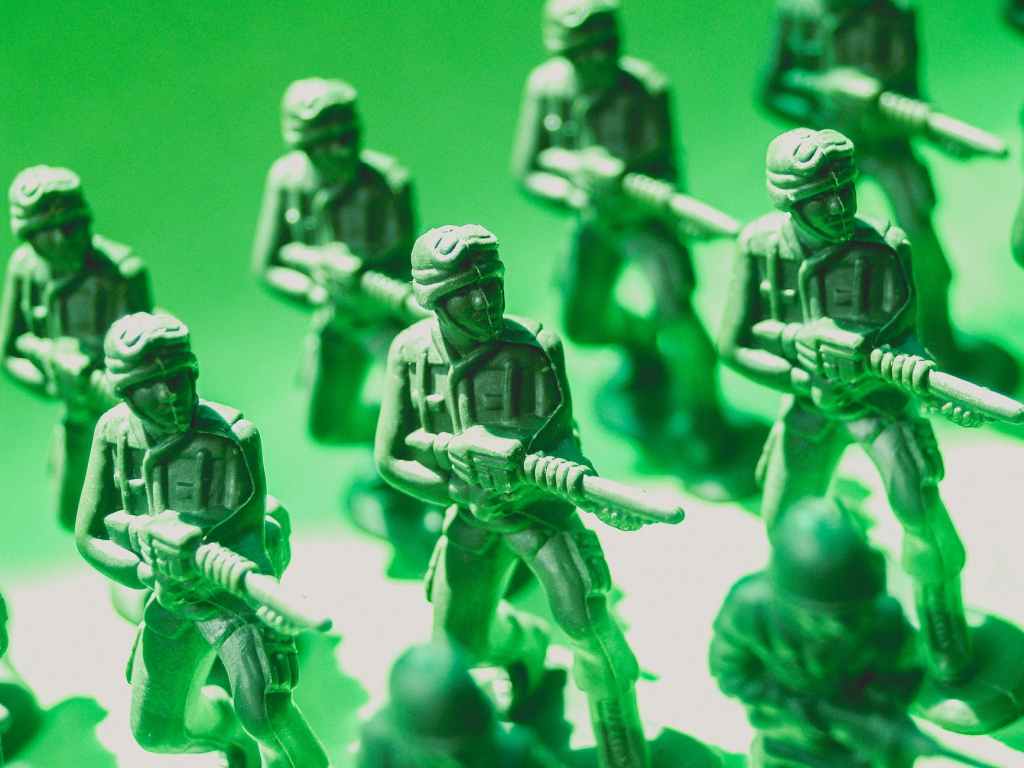
Photo by icon0.com on Pexels.com
  • King David’s descendant, King Hezekiah, also cried out to the Lord. He led the entire nation of Israel in celebrating a magnificent Passover feast and a Festival of Unleavened Bread. He also built up and fortified walls that had been allowed to crumble. He strengthened a weakened nation. In spite of his measures, however, the nation was threatened with invasion and destruction by a powerful Assyrian army. https://www.biblegateway.com/passage/?search=2+Chronicles+32&version=ESV But Hezekiah, along with the prophet Isaiah, sent up a “M’aidez!” to God, and He answered in a mighty way: 20 Then Hezekiah the king and Isaiah the prophet, the son of Amoz, prayed because of this and cried to heaven. 21 And the Lord sent an angel, who cut off all the mighty warriors and commanders and officers in the camp of the king of Assyria. So he returned with shame of face to his own land. And when he came into the house of his god, some of his own sons struck him down there with the sword. 22 So the Lord saved Hezekiah and the inhabitants of Jerusalem from the hand of Sennacherib king of Assyria and from the hand of all his enemies, and he provided for them on every side. 23 And many brought gifts to the Lord to Jerusalem and precious things to Hezekiah king of Judah, so that he was exalted in the sight of all nations from that time onward.
  • The Apostle Peter called out as he was sinking into the waves. https://www.biblegateway.com/passage/?search=matthew+14%3A22-32&version=NIV His faith, which made him to want to walk out to Jesus on the water, faltered. Peter knew the danger of open water, he faced such dangers in his fishing boat nearly every day. Without a miracle, he would sink below the wind-churned waves and be unable to make it back to the boat or swim all the way to shore. He cried out, “Lord, save me!” “M’aidez!” And Jesus was there to hold his hand and bring him to safety. Later in life, Peter went forth boldly preaching the Resurrection of Jesus, and spreading the Good News that Jesus Saves! Peter knew from first-hand experience that Jesus not only brought physical salvation from storms, but He offered spiritual salvation, renewal, and hope. In fact, it is in one of Peter’s epistles that we find this verse of hope: “..casting all your care upon Him, for He cares for you.” (1 Peter 5:7)
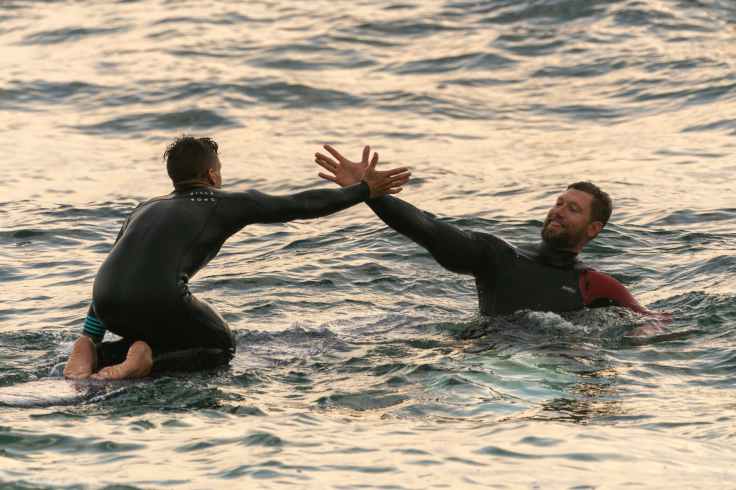
Photo by Guy Kawasaki on Pexels.com

This May Day, we may call out to God in desperation, or in celebration, or both. But let’s take every opportunity to call on His Holy Name.

Photo by 3Motional Studio on Pexels.com

Where Can I Hide?

Psalm 139 New King James Version (NKJV)

For the Chief Musician. A Psalm of David.

139 O Lord, You have searched me and known me.
You know my sitting down and my rising up;
You understand my thought afar off.
You [a]comprehend my path and my lying down,
And are acquainted with all my ways.
For there is not a word on my tongue,
But behold, O Lord, You know it altogether.
You have [b]hedged me behind and before,
And laid Your hand upon me.
Such knowledge is too wonderful for me;
It is high, I cannot attain it.

Where can I go from Your Spirit?
Or where can I flee from Your presence?
If I ascend into heaven, You are there;
If I make my bed in [c]hell, behold, You are there.
If I take the wings of the morning,
And dwell in the uttermost parts of the sea,
10 Even there Your hand shall lead me,
And Your right hand shall hold me.
11 If I say, “Surely the darkness shall [d]fall on me,”
Even the night shall be light about me;
12 Indeed, the darkness [e]shall not hide from You,
But the night shines as the day;
The darkness and the light are both alike to You.

13 For You formed my inward parts;
You [f]covered me in my mother’s womb.
14 I will praise You, for [g]I am fearfully and wonderfully made;
Marvelous are Your works,
And that my soul knows very well.
15 My [h]frame was not hidden from You,
When I was made in secret,
And skillfully wrought in the lowest parts of the earth.
16 Your eyes saw my substance, being yet unformed.
And in Your book they all were written,
The days fashioned for me,
When as yet there were none of them.

17 How precious also are Your thoughts to me, O God!
How great is the sum of them!
18 If I should count them, they would be more in number than the sand;
When I awake, I am still with You.

19 Oh, that You would slay the wicked, O God!
Depart from me, therefore, you [i]bloodthirsty men.
20 For they speak against You wickedly;
[j]Your enemies take Your name in vain.
21 Do I not hate them, O Lord, who hate You?
And do I not loathe those who rise up against You?
22 I hate them with [k]perfect hatred;
I count them my enemies.

23 Search me, O God, and know my heart;
Try me, and know my anxieties;
24 And see if there is any wicked way in me,
And lead me in the way everlasting.

We can’t hide from God. We can ignore Him, deny His existence, even rage against Him. But we cannot escape His Spirit. We cannot hide who we are or what we think from Him. And we cannot flee from His goodness or mercy; we cannot run beyond His ability to restore us, heal us, or save us. He knows the worst about us, and He calls us to the very best we can be. Which begs the question– Why would we want to escape from God? Why do we try to hide from Him? What is it about God that would give us a reason to flee?

Photo by EVG photos on Pexels.com

There are many terrifying things in this world–right now, we are faced with a global pandemic; a plague that brings sickness and death. Now THAT is something worth hiding from! Many of us are “sheltering in place,” trying to hide out until it is safer to interact with others. The disease seems to be everywhere–but it really isn’t– it cannot go where there are no hosts to carry the virus. It can be spread wherever we find other people who are infected, or where the virus lingers on surfaces. The disease does not seek us out or come searching for us if we stay put. Unfortunately, “sheltering in place” comes with its own dangers. We cannot survive long in a bubble. We are interdependent. We need food, medicine, fresh air, and interaction with family and friends to survive and thrive. Hiding away from a tiny virus is only effective in the short term. And there are other diseases from which we cannot hide– cancer and heart disease, and even other viruses that are active, but haven’t been traced or identified.

Photo by Nandhu Kumar on Pexels.com

There are other terrors that we try to escape by fleeing– hurricanes, fires, floods, war, etc. And we may escape immediate danger from such terrors–if we have advance warning or if we have the means to escape. But there is no place of absolute safety: no place on earth where such dangers cannot exist. There is no Utopia– no earthly dwelling, community, or settlement where there is only goodness, harmony, peace, and plenty. There is no place to hide, and no place of escape.

Photo by Johannes Plenio on Pexels.com

It is understandable that we should want to hide from danger or flee bad things, even if such escape is impossible in life. But why should we wish to hide from a loving and merciful God? Is He as bad as COVID-19? Is He as threatening as a hurricane or an air raid?

Certainly, He is as powerful (and even more) than any of the dangers we fear. God has the power, and the authority, to judge, punish, and destroy all who live on the planet. He has the power to obliterate all of His creation, and none of us could stop Him or challenge His right to do as He pleases. And if we should challenge God’s authority, we would be wise to want to run away, hide, or escape the consequences of such foolishness.

Photo by Luis Aquino on Pexels.com

Adam and Eve tried this long ago. After they sinned by eating the Fruit of the Knowledge of Good and Evil, they hid from God. And God’s response was not instant obliteration. He didn’t storm through Eden, destroying everything in His righteous anger before torturing Eve, making Adam watch in horror before He killed them both. Nor did God negate His Holiness by changing the consequences of sin. Death DID enter creation– along with disease, pain, guilt, envy, hatred, lying, greed, destruction– they all exist, persist, and continue to plague all of God’s creation to this day.

But God’s first act–His first words to Adam and Eve after their rebellion– was to seek their presence. God came to walk in the Garden; to meet with Adam and Eve. He called out to them, “Where are you?” He wasn’t asking because He didn’t know that they were hiding. He knew where they were, and why. And even in assigning their punishment, God did not throw extra guilt and recrimination at the fallen couple. He didn’t shout, “How could you do this to ME?!” “How dare you!” “I wish I’d never made you!” “You’re worthless. What a waste of time and energy. Get out of my garden! I never want to see you or hear from you again!”

Photo by Josh Willink on Pexels.com

God’s Spirit is always seeking reconciliation, communion, restoration, and love. God is Holy, and God is Merciful. Holiness desires Whole-ness. Mercy desires Peace. God pursues us, not because He wants to infect us or devour us or destroy us– God wants to hold us, heal us, and give us Life.

The danger is not in God’s presence, but in our ability to reject it. God is everywhere, but not everyone will see Him, accept His authority, or welcome His mercy. Some will spend a lifetime hiding and fleeing, only to discover that God will, reluctantly, give them what they want– an eternity without Him. Without Grace, without Love, without Peace, without Wholeness, without Hope.

Photo by Mitja Juraja on Pexels.com

That is a fate far worse than waking up to “shelter in place,” or even suffering through a virus that can separate us from loved ones for weeks, months, or even a short lifetime.

There are many things worth fleeing in life– But we can find joy, hope, and peace in the presence of a Loving and Omnipresent God.

Photo by Simon Matzinger on Pexels.com

Does Prayer “Work?”

I have a friend who is very keen to study if prayer “works.” His theory is that if someone were to measure the number of prayers said in various regions of the world during the COVID-19 pandemic, and compare those numbers to the rates of infection, numbers of deaths, etc, for the same regions, one could “prove” whether or not prayer is effective.

I don’t think my friend is being sarcastic or overly cynical– I believe he is sincere in wanting to study prayer. I accept his desire to study prayer–to quantify it, even to “prove” it, or legitimate it for those who are skeptical. Unfortunately, he wants to study it as an observer, and not a participant, and he wants to conduct a physical study of a metaphysical practice.

Photo by Ali Arapoğlu on Pexels.com

Scientists are conducting several studies during this time, to see what “works.” Does social distancing “work” better than building up “herd immunity?” Is there a treatment that works better, or faster than others? Can we develop an effective vaccine? What practices– social, hygienic, medical, political– might help mitigate the spread of future viruses? Even these studies will not be definitive. The results will depend a great deal on methodology, and the conclusions will be open to interpretation.

Photo by Lukas on Pexels.com

There are additional problems in studying whether or not prayer “works” or not, because prayer is metaphysical. Here are just a few of the “measurement” problems:

  • How do you measure prayer? By length of time? Number of words used? The number of prayers prayed by each person over a certain period of time?
  • Do you count ritual prayers? Mantras? Meditation? Unspoken “thought” prayers? Recitations? Prayers spoken “in tongues” or in ecstatic states?
  • Do you count corporate prayer as a single prayer or by the number of people in the group?
  • What about social media? Do you count all the people who say they will send “thoughts and prayers?” Do you count those who say they “will pray,” or only those who are “praying,” or “praying now.”
  • If you are testing by geographical region, how do you account for people who are praying for others around the world?
  • How do you measure the efficacy of prayer (as opposed to other factors)? If a region has a higher mortality rate, even though many people prayed, does that mean that prayer “doesn’t work?” Or does it mean that the mortality rate would have been even more devastating (given other factors) without prayer?

More than just measurement problems, there are problems with the very nature of prayer that make such a study impossible:

  • Even if you could come up with a standard definition of “prayer” in order to get a count, prayer is not a physical substance or action. Prayer is not a “cause and effect” exchange. It is communication. If ten people say the same thing at the same time to the same person, it is not necessarily “more effective” than a single person-to-person exchange. If a thousand people pray to the same “god” who is not a god–“Mother Nature” or “The Force,” for example, it cannot be compared to a single person praying to a Loving and All-Powerful God.
  • God’s ways are not our ways. If we are measuring for one thing, God may be working for a different, unseen outcome. If more people contract the virus during the “study period”, we see that as “failure.” But God may be preparing that region to build up a resistance or immunity for a future outbreak. God answered prayer in a mighty way that we won’t see immediately. I have known a great many people, and prayed for a great many people who have not received physical healing in this world. They have suffered. They have died. But that doesn’t mean that prayer “didn’t work.” Their sufferings and eventual deaths have often brought about unbelievable works of God– salvation, families restored, friends discovering renewed purpose, strengthened efforts to fight disease, injustice, poverty, etc., and communities coming together in unity and hope.
  • Prayer is not about measurable results. Prayer is a heart-cry to a caring Creator. It doesn’t just involve asking for healing or miracles or “wish fulfillment.” Prayer involves thanksgiving, worship and adoration, repentance and confession, sharing burdens, asking questions, and building an eternal relationship with God Almighty.
  • In the end, any study results will be interpreted differently by different people. Some people will be convinced by numerical comparisons to re-consider their view of prayer. Others will never be convinced, no matter how much “evidence” someone else presents.

Prayer isn’t like taking an aspirin, or holding a protest rally, or doing research for a cure. Prayer isn’t about “winning the battle.” It isn’t about “what works.” It isn’t about “what” at all. It’s about WHO.

Photo by Luis Quintero on Pexels.com

God “works.” God is sovereign, loving, and wise beyond what we can imagine. His ways endure. And He has vanquished the power of death and disease. Yes, it can still touch us in the here and now, spreading havoc and pain and mourning. But it will never triumph over Hope, and Life, Truth, and Faith. And when we pray, we connect to the source of all that is Eternally victorious! Beyond ANY measure!

Lament

Oh Lord!
I am weak, helpless, empty..
I have nothing to offer,
Nothing to show for my straining.
I lift up hands that are empty and trembling.

People are sick.
People are dying–
Alone, afraid, apart.
People are living–
Alone, afraid, apart.

I cannot reach out far enough,
Cannot speak loud enough,
Cannot run fast enough,
Cannot close the gap…

Photo by Mugurel Photo on Pexels.com

There is a distance–
A yawning, gaping separation
Between me and my loved ones,
Between families and friends,
Between us and each other,
Between us and YOU.

And yet, You are here,
Waiting, whispering…
Words of hope and comfort,
Words of healing and peace,
Words of love and unity.

You are life.
You are truth–
Brighter than fear,
More powerful than death,
Closer than our next precious breath.

Photo by Min An on Pexels.com

Banish the distance, Lord.
Banish the fear and loneliness;
Banish the chaos and darkness;
Bring us –all of US–together–
In peace
In health
In hope,
In Your eternal Love.

Consider the Lilies..

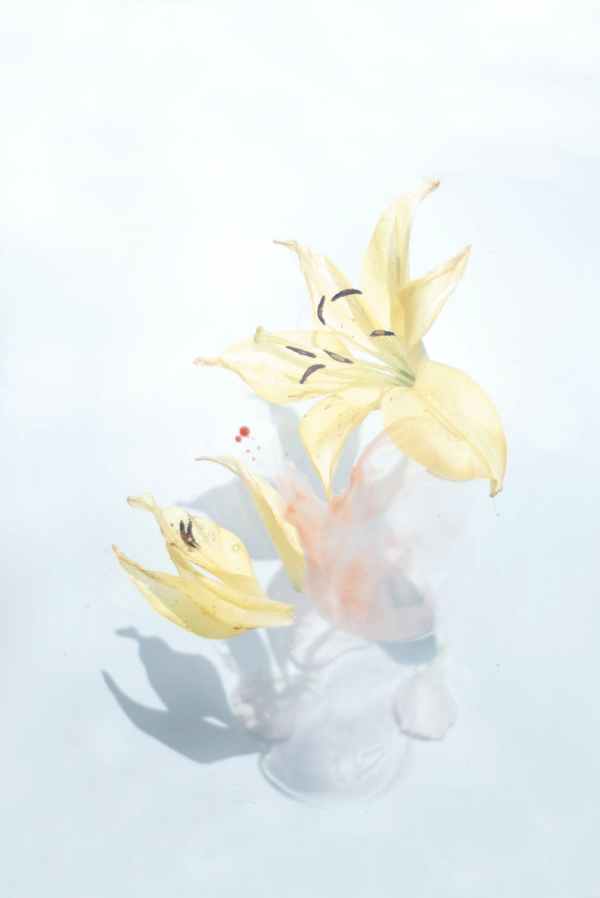
We just celebrated a most unusual Easter– traditions, like gathering at church for sunrise services or grand cantatas, big family meals, Easter Egg hunts, and parades had to be re-imagined, or cancelled. And one Easter tradition that didn’t get a lot of press attention was the damage done to the Easter flower market. Lilies, hyacinths, daffodils, and other spring flowers–some grown locally, others imported from around the world–were unable to be shipped or sold as people are in quarantine. Churches and restaurants, two of the largest consumers of Easter Lilies, had to cancel their orders for this year. People who normally buy lilies from garden centers or florists were unable to do so, and those who grow them were unable to ship them out or sell them. Literally millions of flowers had to be burned, composted, and destroyed during this season of “new life.” Flowers for funerals, weddings, and birthdays were also lost, and millions more will be lost as we approach Mother’s Day next month. What a waste of beauty and life!

Photo by Alena Koval on Pexels.com

And yet..

Some will say that it is a waste of time to mourn the loss of flowers when we should be mourning the loss of human life to COVID-19. I don’t think it is an “either/or” kind of mourning. There is a lot to mourn during these days, and we should not be ashamed to mourn–loss of connection, loss of beauty in the form of flowers, loss of jobs and prosperity, loss of opportunities– many of which we take for granted.

Photo by Italo Melo on Pexels.com

But Easter is not about our loss– in fact, it is not about loss at all. It is about victory and hope and ETERNAL life– not the life of a lily or even a human body– eternal, joyful, victorious life given to us as a gift for all who will receive it! If we are missing a beautiful symbol of that victory this year, we can never be deprived of the reality the Lilies represent!

Photo by Pixabay on Pexels.com

I am reminded that Jesus (and others in the Bible) had a lot to say about Lilies..and grass, and other plants, and their relation to human life. https://www.biblegateway.com/passage/?search=Matthew+6%3A25-34%2CLuke+12%3A22-32&version=ASV https://www.biblegateway.com/passage/?search=Psalm+103%3A15-17&version=ESV
https://www.biblegateway.com/passage/?search=1+peter+1%3A22-25&version=ESV

Photo by Simon Matzinger on Pexels.com

In this season, many of us are feeling very much like the “lilies of the field.” Our lives seem uncertain, our days unproductive, even futile as we wait for this crisis to pass. We miss these symbols of beauty and new life, but we must not place our hope in the symbols. We must not place our hope in what we know or what we do or what we own. Jesus reminds us that we are– our souls, our lives, our hopes, our thoughts, and our longings– worth far more than lilies or sparrows– God knows what we need, and His love for us doesn’t depend on our being “essential”, or healthy, or having all the answers.

Photo by Porapak Apichodilok on Pexels.com

This season reminds us that our lives here are precious, and temporary as the grass. But our existence is both precious and eternal–and thanks to the very God who clothes the lilies of the field, we need not worry or fear what lies ahead. All who turn to Him will be saved. We are not destined to be burned or composted or forgotten. We may face uncertain days ahead, but God has a purpose and a plan for us to bloom– not just for a season, and not just to adorn a building or a home, but to bloom for eternity in His very presence!

My Cup Runneth Over

“Are you the type of person who sees the glass half-full, or half-empty?” Amateur psychologists like to ask questions like this, to determine if others are optimists or pessimists. But what happens when you realize your cup or glass is really full to overflowing?!

Photo by Bran Sodre on Pexels.com

Often, we look at our lives and circumstances with a pessimistic attitude. “I’m stuck at home during the pandemic– I can’t be with my friends, I can’t visit the gym, I can’t go to work..” We think of our “full” lives just weeks ago, and we miss all the things we took for granted– even the things we were complaining about before! And we worry and panic about tomorrow, or next week, or later today! But this is not God’s view. All that we are “missing” right now, God knows. He knows what we need, what we want, and what is best for us to have (or not have) during these days. Even if we are suffering from COVID-19, or waiting and praying for a loved one who is isolated and struggling, God knows. He listens for every breath– even the labored ones; He knows all that has come before this moment, and all that will happen in the next. If our glass is truly half-empty, we need only ask, and God will give us wisdom, patience, strength, and whatever He knows we need for the next breath; the next step.

Photo by Bia Sousa on Pexels.com

Sometimes, we carry an overly optimistic mindset–taking pride in our half-full glass, and not allowing God to finish filling it. We sit safe in our houses, confident that we will survive any threat and defeat any enemy, especially a tiny virus. We don’t need God’s help; His abundance of wisdom and grace. We’ve got everything covered with our half-full arrogance. But this is also not God’s view. God doesn’t want to fill our cup so that we can be smug and self-satisfied. God wants to fill us to overflowing, so that we can bless others, and see the incredible riches of His mercy and love! Some people look like they are “half-empty” from the outside– they are poor, or tired, or weak– but they are overflowing with God’s love; gushing with grace, lavish with love, exuding excitement, and overflowing with joy. Meanwhile, the optimist who is smug and self-serving, may seal up her “half-full” glass, refusing to share her hope and joy with others who need it.

Photo by Andrea Piacquadio on Pexels.com

God is never stingy with His riches. Paul reminds us that God’s Grace is sufficient https://www.biblegateway.com/passage/?search=2+Corinthians+12%3A6-10&version=NIV, that God can meet all our needs out of His abundance https://www.biblegateway.com/passage/?search=Philippians+4%3A19&version=NIV, and that God is able to do more than we can possibly imagine https://www.biblegateway.com/passage/?search=Ephesians+3%3A20-21&version=KJV; the Apostle James writes that every good and perfect gift is from above https://www.biblegateway.com/passage/?search=James+1%3A17&version=ESV . However, we must be open to accept them, and open to share them with those around us! This is especially true when God’s riches may be hidden by clouds of doubt, worry, and fear.

Photo by Alin Luna on Pexels.com

So today, I need to see, not whether my cup is half-full or half-empty of energy, or money, or health– I need to see where my cup is overflowing with God’s Grace, His Peace, and His Love!

Yea, Though I Walk…

“Yea, though I walk through the valley of the shadow of death…” (Psalm 23:4a KJV)

Photo by Pixabay on Pexels.com

The world is waking up to a global pandemic as I write this. Over 100,000 cases worldwide have been diagnosed; thousands have died. Projections are dire, with the possibility of millions of people who will need to be quarantined or hospitalized, and several thousands more dead before the year is out. Panic has already set in– people are hoarding cleaning supplies, stealing medicines and masks from hospitals, demanding testing long before they show any symptoms, and spreading rumors and false information about how the disease is spread or ways to prevent its spread.

In the midst of chaos, fear-mongering, and panic, the Bible provides both comfort and practical wisdom to face times of struggle and crisis. Psalm 23, often used to comfort people in times of grief, actually says a lot more about life than death. We have no need to panic– even though we find ourselves in unknown, unfamiliar, and threatening situations.

Photo by Francesco Ungaro on Pexels.com

“Yea, though I walk through the valley of the shadow of death…”

  • Yea, though–Not “if”, or even “when” I walk through tough times, but “though.” Death is inevitable and unpredictable, and the shadow of death, the threat of our mortality, will fall on us, often when we least expect it. Even without a traumatic event, like a pandemic, we all must travel this valley path at some point. A crisis like COVID-19 is unsettling, but death and disease wasn’t invented last year, and whatever steps we take to prevent or treat COVID-19 will not stop death or its shadow from touching our lives. Nor will panic and fear, denial, or wishful thinking make death’s shadow dissipate. It is wise to face the reality of this crisis with truth and the proper perspective.
  • I–Not “we.” We are surrounded by others who may share much of our fear, our grief, or our confusion at a time like this. But, when we walk through this valley, it is deeply personal, and our reactions, perspectives, beliefs, and emotions will be uniquely experienced. One of the most difficult things about times of crisis is the isolation we may feel when others cannot enter into our thoughts and hearts and painful emotions. Especially when they are dealing with similar fears and pain. Not only is this valley dark and low, it is often narrow. Even so, God is still present and powerful. We can turn to others for advice, comfort, or even excuses. But no one else can walk the road beneath our feet; no one else can choose whether we will focus on the shadows we see or the light beyond the shadows.
  • Walk through— There is a great temptation to try to hurry through any crisis– to look for the shortcut– the immediate cure; the escape hatch; the high ground; the detour. God’s love doesn’t give us the promise of ease and escape. God does not ask us to sprint through this part of our life’s journey. But God gives us the grace and power to keep walking– this valley is not the destination, but part of the longer race. This leg of the journey is difficult; there will be darkness, rocks and walls closing in on us; we may feel the cold finger of death, disease, and loss. Some days our walk may feel more like a crawl–but take heart and keep moving through.
  • The Valley of the Shadow of Death–Death is stark, uncompromising, cold, and overwhelming. Its shadow looms huge and oppressive. But the valley is not death; the shadow is NOT death; and even the reality of death is not bigger or more powerful or more eternal than God. COVID-19 will bring death to many thousands or millions of people, and it will bring sickness, fear, pain, grief, and distress to many more. But it cannot kill God– it cannot dim His great love for each person who suffers; it cannot catch God off guard and unprepared. We may question God’s timing and purpose. We may face hardship, loss, and confusion in the days and months ahead. But we will not face anything– even COVID-19– that can weaken God’s sovereignty. The same hand that raised Lazarus from the dead; the same power that rolled the stone away at Easter; the same Shepherd that led David all the days of his life–the One who holds galaxies in his hand and has numbered every hair on your head–He walks through this valley with us!
Photo by Umberto Shaw on Pexels.com

As God gives us wisdom, let us seek positive ways to reach out to those in crisis. Pray! Pray often, and fervently for those who are sick, and those who work in healthcare. Pray for wisdom, that our nations, regions, and communities will respond proactively and compassionately. And pray for opportunities to demonstrate and share God’s grace and mercy.

Photo by Elina Krima on Pexels.com

Peace Like a River…

When peace, like a river, attendeth my way,
When sorrows like sea-billows roll;
Whatever my lot, Thou hast taught me to say,
It is well, it is well with my Soul.
(It Is Well with My Soul–Horatio Spafford)

…He leadeth me beside the still waters. He restoreth my Soul–Psalm 23:2b-3a)

Photo by Pixabay on Pexels.com

When Horatio Spafford wrote the poem that later became this famous hymn, he was not writing from a place of peaceful circumstances. He had suffered a series of financial and heartbreaking personal losses (https://www.christianity.com/church/church-history/timeline/1801-1900/horatio-spafford-it-is-well-with-my-soul-11633070.html). He knew very well that our lives will be blessed by pleasant and peaceful times, and tossed about during storms and waves of loss and despair. But through it all, God’s presence is the source of our strength and hope.

Photo by Collis on Pexels.com

Our Shepherd leads us where we need to go. He gives us everything we need. But He doesn’t give us only ease and pleasure and rest. Such a life leads to complacency, apathy, and spiritual atrophy. He makes me to lie down in green pastures; He leads me beside the still waters– He restores my soul. Even though these thoughts come in two separate verses, I think there is a close link between the phrases. We need rest; we need restoration. And we find it when we are drinking deeply from the “still waters”– cool and clear and life-giving waters–the “living water” that only Jesus provides. We are often attracted to swift water– white water rafting, ocean surfing, waterfalls, sailing, etc. Moving water is exciting and full of energy. But it can be overwhelming to fight against the current or the power of falling, churning, running, or raging water. Without being anchored to something stronger than the waves; without help to overcome the pull of the current or a way to get to shore safely– we would be lost.

Photo by Guy Kawasaki on Pexels.com

Storms and tides will be a part of our life– there will be dangers, and toils, loss, and unexpected heartaches. Sometimes, they come from our own foolish choices; often, they come because we live in a broken and fallen world filled with diseases and disasters beyond our control. God doesn’t lead us into storms just to leave us there, flailing and treading water with no end in sight. His goal is to lead us to the still waters and to restore our souls. The same river that contains white water will reach a peaceful valley, where it will run deep and wide and slow– perfect for restoring our souls and reviving our hearts.

Photo by Kaique Rocha on Pexels.com

It is a comforting thought that God, our Shepherd, will lead us beside still waters. But that is not always our lot. God’s promise is not that we will always have quiet, calm waters in life. God’s promise is that He will lead us safely through even the raging storm– and that His presence will provide a peace that defies our temporary surroundings and our trying circumstances.

20/20 Vision, Blind Faith, and Prayer

As we approach the arrival of a new year, there is a lot of talk about vision–20/20 vision, that is. For the past few years, I’ve heard of companies, community groups, even churches using the year 2020 as a target date for planning, and using the phrase “2020 Vision” in their mission statements, fund-raising drives, and talking points.

Photo by Christina Morillo on Pexels.com

The phrase comes from 20/20 vision, considered clear or “good” vision. Someone with 20/20 vision has no need of corrective lenses or surgery to improve their reading, or correct their sight. Figuratively, 20/20 vision suggests good planning or foresight. So it is desirable to plan with clear “vision” and forethought, rather than jumping into a project, or from one unmet goal to another.

But, while it’s clever to borrow the idea of 20/20 vision and tie it to the coming year, it doesn’t guarantee that our future plans will be wise or successful just because the calendar says 2020. In the same way, just because we have 20/20 vision, it doesn’t mean that we can see everything around us perfectly. We will see clearly those things on which we focus– those things that are right in front of us and not obstructed. Even with “good” vision, we cannot see things that are hidden from sight or things that are outside our scope of vision.

Photo by malcolm garret on Pexels.com

Even the old phrase, “Hindsight is 20/20 vision,” doesn’t mean that we will always gain clarity with time. Sometimes we understand past experiences in a different light after time has passed. But sometimes, we are still left wondering and asking about events from our past; no wiser or less damaged by setbacks or failures, and no better prepared for future trials and pains.

If vision, even good vision and planning, is no guarantee of future success, perhaps it would be better to trust to “blind faith.” After all, doesn’t the Bible say, “walk by faith, not by sight?” Except the Bible doesn’t exactly say that. Instead it says:

So we are always confident, knowing that while we are at home in the body we are absent from the Lord. For we walk by faith, not by sight. We are confident, yes, well pleased rather to be absent from the body and to be present with the Lord.

2 Corinthians 5:6-8 (NKJV via http://www.biblegateway.com)

This verse often gets taken out of context and twisted to suggest that “faith” is opposed to “sight,” and therefore faith must be “blind” to reason, experience, or reality. Many good articles and sermons have been written to clarify the concept (see one example here:
https://www.biblestudytools.com/blogs/theologically-driven/walk-by-faith-a-misused-verse.html). Faith is not blind–or should not be blind. Rather, it utilizes the ability and practice of seeing what is hidden or indistinct in the present. If our faith is based on empty myth, rumor, conjecture, or cloud dreams, it is not faith at all–it is nothing more than a mirage. Faith is seeing beyond the obvious, the blatantly visible, and trusting more than just what we can immediately see. We don’t walk through life ignoring reality, or dancing across a superhighway full of speeding cars. But we see our circumstances as having hidden elements; our lives have unseen depths, and are lived on both physical and metaphysical spheres. There is more to life than meets the eye– and while faith may not always show us a clear picture of what lies beyond our sight, it causes us to know that something beyond our “20/20 vision” exists and matters.

Photo by Daniel Spase on Pexels.com

The great old hymn, “It Is Well With My Soul,” speaks to this as well. No matter what our circumstances look like, we can have confidence that “It is well, it is well, with my soul!” “And Lord, haste the day when my faith shall be sight..” We look forward, even as we look around, and look back to the finished work of Jesus our Savior. We see the present, but we walk in the knowledge that there is more than what our eyes behold.

Faith doesn’t negate the need to use our senses and common sense to navigate life. And using planning and vision for the future doesn’t negate the need for faith. Rather, they work together. And they work together best in prayer.

When we pray, we are exercising our faith– speaking to the One we do not see, though we know Him and trust Him. And we bring to Him our plans and visions and hopes and dreams. We lay them in His Hands, trusting that where our vision is “good,” He will empower and bless us; where our own vision is lacking, His Spirit will help us to refocus and see enough of what lies beyond to keep walking forward.

Photo by Harrison Haines on Pexels.com

As we walk into a new year, may we have more than just 2020 vision– may we have faith and hope in the One who has perfect vision!

This Little Light of Mine…

John 1:4-5 American Standard Version (ASV)
 4 In him was life; and the life was the light of men. And the light shineth in the darkness; and the darkness [a]apprehended it not.

Footnotes:John 1:5 Or, overcame.

via http://www.biblegateway.com
Photo by Pixabay on Pexels.com

I love words. But sometimes, it can be frustrating to find just the right word to express a complex idea. I’m sure the Apostle John felt the struggle as he began writing his Gospel account of the life of Christ. How can mere words describe the arrival of GOD– creator and ruler of the universe– into a darkened and sin-filled world, come to live among and serve the very lost souls He would die to save? John, of all the Gospel writers, uses the most visual metaphors to describe the Advent of Jesus (many of which he heard from the lips of Christ Himself)– He was the “Light of the World”, the “Bread of Life”, the “Living Water,” the “Way, the Truth, and the Life,” and the “Good Shepherd.”

But right away, the phrase John uses to talk about the “Light of the Life” causes modern English scholars confusion. John says that the light “shineth”, or “shines” in the darkness and the darkness “comprehended” (or apprehended, or understood, or overcame) it not. The phrase is simply too big for one word, or idea. The Greek word comes closer to expressing a dual idea, but even it can’t wrap up the totality of such an event.

Photo by Luck Galindo on Pexels.com

Consider–This Jesus, one with God from the beginning, and the “Word” of creation, spoke light into existence. Where there was darkness, He exploded– light upon light– stars and galaxies of light! Even on the darkest night we will ever know, there are millions of lights spread out across the vastness of space, including our own sun, even unseen on the other side of the planet. Darkness can never “comprehend”, let alone “overcome” the existence of light in our world.

Moreover, when we see physical light piercing the darkness, we are aware of it, but we rarely comprehend, or understand it. Whether we are blinded by a flash of light, or compelled to seek out a single hint of light in a darkened tunnel, it is not obvious at first glance (and sometimes even after diligent study) the source or scope of the light. It may be a candle, or a set of glaring headlights, or the glint of reflected light in a mirror. It could be a distant star, a satellite, or a street light shrouded in fog.

Photo by Miguel Á. Padriñán on Pexels.com

But in a spiritual sense, it is even more true that “Light has come into the world” (John 3:19), and it “shines” in the darkness, and the darkness has not understood, or apprehended, or overcome it. Jesus came as an infant to His own chosen people, people who were longing for the advent of their Messiah. But few of them recognized Him. They didn’t understand– even Jesus’ closest friends didn’t “get it” at first. And some of them tried their best to “overcome” and “apprehend” the Gospel message– zealous religious leaders like Saul tried to stop the “light” of Jesus’ message and all those who trusted in it. Saul had to be “blinded” by a light on his way to Damascus, so that he could finally “see” Christ (Acts 9).

And the light is still shining in the darkness– as followers of Christ, we are to reflect God’s love and grace to those around us. Many of them will not comprehend; many will try to overcome or even destroy the message we bring. Our light may seem small and insignificant. It may seem like we are surrounded by the vast darkness of space, or shrouded in fog. But the light of Christ cannot be extinguished, or rationalized out of existence, or contained. All the words ever spoken, written, or thought throughout all the ages of mankind cannot compare to the power of God’s “Word”, who spoke worlds into being in an instant, and yet entered His own creation with a soft cry of an infant in the middle of a dark night so long ago.

Photo by 3Motional Studio on Pexels.com

This is the “little light of mine”, and of yours if you are a follower of Christ. It pierces through the darkness of despair, hatred, addiction, injustice, greed, oppression, malice, rebellion, war, grief, loss, disease, and sin.

This season, as we anticipate the Advent, let us remember the greatness of the tiniest of lights, and the triumph of that light over the vast darkness. It is easy to get distracted by the twinkling of a thousand artificial and commercial lights this season, or blinded by the soot and smog and clouds of gloom and pain that surrounds us. It’s so important that we keep shining; continue reflecting the true light that only comes from the “Light of the World”

Photo by Lennart Wittstock on Pexels.com

“This little Light of mine–I’m gonna let it shine!
This little Light of mine– I’m gonna let it shine,
Let it shine, Let it shine!”

Blog at WordPress.com.

Up ↑