The Right Time

But when the right time finally came, God sent his own Son. He came as the son of a human mother and lived under the Jewish Law, to redeem those who were under the Law, so that we might become God’s children

Galatians 4:4-5 (Good News Translation– emphasis added)

At just the right time Christ died for ungodly people. He died for us when we had no power of our own.

Romans 5:6 (New International Reader’s Version–emphasis added)

Do you ever wonder at God’s timing throughout the Bible? Why did He take the Israelites up to the edge of the Red Sea and THEN send the entire Egyptian army after them? Why did He allow Haman to trick the king into signing an edict that would wipe out the Jews and THEN send Esther to try to save them? Why did Jesus wait until Lazarus was dead to visit His sick friend? Or God’s timing in our own lives? Why didn’t He make it possible to get the job I wanted when I first applied, instead of nearly a year later? Why is life so stressful all at once? Why does God seem to give me wisdom AFTER I’ve messed up? And yet, God’s timing is perfect. Not that it seems that way–in fact, it often seems like God is not paying attention to timing at all.

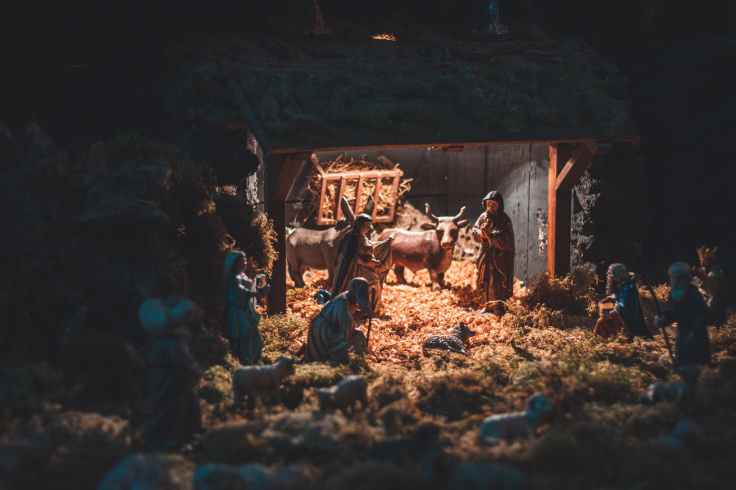
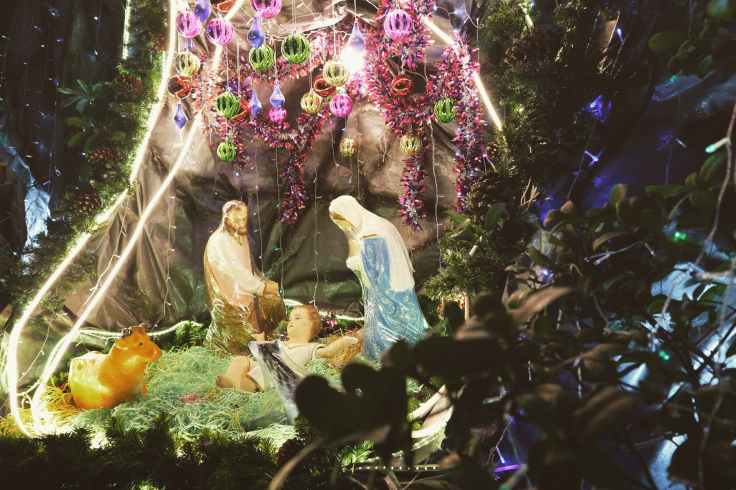
Even in Christ’s birth, it seems like the timing couldn’t have been worse–Joseph and Mary forced to travel far from home, only to find that there was no room anywhere for them to rest. And then– THEN–the labor pains began! It was cold, dark, filthy, lonely, and frightening. And not just that evening: the Romans ruled a significant portion of the world with an iron fist. Jews were not forbidden from worshipping God, but they were heavily taxed, regulated, and watched over by their invaders. This newest census was just another part of the bureaucracy and endless government red tape. It seems like it would be the worst timing ever for Emmanuel to appear.

And yet, Scripture says it was “just the right time” for Christ to come. So what can we discover about this “right time?”

  • God had been silent for 400 years before this– almost exactly the same amount of time the Israelites had been in captivity in Egypt before God sent Moses to lead them out. Coincidence? I’m not so sure…God uses patterns to illustrate concepts. Just as the Israelites had been slaves to the Egyptians, so all of us were slaves to Sin and Death. “And just as Moses lifted up the serpent in the wilderness, so must the Son of Man be lifted up” John 3:14 (New American Standard Bible)
  • The prophets made hundreds of statements about where and how Emmanuel would be born– some seemed completely contradictory; yet they were all fulfilled exactly. Again, this wasn’t a coincidence– God orchestrated events over centuries until it was “the right time” for them to all come to pass. Only God could have coordinated it all–the census, the genealogy of Jesus, Joseph’s hometown, Mary’s contractions coming THAT night in THAT cattle shed, instead of on the road somewhere, or in a private room where the shepherds couldn’t visit…
  • The Jewish people had been in exile off and on throughout the centuries; under Rome, even though they were conquered, most of the Jews who had returned to their homeland were still living there, much as they had centuries before. That wasn’t the case four or five hundred years before– it isn’t even the case today– more Jewish people live outside of Israel than in it!
  • Rome had established its rule over most of the Western World– and with it, they had established a system of roads, common currency, and a complex legal system. All of this played vital roles in the advent of the Savior– from His birth, through His ministry, and even in His trial, death, and the spreading of the Gospel. Before them, the Greeks had established cities and trading centers that would form the basis of the first missionary trips of the Apostle Paul. And they had created a “common” language in which this Good News was first written and spread. Just a few hundred years earlier, the spread of Christianity through letters and traveling ministers would have been much slower, less efficient, and more dangerous. Just a few hundred years later, the Roman Empire would be in shambles; travel would require going through regions separated by differing languages and governments.
  • To me, one of the most fascinating things to imagine is what it might be like if Christ had not come until our own time. First, there would be no Christianity, and none of the work of Christians over the centuries would have been done. But even if we imagine that all of history had unfolded and the present was much as it is, Christ’s birth would not have happened in the same way. Bethlehem would not be under the rule of Rome. In fact, Israel might not even exist; as it is, it exists in hot contention between the Jews, the Palestinians, and their close neighbors in the Middle East. There would be no census, and no need for Joseph and Mary to travel– and certainly not by donkey! There might be “no room at the inn,” but Joseph and Mary would be sent to a homeless shelter, filled with other hapless travelers. The shepherds, seeing angels, might still be filled with fright– mistaking them for missiles! Even so, it would only take minutes for a team of journalists to arrive with cameras, microphones, and commentary! The message of the angels would be dubbed “false” information or “fake news”, as would most of the prophecies about His arrival. “Fact checkers” would “kill” the story, and Mary, Joseph, and all the shepherds and wise men would be “cancelled” or receive threats.

Or not–I can only speculate. But I can say with confidence that God’s timing, even when it seems odd or “wrong” by our limited perspective, is perfect and worthy of our praise. All that seems “odd” or “wrong” about Christ’s coming when, where, or how He did, is just our limited perspective, and our tendency to doubt whatever we don’t understand.

Emmanuel came! He came at “just the right time” to fulfill all the promises and complete His ministry on Earth. Everything happened just as God designed it. And over two thousand years later, we still “Rejoice!” We sing songs, celebrate, and worship. We breathe in Hope, we give gifts, and we cherish the story of Christmas in hundreds of different ways.

This same God has a plan for us today. Throughout our lives, He sends blessings, allows struggles, and patiently stands by, offering help and hope to each of us. There is not a single detail of our lives that escapes His notice or is beyond His capacity or willingness to restore, transform, redeem, or renew.

Emmanuel– God WITH us–at “just the right time!”

How Long?

We are preparing for Advent season. We celebrate the coming of our Savior, and His humble birth in Bethlehem over 2000 years ago. We count down the days with advent calendars, candles, and other traditions. And it can be difficult to wait for Christmas Eve and Christmas Day to come.

But imagine those people who lived BEFORE the Advent…those who held the promise, but had not seen it fulfilled. Imagine waiting an entire lifetime without ever hearing the Good News– He is Here! The Messiah has come!

There are promises and hints and prophecies throughout the Bible in what we call the “Old Testament.” And the New Testament is filled with the story of Jesus’ life, death, resurrection, and rule, as well as the outcome of His mission to bring Salvation and Hope to a darkened world. But in between the two testaments there stretches a period of nearly 400 years when God was silent.

I get frustrated when I have to wait 45 minutes at the doctor’s office! Imagine listening to stories from grandparents and elders about promises made a thousand years before, knowing that there was no word, no glimmer of fulfillment for over a dozen generations or more!

And yet, we celebrate the glory of the fulfillment. And on the strength of that glory, and Jesus’ teachings, we are waiting for His triumphant return. A return that hasn’t come in nearly 2000 years.

The difference for us is that we live in the aftermath of the Advent. He HAS already come. He HAS Risen! He has assured us of His return– with His own mouth, in His own words. How long will we have to wait? Will He return within our lifetime? Christians have been asking this question for almost 100 generations now, but we ask with wonder and hope.

The mystery of Advent has become the mystery of the Revelation. We don’t just celebrate the promise given to Abraham or Moses– we celebrate the ongoing promise of Eternity– past and present and future.

I’m reminded of the classic tale by Charles DIckens– A Christmas Carol– where Ebenezer Scrooge is visited by three spirits. He is transported to his own past, sees the present through a different lens, and gets a terrifying glimpse into the future he can expect if he does not repent of his ways. So much of the tale is dark and foreboding, but the ending is rapturous– almost literally. Scrooge’s life has been a narrow life, filled with bitterness, greed, and fear. He spends much of his Christmas Eve adventure wondering about time– how long has Marley been dead? Why appear to Scrooge now? How long before the next spirit will appear? How long will Tiny Tim live? How long has he been haunted– has he missed Christmas Day? Does he still have time to change?

How Long? Ebenezer Scrooge never gets a clear answer about his own future– how long does he have to live? How long will Tiny Tim survive? At first, he is not even sure he HAS survived the night. But he DOES get a clear picture of the glory of hope; the value of time; the joy of promises made and kept; and the true riches of redemption.

We have just under four weeks before we celebrate Christmas Day. In this season of Advent, may we use our time to reflect and rejoice in the promise that was fulfilled so long ago, and in the promise that awaits us for all eternity!

The Sweetest Frame…

I have several friends who are really great at photography– some have made it their profession. One of the hallmarks of a great photograph is “framing.” I’m not talking about choosing a frame for a printed photograph, but choosing natural elements that draw the eye to a focal point. It include perspective, focus, lighting, and even composition– which elements make it into the picture, and which ones are excluded. After all, photos, by their very nature, only show part of the whole reality. Even a panoramic picture cannot show everything at once, and the photographer chooses where s/he wants to place the focus and framing.

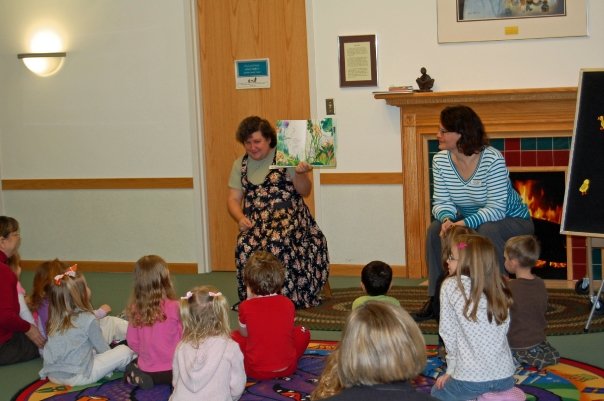
We have a tendency to “frame” our lives in a similar way. We focus on only part of the whole reality of life. We choose to “frame” our present situations, our past memories, and our future hopes– even when they are out of focus! We can do this in both positive and negative ways. At one point in my life, I felt I had found “the perfect job” as a youth services librarian at a local public library. It was pleasant work that made use of my skills, talents, and interests. It included a mixture of social interaction and self-directed projects. I loved the job, my co-workers, our patrons, the work environment–it was a pleasure and an honor to work there.

Library Story Time

But I was viewing my job (and myself in that job) through a frame. There was more happening in the wider picture of my life and development. After more than a dozen years there, things had changed. I still loved the work, and while some co-workers retired or moved, and the staff changed a bit, the work environment was still mostly peaceful and friendly. I still found the job challenging and rewarding, and I had gotten to know people in the community over the years who truly felt like family. But, as my role changed, so did some of the relationships. As new leadership came, so did new directions and new priorities. And I had become “comfortable”– and somewhat complacent as well.

In time, it became clear that my “perfect” job was not only not perfect, but becoming a source of frustration, stress, and unhappiness. And there were other things happening that demanded my focus. I was preparing to become a wife and move to a new community. My mother’s health was deteriorating, demanding more of my time and energy. My future husband wanted to open a shop– someone would have to work there, and we couldn’t afford to hire anyone, even part-time. That meant working a second job at the shop while trying to maintain my efforts at the library.

As the “frame” of my life shifted, I felt confused, even angry, with God. Why would He allow something so good to turn sour? Why did I feel like I was losing myself? Didn’t He want me to be happy and fulfilled? Didn’t He want me to use my talents to help others?

Now, after a few years’ perspective, I can see some of the “rest” of the picture. I had begun to see myself through the lens of my job, and I was depending on that vision, rather than focusing on what God was doing in, around, and through my life. There was nothing “wrong” with my job, per se, but God needed me to be willing to let go and move in new directions. Now I am preparing for another change, as we have decided to close our shop, and I will look for the next step– a new job, new opportunities, new challenges.

My nation just went through a contentious election. Many people are upset at the outcome, while others are relieved. But just as it happened with my job, I need to be careful NOT to depend on politics and governments to be “saviors.” No political party or platform or policy can “fix” sin and brokenness. The “system” isn’t the root of the problem. As individuals, we need to submit ourselves to the authority of those in government, but only AFTER we submit to the authority of God. HE is the King of Kings, the Lord of Lords, and His power exceeds that of Presidents, Cabinets, Congresses. Our nation must prepare for new challenges, as well as new opportunities.

I write all this, knowing that there are people going through much more traumatic “shifts” in their lives– the changing of a government administration, with its unknown power and potential can be worrying; the loss of a job, and a change of career is a disappointment. But it is not the same as the loss of a spouse or child, the sudden loss of a home to fire, or an unexpected diagnosis of cancer or other health issue. But the principle is not so different. God’s ways are eternal. Sometimes, we see the uncertainty and trauma in front of us, or surrounding us, and it becomes a frame for all of our thinking and emotions. But the “picture” is much bigger than just our immediate situation. God calls us to trust Him in all circumstances, knowing that His love for us is not just for this life, but for all eternity. Whatever we (or our loved ones) go through here is but a snapshot– one of millions that God will put together in a Glorious and Perfect collage.

Moreover, God gives us the privilege of listening to us when we call out to Him. We need not be afraid to ask, “Why this?” or “Why now?” or even “Why me?” But when we ask, we need to be willing to shift our focus, and remember where our Hope is Built– On Christ the Solid Rock. Even the sweetest “frame”– our career, our relationships, our identity, our politics, our happiness in this life– cannot compare with His faithfulness and eternal Sovereignty.

What If?

As I am writing this, people in my country are voting or preparing to vote in a Presidential election.  Many of them are voting in fear, confusion, or anger, and asking, “What if my candidate/cause/political party doesn’t ‘win’ today?”  “What if I voted for the ‘wrong’ policies or people?”  “What does the future hold?”

These are not uncommon or unrealistic questions, but they are questions that can waste our time and sap our energy in hypothetical posturing.  The writer of Ecclesiastes says:

alone beach calm dawn

Ecclesiastes 11:1-6 King James Version (KJV)

11 Cast thy bread upon the waters: for thou shalt find it after many days. Give a portion to seven, and also to eight; for thou knowest not what evil shall be upon the earth. If the clouds be full of rain, they empty themselves upon the earth: and if the tree fall toward the south, or toward the north, in the place where the tree falleth, there it shall be. He that observeth the wind shall not sow; and he that regardeth the clouds shall not reap. As thou knowest not what is the way of the spirit, nor how the bones do grow in the womb of her that is with child: even so thou knowest not the works of God who maketh all. In the morning sow thy seed, and in the evening withhold not thine hand: for thou knowest not whether shall prosper, either this or that, or whether they both shall be alike good. 

woman wearing grey long sleeved top photography

It is not wrong to wonder about the future, but we cannot be sure that our actions will always produce the results we long for– especially when we have little control over other people’s actions and consequences.  The first two verses of this passage warn us not to “put all of our eggs in one basket”.  As free citizens in a democratic republic, we shouldn’t put our trust in any one political party, platform, or politician.  Nor should we live in a social or political “echo chamber”, listening only to the views and ideas with which we feel most comfortable, or least challenged.  However, we should look at the long-term consequences of proposals and the reasons behind them before we promote change just for the sake of it.

The third verse reminds us that some changes and events are beyond our knowledge or control.  It’s not that our vote “doesn’t make a difference” or that we’re on “the wrong side of history”– it may mean that history has taken a detour surrounding a certain issue.  It may mean that God is allowing for something we have not imagined (as He did in the days of Habakkuk). Get some great “Insight” into the Book of Habakkuk here.

aerial photo of buildings and roads

But there is more wisdom to come in verses 4-6.  Waiting for certainty of outcome, or being distracted by our circumstances or every “wind of change” can lead us to miss the very real opportunities for present action.  God has given us everything we need (see 2 Peter 1:3-5) for godly living and godly decision-making.  That doesn’t mean that our decisions will always reflect popular “wisdom”; it doesn’t even mean that our decisions will be the same as all other fellow believers and followers of Christ.  It DOES mean that we can make our decisions without fear.  God knows us– He understands your heart and mind better than anyone; He knows why people who agree on spiritual matters may not agree on politics.  But more than that, God KNOWS the future!  He knows all the things that we merely guess at.  So we should act in the present with the best information we have, and leave the rest to the God who knows best.

girl wearing blue denim dress shirt

Modern politics relies heavily on conjecture– polls, predictions, pledges, projections, plans, and campaign promises.  But God is still sovereign over all nations, governments, and peoples.  Instead of asking, “What if..” we should be asking of God, “What now?!”   And we need to be ready to listen and obey!  Let’s pray today for the wisdom to listen more, act with confidence, and trust our future to the one who has already seen it!

Of Spiders, Skeletons, and Saints

(NOTE: this post has been revised from three years ago.)

Just before writing this, I found a spider crawling on my shoulder. I’m not a big fan of spiders. This one wasn’t huge or furry or anything, but it startled me. I didn’t scream, but I did jump, and frantically brushed at my shoulder, and then stomped on the spider a couple of times for good measure as it tried to crawl away.

Spiders are not uncommon. They eat other annoying insects, and many are not harmful to humans. But they are “creepy.” They have all those legs and eyes and they hide in corners and drop down from ceilings. Some of them jump and some bite. There are a lot of “creepy” creatures in this world– spiders and snakes, rats and lizards, worms, and bats, and scorpions, roaches and fleas, and more. “Creepy” critters startle us; they scare us in the ways that they move, in the noises they make, and in the threat of danger– diseases, poisons, filth…

This time of year it is not unusual to see “creepy” creatures in movies and decorations and costumes for Halloween. Another type of “creepy” sighting involves things associated with death or near-death– ghosts, zombies, skeletons, ghouls, vampires…Their creepiness comes from the idea that Death has power over the living. The idea that Death stalks among us causes fear. Death is an enemy we cannot conquer. Everyone has to taste death and the unknown that follows. Everyone has a skeleton in life, but a skeleton walking without muscle or skin is terrifying to us. Everyone has a soul, but a soul without a body (or a body without a soul) makes us fearful–will that be our fate? What kind of existence would that be?

I am not a big fan of “creepy” stories and horror flicks. I don’t like being frightened for entertainment, and I have never understood why such things appeal to others. Recently, though, I heard from someone an explanation that made me think. They said, “I enjoy watching horror films and reading scary books because I know, no matter how scary it gets, that Good will always win out in the end.” Well, all right. I still don’t want to watch spooky stuff, but I can agree with the sentiment of the speaker.

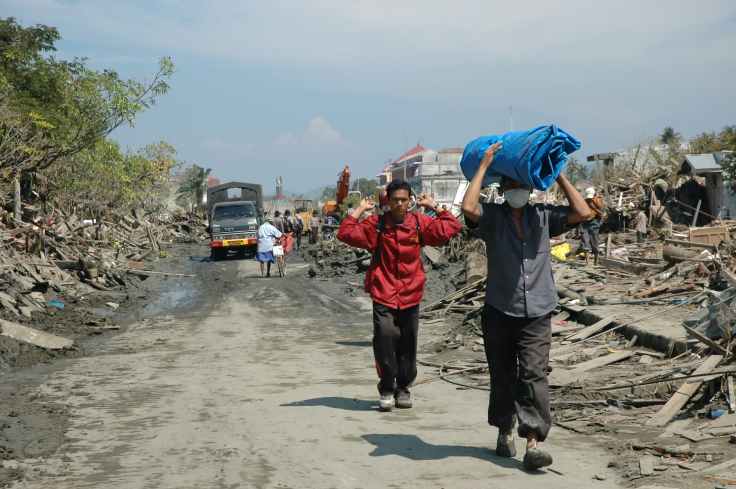
Not all frightening things in this world are “creepy.” Cancer, blindness, aging, loss of a loved one, job loss, homelessness, loss of reputation, betrayal, false arrest, slavery to addiction, abuse, starvation–all are scary realities that can leave us overwhelmed, afraid, and even feeling hopeless. Nothing we can do will eradicate the threat of hardship, suffering, and death that await us all. We can make plans to “cheat” death, or build walls against getting hurt or suffering loss. But we cannot banish the threat or the fear of “what if..”, nor can we slay Death.

The Good News is that Death doesn’t win in the end. Death seems like the final word, but we can endure even this, knowing that “Good will always win out in the end.” God has not destined us to be skeletons, ghosts, or zombies, but to be saints–awakened to new life, cleansed of all sin and disease, and eternally Alive in Him! I can be startled by the spider, “creeped-out” by a skeleton, and knocked down by a debilitating disease. But I can turn the page, open my eyes, look up, and keep going, knowing that God is on His Throne.

And there’s more good news–Life, Hope, and Love are always with us. No spider, skeleton, sickness, or other threat will ever find us alone; none will ever take God by surprise; nothing can separate us from God’s Loving Care.


18 And Jesus came and said to them, “All authority in heaven and on earth has been given to me. 19 Go therefore and make disciples of all nations, baptizing them in the name of the Father and of the Son and of the Holy Spirit, 20 teaching them to observe all that I have commanded you. And behold, I am with you always, to the end of the age.”

Matthew 28:18-20 (ESV)

Cast all your anxiety on him because he cares for you.Be alert and of sober mind. Your enemy the devil prowls around like a roaring lion looking for someone to devour. Resist him, standing firm in the faith, because you know that the family of believers throughout the world is undergoing the same kind of sufferings.10 And the God of all grace, who called you to his eternal glory in Christ, after you have suffered a little while, will himself restore you and make you strong, firm and steadfast. 11 To him be the power for ever and ever. Amen.

1 Peter 5:7-11 (NIV)

6 Be strong and courageous. Do not be afraid or terrified because of them, for the LORD your God goes with you; he will never leave you nor forsake you.”

Deuteronomy 31:6

6 So we say with confidence, “The Lord is my helper; I will not be afraid. What can mere mortals do to me?”

Hebrews 13:6

38 For I am convinced that neither death nor life, neither angels nor demons, neither the present nor the future, nor any powers, 39 neither height nor depth, nor anything else in all creation, will be able to separate us from the love of God that is in Christ Jesus our Lord.

Romans 8:38-39 (NIV)

Nothing to Fear But Fear Itself

When I taught public speaking in a local public high school several years ago, we had an entire unit on “stage fright.” Studies showed that the fear of public speaking ranked right alongside the fear of death! But why? Why are we afraid to speak in front of a group? Especially a group of our peers?

It turns out that stage fright has two perfectly logical and definable causes: first is the desire to do well/be successful/be understood, appreciated, and accepted. But this natural desire collides with the realistic possibility that we will make a mistake, or that something will happen to keep us from being understood (like a problem with microphones, or interruptions), or that our message will not be accepted or appreciated. Neither of these thoughts, individually, is unreasonable. But the more we exaggerate them, the less our brain can process the duality. We cannot guarantee that all will go perfectly, nor can we assume that all will go horribly wrong. But the more we worry about all the things that MIGHT go wrong, the more we create stress. Ironically, the stress and fear we generate often leads to mistakes we otherwise might NOT have made!

Part of combating fear, then, is to acknowledge that we want to do well– our best, in fact– in spite of whatever circumstances we might face. Instead of exaggerating what MIGHT go wrong, we must put more energy into what we can control, practice, and mitigate. We also have to stay realistic about what we are likely to achieve in our efforts. This is especially true in a situation where we face an unknown or potentially hostile audience. Our goal is to do the best we can with what we have, not worry about achieving the impossible or controlling what is beyond our ability to control.

I was thinking about this recently as I watched several political candidates in debates, town halls, interviews, and even in their TV ads. Many of them show fear, and even a bit of panic over questions from interviewers, reactions from audiences, and attacks from their opponents. It can be nerve-wracking to face “gotcha” questions from an interviewer– questions that ask you to defend or explain things you said years ago or actions you took under different circumstances. But it can also be an opportunity to clarify a position, show growth and how to learn from past mistakes, or create healthy discussions.

The same holds for Christians who face a hostile or unknown audience for the Gospel. We can be very fearful of sharing the Good News if we allow ourselves to fall into worry and negative thinking. We can face “gotcha” questions from opponents– “Why does a ‘Good’ God allow Evil and suffering in the world?” “Why does God send people to Hell?” “What about good people who die without hearing the Gospel?” “I know you. You’re not perfect. Who are you to judge me?”

But the truth is that God hasn’t asked us to have all the answers to “gotcha” questions. He hasn’t asked us to produce “mic-drop” moments in which we stun our opponents into humiliation. But we ARE to be ready, willing, and able to defend– and let’s be clear about this– OUR hope in the Gospel. It is not our job to force everyone around us to accept a particular doctrine, or set of beliefs. It is not our job to make others change their minds or hearts. It IS our job to testify to the Goodness that God has shown to us– even while acknowledging that we continue to suffer in this life– not to explain away God’s actions or other people’s experiences. We don’t have to be out there winning arguments. We just have to be prepared to Speak UP!

The Apostle Peter seems not to have suffered from “stage fright.” He always spoke out– and sometimes regretted it later! But he gives us this wise advice in his first epistle:

 If with heart and soul you’re doing good, do you think you can be stopped? Even if you suffer for it, you’re still better off. Don’t give the opposition a second thought. Through thick and thin, keep your hearts at attention, in adoration before Christ, your Master. Be ready to speak up and tell anyone who asks why you’re living the way you are, and always with the utmost courtesy. Keep a clear conscience before God so that when people throw mud at you, none of it will stick. They’ll end up realizing that they’re the ones who need a bath. It’s better to suffer for doing good, if that’s what God wants, than to be punished for doing bad. That’s what Christ did definitively: suffered because of others’ sins, the Righteous One for the unrighteous ones. He went through it all—was put to death and then made alive—to bring us to God. 1 Peter 3:14-18 (The Message)

Peter doesn’t give us a false promise that everyone will like us or accept our message. In fact, he makes it clear that even Jesus was rejected and suffered at the hands of those who heard the truth from His own lips! Our goal is not to force someone else to accept the truth– but to testify to the truth as we know it, understand it, and live it out. We are not the ones who will judge who goes to Heaven or Hell. We are not the ones who wrote the Law. But we speak of these things because we hold them to be eternal, vital truths. Our job is to let Christ speak through us– not just in our words, but in our Christlike attitude and actions.

We don’t have to fear the crowds– though they may pose very real dangers. We don’t have to fear even those who oppose or oppress us. If we are following our Savior, the only thing in this world to fear…is fear itself.

“Lord, today, I ask for a heart of joy and boldness as I prepare to have an answer for those who would question my Faith and Hope in You. Help me to remember how much You love them, even if they are not willing to accept my words or actions. May I speak to them as You would– with unwavering truth, and unwavering compassion. Thank you for the reminder that you have not given me a ‘spirit of fear, but of power and of love and of a sound mind.’ (2 Timothy 1:7 New King James Version) Keep my mind focused on You and immune to fear. In Jesus’ name, AMEN!”

Praying For Justice

There are a lot of unjust things in this world. And there are a lot of things that seem unjust to us, even when we know they will happen; even when we know they are part of God’s will.

Death seems unjust. So does disease. Poverty seems unjust. Natural disasters seem unjust. Yet they are the just consequence of sin. All have sinned; all must die. Sin causes an imbalance in God’s world– therefore, nature acts in ways that cause disasters and disease. Poverty stems from many sources– greed, laziness, theft– and while some of them may be caused by our own sin, many of the causes stem from the sin of others. And justice is usually beyond our ability to exact.

It is deep in the human heart to cry out for “justice.” But most of the time, we only want what we think is fair or proper from our own outlook. And we want it “NOW!” We want things to be simple and convenient. We want to be justified. We want to be “right” and to be “rewarded” for being so.

Jesus told an interesting parable in the book of Luke. It concerns a widow who was denied justice by a corrupt judge. Even though her case had merit, he would not hear it. He was not interested in giving her justice. But she persisted. She finally annoyed him so much that he gave her what was rightfully hers.

18 And he told them a parable to the effect that they ought always to pray and not lose heart. He said, “In a certain city there was a judge who neither feared God nor respected man. And there was a widow in that city who kept coming to him and saying, ‘Give me justice against my adversary.’ For a while he refused, but afterward he said to himself, ‘Though I neither fear God nor respect man, yet because this widow keeps bothering me, I will give her justice, so that she will not beat me down by her continual coming.’” And the Lord said, “Hear what the unrighteous judge says. And will not God give justice to his elect, who cry to him day and night? Will he delay long over them? I tell you, he will give justice to them speedily. Nevertheless, when the Son of Man comes, will he find faith on earth?”
Luke 18: 1-8 (ESV)

Jesus does not mean to imply that God is like the unjust judge. God does not close His ears to our cries for justice; But He also does not see our situation from our point of view. God WILL allow our loved ones to die. He may hear our prayers for temporary healing, but He will not prevent us from all grief or loss. And we may have to live through disease, poverty, and other circumstances that seem unfair or unjust– at least for a while.

Jesus is reminding his disciples (and US!) that God not only hears our prayers, but He cares about our needs, and He hates injustice even more than we do. God will not just act reluctantly to bring about justice for one widow. God will end the sting of death, the corruption of sin, and the need to cry out for justice once and for all. And even in this life, He can and often will give us miraculous answers to our problems with injustice. But there is a caution at the end of this parable. Do we have faith? I don’t mean the kind of faith that hopes and wishes that everyone in a particular situation will “get what is coming to them.” Nor is He talking about a faith that says, “God helps those who help themselves.” Rather, Jesus is talking about a faith that lifts up a situation to Him, knowing that He– and He alone– WILL keep His promises in His time and in His fashion. The kind of faith that can rest secure in knowing that “HE WILL DO IT!”

Are you trusting for justice today? Are you still waiting? Don’t stop praying. But more importantly, don’t stop believing!

Out of the Same Mouth

Likewise, the tongue is a small part of the body, but it makes great boasts. Consider what a great forest is set on fire by a small spark. The tongue also is a fire, a world of evil among the parts of the body. It corrupts the whole body, sets the whole course of one’s life on fire, and is itself set on fire by hell.All kinds of animals, birds, reptiles and sea creatures are being tamed and have been tamed by mankind, but no human being can tame the tongue. It is a restless evil, full of deadly poison. With the tongue we praise our Lord and Father, and with it we curse human beings, who have been made in God’s likeness. 10 Out of the same mouth come praise and cursing. My brothers and sisters, this should not be. 11 Can both fresh water and salt water flow from the same spring? 

James 3:5-10 NIV via biblegateway.com (emphasis added)

‘We have two ears and one mouth so that we can listen twice as much as we speak.’

Epictetus (Greek philosopher)

Have you ever made a tape of you speaking, and played it back to listen to yourself? Or have you had someone remind you of what you said earlier in the day or week? Have you been astonished to hear what came out of your mouth (or how someone else interpreted your words)? James, the brother of Jesus, had much to say about the dangerous power of an untamed tongue. “Fire”, “poison”, “corrupt”, “restless”, “evil”, and “deadly” are harsh words, but we should heed James’ warning.

Out of the same mouth come praise and cursing…
Out of the same mouth come worship and complaining…
Out of the same mouth come encouragement and gossip…
Out of the same mouth come blessings and bitterness…
Out of the same mouth come hymns of heaven and threats of hell…

And it’s not just our mouths, anymore. I see (and have seen it in my own feeds) posts on social media that make me wonder if the person posting is aware of what they posted just minutes or hours before–rants and boasts, complaints and smug condemnation sprinkled with Bible verses about Peace and Love, and pictures of puppies. We copy and paste, write and speak “in the moment” out of the emotions and thoughts that we allow to govern us. And while we may forget our momentary outbursts and random sarcastic comments, others do not. God does not ignore them, either. He can and will forgive them, but He isn’t “fooled” by our gracious cover-ups and flowery quote boxes.

Especially in this election season, it is tempting to let emotions and “righteous” indignation cause us to speak or post in ways that show disrespect, disdain, and even hatred toward neighbors, co-workers, and (yes, possibly) relatives who may vote differently or for different reasons than we do. We hurry to post or “share” clever put-downs or preachy thoughts about what others should “know” or how they should think and act. But would we say such things in person? Do we really mean to hurt others in our quest to be “right” or clever or morally virtuous in the eyes of a few people we barely know?

When I pray today, I need to “listen” to what I’ve been saying lately. Do I need to deal with hidden anger or resentment? Do I need to confess (both to God and to someone else) about gossip? Do I need to reconsider the way I speak about my relationships and my achievements (and failures!)? Do I need to stop following or sharing certain sites or content? Do I need to spend less time talking and posting than listening and praying?

The same mouth that praises God should be speaking life, peace, healing, and hope to those around me. The same mouth that promises to follow Christ, should promise to reach out to those for whom He died. The same mouth that gives thanks for Salvation should be eager to share the Good News.

The tongue is powerful–whether as a weapon or a tool; whether controlled or out of control. God wants to teach us to use it as a tool for good. Not just when we pray, or worship, but every time we use it!

Anywhere…

Anywhere! Anywhere!
Fear I cannot know;
Anywhere with Jesus I can safely go!

I was reading in the Psalms the other day, and I fell on one of my favorites, Psalm 139:

 O Lord, you have searched me and known me!
You know when I sit down and when I rise up;
    you discern my thoughts from afar.
You search out my path and my lying down
    and are acquainted with all my ways.
Even before a word is on my tongue,
    behold, O Lord, you know it altogether.
You hem me in, behind and before,
    and lay your hand upon me.
Such knowledge is too wonderful for me;
    it is high; I cannot attain it.

Where shall I go from your Spirit?
    Or where shall I flee from your presence?
If I ascend to heaven, you are there!
    If I make my bed in Sheol, you are there!
If I take the wings of the morning
    and dwell in the uttermost parts of the sea,
10 even there your hand shall lead me,
    and your right hand shall hold me.
11 If I say, “Surely the darkness shall cover me,
    and the light about me be night,”
12 even the darkness is not dark to you;
    the night is bright as the day,
    for darkness is as light with you.

Psalm 139: 1-12 (ESV)

This portion of the Psalm speaks of God’s Omnipresence. But often, when I read it, I read it from a negative viewpoint. It speaks of hiding from the Lord…it is impossible to escape the Lord’s presence and His omnipotence. I cannot hide my thoughts or deeds or feelings from God’s all-seeing, all-knowing presence. And this is a good thing in the end. But what about when I am not trying to escape from God, but some other threat– guilt, pain, heartbreak, or even death?

God’s omnipresence is also a metaphysical reality in a very positive sense. I cannot stray outside of God’s presence. He will not remove it from me; He will not hide from me. He will never send me into ANY situation where He is NOT already there, and where He will NOT be with me.

I know this. But I needed a reminder today. God will be with me on my best days, and on my worst. He will be with me in sickness or depression, or celebration and strength. He will be with me whether I am “alone” or surrounded by strangers. He will be with me in the darkness where I can’t see anything, as well as in the blinding bright lights of an operating room, or the eerie haze of a foggy morning.

Wherever I am, God is figuratively holding my hand; He is hemming me in all around. I am protected and supported by His Almighty Right Hand. When I am tempted to doubt– He is there! When I am distracted by the din of other voices– He is there! When I have turned my back on Him– He is STILL there; waiting for me to turn back!

I don’t know where I will have to go today. It may be to the grocery store; it may be halfway across the world…I may be called to do unexpected things, to go in an unexpected direction, to turn a frightening corner or face an unknown foe. But I can go anywhere with confidence– not in MY wisdom or abilities or strength– God is WITH me. God goes BEFORE me and BEHIND me. God is OVER me and UNDER me, and all AROUND me.

Recently, there was a news story about a submarine with passengers who were going to visit the wreck of the Titanic. Tragically, the submarine failed and their lives were lost. Just like the passengers over 100 years earlier, they were far from any human help. But God was there. I don’t know if any of the passengers were believers, but if they were, they could face their last earthly hours in confidence and peace that passes human understanding– God was there. Even though their bodies were not saved from this tragedy, their spirits were never out of God’s reach; their hearts were never lost to God’s loving gaze.

May we rest in that assurance today. There is no place on Earth– or in or over or under the Earth!– where God does not watch over us. The going may not be pleasant. It may be dangerous or even deadly. But we– our soul; our spirit– can go anywhere without fear. We can face the transition from life to death with calm assurance. We can face the empty threats of Death and the Grave without flinching. We can face our fears, and defeat them, when we trust that God’s presence in constant and completely sufficient.
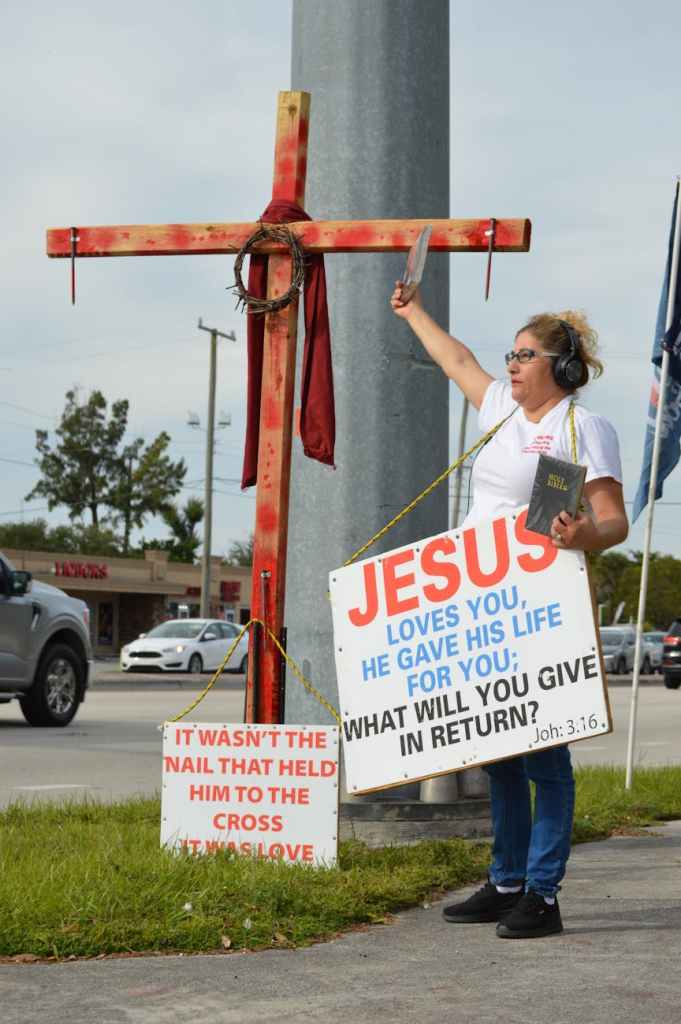
Praying With Confidence

I had a surprise last week. Something I had prayed for– arrived early! Why was I shocked? Hadn’t I prayed about this very thing? Did I think God was too busy to hear my prayer? Or not powerful enough to answer?

Sometimes, when we pray for things, we have a high expectation that God will answer our prayers exactly as we wish. But other times, we pray hesitantly, as though we are asking too much, or asking for the wrong thing. You see, I wanted a certain book order to be delivered in time for us to take the books to a Ham-fest, where we could resell them. But I had waited to order them until nearly the last minute. So my prayers were made with the fear that God’s will might not align with my own. I was surprised and delighted when the books came a day earlier than I expected!

Not only was I surprised by the early arrival of the books, I was surprised to realize that I had been praying without the confidence that God would answer. I knew He COULD answer my prayer. But I wasn’t sure that He SHOULD answer my prayer. After all, if only I had ordered sooner, I should have expected the books to come in time. I didn’t “deserve” to have God answer the prayer above and beyond my expectation…

And this is a horrible way to think. God doesn’t give us what we “deserve.” And, to be clear, He won’t give us what goes AGAINST His will. If I were to steal books in order to resell them, that would NOT be an answer to prayer. But God WANTS to bless us! His ways are not our ways, so sometimes, He “blesses” us in ways we don’t see or understand. But God is a good, good Father.

We don’t have to pray in fear. We don’t have to worry that we are asking for “too much.” We can pray in confidence– even knowing that God may not answer in the way we hope or expect. And we shouldn’t be surprised when God answers in good, and even miraculous ways that go beyond our hopes and expectations!.

“Father, thank you for being so Good and so Faithful in answering prayer. Whether little concerns or big problems, I can trust You to do what is best and to meet my needs. Help me to trust you even more in every area of my life.”

Blog at WordPress.com.

Up ↑