This Little Light..

Many Christians are celebrating Advent by lighting candles. So I thought I’d just mention a couple of quick thoughts about how prayer is like a candle:
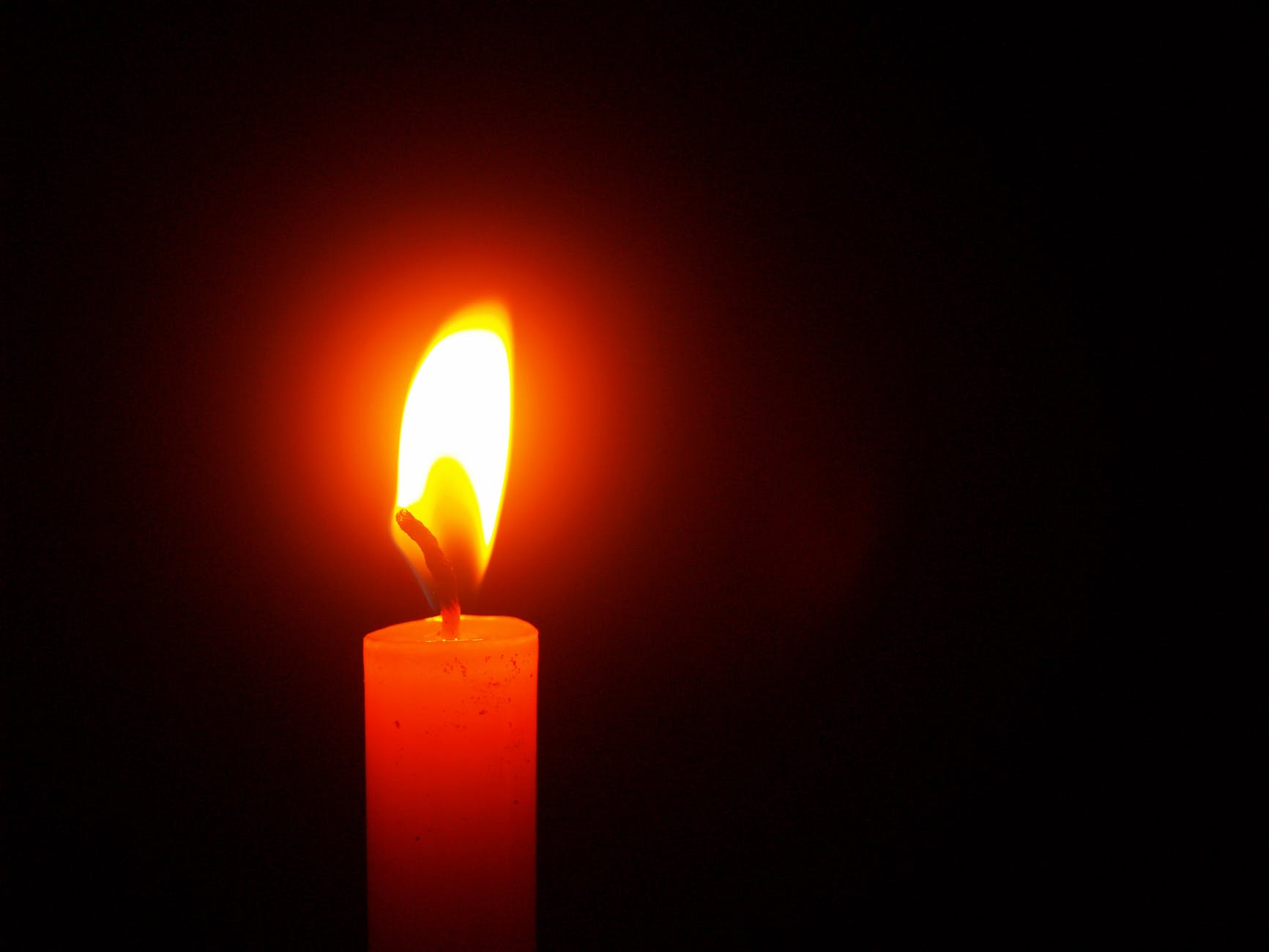
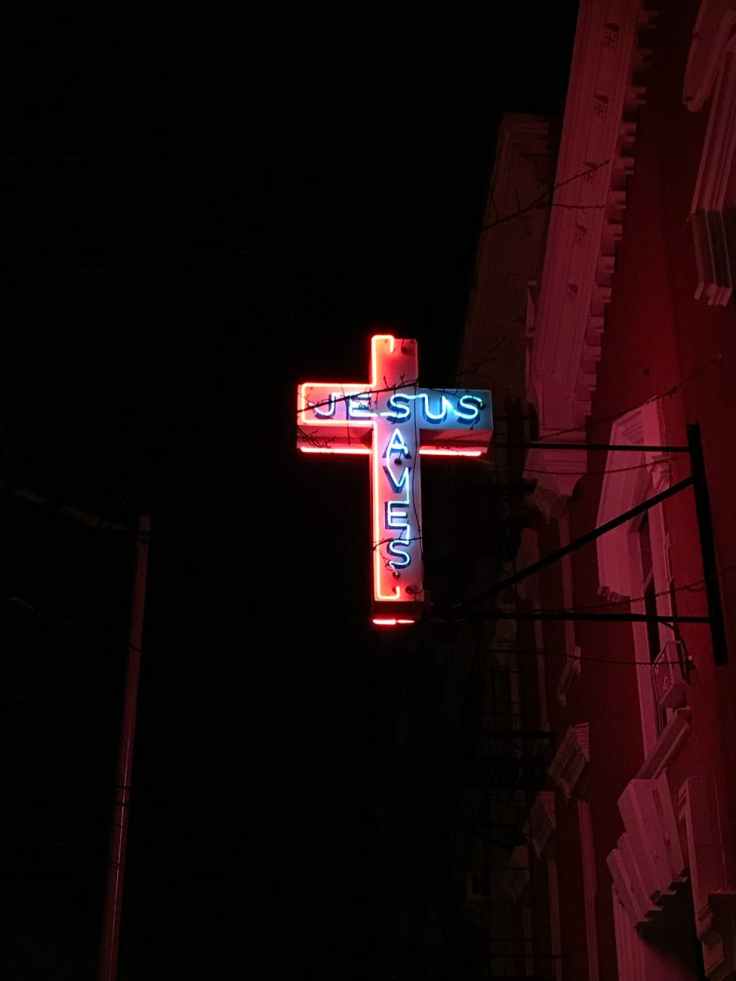
Even a small candle can provide enough light to make a real difference in the darkness. Sometimes, we feel our prayers are small and ineffective, like a single candle in a dark room. But a single candle can pierce the darkness and offer hope and focus and even warmth where there was none before. In the season of Advent, we light candles to mark the weeks of waiting for the One who is the Light of the World to come into the darkness. His light was enough to save the world from the darkness of Sin and Death. And it is This Light who hears our prayers and intercedes for us. It is This Light who empowers us to share hope and love where it is most needed right now, right where we are.
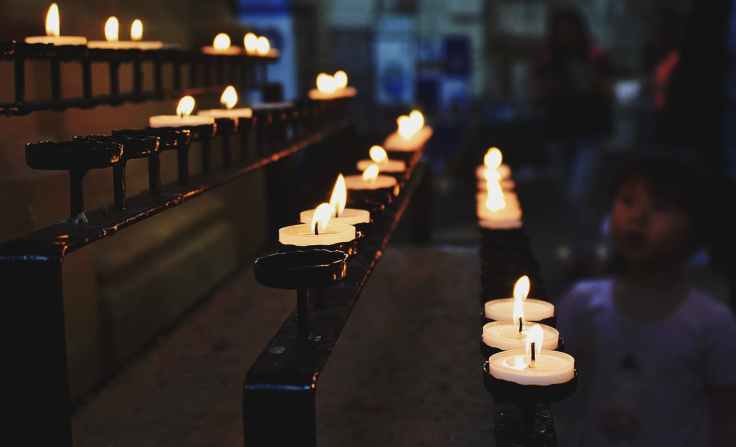
We are never a single candle! Not only do we have Christ living in us, and His Holy Spirit empowering us; God’s people around the world, through all places and times, are praying. Imagine seeing a single candle at the end of darkened room. Now, imagine how much brighter to see a long table lined with a row of candles, or a room lit by chandeliers and wall sconces with dozens of candles. Even if they are spread out– especially if they are spread out– they will fill every corner of the room with light and warmth. This is one of the reasons it is so important to pray for believers around the world, and to pray with other believers, through prayer nets, prayer meetings, prayer lists and blogs, and prayer journals.

Our prayers are powerful. Not because of our “candle”, but because of the light God provides when we pray
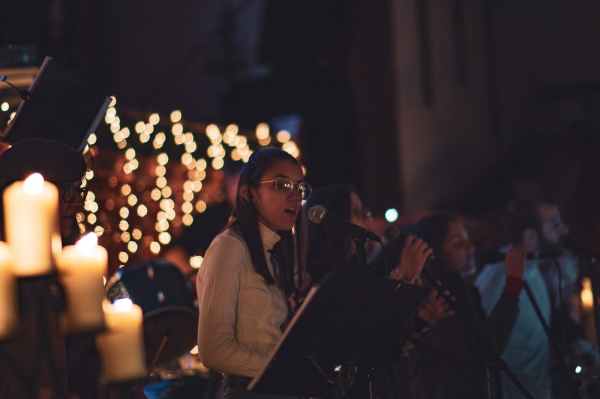
Let No Tongue On Earth Be Silent..

“O ye heights of Heav’n, adore Him,
Angel hosts His praises sing.
Pow’rs, dominions, bow before Him,
And extol our God and King.
Let no tongue on earth be silent,
Ev’ry voice in concert ring,
Evermore and Evermore!”

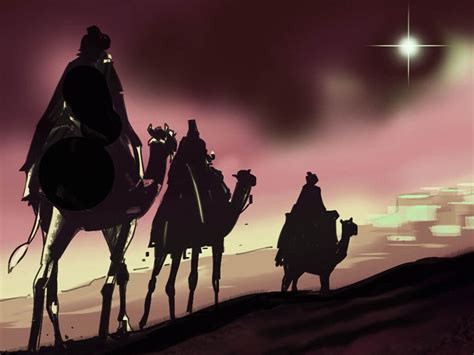
“Silent night, Holy night…” Tradition has it that Christ was born on a cold and silent night. The Bible doesn’t exactly say when he was born. It does say that the angels appeared to shepherds who were keeping watch over their flocks by night; and that the wise men of the East followed a star to find the newborn King. But the Bible doesn’t talk about the night being unnaturally silent or cold– these are details we’ve added to the story that may or may not be accurate.

But one thing is certain– whatever silence may have settled over Bethlehem near the time of Christ’s arrival; whatever lull in the hustle and bustle of the busy city’s streets–there was no silence among those who heard the good news of His birth. From the singing hosts of Heaven’s angels, to the excited voices of the shepherds, the inquiring whispers among the wise men, and the nervous recitations of the prophecies among Herod’s advisors, Christ’s birth was met with a symphony of reaction.

And so it continues–as Christmas Eve and Christmas Day approach, hymns will be sung, rich with words like “Hallelujah,” “Joy, ” “Blessed,” “Adore,” “Savior,” “Lord,” “Wonder,” “Glory,” “In Excelsis Deo,” “Redeemer,” “King,” and “Emmanuel!” From every nation, and in every language, praise and worship will erupt from homes and churches. And this is in addition to prayer and worship that rises in an unbroken stream around the globe each day, every day.

Even during this time of Advent, when we spend some time in silent reflection, we await the music and joyful sounds of Christmas. And we have songs for this season, too. Songs and prayers as we think abou the glory to come.

It fills me with wonder to think that at any given moment, someone, somewhere, is praying and praising our Wonderful God. But millions of tongues are silent– even on Christmas–in response to God’s Everlasting Love and Grace. There are millions, even billions of tongues that will greet Christmas Day without wonder, without hope, without joy. Billions who will grumble about the weather, or the outcome of a sporting match, or their family relationships. Tongues that might be singing will be mumbling, boasting, yelling, or complaining this season.

Someday, “no tongue on earth” will be able to keep silent in response to the Messiah. “Every knee shall bow, in Heaven and on earth and under the earth, and every tongue confess that Jesus Christ is Lord, to the glory of God the Father.” (Philippians 2:10b-11 NIV)

Can you imagine a choir made up of every single human being–“every voice in concert”– declaring the worth and majesty of God’s Holy Lamb?! This babe born to be the Prince of Peace; this Only Begotten of the Father; our Emmanuel– He is worthy of such a concert! Let NO TONGUE on Earth be silent! Let us Extol Him! How Great Our Joy!!

God Is Not Dead, Nor Doth He Sleep..

It was almost 160 years ago, during the darkest days of America’s Civil War, that Henry Wadsworth Longfellow wrote a poem “Christmas Bells” that would become the Christmas Hymn, “I Heard the Bells on Christmas Day.” His son had been badly wounded in battle; his wife had died just a few years earlier, and the nation was in ruins and chaos. No one knew how much longer the war would continue or what the final outcome would be; Longfellow did not know if his son would live, or if he would be paralyzed for life. As he listened to the bells of Christmas ringing from church towers, he poured out all his doubts and fears in verse. Yet he concluded, “The Wrong shall fail, the Right prevail, with peace on earth, good-will to men.”

Christmas is not just a celebration of “comfort and joy” that comes from tinsel and lights, cozy fires, or gifts under brightly lit trees. Christmas is about Hope in times of darkness. It is about promises kept; prophesies fulfilled, victory assured, even when it looks as though the Enemy has the upper hand.

It is horribly tempting in troubled times to wonder and question God’s ways– does He hear? Does He see? Is He asleep? Does He exist? How can a “good” God allow such suffering and pain? And like Longfellow, we listen to our circumstances, and they seem to drown out the message of Christmas– “For Hate is strong, and mocks the song of peace on earth, good-will to men.” The cannons of yesteryear may have been replaced with 24-hour news cycles or Facebook news feeds, with protests and terrorist attacks; war and political corruption; social tensions and economic turmoil, but the noise is still the same. There is hatred, deceit, destruction, and doubt in our world–it was present during the Civil War; it was present during the Roman occupation at the time of Christ’s birth. But that birth brought a singular hope– one that has become so familiar, and so casual as to be almost forgotten amidst the immediate urgent noises of the day.

Photo by Perchek Industrie on Pexels.com

The trappings of Christmas sometimes hide the very Glory of Christ’s Advent. God CAME. He LIVED AMONG US. He was humble. He felt the cold and heat of long days and nights; his feet got dirty from walking. He laughed and cried. And, He DIED. He felt agony and shame and fear as he gasped for breath, naked and bloody and facing sneers and anger from the crowd. But God IS NOT DEAD–He conquered death; He rose again victorious. And He did it so that our suffering is not in vain– our suffering is not the end of our story.

GOD IS NOT DEAD. Hope is not in vain. Nor does He sleep–even in the silence of our lonely nights, even in the noisy chaos of life in 2023–God has not stepped off His throne; He has not turned His back on mankind. “The Wrong shall fail–” though it may seem strong and strut arrogantly through the streets, shouting and threatening–God is the final authority. Nothing is hidden from Him. He sees every injustice, every secret sin; He hears every lie, every twisted truth, every deceit. And He has no favorites– there is no excuse, no “religious” exemption– ALL have sinned, and all will be held to account.

EXCEPT– because of that one birth and death and resurrection–the debt is already paid. “The Right (shall) prevail with peace on earth, good-will to men.” For those who listen beyond the noise of battle, the bells of Christmas ring “more loud and deep” with the hope and joy and strength that overcome our pain and struggle. Longfellow found that truth– and I’m so glad he shared it. I hope his words will continue to remind us to listen through this season for the true message of Christmas.

Photo by Pixabay on Pexels.com

Let All Mortal Flesh Keep Silence

Christmas is a time of joy and light. But the time of Advent is often a time of somber reflection. We remember a time we have never known– a time before the coming of Christ the Messiah– a time before the mysteries of Heaven were revealed and before the victory of Salvation was accomplished. Advent reminds us of the spiritual darkness that existed before God, in human form, in humble obedience, and in sacrificial love, became the Light of the World, and the Hope of All Nations.

Before the bells rang, and the angels sang; before the kings brought gold and the shepherds ran to tell the news; before there were Christmas Carols, Christmas decorations, or Christmas pageants– there was solemn silence, fear, dread, and waiting. God had been silent. The prophets had been silent. The world had grown hard and cold.

Jesus stepped out of the unfathomable glory of the Highest Heaven– surrounded by armies of angels all worshiping Him and ready to do His bidding. In an instant, He became a helpless fetus inside a helpless young woman, a subject of the Roman Empire, and at the mercy of her culture. Her fiance could have repudiated her; her parents could have disowned her; her community could have had her stoned to death, along with her unborn child. No one, even those who were anticipating the arrival of a Christ, was expecting this tiny baby growing inside the womb to change the course of history.

He was born in obscurity, in ignominious squalor. He was the Lord of All Creation, wrapped in rags and laid in a feeding trough in an overcrowded city at tax time. There were no bells or carolers, no glittering trees or festivals of lights, no sounds of joy and celebration– not in that manger in Bethlehem. Instead, there were strangers pushing and shoving, shouting, and snoring in the inns and houses and streets, being watched by soldiers and pickpockets alike, as they made their way through narrow, unfamiliar streets and tried to lock out the worry and danger and dread. There may have been silence in the fields and valleys outside of town, but not near the stable where Jesus was born. No. The “silence” we sing about during Advent is the silence inside our own hearts– a call to “be still,” and know that this baby we celebrate is God Incarnate. He is the One to whom every knee will one day bow, and every tongue confess that He is LORD.

In the stillness and silence of Advent, in the darkness lit only by candles and faint hope, we being to understand the contrast. We re-imagine what came before the joy and hope and eternal clouds of witnesses shouting, “Holy, Holy, Holy!” We remember the days and years before the angels sang, and the star danced across the night sky– before the shocking crucifixion and the glorious resurrection of this still unborn Savior.

Let us spend these days of Advent preparing our hearts for the true wonder of Christmas. It doesn’t come in the wrapped packages under a festive tree, or in the feasting with friends or family. It doesn’t come with sirens and parades, or speakers at the mall blaring out favorite tunes. It doesn’t come in the majesty of a Cathedral ringing with the voices of a choir and organ. It comes when the silence and darkness of our sin and dread are pierced with the overwhelming glory of God With Us– Emmanuel is coming! But for now, for these moments, Let All Mortal Flesh Keep Silence.

When Half-Spent Was the Night

‘Tis the season for Christmas Music– hymns and carols, ancient songs and modern tunes celebrating the Advent and Birth of the Lord Jesus. Joyful, passionate, somber, or even a bit silly, such music can lighten our spirits, and remind us of the incredible gift of God– Emmanuel–His very presence among mankind.

Christmas lyrics often use wonderful imagery to retell this amazing story. The Bible accounts tell of shepherds, angels, wise men, and stars– the songs give us the immediacy of a dark night– “silent”, “still”, “earth as hard as iron; water like a stone”, “a midnight clear”, “half-spent was the night”…

Most of us live in a world that rarely gets so dark. If we live in a town or city, we are surrounded by street lights, security lights, even night-lights in the hallway. Even so, we have a feeling for how the midnight and early morning hours seem darker, colder, quieter, and more dreary than any other time. And there is a significance in remembering that Jesus came to earth in the midst of literal and metaphorical darkness, “when half-spent was the night.”

Photo by Alex Fu on Pexels.com

God is Omnipresent– it is not as though God leaves us when all is merry and bright– but His presence is often most keenly sought, and unexpectedly found, in darkness and distress. When all seems bleak, cold, and hopeless, Jesus comes silently, small and fragile as a baby, bringing light, hope, joy, and peace. He comes when the night is “half-spent”– when the darkness is deepest, the silence weighs heaviest, and the cold is most bitter; when hope and light seem lost.

Jesus’ Advent came after four hundred hears of silence. Prophets, such as Isaiah, Zechariah, and Micah, had spoken of Messiah rescuing Israel from captivity. But the years had passed, and Rome ruled the Jewish people with an iron fist. God had stayed silent, and hope seemed remote. Rome would continue to rule the world for another four hundred years. But when Messiah arrived, He didn’t come to break the power of Rome. He didn’t come at the end of that particular “night”; rather, He came when the night was “half-spent.” He came gently, quietly, and humbly. He came to deliver Israel from something much darker, colder, and deadlier than a foreign occupation. Jesus, through His life and death and resurrection, came to deliver Israel, and the rest of the world, from the power of sin and death.

All the promise of deliverance and salvation that came in the middle of that bleak night so long ago, remains for us to celebrate– even in the middle of our “half-spent” nights.

We may not see the dawn in the middle of our struggles. We may not hear the angels singing or feel the warmth of the new day coming. But because of this “Rose e’er Blooming”, we can rejoice. We can find hope and peace in the present night, knowing that Emmanuel is with us! Like a lamp in the night, He will stay with us as we travel through the present darkness. After all, “Thy WORD is a lamp unto my feet and a light unto my path.” (Psalm 119:105) Jesus is the Living Word of God, and thus, our living light!

With the Poor, and Mean, and Lowly..

During this season, many of us spend time decorating–we add lights, candles, sparkling ornaments, and fragrant trees–we make our houses and yards festive and bright. And it is appropriate to do so, as we are preparing to celebrate the Light of the World, and the joy of Immanuel– God With Us.

But it is also good to remember that God did not enter a world cleaned up, decorated, adorned, and prepared for Him. Jesus was born in a stable. Angels celebrated; prophets dreamed; the faithful waited and watched; but the rest of the world was distracted by a census, crowded streets, rude and grumpy neighbors, taxes, cold nights and endless bad news. There was no Advent preparation for Jesus’ birth– no candles or Christmas carols, no glittering lights or shiny tinsel, no shopping sprees or holiday parties. In fact, Jesus arrived in a world that was much like what we see on the news– chaotic, messy, frustrated, angry, and sad.

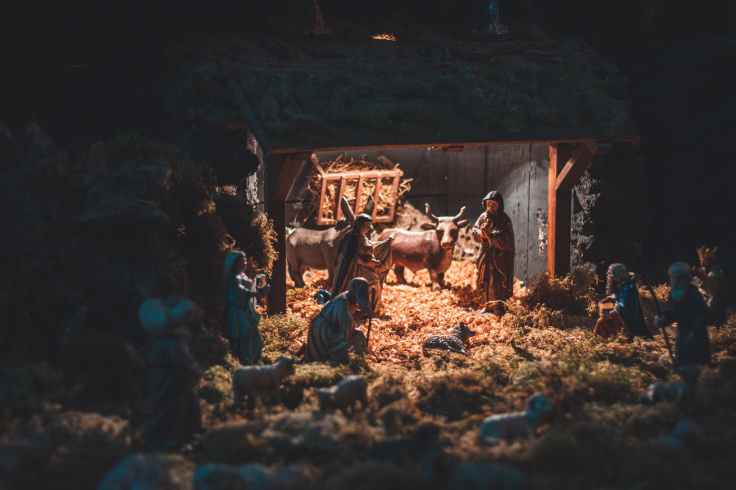
This season, some of us will put up elaborate mangers with beautiful figurines–robed Wise Men, earnest Shepherds, and the Holy Family; a few animals, and an angel or two– all clean and shiny and serene. In reality, it was likely crowded, noisy, dirty, smelly, and cold. The Shepherds and Wise Men were not there at the same time, and the angels were not present at the stable.

It seems obvious to say, but it’s important to remind ourselves that Jesus himself never celebrated Christmas. He never sang carols about His own birth; He never counted down the days on an Advent Calendar; He never decorated a Christmas Tree, or enjoyed a plate of Christmas cookies. Instead, He spent His life among the poor, the mean, and the lowly. He entered the lives of beggars and lepers and outcasts–and He brought light into their world. The Lord of all creation, who created galaxies of glittering stars, who commanded armies of angelic hosts–walked on dusty roads and had no home to decorate. He fed the hungry, healed the sick, and showed compassion to those who were possessed by demons.

This Advent season, as we decorate and prepare our homes for a warm and merry Christmas, may we remember to live among the poor, the mean, and the lowly. This year, it may seem difficult, but it is not impossible to share hope and joy with those who need it so desperately. May we prepare our hearts as well as our hearths to accept the Light of the World. And may we reflect it into the world around us– more than ever!

Holy God, you came in humility and compassion. You lived to serve, and you died to save. Show me how to love and serve in this season of darkness and fear, just as You did so long ago, that those living in darkness may experience more than just holiday tinsel and glitter. Amen.

…And His Own Received Him Not

Today is Boxing Day. Some people will leave their Christmas decorations up for awhile longer; maybe even until after the New Year. Others will box up all the holiday trappings for next year. But the boxes and bags that held gifts yesterday are likely put away– some put aside; others in the trash. We laugh about toddlers and pets being more fascinated with the boxes than with the gifts inside, but most of us tear off the paper and rip open the boxes to get to the “good stuff” hidden inside. The ribbons and bows, the gift card holders and glittery greeting cards, while they delight us in the moment, pale in comparison to the gifts and the thoughts behind them.

Photo by Petri-Caragea Alexandru on Pexels.com

What a shame it would be if all the wonderful gifts under the tree remained unopened– boxed away for another year, just to be placed back under a Christmas tree in 2023. What a useless tradition it would be to give gifts that were never opened or used, or even seen!

Photo by George Dolgikh on Pexels.com
Photo by Burkay Canatar on Pexels.com

And yet…the Greatest gift of all–the very reason for the Christmas season– often remains boxed up and carefully preserved for another year. “Jesus is the reason for the Season,” as some people say. But have we RECEIVED Him? Have we opened up the gift of His coming; of His offer of salvation and reconciliation– or do we just enjoy the idea of the Baby in the Manger and the Wise Men coming from afar and offering gifts; the angels singing in the night sky, and the gentle animals in the stall?

The Gospel writer and Apostle John wrote that Jesus “came unto His own, and His own received Him not.” (John 1:11) God so Loved the world that He gave His son (John 3:16), but the gift remained unopened and ignored by those who should have welcomed Him. He grew up and lived among them– healed their diseases, spoke comfort and truth, laughed and shared sorrows with them– and they cried out, “Crucify Him!” God’s “one-size-fits-all” perfect gift– the “gift that keeps on giving” eternally!–was despised and rejected. And the Gift is still rejected, ignored, scorned, and unopened today.

All the splendor and glitter of the Christmas season will fade away– the decorations will go back in their boxes; the wrappings and trimmings will be forgotten. But the Gift! Let’s bring it out and use it– revel in it; wonder at it. God with Us. God reaching down and out and beyond to bring us Home–forever! And God giving us the privilege and the power to BE His hands and feet and eyes and lips as we minister to those around us! God holding us close as sons and daughters. “But as many as received Him, to them He gave the right to become children of God, to those who believe in His name..”(John 1:12) When we open this gift, we are not just recipients, not merely believers or followers– we are Children of God.

Photo by Porapak Apichodilok on Pexels.com

Lord, help me not make the grave mistake of taking your incredible gift and leaving it in a box, or worse, opening it up and putting it back in a box for later. Help me to live in the “present”– in every way– and to enjoy the privilege of being Your child forever. Amen!

Christmas Wish Lists

When I was a child, we used to write letters to “Santa” with a list of what we wanted to find under the Christmas Tree that year. Sometimes this was a school project– practice in letter-writing etiquette, etc.– and sometimes, it was done spontaneously after poring through the Sears “Wish Book” Christmas catalog, or after watching Saturday morning cartoons with their endless ads for toys, dolls, bikes, and sugary cereals.

As adults, we often do something similar, drafting a Christmas “wish list” in our prayers and Advent dreams. Our adult lists may be as shallow as those of childhood–a new dishwasher, or a shiny piece of jewelry; a new “toy” boat for Dad, etc. Sometimes, they sound more virtuous– world peace, a healthy economy, a cure for cancer…

Photo by Ivan Samkov on Pexels.com

It isn’t “wrong” to have wishes at any time of year. And we should hope for better things in the world around us. But we can get caught up in the idea of Christmas being all about wishes and desires at the expense of the real GIFT of Christmas– Christ Himself! In fact, we can become numb to the fact that Jesus wasn’t just “another” Christmas gift among our “wish list” items.

Photo by Irina Iriser on Pexels.com

9 The true light that gives light to everyone was coming into the world. 10 He was in the world, and though the world was made through him, the world did not recognize him. 11 He came to that which was his own, but his own did not receive him. 12 Yet to all who did receive him, to those who believed in his name, he gave the right to become children of God— 13 children born not of natural descent, nor of human decision or a husband’s will, but born of God.14 The Word became flesh and made his dwelling among us. We have seen his glory, the glory of the one and only Son, who came from the Father, full of grace and truth.

John 1: 9-14 (NIV)

Christ didn’t come that first Christmas in response to any person’s wish list. In fact, the Bible says that when Jesus came into the very world He created, He was rejected, ignored, even despised by those who should have recognized and welcomed Him. He didn’t come wrapped in shiny paper and waiting for us to enjoy Him. He came wrapped in rags, forced to go into exile under threat of death, and honored only by humble shepherds and strangers from foreign lands. No one sought Him out on their own. Even the shepherds and wise men were led by angels and a guiding star.

This year, instead of concentrating on wish lists and our desires (even noble ones!), let’s reflect on God’s wish list– that we would turn from sin and rebellion, and be reconciled to Him; that we would make His gift our greatest desire!

Photo by Pavel Danilyuk on Pexels.com

Lullabies and Hallelujahs

During this season of the year, we hear a lot of “Christmas” music. Much of it is secular music–Santa Claus and magical snowmen, gifts and parties, and the Holiday “blues.” But much of it is related to the real reason for Christmas: the birth of Our Lord. And the number of songs, hymns, cantatas and symphonies related to Christ’s birth is staggering! Popular secular singers record “their” versions of favorite hymns; choirs and orchestras present new songs and ancient melodies. Many of the songs fall into two distinct categories, however. There are quiet lullabies–peaceful and meditative, focused on the infant in the manger; and there are Hallelujahs– joyful and majestic, focused on the wonder of God coming to earth.

I don’t know if there were actually lullabies OR Hallelujahs on that first Christmas. The Bible mentions the visit of the angels, but they were “praising God and SAYING, ‘Glory to God in the Highest..'” We often assume that their praise included singing, but the Bible isn’t specific. But it is interesting to look at the contrast of the quietness of the manger and the Glory of the angel hosts, and hear the contrast in the hymns we raise at this time of year.

Photo by Henlynn on Pexels.com

Lullabies, and quiet songs, like “Silent Night,” or “Away in a Manger” call our minds and hearts to the humility of the Christ child. Babies are cute and engaging. And they are not “silent.” But they do not command authority and majesty. Babies cry out for help. They are needy in a way that God is NOT. And yet…God came in the form of a helpless baby. The God who created the galaxies needed someone to feed and change Him; to carry Him from place to place and rock Him to sleep. “O, Little Town of Bethlehem” reminds us that He came to a cattle shed in a small town, rather than to a palace in the seat of power.

Photo by Blue Ox Studio on Pexels.com

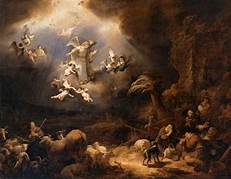
Hallelujahs, like “Joy to the World” and “Hark, the Herald Angels Sing,” remind us that this was no ordinary child. And yet…the angels did not appear IN the manger or even in the little Town of Bethlehem. The Angels were compelled to sing their praises, not to the learned priests, or the courts of power, but to dumb-founded shepherds on a cold hillside. What an explosive visitation! Their praises (whether shouted or sung) shattered the quiet and the darkness. Like a sudden fireworks display, the Glory of God’s servants split the night.

God enters our hearts– sometimes quietly, like the cooing of an infant; sometimes dramatically, like a chorus of angels. God is at work– sometimes in humble moments and ordinary gestures; sometimes in glorious flashes of insight and inexplicable miracles. And this season, our prayers will rise up– sometimes like the humble cries of a newborn baby; sometimes like the soaring songs of angel hosts– prayers of need; prayers of thanksgiving; prayers of awe-struck worship; prayers of simple confession of our own unworthiness, and of God’s sufficiency and everlasting Love. Peace and Glory; lullabies and Hallelujahs; simplicity and majesty– all wrapped up on a manger of hay on one Holy Night.

Photo by Daka on Pexels.com

Christmas is about both the lullabies and the Hallelujahs; the simple light of Truth and the glorious radiance of God’s Holiness.

…And the Word WAS God!

Photo by Daniel Maforte on Pexels.com

In the beginning was the Word, and the Word was with God, and the Word was God. 2 He was with God in the beginning. 3 Through him all things were made; without him nothing was made that has been made. 4 In him was life, and that life was the light of all mankind. 5 The light shines in the darkness, and the darkness has not overcome it…14 The Word became flesh and made his dwelling among us. We have seen his glory, the glory of the one and only Son, who came from the Father, full of grace and truth.

John 1:1-5; 14

Emmanuel– God WITH us. The Baby Jesus in the manger is the same Jesus on the Cross; the same Jesus who was involved in the Creation of the universe.

We love seeing the Baby Jesus in the manger. We like the idea of Jesus, the good teacher and friend. We even bow our heads to honor the Jesus of the cross. We pray to Jesus, acknowledging that He is the God-Man who came to save us from Sin. But sometimes, we get so comfortable seeing Jesus lying peacefully in the manger or serenely enduring the pain of the Cross, that we ignore His absolute Holiness and Power.

Jesus was fully human– he ate, slept, cried, felt cold, and felt pain. But He is also God– fully Divine; fully Sovereign. He doesn’t force us to worship Him– not now, anyway. Someday, though, every knee will bow, and every tongue compelled to confess that Jesus is the Ultimate Authority in Heaven and on Earth (Philippians 2:10-11). Larger than life; more permanent than history; eternally Sovereign.

Photo by Tima Miroshnichenko on Pexels.com

We pray to a God who is so awesome and glorious that no person can see His face and live. And yet, we pray to a God who so loved mankind that He came and walked among us, lived among us, and died among us. We look at Baby Jesus in the manger– we see the face of God. And when we look at our neighbors and friends, we look at those made in the image of God– we see those beloved of God; those Jesus came to save.

Photo by Henlynn on Pexels.com

This is not new theology. This is basic Christianity. But sometimes, in the bustle of the “Season, ” we forget the wonder and the miracle that is the very reason for it all. God is NOT distant. He is not looking for reasons to reject or condemn us. He reaches out to us EXACTLY like a baby reaches out– seeking to be held close. He is as close as the person sitting next to you at the dinner table, or sharing a seat on the bus. GOD! Not a theology; not a list of do’s and don’t’s. Not an esoteric idea. A Presence; a living Christmas Present! An eternal Gift of Love! One with arms and legs; a twinkling eye and infectious smile.

In this season of Advent and Christmas, may we let the Glory of God fill us with awe and wonder. And may we let the Love of God fill us with hope and joy. May our prayers be like the sweet singing of the Angels on that Holy Night so long ago. “Glory to God in the Highest! And, on earth, Peace among those with whom He is pleased.” (Luke 2:14).

Blog at WordPress.com.

Up ↑