The Hopes and Fears of All the Years..

My paternal grandmother was born in Shanghai. But not the Shanghai most people think of. Not a great Eastern city of importance, but a tiny settlement called Shanghai (or Shanghai Corners) in southwestern Michigan. It doesn’t have a post office; it’s not even listed on most maps. And it wasn’t named directly after the great Chinese city– it was named after a breed of chicken (most likely the breed now known as Cochin)!

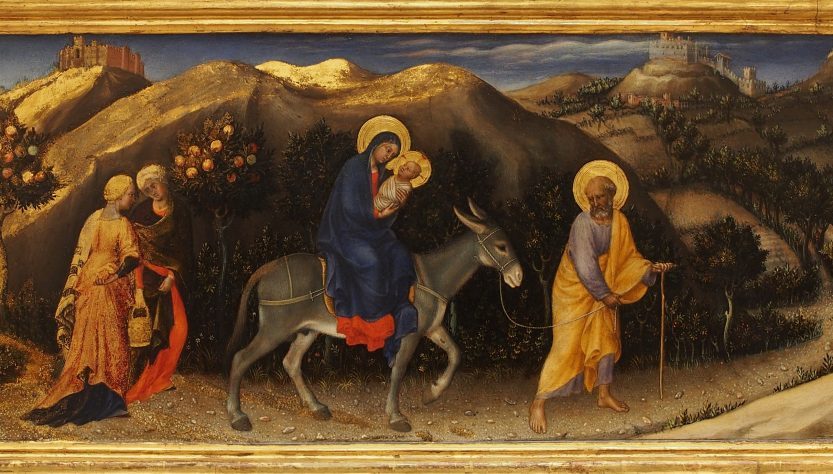
Jesus wasn’t born in Jerusalem. He wasn’t born in Rome or Athens, or New York City or London or Johannesburg or Tokyo. Jesus was born in Bethlehem. It wasn’t as small as Shanghai Corners, Michigan, but it wasn’t a city of great importance, wealth, or industry. And yet, it was the place where history would be reshaped. Our modern calendar divides into what happened before that night in Bethlehem and what came after. More than two thousand years later, no event has been able to displace it as the pivotal event of recorded history.
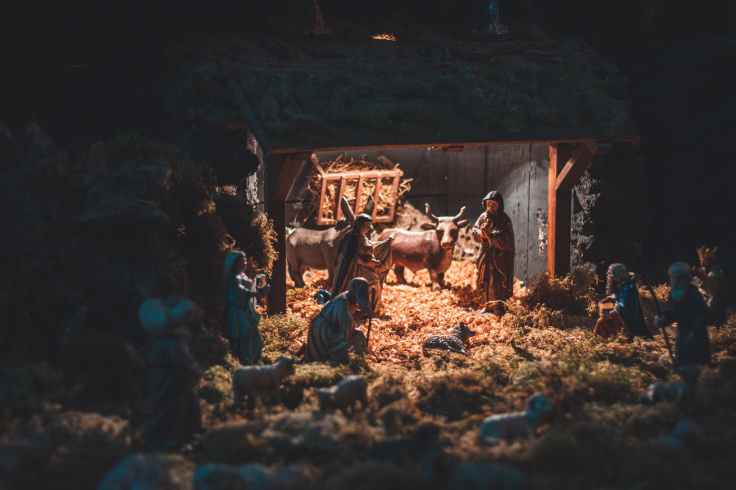
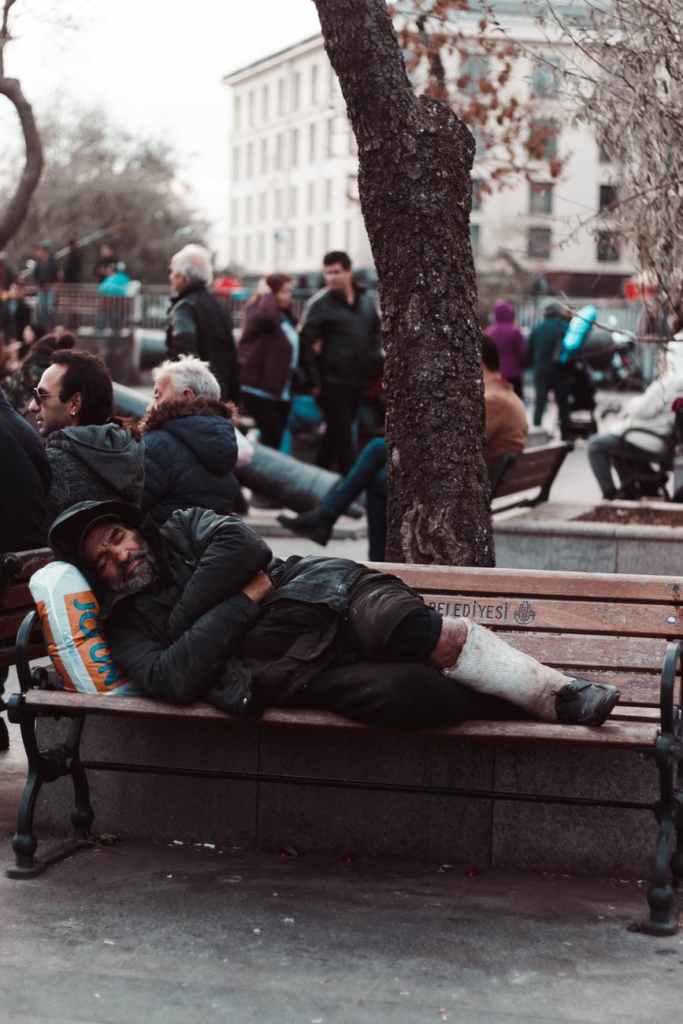
Photo by Burkay Canatar on Pexels.com

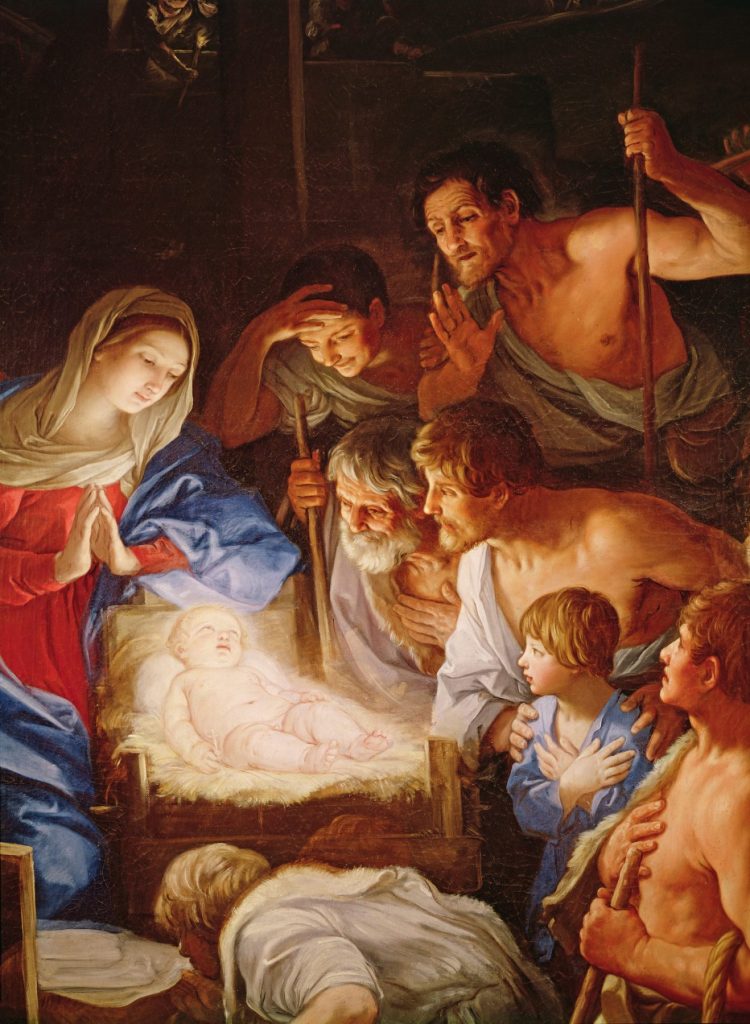
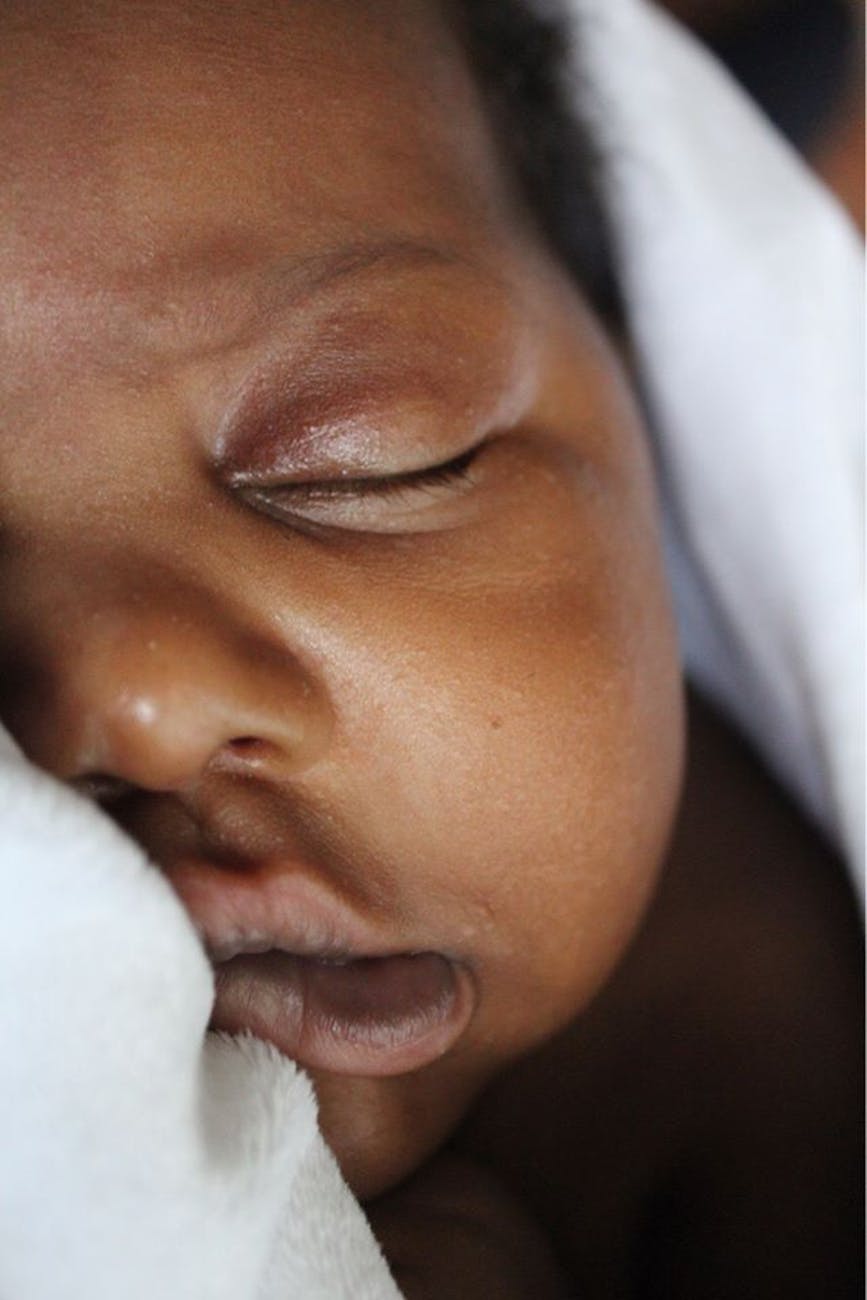
And this division wasn’t caused by a revolution, or a series of wars. It wasn’t shaped by disaster or plague, victory or catastrophe. It came silently with the birth of a single baby, wrapped in strips of cloth and placed into a makeshift bed. But all the years revolve around that single birth. All the great triumphs of history– the moon landing, the invention of the printing press, the conquests of Alexander the Great, the building of the Sphinx–all are placed in the context of the arrival of God in human form. God stepped into the limits of human history, and the timeline was permanently altered. Before His appearance, prophets and seers looked forward. After His arrival, history looks back. But His birth is the focal point; the period. The end of the Beginning and the beginning of the End.

Photo by Pixabay on Pexels.com

The hopes of all the ancients–shrouded in mists and wonder– were given flesh and bones. The fears– dark and amorphous– were blinded by the light of His Presence.

What hopes and fears are we carrying today? Our hopes have a name– Jesus; Emmanuel! Our fears have nowhere to hide from His power. And this wondrous gift, while it first arrived in the little town of Bethlehem, reaches around the entire Earth– to Shanghai, and Shanghai Corners; New Delhi, and St. Petersburg; Dallas and Buenos Aires; Cairo and Caraballo; Los Angeles and Lagos; and thousands of small towns in between.

Photo by Nishant Aneja on Pexels.com

“Oh Holy Child of Bethlehem,
Descend to us, we pray;
Cast out our sin, and enter in:
Be born in us today.”
Keep Silence

We have entered the season of Advent, and as we prepare our hearts for the coming of the Christ Child, one of the first steps should involve quieting our hearts.

Photo by Laura James on Pexels.com

This can be difficult in the daily noise and bustle around us– particularly in this season! We have filled Christmas with sparkle and glitter; the ringing of bells and endless songs about reindeer and jolly fat men and decorated trees. But this is NOT Christmas– not yet. The bright lights of Christmas, the joyful songs of the angel hosts, all need a proper context. And that means a cold, dark night more than 2000 years ago. It means an emptiness. A heavenly silence that stretched over 400 years. Silence from heaven; silence in the earth; silence in the soul.

Photo by Markus Spiske on Pexels.com
Photo by Engin Akyurt on Pexels.com

In silence, we ponder. We wait. We anticipate–perhaps even dread– what may come. What will God say when He finally speaks again? Will it be judgment–severe, holy, deserved, undeniable? Will it be condemnation? Will it be that final pronouncement of God’s Holy Sovereignty, and our utter failure to measure up?

The joy of Christmas comes, not because of seeing light shows and snow glistening on trees, or listening to jingle bells and laughter. It comes from knowing that God’s Word is Peace! It is reconciliation and restoration. It is Freedom and Victory over Sin and silence and eternal Death! It is not first felt in the blaring of anthems and resounding of carols. It is in the soft cooing of new Life coming into a dark and silent world. Of everlasting love being wrapped in rags and gently laid in straw.

God delights in turning earthly things upside-down. And so He comes to us, not with fanfares and regal procession, but in stillness and gentleness, in the middle of a dark and silent night.

Alleluia! Alleluia!

The Silent Treatment

Have you ever had someone give you “the silent treatment?” Or have you ever been angry or disgusted and refused to talk to someone? It can be very frustrating. You may ask a simple question– even look the other person in the eye–only to face a wall of silence. Silence of this type can be oppressive. It is less an absence of sound than a presence of something heavy and dark.

Photo by Simon Blyberg on Pexels.com

God spoke through His prophets, messengers (angels), and sometimes, in visions throughout the days of the Old Testament. But then, He was silent. For four hundred years! There were no new messages, no prophetic visions– just a gloomy silence. There was still noise in the world– chaos, confusion, war, debates, chattering, gossip– but no word from God. He had spoken for thousands of years, and His laws and the words of the prophets still stood, promising a coming Messiah, a rescue and a redemption for the nation of Israel. But then, nothing.

Photo by Gabriela Palai on Pexels.com

Imagine how much more glorious it must have been when the angel hosts announced the Messiah’s birth to the shepherds! After such a long silence, they must have nearly exploded with the joyous news! The shepherds, already frightened by the sudden appearance, must have been held in thrall to hear voices from the heavenly realms– something that hadn’t been heard or even heard of for over a dozen generations!

And that’s how it often is–after a period of silence, the sound comes spilling out in a mad rush. Feelings, thoughts, announcements, all waiting to rush out in an explosion of sound and excitement. The silence is over! The heaviness is lifted. The dam has burst, and the words pour out in a great flood.

Photo by Avery Nielsen-Webb on Pexels.com

When Jesus– the Word of God– arrived, He spoke to many. He told parables and spoke words of healing and kindness and even warning. But at His trial, He refused to answer many of the questions that were posed. He dared to give “the silent treatment” to Pontius Pilate and the Pharisees. People who had refused to listen to Him during his ministry suddenly wanted answers. But He had already spoken and told them everything they needed to know.

Not so with His disciples. He spoke to them plainly and promised them a “counselor.” The Holy Spirit would speak, and would teach them how to speak. There would be no more “silent treatment” for those who knew the Spirit. No need for angelic messengers or prophetic visions (though God could still choose to use them as well)–God’s Spirit would dwell in the hearts and minds of His people.

Photo by Sora Shimazaki on Pexels.com

And yet, we often feel that God is “silent” in our own time. But is that really the case?

Photo by MART PRODUCTION on Pexels.com

Have you ever given God the “silent treatment?” How long have you held in resentment or doubt over something God did or didn’t do; a prayer He answered in a way that left you feeling hurt or confused? Is there a wall of silence on your part? It may not even be full silence. Is there some issue or topic you refuse to bring to prayer? Some secret desire you won’t discuss with Him? How does it weigh down the rest of your relationship?

Photo by Anete Lusina on Pexels.com

I have found myself holding things back, keeping silent about things in my life. It stunts my growth and hinders my prayers. But when I finally break my silence, pouring out the full measure of my fears, confusion, and deepest desires, it is like a weight sliding away, and light breaking through the clouds. The joy and relief are overwhelming. (See Psalm 32 https://www.biblegateway.com/passage/?search=Psalm+32&version=ESV) What the psalmist says about sin can apply to doubt, anger, or confusion, as well. Unconfessed and unspoken, it will weigh upon us.

Photo by MART PRODUCTION on Pexels.com

Don’t give God the “silent treatment.” He already knows all that you would keep back from Him. Silence doesn’t “treat” anything– real healing comes from open communication with the Great Physician. Don’t wait four hundred years– or even four hundred seconds! Let the words (and maybe the tears) flow…And don’t be surprised if your silence is replaced with singing!

When Christmas Wasn’t Merry

I know several people who had a very Merry Christmas this year. Some of them flew to exotic locations and spent Christmas on the beach, or in a big city with lights and dozens of family members. Some of them spent a cozy Christmas in a cabin with roaring fires and glittering snow-covered trees, eating sumptuous meals and unwrapping expensive gifts.

Photo by Pixabay on Pexels.com

But most of the people I know spent a Christmas that wasn’t “post-card” perfect. Some of them were alone in a small apartment with no presents and no heat. Some were working at a job they hate because they had no other option. Some were grieving loved ones lost in the past months. Some of them are facing economic mountains– debt, job loss, medical bills or taxes they cannot pay, no money for rent or groceries… Some are battling cancer or alcoholism, anger, or fear. Some are estranged from their families, or separated from loved ones because of COVID, or deployment, or divorce. And some are facing persecution, starvation, homelessness, disease, or war.

Photo by Levent on Pexels.com

Christmas comes, whatever our circumstances– and so does the Christ Child. Jesus didn’t come to the earth to bring us all “better” circumstances or worry-free holidays, but to deliver us from eternal death, and equip us to endure the circumstances we face in life. Jesus himself came in chaotic and stressful circumstances, and He came, knowing that He would face rejection, hatred, injustice, and death on a cross.

Photo by Alem Su00e1nchez on Pexels.com

There are millions of people who spent a “Merry” Christmas and missed the whole point. Some of us indulged in a gift-giving frenzy that left others in the cold. Some of us allowed envy, fear, greed, or bitterness to color our Christmas. In the process, many of us lost sight of the true gifts of Christmas– Peace, Joy, and Goodwill. In fact, “His divine power has given us EVERYTHING we need for a godly life through our knowledge of Him who called us by His own glory and goodness.” (2 Peter 1:3)

And these gifts are not temporary, like earthly Christmas gifts. They are always available, and they never break, expire, or grow dim. My prayer for this year(and the year to come) is that we all may find–and share!– these eternal and astounding gifts, this “inheritance that can never perish, spoil, or fade…kept in heaven for you” (1 Peter 1:4)

Photo by Porapak Apichodilok on Pexels.com

Christmas Day may not always be merry in this life, but because of Christmas we can face an eternity that will never disappoint, and we have a living Hope that can carry us through even the darkest hours!

God and Sinners, Reconciled!

Every year, we celebrate the birth of Emmanuel– God With Us. It is amazing to consider the Love of God that brought Him from His Heavenly throne to a lowly manger stall, the King of Glory contained in the tiny body of a sleepy infant.

Photo by nappy on Pexels.com

But we should be careful not to miss the rest of the story. As wonderful as it is to think that God would love His creation enough to visit among us, to “taste” life as a human, the story gets gloriously magnified as Jesus leaves the manger to enter a ministry. Jesus didn’t just live among us, He healed, taught, laughed, formed friendships, and served among people– many of whom scoffed, scorned, and rejected Him and His message.

And His message was this: God wants– in fact He passionately yearns– to restore the relationship WE have broken. Jesus didn’t come to “taste” human life– He came to GIVE His life as a sacrifice for those who didn’t deserve it, to extend forgiveness to those who had no right to ask for it. The Holy and Perfect God became the guilt and shame of Sin, so that we could be reconciled to Him. He accepted the penalty of Death, so that we could be given eternal life.

Photo by Edu Carvalho on Pexels.com

This miracle of reconciliation can be difficult to understand. I sometimes get “stuck” in the weight of my past–I know that Christ offers forgiveness, but I sometimes act as though the penalty hasn’t been removed; only suspended. But that’s not what Jesus taught. Like a leper cured of leprosy, I am clean–no scars, no stains, no relapse–all traces of my disease removed. In this world, I will still feel the sting of the consequences of Sin– betrayal, sickness, injustice, even death. But death is no longer my destiny; it is a temporary rest stop on my way HOME.

Photo by Anna Shvets on Pexels.com

Jesus didn’t come to “taste” human life; He came to “taste” death– and He came to destroy its power, so that we could know true Life, and live it to the fullest!

Joy! Peace! Reconciliation! Eternity! Emmanuel!

We Didn’t Know Who You Were…

Jesus was born in obscurity– yet he was also born during a Census year…

 And it came to pass in those days that a decree went out from Caesar Augustus that all the world should be registered. This census first took place while Quirinius was governing Syria. So all went to be registered, everyone to his own city. Joseph also went up from Galilee, out of the city of Nazareth, into Judea, to the city of David, which is called Bethlehem, because he was of the house and lineage of David, to be registered with Mary, his betrothed wife, who was with child. So it was, that while they were there, the days were completed for her to be delivered. And she brought forth her firstborn Son, and wrapped Him in swaddling cloths, and laid Him in a manger, because there was no room for them in the inn.

Luke 2:1-7 (NKJV via biblegateway.com)
Photo by TheWonderOfLife on Pexels.com

This is a Census year in the U.S. (something that has largely been forgotten in the wake of the COVID pandemic.) I actually worked for the Census Bureau for a few weeks this year, doing follow-up interviews for addresses which had not responded for various reasons. Census taking is much different now than it was in Jesus’ day. I had a script, and a smart phone, and several different forms to fill out or hand out to explain what we were doing–one form contained information in at least 14 different languages, and all of them had phone numbers and web addresses where people could “respond” electronically without ever leaving the comfort of their living room, let alone traveling over dangerous hills and trying to find room at crowded inns. I was the one who had to travel– mostly around my small town and within a 20-mile radius. One interview required me to travel 100 miles; another required me to utilize my ability to speak and understand Spanish. Otherwise, the interviews were simple and straightforward. Except when they weren’t.

Photo by Vera Arsic on Pexels.com

“Everyone Counts,” the Census Bureau told us, and I did my best to get names and ages for everyone at every address I visited. But many of the addresses were abandoned buildings– even demolished. Others were summer homes or vacation rentals–I had to be careful not to count the same people twice! Often, I could tell that people were living at the residence, but either they weren’t home at that time or they would not come to the door. Some houses required several attempts before I got any response, and it wasn’t always positive or cooperative.

Photo by David Garrison on Pexels.com

I imagine the scene in Bethlehem, though lacking the technology and ease of travel of our modern age, wasn’t so very different. There were people who wanted to do their civic duty; those who were annoyed at the inconvenience and general bureaucratic chaos; those who hated the Roman Government and everything it represented; and some who just wanted to get it all over with and go back to “normal life.”

We know that Joseph was called up to go to Bethlehem because is was his ancestral home. And we know that Joseph would have been counted as the head of the household. But is it possible that Jesus was counted in that census? That he was numbered among his people and with his family? That the God of all creation became a simple hash mark among thousands of others that year? “Jesus, son of Joseph of Nazareth.” “Infant son.” “Male child.” Jesus was counted. But He was also lost in the shuffle; discounted and ignored.

Photo by Jeswin Thomas on Pexels.com

10 He was in the world, and the world was made by him, and the world knew him not. 11 He came unto his own, and his own received him not.

John 1:10-11 (KJV via biblegateway.com)

This season, it’s easy to feel left out, discounted, passed over. This year, especially, it can be lonely and discouraging as we look out on the world from lockdown, or look at faces covered by masks, unknown or unrecognizable. It’s easy to feel that no one sees us. Rest assured, Jesus knows what it is like to get lost in the numbers. He knows what it is to be discounted and misunderstood, rejected, and scorned.

Photo by Ken Ozuna on Pexels.com

And He knows exactly who you are and who I am– better than we know ourselves! We count! Not because of who we are, but because He is the creator and author of all life. No matter where you are, no matter who has rejected you in the past, no matter how dark and grim things look– God sees you; God loves you; God has taken you into His count. He doesn’t need a census count to find you, and you can’t get “lost” or hide in the crowd.

Photo by Johan De Jager on Pexels.com

He knows you– Do you know Him?

The Long and Winding Road

Joseph and Mary traveled dark and dangerous roads to reach Bethlehem before the birth of the Baby Jesus. The wise men made a long journey to see the newborn king. The entire nation of Israel spent more than 40 years wandering in the wilderness. Abraham, Jacob, Jonah, the Apostle Paul…there are many tales in the Bible of long journeys to unknown destinations and unknown outcomes.

Photo by rawpixel.com on Pexels.com

Traveling can be exciting and adventurous, but it can also be filled with detours, setbacks, and hardships. Traveling means being away from our comfort zone, our “safe” place– even if our “safe” place isn’t really safe. Travel often means going into the unknown, especially if we travel alone or travel against our own will. Where does this road lead? Who will I meet along the way? Where will I stay at night? Will I get lost? Will I get delayed? What if I get sick or hurt or attacked? Will I find my way back home? Can I feel safe in a new home, among unknown people and circumstances?

Photo by Andrea Piacquadio on Pexels.com

Jesus was born “away from home.” The first people to greet him were not grandparents or giddy relatives or neighbors, but shepherds– unnamed in scripture, unknown to his parents. In fact, the Bible doesn’t say much about Jesus being close to an extended family– his own small family always seemed to be on the move! Later, Joseph was told to take Mary and the child to Egypt; another long and unexpected journey, another long and winding road.

As an adult, Jesus was also “on the road” for much of his ministry. Long dusty roads leading to Galilee, or Jerusalem, Jericho, or Bethany.

Photo by Kamaji Ogino on Pexels.com

At times, it can seem like our “roads” in life are long, winding, dusty paths leading to strange new places– lonely, rambling trails or busy superhighways taking us where we don’t always want to go. But we don’t need to fear traveling– even if we have to walk through the “valley of the shadow of death,” God is always with us. Just as He was with Mary and Joseph on the long road to Bethlehem, where there was no room for them in the inn. Just as He was with Jesus on the lonely path in the Garden of Gethsemane. Just as He was with Jonah in the belly of the big fish!

As we await the Advent of the Christ Child this year, it is likely that most of us have been on a long and winding road. Though many of us have been prevented from physical travel to foreign lands, we’ve traveled on an emotionally and even spiritually exhausting road in 2020. Chaos, corruption, COVID, elections, “executive orders”, economic collapse, lock-downs, lawlessness, and loneliness–we seem to have traveled a lot of miles, and most of them have been perilous and unfamiliar. But God has a plan, and a destination. The journey may not make sense right now; it is not the journey we would have planned; not the journey we would have chosen. But let us follow it to Bethlehem– to the Manger– to the Cross– and finally, HOME!

O, Come!

O, Come, All Ye Faithful. O, Come, O, Come, Emmanuel. Come, let us adore Him. Come…

28 Come to Me, all you who labor and are heavy laden, and I will give you rest. 29 Take My yoke upon you and learn from Me, for I am gentle and lowly in heart, and you will find rest for your souls. 30 For My yoke is easy and My burden is light.”

Matthew 11:28-30 (NKJV via biblegateway.com)
Photo by Elias Tigiser on Pexels.com

Christmas is coming…Christmas is not only coming in the sense that we anticipate the season…Christmas is about “coming.” About Jesus coming into a world He had created; coming to rescue the souls of men and women; asking us to come to Him in return to receive from Him.

Photo by August de Richelieu on Pexels.com

“Come.” It can be a command; an imperative. But it can also be a plea. The nation of Israel was pleading with God to come to their rescue. And He came. Not as they expected. Not to rescue them from Roman occupation by military might. He came to live among them, to share their burdens, to rescue them from the darkness of sin and death.

“Come to me…” Jesus asks us to come, to follow Him. “Come, all ye faithful..” God, who has the power and authority to demand our obedience, our worship, instead asks for it. He pleads with us to come…to choose Him. To receive His gift of salvation. To share our lives with Him.

Photo by August de Richelieu on Pexels.com

“Lord, forgive me for the times when I have come to you reluctantly, half-heartedly, and out of a sense of duty. You came willingly, sacrificially, and joyfully. I want to do the same today.”

O, Come, All Ye Faithful…Come let us Adore Him!

Holy Infant, So Tender and Mild

It is one of the most popular Christmas Carols– we sing it every year: “Silent Night, Holy Night; All is calm, all is bright; ‘Round yon virgin mother and child– Holy infant, so tender and mild; Sleep in Heavenly Peace– Sleep in Heavenly Peace.”

Photo by Blue Ox Studio on Pexels.com

Each year, we celebrate the coming of Christ– “Son of God; Love’s Pure Light.” God coming to earth to live among His creation– Emmanuel, God with us. And it becomes familiar, and gets mixed in with stories of Santa Claus and gift-giving, decorated trees and flying reindeer.

Photo by cottonbro on Pexels.com

But stop a minute to reconsider the amazing juxtaposition–the very Word of creation became a speechless baby. The ruler of galaxies came to earth naked and needy, hungry and helpless. Holy Infant–fully God and fully human in His frailty.

Photo by Johannes Plenio on Pexels.com

God could have come as a ruler of might; He could have stepped out of Heaven in a blinding flash of light, spoken with a voice of thunder, and made the mountains tremble. He could have filled the skies and scattered all the stars and clouds. He could have come in all His Majesty– and someday, that’s how He will return.

Photo by Dominika Roseclay on Pexels.com

But on that Silent, Holy Night, He came in humility. He came in Heavenly Peace.

What an awesome enigma–the One who would break the power of death came in the weakness of an ordinary birth. The Giver of Life choosing to reside in the womb of an ordinary young woman, gasping for air as He took His first breath as a human. The omniscient one having to learn to sit up, and eat, to speak and to hold His mother’s hand; to stand up and walk.

God SO LOVED us that He went to extravagant lengths to meet us in our humanness. He didn’t need to become human for His sake– He did it for us; that WE could know Him more intimately; so that when we talk to Him, we are talking to one who has known hunger, and pain, and heartbreak, and loss– as one of us.

Photo by nappy on Pexels.com

It is terrifyingly easy to miss the significance of the incarnation after the fact. As we remember the Advent season, let us reflect on the world before that Holy birth.. a world so fallen that no one could imagine the face of God; no one could imagine walking with Him or sharing a meal or a smile with Him; no one had ever felt His touch on their cheek or heard Him laugh. No one could have imagined that God would bleed, or cry out in agony, or taste death. But He came. He lived and walked among us. He died. And He paid the penalty for your sins and mine, so that we can share life with Him– eternally.

I Hate Waiting…

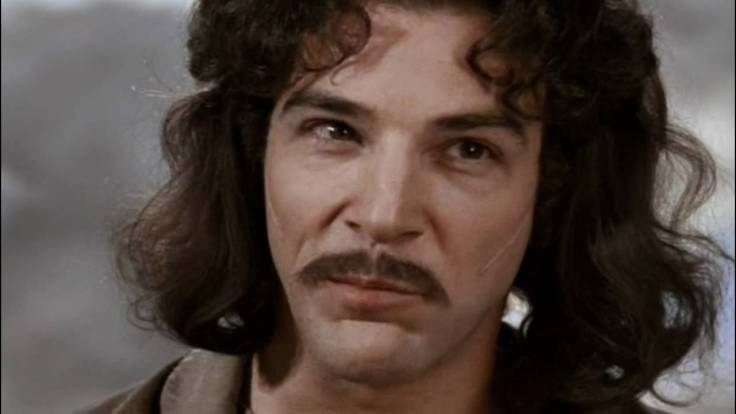
One of my favorite movies is “The Princess Bride.” It’s a quirky movie, based on a novel by William Goldman. It’s part fairy-tale, part satire, part warm and funny love story. In it, one of the characters, Inigo Montoya, is impatiently trying to track down his father’s killer, the vicious Count Rugen. Ironically, to fund his quest for revenge, he takes a job working as a mercenary for Rugen’s mentor, Prince Humperdinck. Part of his job is to kidnap Humperdinck’s fiancee, Princess Buttercup, and kill the mysterious man who is trying to rescue her. When the mysterious masked man climbs the perilous Cliffs of Despair, Inigo waits at the top to challenge him to a duel.

But Inigo is impatient. He calls down to the struggling masked man. “I do not suppose you can hurry things up a bit,” he suggests. He even offers to help the man–“though I do not think you will accept my help, since I am only waiting to kill you..”

Inigo is not cut out to be a vicious mercenary– clearly– because he befriends the masked man before their deadly duel (which doesn’t result in anyone’s death). He even waits–yes, WAITS– for his opponent to get rested and prepared before the duel begins. Inigo may hate to wait, but he has developed the gift of waiting for others when it really counts. (A skill he demonstrates elsewhere in the tale.)

Photo by Ric Rodrigues on Pexels.com

What does any of this have to do with prayer? We are entering a season of Advent. It is a reminder that the whole world waited impatiently for the coming of the Messiah. Centuries of impatience; centuries of expectation, centuries of waiting for a coming Hope.

Photo by Pixabay on Pexels.com

We will spend a few weeks waiting– and it may be made more anxious because of COVID–waiting for presents, or to reunite with family. And we all hate waiting. We are uncomfortable with delayed expectations, and uncertainty in our immediate future. Even with the joyous anticipation that Christmas brings, the period of Advent can be nerve-wracking.

Inigo Montoya spent years anticipating and “waiting” to exact revenge for his father’s death. He hated waiting. But he used that time wisely. In the waiting, he prepared. He studied the art of sword-fighting. He searched far and wide for his quarry. His life revolved around this less-than-holy goal. And, though he “hated” waiting, he waited for decades, never giving up, and finally, achieving his goal. Along the way, he made many mistakes, but he also made friends, and avenged his father’s honor.

Photo by Jeswin Thomas on Pexels.com

This Advent, we “await” the coming of the Christ child. And, as followers of that same Christ, we await His victorious second coming. This is so much better than waiting for revenge. We wait for reconciliation, for restoration, and for renewed life! We have a great hope– the anticipation of Eternal Victory and Joy! How are we preparing? Do we spend our time complaining? Do we give up? Or do we seek diligently, not for a six-fingered man to kill, but for opportunities to spread the Joy and Hope we have found?!

Photo by August de Richelieu on Pexels.com

Blog at WordPress.com.

Up ↑