Three Words

Essential

We’ve been hearing a lot lately about people who are “essential.” In times of crisis, certain skills and services are necessary to preserve or protect life. In times of war, soldiers, medics, makers of tanks and arms, helmets, planes, boots, and armor become essential. In times of famine, farmers, and anyone with reserves of food or water become essential. In times like these, doctors, nurses, EMTs, and those who make or distribute medicines, PPE (personal protective equipment), ventilators, etc., are essential.

Photo by Anna Shvets on Pexels.com

Being “essential” may sound wonderful, but it comes with a heavy price. Doctors and nurses are stretched and stressed, working ridiculously long shifts and scrambling to find ways to arrest the progress of COVID-19 among their patients who test positive. Meanwhile, their neighbors are complaining about being told to stay home and do nothing because their skills, their businesses, and their contributions are considered “non-essential.” Grocers and the cashiers, restaurant owners, farmers, and truckers are risking their lives to keep people supplied with food, only to have people complain about prices and temporary shortages. And any one of their customers could be spreading the virus– not just to them, but to their other customers. Police officers, already putting their lives on the line, are now asked to interact with those who may be carrying and spreading this virus, as well as dealing with an angry and frustrated population chafing under orders to stay home and stay inactive. And those who are “essential” are also vulnerable– tired and frightened and inadequate to meet every need–they are not infallible or indefatigable.

Photo by Alexander Dummer on Pexels.com

There are really only a few things in life that are actually essential–breathing (which is one of the reasons COVID-19 is so scary, because it attacks the lungs), water, food, and basic shelter (protection from excessive heat or cold). And, while many around the world are facing more extreme shortages than others, most of the chafing and complaining has less to do with not having the essentials than with being (or not being) labeled “essential” with very little notice or guidance, and asked to bear the brunt of a crisis they cannot predict or control.

Redundant (non-essential)

For every person who is feeling the pressure of being “essential” in a time like this, there are others who have been labeled “non-essential”– redundant, expendable, “in the way.” “Stay home!” “Stay away!” “Don’t!” Don’t shake hands, or hug, or visit friends or loved ones (unless you can do so via phone or internet). Don’t touch– don’t touch door knobs or counters or surfaces– don’t even touch your own face!

Photo by Engin Akyurt on Pexels.com

The intent of these messages is a positive one–“help stop the spread of this virus”–but the message often gets lost in the tone of fear and panic that accompanies it. “If you don’t (go away, stay away, stop touching, stop asking questions, stop being in the way…) other people, especially ‘essential’ people, will get sick and die.” “If you could just go away, disappear, be quiet, etc., until this crisis dies down…” Feeding your family, keeping your business open, earning a living, using or developing your skills, offering your services or products– none of that is “essential” right now. You have nothing to offer in a time of crisis– you are expendable. Perhaps not forever, but just now– just for a few more days, weeks, months?…

Jesus offers us a shocking view of what is/who is “essential” or “redundant.” In his encounter with the “rich young ruler,” (see https://pursuingprayer.blog/2020/02/07/a-miss-is-as-good-as-a-mile/) Jesus listens as the young man seeks to justify himself. He has done everything he deems “essential” to inherit eternal life. But Jesus challenges him with one “essential”–sell what he has in order to serve the poor and “redundant.”

Jesus had frequent encounters with lepers– the most “redundant” and expendable people of his day. They were contagious, “unclean,” unwanted. And Jesus also encountered those with great power and prestige–priests and rulers, centurions and tax collectors. Many of them were also considered “unclean,” and unwanted! Those for whom Jesus had the sternest warnings were those who refused to accept, respect, or help those they preferred to judge.

Photo by Lukas on Pexels.com

Whosoever-

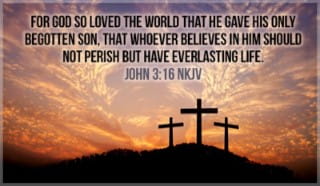
Jesus, the only One who actually has the right to judge, didn’t come to further the division of people into categories and labels. While he didn’t turn a blind eye to sinful activities, neither did he point fingers. And while he celebrated faith and service when he found it, he didn’t flatter or fawn over those whose service was more “essential” than others’. Instead, Jesus invited “whosoever” to believe in him (John 3:16), to follow him, and to become part of the Kingdom of God. (Revelation 22:17). Someday, He will judge us, and we will be separated. But the one “essential” will be whether or not we have chosen to depend on Him and trust Him for the wisdom and strength to do His will in service to “whosoever” we encounter.

Photo by Streetwindy on Pexels.com

There is no one so “essential” that God is required to accept her/him into the Kingdom. This may be a strange notion to some of us, who have fallen into thinking that we earn our salvation through good works or memorizing doctrinal statements. But NO person is essential in Heaven. And that’s not bad news or meant to condemn–it is simply a reminder that God’s standard is level and fair. We don’t have to strive and stress; we don’t have to have all the right answers, or do all the “right” things– in fact, we can’t.

And there is no one so “redundant” that God cannot accept him/her into the Kingdom. Again, this may be a strange notion, that we cannot “out-sin” God’s salvation. We can’t mess up, wash out, face-plant, or fail such that God cannot redeem, rescue, or revive us. God will never tell us to “stay away,” “wait,” “don’t get too close.” Instead he says, over and over again, “Come!”

Photo by Artem Beliaikin on Pexels.com

Whosoever is struggling with exhaustion, or impossible expectations, panic, fear, sickness, anger, depression, loneliness, hunger, rejection, injustice, confusion, or emptiness– let them come!


Consider the Lilies..

We just celebrated a most unusual Easter– traditions, like gathering at church for sunrise services or grand cantatas, big family meals, Easter Egg hunts, and parades had to be re-imagined, or cancelled. And one Easter tradition that didn’t get a lot of press attention was the damage done to the Easter flower market. Lilies, hyacinths, daffodils, and other spring flowers–some grown locally, others imported from around the world–were unable to be shipped or sold as people are in quarantine. Churches and restaurants, two of the largest consumers of Easter Lilies, had to cancel their orders for this year. People who normally buy lilies from garden centers or florists were unable to do so, and those who grow them were unable to ship them out or sell them. Literally millions of flowers had to be burned, composted, and destroyed during this season of “new life.” Flowers for funerals, weddings, and birthdays were also lost, and millions more will be lost as we approach Mother’s Day next month. What a waste of beauty and life!
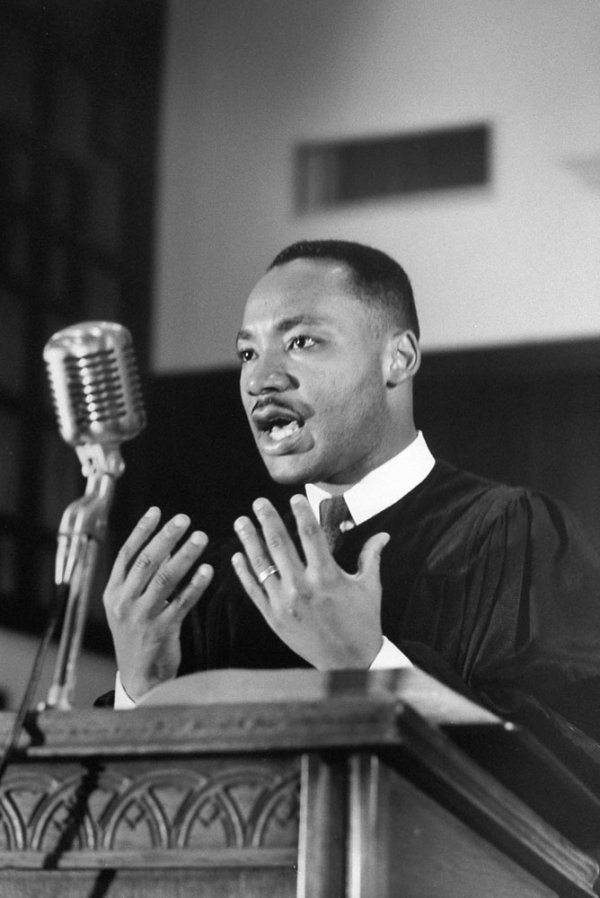
Photo by Alena Koval on Pexels.com

And yet..

Some will say that it is a waste of time to mourn the loss of flowers when we should be mourning the loss of human life to COVID-19. I don’t think it is an “either/or” kind of mourning. There is a lot to mourn during these days, and we should not be ashamed to mourn–loss of connection, loss of beauty in the form of flowers, loss of jobs and prosperity, loss of opportunities– many of which we take for granted.

Photo by Italo Melo on Pexels.com

But Easter is not about our loss– in fact, it is not about loss at all. It is about victory and hope and ETERNAL life– not the life of a lily or even a human body– eternal, joyful, victorious life given to us as a gift for all who will receive it! If we are missing a beautiful symbol of that victory this year, we can never be deprived of the reality the Lilies represent!

Photo by Pixabay on Pexels.com

I am reminded that Jesus (and others in the Bible) had a lot to say about Lilies..and grass, and other plants, and their relation to human life. https://www.biblegateway.com/passage/?search=Matthew+6%3A25-34%2CLuke+12%3A22-32&version=ASV https://www.biblegateway.com/passage/?search=Psalm+103%3A15-17&version=ESV
https://www.biblegateway.com/passage/?search=1+peter+1%3A22-25&version=ESV

Photo by Simon Matzinger on Pexels.com

In this season, many of us are feeling very much like the “lilies of the field.” Our lives seem uncertain, our days unproductive, even futile as we wait for this crisis to pass. We miss these symbols of beauty and new life, but we must not place our hope in the symbols. We must not place our hope in what we know or what we do or what we own. Jesus reminds us that we are– our souls, our lives, our hopes, our thoughts, and our longings– worth far more than lilies or sparrows– God knows what we need, and His love for us doesn’t depend on our being “essential”, or healthy, or having all the answers.

Photo by Porapak Apichodilok on Pexels.com

This season reminds us that our lives here are precious, and temporary as the grass. But our existence is both precious and eternal–and thanks to the very God who clothes the lilies of the field, we need not worry or fear what lies ahead. All who turn to Him will be saved. We are not destined to be burned or composted or forgotten. We may face uncertain days ahead, but God has a purpose and a plan for us to bloom– not just for a season, and not just to adorn a building or a home, but to bloom for eternity in His very presence!

Jesus Died

On this Good Friday, it may seem redundant and unnecessary to point this out, but Jesus died. As the world around us faces a global pandemic, we are forced to face our own mortality. People are dying from COVID-19– people we know; people we know about; people we have never met. Their deaths are more than just statistics. They represent personal loss to all their friends, family, and people in their communities. Jesus’ death was more than just another execution– more than just another dead body to be disposed of before the start of the Sabbath.

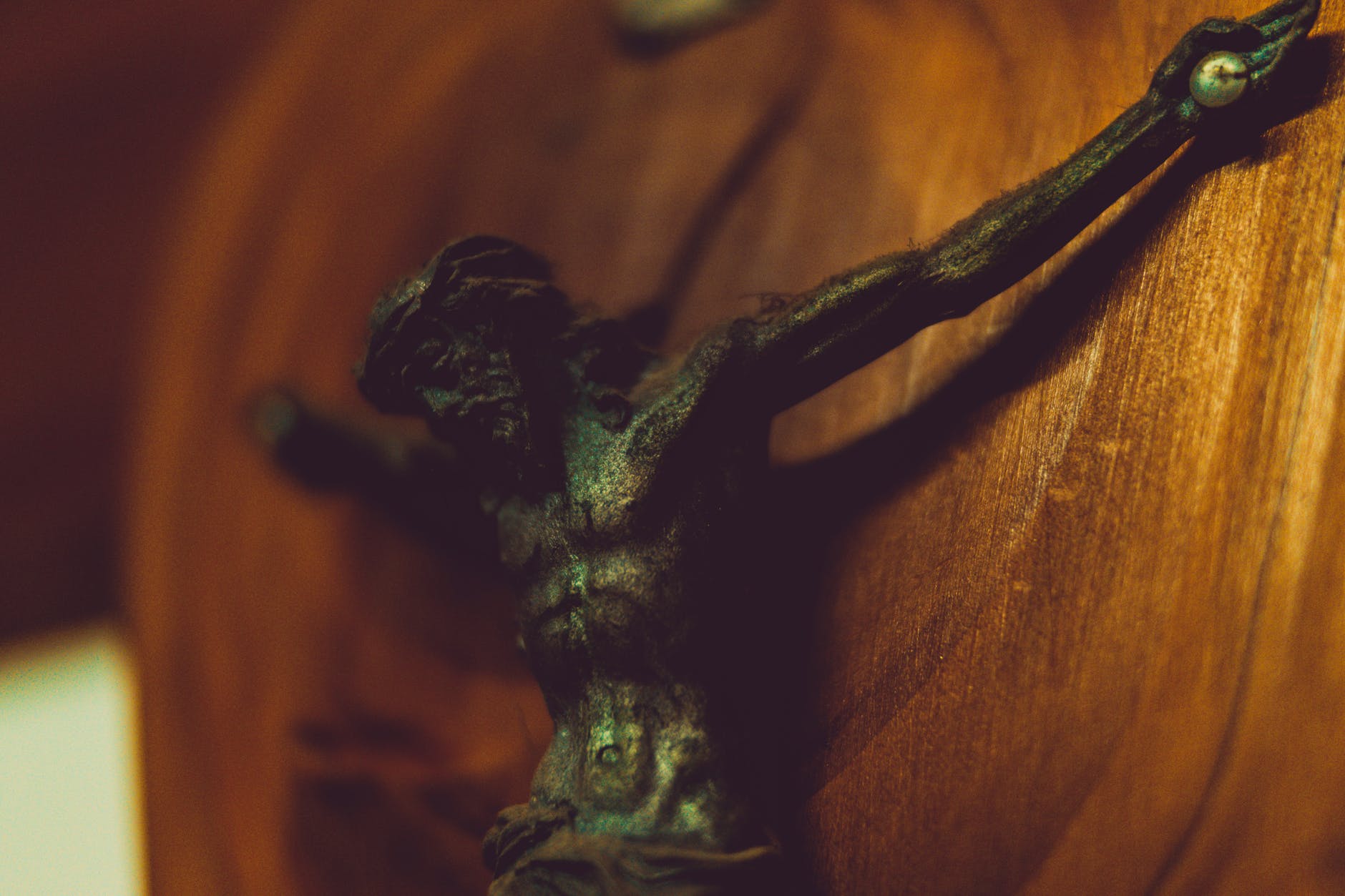
Jesus. Died. Emmanuel– God with us– died. Ceased to live. Bled out and stopped breathing. His body was cold and lifeless, wrapped in burial cloths and laid in a tomb. This was not just like sleeping, or missing a heartbeat. He was gone. This is not normally cause for celebration– this was not a “Good” Friday.

Photo by Pixabay on Pexels.com

Jesus was not the only religious leader to die at the hands of enemies or rivals. The fact that his followers would commemorate or memorialize his death is not unusual or incomprehensible. But Jesus wasn’t just assassinated. He was condemned to die as a criminal. His death wasn’t just shocking or violent– it was humiliating, vile, excruciatingly painful, and involved public ridicule and anguish. There is nothing glamorous or brave or victorious about a cross. Christians who wear cross necklaces or t-shirts with blood-covered spikes might just as well wear handcuffs or ankle bracelets, or a picture of Jesus in an electric chair to show their devotion to a man who died as a criminal. Even though Pilate declared that he could find nothing wrong, he still allowed the conviction and death sentence to stand. Jesus didn’t win against his enemies– he lost, and he lost everything.

Photo by ahmed adly on Pexels.com

In our rush to celebrate Easter, and the “rest of the story,” sometimes we lose sight of the cross. Jesus– creator of the universe, perfect in the eyes of the law, beloved by God the Father–died a cruel, humiliating, senseless death. Those who are dying today of COVID-19 are struggling for their next breath, exactly as Jesus did so long ago. Jesus did not just “give up,” he didn’t just go into a coma as a gesture, knowing he would wake up in three days anyway, so why struggle for that next breath, or push through that cramp in his arm or leg, or let the sweat and blood from his forehead run into his eyes, unable to wipe them away or keep the flies from landing around his nose or ears… Jesus died– He heaved and strove and agonized until his heart and lungs and muscles could do no more.

We talk about Jesus as the “Lamb of God, who takes away the sin of the world” (John 1:29). Earlier in Israel’s history, God rescued the entire nation of Israel from their slavery to the Egyptians. He caused the angel of death to visit all of Egypt and kill all the first-born throughout the land. (https://www.biblegateway.com/passage/?search=Exodus+12&version=ESV)

All of Passover is a foreshadowing and visual representation of what was to happen at the crucifixion. Jesus became the sacrificial lamb, whose life would be given, and his blood be used, to save us from death and destruction, and allow us to be free. His body was broken, just like the bread of the Passover, to give us life.

Just as the lamb’s blood was placed on the sides of the door posts, Jesus’ blood stained the two ends of the cross where his hands were nailed. It stained the top and bottom of the cross where his head and feet bled, just as the lamb’s blood was placed on the top of the door frame and dripped to the ground beneath.

Photo by Harrison Haines on Pexels.com

Jesus became a metaphysical “doorway”, painted with blood, through which we can enter into a place of safety, forgiveness, and promise. But only by going through the door– only by trusting fully in the work of Jesus’ death (and resurrection)– that we can be saved.

It wasn’t merely the act of painting the lamb’s blood on a door that saved anyone– it involved going into the house, and obeying the word of the Lord. It was wrapped up in preparing for a journey in which they would leave behind their slavery and old way of life, and walk through uncharted territory, led by God’s spirit, to a land of promise they had never seen. No Egyptian, by merely smearing blood on the doorposts or wrestling with the angel of death, or wearing a mask or staying behind locked doors, could defeat the plague. No Israelite could ignore God’s instructions, and roam the streets, trusting the the blood on the doorposts would cover him three blocks away. Death–and life– came on God’s terms. Wearing a cross necklace and “looking the part” won’t substitute for true faith that results in repentance, obedience, and discipleship.

Jesus died. And he rose again! But he didn’t do it so we could sail through life on our own terms. He came to show us that God can take our slavery, our sin, our failure, our sickness and sorrow, even our death– even senseless, humiliating, forsaken death– and give victory, life, and peace to those who follow Him.

And THAT makes this a very Good Friday, indeed!

Jesus Slept

I’ve had a difficult time sleeping lately. Not just because these are stressful times (though they are), and not just because we’ve had a couple of stormy nights (which we have), and not even because I’ve lost track of time, and slept in late and stayed up too late doing things like writing my blog entries…

Photo by bruce mars on Pexels.com

But the combination has meant that I’ve slept badly for several nights, and I’ve been paying the price– tired in the early evening, grumpy in the mornings… Sleep is essential for good health; not just physical health, but mental and emotional health, too. And it is just as necessary– in some ways more so– when we face trying times.

Photo by Pixabay on Pexels.com

When I cannot sleep, I can still pray. Sometimes, I pray through tears, sometimes through exhaustion. And sometimes, I cannot sleep because I have not prayed– I have worried and wearied my mind, but have not given my worries and concerns over to the One who holds the universe in His hand. Often, once I resolve to spend time in prayer–I find I can sleep, after all! (Isn’t that just the way, sometimes?!) I pray for the storm to pass, or the worries to melt away, but they don’t. However, as soon as I begin to pray about things bigger than what is keeping me awake– unsaved loved ones, those who are suffering much worse than my headache or stuffy nose–suddenly I’m out like a light! ( BTW– I’m not recommending this as a course of action. I don’t believe God works that way. It’s just an observation. God grants us what He knows we need most–rest is important, but God will send it in His time, not because we say or do things in a particular, even contrary, manner.)

Photo by Pixabay on Pexels.com

Jesus was fully human. He needed sleep, and the Bible records that he slept. But the recorded instance of him sleeping doesn’t center on peaceful circumstances and luxurious surroundings– no soft beds and tropical breezes gently whispering him to slumber. And we don’t see him falling asleep after an intense prayer session. Instead, we see Jesus sleeping through a raging storm in the middle of a lake . (Matthew 8:23-27; https://www.biblegateway.com/passage/?search=Mark+4%3A35-41&version=NIV; Luke 8:22-25). With great waves churning the lake, and tossing the boat about, even seasoned fishermen were terrified; yet Jesus lay asleep in the stern of the boat. And it seems that his sleep was deep and restful, in spite of his surroundings and circumstances. When he was awakened, he didn’t worry or panic– he simply told the wind and waves to “be still.” The disciples were in awe of Jesus’ power, but they had failed to consider praying before they woke him up. Instead, they had exhausted themselves with worry and fear.

Photo by Arthur Brognoli on Pexels.com

Lest we fall into thinking that Jesus was just supernaturally “chill” about danger, we need to look at his experience in Gethsemane. This time, it was the disciples who slept, even when Jesus asked them to keep watch as he prayed, even when he had explained to them that he was about to be betrayed. There are circumstances that drive us to our knees, that won’t let us sleep– trials and pains that draw us to our Father. But in His mercy, He will often grant us rest and renewal in the midst of the worst circumstances. Jesus did not find sleep in the Garden– he found the power he needed to face his trial and death on a cross. But his victory means that WE can have peace and hope– and rest– even in times of crisis.

Photo by Pixabay on Pexels.com

There is a time to sleep, and a time to pray. Anxiety, trouble, and sickness may make sleep difficult, and even impossible for awhile, but God knows we need it in times like these. And He knows that in the sleepless hours, we can lift our deepest cares to Him. May God grant me the wisdom and the faith and the ability to find time for sleep and prayer. May God grant the same to you, and to all of us.

Photo by Aldo Picaso on Pexels.com

Thou Anointest My Head With Oil

When I was just over a year old, I became very ill. Several doctors were consulted, but no one seemed to know what was wrong. I was losing weight, growing weaker, lost the strength to walk (something I had just started doing), and losing the will to thrive. I cried and moaned throughout the day, and had trouble falling asleep normally– demanding constant attention and comforting, but not showing any signs of fever or infection.

Photo by Sam K on Pexels.com

Our minister at church anointed my head with oil for healing. Everyone prayed fervently. Mom and Dad took turns staying with me at the hospital, trying to calm my fears and hope that I would get better. Finally, one of the doctors (a third- or fourth-opinion at that point) suggested that I might have a protein deficiency–that my body was not processing proteins correctly, as I had just started eating meat and more complex dairy. He suggested a course of booster shots that lasted well into my fifth year; it was one part nightmare, and three parts miracle– daily, then weekly, monthly, and quarterly trips to get the dozens of booster shots, but I lived, grew, and was able to live a normal life. My childhood was filled with nightmares and many sleepless nights, even after my health began to improve. But I learned to love meat and dairy, trust the doctor and nurses who administered the dreaded shots, and embrace life.

Photo by Pixabay on Pexels.com

I tell this story in relation to Psalm 23:5, not to make a plug for anointing as a miracle “cure” or magical ritual. I realize that healing comes in God’s time and will, and that not everyone who prays for (or anoints for) healing receives it in this life. But I DO believe in the power of prayer, and I do believe in the act of anointing. It is not the oil, or the ritual involved that brings about powerful healing, however. It is a representation of God’s power to heal– and it brings with it an awareness of His presence and sovereignty.

Photo by Jonas Ferlin on Pexels.com

When David talks of anointing, he speaks from multiple layers of experience. As a shepherd, David would pour oil over the heads of his sheep. This served two purposes– it would keep insects from burrowing in and around the eyes, nose, ears, and necks of the sheep, where they could do untold damage, and where sheep could not dislodge them; and it would help them as they grazed among briers and rocks where they might get snagged, cut, or scraped. Oil brought protection and healing.

Photo by julie aagaard on Pexels.com

But David was also a King. He had been anointed by Samuel to be the next King of Israel as a young man. Even though he had to wait through years of danger, war, and exile, he had been chosen and set aside by God. God had seen him through and raised him to prominence, and He had signaled all that through anointing.

Photo by Mike Bird on Pexels.com

God is our Good Shepherd. He anoints our heads with oil– for protection, for healing, for service, and for ordination. Our Shepherd cares deeply for our physical and spiritual needs. And He appoints us to His service–He has a purpose and a position for each of us in His kingdom.

In days of confusion and suffering, we can forget to look for the Shepherd’s presence and His provision. We may lose strength, and even the will to thrive. But God can and will strengthen us with “spiritual protein” in His word and through fellowship. He will provide us with “booster shots” of blessings– friends who pray for us and with us; scripture that inspires and convicts; hymns and songs that remind us of His amazing grace and love; moments of prayer and meditation that carry us through the day. God will provide the daily anointing we need– and when we turn our face toward His, we will see eyes of love and feel His gentle hands of grace as He gives us all we need.

For more on Biblical anointing– it uses, meanings, and symbolism, check out these resources:

https://www.biblestudytools.com/bible-study/topical-studies/why-is-anointing-oil-important-in-the-bible.html

https://www.christianity.com/wiki/christian-terms/anointed-definition-anointing-oils.html

https://equipherlife.com/2011/06/23/the-shepherds-oil/

Thou Preparest a Table Before Me

Mighty God,
You could demand…
Anything.
You need nothing.
You are worthy of
Endless adoration.

Photo by Julian Jagtenberg on Pexels.com

Yet You prepare a table–
Lavish with blessings,
Personalized to the last detail–
For me.

Photo by Adhitya Rizky on Pexels.com

You, who could reserve all the
Wonders of nature for your own pleasure;
Cause the sun to rise, the birds to sing
For me.

Photo by Pixabay on Pexels.com

You lay the plates,
Polish the silver,
Serve out the banquet with
Flourishes, garnishes– All the best
For an unworthy beggar–for me.

Photo by sergio omassi on Pexels.com

You pour the wine,
Wash my feet,
Break the bread
(Even give your body and blood),

Photo by Pixabay on Pexels.com

All for me.

Merciful and gracious God,
Humble and victorious Savior,
Mysterious and mighty Spirit–
I am undone by Your invitation to
This eternal banquet.

Photo by Pixabay on Pexels.com

“Do This in Remembrance of ME”
Remember My Creation.
Remember My Life.
Remember My Humble service.
Remember My Death and Resurrection.
Remember My Victory.
Remember I am Coming Soon!

Head and Shoulders, Knees and Toes

I worked for many years at a public library doing pre-school story time programs. One of the favorite songs among the children was “Head and Shoulders, Knees and Toes.” Children love rhymes, music, and movement, and this song involved all three. Children stood, ready to stretch and bend, point, and sing: “Head and shoulders, knees and toes, knees and toes.” Their hands flew from one body part to another as we sang, faster and faster. “Eyes and ears and mouth and nose; head and shoulders, knees and toes, knees and toes.” Faster and faster, louder and louder, the excitement growing, until the song ended in a breathless shout, “Knees and toes”!

Another favorite was the “Hokey Pokey”, in which we formed a circle and took turns “putting in” and “putting out” various limbs and body parts, “turning (ourselves) about” and clapping. We “put in” our right arms, our left legs, our heads, and “our whole selves.” From the earliest of ages, we become aware of the various parts of our bodies, their names and functions, and how they work together.

As God’s people, we are to be the “Body of Christ” (1 Corinthians 12:12-14) and our bodies are to be His temple(1 Corinthians 6:19). It is important that we recognize how every part of our body needs to be consecrated and ready to serve, to worship, and to reflect God’s Glory.

Photo by nappy on Pexels.com

This is not a new concept. In fact, much of the book of Leviticus is given over to consecrating every aspect of the worship of God by His children. There are detailed instructions for the priests– how and when to enter the Tabernacle; what to wear, what kind of offerings to bring and how to prepare for service. One set of details involves the installation ceremony for the priests. They were to wash from head to toe, before putting on the sacred garments. They were to offer a blood sacrifice, and some of the blood was to be placed or smeared in three places– the lobe of the right ear, the thumb of the right hand, and the big toe of the right foot (Leviticus 14:28).

Scholars through the years have given us many reasons for these detailed instructions (see this link for a terrific overview) https://www.myjewishlearning.com/article/ears-thumbs-and-toes/, and most of them bring out the idea that God wants us to worship and be consecrated “from head to toe.” God has authority over how we choose to use our ears, hands, and feet– He wants purity in our words and deeds. He wants us to listen to Him, obey Him, and follow Him.

The smearing of blood in these three areas also demonstrates a need for atonement– only blood can cover or atone for our lack of attentiveness, our lack of obedience, and our open rebellion against God’s authority. The blood of the ritual sacrifices in Leviticus are a foreshadowing of the ultimate atonement we receive from the sacrifice of the Only True Lamb, Jesus Christ. Christ takes away our sin, and consecrates us to His service and worship– from head to toe!

Photo by Pixabay on Pexels.com

And, unlike the Hokey Pokey, THAT’S what it’s all about! God gives us His life and purity, His Grace and forgiveness, His divine purpose and eternal Glory when we “put our whole selves” in His hands, and He “turns us all about,” to become more than conquerors (Romans 8:37), a royal priesthood (1 Peter 2:9), and the sheep of His pasture. (Psalm 100:3)

Your Life Matters

Last week in America, we marked two important dates. We celebrated the birth of a great hero, patriot, and statesman, Martin Luther King, Jr. And we marked the 47th anniversary of the Supreme Court decision, Roe v. Wade, which effectively legalized abortion across the land.

The life of Dr. King was marked by hardship, oppression, violence, and assassination at the age of 39. Dr. King was a brilliant student and gifted speaker. He led peaceful protests and civil rights marches calling for justice and equality under the law for all people. More than 50 years after his death, there are still issues of racial discrimination and racial tensions in this country. The disproportionate loss of life and liberty among blacks in urban areas has led to a new round of protests, some of which go under the name of “Black Lives Matter.” There is a feeling that, especially with the police and government officials, black lives don’t matter– that black lives are devalued and dismissed as less deserving of respect and protection.

Photo by Collis on Pexels.com

In light of this, there has been “push back” from those who argue that “ALL Lives Matter”, or that “Blue Lives Matter” (blue for police who have become victims of mob violence and angry crowds who feel that the police are responsible for racism and corruption). The argument is that groups like “Black Lives Matter” are not so much about bringing awareness or promoting justice, but are meant to divide us as a nation and exact revenge for past offenses, slights, and perceived slights.

There is speculation about what might have happened if Dr. King had not died when he did. Would he have continued leading non-violent protests? Would the Civil Rights movement of the sixties gained more momentum under Dr. King’s leadership? Would our nation have achieved a new dawn of equality, freedom, and unity, greater and stronger than what we have seen in the last five decades? Would Dr. King be pleased with the progress we have made, or ashamed? Did his life make a difference? Yes. But was it “enough” of a difference? Does it matter to a young person of color growing up in Baltimore or Chicago that Dr. King spoke out, marched, and died for a dream that seems frozen in time and unfulfilled?

Photo by nappy on Pexels.com

Just two days after our nation wrestled with that uncomfortable memory, we marked one even more controversial. In 1973, our Supreme Court ruled that no state could prohibit abortion. The decision also limited the ability of states to restrict abortion. Since that decision, an estimated 60 million Americans http://www.numberofabortions.com/ (not to mention infants around the world) have been denied the right by legal practice to be born. This is roughly equal to the number of people killed in World War II, though estimates of both numbers vary by source (https://www.nationalww2museum.org/students-teachers/student-resources/research-starters/research-starters-worldwide-deaths-world-war)

Photo by Pixabay on Pexels.com

In looking at abortion, we see millions of lives who were determined NOT to matter. They didn’t deserve respect, protection, liberty, education, dreams, food, shelter…not even breath and a heartbeat!

Oh God– let us see life as YOU see it. Every life matters infinitely to You. You have created all life–unique, precious, priceless, glorious, fragile, and yet eternal. You walked among people, healed the sick and broken, reached out to the outcast and isolated, welcomed children, and brought the dead back to life. In Christ, you took on human life– breathed the air, knew joy and pain, weariness, hunger, and strife.

Photo by nappy on Pexels.com

One life– every life– matters. It matters, not because we are important to the world, but because we are precious in the eyes of our creator. We celebrate the life of Dr. King, because we was considered important in the history of our nation. But God celebrated Dr. King’s life from the moment of his conception. God knit him together in his mother’s womb, just as He does for each of us. God knew the moment of Dr. King’s birth. He saw every tear, heard every laugh, felt every bruise that Dr. King experienced. And God knew the moment of Dr. King’s assassination. He knew the shock and horror it would be for his family. He knew that years later, we would quote Dr. King’s words and even argue about his relevance and impact. But Dr. King’s life mattered to God even if it had been a life of obscurity or failure.

Similarly, and incredibly, every one of those 60 million lives that have been lost to abortion “mattered” to God. He knew and loved them from the moment of conception. And He knew– He KNEW– that they would be aborted; thrown away and discarded by those who should have loved and protected them. And He LOVES those who killed them– their lives “matter” to God as well. Dr. King’s dream was that his children would be judged by the content of their character. God will judge us one day on that basis; but He offers to judge us by the content of HIS character, if we will trust Him to forgive us for the past, and transform us as we live for Him.

Photo by namo deet on Pexels.com

Your life matters to God. It has worth and meaning. You are infinitely precious– so much so that God sent His only son to live and to die for your sake. What an incredible love He has for you! What an incredible love He has for every person you will encounter today!

A “Ruthless” Lot?

30 Lot and his two daughters left Zoar and settled in the mountains, for he was afraid to stay in Zoar. He and his two daughters lived in a cave. 31 One day the older daughter said to the younger, “Our father is old, and there is no man around here to give us children—as is the custom all over the earth. 32 Let’s get our father to drink wine and then sleep with him and preserve our family line through our father.” 33 That night they got their father to drink wine, and the older daughter went in and slept with him. He was not aware of it when she lay down or when she got up. 34 The next day the older daughter said to the younger, “Last night I slept with my father. Let’s get him to drink wine again tonight, and you go in and sleep with him so we can preserve our family line through our father.” 35 So they got their father to drink wine that night also, and the younger daughter went in and slept with him. Again he was not aware of it when she lay down or when she got up. 36 So both of Lot’s daughters became pregnant by their father. 37 The older daughter had a son, and she named him Moab; he is the father of the Moabites of today. 38 The younger daughter also had a son, and she named him Ben-Ammi; he is the father of the Ammonites of today.

Genesis 19:30-38 NIV (via http://www.biblegateway.com)

I’ve been studying the life of Lot, the nephew of Abraham in the Biblical book of Genesis. The last we hear of Lot is a story of incest with his two daughters, after they have been rescued from the destruction of Sodom and Gomorrah.

Photo by Tookapic on Pexels.com

Lot’s rescue is filled with its own drama and scandal. First Lot begs the rescuing angels to let him flee to the small town of Zoar, instead of the mountains. The angels reluctantly agree to his request. But here we see that Lot ends up fearing for his life and fleeing again– to a cave in the mountains! As his family is fleeing, Lot’s wife turns back to see what is happening (against the explicit instructions of the angel), and is turned into a pillar of salt. Only Lot and his daughters are left from the wicked but prosperous city of Sodom and its sister-city, Gomorrah.

Photo by Prem Pal Singh on Pexels.com

But the stench of evil and rebellion lingers. Lot is now just an empty shell of his former self–a spineless hermit, isolating himself from what is left of his life. His daughters take control and hatch a ruthless plot to get what their father has denied them– families of their own. Instead of talking to their father, who seems distant and unwilling to help, or pleading their case for justice, they take matters into their own hands. They take turns getting their father drunk– so drunk he is unaware that his daughters are using him for sex–and getting pregnant by him.

The product of this wickedness is the rise of two violent nations who will plague the region for centuries to come. The names of Lot’s daughters are lost to time, but their sons become the ancestors of the Moabites and Ammonites– ruthless tribes who raid and plunder the nation of Israel (among others) over the course of many generations, even though they are distantly related. Time and again, the Israelites will have dealings– mostly bad–with these two people groups.

Photo by Vincent M.A. Janssen on Pexels.com

The Bible doesn’t give us a reason why Lot did not make provision for his daughters. He seems to have made initial provision for them to be married to men from Sodom– he even tries to warn these men to flee the coming destruction. But afterward, he seems to have lost all interest in the future. Even in the small town of Zoar, there should have been some men who wanted to marry. Lot no longer had wealth and power to settle on them, but they were still related to Abraham, and to Nahor– why didn’t he appeal to his family to help with his daughters? We don’t know the reasons. Maybe he was ashamed that Abraham had to rescue him years before; that he had to be rescued again from Sodom’s destruction. Maybe he was too proud to ask for help. Maybe he was too broken to reach out. He had options open to him– he could have reached out– he could have called on the God of his uncle Abraham. But he didn’t. He could have stirred himself to do something on behalf of his two daughters, but he didn’t. He could have freed them to leave and try to find husbands on their own. But he didn’t. Instead, he became a pawn, yet again, in the wickedness of others– this time within his own household. He became the father of two mighty nations– without even knowing it!

And his daughters, having done this wickedness, did nothing to hide it or repent of it. The names of their sons reek of arrogance. Moab sounds like the words meaning “son of my father,” while Ben-ammi means “son of my people.” If Lot’s beginnings/parentage had been somewhat obscure (see https://pursuingprayer.blog/2020/01/13/a-lot-to-discover/), these boys were clearly labeled as the products of incest and intrigue. The Bible never reveals what kind of father Lot was to his sons/grandsons, but their legacy is one filled with bouts of antagonism, conquest, raids, and bitterness. Prophecies against Moab and Ammon are recorded in Amos, Jeremiah, and Ezekiel, among others.

Photo by Skitterphoto on Pexels.com

In the middle of all this history, we have a bright spark of hope. In a sweet story of redemption and faith, we meet a young woman named Ruth (to read more, visit https://thebibleproject.com/explore/ruth/), from Moab. Her devotion to her mother-in-law, Naomi, and her gentle spirit catch the eye of Boaz, who marries her and rescues her from poverty and disgrace after the loss of her first husband. Boaz and Ruth become the parents of Obed, and the great-grandparents of King David. Ultimately, Ruth, the descendant of Lot, the scandalous descendant of incest and shame, is listed in the ancestry of Jesus Christ!

Photo by Jeswin Thomas on Pexels.com

Nothing– no act of defiance, no shameful event in your past or your family’s past– is beyond God’s gaze; nor his power to redeem and turn to good. Incredibly, Lot, with all his failures and bad choices; Lot’s daughters, unnamed and guilty of depravity; Moab, father of raiders and betrayers– all of them are in the earthly genealogy of the Savior who would come to die and pay the penalty for their sins. And for our sins. Lot’s descendants may have been ruthless, but thankfully, they weren’t “Ruth-“less! God– though He has the right to reject and despise those who are rebellious, defiant, or just unwilling to follow him– is not ruthless, either. Instead, He watches over us– whether we are living in a wicked sprawling city or a remote cave or fleeing famine, destruction, or poverty–and gives us opportunities to trust His plan for our future and for our good!

Photo by Marius Venter on Pexels.com

Christians, Christ-followers, and Jesus Freaks

I see a lot of articles, posts, and religious sites as I wander around the internet. And there has been a lot written and shared lately about the word Christian getting a “bad rap.” Many writers and church goers are no longer comfortable calling themselves Christians. They don’t want to be identified with “bad” Christians– hypocrites, political extremists, etc., who loudly and proudly use the label while treating others with contempt, and generally acting like bullies and/or clowns. The growing trend is to use the term “Christ-follower” to describe a lifestyle that seeks to mirror that of Jesus Christ during His life on earth.

Photo by Pixabay on Pexels.com

Proponents of this practice point out that Jesus never called His followers “Christians.” Instead, He consistently invited people to “Follow me.” The term “Christian” is associated with the earliest Gentile churches and with the scattering of the persecuted church across Judea, Samaria, and Asia Minor. The term originated in Antioch a few years after Jesus’ resurrection:

19 Now those who were scattered after the persecution that arose over Stephen traveled as far as Phoenicia, Cyprus, and Antioch, preaching the word to no one but the Jews only. 20 But some of them were men from Cyprus and Cyrene, who, when they had come to Antioch, spoke to the Hellenists, preaching the Lord Jesus. 21 And the hand of the Lord was with them, and a great number believed and turned to the Lord. 22 Then news of these things came to the ears of the church in Jerusalem, and they sent out Barnabas to go as far as Antioch. 23 When he came and had seen the grace of God, he was glad, and encouraged them all that with purpose of heart they should continue with the Lord. 24 For he was a good man, full of the Holy Spirit and of faith. And a great many people were added to the Lord. 25 Then Barnabas departed for Tarsus to seek Saul. 26 And when he had found him, he brought him to Antioch. So it was that for a whole year they assembled with the church and taught a great many people. And the disciples were first called Christians in Antioch. (emphasis added)

Acts 11:19-26 (NKJV via biblegateway.com)

For a more detailed look, check out this link: http://www.bible.ca/ef/expository-acts-11-19-26.htm

Photo by Paul Theodor Oja on Pexels.com

Christian was not a positive or honorable label for the early followers of Jesus Christ. There are still many places in the world where the label “Christian” invites arrests, beatings, and death threats. There are places where the name “Christian” invites scorn and derision. What has changed (or seems to have changed) in the intervening years is that we see and hear of more and more places in the world where the label “Christian” brings up images of sneering protesters condemning gays or smug white faces spouting self-righteous phrases to justify greed, racism, and/or injustice. “Christians” are not just unwanted or misunderstood by others–Christians are unwanted by their own; misunderstood and misrepresented, at odds and at war with one another.

So what can be gained by followers of Jesus Christ in re-branding themselves as “Christ-followers?” After all, it’s just a name. In the 1960s, many Christians were condescendingly labeled “Jesus Freaks.” Jesus Freaks were viewed much like Hippies. They spoke of Peace and Love and Acceptance. They taught about kindness and unity. They were often young, and generally disillusioned with the older generation and its way of life. They acted a lot like Hippies; they just didn’t do as much experimenting with drugs and free sex. Much like the early Christians, they were labeled by those who dismissed their message and their way of life. They rejected traditional or mainstream Christianity, and were dismissed by many who called themselves Christians. Some were openly critical of previous generations of Christians. Many of those who wish to be called “Christ-followers” now are the descendants (or remnants) of the Jesus Freaks of the 60s. The mind set is very similar– disillusionment with others who have misused or abused the name of Christ, and a desire to “rescue” the reputation of the church.

Photo by Matthew T Rader on Pexels.com

There have been other groups across the centuries who have tried to re-brand and re-label their devotion to Jesus– God-fearers, Disciples, Reformers, Witnesses, Saints, Fellowships, etc.. And there is no command in Scripture that we must all call ourselves by a particular label.

But is seems odd to me that the very label, “Christian,” that came about because of persecution, that came about as a derisive, sneering, condescending term, was embraced by those it sought to shame and intimidate. Why didn’t the original “Christians” re-brand themselves to make their cause less offensive? Why has this term, “Christian,” endured over the centuries?

Photo by Francesco Paggiaro on Pexels.com

I think there are a few very good reasons:

  1. “Christians” bear the name of Christ, whatever other name they give themselves. When I say I am a Christian, I know that there are people who will compare me to others who make this claim. But I am not just a member of a group that likes the idea of Christ; I’m not just a Facebook follower of Christ, or a fan of Christ, or a student of Christ. Christ is my Lord; my life; my identity. Christ– Jesus the Christ, the Messiah. Not Joe Smith down the road who also attends my church, or a famous evangelist or Bible teacher, or even one of the Apostles, or Saints. Jesus– son of Mary and Joseph; Son of God and Son of Man. This same Christ was arrested, given a sham trial, condemned to be crucified like a common criminal, and hung, naked and tortured before a mocking crowd. He was humiliated, misunderstood, and abandoned by those who claimed to care the most. THAT is the name I willingly bear.
  2. “Christian” is a label. I can label myself in any number of different ways– “Woman,” “American,” “Caucasian,” “College graduate.” But there are many others who can use those same labels. They may define what I am, but they don’t define who I am. I may be appalled (and I am, sometimes) at things other women do, at things other Americans say, at the history of Caucasians and their interactions with indigenous peoples in other parts of the world, at the snobbery of other college graduates…But I don’t say, “I’m no longer going be an American; I want to be known as a resident of the United States, but I have my own system of government and culture and language independent of those living in Missouri or Idaho or Chicago– they don’t represent who I am.” Of course they don’t represent who I am–they never did. We all, collectively, are Americans AND residents of the United States. I can’t decline to be a woman because I don’t like the way other women behave or speak. And I can’t choose to be “other than” a Christian…all I can do is give it another label.
  3. Finally, who I am is not found in a name or title or label. It is the sum total of my character and the way I live my life. Jesus didn’t tell His disciples that they would be known by any particular name, but He did say they would be known and identified by their love: 34 A new commandment I give to you, that you love one another; as I have loved you, that you also love one another. 35 By this all will know that you are My disciples, if you have love for one another.” (John 13:34-35 NKJV). That doesn’t mean I have to approve of everything other “Christians” do– in fact, if they use the name Christian and do not have love for others, they prove they are liars– but it means that I must do everything in the name of Christ.
    I am a Christian first, before I am a woman or an American or any other label. That means that I am the co-heir and sister to a young man in India who has been rejected by his family and expelled from his school for being a Christian. I am an ambassador of Christ to the woman I meet in the grocery store whose children are taxing her patience and whose cart is blocking the aisle I want to enter. I am an example of Christ’s love to the young couple who have been victimized by other “Christians” because they are “different.” And I am a Christian in a world of “fake” Christians, and confused Christians, and faulty and very human Christians just like me, who need correction, mercy, justice, and wisdom to follow Christ, to die to self, and to bear the honor of His name. Ultimately, I can call myself a Christian, a Christ-follower, a Jesus Freak–any other label I want. Whether I AM a Christian or not will be determined by how I live, not what I call myself.
Photo by Pixabay on Pexels.com

If you are a Christian reading this– how are you bearing His name today?

Blog at WordPress.com.

Up ↑