I Heard the Bells on Christmas Day


I heard the bells on Christmas day
Their old familiar carols play;
In music sweet the tones repeat,
“There’s peace on earth, good will to men.”
I thought how, as the day had come,
The belfries of all Christendom
Had rolled along th’ unbroken song
Of peace on earth, good will to men.
And in despair I bowed my head:
“There is no peace on earth,” I said,
“For hate is strong, and mocks the song
Of peace on earth, good will to men.”
Then pealed the bells more loud and deep:
“God is not dead, nor does He sleep,
For Christ is here; His Spirit near
Brings peace on earth, good will to men.”
*When men repent and turn from sin
The Prince of Peace then enters in,
And grace imparts within their hearts
His peace on earth, good will to men.
O souls amid earth’s busy strife,
The Word of God is light and life;
Oh, hear His voice, make Him your choice,
Hail peace on earth, good will to men.
Then happy, singing on your way,
Your world will change from night to day;
Your heart will feel the message real,
Of peace on earth, good will to men.

Words by Henry Wadsworth Longfellow, with alterations and *additional text by Harlan D. Sorrell.

Some Christmas Carols are the joyous outpouring of Christmas cheer, filled with the laughter of wonder of the season.  Others are forged in pain and doubt that has been turned to the light of hope and renewal.  Such is the story behind this hymn. http://suvcw.org/mollus/art005.ht
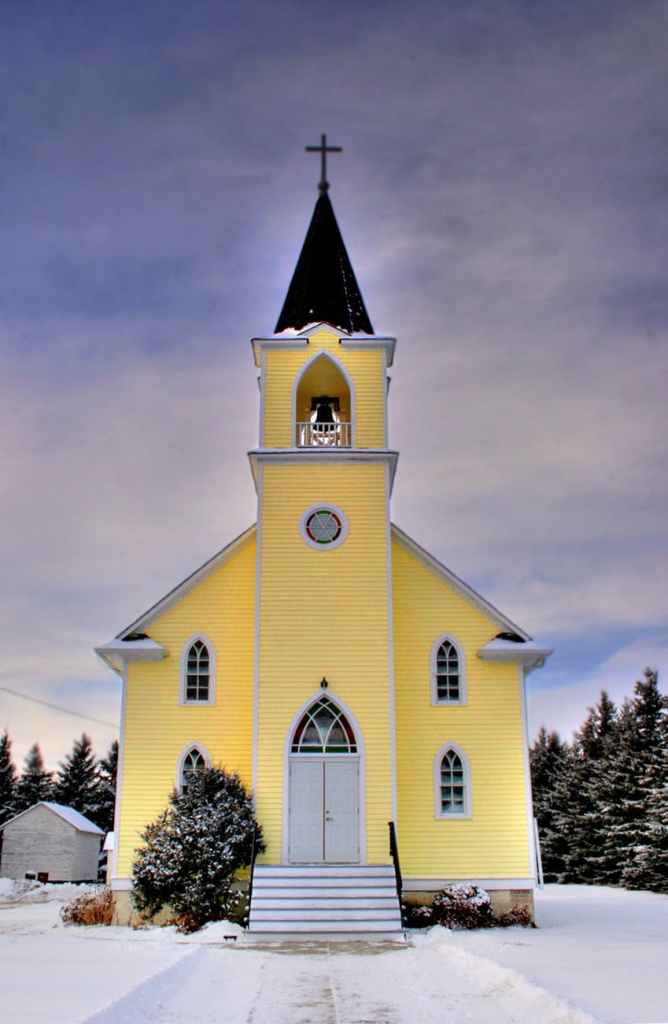
Photo by Pixabay on Pexels.com

The famous American poet, H. W. Longfellow had lost his wife in a tragic fire just three years before he nearly lost his son in the horrors of the Civil War.  When his son was severely wounded in battle, Longfellow went to the military hospital, and, when he could, he transported his son home, knowing the journey would be painful and the outcome might not be a happy one.  (His son lived, but never recovered fully– see the article above.)
As he sat with his wounded son over the Christmas season, he could hear the bustle and chatter, and the bells ringing from the church steeples, announcing the good news of Christmas.  As his pain and bitterness churned, he wrote about it, and about how his heart was turned from bitterness to hope. (See the original poem here:   https://www.hymnsandcarolsofchristmas.com/Poetry/christmas_bells.htm

Photo of C. A. Longfellow

Christmas is a time of warmth and good cheer for many–the ringing of bells, the singing of merry tunes, the tinsel and glitter of decorations–but for others, it is a time of deep soul-searching.  “My life is a mess.  I have suffered greatly.  There is no Peace On Earth!”  Yet, the hope and promise of Christmas rings out greater than the darkness and the blast of gunfire, the angry outcries and the weeping of those in grief.

How can this be?

Christmas reminds us that our circumstances, though very real and very painful, are confined to this time and space.  They are temporary– not in the sense that we will forget our pain or loss– but that we can still experience hope and joy  and healing in their midst.  “The Wrong shall fail”–there will still be evil in the world, injustice, hunger, abuse, sickness–wrong will still exist, but it does not have the power to define us, to enslave us and take away our ability to do good.  “The Right, prevail”–God’s promise of Messiah (among several hundred other prophetic promises!) has been fulfilled.  God is Faithful.  God’s word endures.  God’s Justice Will Be Done, and there will be “Peace on Earth, Good Will to Men.”

Photo by Magda Ehlers on Pexels.com

Christmas also reminds us that it is just in those very small things– the tolling of bells, being able to hug your child,  to share memories of loved ones who are no longer here, being grateful for small gifts, giving a word of encouragement–that hope and joy are spread like ripples of water and echoes of sound.  Christ’s birth was humble, but it was heralded with the hosts of angels from the highest heavens. 

Photo by Oleg Magni on Pexels.com

My prayer today is that we would listen for the true message of Christmas, and that we would echo and repeat the message– even if it seems that we are being drowned out by sirens and protests, or silenced by those who are hurting and cannot hear the sweetness in the music of the season.

Where’s the Joy?

I love puns– friends from all over the world send me the craziest puns, “punny” images, silly videos, and awful jokes.  Except for those that are patently offensive and find their humor at someone else’s expense, I really enjoy them all.

Someone has said that puns are the lowest form of humor, but I disagree.  In fact, I often find that puns, like humor in general, can cause us to explore a serious topic in ways we would otherwise avoid.  The image above tickled my funny bone, but it also caused me to think.  Where is my Joy?  Do I bottle it up and hide it down in my cart, or does it bubble up, iridescent and smelling of sunshine (and possibly lemons) from deep down in my heart?

clear bubble
Photo by Pixabay on Pexels.com

Prayer is a serious topic, but it shouldn’t be joyless.  Even in our troubles, we can be confident that we are loved, cherished, and precious.  In our grief and sorrow, we are not overwhelmed (though it often feels as if we are) when we have this kind of joy.  It will wash away despair, anger, doubt, and weariness, as it rises up.  We pray for so many other things– health, wisdom, forgiveness– we should also pray for Joy.  Not the false and fleeting joy of a silly pun, or the veneer of joy that lies and says that “everything is great.”  We need the kind of joy that sings through tears, laughs at storms, defies despair, and shakes the rafters!  And we need the quiet, blessed assurance that God is in His Heaven and even if all is not well with the world, God still has everything well in hand. Such joy, lodged deep in our heart and soul can keep us from buckling under the weight of loss, the exhaustion of stress, and the threat of chaos.  We need a new “Dawn” of “Joy” (yes, I had to include another pun). We need to pray for joy. We need to cherish it.  And we need to pass it on.

The world could really use it!

I Sing Because I’m Happy

There is a great old hymn– His Eye Is On the Sparrow– and the chorus says:

I sing because I’m Happy,
I sing because I’m Free.
His eye is on the sparrow,
And I know He watches me.

Full lyrics here

It is a great reminder that, as followers of Christ, we always have a reason to be happy and to sing his praises, even when circumstances are confusing or situations are trying.

pexels-photo-145378.jpeg

I love this old song, but sometimes, even though I have reason to be happy, I don’t feel like singing.  The same happens with prayer.  Some days, I’m just not feelin’ it.  It’s not necessarily that I’m miserable or angry.  Sometimes, I’m distracted, or even happy doing self-centered things.

I find it easier to pray when I’m sad or needy– my brokenness brings me closer to God.  When things are going along just fine, I sometimes forget the true source of my joy and strength.  I take for granted that God and I are close, not realizing that I haven’t spoken to him lately, or that I have whispered a quick, shallow prayer, but I haven’t spent much quality time with the lover of my soul.

There is an old Chinese proverb that says: “I don’t sing because I am Happy– I am happy because I sing.”

pexels-photo-462442.jpeg

At first, it may sound like this is a contradiction of the beloved hymn, but really it is a complement.  I sing because I’m happy, but if I sing no matter how I start out feeling, I find myself happier!  I pray because I want to be close to God, but I stay closer to God because I pray.  When I was younger, I used to base my prayer life on how I felt.  It’s yet another reason I now use a prayer journal. Read more about keeping a Prayer Journal  It keeps me disciplined and helps me maintain a stronger prayer life.  We all know that prayer is a key element in building a strong relationship with God and others, but it has to be practiced to be effective.  Other key elements are:

  • Reading the Bible/doing a Bible study
  • Fellowship with other believers
  • Obedience– Actively following God’s example
  • Confession/Forgiveness

Any of these elements can become lackluster and difficult, especially if we aren’t practicing them daily.  And all of the elements will become stronger through practice.  Not only that, but they will blend together better, and the end result is a stronger, healthier, happier you.

pexels-photo-236149.jpeg

And that’s worth singing about!

Looking Back

In my pursuit of prayer, I have found it helpful to keep a Prayer Journal.  One of the reasons is that I can look back and see what prayer concerns and issues I prayed for weeks, months, or even years ago.  I also save space in my journal to go back and fill in how God answered those requests, or what the progress has been in those areas of concern.  see also: Proactive Prayer Points

pexels-photo-273011.jpeg

The Bible warns us to be very careful about looking back…the most famous example is the tragedy of Lot’s wife (Genesis 19).  In looking back, she lost her chance to rebuild a life after the destruction of Sodom and Gomorrah, and was turned into a pillar of salt.  In the book of Exodus, the newly freed Israelites grumbled about their circumstances and looked back with fondness on their lives in Egypt, forgetting their oppression in their homesickness for certain foods (Exodus 16).  Spending too much time and energy on the past leaves us with little motivation and energy for the present or future.  The past should never become more important to us than moving forward.  If we long for the past, if we romanticize it or cling to it, fearing the changes and opportunities to come, we can stagnate, and miss the blessings playing out right before our eyes.

But we should take some time periodically to look back in order to gain perspective.  The same Children of Israel who grumbled about leaving Egypt, once they arrived in the Promised Land, were commanded to remember their wandering in the wilderness, and told to teach their children about the past (Deuteronomy 8).  Holidays and religious rites were instituted as reminders of the past.  But this kind of looking back gives us renewed encouragement, incentive, and momentum to keep going by showing us how far we’ve come, and reminding us of God’s faithfulness.

pexels-photo-191842.jpeg

I am especially encouraged when I see how God has answered prayer–so often, I’ve forgotten about trials and struggles that have come my way–issues that seemed huge in the moment, but in hindsight look insignificant.  Sometimes, God’s answers were immediate and breath-taking.  Sometimes, they were subtle and were revealed in several stages.  Sometimes, the answers revealed how God was working beyond anything I imagined!  Often, the requests reveal how I have grown (or not!) to trust him more or to listen better to those around me.

And, just like that, I have material to add to today’s prayers– gratitude for prayers answered, hope for new growth, praise for God’s faithfulness, and confession for times I have doubted or looked back in envy or regret.

pexels-photo-1007977.jpeg

The Smallest Detail

Have you ever looked at a series of pictures that “zoom” in or out (or both)?  Something that seems “normal” in size suddenly becomes a tiny detail in a much larger picture.  Or one tiny detail grows large enough to show intricacies hitherto unseen.  It is mind-blowing to think of how many details there are in God’s universe–little things that go unnoticed and unappreciated every day.  But not by God.  God knows and cares about every single detail– from the  individual hairs on your head, to the variations and whorls of each of your fingerprints; from the gradations of colors in each moment of each sunrise, to the exact air temperature in each square foot of atmosphere around the world; from the wings of every butterfly to the fins of every fish– nothing escapes his notice or falls through the cracks.

pexels-photo-121646.jpeg

We can pray with confidence that God hears every word we say, and knows the thoughts we can’t even put into words.  I believe God loves to hear all our details.  He loves listening to us, because of his great love for us.  He wants us to hold nothing back.  This is especially true when we pour out our deepest delights and our most pressing burdens.  He wants to share them with us– to double our joy, and shoulder our pain.sea-nature-animals-fish.jpg

I was reminded about God’s attention to detail while reading His word this morning.  I was reading through one of the books of history (II Kings) in which the various kings of Israel and Judah are listed, along with short accounts of “what happened” during their reigns–some kings are given several paragraphs or a couple of chapters;  others merely a sentence or two.  In the midst of all this, there is a curious reference in II Kings 14:25.  King Jeroboam II of Israel is accounted a generally wicked king, but he did restore some of the ancient boundaries of the country, “in accordance with the word of the Lord, the God of Israel, spoken through his servant Jonah, son of Amittai, the prophet from Gath Hepher”– that’s right, THAT Jonah– the one of the giant fish and the adventure in Ninevah (see Paltry Prayer ).  How many times have I read the story of Jonah, and passed right over this reference to him in another book!  The Bible is full of such hidden hints and corroborating details.  I believe that God put them there to remind us of his great attention to detail.  The God who lists genealogies throughout his word— long lists of otherwise forgotten names;  the one who makes a point of listing palace guards and minor officials, and builders and temple workers–this God sees ME!  He sees YOU!  He hears us when we call.  He knows all of our quirks and idiosyncrasies– and loves each unique detail of our makeup.

Praying hands

Prayers in the Pendulum

I’m late in posting an entry today– it’s been a day of swinging in the pendulum.  Not in a personal sense, but in praying for friends and family.

We all have “pendulum” days (or weeks, or even hours)– times where we are carried, pushed, swung, or banged about by life’s circumstances.  Moments where time stands still– sometimes in astonishing joy, and sometimes in soul–stomping grief.  Then comes the rush of being pulled by forces beyond our control– up, and down, across, and through the arc.  I’ve been hearing from friends all day, sharing those moments, and asking for prayer.  In the space of an hour, I’ve prayed for those who have just lost loved ones– a mother, a sister, a son– and those who are celebrating– an engagement, a birthday, a new home.  I’ve prayed for those whose lives are in the balance– in ICUs and in the womb.  Cancer, anniversaries, new puppies, pneumonia, a new job, a vacation, a car accident…

When we pray for others, we share those joys and heartaches– together, we swing through the arc of tragedy and triumph, even if we don’t all feel the full impact.  We become like the balls on the pendulum swing; absorbing and sharing laughter and tears not fully our own. But by doing so, we provide both energy and equilibrium.  Shared joys are multiplied; shared pain becomes bearable.  Prayer breaks through the isolation or the intensity of the moment, and keeps us grounded, or keeps us from shattering.   It reminds us that even in these defining and refining moments, life is not static.  And the momentum pulses through us in our connectedness.

Yet prayer goes one step further– it brings triumph and tragedy to the God who is above, beyond, around, and amidst the circumstances, the chaos, and the emotional highs and lows.  Our voices, raised together in laughter or grief, exasperation or anticipation, ascend to the one who came and lived and laughed and cried among us– to Jesus, whose arms are fully extended to embrace us wherever we are on the pendulum.

pexels-photo-227390.jpeg

Presumptuous Prayer

The Christian life is often one of paradox–We are “in” the world, but not “of” the world; we “die to the flesh”, even as we continue to breathe and walk and eat in our fleshly bodies.  Prayer is part of that paradox– we dare to present ourselves before the throne of Almighty God, yet we are told to call him “Our Father”, and to come boldly.  We call on one who is unseen, unknowable, and sovereign, and we’re told to ask for anything in Jesus’ name, and it will be done.

This can lead to problems, as we try to resolve the paradox– sometimes we dare too much; other times, we ask too little.  I want to take a peek at how this works, especially as I have a problem with the latter.

Why do I feel it is a presumption to ask God for help?  Why do I ask God to do the least that I might expect from Him, when He offers miracles for the asking?  Why do I wait to bring my requests to God, hoping that I can solve them myself and not “bother” him?  Do I not trust him?  Do I not trust him enough?  Why do I get discouraged when my prayers are not answered “my way?”  Immediately!  When hardship comes, why do I assume that it is an accident–a miscarriage of justice–and call out to God as though he is unaware of my dilemma?

sunrays

I think we come to prayer with a few faulty assumptions about God:

  • we believe that God doesn’t know– that he is unaware of our needs or our circumstances, , our sense of urgency, or the depth of our despair; that he will be embarrassed by our lack of obedience or the simplicity of our request
  • we believe that God doesn’t care– we fear that God will be distant, disapproving, or even disdainful; unwilling to help us until we “clean up our act.”  Or we believe that he delights in testing us, watching us struggle, withholding help until we are properly humbled and abject in our obedience.  Perhaps we believe that “God helps those who help themselves,” and therefore, he is waiting for us to work ourselves to the limit before we bother him with our troubles.  We believe that “if God really cared” he would give us what we want, when we want it, and how we want it
  • we believe that God is unable– that we have messed up so badly, even God can’t fix our mistakes; that what we are asking is stretching God to do what is beyond his plan or purpose; that our request is too broad in its scope for God to attend to it
  • we believe that God isn’t really GOD–we have doubts about his existence, his reality, his presence, and his power over all our circumstances

We also come with assumptions about ourselves:

  • we believe that we are unworthy of God’s love, care, time, power, concern, or attention
  • we believe that we are worthy–worthy of special treatment and privileges denied to others because of who we are or what we’ve done; worthy of a life devoid of pain, stress, hardship, or struggle
  • we believe that we know better than God how to meet our needs; we believe that we have all the answers, and God’s job is to do our bidding
  • we believe that coming to God in prayer is a sign of weakness, laziness, or neediness that brands us as “less” than others who live life on “their terms”
  • we believe that our wants and needs are not important; that our dreams and desires must be squashed in order to serve God

If we assume any (or all) of these things, our prayers will swing wildly from wimpy hand-wringing and grudging worship to impatient demands and selfish complaints.

God knows– he sees everything; he knows your very thoughts before you think them!  God cares– he loves each of us with an eternal, limitless love– a perfect love that casts out fear and bids us to draw near to him, but doesn’t spoil us, indulge our selfishness, or set us up for failure.
God is able–just because we don’t see the answer we want in our current situation doesn’t mean that answer isn’t on its way.  Look back at the ways God has been faithful in the past–Can’t He Do It!

We are unworthy–in our own power–but we are also cherished by God, who makes us worthy through faith in the finished work of Jesus Christ.  Our privilege of coming to and communing with Almighty God is not a presumption in itself– it is a gift given by him in the moment that the veil was torn from top to bottom in the temple– the very moment Christ fulfilled the law, the barriers were removed, and God made it possible to come into his very presence.
We know only in part, and we see only in part– God sees the whole; the end from the beginning.  He knows what is best, not only for us, but for all of creation.
When we come to God, it is a sign of submission– not weakness.  It is a sign that we recognize God’s right to be God, and our privilege to live and work and commune with him, instead of acting and living in rebellion against him.
Because he knows our every thought, and he loves us completely, he cares about our every need.  When we trust in him– in his goodness, his faithfulness, his timing, and his sovereignty, he doesn’t promise us a life without hardship; but he does promise peace that passes all understanding as we go through those hardships.

pexels-photo-156151.jpeg

In the end, our faulty assumptions come from making ourselves too big– taking pride in our own worthiness, strength, and intelligence; or exaggerating our faults, mistakes, and unmet expectations– and making God too small to meet our needs or understand our hearts.

God wants us to presume on his Goodness and Might– not on our own wisdom and worthiness.


Positioning for Prayer

Bow, kneel, stand; hands folded, hands raised, hands clasped–there are many positions we assume when praying.  And different types of prayer seem to have different positions.  We tend to say grace seated or standing behind our chair at the table.  Some families hold hands; others bow their heads and fold their hands.  Some corporate prayers call for kneeling; others are said standing.  Some people bow, some kneel on the floor with arms outstretched; some curl up in their favorite easy chair; some face east or toward a certain focal point; some touch or hold an object, like a rosary or a Bible, or the wall or surface of a sacred place.  Some pray with eyes closed; others with eyes raised toward Heaven.

Does any of this posturing and positioning really matter?  Does God have a preference?  A requirement?  Does He get offended if I stand, or keep my eyes open or neglect to hold my hands a certain way?

gracelady

The answer is not as easy as one might think–The Bible has many specific accounts of prayer, as well as many commands and guidelines.  Hebrew priests stood with hands raised to pronounce blessing and to seek God’s favor.  King David’s psalms are poetic prayers.  They don’t often describe a position of standing or kneeling, but many of them imply a position of lying down, pacing, clapping, shouting, climbing, etc.  Jesus often prayed alone, and spoke of praying privately– in corners and closets away from prying eyes and listening ears.  On the night of the Last Supper and in the Garden of Gethsemane, the Bible describes Jesus as praying while “looking toward Heaven” (John 17:1), and later, “he fell with his face to the ground and prayed.” (Matthew 26: 39)

All this indicates that positions matter in relation to the function or the nature of the prayer.  And that’s where I want to focus my thoughts today.

God isn’t displeased if I stand to pray, rather than kneel–unless I am standing in pride and arrogance.  He is pleased if I kneel in humble and contrite spirit, but not if I kneel out of false humility or to impress others with my self-righteous posturing.  If I bow my head at the table out of habit, and forget who I am supposed to be talking to, or “pretend” to kneel instead of leaving the comfort of my chair– then I may need to take a new position; a new attitude of prayer.

kneelprayer

God isn’t impressed with our physical position in prayer– but I believe he wants our whole self, our undivided attention and our physical and emotional expression and attitude.  Sometimes, the physical position comes as a natural extension of our grief, our joy, our reverence, and our stillness before His throne.  Other times, our physical position brings us out of our pride, our busyness, and prepares our heart attitude.

I have had moments–even days– when I was not naturally motivated to quiet my spirit, bow my head or my heart, and kneel before my Maker.  But in kneeling, and bowing my head, and closing my eyes, I was positioning more than just my body.  I was coming in obedience to the one– the only one– who can transform my mind, renew my spirit, and soothe my restless heart.  Other times, I could not kneel for the joy and exuberance of the moment.  Standing on tiptoe, hands raised, head raised, and heart raised, I sang out to my Father in gratitude and awe.

So the answer to the question– Does our position in prayer matter?– would seem to be, “no.”  What matters is our attitude. God is not impressed or fooled by an outward show–he is concerned with our heart’s desire to be close to him. There is, however, one position that is pivotal in the pursuit of prayer.  That is the position of Faith.  In Hebrews, we are told that “without Faith, it is impossible to please God, for whoever comes to him must believe that he exists, and that he rewards those who earnestly seek him..”(Hebrews 11:6)  Jesus spoke of faith that can move mountains, even if it is the size of a mustard seed.  Whether kneeling or standing, grieving or rejoicing, our prayers must be accompanied by faith– faith that God exists; that he is loving and gracious and all-powerful to save; faith that our “position” in him is one of reconciliation and renewed life through his grace and the finished work of Jesus Christ; faith that he will hear our prayers and answer according to his will; faith that his will is altogether good and perfect– even when we don’t understand it in the here and now.

One final thought–though the Bible does not specifically require that we kneel to pray as we pursue a relationship with him, it does declare that one day, “at the name of Jesus, every knee should bow, in heaven and on earth, and under the earth, and every tongue confess that Jesus Christ is Lord…” (Philippians 10-11a).  I can practice kneeling in this life, knowing that it won’t go to waste!

Blog at WordPress.com.

Up ↑