Joy to the world, the Lord is come! Let earth receive her King; Let every heart prepare Him room, And heav’n and nature sing, And heav’n and nature sing, And heav’n, and heav’n, and nature sing. Joy to the earth, the Savior reigns! Let men their songs employ; While fields and floods, rocks, hills, and plains Repeat the sounding joy, Repeat the sounding joy, Repeat, repeat, the sounding joy. No more let sins and sorrows grow, Nor thorns infest the ground; He comes to make His blessings flow Far as the curse is found, Far as the curse is found, Far as, far as, the curse is found. He rules the world with truth and grace, And makes the nations prove The glories of His righteousness, And wonders of His love, And wonders of His love, And wonders, wonders, of His love.
Joy to the World– words by Isaac Watts
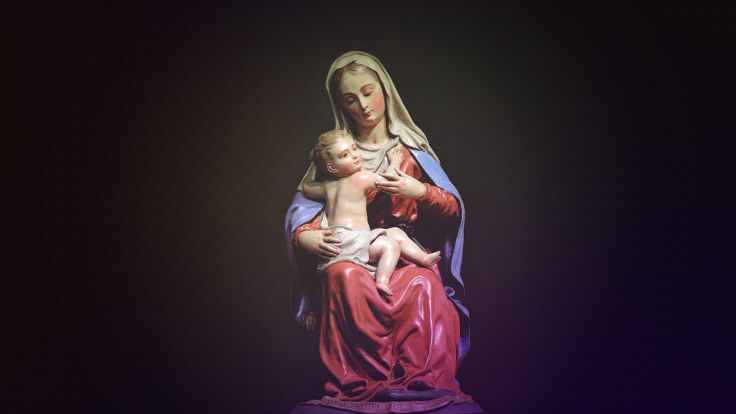
Advent is a time of preparation– joyful preparation. It is an oxymoron to say it, but it is a time when we remember with anticipation. It is a time once again to prepare our hearts for the arrival of an event that happened over two thousand years ago. Each year, we look backward to look forward! And we prepare as though it were all happening anew– the announcement of the angels, the travels of Mary and Joseph and their arrival in Bethlehem, the wise men following a star..
And we prepare for this year’s festivities– the gifts, the food, the decorations, the invitations and greeting cards, programs and parties, caroling and shopping…But in the midst of it all, hopefully, we prepare our hearts to be rekindled, reawakened to the wonder– beyond the star and angels and virgin birth–the wonder that God would ransom the lost, break the chains of sin and death, redeem the fallen and weary world, and pour all of his Glory into the frail cries of a newborn baby. All the rest of the preparation is meaningless if we don’t prepare to be overwhelmed again by the “glories of His righteousness, and wonders of His love.”
“Lord, may our hearts be prepared to accept the wonder and joy of this season. May we have new hearts for the wonders of your great Love for us– that you would humble yourself to live among fallen men and women, and die to set them free. That you would rise triumphant, so that we need not fear death. Thank you for this indescribable gift. Once again, let Earth receive her King with joy as all of heaven and nature sing!”
Have you ever anticipated something so wonderful, that, when the time came, you were almost afraid of it? Afraid that the anticipation would exceed the wonder of the actual event? Afraid that the wonder would be eclipsed by some unforeseen tragedy? Afraid that your dreams were too big? That you could never deserve such happiness or blessing?
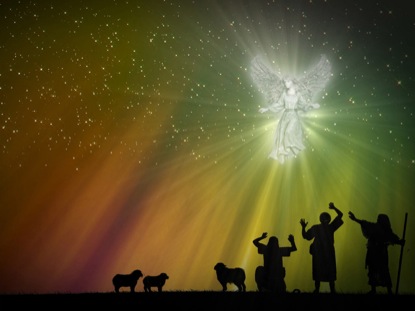
“That night there were shepherds staying in the fields nearby, guarding their flocks of sheep. Suddenly, an angel of the Lord appeared among them, and the radiance of the Lord’s glory surrounded them. They were terrified–but the angel reassured them. “Don’t be afraid!” he said. “I bring you good news that will bring great joy to all people. The Savior—yes, the Messiah, the Lord—has been born today in Bethlehem, the city of David! And you will recognize him by this sign: You will find a baby wrapped snugly in strips of cloth, lying in a manger.”Suddenly, the angel was joined by a vast host of others—the armies of heaven—praising God and saying “Glory to God in highest heaven, and peace on earth to those with whom God is pleased.” When the angels had returned to heaven, the shepherds said to each other, “Let’s go to Bethlehem! Let’s see this thing that has happened, which the Lord has told us about.” They hurried to the village and found Mary and Joseph. And there was the baby, lying in the manger. After seeing him, the shepherds told everyone what had happened and what the angel had said to them about this child. All who heard the shepherds’ story were astonished, but Mary kept all these things in her heart and thought about them often. The shepherds went back to their flocks, glorifying and praising God for all they had heard and seen. It was just as the angel had told them.” Luke 2:8-20 NLT (Emphasis added)
The shepherds on that first Christmas were terrified– their ordinary night had been shattered by the appearance of an angel of the LORD. And that was only the beginning! The angel announced the birth of Messiah– Christ, the LORD– in the nearby village of Bethlehem. And then an angelic host– a vast army– of angelic beings chose to worship in the skies that, just moments before, had been dark, still, and lonely. “Fear not!” “Be not afraid!” Through the terror and overwhelming glorious radiance came a calm voice. “I bring good tidings of great joy!” “..shall be to ALL people…” “PEACE on earth!” “Christ is Born!”
The fulfillment of centuries of longing was finally here. The central hope of the entire nation of Israel had arrived. And the angel left no doubt that the shepherds were welcome, even commanded, to GO and see this miracle with their own eyes. The Biblical account says that they did go– but it also says they stopped to discuss it first. They talked it over and decided to face the mixture of thrilling joy and weak-kneed trembling. Could it really be?! The Messiah! Here and now! But…a babe? Wrapped, not in robes of glory, but in swaddling cloths? And…lying in a manger? Surrounded by sheep and donkeys? What if this was a cosmic hoax? What if there was a mistake? Would they be disappointed? Ashamed? Turned away because of their lowly status?
“Be Not Afraid!” The shepherds talked it over. How could they NOT go and see? What if the news was true?! And in going, they became the first ordinary witnesses of the most extraordinary birth in history! They came. They saw. They believed! And they worshipped.
And then, they shared their experience with others. They went back. They probably shared the news first with the sheep, rehearsing how they would spread the fantastic tale to those who still lay sleeping. But they may also have shouted it in the streets, waking up all the neighbors with the joyous news. The Bible doesn’t give us details. But it does tell us that they went back with joy and gladness. And conviction–“It was just as the angel had told them.” Nowhere in the Bible story did they show any more fear. They had no doubt. The wonder of Christ’s birth was everything they had been told to expect, and more!
This Christmas, we look back at the shepherds, and we try to recapture the wonder of that Holy Night, and the visit of the angels, and the discovery of a tiny Savior in a manger. And we will have the opportunity to celebrate, just as the shepherds did.
What will be our response to His coming? Will we spend this season glorifying a praising God? Will we “astonish” our neighbors as we tell about the Savior’s birth, and His subsequent death and resurrection? Will we heed the angel’s calming tones to “Be Not Afraid” as we encounter the Messiah? As we go “back to (our) flocks” and fields and daily life?
I pray that we will “consider well” this Christmas how “our good God” gave us His “beloved Son”– born in a humble manger, willing to die a humiliating death He did not deserve so that we could be free from the curse of Sin and Death. And may we pray for the courage and conviction to live out and speak out the Joy and Glory of His coming!
One of the great classic Christmas carols, “The First Noel,” describes the night of Christ’s birth as a “cold winter’s night, that was so deep.”
It is dreamy and dramatic to think of Jesus coming into a cold, dark, dreary (and even snowy) world, bringing angels, glorious stars, kings bearing expensive gifts, and joyous songs.
We tend to look at Advent as a time of darkness and silence, in anticipation of the coming light and the Gospel. The idea that the world before the Birth of the Savior was cold continues the pattern of absence. Darkness does not exist independently. Neither does silence or cold. Each is the absence of something else– Light, sound, warmth–and it can only be known by the degree to which its opposite is reduced, distant, or absent. In contrast, the light, sound, or warmth is made more evident in contrast with its opposite–we may not notice a slight difference in lighting on a sunny day, or a slight difference in temperature; but a candle in a dark room, or a whisper in a silent auditorium has a dramatic effect.
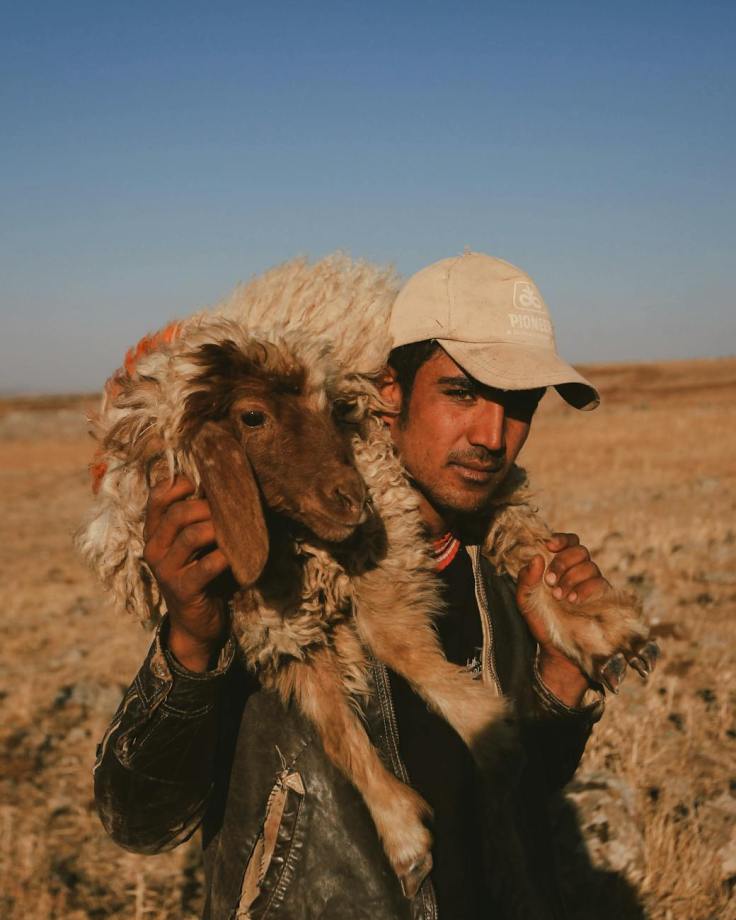
We don’t actually know the exact date of Jesus’ birth, and while December falls during winter, that doesn’t always mean a cold night in every part of the world. If shepherds were watching their flocks in fields just outside of Bethlehem, it is not likely that the temperatures were below freezing, or that there was snow and ice all around. The Middle East is not known for icy winters, after all. Nighttime generally brings colder temperatures, and it may be close to freezing by the middle of the night if you have no fire or protection from the wind, but a “cold winter’s night” is more likely to be found in Minnesota or Finland, not in Bethlehem, and usually in the middle of winter– January– rather than the beginning of the season.
However, just like the darkness and silence, the cold of that first Christmas was spiritual in nature. (https://www.biblegateway.com/passage/?search=John+1%3A9-12&version=ESV). Jesus entered a frigid world– a world of closed-off people, suspicious, oppressed, angry, sick, and world-weary. Hatred can be cold, but colder still is apathy and disdain and hopelessness. The world of Advent is a world desperate for the light and heat and sound of God’s love– not because God is absent, but because people have moved so far away from Him. The light becomes dimmer, the songs become a series of indistinct noises, and the cold and damp of night creep into our souls. Today, even with the hope and light of the Gospel story, we take our focus off of the true light of the world, and the true source of warmth and love, and too often focus on the lesser warmth of a new jacket, or the glittering lights of a shopping center, or the strident sounds of greed and envy.
Jesus may not have come in the cold of midwinter. But He came into a world of cold hearts as a helpless baby in a strange and unwelcoming land. And he was wrapped in rags and placed in a feeding trough– the warmest place that could be found. But even in this tiny, shivering baby, there was the warmth of Pure Love. And it was felt by all who came in contact with Him– shepherds rejoiced, Mary pondered, Wise Men knelt in adoration.
I love seeing candles and firesides at Christmas time– I love coming into a warm house, full of laughter and love, or singing carols on a cold night, and being invited inside to share the warmth. I love fellowship at church, and sharing a hug and a smile with those I meet. Imagine the warmth of God with us–All of the warmth and life of being wrapped in the arms of Grace, and held by the nail-scarred hands, never to be cold or alone ever again. Can you feel it? Can you anticipate it? Imagine passing that on to someone who has never known such warmth…on a cold winter’s night…
We live in a weary world– weary of war, weary of chaos, weary of worry, and weary of sin and its consequences. From the time the alarm rings to the time we finally lay down our weary heads, we are bombarded by stress, misunderstandings, distractions, disappointments, questions, harsh words, harsh images, demands, doubts– I’m tired just listing them…
Even so, we are surrounded by promises (mostly false) of peace and rest, satisfaction and success. “Buy this!” “Try that!” “New!” “Improved!” The voices call out, offering temporary bliss, or temporary escape from the weariness all around. “Jingle Bells!” “Happy Holidays!” “Tidings of Comfort and Joy!” It is tempting to let Christmas become just like all the other worldly distractions–shiny, loud, stressful and fleeting, full of promise, but leaving us empty and cold in the end.
But Christmas IS different, because it doesn’t celebrate what the world has to offer. The celebration includes lights and bells, songs and gifts, food and friends and family– but at its heart, Christmas celebrates something “out of this world!” Jesus came to a weary world long ago, and no matter how weary the world was, or is, or will be, Jesus brought all the hope and healing of Heaven in the small package of a tiny infant child in a crowded town in a conquered land.
On that Holy Night, God crashed the party– He did more than watch from a distance, more than speak from the skies above or send angel messengers–He arrived, actively participating in the struggle, the bone-weariness, the hunger and thirst and chill and stress of living among His fallen and fractured creation.
And the weary world rejoices–can you hear it? Above the bustling noise of people shouting, and car horns blaring, and advertising slogans, and piped-in Christmas songs…Can you feel it–beyond the comfort of a warm blanket and hot cocoa, beyond the hugs of friends or the smiles of strangers or gifts from loved ones? Can you see it–beyond the glare of city lights, undimmed by the darkness of hatred and greed?
The lights and songs will fade away, but the Love, Joy, and Peace of God that came to the world that first Christmas is for all time!
“Fall on your knees! Oh, hear the angel voices, ‘O Night Divine. O Night, when Christ was born. O Holy Night!'”
1 In the bleak midwinter, frosty wind made moan, earth stood hard as iron, water like a stone; snow had fallen, snow on snow, snow on snow, in the bleak midwinter, long ago.
2 Our God, heaven cannot hold him, nor earth sustain; heaven and earth shall flee away when he comes to reign. In the bleak midwinter a stable place sufficed the Lord God Almighty, Jesus Christ.
3 Angels and archangels may have gathered there, cherubim and seraphim thronged the air; but his mother only, in her maiden bliss, worshiped the beloved with a kiss.
4 What can I give him, poor as I am? If I were a shepherd, I would bring a lamb; if I were a Wise Man, I would do my part; yet what I can I give him: give my heart.
United Methodist Hymnal, 1989
I love this Christmas Hymn, though it creates a picture that is likely very false. Historically, we have no reason to believe that Jesus’ birth occurred on the 25th of December, or even in the winter at all. And even if it was December, it is very unlikely that the Middle-Eastern countryside was experiencing frosty moaning winds or icy waters on the night of Christ’s birth. In addition to Mary, the Bible tells us of others who came to worship that night– the shepherds in the nearby hills. The wise men likely came days, weeks, or even months later to bring their gifts. And Joseph would certainly have been there, as well.
The song is still lovely, and the last verse is the key. Christ poured out all that He was; taking on the form of a helpless baby, He lived among those who rejected and mocked Him. He served those whom He had created, healing their wounds, forgiving their sins, providing for their eternal redemption. He died, betrayed and despised by His own chosen people, and dismissed by the rulers and authorities of the day. He never owned a home, built monuments, carved his name in stone, or wrote books to preserve his legacy. He had no dynasty or even children to carry on his name; at the time of his death, all his friends and followers had abandoned him– all but one disciple and his mother. Yet his birth (the actual date of which has been obscured by history) is synonymous with generous gifting, rejoicing, singing, worship, and renewed hope. So what could any of us possibly give that could even begin to match what His life, death, and resurrection gave us?
He asks for only one thing– everything we have: all the failures, mistakes, good intentions, bad choices, selfish desires, and hurts of the past–and in return, He gives us everything beyond our wildest imaginations: eternity with Him; all the riches of His Glory; all His holiness and majesty imputed to us; peace with Him; rest and restoration in Him; and His Spirit to guide and sustain us!
The bleakness of midwinter may not have been the physical setting of Christ’s birth, but it represents the spiritual setting of our lives without Him. In that sense, Christ comes in the bleak midwinter of our rebellion, our despair, and our isolation, and offers to give us everlasting light, hope, peace, and joy!
That’s worth celebrating every day throughout eternity!
My faith looks up to Thee, Thou Lamb of Calvary, Savior divine! Now hear me while I pray, Take all my guilt away, Oh, let me from this day Be wholly Thine! May Thy rich grace impart Strength to my fainting heart, My zeal inspire! As Thou hast died for me, Oh, may my love to Thee Pure, warm, and changeless be, A living fire! While life’s dark maze I tread, And griefs around me spread, Be Thou my guide; Bid darkness turn to day, Wipe sorrow’s tears away, Nor let me ever stray From Thee aside. When ends life’s transient dream, When death’s cold, sullen stream Shall o’er me roll; Blest Savior, then in love, Fear and distrust remove; Oh, bear me safe above, A ransomed soul!
Hymn lyrics by Ray Palmer 1830
Therefore, since we are surrounded by such a great cloud of witnesses, let us throw off everything that hinders and the sin that so easily entangles. And let us run with perseverance the race marked out for us, 2 fixing our eyes on Jesus, the pioneer and perfecter of faith. For the joy set before him he endured the cross, scorning its shame, and sat down at the right hand of the throne of God. 3 Consider him who endured such opposition from sinners, so that you will not grow weary and lose heart.
Hebrews 12:1-3 New International Version (NIV)
When was the last time you spent a little time sky-gazing? Looking up at the stars? Or even looking up at ceiling tiles or roof lines?
It turns out that the very act of looking up is good for your body, mind, and soul. Looking down, on the other hand, can, over time, lead to neck and back problems, and contribute to depression. (for more info, use a search engine to look up “health benefits of looking up” or click here: https://www.spine-health.com/blog/modern-spine-ailment-text-neck )
The author of Hebrews reminds us that we should be “fixing our eyes on Jesus” as we run the “race marked out for us”. This is more than just watching the road ahead or looking up at the sky. We look up at Jesus because:
He is the Author and Finisher (the pioneer and perfecter) of our Faith. Faith must be anchored…we will believe in something, or we’ll fall for anything, someone has said, and if we don’t make a choice to fix our eyes on Jesus, we will end up looking around or down for something else.
He is our guide. Like a highway sign keeping us on the right road and keeping us from taking a wrong turn, we look to Him to stay on track.
He is our example. In looking up to him, we are also learning how to live and endure and overcome.
He is our advocate and encouragement! How much better will we run when we look up to see Him cheering us on!
He is our goal. We run to Him, so we look up to see how close we are to running into His loving arms.
God always hears our prayers. He always has an answer. But it isn’t always the answer we expect. Sometimes, God answers, “No,” or “Not yet.” Sometimes, He answers in ways that seem confusing and mysterious, and even ironic.
I remember as a young teen praying for a woman in the community who had lymphoma. In treating her condition, the doctors, trying a new experimental treatment, did permanent damage to certain muscles, leading to a progressively debilitating condition. She died a slow and painful death, unrelated to her original condition. Where was God? How could He listen to our prayers and give such a cold, cruel answer?
But God sees a bigger picture than we do. This precious woman had incredible faith and grit. She had spent years working diligently to help others and teach God’s Word. She continued her work, even in the midst of her health struggles almost to the end of her life. What might have caused some people to turn their backs on God made her more dependent on His Grace. She faced her pain and weakness with grit, strength, and hope in God’s eternal healing. God’s answer wasn’t to rescue her from the suffering, but to be present in it with her. And her example lives on to this day.
Some people would read about this and be dismissive. What a cop-out! What a delusion! But there is much more to her story than her own condition or even her response. One of the men in our church really struggled with God’s seeming indifference. He wrestled with his own faith for many months while watching her get weaker and weaker. But through his struggle, he grew in his conviction that God was present in every situation. He was inspired to do short-term mission work, partly as a result of this growth. Knowing that God would be with him, he threw himself into loving people from a different culture–different climate, different language, different work ethic– and helped build churches and other facilities for those in need. Many people were helped, inspired, and encouraged because of his dependence on God– a dependence enhanced by facing his own questions and doubts.
Family members and community members, watching her struggles, were inspired to pick up where she left off– working and teaching and reaching out to others with zeal and joy–following her marvelous example. Today, some of her family members are leaders in their churches, raising the next generations of witnesses to God’s mercy and power. Doctors, having failed in her treatment, learned from it– a difficult lesson for all, but a lesson, nonetheless. Her joyful attitude (before and during her struggles) inspired me to direct the Vacation Bible School program at our church for a few years, and to teach Sunday School when I moved to a new location. And those are just a few of the ways I have “seen” God’s answers to our prayers. God did not give our friend the physical healing we wanted. But her struggles– and her response of faith and perseverance–inspired a ripple effect far beyond her own pain and disappointment. And she has received the ultimate healing! Her pain, intense and unjust as it was, was only temporary. Her life, her legacy, her joy– they all live on!
How often do we look at a situation and think we know what is “best?” How often do we feel that God’s answers are “wrong?” Wrong timing, wrong outcome, full of hardship or pain– how can this be God’s “perfect” will for us? There was nothing about this woman’s situation that was comfortable; no reason to see a good outcome for her or her immediate family. She died. She experienced pain, with no earthly justice. Her suffering was undeserved and unmitigated. She refused to sue the hospital or the doctors– she wanted them to be able to continue to learn from her experience so they could help others NOT to suffer in the future. But her life was shortened and made grueling in the process, and she received no payout, no financial compensation, no symbolic reparation for her sacrifice. We received no “miraculous” answer to our prayers. It seemed at the time that the more we prayed for healing, the worse her condition became. We continued to pray anyway, knowing that God DID hear us, and God’s ways were not our ways– they are always better. Even when His ways seem like silence.
This all happened several decades ago, and many of the “answers” from our urgent prayers are still hidden from our eyes. Many of our questions remain unanswered. But God’s will is still active, even in these tragic circumstances. Someday in Heaven, it may be revealed to us exactly how God used this woman’s life and struggles to bring about blessings to hundreds of other people– causing them to grow strong through her weakness, drawing them to His healing and wisdom in a world of pain and confusion.
I have lost many friends to cancer. I pray for each one, and the outcomes are never exactly the same. Some go into remission, only to have the cancer return three or four years later. Others get amazing healing– surgeons are astonished and perplexed by the rapid or miraculous disappearance of cancer cells. Some go into fast decline and die almost immediately after their diagnoses. And each situation impacts people in different ways, showing God’s power and presence for those who are willing to look for them. Prayer isn’t a magic formula for immediate and total healing. Prayer is lifting up a situation that is beyond our control or understanding and trusting that God has a perfect plan beyond what we can see or understand. Cancer cannot take God by surprise. Death cannot outwit or overpower God. We live in a world where Evil can overwhelm us; our bodies can betray us; our future can be lost in the fog of uncertainty and suffering. But God is present– not only IN our suffering, but ABOVE and BEYOND our suffering.
We don’t pray for our friends and loved ones to suffer. We want them to be healed, to be free of pain and grief; to be at ease and blessed with abundance. This is normal; it is good. God wants to bless us. It doesn’t bring Him joy to watch us suffer. But He also wants us to see the blessing of His presence, His wisdom, and His power. Sometimes, we can’t see that as we look around. Sometimes, we need to look up! Even from a hospital bed (see John, chapter 9). Even from the flames of suffering (see Daniel, chapter 3). Or from the belly of a whale (see Jonah, chapter 2). And we will find that God is there.
Years ago, Louis Armstrong recorded a song, called “What a Wonderful World.” Video and lyrics here. It’s a pleasant song, pointing out all the wonderful things to see and hear in the world around us…people sharing greetings, day and night, rainbows, children…but it is also a wistful song. Armstrong sings it as an observer, more than a participant. He sees all the wonder of the world around him, and he sees hope for the future. The flowers and rainbows are there for all to see; but the greetings are not for him; the children are not his and will surpass him in knowledge and opportunity.
I could name a dozen other songs or poems with similarly ambivalent messages; songs about smiling, hiding one’s tears, hoping for tomorrow and happy days returning. Such songs acknowledge that our world is filled with wonder, beauty, and joy; they also acknowledge that sprinkled amid the wonder there is heartache and disappointment.
It is tempting in times of hardship to focus on the negative and miss the wonder that still exists around us. It can also be tempting to resent the joy others experience as they soak in the wonder that seems to taunt us.
Some people ask, “How can you believe in God when you see all the pain and suffering and evil in the world?” And others answer, almost flippantly, “How can you doubt God when you see all the beauty and grandeur in the world?” To someone who is in pain, this is the kind of answer that rubs salt in open wounds. It’s not that the answer lacks logic or merit, but it is devoid of compassion.
The truth is, that even in the midst of extreme suffering, we DO live in a wonderful world. The sun still shines, there are still rainbows, and happy children, and, most of all, HOPE.
The Bible speaks of hope as one of the “remaining” virtues– Faith, Hope, and Charity (or Love). We hear this, and study it, and recite it, but do we really appreciate it for the wonder it is? Hope may fade in the midst of chaos, but it is not easily suppressed or smothered. Hope gives us strength when we are struggling; it gives us a reason to look up from the ashes and see the sun. Hope gives us the motivation to work and build after a disaster; to risk new adventures; to plan for a future.
Our world needs hope–we need encouragement to reach out; to build and rebuild our communities; to look forward with vision, and set goals to reach that vision. And we need hope to turn our eyes to the source of that hope– for we do not hope in vain!
Our Hope as Christians is based on God’s eternal faithfulness. God has given us promises– promises that He will keep, just as He has kept all His promises in the past! Our hope is solid. Our Joy is not dependent on what “may” happen in the future. Even in our fallen world, God is wooing us with wonder, beauty, joy, and HOPE. It IS a wonderful world! But it pales in comparison with what is to come. What we will find in the redeemed world is beyond our wildest imagination.
“For this light momentary affliction is preparing for us an eternal weight of glory beyond all comparison, as we look not to the things that are seen but to the things that are unseen. For the things that are seen are transient, but the things that are unseen are eternal.” 2 Corinthians 4:17-18 (ESV)
You’ve got to accentuate the positive Eliminate the negative Latch on to the affirmative Don’t mess with Mister In-Between
You’ve got to spread joy up to the maximum Bring gloom down to the minimum Have faith or pandemonium (is) Liable to walk upon the scene “Accentuate the Positive” by Harold Arlen/Johnny Mercer
This popular song came out in 1944, as thousands of soldiers were dying in World War 2, and millions were facing homelessness and starvation in Europe, Asia, and northern Africa. Its syncopated rhythms and upbeat lyrics helped focus minds and hearts on hope in a world torn apart by war, hatred, and despair. Further lyrics refer to biblical characters Jonah and Noah, and their experiences facing “dark” times.
The Bible gives us similar (and more specific) advice. The Apostle Paul wrote from prison to believers in hard-pressed Philippi:
6 Do not be anxious about anything, but in every situation, by prayer and petition, with thanksgiving, present your requests to God. 7 And the peace of God, which transcends all understanding, will guard your hearts and your minds in Christ Jesus. 8 Finally, brothers and sisters, whatever is true, whatever is noble, whatever is right, whatever is pure, whatever is lovely, whatever is admirable—if anything is excellent or praiseworthy—think about such things. Philippians 4:6-8 (NIV)
In other words– Accentuate the Positive and latch on to the affirmative!
To the Ephesian believers, he says:
The Old Way Has to Go (or, Eliminate the Negative):
And so I insist—and God backs me up on this—that there be no going along with the crowd, the empty-headed, mindless crowd. They’ve refused for so long to deal with God that they’ve lost touch not only with God but with reality itself. They can’t think straight anymore. Feeling no pain, they let themselves go in sexual obsession, addicted to every sort of perversion. But that’s no life for you. You learned Christ! My assumption is that you have paid careful attention to him, been well instructed in the truth precisely as we have it in Jesus. Since, then, we do not have the excuse of ignorance, everything—and I do mean everything—connected with that old way of life has to go. It’s rotten through and through. Get rid of it! And then take on an entirely new way of life—a God-fashioned life, a life renewed from the inside and working itself into your conduct as God accurately reproduces his character in you. What this adds up to, then, is this: no more lies, no more pretense. Tell your neighbor the truth. In Christ’s body we’re all connected to each other, after all. When you lie to others, you end up lying to yourself.Go ahead and be angry. You do well to be angry—but don’t use your anger as fuel for revenge. And don’t stay angry. Don’t go to bed angry. Don’t give the Devil that kind of foothold in your life. Did you use to make ends meet by stealing? Well, no more! Get an honest job so that you can help others who can’t work. Watch the way you talk. Let nothing foul or dirty come out of your mouth. Say only what helps, each word a gift. Don’t grieve God. Don’t break his heart. His Holy Spirit, moving and breathing in you, is the most intimate part of your life, making you fit for himself. Don’t take such a gift for granted. Make a clean break with all cutting, backbiting, profane talk. Be gentle with one another, sensitive. Forgive one another as quickly and thoroughly as God in Christ forgave you. Ephesians 4:17-32 (The Message)
But what does it mean when the song says, “Don’t mess with Mister In Between”? The Bible gives some advice on this as well. The Apostle James has much to say about such a man in the first chapter of his epistle. He talks about being steadfast, not doubting, not double-minded, and not swept up in temptation, blaming others, and justifying his own philosophies:
22 But be doers of the word, and not hearers only, deceiving yourselves. 23 For if anyone is a hearer of the word and not a doer, he is like a man who looks intently at his natural face in a mirror. 24 For he looks at himself and goes away and at once forgets what he was like. 25 But the one who looks into the perfect law, the law of liberty, and perseveres, being no hearer who forgets but a doer who acts, he will be blessed in his doing. James 1:22-25 (ESV)
To James, “Mister In Between” is a shadow man, a person without root or discipline, who will listen to the word of truth, but then turn back to the darkness of the world to justify inaction and/or wrong actions. Mister In Between wants to straddle the fence between sin and obedience, revenge and forgiveness, anger and patience, comfort and compassion. But that doesn’t work. Such a person lives in a false reality– one where his/her “truth” changes with each new experience or emotion, each new encounter with pleasure or grief.
Jesus Himself spoke of the dangers of living “In Between”:
Then he said to them all: “Whoever wants to be my disciple must deny themselves and take up their cross daily and follow me. 24 For whoever wants to save their life will lose it, but whoever loses their life for me will save it. 25 What good is it for someone to gain the whole world, and yet lose or forfeit their very self? 26 Whoever is ashamed of me and my words, the Son of Man will be ashamed of them when he comes in his glory and in the glory of the Father and of the holy angels… 62 Jesus replied, “No one who puts a hand to the plow and looks back is fit for service in the kingdom of God.” Luke 9:23-26;62 (NIV)
13 “You are the salt of the earth. But if the salt loses its saltiness, how can it be made salty again? It is no longer good for anything, except to be thrown out and trampled underfoot.14 “You are the light of the world. A town built on a hill cannot be hidden. 15 Neither do people light a lamp and put it under a bowl. Instead they put it on its stand, and it gives light to everyone in the house. 16 In the same way, let your light shine before others, that they may see your good deeds and glorify your Father in heaven. Matthew 5:13-16 (NIV)
We may not be in the midst of a World War (though some reading this may be experiencing war, persecution, and suffering), but we are all involved in a great Spiritual Battle. There are negative forces and philosophies warring with God’s Truth– Anger, Despair, Hatred and Vengeance, Pride, Envy, Power, Greed, and many more. We need to keep our thoughts positively turned toward “whatever is true”.. and noble and praiseworthy– we need to keep our thoughts, prayers, and actions in tune with the teachings of Jesus. We also need to “eliminate” the negativity in our lives– doubts, regrets, shame, lust, bitterness, jealousy, and empty adherence to things of this world– we need to turn our back on old ways of thinking and doing (or NOT thinking or doing) and focus on Jesus. And we need to avoid “messing” with Mister In Between– stop compromising, stop trying to straddle the fence between loving others and making them feel comfortable or superior in their sin at the cost of our own soul.
It sounds easy and jaunty to “accentuate the positive.” But it involves commitment, and the willingness to let go of the negative and the complacent that creeps into our lives. That’s my prayer for today. I hope it is yours, too.
What do I bring before God when I pray? Awe, gratitude, requests, confession, what’s on my mind, my heart…there are many things I can lay on the altar. But what do I bring God that doesn’t originate with Him? What do I bring that has value independent of God? Nothing.
My relationship with God is completely uneven. God is the provider of everything I need. I owe Him everything, and have nothing to give that can begin to “repay” Him. What a blow to my pride, my self-sufficiency! What is the point of pretending I have anything to bring before an all-knowing and all-powerful God? All of nothing is still nothing.
But wait…
What do I bring before God when I pray? Awe for the beauty and power that inspires and uplifts me; gratitude for the blessings He has poured out so lavishly– life, health, family, joy, peace, grace, love… I bring requests, not idly, spewing them out to the wind or to random passers-by, but purposefully, to a God who hears. Confession, not coerced through torture, not met with unbearable punishment, but given freely in the knowledge that there is forgiveness and restoration on the other side of confession and repentance. I can bring thoughts, fears, hopes, dreams, joys, pains, disappointments, and frustrations and lay them on the altar–not as a reluctant sacrifice of a servant, but as the outpouring of love from a child to her beloved Father.
I can’t out-give God. But that’s not a fault or a lack. Instead, it is the mind-blowing reality that God is able to GIVE abundantly above all that I can hope or imagine. And even though He needs nothing, He eagerly desires to share with me all the awe and wonder, all the beauty and grace, all the majesty and power of who He is, and to accept from me the joy and humble acceptance of His gifts–nothing more, and nothing less.
I could give God nothing– no time, no credit, no joy, no love. Instead, I want to choose to give all. Because even all of nothing is still ALL, thanks be to God!
















































 Pursuing Prayer