God Is Not Dead, Nor Doth He Sleep..

It was almost 160 years ago, during the darkest days of America’s Civil War, that Henry Wadsworth Longfellow wrote a poem “Christmas Bells” that would become the Christmas Hymn, “I Heard the Bells on Christmas Day.” His son had been badly wounded in battle; his wife had died just a few years earlier, and the nation was in ruins and chaos. No one knew how much longer the war would continue or what the final outcome would be; Longfellow did not know if his son would live, or if he would be paralyzed for life. As he listened to the bells of Christmas ringing from church towers, he poured out all his doubts and fears in verse. Yet he concluded, “The Wrong shall fail, the Right prevail, with peace on earth, good-will to men.”

Christmas is not just a celebration of “comfort and joy” that comes from tinsel and lights, cozy fires, or gifts under brightly lit trees. Christmas is about Hope in times of darkness. It is about promises kept; prophesies fulfilled, victory assured, even when it looks as though the Enemy has the upper hand.

It is horribly tempting in troubled times to wonder and question God’s ways– does He hear? Does He see? Is He asleep? Does He exist? How can a “good” God allow such suffering and pain? And like Longfellow, we listen to our circumstances, and they seem to drown out the message of Christmas– “For Hate is strong, and mocks the song of peace on earth, good-will to men.” The cannons of yesteryear may have been replaced with 24-hour news cycles or Facebook news feeds, with protests and terrorist attacks; war and political corruption; social tensions and economic turmoil, but the noise is still the same. There is hatred, deceit, destruction, and doubt in our world–it was present during the Civil War; it was present during the Roman occupation at the time of Christ’s birth. But that birth brought a singular hope– one that has become so familiar, and so casual as to be almost forgotten amidst the immediate urgent noises of the day.

Photo by Perchek Industrie on Pexels.com

The trappings of Christmas sometimes hide the very Glory of Christ’s Advent. God CAME. He LIVED AMONG US. He was humble. He felt the cold and heat of long days and nights; his feet got dirty from walking. He laughed and cried. And, He DIED. He felt agony and shame and fear as he gasped for breath, naked and bloody and facing sneers and anger from the crowd. But God IS NOT DEAD–He conquered death; He rose again victorious. And He did it so that our suffering is not in vain– our suffering is not the end of our story.
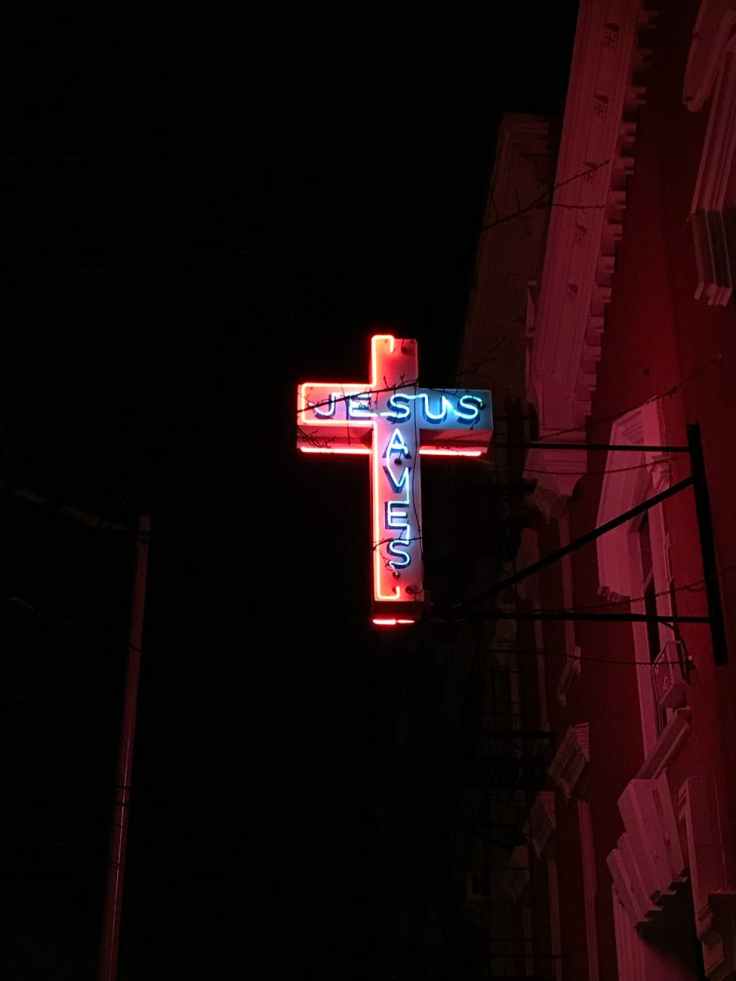
GOD IS NOT DEAD. Hope is not in vain. Nor does He sleep–even in the silence of our lonely nights, even in the noisy chaos of life in 2023–God has not stepped off His throne; He has not turned His back on mankind. “The Wrong shall fail–” though it may seem strong and strut arrogantly through the streets, shouting and threatening–God is the final authority. Nothing is hidden from Him. He sees every injustice, every secret sin; He hears every lie, every twisted truth, every deceit. And He has no favorites– there is no excuse, no “religious” exemption– ALL have sinned, and all will be held to account.

EXCEPT– because of that one birth and death and resurrection–the debt is already paid. “The Right (shall) prevail with peace on earth, good-will to men.” For those who listen beyond the noise of battle, the bells of Christmas ring “more loud and deep” with the hope and joy and strength that overcome our pain and struggle. Longfellow found that truth– and I’m so glad he shared it. I hope his words will continue to remind us to listen through this season for the true message of Christmas.

Photo by Pixabay on Pexels.com

Do Justice

Sometimes, we pray for God to “show us the way,” to help us know how best to please Him. We are faced with choices that seem right or good, but other choices seem equally good. In fact, sometimes, “God’s ways–” His laws and commands– seem awkward, outdated, harsh, even “wrong” in light of circumstances.

Photo by JJ Jordan on Pexels.com

But the prophet Micah points out the God has shown us how to please Him. He even spells out three things God requires of us: to do justice, love mercy, and walk humbly with our God. (Micah 6:8) Later, Jesus confirmed that the two greatest commandments are to “Love the Lord your God with all your heart and with all your soul and with all your mind” and “Love your neighbor as yourself.” (Matthew 22:36-40) I want to explore this in greater detail, beginning with Micah’s first requirement– Do Justice.

On its surface, this seems sensible and self-evident– Justice is good; injustice is bad, and a good God would always want us to be on the side of justice. But this is not a statement of thought or sentiment. God’s requirement is not that we prefer justice, or agree that justice is a good thing, or even denounce injustice. Instead, it is an action statement– DO justice (some versions use the phrase “act justly”). Those of us nodding our heads, or pointing our fingers, or arguing about past injustices miss the requirement entirely. We are to love mercy (more about this in another post), but to do justice– act justly–behave in accordance with justice.

DO. JUSTICE. Tell the truth; honor commitments; pay debts; actively share with the needy around us; actively defend our neighbors against threats; actively confront and seek punishment for those who are doing harm; honor and respect those in authority over us; accept the limits and limitations of our circumstances; obey the law, even when others don’t. There is nothing easy or self-evident about doing justice in a fallen and unjust world.

This is not a “social justice” or social media activity; not a matter of “being on the right side of history” about a specific political agenda, or a moral crusade. It is a personal matter– personal choices to take action toward individuals for the sake of justice. It may involve personal sacrifice of time or money. It may involve confronting family members or close friends who are lying, cheating, or breaking the law, rather than turning a blind eye or excusing their actions. It may mean saying “no” to an opportunity that involves sketchy practices.

We like to think of JUSTICE–in big letters, stretching across decades–as an ideal to which we aspire. We don’t like to see it as a discipline that imposes on us a set of actions and reactions. We want to see others “do justice.” We want to force them to see things “our” way, and to act as we would choose. But if the shoe is on the other foot, we would rather receive mercy than justice. We do not rush to make amends; we do not volunteer to take punishment that we have earned. We are quick to judge and condemn– slow to confess and repent.

Photo by Rosemary Ketchum on Pexels.com

Our current political situation in America is a great example of this. As a Christian– someone who wants to follow Christ’s example and please God in every area of my life– I’ve had to confess to being very unjust in my words and attitudes toward political candidates, media personalities, even neighbors and family members. I am constantly bombarded with photos, news stories, FB posts, memes, and more expressing criticism, sarcasm, innuendo, half-truths, exaggerations, and out-right lies. When I pass them on, comment on them, rejoice in (or disdainfully dismiss) their messages, am I acting justly? Am I doing justice to the people involved when I pass instant judgment or give instant approval? When I impute motives before I even know the full extent of actions taken? When I ignore uncomfortable truths, or insist on “my” truth? Can I do justice if I refuse to seek the truth, refuse to get involved or be inconvenienced? Refuse to change direction to align with God’s truth?

It is easy to point out hypocrisy in others, but if I want to please God– to do justice– I have to begin with me. I have to begin with the small acts I do every day. Am I doing justice to my spouse if I complain about her/his habits? Am I doing justice to my boss if I “call in sick” to go shopping or go to the beach? Am I doing justice when I keep the extra change because the cashier made a mistake at the store? Am I doing justice when I pretend that my stances on abortion or marriage or the minimum wage give me the right to silence, or harass, or destroy my neighbor?

I have to stop just talking about justice, or demanding justice for past wrongs, or making an idol of “Justice”– I need to pray for the wisdom and strength to act justly.

Lord, help me to seek justice. But even more, give me the wisdom to discern what is just, and the power to do it whenever and wherever I have the opportunity. For the glory of Your Name. Amen.

He Hath Shewed Thee…

Wherewith shall I come before the Lord, and bow myself before the high God? Shall I come before Him with burnt offerings, with calves of a year old?
Will the Lord be pleased with thousands of rams, or with ten thousands of rivers of oil? Shall I give my firstborn for my transgression, the fruit of my body for the sin of my soul?
He hath shewed thee, O man, what is good; and what doth the Lord require of thee, but to do justly, and to love mercy, and to walk humbly with thy God…

Micah 6:6-8 (KJV)

“What does God want from me?!” Ask a dozen people this question, and you will very likely get a dozen different (and even conflicting) answers!

Abject obedience? Memorizing a creed or list of rules? Shiny, happy, saccharine sweetness? Sacrifice? Humiliation or self-abasement? Blind faith? Isolation and meditation? Constant repentance and confession? A crusader’s militancy? Your answer reflects your relationship with and belief in God and His character.

But instead of asking a dozen people, you can ask God Himself! The prophet Micah does this, and receives a simple but startling answer– God requires three things: to do justly (or practice justice), to love mercy, and to walk humbly with Him. Jesus also gives us a simple answer in the book of Matthew. When asked by a lawyer, “Master, which is the greatest commandment?,” Jesus replies, “Thou shalt love the Lord thy God with all thy heart, and with all they soul, and with all thy mind. This is the first and great commandment. And the second is like unto it, Thou shalt love thy neighbour as thyself. On these two commandment hang all the law and the prophets.” (Matthew 22:36-40 KJV) In giving this answer, Jesus was referring to writings He had dictated hundreds of years before to Moses (Deuteronomy 6:5, and Leviticus 19:18 respectively).

God is very clear– there is no single and measurable act we can do, no oath we can take, no quest we can complete, and no gift we can give that will, in itself, please Him. There is no magical number of times we must confess, or sacrifices we must make, or rites we must go through to be acceptable. But, as simple as the answers appear, it is impossible for us to meet the requirements on our own. We do not love God with all our heart, soul, and mind– we do not walk humbly with Him; nor do we do what is just, or love mercy toward our neighbors– we do not love others as ourselves.

Even though Micah wrote before Jesus came to earth, he proclaims that God “hath shewed” us how to please Him. His commands teach us His priorities and His character–God values life (Thou shalt not kill); He values family (Honor thy Father and Mother/ Thou shalt not commit adultery); He loves truth (Thou shalt not bear false witness) and Holiness (Thou shalt not have any other gods before Me/Thou shalt not make graven images/Thou shalt not take the name of the Lord in vain). God loves those who trust and rest in His provision (Thou shalt not steal/ Thou shalt not covet/Remember the Sabbath). He is pleased to provide good things; He is a God of Love.

Jesus came to “fulfill” the law– to demonstrate both who God is, and how He wants to help us live life to the fullest. He also came to prove that the law, while good, is not a means to an end for us to please God.

I have a heart to explore this further over the next few days. I pray that what God has laid on my heart will draw me closer to Him, and that sharing it might help others to do the same.

…Cry With the Saints

Several years ago, singer and songwriter Billy Joel created some controversy with a song he wrote, called “Only the Good Die Young.”  The song was about a young man trying to convince a young catholic girl to give up her virginity.  Many were offended by some of the lyrics, and by the general tone of the song, which was sacrilegious; sneering at the notion of sexual purity and waiting for marriage.  One of the lines in the song says, “I’d rather laugh with the sinners than cry with the saints..The sinners are much more fun.”

Full lyrics here

It may seem that way to many– Christians (along with many Jews, Muslims, and others who are sincere and spiritually-minded) seem stern and sober in comparison to free-living, fun-loving heathens.  Why should this be so?  Shouldn’t those who are closer to God experience more Joy and happiness than those who do not know Him?  Why are saints and prophets so often shown crying, wailing, and weeping bitter tears?

man wearing gray sweater in selective focus photography
Photo by Segopotso Makhutja on Pexels.com

The author of Ecclesiastes (assumed to be King Solomon) writes:

Ecclesiastes 7:1-6 (Revised Standard Version)

A good name is better than precious ointment;
    and the day of death, than the day of birth.
It is better to go to the house of mourning
    than to go to the house of feasting;
for this is the end of all men,
    and the living will lay it to heart.
Sorrow is better than laughter,
    for by sadness of countenance the heart is made glad.
The heart of the wise is in the house of mourning;
    but the heart of fools is in the house of mirth.
It is better for a man to hear the rebuke of the wise
    than to hear the song of fools.
For as the crackling of thorns under a pot,
    so is the laughter of the fools;
    this also is vanity.

This doesn’t mean that God wants His people to be depressed, hopeless, and constantly weeping.  But God DOES want us to be aware and to see the world as it really is– fallen, chaotic, filled with needless suffering and injustice.  Why?  Because He calls us to think about the consequences of our actions, and also to have compassion for those who are hurting.  It may be more “fun” to ignore the consequences of sin and to “live it up” if you are young and healthy, but it is not at all true that “only the good die young.”  Death comes unexpectedly and randomly– taking both good and evil, both wise and foolish.  The difference is that fools get cut off and caught off-guard.  The consequences of their actions find them unprepared and filled with regret or bitterness and pain– all of which might have been prevented if they had not ignored reality.

silhouette of graves
Photo by Micael Widell on Pexels.com

I think the song DOES have a message to Christians–while we shouldn’t be fools chasing after fleeting pleasures that leave a large wake of pain and regret and filling our lives with empty laughter, we should not “die young” in the way of the Pharisees of old.  Jesus called them “white-washed tombs” for good reason.  Their “goodness” came from self-righteousness and piety.  They shunned sinners, and chased others away with their long lists of rules and disdain for anyone who didn’t keep up appearances.  Such “saints” never cry– they are more likely to crow about their own “goodness” with dry eyes and closed fists.  Jesus attended feasts and parties with the sinners– but his heart was not for the “fun”  they were having.  It was for them– for their lost souls.  Jesus wept!  Jesus wept for the loss of his friend Lazarus; he wept over Jerusalem; he even wept tears of blood in the Garden of Gethsemane!

ancient art black and white close up

The “Good” have many reasons to cry– millions of innocents suffer needlessly every day–abuse, slavery, genocide, abortion, bigotry, war, starvation, murder, theft, addiction, homelessness, disease, natural disasters, man-made disasters, and more fill our world.  People waste time angrily shaking their fists at Heaven or at governments, but so much of the suffering is a direct result of sinful actions on the parts of individuals.  In my own country, in my own lifetime, over 50,000,000 babies have been aborted–without legal consequence, but with a terrible consequence on the soul of our nation.  If we could shed one tear for each life lost it would equal over 660 gallons of water (here’s how I got that number  )– just one tear for each life, and those are only the abortions that have been recorded in the past 45 years in the U.S.  If we were to shed a tear for every broken marriage, every rape, every life lost to addiction, suicide, murder, or war, every violent assault, every broken promise, every lie, or every corrupt deed in our world over the past 50 years, we could fill an ocean!  The power of tears, or of any running/falling water is so great, it could generate electricity to light the nations! ( Here’s an interesting article on the power of a drop of water!)

waterfalls near gray paved road surrounded by green leaf trees during daytime

I would far rather “cry with the saints.”  But more than that, I would rather pray with the saints, and arise from both to work with the saints–the power of tears pales in comparison with the power of God’s mercy and grace!

Why Do the Wicked Prosper?

There is no way I can give a definitive answer to the above question. In a thousand blog posts or three volumes of analysis, I could never cover all the issues this question brings up. I offer the question today for two reasons:

Photo by Wendy van Zyl on Pexels.com
  1. This question is raised in the Bible. Asaph raised it in Psalm 73 https://www.biblegateway.com/passage/?search=Psalm+73&version=ASV; Habakkuk and other prophets also asked it. Solomon pondered it in Ecclesiastes, and Job cried out against it. God is not afraid of such questions, but He doesn’t give glib answers, either. The psalmist received no immediate answer directly from God, but when he entered the sanctuary of the Most High, and considered the eternal destination of the wicked, his attitude changed. His envy, anger, and bitterness melted in a flood of awe and worship. God does not want us to be bitter, angry, or envious of the wicked; nor does He want us to be apathetic toward injustice, abuse, and inequality. There is something profoundly disturbing when we see the wicked prospering at the expense of the righteous and innocent. It should cause us to turn to God and seek His help.
  2. That brings me to the second reason I want to grapple with this topic today. I need to! I have the tendency to want an immediate answer, and to see the wicked suffer– until I am in the presence of a Holy God. There is no wickedness that is outside of God’s justice, or of His grace. God WILL bring complete justice– in HIS time. But His primary goal is to bring redemption, restoration, healing, hope, and salvation– even to the wicked; even to ME. God’s justice is not just reserved for those I deem to be wicked and prosperous. God’s ways are not my ways. What if, in my eagerness to condemn the wicked, I miss God’s plan to change the heart of a Zacchaeus, or an Ebenezer Scrooge, or a sinful King David or arrogant King Nebuchadnezzar? No amount of wickedness can overwhelm God’s love and mercy, or His ability to make “all things work together for good” (Romans 8:28) for those who love Him and are called to serve Him.
Photo by Pixabay on Pexels.com

When tempted to dwell on this question, there are some wonderful alternatives. See some of the links below.

https://billygraham.org/decision-magazine/march-2013/when-the-wicked-flourish/

https://bible.org/seriespage/lesson-7-what-do-when-evil-prevails-malachi-217-36

https://www.desiringgod.org/messages/job-the-revelation-of-god-in-suffering

https://www.ou.org/torah/machshava/the-god-papers/righteous-suffer-wicked-prosper/

https://www.biblestudytools.com/bible-stories/bible-story-of-zacchaeus.html

Lord God, today I pray for eyes that see Your face, even in this broken and fallen world. May I look to see Your patience, Your mercy and Your grace, as well as Your Holiness and Justice. May I be an instrument of all these aspects of Your character as I live in Your grace today. Thank You for Your great mercy toward me, and to the promise of Eternal Life with You. Amen.

Photo by Munmun Singh on Pexels.com

Justice? Or Vengeance?

When violence strikes, I want justice. I want action. I want to make the evil stop.

Just the other day, there was another school shooting in the news. At least six innocent people lost their lives, and another community was ripped apart by grief, shock, and anger.

Photo by cottonbro studio on Pexels.com

But is it really justice that I am seeking? Or is it vengeance?

Justice is permanent. Justice is final. Justice takes time. Vengeance is visceral and immediate. Vengeance is a reaction; a retaliation. Justice, on the other hand, is blind to the emotions of the initial event. Vengeance is driven by emotion. Justice comes through the objective application of the law.

Justice is God’s business. I do NOT understand why or how God allows evil to happen in the first place. It hurts. It doesn’t make sense. It is destructive. But it is the nature of Sin. And Sin infects the entire world. We cannot escape from it. We cannot deny its existence. We cannot put an end to it. We can only follow the arduous and imperfect justice systems that are in place for our community or our country. We cannot achieve perfect justice. But God can. And He has promised to do so– in His time, and in His way. This can be comforting, but it can also be frustrating.

Vengeance is also God’s business. God has emotions, just like we do. But His are always under perfect control. God’s wrath is frightening in its power, and paralyzing in its purpose.

Beloved, never avenge yourselves, but leave it to the wrath of God, for it is written, “Vengeance is mine, I will repay, says the Lord.”

Romans 12:19 (ESV)
Photo by Pixabay on Pexels.com

As imperfect as our systems of justice may be, they are still systems, with order and time to look at the total situation. Vengeance doesn’t stop to count the cost. It doesn’t stop to listen to the full story. It seethes and coils like a rattlesnake, waiting to inject venom into the first victim to cross its path. Human vengeance never leads to peace.

Also, vengeance is limited to the strength and resources of the avenger. If a shooter takes the life of my loved one, my vengeance is limited to the actions I can take. I may kill the shooter; I may take the life of their family members; but I cannot bring my loved one back, nor can I guarantee that the killer will suffer the same amount or the same way I do. Vengeance never looks forward, and it never offers a solution to move forward. It lives in bitterness and anger and discontent.

Photo by Andrea Piacquadio on Pexels.com

As followers of Christ, we are asked to take a stance that seems impossible from a human standpoint. We are asked to keep our hands clean, to keep our minds at peace, and to give our grief, our anger, and our craving for vengeance over to God with no reservation and no option to set the limits or timelines.

To the world around us, this seems weak and even unjust. What if the evildoer “gets away” with her/his crime? What if the victim never gets “justice” in their (or our) lifetime? What if we never “see” justice done? What if God “fails” to avenge us or our loved one? What does the Christian “do” in the face of evil? Nothing?! Fall on our knees and pray?! Offer lukewarm assurances and empty promises?

Photo by Pete Johnson on Pexels.com

The problem with evil– especially shocking violent events– is that we can’t see beyond the immediate shock and pain. That doesn’t mean that there IS no pain or shock or anger or frustration if we choose not to react with vengeance. The pain is still very real, and overwhelming. But we choose to make room for faith that sees the larger picture. Faith makes room to see not just justice, but mercy. It allows us to see the overall tragedy of Sin, beyond our immediate tragedy of an individual act. Faith sees beyond our helplessness to God’s Sovereignty. It sees beyond the present pain to future healing.

Photo by Gvexx on Pexels.com

I pray for the families of the victims in this latest shooting– and for all those who have experienced such violence. And I pray that God will show me what I can do to make a positive difference going forward. I pray for the strength and the faith to let go of hatred, bitterness, malice, and outrage. Finally, I praise God, even in the middle of pain and shock, knowing that He can be trusted to bring perfect Justice– and perfect vengeance–the kind that leads to a peace beyond our understanding. These are not “easy” prayers. They are not blind prayers, or prayers prayed without tears and groaning and questions. But they are real prayers, not empty wishes that I could avoid all unpleasantness or that I could exempt myself (or others) from tasting sorrow, grief or pain. Rather they are prayers that acknowledge that Life is more than struggle; that Love and Mercy are stronger than despair, and God has already won the ultimate victory.

God Alone Knows..

Photo by Lgh_9 on Pexels.com

God alone knows how to humble you without humiliating you, and how to exalt you without flattering you.

E. M. Blakelock

This is at once a simple and extremely profound statement. God knows us so well, He knows exactly those areas where we tend toward pride and disobedience. But unlike our accuser, Satan, God doesn’t stand around saying, “AHA! AHA!” and pointing out our faults with glee. His loving discipline will cause us to be confronted with our errors–and our own pride and failure to obey may cause us to be humiliated by others–but God’s purpose is to bring us to repentance and transformation, not shame and dishonor. God wants us to learn from our mistakes, not be imprisoned by them.

Photo by Andrea Piacquadio on Pexels.com

In the same way, God knows our strengths and glories in our wise use of His gifts. But He loves us far to much to flatter us and lead us to improper pride. If we go there, we do so led by our own temptation. God may choose to do great things around us, for us, even through us– but they are God’s great deeds, and we are blessed to be part of the process.

One of Satan’s greatest lies is that we must be “like God”– knowing good and evil, and able to always choose the right course in our own power and wisdom. Such thinking leads us to wonder if God will be unable or unwilling to forgive us– that we must never falter, totter, or doubt. “All have sinned and fall short of the glory of God…” (Romans 3:23 NIV). But THAT is not the Good News of the Gospel– merely the reality of our lost state. Guilt without remedy is hopeless and dead! Such a picture places God in the place of prosecutor. But God is both our just judge (rather than an unforgiving one), and our faithful advocate! The Good News is that “…God shows His love for us in that while we were still sinners, Christ died for us.” (Romans 5:8 ESV) We can be “like God”– not through our own efforts, or by our own self-delusion– through the blood of Christ! God knows us; He knows every mistake we’ve ever made, and every good deed we’ve ever attempted, regardless of our motive or our success or failure. And HE makes it possible for us to have abundant, eternal life with Him.

God WILL humble us; and He WILL exalt us according to His wisdom. But God is more concerned about our ultimate well-being and redemption than in our temporary feelings, or our standing in human society. He is not a superficial God. His healing is deep, and His discipline brings life.  “He makes the sun rise on both the evil and the good and sends rain on both the righteous and the unrighteous. ” (Matthew 5:45 CEB) God isn’t impressed by any show of self-righteousness or claims of victimhood. “You didn’t think, did you, that just by pointing your finger at others you would distract God from seeing all your misdoings and from coming down on you hard? Or did you think that because he’s such a nice God, he’d let you off the hook? Better think this one through from the beginning. God is kind, but he’s not soft. In kindness he takes us firmly by the hand and leads us into a radical life-change.” (Roman 2:4 The Message)

Photo by Andrea Piacquadio on Pexels.com

My prayer for today is two-fold– first, that I would seek God’s opinion and His just judgment, so that I can confess, repent, and adjust my heart accordingly. Second, I would pray that I might seek to see others as God does; that my love for others would cause me to encourage and admonish with pure love, and not selfish ambition or spite.

Praying “Around” My Enemies

I didn’t pray for my enemies. I didn’t pray for their health or safety. I didn’t pray for their spiritual well-being. I didn’t pray that God might show me ways to bless them, or encourage them.

Photo by Andrea Piacquadio on Pexels.com

I prayed that they would be stopped. That they would be exposed as frauds and liars. I prayed for “justice” to be done– to them. That they would be humiliated. That they would get all that they deserved.

And perhaps that is what they prayed for me, as well. That I would “see the light”, and change my mind. That I would be punished for my words and actions that didn’t agree with theirs.

I prayed “around” my enemies. I didn’t pray for them. I didn’t lift them up before the throne of grace. I didn’t pray that they would be shown mercy– I certainly didn’t pray to meet them with humility and grace…

Photo by Foss Valentine on Pexels.com

Love is patient, love is kind. It does not envy, it does not boast, it is not proud. It does not dishonor others, it is not self-seeking, it is not easily angered, it keeps no record of wrongs. Love does not delight in evil but rejoices with the truth. It always protects, always trusts, always hopes, always perseveres. Love never fails. But where there are prophecies, they will cease; where there are tongues, they will be stilled; where there is knowledge, it will pass away.

Photo by Victoria Borodinova on Pexels.com
Photo by Pixabay on Pexels.com

God, forgive me for holding bitterness and anger in my heart. I will never meet a human being– “friend” or “enemy” that you didn’t create in Your own image. You have commanded that I am to love my neighbor– even one who disagrees with me; even one who considers me an “enemy.” I cannot delight in evil, or rejoice at injustice; but I must reach out in Love and not Self-Righteousness.

God is Not On “Our Side”

Tomorrow is Election Day in the United States. It is a “mid-term” election. We will not be electing a national president, but we will be electing (or re-electing) all 435 federal Representatives to our national legislature, several Senators, some state Governors, and many state legislators. Some towns and cities will be electing mayors and council members; many school districts will be electing board members. There will also be many proposals on the ballots– in my own state, we will be voting on whether or not to change our constitution to legalize abortion, whether to change our voting laws, and whether to amend our statute on term limits for state officials.

Photo by Element5 Digital on Pexels.com

Pundits and worried voters will tell you that there is a lot at stake tomorrow. They will make it sound as though the world will end if “their” side doesn’t win–if their proposals don’t pass or their party’s candidates lose the vote count. While there IS a lot at stake in the vote, there is also a lot of hope, regardless of the outcome. No matter who “wins” or what proposals get passed, God is still on His Throne. It is God who forms nations, raises up rulers, or puts them down, and who sees the hearts and minds of all people.

Photo by Porapak Apichodilok on Pexels.com

God is not an American. He is not a Democrat or Republican. God is Sovereign over all the Earth. He does not “take sides,” in any way that we would understand. God, who promised to be the God of Abraham, Isaac, and Jacob– who promised to lead them to a land He would show them, and to establish their nation–is the same God who raised up Nebuchadnezzar to rule the Israelites during their exile. He is the same God who raised up Pharaoh, who enslaved the people of Israel, and used Pharaoh’s own stubbornness to reveal His power during the plagues and the parting of the Red Sea. God uses unlikely people to accomplish His purposes, NOT our agenda.

Photo by antonio filigno on Pexels.com

I believe that Christians have a clear duty to vote and to participate in civic matters. And I believe that Christians should be informed and critical voters, not rubber-stamping a candidate or agenda just because s/he/it “looks good.” But I also believe that Christians are to be honest people of integrity and honor, regardless of the outcome of a particular election cycle. That doesn’t mean that we can’t speak out against injustice, corruption, or deceptive campaign ads; nor does it mean that we can’t be conflicted about imperfect laws and candidates. In the final analysis, our ultimate allegiance and our ultimate trust must be found in God and in His Word. We are citizens of God’s Kingdom first, and our nation after that.

Groups, whether political or social groups, must be very careful about claiming that “God is on our side.” We must be far more concerned with whether or not WE are on GOD’S side! As individuals, are WE humble, honest, obedient, and committed to the truth? Are we working to build up our neighborhoods? Are we caring for the poor, the widows, and the fatherless among us? Are we turning a blind eye to evil in our midst, or worse, winking at corruption or excusing those in power when they abuse it in “our” favor?

Photo by Andrea Piacquadio on Pexels.com

God promises never to leave us nor forsake us (Hebrews 13:5). He promises to be by our side, all the way, all the time. But He never promised to be ON our side. It may be His will to bring judgment to our nation, our state, or our city, in the form of corruption and even failure. It may be His will to lead us through a time of hardship, chaos, and persecution. It may be His will to bring swift correction and justice where we have felt comfort and let our own moral standards grow lax. God’s will is always for us to grow, to improve, to become more disciplined in our own lives and more compassionate toward others around us. And His will is more important than our own comfort or being proved “right” over our political rivals.

Whatever God’s will is; whatever the outcome of tomorrow’s election, I pray that I will be a good citizen of His Kingdom, and a good citizen of my country. Of course, I hope that good measures and Godly candidates will prevail, but I know I can trust my Savior more than I can trust a ballot box. And His reign has no term limits!

Photo by Juhasz Imre on Pexels.com

Why Should I Pray for My Enemy?

But I say to you, Love your enemies and pray for those who persecute you,

Matthew 5:44 (ESV)

The obvious answer to the question in the title is that Jesus commands it. But what practical and spiritual reasons are there for such a counter-intuitive action? Jesus himself continues:

43-47 “You’re familiar with the old written law, ‘Love your friend,’ and its unwritten companion, ‘Hate your enemy.’ I’m challenging that. I’m telling you to love your enemies. Let them bring out the best in you, not the worst. When someone gives you a hard time, respond with the supple moves of prayer, for then you are working out of your true selves, your God-created selves. This is what God does. He gives his best—the sun to warm and the rain to nourish—to everyone, regardless: the good and bad, the nice and nasty. If all you do is love the lovable, do you expect a bonus? Anybody can do that. If you simply say hello to those who greet you, do you expect a medal? Any run-of-the-mill sinner does that.

Matthew 5:43-47 (The Message)
Photo by Keira Burton on Pexels.com

If we are following Christ and asking His Spirit to help us grow in Godliness, we should be acting– and reacting– like God. God makes the sun shine and the rain to fall on everyone. He is Mercy and Grace personified. That takes away nothing from His ability to exact justice. But His true desire is to show mercy– and that includes mercy THROUGH us!

But there are other good (and related) reasons to pray for our enemies.

  • Such prayers put things in perspective. If I focus on the injustices that my enemies have done (or continue to do), they become larger than God’s power to restore and redeem. If I focus on God’s power, the injustices, while still real, take their proper place. God is bigger; God is greater; God is wiser; God is Sovereign.
  • Such prayers remind me that I am not immune from causing pain and distress to others. It is natural for us to see our enemies as completely different from ourselves. “They” are evil, callous, and deserving of punishment. But, if we are honest– we are also deserving of punishment. We, too, have been callous, careless, selfish, angry, or bitter with someone, somewhere, at some time. God has dealt with us mercifully. How can we be grateful for His mercy and fail to pray for others who need it?
Photo by Ketut Subiyanto on Pexels.com
  • Praying for our enemies may not change them, but it will change US. Praying for my enemies forces me to release my anger and bitterness, so that I don’t become trapped in a cycle of letting my enemy become my obsession or even my role model. I say this from negative experience; NOT praying for someone I considered my enemy led to me say and do things that were unkind and vicious– because I thought she “deserved” the same treatment she had given me and others. One day I woke up and realized that I was slowly becoming like her– letting her behavior determine who I was in return: suspicious, hard-hearted, critical, and vindictive.
Photo by Matt Jerome Connor on Pexels.com
  • Praying for others reminds us that our true enemies are not other people. Once again, it is easy and natural to create a monster out of the person who is our “enemy.” They have often caused very real and very intense pain and suffering– personal, physical, psychological, emotional, financial, and sometimes chronic and catastrophic–sometimes, they show no remorse; sometimes, they refuse to accept responsibility for their actions. God knows all this. He sees all this. He aches for our pain– and for their rebellion. But the root cause is not a person– no matter how involved they are in delivering the pain. The real cause is Sin and Brokenness. That’s why WE can’t fix it. That’s why WE don’t have the power or authority to administer righteous judgment over it. And that also means–
  • Such prayers can free us of the burden of guilt, shame, bitterness, and hurt of the past. That doesn’t mean that we must deny the very real hurt we have felt. But we no longer have to be bound and shackled by it. When we can lift up our enemies and our past, and give them to God– really let go and give them to Him–He will carry that load, and let us run the race before us.
Photo by Pixabay on Pexels.com

One caveat here. Loving your enemy; praying for them– these are not the same as believing their lies or consenting to their abuse. There may be people in your life that you must pray for– from a distance! You can love someone, and still set clear boundaries to protect yourself and others. God will never abandon us. But He doesn’t call us to enable others in their evil actions. This is especially true in cases of domestic violence. Love your enemy, but get help and healing. And continue to pray!

Blog at WordPress.com.

Up ↑