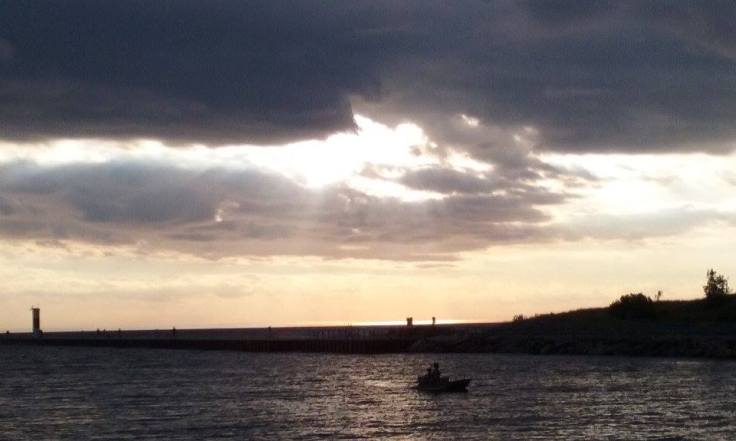
We experienced some storms last week, and while we didn’t have a lot of damage from the winds and rain, my husband and I lost our internet connection over the weekend. No wireless internet meant no Facebook, no WordPress, no e-mail, and no cash register at our little shop downstairs. We had to do every transaction by hand until we could rig up something so our smart phone could accept cards; no new chip cards, no Apple Pay or PayPal. And while our phone could begin to accept limited credit payments, it could not provide any printed receipts, nor could it do double duty– we either had a phone or a point-of-sale device, but not both!
It was an inconvenience, but not a disaster. I thought about thousands of people who are stuck in the aftermath of hurricanes, tornadoes, floods, earthquakes, and blizzards who have no electricity, no phone lines, no cell service, no roads, no water or sewer lines–cut off from common necessities and basic communication. Suddenly, an emergency becomes even more tragic because of the isolation, and the inability to ask for help or to hear any message of hope. (Of course, my husband would like me to put in a short plug here about the advantages of amateur radio– the radios can run on battery power and still connect over hundreds of miles!)

Isolation is an earthly concept. God is eternally Triune. He created us for relationship; from the very beginning, he declared that it is not good for “man” to be alone (Genesis 2:18) God instituted marriage, and families, and communities so that we would stay connected, and he himself came to walk and talk with mankind in the Garden of Eden before the Fall. It is mankind who hid from God and broke off communication– one of the effects of Sin is the desire to run away, to separate, to isolate and cut off relationships and break off contact.
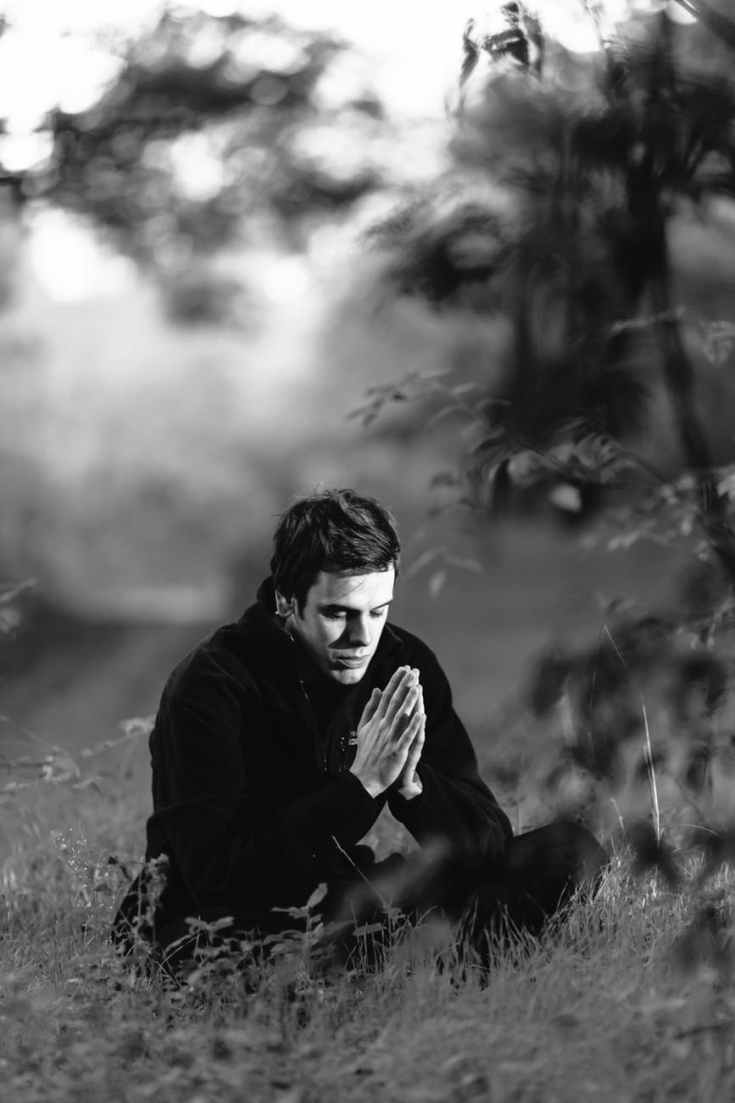
That is one reason that prayer is so basic; so essential. It is a lifeline to the one who loves us best, who knows what we need, and has the power to hear us, to help us, to lift us up wherever we may be, whatever our circumstances.

But sometimes, even when we want to talk to God, it seems impossible to speak or feel like he hears us. Sometimes, we are the ones who can’t come up with words, or can’t settle our minds to seek his face. Sometimes, we pour out our hearts and wait in silence for an answer. Why should it be that just when we need it most, prayer seems the hardest?
I wish I had a pithy, perfect answer. I don’t know. I have a few incomplete thoughts, though:
- what comes easily has less value to us. Cheap and pointless conversation doesn’t make us work hard, but it also leaves us empty and unsatisfied. Crying out to God is hard–it humbles us, it strips us bare and uncovers all our pretenses and subterfuge. The true depth of our need is ripped out of us like a tumor, and it hurts, but it is a healing hurt. Waiting in silence can cause us to become restless and to doubt, but it also can cause us to listen more attentively– we strain to hear the answer; we stop the white noise of busyness and half-hearted hand-wringing, and listen with our whole being. And the smallest whisper– that still, small voice– has the power of the first rain after a long drought. We are revitalized and our strength renewed as never before.

- sometimes, though not always, we find prayer difficult because we have not really prayed for a long time (if ever)– we have developed a habit of saying words to the empty air and thinking that the words themselves hold some power of hope or magic or self-fulfilling prophecy. When life’s realities cannot be wished away with simple words, we search for distractions, for other types of words, for other “realities”, when we should be searching for our maker and the lover of our souls.
- sometimes, it is a matter of unacknowledged or unconfessed sin that keeps us from breaking through in prayer. However, there are many people who will use this as a default position, and that, too, is wrong. Jesus had such difficulty in praying at Gethsemane that he sweat drops of blood— NOT because of unconfessed sin, but because his heart was that overwhelmed. Still, we should examine ourselves to see if we have started to move away from God– better to turn back than to go father afield.
- sometimes, as with Christ in the Garden, our hearts are just overwhelmed in the moment– it’s hard to breathe! It’s hard to go on; it’s hard to ask for help; it’s hard to keep the faith. Just because it’s difficult, don’t give up– even if all you can do is groan or whimper–even if it feels like God has closed up the heavens and left you alone–don’t give up. God DOES hear, he DOES care. Sometimes, we are inches from victory– don’t give up!
And what can we do during those times? Again, I wish I had better answers, but what I have, I want to share– some from my own experience, some wisdom from others, some of both:
- Learn to “pray outside the box”–
- Sing–sing the blues, sing an old hymn, sing along with the radio, sing like nobody else is listening
- Write it out– write a letter, write an angry letter if you have to– write a rant, write a poem, write out all your questions
- Move– dance, pace, run, punch a pillow, do some sit-ups, mop the floor, scrub the sink– as you get a rhythm going, add your thoughts or questions to your movements
- Cry it out– it’s ok to cry, moan, sob, weep, or just stare into space and rock yourself to sleep after all the tears have dried up. Jesus wept (John 11:35)– what makes us think that we can’t?


- Count your blessings
- Make a list of what you have; what you have to be grateful for; what you have experienced and enjoyed now or in the past
- Make a list of your questions, concerns, needs, wants, wishes–Now think back ten years and make a list of what you wanted then, and how many of those concerns have been answered, altered, or forgotten.
- Put yourself in another time or place– what do you have here and now that others lack? How do your present troubles compare to what others have had to deal with?
- Ramp up your pursuit of God in other areas–
- Search for answers in His word
- Seek the companionship of someone you trust who will help you keep on going
- Seek out counselors, web sites, and/or a church group or family who can keep you from becoming isolated

The single most important thing is to continue the pursuit– seek God with all your heart–and you will find him sufficient through the silent times, as well as through the roaring of the fiercest storms.