My Father’s Heart

I can still remember as a small child of 3 or 4, after my Dad came in from mowing the lawn, climbing up and snuggling close to his chest to listen to the beat of his heart. Dad smelled of new-mown grass and honest sweat, and his heart was beating—thumpity, THUMP-Thump, thumpity THUMP-thump–I could almost feel it beating through his chest. It would start out racing, and gradually slow to a steady Thump-thump Thump-thump.

Looking back, I marvel at my Dad’s patience. Here he was, fresh from working on the lawn, hot, sweat-covered, and exhausted, only to be met with a wiggly child, intent on chattering, and interrupting his precious “relaxation” time. But as I wiggled, Dad’s tender arms would come around me, and both of us would become quiet and just enjoy being together, listening to the beat of his heart. They were precious moments.

My dad worked long hours at a mind-numbingly boring job. He worked for a large pharmaceutical company, but he wasn’t a chemist, or an engineer. He was a “bagger.” His company produced anhydrous citric acid for industrial and commercial use. As the name implies, citric acid is caustic, even in powder form, and Dad had to wear special gloves and shoes, plastic glasses with side shields, and other gear to protect his skin, hair, and eyes from the possibility of burns. He worked, sometimes 16-18 hour shifts (overtime, or time-and-a-half) at a station in a small, hot room. His job was to fit a bag to the end of a chute, push a button, and stand there as 50 or 100 pounds of citric acid filled the bag. He then carefully took the bag off the end of the chute and moved it to another machine, where the top edge would be stitched closed. Finally, he would lift and carry the full bag to a conveyer belt, so it could travel to the shipping room to be loaded on to skids and sent all over the world. Sometimes, he would cover someone else’s shift in the shipping room, loading the bags onto the skids or even loading the skids onto trucks or train cars, but most of the time, he was alone in a drab, overheated, powder-filled room.
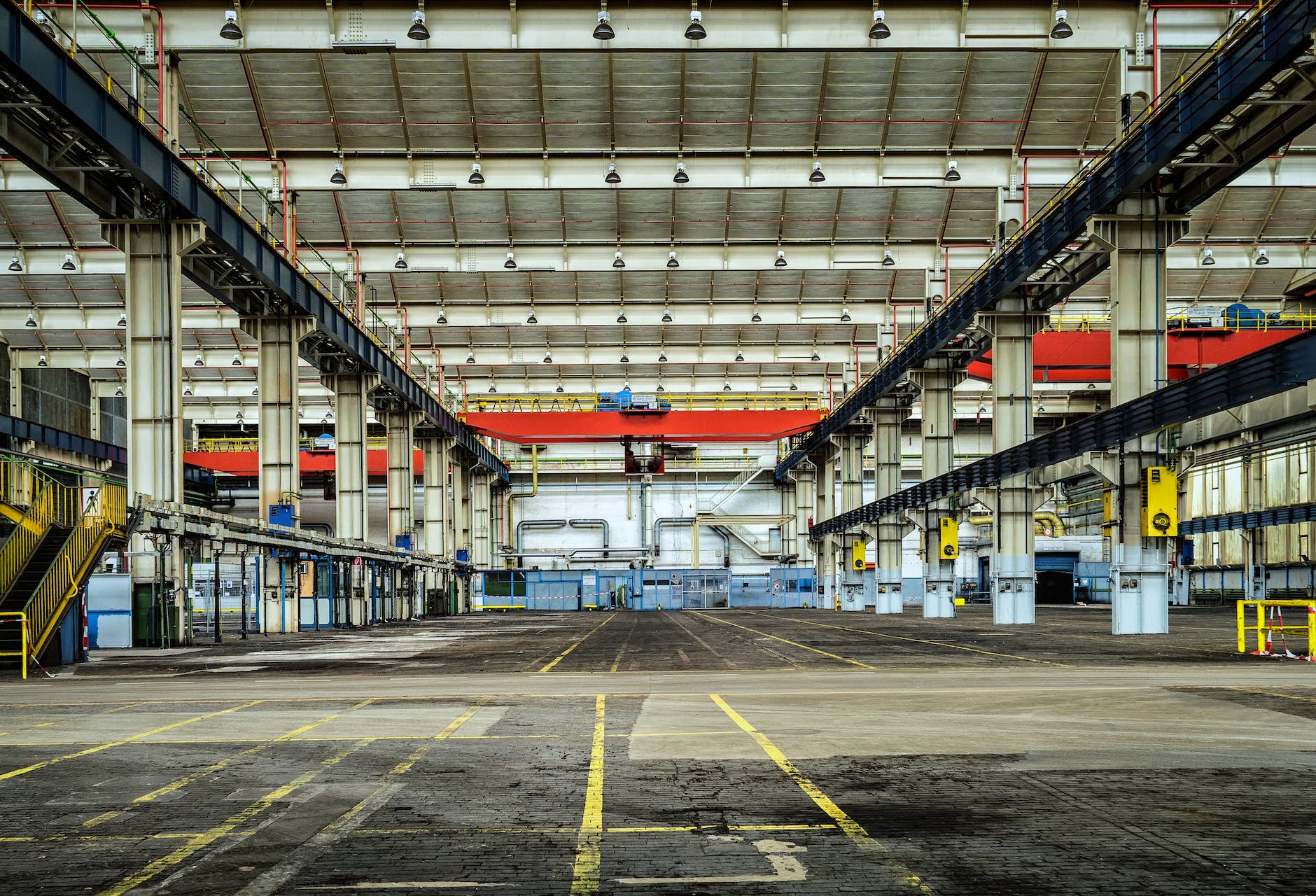
I once asked my father how he could stand to do what he did every day. It was hot, heavy, boring, and mostly thankless work. Fit the bag, push a button, move the bag, push a button, move the bag again, and start all over. Always on his feet, always lifting his arms. No one to talk to; nothing to watch or listen to but the machinery around him. But my dad was content. He didn’t find his identity in his work, although he was proud to have a good-paying, steady job. He was thankful for his ability to be consistent and productive. He was proud of his good attendance record and his dedication. But he wasn’t married to his work, and he wasn’t working for money or fame or status. He was a Christian first, and a husband and father next. He was as steady as his heartbeat. Always reliable, even-tempered, trustworthy– solid.

My father worked at the same company for over 28 years (in fact, the company changed names twice while my dad worked there!). When he retired, we threw him a surprise birthday party/retirement party. But Dad’s heart was wearing out. All those years of work were taking their toll Dad spent two years of retirement enjoying some travel and relaxation, but his last two years were spent in and out of the hospital with surgeries and complications, physical limitations, and chronic pain.

Finally, the day came when Dad’s heart broke. He had been in the hospital overnight, and the surgeons had done all they could. They had “zapped” dad with the defibrillator. They had done compressions until his breastbone was broken and each compression was pressing shards of bone into his chest and close to his lungs. One last time, I stood, with my mom and sister, watching Dad’s heartbeat on the monitor. It was steady, but so, so weak. Dad’s once-solid arms were too weak to reach up from the bed; his blue eyes were dim, and he struggled to breathe. We said a last prayer and told Dad that all was ready for him to go Home at last. And his heartbeat faded to a straight line on the monitor.

Dad’s heart was huge in life– steady and strong, patient and solid. His faithfulness gave us all a glimpse of our Father’s heart in Heaven. Dad was a humble man. He was a man who sacrificed the life he could have lived to take on a thankless, boring, demanding job so we could have nice things and opportunities as his children. He also took the job so that, after those long hours, he would have time off during the week, so he could come to some of our school programs, and take family day-trips, and just “hang out” with friends and neighbors in the community. He mowed our lawn, but he also mowed lawns all around the neighborhood– for shut-ins, elderly couples, and those who were sick or didn’t have a mower. His heart was not only strong, it was incredibly tender. Dad cared about the little things…he loved children and animals; he cried for the National Anthem, and at prayer meetings. When I read about Jesus welcoming little children, it made perfect sense, because it is exactly what my own father would have done and said.

Dad wasn’t perfect, of course. He was only human. He made mistakes. And he died. But he made a profound impact on those who knew him, and he lived a life that drew people to Faith and Hope in Jesus. The Bible doesn’t make clear whether or not we will have “hearts” like our present human hearts when we are with the Father in eternity. But I know my Father’s Heart. It’s even better than my Dad’s. Some days, even here on earth, I can hear its steadfast, solid rhythm in the greetings of neighbors, in birdsong, or on the wind. And I can stop wiggling, and just be held in His tender arms.

What We Keep…

I’ve been posting a lot lately about going through my Mom’s “stuff.” Mom was a saver– a pack rat– a hoarder, really. She kept boxes and piles of useless things. But she also kept things that have value to those she left behind. My siblings and I have found old photographs, momentos, letters, documents, etc., that bring the past alive again..not just our past, but our family roots going back generations.

My mother with her mom and younger sister c. 1944

What prompts us to keep such memories; to hold tightly to faded papers, worn objects, shadows of days gone by? Sometimes, it is an unhealthy focus on past memories– good and bad– that keep us in the grip of “glory days” or old and festering wounds. But there IS a value to keeping a record of the past.

When I was young, we had dozens of books around the house, including Bible Story books. The stories of Abraham and Sarah, Isaac, Moses, Samson and Samuel, King David, Queen Esther, Elijah, and then Jesus, his disciples, the Apostle Paul…they were mesmerizing– and very instructive! God didn’t just give us Ten Commandments and a list of rules to follow. He left us with a rich tapestry of stories of real people, and their very real adventures. He has given us Parables, and Psalms, Prophets and Promises– the Bible is a living book that speaks to each new generation with timeless truths. I learned about the Faithfulness of God, His Holiness, and His Mercy in those pages.

The stories and photos that get passed down in families can also be instructive. I now have a baby picture of the grandfather I never got to meet, as well as a photo of him as a young man, and another candid shot of him wearing a milk bucket on his head (He was a dairy farmer)! I can see and sense his humor and love of family in new ways, and appreciate the way his life and early death helped shaped my own dad’s life. I have letters my great-grandparents wrote to each other when they were first married and starting their family. I have some of Mom’s letters when she was struggling as a single mother on a limited income. Many of these items I will keep–not only as a reminder of the past that shaped me, but to pass on to future generations. Other photos, letters, and objects have been given to certain other family members– it is part of the legacy THEY will pass on. Still other items I will let go– they have served their purpose and other items will take their place.

The little country church I attended as a child.

It has been tempting, with the amount of “stuff” that my Mom kept, to just throw everything out. Much of it has to be cleaned off, sorted, identified– and room must be found to keep it! So I also have to look around at what I have been hanging on to, and ask, “Why?” What lessons to I want to pass on? What objects tell an instructive story about my life? What impact will I have on others in the years to come?

One of the most difficult things to go through are the photos and letters my Mother kept. She kept nearly every letter and greeting card she ever received. They meant that much to her. Not the actual cards and paper– the thoughts, the love and connection–the people they represent were her greatest treasures on this earth. And I can’t keep them all. I don’t have space, and many of the people are strangers to me– her elementary classmates, co-workers from years gone by, great-aunts–people long since dead and, with my mom’s passing, forgotten by most. But I will keep some, because they are a testament to Mom’s love of others– her deep and abiding love for everyone who touched her life, and allowed her to touch theirs. I have thrown out, recycled, or given away many of Mom’s clothes and books, and I’m working to give away the thousands of unused greeting cards she had stockpiled but never sent. But most of all, I will keep the stories– stories of God’s faithfulness in her life; stories of how He worked in and through her life to touch hundreds of others; stories of how God’s Love blooms in the simple acts of kindness and baby steps of Faith; in the ordinary joys and tears and minor miracles of daily life.

And I will hold tightly to the stories of my childhood– of Moses and the Burning Bush; of Jesus the Good Shepherd; of David trusting God to face Goliath; of the women finding an empty tomb on the first Easter Morning. One of the pictures I inherited is a print of Jesus on the Road to Emmaus. Two men are walking along, talking to a third man. Such a simple act. Such an ordinary occurrence. But this is no ordinary walk– the man in the middle is the Risen Christ–the One who conquered death to bring eternal life to the two unsuspecting travelers. The print hangs on my wall now. The print itself is not of much material value– but the story! That is worth my life– to keep, to share, to cherish, to proclaim to those yet to come!

People, Places, and Things

Most of the time, when I lift up prayer requests, they are about people. I love people, and so does God, so it makes sense to remember those who are rejoicing, those who are mourning, and those who are struggling.

But I also pray about places. God created places, just as He created people. Through the prophets, God spoke of places– nations, certainly, but also specific mountains, rivers, cities, forests, and deserts. God pronounces judgment on people, but He mourns the destruction of places, as well.

At least once each month, I hope to post some thoughts or practices that I have found helpful in my pursuit of prayer over the years. Today, I want to talk about the importance of place.

Every day, on my prayer journal pages, I have a focus on a specific place. Yesterday, it was the island of Madagascar. Many times, I pray for the people of a specific place. Sometimes, I know of conflicts or natural disasters that impact the people living there. But often, I know very little about the places I pray for. I can look them up to find out more– what language do the people speak? what is the climate like? what are the natural resources of the area? Madagascar is home to many animal and plant species that are found nowhere else on the planet. God cares about His creation, and so should I. I may not have the resources to protect wildlife in Madagascar, but I know the creator and sustainer of all creation. And in praying for the land, people, and wildlife in Madagascar, I am taking the time to remember the vastness and variety of God’s creation, and His power to sustain life and cause it to flourish.

Jesus prayed over Jerusalem. He prayed over the Temple there. If Jesus can pray over places, then maybe we should, too. Over the past several weeks, I’ve been praying over the house where I grew up. After my mom’s death, we children decided to put the house up for sale. It hasn’t been an easy decision, but we feel it is the right one. I’ve been praying, not just that the house would sell, but that it would become a nurturing, safe place for a new family– a place where God would be honored and wonderful memories made. We aren’t finished with the process yet, but I believe that God can honor such prayers. God transcends “place.” He is omnipresent. But I believe that there are special places that resonate with the power of God’s work in the past (and other places that are haunted by the evil done there in years gone by). We should take time to acknowledge both the work that God has done in special places, and the need for His cleansing (and/or judgment) in others. Places are not more important that people, but they have lasting impact and are part of God’s purpose.

Cities, habitats, people groups, wildlife; wars, famines, floods and droughts, pollution and climate issues– from urban blight to toxic waste in the oceans. God’s heart is that we would do our best to care for the places in which we live– and that we would trust Him with the changes that are out of our control. Not just in Madagascar, or Ukraine or Rio de Janiero, but in our own backyard or in the next city block. Buildings, lakes, roads and parks– we can also lift them up in prayer, knowing that God is Lord of ALL around us–all that makes up life around us.

Photo by Ghost Presenter on Pexels.com

What might happen in our world if, instead of wringing our hands about climate change, we prayed and asked God what small steps we could take to make a difference right around us? What would happen if we prayed about the oceans and deserts and the wildlife that inhabit them– after all, I have no idea how many seals and gazelles, coral reefs and cacti there are in the world, but God knows them all!

Prayer doesn’t negate our need to care for the places around us– it’s still important to pick up litter, recycle, and be responsible about using, caring for, and disposing of resources. But praying about places will keep us “in tune” with God’s love of creation, and His desire that we honor Him in everything– everywhere!

What to Throw Away…

19 “Do not store up for yourselves treasures on earth, where moths and vermin destroy, and where thieves break in and steal. 20 But store up for yourselves treasures in heaven, where moths and vermin do not destroy, and where thieves do not break in and steal. 21 For where your treasure is, there your heart will be also

Matthew 6:19-21 (NIV)

When my mom died earlier this year, she left a house filled with “stuff.” Mom saved EVERYTHING! She saved old calendars, expired drivers’ licenses, used peanut butter jars, all her children’s baby clothes and shoes, graduation and wedding invitations, Christmas Cards, broken cameras, and so much more. She owned a seven-bedroom farmhouse, but she lived for many years in just a few square feet in four different rooms. She slept on half a twin mattress; the other half was covered with boxes. She ate on just a patch of her kitchen table; the rest was piled over with papers and “stuff.” There was a narrow path through the dining room to the bathroom and bedroom. Mom was a hoarder.


Mom was also stubbornly independent, and refused to get rid of things or have others help her throw things away. It contributed to her falling and breaking her hip, and later falling and breaking her leg. We eventually persuaded her to move to assisted living and later to a small house that she could navigate safely. But she would not sell the old house or let us throw away her “treasures.”

Shortly before she died, Mom gave us permission to begin the difficult task of “going through” her house. She joked that we would all hate her after she died and we had to finish the task. We joked back that we would never be able to finish in our own lifetimes! Mom knew that she should have thrown things away. But she had chosen to live surrounded by the memories of broken toys and yellowed letters of yesterday.

Well, the house is almost empty. We decided to sell it, and had to clean it out so it could be shown. The bulk of the work fell to my brother and his wife. They are retired, and they live closest to the old house. But even so, it has taken months, and tons of sweat, to find the floors and walls and windows that were covered and blocked by “stuff.” There are still a few pieces of furniture and some items in the basement, but hundreds of boxes, bags, crates, and containers had to be taken to my brother’s house, my house, my sister’s house, donation centers, recycling centers, and, sadly, to the dump.

We had very few “things” left from my father. His family had lived through a house fire when he was a young man, and he learned early that even precious things cannot be saved. He tried to throw things out; Mom would “rescue” some from the trash and bring them back in! He saved a few momentos, mostly photos, and when he died, he was no longer there to advise Mom about what must be put in the trash. But even his “stuff” was hidden among worthless old shoes and dishes and old boxes.

My Mom DID have several treasures– at least to us. She had saved school papers from our childhood, birth and baptism certificates, photos, my dad’s old work uniform, my grandfather’s Navy cap, afghans and doilies my grandmother made, and several worn and tattered Bibles she had so faithfully studied over the years. And Mom was generous in her own way– she sent out thousands of greeting cards and gave wonderful and thoughtful gifts to her many friends and family members. But she kept broken things, rusty and dusty things, used-up things, and things that were useless. And the hardest part of sorting through over 20,000 square feet of “stuff” was finding and determining what to keep and what to throw away.

Life is a lot like that house full of “stuff. It is full of memories, experiences, hopes, dreams, guilt, fears, relationships, emotions, and disappointments. And we have to make choices about what to treasure and what to throw away. Here are some guidelines I’ve learned through my recent experience:

  • Treasure the lesson– throw away the bitterness.
  • Keep the memories– throw away the t-shirt.
  • Save the relationship– throw away the anger.
  • Keep the recipe– throw away the container/magazine it came with.
  • Eat the chocolate–but throw away the fancy box it came in.
  • Throw away the broken dishes, the worn towels, and the pot without a handle.
  • Treasure the stories– trash the dusty, musty books (Yes, that’s coming from a librarian!)
  • Don’t just worth on appearance alone–DON’T throw away an opportunity to show kindness where it is least expected and most needed. There may be treasure among the rubbish!
  • Use the stationery you got for Christmas–throw away the wrapping paper.
  • Throw away last year’s calendar– those days are gone. Make space for this year.
  • Keep your promises–let go of your disappointments.
  • Hold your dreams loosely– be ready to accept what IS as a gift; what WILL BE as a mystery.
  • Treasure the empty spaces in your house and in your life– throw away the extra baggage.
  • Keep space for new blessings–pass the old blessings on to others.
  • Things can never take the place of time spent with the people you love. I appreciate some of the things Mom left behind, but the real treasure was the wisdom she imparted, the laughter and tears we shared over the years, and the faith she lived out as she loved others.

Mom’s joke about us hating her after she was gone– that didn’t happen. And our joking prediction was wrong, too. It was frustrating to go through everything; it was hard work and it might not have been necessary if Mom had chosen differently. But it wasn’t wasted work. We still have dozens of boxes to sort through, but I am finding small miracles and memories (and lessons!) in each one. Mom may not have been able to judge what she should throw away, but she did know what to keep above all!

I hope I am learning what to throw away, as well as what to give away and what to keep. Mostly, I hope I am learning to let go of the things that might prevent me from accepting better things. God will not always take away the things that hold us back, or bury us in the past. But He asks us to store up our treasure, not in a house or a storage barn, or a safe deposit box, but with Him! Things will break, rust, rot, and be lost. Feelings and thoughts can keep us trapped in the past, and blind to the present and future. But God’s gifts– Faith, Hope, Love, Peace, Patience, Discipline, Forgiveness–these last forever, and never lose their value!

Souvenirs or Baggage?

My Mom died recently, and my brother and sister and I are cleaning out her estate. This is by no means a small task, as my Mother saved EVERYTHING! All of our elementary school report cards, 4-H Awards programs, class play programs, thousands of photos (mostly unidentified), post cards from all of our vacations (including places we re-visited!), ticket stubs from movies and football games and banquets, our old baby shoes, broken toys, recipes clipped from magazines and old boxes, letters we sent from college, and letters sent to her when she was in high school. She even saved such things that her own mother and grandmother had saved! Souvenirs and memories, all tucked away or piled up throughout her house.

Photo by Tina Nord on Pexels.com

My mom was what is known as a “hoarder.” She was pathological in her collecting bits and pieces of everything that went on all around her. She had clothing she had never worn. She had Christmas gifts she had opened and put back in their wrapping, but never enjoyed. She had books she had never read, DVDs she had never watched, and pots and pans she had never used. She had stacks and bags and boxes of memories she always meant to sort through– someday.

Photo by Ricky Esquivel on Pexels.com

As she grew older, she sometimes would lament that we, as her children, would be burdened with the job of sorting through all her “stuff.” Even so, she wouldn’t let us touch any of it until the last months of her life, when it was obvious that she would never be able to do it herself. And we weren’t to throw anything out– only make an attempt to organize it all!

Photo by Ketut Subiyanto on Pexels.com

Of course, now we are throwing out the majority of what she kept. Much of it was damaged by being stacked and stored in the haphazard way it was. Some was damaged by a leaky roof, or mice. Many of the things that are damaged were once useful, and might have been useful yet if they had not been hoarded and held back. Blankets and towels that might have been passed on were left to be chewed up or rotted. Books and photos are warped or stained.

Photo by Wendelin Jacober on Pexels.com

I loved Mom, and she was a great woman of God– a prayer warrior and evangelist. But she was human. In this part of her life, she missed some great opportunities to bless others with the resources she had. She even missed the opportunity to enjoy many of the things she obsessively stored for “someday.” Moreover, she saved many things that weren’t useful. Old boxes and jars of spoiled food, old bills and advertisements, expired credit cards and driver’s licenses.

I have been reminded of many things as I’ve helped go through Mom’s “things.” There are many wonderful memories that still can be found in all of her souvenirs. I found an old storybook– one of my favorites–about a Mama Bear and her naughty, curious little cub. “Why do you love me?,” the cub asks after getting into trouble yet again. “Because you’re my little bear,” she answers as she cleans the wounds and lovingly carries her cub home. Love transcends mischief. It transcends things like lost opportunities and hoarding tendencies, and the frustrations of life.

But sometimes we hang on to things, not out of love, but out of pain or desperation. Mom was a child of the Great Depression. Her family had to move a lot when she was younger. She was forced to give away toys and clothes she wanted to keep; forced to leave old friends and make new ones; forced to make things “last” when new things couldn’t be had. She spent many years having to be frugal and careful to make small memories last a lifetime. She became obsessed with collecting “souvenirs” of even the smallest events, even tragic ones, and holding on to what was “good enough,” even if something better was offered.

Photo by Carlo Ju00fcnemann on Pexels.com

Many of Mom’s “souvenirs” have become baggage for those of us who follow. And many of our “souvenirs” will be baggage for those who follow us. Some of our scars will be passed down to our children. Some of our hopes and dreams will be unrealized–unopened and unused gifts that “might have been.” Others objects and experiences will be pleasant reminders of the love that lasts beyond our own lives and limitations. But objects, in themselves, cannot take the place of the actual experiences of joy, love, and peace they are meant to represent.

Photo by Inna Lesyk on Pexels.com

God wants us to hold fast to certain things. Truth. Hope. Love. Faith. But He calls us to let go of other things. Bitterness, resentment, anger, self-pity. I know that in my final days, I will probably find that I am still carrying some baggage. But I hope that I will find more souvenirs– good memories of a life enjoyed, goals accomplished, and relationships that have stood the test of time. Mom had those in abundance. But some were hidden among the baggage–treasured memories of those who loved her, and those whom she loved, surrounded by the baggage of heartache and longing. I pray that those who follow me won’t have to search among the ruins to find my souvenirs, or hunt through piles of souvenirs to find my treasures.

Looking at the Negative

(Please note: This is a re-post from a couple of years ago..)

Growing up in the age before digital cameras, I remember waiting for photos to be developed from a roll of film. We would drop off a roll at the pharmacy or photo shop, and pick up a package containing the prints and several strips of negatives from the original roll of film.

Photo by Pedro Sandrini on Pexels.com

I was fascinated by these negatives–images with the exact opposite of the prints– dark was light, light was dark, and everything seemed topsy-turvy. Sometimes things seemed creepy and even somewhat sinister–people with white hair and white pupils shining out of dark eyes; icy trees against a dark sky.

Photo by David Bartus on Pexels.com

Of course, the negatives were not the prints, nor were they intended to be the finished product. The negatives were included so that new prints could be made at a later time. We didn’t put the negatives in our photo album; we hid them away in a dark place, out of sight and far from the light. Most of them eventually got ruined or degraded over time, while the photos they produced were preserved and cherished.

Photo by Lisa Fotios on Pexels.com

Life holds a lot of “negatives”– negative experiences, negative emotions, negative thoughts, bad memories, scars–we all have them. But we are given the opportunity to produce something positive out of even the most negative of circumstances. It’s what God does– His light shines in the darkness and changes our view.

But we need to be exposed to the truth, and developed by faith, just like film. And we need to come back into the light, not as a negative, but as a faithful image of what (and who) God intends us to be.

Photo by Johan De Jager on Pexels.com

The world is full of negatives– distorted images and situations caused by exposure to sin, pain, grief, anger, bitterness, and hatred. We can dwell on such images, and fill our days staring at the negatives, never seeing the reality of what God has done all around us. Or we can allow God to develop the negatives in our life and create albums of God’s Grace–filling our eyes and minds with the truth and beauty that comes only from our Loving Father.

Philippians 4:6-8 NIV

Do not be anxious about anything, but in every situation, by prayer and petition, with thanksgiving, present your requests to God. And the peace of God, which transcends all understanding, will guard your hearts and your minds in Christ Jesus. Finally, brothers and sisters, whatever is true, whatever is noble, whatever is right, whatever is pure, whatever is lovely, whatever is admirable—if anything is excellent or praiseworthy—think about such things. (taken from bible.com)

Someday, God will finish destroying all the “negatives” in this fallen world, and reveal His full Glory. What a sight that will be!

Photo by Stijn Dijkstra on Pexels.com

Commencement Exercises

We’re entering graduation season. I’m already seeing notices of friends and family members who are, or who have family members, graduating from colleges and universities. Others are graduating from local high schools in the coming weeks. It’s an exciting time, when we celebrate achievements, encourage future success, and show support.

Photo by RODNAE Productions on Pexels.com

We often call the graduation ceremony “commencement exercises.” Commencement means “beginning.” But so often, the celebrations seem to focus on the past. We look back on memories and accomplishments, we bid tearful farewells to friends who will go their separate ways, we console parents whose children will be “leaving the nest.”

Photo by Feedyourvision on Pexels.com

Graduation is supposed to be a time of looking forward. But it can be difficult to celebrate things that have not happened yet. We wish all the graduates well, but we cannot guarantee that the road ahead will be filled with success. In fact, we can almost guarantee that the road ahead will hold obstacles, failures, struggles, and suffering along the way! Sometimes, it may be easier to focus on what we already know and have experienced, than to dwell on the unknown. But—

We are also heading into a season that has traditionally been one of many weddings. My parents, one set of grandparents, my brother and sister and their spouses– all were married in the month of June. At weddings, we don’t focus on the past– we look forward and celebrate all the possibilities of the future. It truly IS a time of “commencement”– a beginning of a new family. We don’t console the parents on “losing” their child; instead we congratulate them on adding a new member to the family. We don’t focus on the past achievements (and certainly not the past relationships!) of the new couple– instead, we eagerly anticipate the new life they will forge together.

Photo by Fernanda Latronico on Pexels.com

In light of weddings, graduations, and commencements, it may seem odd that I would be thinking about funerals, but I see a connection. Funerals are not celebrations in the same sense as weddings and graduations. They are solemn times of mourning loss and the end of life. We honor the memory of our loved one– we cherish the memories and achievements and relationships that were in the past, but we don’t decorate with balloons and ribbons; we don’t sing and dance and make joyful noises; we don’t speak of the future…

Photo by Pavel Danilyuk on Pexels.com

This is appropriate and natural. But at some point, as Christians, we should think beyond the end of this life and celebrate the “commencement” of eternal life. This short chapter of life has ended, but our loved one has merely “graduated” to a new and better life. Of course we grieve– we will miss the relationship we have shared in this life; our loved-one’s presence; shared jokes and memories of the past, or in the present; the familiar voice and listening ear; words of wisdom just when we need them– but our grieving is tempered with hope and joy. Not only will we meet again, but we will share a new life and a new relationship. The present may seem bleak, but the future looks very bright, indeed!

Photo by Aaron Burden on Pexels.com

Whatever type of “commencement” exercises await us this season, I hope we will take joy and find peace in the knowledge that God is planning exciting new beginnings at every stage of our lives and in the lives of others. Commencement awaits!

Praying For the Past

I was thinking earlier this week about a past friendship– one that involved pain, abuse, and struggle. While we have moved on, and I hope we have both found peace and closure, there are still memories, both good and bad. The past has a way of popping up at odd moments, and sometimes, it pops up in pain.

Photo by RF._.studio on Pexels.com

Prayer isn’t really about the past. What’s past is gone– but it can be redeemed. That is the Good News of the Bible. God is about redeeming our past, and transforming our present and future. When Jesus prayed, and when He taught His disciples to pray, He never mentioned the past. So what do we do with the past when it comes to prayer?

While I don’t have any complete or definitive answer to that, I do have a few thoughts:

  • Don’t wallow in the past. If Jesus has redeemed you, He has redeemed your past as well. Rejoice and be thankful for this incredible gift! We can’t erase the past, but we don’t have to keep living there.
  • Focus on the present, and give both your past and your future into His hands. It’s easy to say, and to write, but it takes time and effort and the work of the Holy Spirit to continue to do this. It’s a daily task!
Photo by Teona Swift on Pexels.com

If you are still bothered by aspects of your past, ask for wisdom to do the following:

  • Pray for wisdom to learn from the past–both your mistakes, and situations you have had to face.
  • Pray for courage to face the past– to apologize, to make atonement, or to rebuild relationships where possible, and the courage to let go of situations you cannot “fix.”
  • Pray for those people and situations that were part of your past–acknowledge them, and lift them up before God’s Throne of Grace.
  • Pray for release from lingering feelings of guilt, and lingering temptations to return to past behaviors and/or toxic relationships.
Photo by Min An on Pexels.com

The past can be powerful in shaping our present and future. God knows this, but He wants to remind us that He is MORE powerful! That doesn’t mean that we will sail through the present, or that we won’t carry scars from our past. But those scars are not the whole of our story, any more than the grave is the end of it.

He who was seated on the throne said, “I am making everything new!” Then he said, “Write this down, for these words are trustworthy and true.”

Revelation 21:5 (NIV)

Always Remember, Pray, Give Thanks

The Apostle Paul is consistent in opening most of his letters with a phrase that uses the same four key words– Always, Remember, Prayers, and Thank. The order of the words may change, but the idea stays the same. Paul is always remembering others, always praying for them, and always thankful to God for them.

Photo by John-Mark Smith on Pexels.com

Paul uses similar phrasing whether addressing individuals, like Timothy or Philemon, or church groups, like the Ephesians or Philippians. But the message is always very personal. He is not saying a general “Thank You” to God for people “like” Philemon, or “like” the church in Ephesus. He is remembering shared burdens, shared laughter, shared experiences, and thanking God for those deeply held memories. He is lifting up individual burdens, such as the on-going disagreement between Euodia and Syntyche in Philippi (Philippians 4:2), or Timothy’s stomach problems (1 Timothy 5:23).

Photo by RF._.studio on Pexels.com

It is easy, and costs nothing, to pray generic prayers for a large, faceless mass of strangers. It is easy to love humanity from afar. It is another thing to enter into another person’s “messiness” and “bear one another’s burdens” (Galatians 6:2); to remember struggles and sacrifices made on behalf of others (or to remember being the one in great need of another’s sacrifices). Life– abundant, vibrant, and glorious–calls us to get involved. Not just from the sidelines, not just when it’s convenient, but “always.”

Photo by Helena Lopes on Pexels.com

Prayer calls us to be involved. That doesn’t mean we can’t pray “general” prayers– for peace in foreign lands, or and end to drought or hunger, etc. But we must not neglect “wrestling” prayers–prayers for our unsaved loved ones, prayers for persecuted believers (whether next door or around the world), prayers for our community workers, and prayers for those who are in need. Nor should we neglect prayers of remembrance and thanksgiving for those who have come into our lives. Finally, we need to be willing to let individuals KNOW that they are being remembered, prayed for, and appreciated.

Photo by Design Killer on Pexels.com

One of the greatest blessings I know is remembering all the special people who have crossed paths, shared the journey, and borne shared burdens with me, and knowing that each person, each memory, each moment, is eternally and infinitely precious to God! What a privilege it is to share good times and even “battle scars” with so many amazing, unique, beloved people! What a privilege to lift them up before the throne of grace!

How Will You Be Remembered?

Today would have been my paternal grandmother’s 118th birthday. I have many memories of my grandmother, and I wish more of them were pleasant.

I remember dreading time spent at Grandma’s house. She wasn’t a horrible woman, but she was not peaceful or kind or warm. Her house was small and dark, with cobwebs and dust bunnies in the corners and under furniture. There were very few toys, and most of them broken. Grandma always wanted my sister and I to be still and silent, and I always had the feeling that she dreaded our visits as much as we did. I had a cousin who loved it when we came over, because she was just a bit older and an only child. If the weather was nice, Grandma would send us all outside, and my cousin would dare us to climb trees, or jump over a pit or some other physical (usually dirty and dangerous, too) activity. When we came in, Grandma would frown and comment on how dirty and sweaty and noisy and un-ladylike we all were.

Photo by Anna Shvets on Pexels.com

Growing up, I didn’t think of Grandma as someone who had ever been young, and noisy, or happy and excitable, or awkward and easily hurt. She seemed to have been perpetually old and cranky and bitter. In hindsight, I can see how circumstances– being the middle child of seven living on a farm; starting her married life living in with a bossy sister-in-law and verbally abusive father-in-law; losing her husband when he was only 50–had been allowed to shape her character in negative ways.

Photo by Karolina Grabowska on Pexels.com

There are some pleasant memories, and I cherish them. Grandma was a good cook. She made wonderful chicken dinners, and a strange candy out of mashed potatoes and peanut butter. She always had cold tea on a hot day. I knew that she loved my dad, and that she could be proud of us, in her own way. I was sorry when she died. Sorry that I hadn’t made more of an effort to know her better. Sorry that she had chosen bitterness, and that I had chosen to stay distant from her.

I write all this, difficult as it is, to say that Grandma–both her good and bad qualities–lives on in my memory as someone I would not choose to be. I don’t want to grow old like her. I don’t want my family members to dread spending time with me while I live, and dig deep to remember something good about me when I’m gone, or justify my bitterness and negativity.

Photo by Nishant Aneja on Pexels.com

My grandmother claimed to be a woman of faith. And it is not my place to be her judge. But I saw very little evidence of faith in her daily life. I cannot remember ever hearing her pray. She did not attend church. She had a Bible, but I never saw her reading it. Her better qualities, and her walk with Christ were overshadowed by rancor, bitterness, anger, hurt, and pettiness. I do not want that to be my legacy. I want people to know, not just from my words, but in my actions and choices, that God’s love lives in me, brighter and stronger than memories of Grandma.

Photo by Andrea Piacquadio on Pexels.com

Shortly before her death, I ended up spending an afternoon with Grandma– just the two of us. She had moved into a small apartment in town, and somehow, it transpired that I had to be in town on Saturday morning for a school event, and no one could pick me up until that evening. We were forced to keep company. It began awkwardly, but as we talked, Grandma opened up about her childhood, her love of music, and more; she asked about my time at school and my love of history. It is the single most pleasant memory I have of her, and I wish there had been more afternoons like it; more afternoons to bond; more afternoons to cherish, rather than dread.

After her death, I learned a couple of things about my grandmother– things I wish I had known earlier. I found an old copy of her high school yearbook, which contained a story she had written. Grandma’s story was full of wonderful details and imaginative characters. She was a writer– and I never knew! I also found out that Grandma not only loved music, she was a singer– an alto, just like me. At some point in her life, she stopped writing, and she stopped singing. I hope that, even if I never saw it or heard it, that she never stopped praying. And I hope that when I’m gone, those who remember me will never have to wonder if I sang, or wrote, or prayed.

Photo by Edu Carvalho on Pexels.com

Blog at WordPress.com.

Up ↑