The Greatest of These…

5-9 So don’t lose a minute in building on what you’ve been given, complementing your basic faith with good character, spiritual understanding, alert discipline, passionate patience, reverent wonder, warm friendliness, and generous love, each dimension fitting into and developing the others. With these qualities active and growing in your lives, no grass will grow under your feet, no day will pass without its reward as you mature in your experience of our Master Jesus. Without these qualities you can’t see what’s right before you, oblivious that your old sinful life has been wiped off the books.

2 Peter 1:5-9 (The Message)

Photo by Pixabay on Pexels.com

Love is patient, love is kind. It does not envy, it does not boast, it is not proud. It does not dishonor others, it is not self-seeking, it is not easily angered, it keeps no record of wrongs. Love does not delight in evil but rejoices with the truth. It always protects, always trusts, always hopes, always perseveres…
13 And now these three remain: faith, hope and love. But the greatest of these is love.

1 Corinthians 13:4-8;13 (NIV)
Photo by Pixabay on Pexels.com

In 2 Peter, the Apostle gives us a list of character traits that we should develop as believers in and followers of Christ. The last two seem similar, but there is a reason both are there, and both at the end. As we follow in Christ’s footsteps, we should develop traits that mark growth in our relationship with God– faith, patience, hope, etc. But we should also show growth in our relationships with other people. We should interact with others as God interacts with us– we should show compassion, forgiveness, concern, generosity, and selfless Love for others. “Brotherly kindness” is what we should be ready to show to everyone– neighbors, strangers, and even enemies, included. “Generous Love” is not just a feeling of deep affection or even good will. The Love we should develop is selfless and giving beyond what we can offer in our own hearts. It is the culmination of all the other characteristics we are developing as we seek to become more Christlike.

Photo by Inna Lesyk on Pexels.com

“We love Him, because He first Loved us.” 1 John 4:19– It is Christ’s example of Love, coming from Himself (Father, Son, and Spirit) that teaches us what Love really is, and causes us to be able to love in truth and fullness. Christ came to serve–He did not live for His own whims and gratifications. He gave audaciously, loved lavishly, forgave freely, and lived humbly. The Apostle Paul underlines what Peter says in his letter to the Corinthians, chapter 13. We should learn to have faith and hope, but in the end, Love is the greatest characteristic we can develop.

Photo by Pixabay on Pexels.com

My one-time choir director once asked us to do this exercise: Write out 1 Corinthians 13: 4-8. Now substitute the word “Jesus” for each instance of the word, “Love.” Because God is Love (1 John 4:8) this is a valid substitution. “Jesus is patient. Jesus is kind. He does not envy,” etc… Think about how Jesus demonstrated what Love is as He interacted with His disciples– including Peter’s denial and Judas’s betrayal– and with those in the crowds. This is our model, and our assignment– this is how we should Love. Now comes the real test…substitute Your name to see how closely your life and actions resemble those of Our Savior. Can you say that your are patient and kind? That you don’t hold grudges or become easily angered? That you always hope? Always persevere? Of course, there will be instances when we don’t live up to Christ’s example– but are we becoming more Christlike? Are we growing in Love? Type this passage out three times– in its original text, with Jesus’s name, and with your name. Print it out and hang it somewhere where you will be reminded, convicted, and encouraged to live out Christ’s Love. If someone else reads it, they should be challenged, as well.

Photo by Luis Quintero on Pexels.com

Bringing this Bible Study back around to prayer– are we praying through these characteristics? Do we come with faith, obedience, understanding and discipline, patience, wonder, compassion and love? Do we expect God to do OUR will, or are we eager to see His will be done? Do we believe that God rewards those who earnestly seek Him (Hebrews 11:6)? Do we rejoice in the truth, and always hope, even in the moments of pain and injustice? Our prayer life will follow our growth in all these areas. I pray that we are all growing more like Christ each day. Let today be the next step in that growth– turn from yesterday, let God take care of tomorrow, and grow in this moment.

Don’t Lose a Minute…

5-9 So don’t lose a minute in building on what you’ve been given, complementing your basic faith with good character, spiritual understanding, alert discipline, passionate patience, reverent wonder, warm friendliness, and generous love, each dimension fitting into and developing the others. With these qualities active and growing in your lives, no grass will grow under your feet, no day will pass without its reward as you mature in your experience of our Master Jesus. Without these qualities you can’t see what’s right before you, oblivious that your old sinful life has been wiped off the books.

2 Peter 1: 5-9 (The Message)
Photo by Liza Summer on Pexels.com

The Apostle Peter was writing to people in the early church– people who were under enormous pressures and persecution. The Epistles of 1 and 2 Peter are filled with dire warnings– and urgent calls to action! Earlier in his first letter, Peter spoke of prayer: “Give all your worries and cares to God, for he cares about you.” (1 Peter 5:7 New Living Translation). Prayer is primary, but it must be paired with action. In this passage, Peter lays out a progression of characteristics to pursue. We must actively chase after a Godly character. It will not develop in a vacuum. We must build on our foundation, and keep building up– so that we can build up others as well!

Photo by SHVETS production on Pexels.com

The foundation is basic Faith. We need a bedrock, solid and sure; unmoving and capable of handling stress and pressure. In our own power and our own wisdom, we will crumble under the kinds of stress and persecution we may face in modern circumstances. We need to trust God– and seek to trust Him more completely–before we can advance in Christlikeness. We will be tempted to doubt– that is normal in a broken world. But we must continue to bring those doubts before the power of the Holy Spirit’s guidance. Doubts, like other challenges, will test us. The challenge of doubt is particularly tricky, because the more we try to wrestle in our own mind, the more doubt (aided by pride) can take hold. It is counter-intuitive. The more I try to answer every doubt and every contradiction– the more evidence and reassurance I require before I am willing to trust, the less I am likely to find faith. Faith is like a muscle– if you never exercise it– you will hardly know it’s there. But when you need it, you’ll wish you had worked out more! Faith is not fully developed overnight. God will NOT answer every question, settle every niggling doubt, solve every seeming contradiction. But He HAS promised not to leave us alone, without hope or help. And when we do exercise Faith, we will learn to trust more. As we learn to trust God’s wisdom and provision, we will develop our other muscles…like goodness, self-discipline, and self-sacrificing love!

Photo by Niko Twisty on Pexels.com

I like the above translation, because it stresses the urgency that is a core of all Peter’s writings. “Don’t lose a minute…” Don’t waste time in second-guessing, excuse-making, distractions, or empty arguments. Don’t lose the opportunity to see God’s work unfolding as you take baby steps of Faith! Don’t become complacent, and lag behind, losing momentum and focus! Chase after Faith! Cling to the “hem of His garment”

20 Then suddenly a woman who had been suffering from hemorrhages for twelve years came up behind him and touched the fringe of his cloak, 21 for she said to herself, “If I only touch his cloak, I will be made well.” 22 Jesus turned, and seeing her he said, “Take heart, daughter; your faith has made you well.” And instantly the woman was made well.

Matthew 9:20-22 (NRSV)
Photo by Andrea Piacquadio on Pexels.com

We may not see the instant miracle of this woman, but our faith WILL make us “well.” It will change our perspective, open our eyes, and chase away doubts like a breeze chases away a cloud of smoke.

Peter’s list is worth exploring more deeply. I’ve looked at Faith today…next time, I want to explore good character (also translated as “goodness,” or “moral excellence.”) Today, I pray that I would build on the gift of Faith, and strive for a deeper faith, aided by the Holy Spirit, as I face whatever challenges life brings.

Laundry List Prayers

Do you ever feel like your prayer life has become an endless pile of laundry lists?

Photo by cottonbro on Pexels.com

I keep a prayer journal, and I have daily “prayer points” that help focus my prayers, but I have to be careful not to let my prayer life become all about “ticking the boxes.” It’s easy to see a list of names or a topic on paper or a screen, and make prayer about what is written in my journal, or making sure I don’t “miss” someone on the list. Prayer is a conversation, and it should flow like one. I would not like to have a conversation with someone who came to me with a long list of requests and nothing else.

Photo by cottonbro on Pexels.com

That doesn’t mean we can’t bring our requests to God– we should! And sometimes it makes sense to list them out methodically and specifically. But it’s also important to remember that God already knows all the concerns of our heart. He is eager to hear from us— not just our concerns, but our other thoughts, too. He wants to hear our excitement and joy over small triumphs; our questions and ponderings; and all the little things that make us go, “hmmm.”

Photo by Andrea Piacquadio on Pexels.com

When Jesus taught His disciples how to pray, He didn’t have a list of names or specific situations. He asked that “Thy will be done in earth as it is in Heaven.” (Matthew 6:10). He asked the Father to “give us this day our daily bread,”(v.11) without specifying when or how. And He asked, “Forgive us our debts, as we forgive our debtors,”(v.12) without naming names or reminding God of the debts involved! Sometimes we need to be reminded that that God knows our needs, our neighbors, and our universe far better than we do!

Photo by S Migaj on Pexels.com

Today, I want to put aside the “laundry list” and just spend time conversing with my Savior. I hope you will, too.

Running the Race

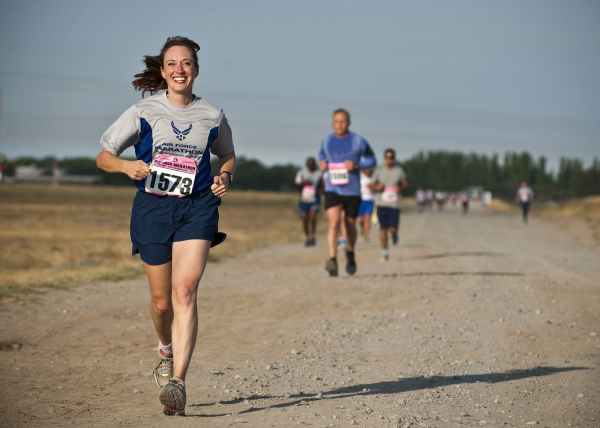
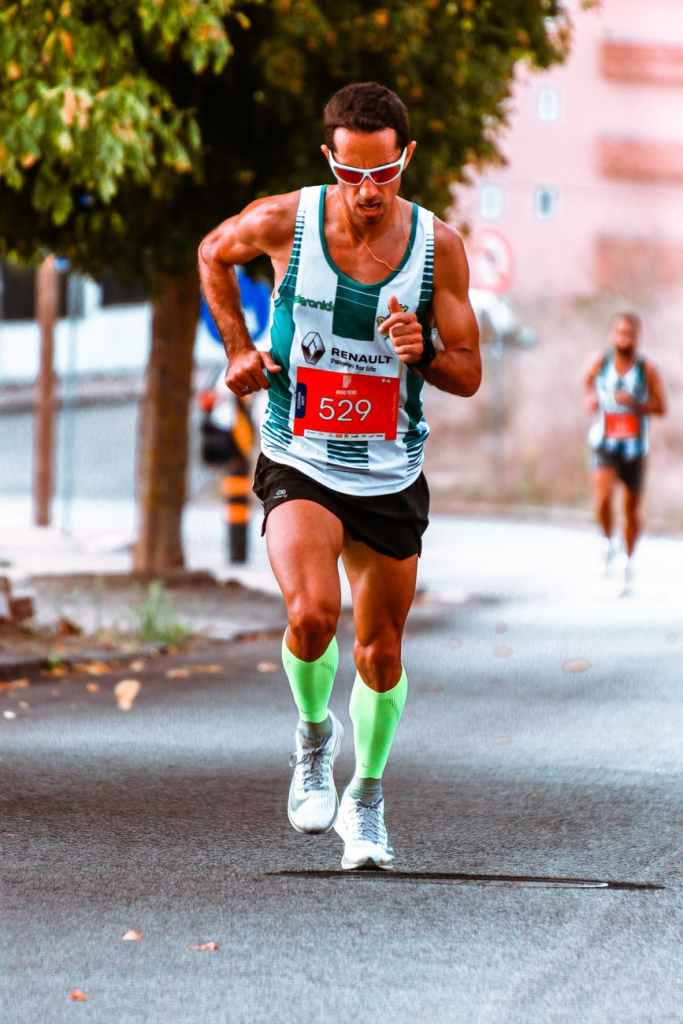
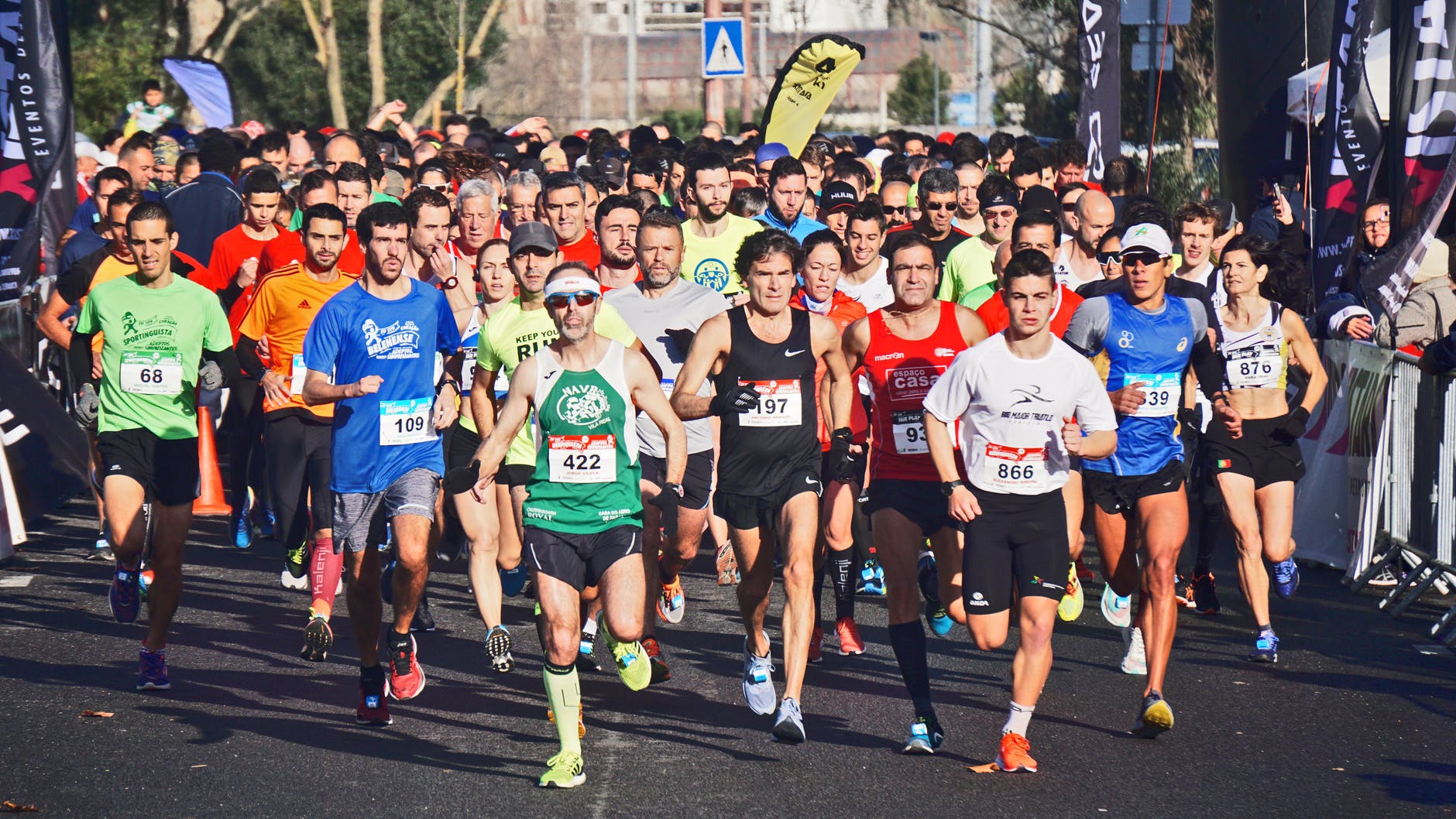
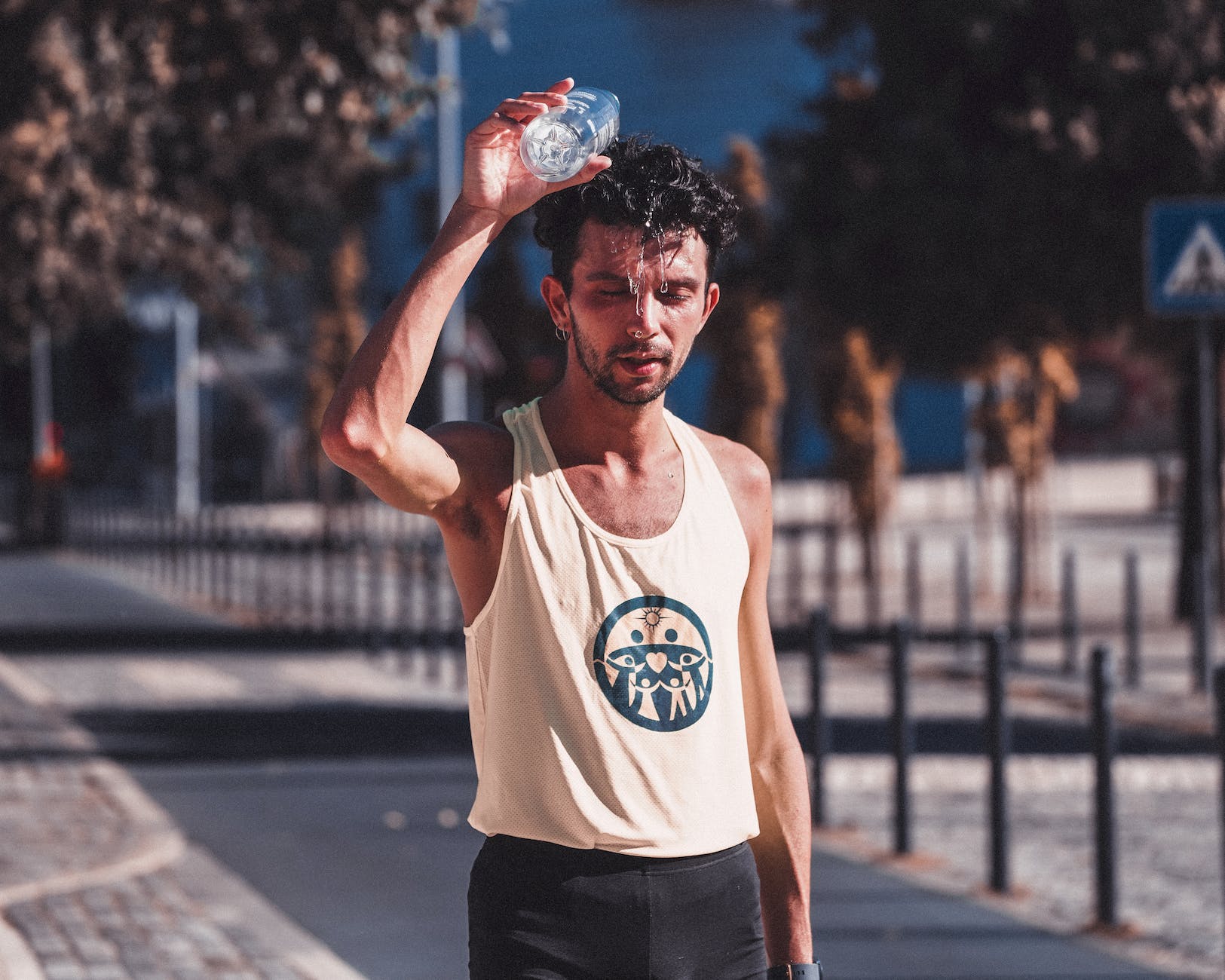
I am NOT a runner. If you ever see me running, I’ve either just encountered a snake, or there’s a wild animal chasing me. So I don’t know a lot about running a marathon, or even a 5-or 10-K race. Even in my daily life as a Christian, I prefer to use the term “Christian Walk!” But the Bible uses the imagery of a race to describe the Christian life. In our pursuit of Christ-likeness, including our pursuit of prayer, we need to think like a runner.

Photo by RUN 4 FFWPU on Pexels.com

For those of us who don’t run, this may pose a bit of a challenge, but the Bible gives us clear principles that provide good guidance.

  • Keep moving forward: “12-14 I’m not saying that I have this all together, that I have it made. But I am well on my way, reaching out for Christ, who has so wondrously reached out for me. Friends, don’t get me wrong: By no means do I count myself an expert in all of this, but I’ve got my eye on the goal, where God is beckoning us onward—to Jesus. I’m off and running, and I’m not turning back.” (Philippians 3:12-14 The Message) Runners don’t worry about what is behind them. They are focused on the goal– reaching the finish line. We need to stop focusing on our past, or the anxieties about the road ahead, and keep our focus on the ultimate goal.
Photo by RUN 4 FFWPU on Pexels.com
  • Travel light/Get rid of the baggage: “Therefore, since we are surrounded by such a great cloud of witnesses, let us throw off everything that hinders and the sin that so easily entangles. And let us run with perseverance the race marked out for us..” (Hebrews 12:1 NIV) What is weighing me down, that I need to let go of, if I want to keep running with endurance? I wrote earlier this month about the expectations attached to the “model” woman in Proverbs 31. Expectations, guilt, unforgiveness, shame, wanting to please other people, even our own self-talk can weigh us down, slow us down, and wear us out. It’s time to let go!
Photo by RUN 4 FFWPU on Pexels.com
  • Run with the pack: Running alone can be good for meditation, but we need the challenge and the encouragement of others if we want to train and grow stronger. Reconsider the passage I quoted above in its larger context: “Therefore, since we are surrounded by such a great cloud of witnesses, let us throw off everything that hinders and the sin that so easily entangles. And let us run with perseverance the race marked out for us, fixing our eyes on Jesus, the pioneer and perfecter of faith. For the joy set before him he endured the cross, scorning its shame, and sat down at the right hand of the throne of God. 3 Consider him who endured such opposition from sinners, so that you will not grow weary and lose heart. (Hebrews 12:1-3 NIV–emphasis added) We need to surround ourselves with companions, role models, teachers, friends, and others who can encourage, sharpen, comfort, and help us in our pursuit. And we need to remember that NO challenge or opposition we face is unknown to Christ. He is our ultimate role model, and, along with the Holy Spirit, our greatest coach!
  • Run/train with purpose: “25 Everyone who competes in the games goes into strict training. They do it to get a crown that will not last, but we do it to get a crown that will last forever. 26 Therefore I do not run like someone running aimlessly; I do not fight like a boxer beating the air.” (1 Corinthians 9:25-26 NIV) I know many people who “know” a lot about the Bible; they’ve grown up in the church or attended seminary; they’ve memorized scripture or studied theology– only to leave the church and their faith. I know many others who have a “faith” that bears little resemblance to the Bible’s teaching– it is based mostly on their “feelings” about God and a “truth” that is relative to their circumstances and changing emotions. Pursuing the Christian life involves discipline– being a disciple–and that involves all areas of life– studying the Bible, and putting it into practice. It’s not enough to “know” about doctrine or to “feel” like a Christian. We must pursue Christ-likeness in our words, prayers, habits, relationships, etc..
Photo by RUN 4 FFWPU on Pexels.com
  • Don’t run on “no fuel.” “29 He gives power to the weak, And to those who have no might He increases strength. 30 Even the youths shall faint and be weary, And the young men shall utterly fall, 31 But those who wait on the Lord Shall renew their strength; They shall mount up with wings like eagles, They shall run and not be weary, They shall walk and not faint.” (Isaiah 40:29-31 NKJV). It is tempting to run on an empty stomach (see traveling light above), or to start running without stretching or warming up. Anything we do in our own wisdom and power– even “good” things like prayer and Bible study, can leave us empty and worn out. We need to come back to our source of wisdom and power–(See Hebrews 12: 2-3 again!)
Photo by RUN 4 FFWPU on Pexels.com

Running a race isn’t easy. Walking through life is a challenge, too. Pursuing Christ-likeness in our habits, including our prayer life, takes dedication, discipline, guidance, and endurance. But God is faithful to provide all that we need to finish the race and gain the prize!

As Iron Sharpens Iron

As iron sharpens iron, so one person sharpens another.

Proverbs 27:17
Photo by igovar igovar on Pexels.com

Do you have a friend who “sharpens” you? Someone who keeps you honest? Someone who challenges you? Someone who holds you accountable? The Bible has much to say about relationships that we form– and some of it may surprise us. Earlier in Proverbs 27, the writer says, “Better is open rebuke than hidden love.” (v.5 NIV) and, “Faithful are the wounds of a friend, but the kisses of an enemy are deceitful.” (v. 6 NKJV).

Photo by Liza Summer on Pexels.com

I don’t know about you, but I want friends who encourage, friends who make me feel good about myself; friends who make life more pleasant and uncomplicated. I don’t enjoy hearing criticism, or having my beliefs and ideas challenged. I don’t enjoy conflict, and I tend to avoid it whenever possible. However, I also know the truth of verse 6 from experience–I can trust the constructive criticism of a good friend, even when it stings in the moment. A loving friend will take the risk of saying what needs to be said, and not just what I want to hear.

Photo by Tirachard Kumtanom on Pexels.com

There are three points that struck me recently as I came across these verses:

  • “Iron sharpens iron”–nothing gets sharpened by a marshmallow, and an iron blade that is left unsharpened will either lose its edge over time, or rust from disuse. We may not like conflict. But we need to be disciplined, and that means that we need to be held accountable. We need to be challenged and sharpened, or we will grow dull or rusty. God can use the “fire” of circumstances to soften our hard hearts, but He often uses other people to “spark” us into action. Left to my own devices, I can grow rusty and useless. I can feel sorry about a bad or sinful habit– I can confess it, and make plans to change. But I am more likely to grow and develop positive habits and actions if there is someone keeping me honest. I can have good ideas; I can know what the Bible says– but I can also fall into deception, lazy thinking, and pride. A good friend can help keep me “sharp” in both actions and thinking. We are not meant to do life alone, and God does not want “Holy Hermits.” He also does not want us to be so timid and accepting that we fail to sharpen others. It is really hard to risk a friendship by speaking the truth–but NOT speaking is sometimes more damaging to the friendship– and to our friends!
  • “Iron” is what sharpens “Iron”–We need to seek out truth and wisdom, and that’s what we need to offer others, as well. We should not waste time on petty disagreements, trying to “win” every point in an argument, or pointing out every minor fault. We also need to have mutual respect; being willing to listen, willing to let a few sparks fly, and willing to respect another’s strengths as we develop our own. This verse is not about letting someone else dominate you or shut down your voice, just as it is not about dominating or “fixing” someone else by forcing your opinions (even if grounded in the truth) down their throat.
  • “So one person sharpens another.” Notice it doesn’t say whether the person is a believer, a dear, personal friend, or a relative. Any person can “sharpen” us. I may disagree with another person– a coworker, a peer, a neighbor–and still respect that their ideas, their words, even their criticism.
Photo by SHVETS production on Pexels.com

How does this tie into our pursuit of prayer? Conflict and testing can make us better or bitter–in this analogy, it can make us humble or it can make us brittle. A humble person will be shaped and sharpened. A brittle person will snap or break.

Photo by Pavel Danilyuk on Pexels.com

When I am challenged or criticized, do I take it to God or do I take it to heart? Do I ask God to reveal truth or have I already decided what I want to believe? Not all criticism is constructive; not all challenges are meant to sharpen us. Do I react in anger? Do I become sullen? Do I crumble into a puddle of doubt? Or do I see it as an opportunity to become sharper, to change course, or to refine my thinking? Conflict and criticism do not happen in a vacuum–God is as close as a prayer, and willing to give wisdom, discernment, and strength!

How do I react to the other person? Do I become bitter toward them? Do I seek for ways to repay them with criticism or prove myself to them? Do I pray for THEM to change, without looking at my own responsibility? Do I appreciate the risk they may have taken to speak up? (Or do I appreciate the reasons they may have for feeling or thinking as they do, even if I am convinced they are in error?) Can I offer thanks to God for the way He may be using that person to sharpen me–even if that is not their intent? Can I pray for God to bless and strengthen them, even if we don’t agree?

Photo by Jopwell on Pexels.com

This is all easier to write than to put into practice. But I can say from experience that God has often used the most unlikely people to “sharpen” me in unlikely ways and unlikely moments, and I am so grateful for the “faithful” (and temporary!) wounds of friends. I am also grateful for others who challenge me to defend the Faith, and who open their hearts to me– even when we clash sometimes.

Of Yeast, Mites, and Mustard Seeds

God is interested in the little things. We praise Him for his glory, majesty, and power–rightly so–but He is also the God of atoms, and quiet moments, and insect wings and snowflakes.

animal antenna biology black background
Photo by Egor Kamelev on Pexels.com

God celebrates with us in our smallest victories–biting our tongue instead of bragging, shaving a minute off our 5K run, not burning the dinner rolls, remembering to put gas in the car for my spouse.  He also sees our smallest sins–when no one else is looking; when no one else knows our motives or inner struggle– God sees every detail, every motive. God hears our prayers– not just our big urgent prayers, but our whispered secret prayers; our quick cries for help; our relieved sighs of gratitude; our shameful confessions.

photo of woman looking at the mirror
Photo by bruce mars on Pexels.com

God often uses yeast as a metaphor for sin–just a tiny bit can ruin everything.  One tiny act– a fib, passing along a rumor, snubbing a neighbor at the store, watching “soft” porn on TV, hanging out with the “fun” crowd and taking dangerous risks, gambling “for fun” with money you promise to pay back later, drinking a little too much just a little too often, spending more time with that co-worker who “understands” your marital woes better than anyone…Most of us don’t set out to become addicts, thieves, adulterers, bullies, sexual predators, rage-aholics, embezzlers, or compulsive liars.  But Jesus warns us that big sins start small: “murder” really starts with disdain and anger and hate (Matthew 5:21-22);  adultery begins with lust; and the love of money (greed) is the root of all kinds of evil (1 Timothy 6:10).  Selfishness, pride, envy, rebellion– they lurk in little lies and delayed obedience and easy justification we allow in our daily lives.

But God is not only watching us under a microscope, waiting to catch us in some small act of sin.  In fact, that is not His primary desire in watching us.  God is searching  eagerly for signs of obedience, faith, goodness, love, and kindness.

circle clean clear drop
Photo by Pixabay on Pexels.com

Jesus used parables about small things– a lost coin, a mustard seed, a pearl, a speck of dust, the eye of a needle, a narrow door/gate, a lily of the field– to illustrate joy, faith, self-control, obedience, trust, and even the kingdom of God.  Small things are important, sometimes even glorious, in God’s eyes.  Even some of Jesus’ miracles started with small, humble, simple things– water, five loaves and two fish, a few quiet words, a few tears.

Photo by Andrea Piacquadio on Pexels.com

Today, I want to pray that I will see God moving– not just in grand gestures and eloquent sermons (though I love to see Him move in those ways, too!)–but in the small moments.  I pray that I will be sensitive, not to the world’s crushing words of hatred and deception, but to the still small voice of encouragement; to the hopeful smile of a stranger; to the rushing wind that lifts dust mites to glory in the sun; to the unshed tears of a widowed friend.  I want to plant the mustard seed of faith and watch how God will grow it.  I want to be that cheerful giver of my last coins in gratitude for the riches of Grace that cost me nothing but cost my Savior everything.

8,000,000,000 Cousins

I wrote a couple of weeks ago about what I call, “Prayer Points.” Each day of the week, I make a “point” of spending some of my prayer time on a particular issue– one day a week, I focus on the community; another day on global issues like poverty, war, and the environment. The other day, I was focused on “family and friends,” when I realized something, or rather, remembered something. I began by focusing on immediate family– my husband, our kids and grandkids. Then I spread the focus a little wider–our moms, siblings, and their families. Then aunts, uncles, and cousins…and their families! Pretty soon, I was thinking about second cousins and third cousins– the ones I see at family reunions, or catch up with on Facebook every once in awhile.
Photo by Quang Nguyen Vinh on Pexels.com

And that got me thinking about my family tree. I research and work on genealogy for my family. My family tree stretches back several generations, and “branches” out several times over. There are nearly 28,000 names in my family tree, and I’ve only scratched the surface! My family tree is a tiny drop in the world population of nearly 8,000,000,000 people (7.96 billion as of this month, and growing). But it represents an incredible mix of people. Some of my family are of European origin; some are Native American; some are of African descent, or Asian. Many of us are a mixture of races, ethnicities, and native languages. Some of us are rich; some are barely getting by. Some of us are tall; others are short. Some are healthy; others have health or developmental issues. But we are all family.

Photo by fauxels on Pexels.com
Photo by Cameron Casey on Pexels.com

And, by extension, we are ALL family– all nearly 8 billion of us! We are all God’s children, and when we pray for “family and friends,” we can include anyone! That’s a mind-blowing thought, and I was really excited to be reminded of the fact. But it’s also a sobering thought. I certainly don’t know all of the living people I’ve included in my family tree– most of the information has come from public records and other family’s research, rather than personal knowledge. No one can possibly know 7.96 billion people– we’re lucky if we can remember the names and faces of more than 5 thousand in a lifetime. We could not possibly pray for them all.

But far more sobering is the thought that there are people I do know for whom I might not WANT to pray– people who have hurt me, or people I have judged unworthy of my time or effort. Yet are they not also “my family?” What difference does it make in the way I pray when I remember that I have, not 50 cousins, or 500 or even 5,000 cousins, but almost 8 billion? That the next person I meet on the street or at the post office, or at church–she or he is not just my neighbor, or my friend (or enemy), but my cousin? Shouldn’t I consider how I can pray for them– even a quick prayer? Shouldn’t I listen better, look closer, and seek out opportunities to show love for another of God’s children?

Photo by RODNAE Productions on Pexels.com

It’s easy to speak in “relative” terms, but it can be a challenge to really live as “family.” Praying– sincerely and thankfully–for others can be a start.

A Hope That Does Not Disappoint

Have you ever had your hopes dashed? Have you even been disappointed in something that (or someone who) seemed to promise such hope?

Photo by Andrea Piacquadio on Pexels.com

In Romans 5:5, the Apostle Paul speaks of a “hope that does not disappoint” us– the hope that comes through the Love of God as poured out by the Holy Spirit. Yet, we still have times of disappointment, dashed dreams, and painful grieving. So what is Paul talking about?

Photo by Ketut Subiyanto on Pexels.com

Well, in context, he is speaking about the hope of our eternal salvation– we can have complete confidence in Christ’s finished work in obtaining our salvation and peace with God. While we may have doubts about many things in life, we need never doubt God’s promised salvation. But that does not mean that God has promised us an earthly life without disappointments, struggles, grief, or pain.

Sometimes, when we pray, we bring certain expectations– “hopes”– that God will act in the way we desire. We pray for miraculous healings, or an end to financial struggles, or finding the “perfect” spouse. God never promises any of these things. In fact, Jesus promised His disciples that “in this world, you will have trouble” (John 16:33)! But He goes on to say, “take heart, for I have overcome the world.” When our prayers seem to go unanswered, or God seems deaf to our desires, we can feel disappointed, even resentful. Our loved one dies. Our marriage falls apart. We lose our job, or our home.

It can be difficult in the moment, but we need to take stock of what it means to “hope.” If we put our hope in earthly things– even wonderful things–we WILL be disappointed at some point. People get sick and die. They make mistakes. Houses crumble, or face destruction by fire or storm. Relationships –no matter how much we may work at them–can fall apart. Our own bodies and our own wisdom can betray us. Circumstances cannot provide a secure base for our hopes. That doesn’t mean that we can’t cherish dreams and aspirations, but Hope must be based on something sure and eternal.

Photo by Luis Quintero on Pexels.com

When we pray, we can bring all or our expectations, aspirations, dreams, and more– but our Hope must not be anchored in the circumstantial answers we want. We will face bitterness in our disappointment. But when our Hope is rooted in the God who keeps His promises, we will see beyond the temporary disappointments in our circumstances, and find that Hope will endure and sustain us THROUGH them.

Photo by Ketut Subiyanto on Pexels.com

People will disappoint; circumstances will let us down; expectations will deceive us. But Hope remains and sustains. We can pray, not with fear or doubt, but with confidence that God will hear us, and give us what we need most to face even our worst disappointments. After all, He promises that they are temporary in light of His eternal Love and Care.

And what a wonderful Hope on which to anchor!

Sixteen Little Things

If you are reading this blog, you have at least sixteen things for which to be thankful.  Some of them may seem like minor things, but they can form the beginning of a much longer list.

  • First, (and this is NOT one of the smaller things) you are alive to read this.  You woke up this morning (or afternoon, or whenever), and you have an opportunity to be thankful.  Not everyone who was here yesterday can say that!  Life is a precious commodity, and one that should cause us to be grateful.

girl wearing blue denim dress shirt
Photo by nappy on Pexels.com

  • I am (or was a few hours ago– hopefully I still am) alive to write this!  You may or may not be very thankful for this fact, depending on whether or not you agree with me, or enjoy the blog, but I am very grateful…
  • You can see to read this.  Close your eyes and imagine, or just look up from your screen to see all the other wonders within your sight!

close up portrait of human eye
Photo by Skitterphoto on Pexels.com

  • You can access this blog to read it.  We take for granted the availability of information and access to writings, graphics, and sound in the cyber age in which we live, but even 50 years ago it would have been impossible for a private person to share photos, writings, or videos to a global audience in real time.  And the time may come when such sharing is tightly regulated, restricted, or forbidden.  (Indeed, in certain areas, you may taking a risk to view this even now.)
  • You can read this.  Worldwide, the literacy rate is estimated at 86.3% See wikipedia chart here You may think this is a small thing to point out, but in many countries–perhaps even the one you live in–this percentage is much smaller.  And, if you look at historical accounts, literacy rates have exploded in just the last 100 years, especially for women.
    • You may be especially thankful if you are reading this in a second or third language, or if your computer is translating this into your native tongue.
    • You may not be reading this directly– if not, be grateful for whoever is able to read it to you, and is willing to do so.

toddler reading book
Photo by Daria Shevtsova on Pexels.com

  • If you have access to this blog, you probably have access to other modern conveniences — electricity, a cell phone or computer, indoor plumbing, etc.  Even if your access is limited, sporadic, or expensive, it is still something many of our great-great-grandparents did not know.
  • Chances are that you have been the beneficiary of medical advances of which you are not even consciously aware…vaccinations, inoculations, surgery, better nutritional practices, and more– most of us living in the world today have never had to face the ravages of Polio; Smallpox, once a dreaded disease, was deemed to be eradicated within the last 50 years.  It seems like such a small thing to be grateful for something you have never had, until you talk to someone or read about someone who DID have it.
  • You are completely unique and one-of-a-kind!  Even if you are an “identical” sibling, you are not the same as anyone else living or anyone else who has ever lived!  In all the world, throughout all time, there has never been or ever will be anyone exactly like you!

brand trademark cobblestones community denim pants
Photo by Ingo Joseph on Pexels.com

  • Conversely, you are part of a 7+ billion-member global family of humans who share the same commonalities– laughter, tears, hopes, disappointments, bad hair days (or no hair days), love, loss, hunger, and, sometimes, rest.  We all have thoughts and feelings, and a purpose.
  • God LOVES YOU– in fact, He adores you.  He loves you to death– and He died (and rose again) to prove it!  The Father, Son and Holy Spirit look on you and love you–want the best for you throughout all eternity, and want to have a deep and powerfully transformative relationship with you– forever!
  • I am praying for you– perhaps not simultaneous to your reading this, but I pray for readers.  I may not know your name, or where you are, or when you are reading this, but God does, and I’m praying to Him on your behalf.  I’m also praying as I write each entry that God will be glorified and that what I write will glorify Him and help others.

belief bible book business
Photo by Pixabay on Pexels.com

  • God is even more readily accessible than anything I will ever send out– more than anything that can pop up in your news feed, nearer than your next door neighbor.  God is available–whoever you are, however you feel, wherever you may be, whatever your circumstances, and whenever you call.  Every moment of every day is an opportunity to pursue Him and interact with Him through prayer!
  • God is not just accessible, He has revealed Himself– through His creation, through His words, through prophecies, visions, and miracles, through the life and ministry of Jesus, and through the examples and lives of those who follow Him.

man holding sheep statuette
Photo by Pixabay on Pexels.com

  • If you have reached this point, you may be scratching your head…I thought there were sixteen things…what’s left?  Well, if you count the smaller bullet points above, this is number sixteen, and the fact that you are still counting means that you are counting your blessings– that’s a small thing, maybe, but I think it means that you want to be grateful– and THAT is another thing to celebrate!

Praying Around Town

I live in a small town. Every week, I take a mental (and sometimes also a walking) tour of my town as I pray for it. I pray for the businesses, the public services, the churches, schools, families, and more. Sometimes, I try to picture my town street by street…the pharmacy, the pizza place, the real estate agent, the City Hall, the little ice cream shop, the Library, the beauty salon, the Post Office, the bakery, the corner gas station…

Photo by Pixabay on Pexels.com

It’s a routine, and it’s a exercise, but it’s also a great reminder of several things:

  • Prayer is about every aspect of life–even the things I take for granted, like the corner store or the insurance agent down the street, or the fire station. I can (and should) thank God for the blessings He has given me. I should also lift up my neighbors and friends in prayer. I may not always know specific needs, but as I recall places, sometimes I recall needs as well.
  • Prayer is about more than just me. It is easy to get caught up in my own triumphs or worries and lose sight of how God is working in others’ lives around town.
  • God is all about community–Jesus came to announce that “The Kingdom of God is among (or within) you” (Luke 17:21; Matthew 3:2, etc.) We are not to live our lives isolated from others. And this is certainly true of prayer. We are to think of others, and to love our neighbors “as ourselves” (Matthew 7:12; Mark 12:31, others), and that includes praying for them. We don’t have to pray grandiose prayers or pointed prayers, but pray for their health, well-being (including, but not limited to their spiritual well-being), and relationships.
  • Praying for the town and its various residents reminds me to reach out and treat them with respect. It’s much easier to pray for someone you talk to and get to know– and it’s easier to reach out and get to know people around you if you are praying for them already! We don’t pray in a vacuum or a hermit’s cell– prayer should spur us to action and interaction!
  • Praying around town actually helps me get to know the town better–As I think about the various places around town, I remember shops or neighborhoods I normally walk or drive past, but don’t really notice, or services I don’t normally use. Our small town has an airport, a canoe rental, a hospital, two museums, a book store, several restaurants, a couple of car dealerships, several barbers and salons, a pastry shop, a purse store, a candy shop, a yarn store, dentists, chiropractors, eye doctors, auto repair shops, flower shops, thrift stores, several churches, a funeral home, parks, hardware stores, a laundromat, a rent-to-own store, a flooring shop, a shop that sells art and suits (that’s actually its name– Art and Suits), gas stations/convenience stores, at least three grocers, and many other businesses, including our own shop that sells radios and antiques! The more I know, the more I can help others get to know about our town– and the better I can pray for those in it.
Photo by Samson Katt on Pexels.com

I pray for my community (specifically) once every week. It’s part of what I call “Prayer Points”– every day of the week has a special focus. One day is for the Community; one day is for Global Issues (war, hunger, climate issues, disease, poverty, etc.); one day is just for issues relating to The Church (persecuted Christians, Evangelism and Missions, etc.. Why do I do this? For me, it helps me focus on needs that are ongoing– needs I might otherwise forget or de-emphasize in the hustle and bustle and “noise” of newsfeeds, “urgent” requests, and general self-indulgence. It doesn’t make me a better person. But I hope it makes me a better “pray-er.”

Photo by Rubenstein Rebello on Pexels.com

Blog at WordPress.com.

Up ↑