Heroes of the Faith

When I was just a girl, many of my cousins and playmates were fans of comic-book heroes: Superman, Batman, Wonder Woman, X-Men, Spiderman, and many others. In fact, in second grade, we had a “superhero” club that met at recess and played out scenarios. Most of us got to be heroes; a few had to take turns being villains. We ran as fast as we could; we pretended to fly; we pretended to save the world!

Each super hero has a special super power (or several super powers), and each one has a “fatal flaw”– some weakness that could keep him (or her) from easy victory over a villain. Superman can fly; but he cannot overcome the effects of Krypton. Batman has a seemingly endless array of cool gadgets, but they are not always enough to counter the cool gadgets of his foes. Spider-man can spin webs, but being a superhero doesn’t pay his bills. Wonder Woman has a lasso of truth and an invisible airplane, but she must struggle between promoting peace and fighting to stop violence and war.

I was reminded recently that we often confuse Biblical characters with comic-book superheroes. Moses had his staff. Samson had great strength. Methuselah lived to be 969 years old. David wrote poetry and killed giants…and so on. And each “hero” of the faith seemed to have a “fatal flaw”– Abraham did not wait for God’s promise of Isaac. Moses had a temper. Jacob was hunted by his twin brother. Samson was arrogant and forgot the source of his strength. David was tempted by lust, which led him to commit adultery and murder!

There is nothing wrong with reading about comic book superheroes, or with honoring men and women of faith and courage and obedience. The entire eleventh chapter of Hebrews is devoted to “heroes” of the faith, and the faith of Godly heroes.

But we can turn heroes into idols, and that leads us to false thinking. We falsely believe that God only calls those who are already heroic and strong. We sometimes feel that God cannot use us unless we first show that we have some superpower. We also carry a false guilt about our “fatal flaws,” feeling that we have somehow ruined God’s plans or let the enemy “win” whenever we stumble. Finally, we fail to see that our ordinary obedience–even our shaky and stumbling faith– IS heroic.

The biggest difference between Biblical “heroes” of the Faith and comic book superheroes, is that the latter often inhabit a world in which there is no Sovereign God. Often, comic book heroes come from a distant planet, or are “accidentally” created by exposure to radiation. Their actions “save” the world when ordinary people cannot overcome evil and villains. They may appear ordinary some of the time, but their lives are actually very different from ours. Biblical heroes, on the other hand, are ordinary people who were used, not because of who they are, but in spite of who they are!

Superheroes are exciting and noble, but they are not Biblical, and Biblical characters are not “accidental” superheroes. They are ordinary men and women who were used by God to do extraordinary things– things that only God can really do! Most of them spent their lives doing mostly ordinary things– farming, fishing, carpentry, tax collecting, herding sheep! There is only one actual “superhero” in the Bible– God himself–and He has no fatal flaw. Instead, He chooses flawed and ordinary people to obey Him as HE does extraordinary things through them. Even in our own time, God uses ordinary people to do extraordinary “super” things in the lives of others. We may not see anyone killing giants or parting the waters of the Red Sea. We may not see anyone slinging webs, leaping over tall buildings or single-handedly saving Gotham City, but we can see how faithful Christ-followers can transform their families and communities because of God’s power working through them. No capes or costumes needed!

One consistent thing about the people we celebrate as “heroes” in the Bible– they all prayed! They all knew that real power (and wisdom and help) comes from God alone. Prayer and obedience are not guaranteed to make us famous or heroic. But God can use the simplest acts and the smallest measure of true faith to do great things in, and around, and through ordinary people just like us!

The Seven-Layer Prayer

Bethelchurch

Growing up, I loved going to pot-luck meals at our little country church.  Neighbors, family, and friends would bring large dishes of home-cooked deliciousness for all to feast on as we chatted, laughed, and encouraged one another.  There were certain dishes we all could count on–homemade yeast rolls, courtesy of Lulu M.  Jello with fruit was my mom’s standard.  Another lady almost always brought meat loaf.  Baked beans, candied carrots, fried chicken, chocolate cake, scalloped potatoes– my mouth still waters just from the memories!  The wonderful woman who has since become my mother-in-law brought her famous cookies, and often, a seven-layer salad.

I love Mom’s seven layer salad, and I have learned to make my own variation.  It’s easy, it’s delicious, it’s healthful, and it travels well.  I’ve seen other recipes that use different vegetables, don’t use eggs or meat or mayo–I’m sure they’re ok, but I’m happy to stick with the basic outline that follows below.

I was thinking about the seven-layer salad the other day, and I realized that you can use a similar “recipe” for prayer.  So here’s my modified “Seven-Layer Prayer” recipe:


  • First, start with a layer of “Let Us”
    • Prayer doesn’t happen without an act of the will.  We must be deliberate about setting aside time and thought for prayer every day.  We should “leaf” the busyness and chaos of the day and “romaine” in fellowship with the Father!
salad vegetables vegetarian lettuce
beans carrots close up colorful
  • Next, add a layer of “Care”-rots (shredded).
    • 1 Peter 5:7 New King James Version (NKJV)

      7 casting all your care upon Him, for He cares for you.
    • Give your worries and cares over to the One who cares most about you and all those you love.
  • Now you can add the “Peas” that passes all understanding
    • Trust that God is in control.
    • Trust that God hears and answers prayer.
    • Trust that God is Good, Wise, and Loving.
    • Rest in the knowledge that “God’s Got This!”
board cheese close up dairy
  • Here’s where I like to add some “Meet” (usually bacon!, sometimes ham or chicken)
    • While it’s vital that we spend time in personal, private prayer, God also wants us to meet regularly with others for fellowship, mutual encouragement, accountability, PRAYER, and guidance.
  • Now it gets a little dicey–diced onion (sometimes I substitute green onions or sliced or diced mushrooms)
    • Time to peel back the layers, and cut through to the root of anything that is getting in the way of a closer walk with God–confess it and give it over to Him.
    • Sometimes, this process may cause tears, or involve a little dirt– clean it up before you proceed!
  • Time for some dressing– mayonnaise or salad dressing.  Annoint your salad, and your prayer, with oil.  Remember, God has annointed you to spread His love and grace to others.  Don’t forget to add this to your prayer life.  Just as the dressing will coat all the elements of the salad, so God’s Spirit will surround and influence your words and actions done for Him!
  • “Cheese!”  It’s a “gouda” idea to round out prayer with a time of joyful thanksgiving.  Pile it on– God’s given us a LOT for which to be “grate”-ful!
  • Finally, the garnish– Hard-boiled eggs.  These remind me of the new life we have in Christ, the Triune nature of God (we used to have lessons in Sunday School about the egg having three parts but being a single egg.  We don’t use the shell in the salad, of course, but you can’t make a boiled egg without all three parts…), and also, the yolk reminds me of Heaven’s streets of gold.  In prayer, we should remember God’s faithfulness in fulfilling His promises, and the hope we have in Him.
watering plants with a watering can

That’s the basic recipe for a seven layer salad– enough of each ingredient for a healthy “layer”.  I’ve added extra layers a couple of times–diced tomatoes or peppers are good if you are planning to eat the salad quickly, but they will cause sogginess  if you let the salad sit.  (Also, if you use peas, use fresh if you can– drain canned peas, or get rid of any ice crystals if using frozen peas. )

A good seven-layer prayer should also be presented fresh, and savored.  It’s delicious, it’s good for you, it feeds others, and it travels well!  Try some!

“Sam I Am” v. the Great “I AM”

Some time ago, I wrote about the famous Dr. Seuss book, “Green Eggs and Ham.” In it, a character, named Sam (“Sam I am”) encourages the nameless narrator to try a strange dish– ham and eggs that are bright green! After several exchanges in which the narrator insists he will NOT try the dish, Sam’s enthusiasm wears him down and he agrees to try a bite. Surprise– He LOVES green eggs and ham! He spends the rest of the book enthusiastically affirming how much he loves the dish, thanking Sam for insisting that he try them.

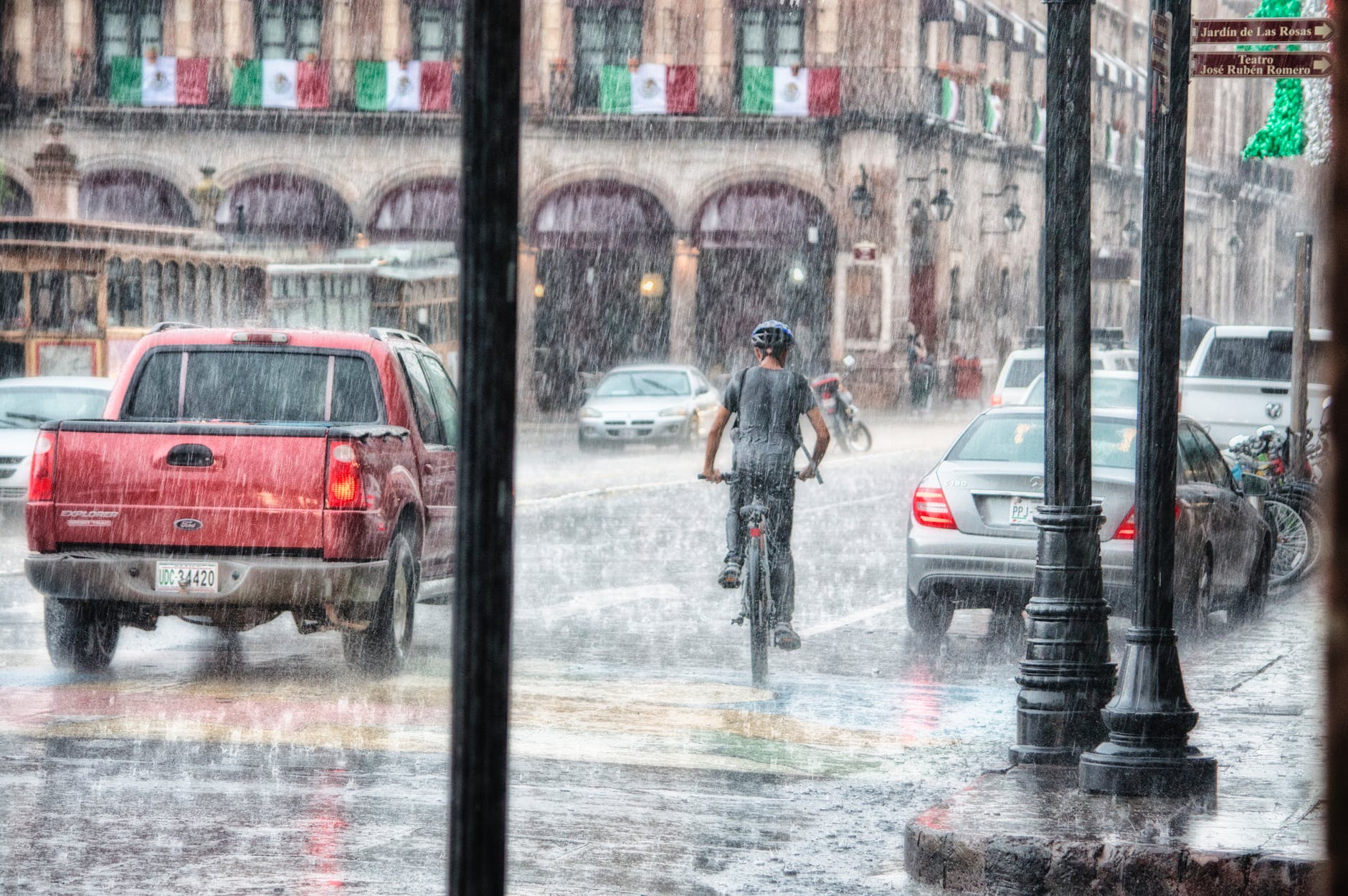
We just celebrated Easter. The Resurrection, I would argue, is much more important than trying a new breakfast dish. But how many of us are as enthusiastic as Sam in trying to get our families, friends, and neighbors to “taste” the amazing gift of Eternal Life? Would we witness on a train? In a car? In the rain? Would we witness to a grumpy, resistant person like the narrator of “Green Eggs and Ham?” And if not, why not?

Photo by Anh Nguyen on Pexels.com

And would we pray for the unsaved? In a tree? On a boat? With a goat? In our house? With a mouse? Here or there? Anywhere? What kind of enthusiasm do we show for making disciples? Do we seek to pray for our neighbors? With our neighbors? With those who are struggling with doubts or fears? For those who resist the message of Christ? Does our confidence in the Gospel of Christ equal the confidence of Sam in ham and eggs? Shouldn’t our joy and commitment exceed Sam’s? After all, our “product” is unending, everlasting, unconditional Love from a God who came to earth and died to save each one of us!

Photo by Ron Lach on Pexels.com

2 Corinthians 4:1-9 ESV – The Light of the Gospel – Therefore, – Bible Gateway

We carry the amazing treasure of God’s Power to save, redeem, and reconcile! Let us not get discouraged as we share the good news and as we pray for God to continue His work in a broken world!

Be Thou My Vision

adorable blur bookcase books

One of my favorite old hymns is the ancient Irish tune, “Be Thou My Vision.”  I have heard it jokingly referred to as “the optometrist’s hymn.”  But there’s a lot more to unpack in the title than just a plug for good eye care.

God’s word is full of references to sight, seeing, blindness, light, lamps, darkness, night, day, visions and dreams, foresight and prophecy, images and reflections, and much more.  God is both the source of our sight, and of our insight.  God sheds light on our deepest secrets of the past, and provides a lamp allowing us to see the obstacles ahead more clearly.  Jesus came to be the Light of the World, and bring sight to the blind, both physically blind and spiritually blind.

bright building candle candlelight

Many times, we pray for answers– we want a quick solution to our circumstances, or a definitive direction for our next step.  But God sometimes wants to show us a bigger picture.  Sometimes, he wants to show us more intricate details.  Instead of asking for what we want God to give us, we need to ask for God to give us the vision HE has for our future.  He may not reveal every detail– or he may only reveal the next detailed step.  But God’s vision is clearer and bigger, and more glorious than we will ever know if we aren’t willing to look with His eyes to see.

We also need to ask God to BE our vision– that we would see him more clearly for Who He Is!  Whatever is in our focus will appear bigger and clearer than things in the periphery.  When we allow Him to be our vision, we start to see things from His perspective, which makes all the difference.  What we see on our own is often an optical illusion– problems look bigger than they really are, hurts and grievances grow larger, and people become distorted by the lenses or mirrors we use to view them.  And we lose sight of God’s glory, wisdom, majesty, power, and everlasting love.  But God restores our focus and our perspective, so that we see problems in the light of His power to overcome; we see people who are made in His likeness and image– people who are loved by God, even if they are in rebellion against Him.  We see the glory of God’s creation as it was meant to be, even as we see the wreckage of pollution, corruption, disease and disaster.  We see God’s mercy as lives are transformed and families are mended and justice is finally achieved.  And we see the rays of hope in God’s promises fulfilled and those yet to be fulfilled.

sunset sunrise nature field

Prayers in the Dark

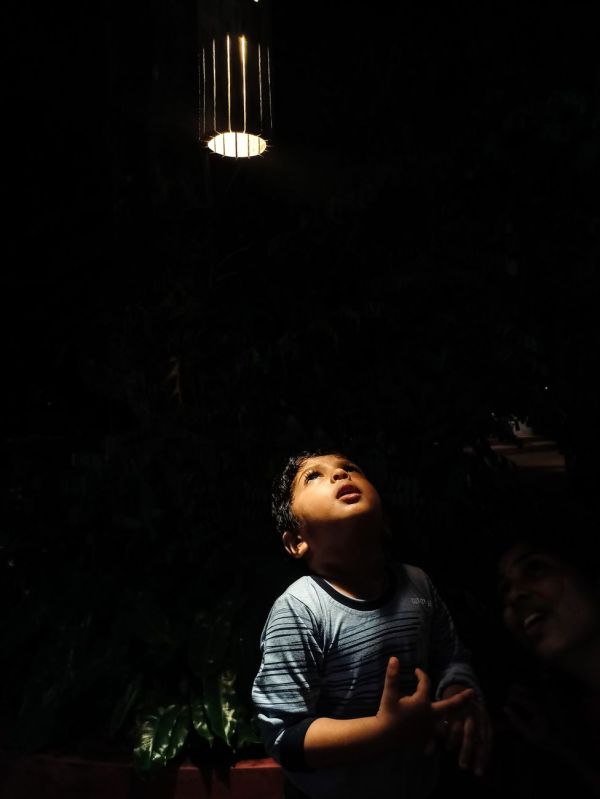
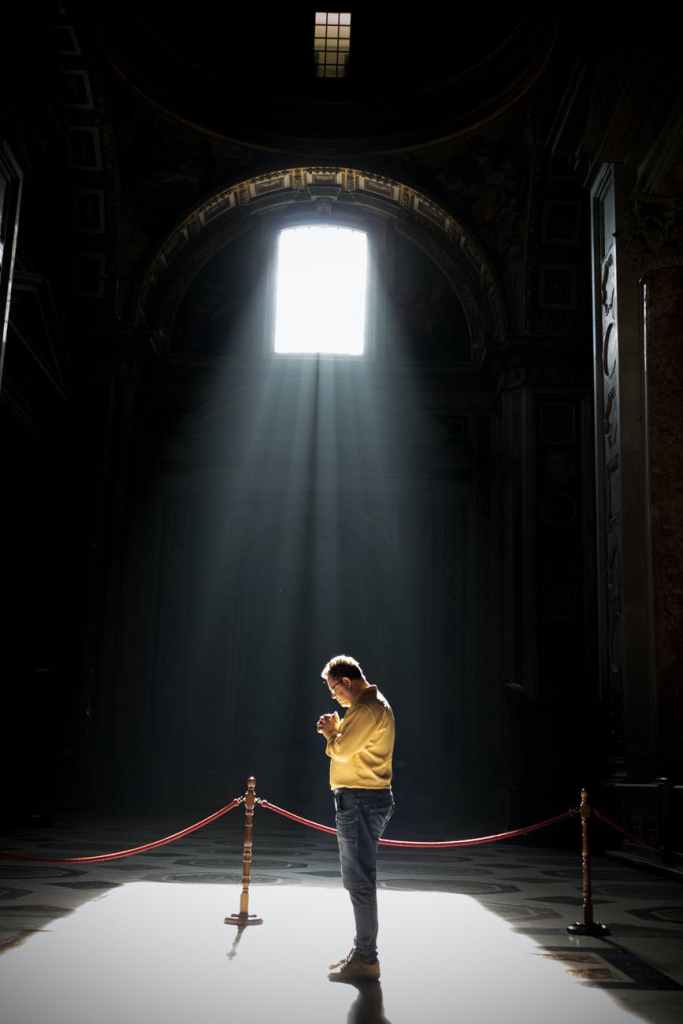
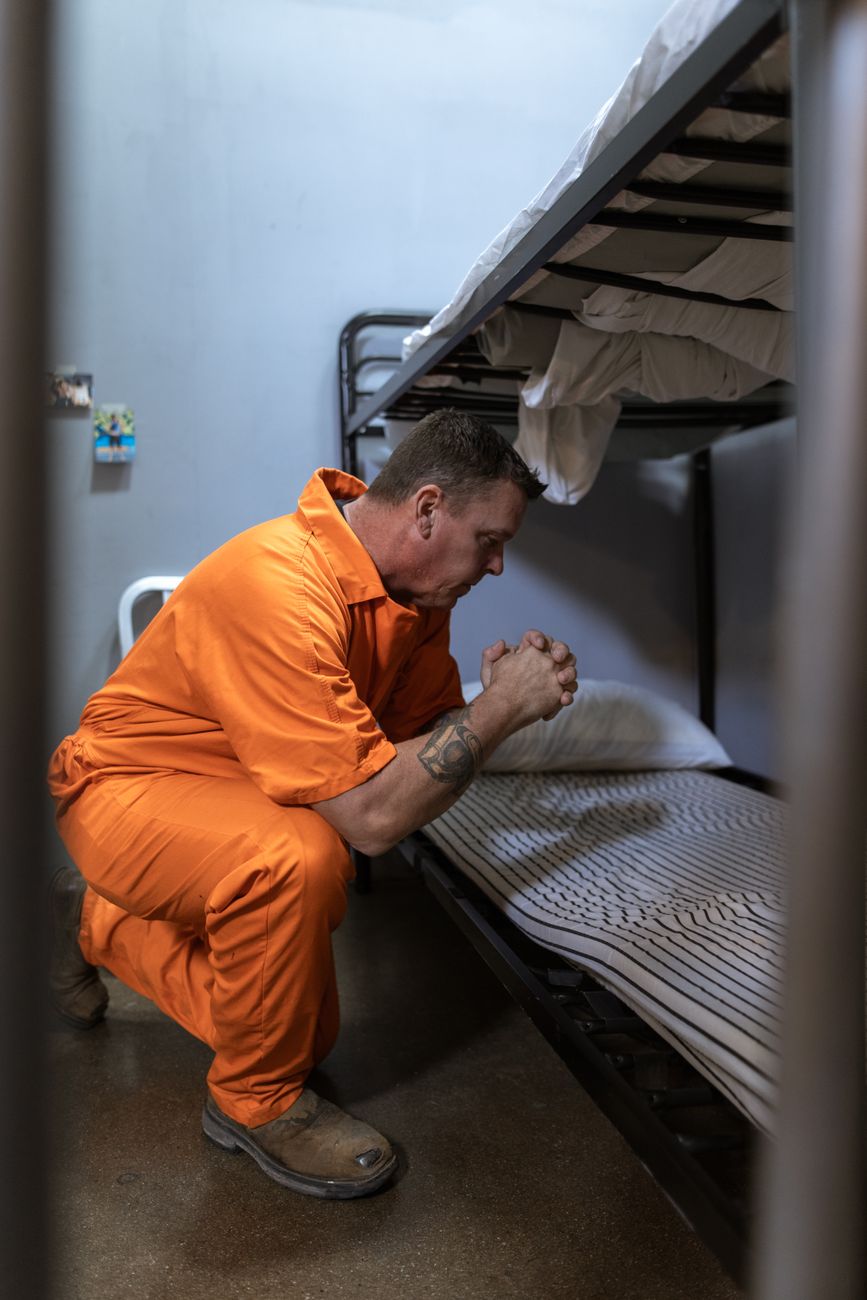
We live in dark times. War, hatred, terrorism, oppression, destruction, and despair– they are all around us. And yet, we pray. We do not succumb to the darkness, but we seek out the light. Many Christians pray in literal darkness, as they have no electricity, or they are in dark prisons, or they worship in secret locations and inner rooms. But many of us pray in figurative darkness– our minds and eyes clouded with overstimulation and muddied theology. And we may pray “in the dark” about the situations faced by our brothers and sisters in other parts of the world– even in other parts of our local communities!

Praying in the dark, much like walking in the dark, involves a lot of caution, and a lot of trust. We pray strategically, knowing there are unseen obstacles and dangers around us, but confident that, with God’s wisdom and presence, we can avoid them and reach our goals.

What are some specific features that prayer should have when we find ourselves in the dark places of life?

  • Fervency–There is a quality of urgent and whole-hearted commitment to seeing God’s face, God’s wisdom, God’s will, God’s timing, and God’s guidance as we pray. “Not my will, but THINE, be done!” Christ, as He prayed in Gethsemane (see Matthew 26:36-46) We may not sweat drops of blood, but we should pray with a fervent desire to offer our bodies as living sacrifices (Romans 12:1)
  • Focus– Sometimes, we can “see” more clearly in the dark. This is because we have fewer (visual) distractions. When we are overwhelmed with darkness, we let go of lesser things and concerns, and we pray for those things we really need, rather than those things we desire. We also have a greater sense of God’s provision and power, so we grow more grateful and joyful for what we DO have.
    ” For the sake of Christ, then, I am content with weaknesses, insults, hardships, persecutions, and calamities. For when I am weak, then I am strong.” 2 Corinthians 12:10 (ESV)
  • Frequency–I pray almost constantly when I am burdened or facing obstacles that seem impossible to overcome. Dark times can remind us that God alone can be trusted to lead us through. HE is God, and I am NOT! And like the men and women of the Bible who faced incredible odds, I can trust Him to hear and act. He sees me, He hears me, He Loves me, and He has a plan for my life that includes being with Him for Eternity!
    “Whom have I in heaven but you?
        And earth has nothing I desire besides you.
     My flesh and my heart may fail,
        but God is the strength of my heart
        and my portion forever.” Psalm 73:25-26 (NIV)
  • Fellowship– This one may seem counter-intuitive. Many times, I feel more alone in the dark. But I have learned that I can actually feel just as lonely in a crowd and in the light. Dark times may make our “circle” smaller, but we may find that our few relationships grow stronger, and we open ourselves up to suffering in others that we would ignore in our carefree days. I think of those who end up on refugee camps or cancer treatment centers– the friendships made there are sometimes stronger than family! 
    “Every time you cross my mind, I break out in exclamations of thanks to God. Each exclamation is a trigger to prayer. I find myself praying for you with a glad heart. I am so pleased that you have continued on in this with us, believing and proclaiming God’s Message, from the day you heard it right up to the present. There has never been the slightest doubt in my mind that the God who started this great work in you would keep at it and bring it to a flourishing finish on the very day Christ Jesus appears.” Philippians 1:3-6 (The Message)

Darkness and trials can drive us away from help and hope. But when we learn to Pray in the dark– to seek God with a whole and undivided heart– He will be our light in the darkness and our hope in the midst of desperate circumstances. And we can take comfort, even in the midst of pain and danger, in knowing that we are NEVER alone when we pray– even in the dark! We may not know the perfect words or have the perfect circumstances; we may not be able to see our next step– but we serve a perfect God, who will never let us go. There is no darkness– no circumstance– that can separate us from God’s love or His salvation, or keep our prayers from reaching Him.

The Prayers of the Righteous

adult back view bald crowd

James 5:16 Modern English Version (MEV)

16 Confess your faults to one another and pray for one another, that you may be healed. The effective, fervent prayer of a righteous man accomplishes much.


Romans 3:10-11 Modern English Version (MEV)

10 As it is written:“There is none righteous, no, not one;
11 there is no one who understands;there is no one who seeks after God.

Anyone can pray.  God hears our prayers.  God answers prayer.  But He doesn’t answer all prayers equally.  That doesn’t mean that God is unfair or unjust.  It means that God listens beyond our words and prayers– He knows our thoughts, He perceives our motives and inmost desires.  He also knows the consequences of all that we ask.

photo of a hippie woman

James 5:16 (above) is sometimes misused by Christians to boast in their “effectiveness”: in essence, saying “If God answers my prayers for a comfortable lifestyle or good health, it proves that I am righteous.”  But this is putting the cart before the horse.  The last phrase is contingent upon the first– “Confess your faults to one another, and pray for one another, that you may be healed.”  It is the effective (prayers designed to effect others), fervent (heart-felt, committed) prayer of a righteous (cleansed, renewed in spirit and mind and heart) man (or woman) that accomplishes much (for the kingdom, for healing, for grace, unity, or renewal).  The effectiveness comes after the confession; after the renewal, and through the Holy Spirit.  If we are boasting about our effectiveness, we’re missing the point.

lion sleeping beside rock

It is the humble seeker who prays for and with others, pours herself/himself out for “one another” who accomplishes much.  Such men and women spark movements and revivals, not in their own power or wisdom, but in allowing the Holy Spirit to work in their lives, and in their prayers for others.  Which is more “effective”– getting what I want for myself, or bringing lost souls to new life?

If your prayers seem to lack power, consider the following:

Who am I praying for today?  What am I praying for myself?  For others?  For the Glory of God?  Am I praying fervently?  Diligently?  Righteously?  In confession and gratitude, as well as supplication?

girl-praying-hands-eyelashes-41942.jpeg

Next, consider what it means to be “effective.”  Are you praying for a healing that doesn’t happen immediately or completely?  God may be using your prayers to great effect in ways you do not expect.  God can bring spiritual and emotional healing even in physical suffering.  He can also bring healing to others as they see our faith and hope at work in difficult circumstances.


woman wearing sleeveless dress

Finally, ask if there is something else you should be doing in addition to praying about the situation.  Are you ignoring a clear call from God to do something (or stop doing something) in obedience to His Word?  Are you harboring a grudge against someone?  Do you need to make things right with someone?  With God?

The effective, fervent prayer of a righteous person WILL accomplish much more than we can imagine.  What would our neighborhoods look like if we spent more time on our knees than pointing fingers or shaking fists?


Out of the Blue

There is an English phrase for something that happens completely unexpectedly; we say that “it came out of the blue.” I thought I understood that phrase, but I got a deeper understanding this past Friday. My husband and I were in Elkhart, Indiana, just across the border from our home county in Michigan. We often drive the 20 miles or so to Elkhart for shopping, banking, eating out, and more. The weather was surprisingly warm and humid for March, with a light breeze and blue skies dotted with light gray clouds. David and I had eschewed both coats and jackets for the day– nearly unheard of for this time of year in our area.

But as we prepared to return home, we noticed that the gray clouds to the north of us had grown darker and heavier. And lower. Still, there was blue sky above us and to the south. It wasn’t raining and there was only a light breeze. We were listening to a radio talk show, which was suddenly interrupted by a high-pitched alarm. The announcer said that there was a tornado warning for our county– the one we were driving through!– and that we should be looking for rain and hail, strong winds, and possible tornadic activity.

We searched the skies– the same clouds we had seen in the north looked darker than normal, but we experienced no strong winds and no rain. About a mile later, we saw evidence that it had rained recently, but otherwise, it was calm. The sky above us was blue. Birds were singing. The air seemed fresh and calm. Still, the weather alert kept giving details. A tornado warning was in effect for the next 35 minutes for our county and the one directly east of us. But we kept driving. A couple of miles later, we saw a small patch of damage– a few twigs and dead leaves had blown across the road in one spot. The evidence of rain became clearer– there were large puddles. We drove through some of the area that had been mentioned in the alert– we skirted Edwardsburg, Diamond Lake, and Cassopolis. We saw small spots of rain and wind damage, and we came into some rain that was still falling, but it was gentle. Behind us to the south and west, the skies were blue.

When we arrived home, we looked at the recent news posts. We were shocked to see that several houses on either side of our path had been touched by hail and tornadoes just before came home, and that tornadoes were still doing damage to the east– in the town where our son lives! We watched as video footage showed the grocery store where I had shopped just days ago losing parts of its roof, while the DIY store across the street lost its entire roof and some of the west wall! Power lines were down, cars and small buildings were being lifted, twisted, and thrown back down on the ground. This was only a mile from our son’s house! And now, our cell phones weren’t working, so we couldn’t call him to see if he was ok. And our skies were blue–someone close by even posted pictures of rainbows!

It turned out our son and his home were fine– they were out of power for a few hours, but no damage to the roof or house or vehicles. Some of my cousins, who also live in that city reported on-line that they were also safe. Whew!

Long story– scary afternoon and evening– but it got me thinking. We were right at the edge of a dangerous storm path, and without the radio warning, we would have concluded that there had been no more than a rain shower around us. Had we been traveling just a few minutes earlier, we might have been taken unawares. This storm came with very little warning, and did a lot of damage, yet people were going about their daily lives– unprepared and unaware of the danger.

Tornadoes are scary because they often come like that– with little warning, and little way of predicting how strong or fast or dangerous they will be. But how many other things in life hit us “out of the blue?” A heart attack, an auto accident, a house fire–suddenly our life spins out of control. How will we react?

After the first shock, we can become lost in the immediate chaos– everything we depend on can vanish in an instant. “Out of the blue” we can lose our health, our job, our home, our relationships, our bank account, and anything else where we find our security. OR, we can rediscover our strength, our hope, and our trust in a God who is more powerful than a tornado; more solid and eternal than any building, and constantly aware of our circumstances– whether we are enjoying blue skies or looking at threatening clouds from the ruins of our family home.

I am praying for the families who were impacted by the recent storms– especially those families who lost homes or loved ones. I can’t offer the comfort of knowing why this happened, or what exactly will come next. But I can offer the hope of knowing the One who knows all things, and whose love is greater than anything else we could ever trust.

Sometimes, bad things come “out of the blue.” Bad things happen to people– not just “bad” people, or “good” people–for reasons that make no earthly sense. But such things, like tornadoes, pass away, die out, leave their mark, or move on. And if we look again, we will be able to see the “blue” sky– the good things that remain, and the hope of renewal.

The Lord is My Shepherd…

The Twenty-third Psalm is one of the most quoted and well-known poems in the Bible. In its short six verses are contained some of the deepest truths and most beautiful images in scripture.

Today, I want to look at just the first five words of the psalm: The Lord is my shepherd. Familiarity with these words can rob them of their true power. Imagine if we used a modern-day analogy: The Prime Minister (or King or President) is my life coach, or home health care nurse, or bodyguard. Can you imagine!?

How often do we gloss over these words and fail to see the amazingly powerful message there. The LORD– Yahweh, the Almighty, Ruler of the Universe– is MY shepherd. He does all the kind of things a shepherd does for his sheep– feeds, leads, protects, and provides. He fights off predators, binds up wounds, and shears off the extra wool that can get us entangled in briers or slow down our progress. He stands with us in the heat and cold, and finds shelter for us from the wind and rain. He does all of this for me, when I can’t; because I can’t. He knows everything about me– my strengths and weaknesses and limitations. He knows everything about what I need– where the best grass and water are and how to get there; how much rest I need before the next stage of our journey; the likelihood that I will wander off and need to be called back to the flock. He knows what dangers lie ahead, and how to deal with them.

The Lord IS my shepherd– He is always on the job. He hasn’t left me alone in green pastures, or sent someone else to take me through the valleys. He didn’t start out as my shepherd and then decide to quit. He isn’t waiting for me to reach a certain stage or measurement before I qualify to be His sheep.

The Lord is my Shepherd– not my task-master, nor yet my servant. He is both my Lord and my caretaker– my master and my minister. When I pray today, it is not to someone remote and aloof or powerless and malleable– I am bleating in my sheepish voice all my praise, my love, my irrational worries, and my sincerest gratitude, to the eternal and all-powerful shepherd who calls me by name.

Dona Nobis Pacem*

*”Grant Us Peace!” (In Latin, Dona Nobis Pacem)
“When Peace like a River attendeth my Soul…”
“Peace be with you..”
“Give Peace a Chance..”
Peace that passes all understanding–Phil.4:7

We spend our days rushing, working, worrying and stressing, always hoping for a time of peace, believing that if we work hard enough, rush fast enough, hope fervently enough, we will be rewarded with peace.

But this is contrary to the Biblical pattern. God has already given us a blueprint for peace, rest, and contentment. And it doesn’t involve working harder! It involves trusting more. And that involves waiting and resting. God wants us to work, yes, but He also wants us to rest, to seek times of solitude, meditation, and silence. This is not a suggestion given to a holy few–it is a principle to be practiced by all of us. God wants to give us peace for the asking—not for the earning.

When prayer becomes a priority, and not just something that happens in our “spare” time, or after all the “important” things get done, we should find that peace is a by-product of our pursuit. Taking time for prayer gives our mind a new focus, calms the rhythms of our heart and body. It forces us to step aside from the frantic pace of life– to lift our eyes (or close them) away from the flickering light of the tablet or phone, to sit (or stand or kneel) still and apart from whatever task is beckoning, and listen, not to the blare of the radio or TV or street noise, but to the underlying sounds of life–heartbeats, breathing, the slow ticking of a clock, or the retreating rumble of the world. We close our eyes to the distractions of “to do” lists and calendars, comparisons and competitions. We set our hearts on all that really matters in the long run.

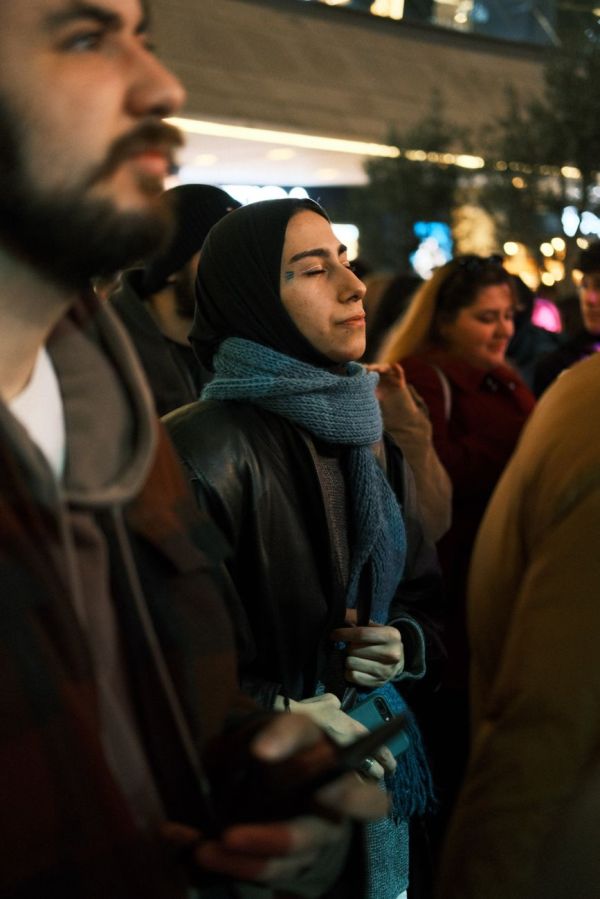
Photo by Luis Quintero on Pexels.com

Most importantly, through our time spent in prayer, we access the source of peace– The Prince of Peace! And it is this same Prince of Peace who will “grant us peace” if we just ask. You may not be able to set aside hours for blissful meditation. But if you ask, God will help you guard your time, and help you find those few precious moments of prayer and peace– peace with Him, peace that comes from Him, peace that passes all understanding.

Reading the Charts

Many industries rely on charts.  Health care workers chart vital signs, fluid levels, symptoms and reactions to medication.  Publishers  of books and music chart sales by category, age of audience, geographical region, and more.  Transport and shipping companies chart routes, weather, road construction, and fuel efficiency.

pexels-photo-273011.jpeg

Keeping charts, graphs, and records can improve performance, solve mysteries, and increase understanding.  It is good to keep charts in our Christian walk, as well.  Charting scripture can show us where we have or have not studied God’s promises, warnings, and wisdom.  Charting our prayer life can show us patterns in our communication with God, and help us see when and how God has answered our prayers.

I keep a prayer journal.  Each day of the year has its own page, with lists of people to pray for in general, a geographical region, and more immediate special requests.  But the back of each page has blank space.  This way, as God answers prayers in these areas, I can record them.  I’ve been using this journal for three years now, so the back sides are beginning to get filled up.

But that is not the most amazing part of what I wanted to share today.  The most amazing part is that I have had to revisit some of the answers because God keeps answering them!  Here’s a case in point:  About two years ago, I wrote in a request for a friend who was looking for a job.  There was a promising interview, and many friends were praying for a “positive” outcome.  The job seemed like a perfect fit.  But it didn’t happen.  More prayers led to other opportunities and one of them seemed to be working out.  I wrote the “answer” in my journal.  But when I came across it again this year, I realized that God used both the previous opportunities to prepare my friend for something even better:  a job that no one imagined two years ago!  We prayed, expecting God to answer with something good.  When the first answer was “no,” we trusted God to bring about something else.  And He did.  But I’m glad that I had charted this request, because I almost missed seeing how God used prayer to prepare for more than we had asked!

pexels-photo-941693.jpeg

Another friend was going through grief and distress just a little over a year ago, and I was reminded of how God answered prayers for strength, peace, and rest.  But  I was also reminded to lift my friend up again on a painful anniversary, and to offer thanks for the ongoing healing I’ve seen– not just for my friend, but for her entire family.

journal

If you don’t do it already, I highly recommend making a prayer diary or journal.  It doesn’t have to be elaborate or complicated– I use wire-bound theme books and write in them daily.  But you could use an actual bound journal, or a simple memo pad or old address book.  Don’t worry if you miss a day or two– no one is keeping score or grading you–the main thing is to make it a habit to record prayers and answers.  You will gain insight, remember God’s answers and promises kept, and be encouraged in the wait for other answers to come.

Prayer Journal

Proactive Prayer Points

Blog at WordPress.com.

Up ↑