Out of the Same Mouth

Likewise, the tongue is a small part of the body, but it makes great boasts. Consider what a great forest is set on fire by a small spark. The tongue also is a fire, a world of evil among the parts of the body. It corrupts the whole body, sets the whole course of one’s life on fire, and is itself set on fire by hell.All kinds of animals, birds, reptiles and sea creatures are being tamed and have been tamed by mankind, but no human being can tame the tongue. It is a restless evil, full of deadly poison. With the tongue we praise our Lord and Father, and with it we curse human beings, who have been made in God’s likeness. 10 Out of the same mouth come praise and cursing. My brothers and sisters, this should not be. 11 Can both fresh water and salt water flow from the same spring? 

James 3:5-10 NIV via biblegateway.com (emphasis added)

‘We have two ears and one mouth so that we can listen twice as much as we speak.’

Epictetus (Greek philosopher)

Have you ever made a tape of you speaking, and played it back to listen to yourself? Or have you had someone remind you of what you said earlier in the day or week? Have you been astonished to hear what came out of your mouth (or how someone else interpreted your words)? James, the brother of Jesus, had much to say about the dangerous power of an untamed tongue. “Fire”, “poison”, “corrupt”, “restless”, “evil”, and “deadly” are harsh words, but we should heed James’ warning.

Out of the same mouth come praise and cursing…
Out of the same mouth come worship and complaining…
Out of the same mouth come encouragement and gossip…
Out of the same mouth come blessings and bitterness…
Out of the same mouth come hymns of heaven and threats of hell…

And it’s not just our mouths, anymore. I see (and have seen it in my own feeds) posts on social media that make me wonder if the person posting is aware of what they posted just minutes or hours before–rants and boasts, complaints and smug condemnation sprinkled with Bible verses about Peace and Love, and pictures of puppies. We copy and paste, write and speak “in the moment” out of the emotions and thoughts that we allow to govern us. And while we may forget our momentary outbursts and random sarcastic comments, others do not. God does not ignore them, either. He can and will forgive them, but He isn’t “fooled” by our gracious cover-ups and flowery quote boxes.

Especially in this election season, it is tempting to let emotions and “righteous” indignation cause us to speak or post in ways that show disrespect, disdain, and even hatred toward neighbors, co-workers, and (yes, possibly) relatives who may vote differently or for different reasons than we do. We hurry to post or “share” clever put-downs or preachy thoughts about what others should “know” or how they should think and act. But would we say such things in person? Do we really mean to hurt others in our quest to be “right” or clever or morally virtuous in the eyes of a few people we barely know?

When I pray today, I need to “listen” to what I’ve been saying lately. Do I need to deal with hidden anger or resentment? Do I need to confess (both to God and to someone else) about gossip? Do I need to reconsider the way I speak about my relationships and my achievements (and failures!)? Do I need to stop following or sharing certain sites or content? Do I need to spend less time talking and posting than listening and praying?

The same mouth that praises God should be speaking life, peace, healing, and hope to those around me. The same mouth that promises to follow Christ, should promise to reach out to those for whom He died. The same mouth that gives thanks for Salvation should be eager to share the Good News.

The tongue is powerful–whether as a weapon or a tool; whether controlled or out of control. God wants to teach us to use it as a tool for good. Not just when we pray, or worship, but every time we use it!

The Ones Jesus Didn’t “Save”

(Please note–I have been on vacation. This is an older post from a couple of years ago. I will return with new posts later this week.)

“For God so loved the World, that He gave His only Begotten Son, that Whosoever believeth in Him should not perish, but have everlasting Life.”

John 3:16 (KJV)
Photo by Rafael Cerqueira on Pexels.com

This is probably the most well-known verse in the Christian Bible. It has given hope to millions, as it explains that the death and resurrection of Jesus Christ allows anyone to find forgiveness, faith, and new/eternal life. But what about those who don’t believe; those loved ones (and others) who die without the hope of salvation? Doesn’t God care about them? Why does he let them die without hope? Why do they go to eternal suffering, instead of being forgiven?

Photo by Saeid Anvar on Pexels.com

I can’t give a complete answer to those questions…I don’t comprehend the entirety of God’s plan or His mind. But I do know this– God understands our heartbreak and our grief over our unsaved loved ones. After all, Jesus spent three years preaching and announcing the Gospel, yet He was betrayed by one of His closest friends. Jesus– God in the Flesh; Emmanuel; the Perfect Son of God–didn’t “save” everyone He knew. We have the wonderful story of the conversion of Saul on the road to Damascus– what about others who didn’t “see the light?” There may have been hundreds, even thousands who heard Jesus preach; who watched Him hanging on the Cross; who heard the rumors that He had risen, only to reject His message–what about them? Jesus had met them. Maybe He had healed them, or eaten at their house, or studied with them at the Temple when they were younger. Some may have been His brothers, or cousins, or mentors and teachers.

On the night before He was crucified, Jesus was in agony in the Garden of Gethsemane. He was in anguish about what He would have to face, but some of His anguish and grief had to be in knowing that, while His death and resurrection would save so many, there were still others who would choose to turn away and reject the Life and Hope and Peace that He suffered to bring.

Even during His ministry, Jesus didn’t heal everyone who was diseased or lame or blind. He even made reference at one point to the kinds of disasters that often leave us questioning God’s mercy:

There were some present at that very time who told him about the Galileans whose blood Pilate had mingled with their sacrifices. And he answered them, “Do you think that these Galileans were worse sinners than all the other Galileans, because they suffered in this way? No, I tell you; but unless you repent, you will all likewise perish. Or those eighteen on whom the tower in Siloam fell and killed them: do you think that they were worse offenders than all the others who lived in Jerusalem? No, I tell you; but unless you repent, you will all likewise perish.”

Luke 13:1-5 (ESV)

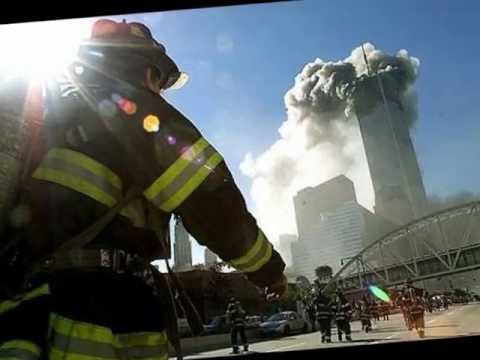
Jesus could have “saved” those Galileans from having their sacrifices desecrated; He could have provided a miracle to save those who were killed by the tower that fell in Siloam. And just as we grieve today for the senseless loss of life in places like Afghanistan and Haiti, or New York City on 9/11/2001, Jesus felt the loss of innocent strangers. Just as we plead with friends and loved ones to repent and seek God’s face, Jesus preached the need for all people to confess and seek forgiveness.

Jesus could have forced Judas to turn from his plan to betray the Master. He had the authority to cast out demons and demand that angels come to honor, protect, or comfort Him. He has the authority to make every knee bow down and every tongue confess that He is the Sovereign Lord of the Universe. And someday, He will! But Jesus won’t save people against their will– even those close to him. He doesn’t compel grudging obedience, or demand abject servitude. There are some who choose to serve Him in that way, but that is not His desire. Instead, He compels us with His mercy. We choose to love Him because He first Loved us– sacrificially, unreservedly, without limits or conditions. (See 1 John 4:19)

Photo by Magda Ehlers on Pexels.com

Jesus patiently spoke to Nicodemus in the dead of night. He chased Saul down on the road to Damascus and gave him three days of blindness to reconsider the direction of his life. He called His disciples and asked them to Follow Him– even Judas. He invited Himself to the house of Zacchaeus. He spoke with compassion to those who were broken, and outcast, and lost. And just like Judas, they had to make choices– some of His friends and followers abandoned Him when He needed them most. Some of them stumbled. But they HAD followed Jesus. They had learned from Him, and they came back and persevered.

Being loved by God comes without conditions and without reservations. Being “saved” by Christ’s atoning blood comes with a price–not just the price He paid on the cross, but the price of our repentance and acceptance of His Lordship, and yes, even the mysteries of His Grace.

Photo by Munmun Singh on Pexels.com

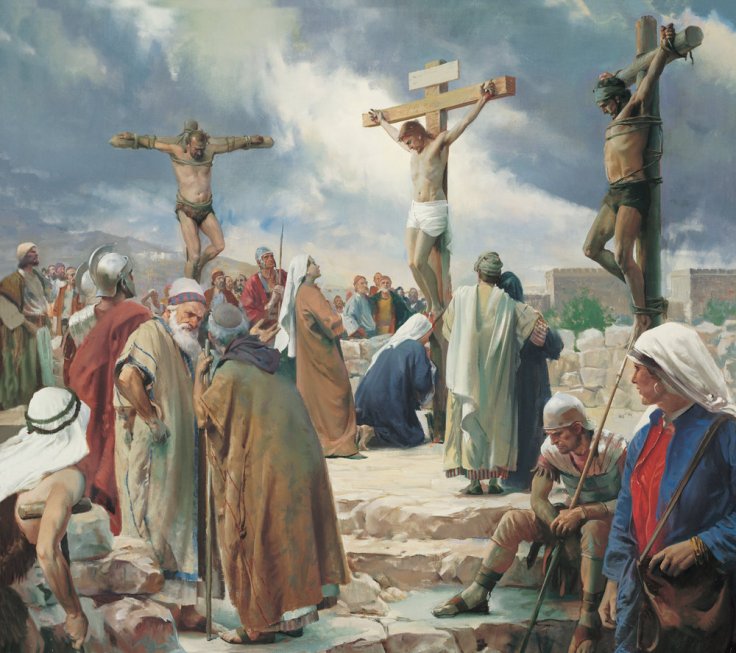
As Jesus hung on the Cross, He was positioned between two convicts who were justly condemned. Both were sinners; both were paying the penalty for their crimes. One cried out to a dying Savior, and was saved. The other mocked and cursed. Jesus had the power to save him. He did not desire that the other man should suffer. But the other man chose to reject who Jesus was, and so rejected all the mercy and power He could have shown.

Jesus died to save “whosoever” would believe. He did not die to save “howsoever.” We may not fully understand why He chose to offer Salvation in this way, but we believe it to our everlasting joy, or reject it to our everlasting anguish.

God’s Mysterious Ways

I write about prayer as a pursuit. Prayer is, at once, both simple and mysteriously complex.

It is a simple thing to pray–to direct one’s thoughts and words toward God. It is no more difficult than having a conversation with another person.

And yet it is not the same as talking to another person. God’s ways are not our ways. He is Holy, Sovereign, and Almighty. We come to God in need, but God has no “needs.” He has no need to confide in us, or ask for our help, or plead with us. Instead, He chooses to share with us His promises and His plans. He allows us to be part of His great work, and asks us to be His hands and feet and voice in this world. He pleads with us to come and spend time with Him and walk in relationship with Him.

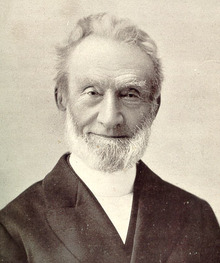
I spent some time recently reviewing the life of George Muller. https://www.georgemuller.org/ George Muller was born over 200 years ago. He was, by his own admission, a liar and a thief in his early years. But when we came to Christ, his life changed dramatically. His life was a series of miracles that attested to his great faith and active practice of prayer. Muller founded several orphanages in England, and he did all of it through prayer. He never did traditional fund-raising: he never asked anyone for money or donations, he didn’t take out loans, he didn’t find “partners” or “sponsors” to pay for any of the needs. He simply prayed. He prayed for money to buy buildings. He prayed that God would send workers. He prayed for food and clothing and furniture that the children would need. And he vowed to take in any (and as many) children who came.

The stories of George Muller’s faith are legendary. He prayed for money to start one orphanage– he ended up with enough for several! He prayed for supplies– people came and gave furniture. Milk wagons broke down and the milk was donated to the orphanage. One story states that there was no food one morning. Muller prayed. Shortly afterward, he went to the door, and there, on the doorstep, lay a 50-lb. bag of rice. No one knows who left it or how it got there. God showed up in miracle after miracle in Muller’s life. And that doesn’t mean that his life was without struggle or heartache. He agonized over friends who were unsaved; he prayed for them over a period of years. One close friend remained unsaved until after Muller’s death. He experienced the heartbreak of losing his wife. But he was consistent in his witness about the power of prayer.

Muller prayed about everything– as we all should, all the time. (Philippians 4:6, 1Thessalonians 5:17) Little, seemingly unimportant things; huge, seemingly impossible things. God cares about them all. He is the Almighty– there is nothing so big (or so tiny) that He cannot do it! There is no heartache or struggle that He doesn’t want to hear about! Nothing can separate us from His Love (Romans 8:38). No matter what we’re going through, we can bring it to God.

But God’s ways– powerful, compassionate, miraculous– remain mysterious. We can trust that God will hear our prayers. But we cannot predict how, or when, or if He will let us see the answers we seek. Nor can we predict how God will use our simple prayers to impact the world around us! George Muller’s orphanages helped more than 2,000 homeless children survive, grow, and in many cases thrive and contribute to the lives of countless others. And the stories of his faith and the hundreds of small but significant miracles he experienced have inspired generations of people for more than a century and a half! And his story is not unique–we have an amazing “cloud of witnesses” (Hebrews 12:1) throughout history testifying to the power of God to hear and answer prayer in mysterious, miraculous, even mischievous ways! From finding lost keys to feeding multitudes; from protecting kittens to rescuing captives; from stretching budgets to saving souls– God’s ways are mysterious, Holy, and wholly good.

Prayer can be such a simple thing– and it can have eternal impact!

Our Advocate

I write often about praying for others. I sometime write about others praying. But I don’t often write about Jesus praying– except during His ministry on Earth. But Jesus continues to pray–without ceasing– for us in Heaven. (See Hebrews 7:25 and Romans 8:24). The Bible tells us that Christ is seated at the right hand of the Father and making intercession for us. Not only is He praying; He is praying FOR US.

Jesus didn’t just die to keep us out of Heaven and then move on and leave us to struggle on our own. Nor did He send the Holy Spirit to live with us so that He could sit down and do nothing. Jesus is still passionately advocating on your behalf– every minute!

And that is a great comfort in a world where we sometimes feel abandoned and friendless. Even if the whole world is lined up to do me great harm, Jesus is on my side. If you have trusted Him with your life, He is faithful to advocate for you– for your growth as a Christian; for your protection from the schemes of the Enemy; for abundant and productive LIFE for you, both now and through Eternity.

If you have not trusted Jesus as your LORD and Savior, He is still advocating– for another opportunity, for more time, for circumstances (good or bad) to help you seek (and FIND!) Him. For those who have not heard the Gospel, He is pleading with the Father (and sending the Spirit to urge believers) to open their eyes, ears, and hearts to God’s will and trust Him.

Jesus advocates on our behalf because of His great Love and Compassion. We don’t deserve to have someone else plead our case before the Righteous Throne of God. And we are not qualified to plead our own case– we are guilty in the sight of a perfectly Holy God.

“But God shows His love for us in that while we were still sinners, Christ died for us. Since, therefore, we have now been justified by his blood, much more shall we be saved by him from the wrath of God. For if while we were enemies we were reconciled to God by the death of his Son, much more, now that we are reconciled, shall we be saved by his life. More than that, we also rejoice in God through our Lord Jesus Christ, through whom we have now received reconciliation.” Hebrews 5:8-11 ESV

You will never, NEVER pray alone! And who better to have as a prayer partner than the very Son of God Himself! He is our Savior, our Champion, and our Advocate!

Exceedingly, Abundantly, Above…

“Now unto him that is able to do exceeding abundantly above all that we ask or think, according to the power that worketh in us,”

Ephesians 3:20 (KJV)

What do I expect as I pray? What is the outcome that I hope for? Most of the time, it looks like one of the following:

  • I expect to praise and worship God; I hope that He will hear my heart of gratitude and worship, and that He will be pleased with my words and actions
  • I expect Him to act on or through a particular circumstance, such as providing healing or guidance to someone in need
  • I expect to hear from Him, or to gain wisdom or guidance for myself
  • I expect that He will honor His promise to forgive my sins when I confess them
  • I expect to grow closer to God as I speak to Him and wait to hear from Him

But Paul reminds us in the book of Ephesians that God is able, through the power of Christ at work in us (emphasis added), to do much more than anything we can imagine or ask! What does that mean in my pursuit of prayer?

Well, it means more than I can explain in any blog entry, but let me attempt to imagine a few outcomes that go beyond my normal expectations:

  • Prayer is a matter of choice. It is also a matter of obedience and acknowledgement. No matter how short, or faltering, or disorganized it may be, each prayer proclaims that God is GOD–worthy of praise, able to save and forgive, supremely authoritative over my life and the lives of others, and ever present to listen to every voice that calls out to Him. And it proclaims this both to the physical world (if we’re praying aloud or with others) and to an unseen and metaphysical world inhabited by spiritual beings who also owe God their worship and obedience.
  • Prayer is a partnership. In some mysterious way, God allows us to participate in His ongoing work– whether it is bringing healing, joining the chorus of angels in songs of praise, praying for God’s hand to move in global and historical affairs, or developing our personal relationship with Him–God chooses to let us “have a voice” in what He does. God is still in charge. Our prayers will not cause Him to go against His own will. But as we pray, we grow to understand God’s heart. We begin to want what He wants, and to ask for His will because it is what we want most. As we see and hear about miracles, we can know that we are “part of the team.”
  • Prayer changes things–often in ways we cannot ever see or measure. Someone may pray for years to see a relative or neighbor come to Christ– seemingly without success. What they may NOT see is how their testimony, though spurned by the object of their prayers, has brought others to Christ over the years. And each one of THOSE people has the potential to witness to others– including the one who rejected the original efforts! A prayer for healing that seems to go unanswered may inspire someone to commit their life to researching a disease of find a cure so that thousands of others may be spared the suffering you prayed to alleviate. Praying for peace or justice may not have immediate effect. But we cannot know or imagine the cumulative effect of such prayers in bringing lasting peace or more perfect justice to our children or future generations.
  • Prayer changes people– especially us! If I am praying for someone, my thoughts and actions will follow. I will take a more active interest in those for whom I pray. I will (or should!) reach out with practical efforts and partner with others who share my concerns. I will give, share, encourage, work, and advocate– not just pray and move on unchanged.
  • Prayer has substance. We imagine prayer to be ethereal and mental or spiritual. But the Apostle John, writing in Revelation 8:3-4, describes the prayers of the believers (saints) as incense. Our prayers have a pleasing odor, and they rise like smoke into the presence of God. There is nothing empty or “fake” about prayers lifted to Almighty God. Our prayer is not just an exercise in wishful thinking or the power of group-think or “positive vibes.”

We serve an amazing, limitless, all-powerful, all-wise God! Our prayers may seem like just words–humble, inadequate, or even unintelligible– but in God’s hands, they are mighty tools, bringing Him glory in ways we can’t even begin to explain or imagine!

Why Do You Love Me?

One of my very favorite bedtime stories when I was growing up was about a little bear cub. ( “Why do you love me?” by Mabel Watts) He and his mother were on a walk, and the little bear kept watching other little bears. Some were getting in trouble–running away to play in the brier patch, or climbing trees to get honey–and meeting up with bees! Little bear knew that sometimes he was like that. Other bear cubs were kind and helpful. He knew that sometimes he was like those bears. At one point, the cub was confused and asked his mother, “WHY do you love ME?” After all, he realized that he was helpless and accident-prone. Without his mother, he would be lost, hungry, and in danger. Yet his mother was always there when he needed her– even when he said he didn’t! His mother’s answer provided solid assurance– “Because you’re MY little bear!” The story book is almost impossible to find now. It is long out of print, and has been crowded out by newer books with similar titles. But for 50 years, I have cherished this story of unconditional love, because it echoes the Biblical story of God’s love for each of us.

We find many reasons to question God’s love. We find ourselves in trouble, and we are afraid to ask for help or forgiveness. After all, we have done nothing to earn it. We don’t deserve it. Even our good behavior cannot save us from our own limitations. And our bad decisions can hurt others in ways we cannot “fix.” We may have walked away from God or sneered at His care of us. We may be lost and hopeless without God’s intervention on our behalf. Why would He help? Why should He look kindly toward us?

But God’s answer is the same as that Mother Bear–You are MINE! I Love you with an everlasting love!

Even when we wander and try to do things we shouldn’t or can’t, God is near, and ready to help. He wants us to walk with Him and follow Him; He wants us to turn to Him in our need. Why? Because we belong together; we belong to HIM. And when we see others behaving badly–even when their actions hurt us–God still loves them, too. He created each one of us to walk with Him, trust Him, learn from Him, and experience His loving care.

In fact, as children of God, we should be showing the same kind of unconditional love to others. That does not mean that we condone wicked or dangerous behaviors. But we should love in such a way that people may even question it– “Why do you love me?” Instead of sharing our anger, or our own self-righteousness, what if we shared compassion and held to the truth without arrogance or disdain? What a great opportunity to share the reassurance and hope we know in Our Father’s great love!

Father, Forgive Me!

We don’t like to talk about (or write about!) prayers of confession and repentance. And yet, the Bible is full of such prayers. In fact, even the Lord’s Prayer contains the phrase “forgive us..” Even if we pray eloquent prayers of praise and petition, our prayers will be lacking without first evaluating our relationship with Christ and seeking His forgiveness and continued cleansing.

I know there are those who will challenge this statement– after all, once we have “accepted Christ,” aren’t we considered to have His righteousness? Haven’t we BEEN forgiven? If we must keep asking for forgiveness, does that mean that Christ’s death and resurrection are not sufficient to “save” us?

I do not mean to suggest anything of the sort. We ARE forgiven– past, present, and future– our names entered in the Lamb’s Book of Life. God isn’t holding on to a grudge over every future fib, flub, or fall. And nor should we. Confession in the prayer of a Christian shouldn’t be wallowing in guilt and shame, or confessing the same sins over and over, doubting that Christ’s finished work isn’t actually finished. But just as in all close friendships, we sometimes ask, “Are we ok?”, to clear the air and maintain closeness, it is appropriate to “fess up” with God– to clear the air– precisely so that shame and guilt DO NOT build up or slowly seep into our relationship.

God will not withhold His promised salvation from us if we are trusting in Him. We are justified, and our advocate, Jesus Christ, mediates for us constantly, just as the Holy Spirit indwells us to be able to overcome temptation and do what we cannot do on our own. But WE are still living in our fallen world and fallen bodies. We will find it difficult to trust; we will find it tempting to judge others; we will doubt our own decisions– did we really do “right”? And while God is eternally faithful– we are not; nor have we reached perfection in all our daily actions and thoughts. We are “okay” with God– but confession reminds us of that!

In the story of the prodigal son (Luke 15:11-32), the son rehearses a speech of confession. And even as he begins saying his rehearsed words, His father interrupts with complete reassurance of his love. How much more does God delight in reassuring us of His eternal, unfailing love!?

Two thoughts I’d like to add here:

One– It can be very easy for us to fall into confession as a works-based ritual. Confession adds nothing to Christ’s finished work on the Cross. We are saved by God’s Grace– period. Ten thousand prayers of confession will not make us “more” saved.

Two– It can be just as easy to avoid self-evaluation and discipline as we grow “comfortable” with our Christian Walk. Confession is not about “right” and “wrong” as much as it is about humility. The Apostle Paul says, “And I am sure that God who began the good work within you will keep right on helping you grow in his grace until his task within you is finally finished on that day when Jesus Christ returns.” (Philippians 1:6 The Living Bible)

We don’t need to be hampered by guilt, fear, or shame– but we should want to keep our relationship with God pure above all other relationships. And that means being willing to submit to God’s will and God’s discipline on a daily basis. Confession is not an admission of God’s failure to save us; nor of our commitment to follow Him. Rather, it is an admission of how important that relationship is, and how much we need to keep our commitment fresh, pure, and vibrant. God HAS forgiven us; He will continue to forgive– freely, and fully!– as we follow Him.

Whom Shall I Fear?

Psalm 27

Of David.
The Lord is my light and my salvation—
whom should I fear?
The Lord is the stronghold of my life—
whom should I dread?
When evildoers came against me to devour my flesh,
my foes and my enemies stumbled and fell.
Though an army deploys against me,
my heart will not be afraid;
though a war breaks out against me,
I will still be confident.
I have asked one thing from the Lord;
it is what I desire:
to dwell in the house of the Lord
all the days of my life,
gazing on the beauty of the Lord
and seeking him in his temple.
For he will conceal me in his shelter
in the day of adversity;
he will hide me under the cover of his tent;
he will set me high on a rock.
Then my head will be high
above my enemies around me;
I will offer sacrifices in his tent with shouts of joy.
I will sing and make music to the Lord.
Lord, hear my voice when I call;
be gracious to me and answer me.
My heart says this about you:
“Seek his face.”
Lord, I will seek your face.
Do not hide your face from me;
do not turn your servant away in anger.
You have been my helper;
do not leave me or abandon me,
God of my salvation.
10 Even if my father and mother abandon me,
the Lord cares for me.
11 Because of my adversaries,
show me your way, Lord,
and lead me on a level path.
12 Do not give me over to the will of my foes,
for false witnesses rise up against me,
breathing violence.
13 I am certain that I will see the Lord’s goodness
in the land of the living.
14 Wait for the Lord;
be strong, and let your heart be courageous.
Wait for the Lord.

https://www.biblegateway.com/passage/?search=Psalm+27&version=CSB

There are a lot of scary things in our world– war, disaster, taxes, death, violence, injustice, disease, uncertainty, evil, darkness, even supernatural and spiritual darkness–enough to keep us frightened and sleepless every night! And we spend a lot of our time fearing the unknown–worrying about the future; worrying about things that have not happened, and may never happen! We worry about things that matter– the health and well-being of our loved ones, uncertainty about our job or home, crime and civil unrest in our nation or neighborhood, difficult decisions with serious consequences. We worry about things that are less urgent–someone laughing at us, hair loss, dropping a phone call, running out of gas, losing a game or an argument…

David had some real reasons to be fearful as he wrote Psalm 27–evildoers, enemies, war and armies, false witnesses, and violence. Yet, he found safety and strength in the Lord. We can take comfort in the message of this Psalm–God is faithful. He is strong. He is eternal and unchanging. He is a stronghold we can trust.

But before we get too comfortable, let’s take a closer look. David’s trust is not based on a superficial knowledge about God. David’s trust comes as a result of seeking God’s face and following in “your way” (v. 11). David’s life was proof of God’s strength and protection, because David’s life was filled with fearsome adversaries!

Many generations after David penned this Psalm, the prophet Amos wrote to the people of Israel– people who knew this comforting psalm, but had lost their fear–people who no longer sought the Lord’s protection or His ways.

Amos 5 Christian Standard Bible (CSB)

Listen to this message that I am singing for you, a lament, house of Israel:
She has fallen;
Virgin Israel will never rise again.
She lies abandoned on her land
with no one to raise her up.
For the Lord God says:
The city that marches out a thousand strong
will have only a hundred left,
and the one that marches out a hundred strong
will have only ten left in the house of Israel.

For the Lord says to the house of Israel:
Seek me and live!
Do not seek Bethel
or go to Gilgal
or journey to Beer-sheba,
for Gilgal will certainly go into exile,
and Bethel will come to nothing.
Seek the Lord and live,
or he will spread like fire
throughout the house of Joseph;
it will consume everything
with no one at Bethel to extinguish it.
Those who turn justice into wormwood
also throw righteousness to the ground.
The one who made the Pleiades and Orion,
who turns darkness into dawn
and darkens day into night,
who summons the water of the sea
and pours it out over the surface of the earth—
the Lord is his name.
He brings destruction on the strong,
and it falls on the fortress.
10 They hate the one who convicts the guilty
at the city gate,
and they despise the one who speaks with integrity.
11 Therefore, because you trample on the poor
and exact a grain tax from him,
you will never live in the houses of cut stone
you have built;
you will never drink the wine
from the lush vineyards
you have planted.
12 For I know your crimes are many
and your sins innumerable.
They oppress the righteous, take a bribe,
and deprive the poor of justice at the city gates.
13 Therefore, those who have insight will keep silent
at such a time,
for the days are evil.
14 Pursue good and not evil
so that you may live,
and the Lord, the God of Armies,
will be with you
as you have claimed.
15 Hate evil and love good;
establish justice in the city gate.
Perhaps the Lord, the God of Armies, will be gracious
to the remnant of Joseph.
16 Therefore the Lord, the God of Armies, the Lord, says:
There will be wailing in all the public squares;
they will cry out in anguish in all the streets.
The farmer will be called on to mourn,
and professional mourners to wail.
17 There will be wailing in all the vineyards,
for I will pass among you.
The Lord has spoken.

18 Woe to you who long for the day of the Lord!
What will the day of the Lord be for you?
It will be darkness and not light.
19 It will be like a man who flees from a lion
only to have a bear confront him.
He goes home and rests his hand against the wall
only to have a snake bite him.
20 Won’t the day of the Lord
be darkness rather than light,
even gloom without any brightness in it?
21 I hate, I despise, your feasts!
I can’t stand the stench
of your solemn assemblies.
22 Even if you offer me
your burnt offerings and grain offerings,
I will not accept them;
I will have no regard
for your fellowship offerings of fattened cattle.
23 Take away from me the noise of your songs!
I will not listen to the music of your harps.
24 But let justice flow like water,
and righteousness, like an unfailing stream.
25 “House of Israel, was it sacrifices and grain offerings that you presented to me during the forty years in the wilderness? 26 But you have taken up Sakkuth your king and Kaiwan your star god, images you have made for yourselves. 27 So I will send you into exile beyond Damascus.” The Lord, the God of Armies, is his name. He has spoken.

https://www.biblegateway.com/passage/?search=Amos+5&version=CSB

The people have an outward confidence– they believe themselves to be under God’s protection and blessing. They offer sacrifices and sing worship songs and revel in their success and peace. But God’s words are frightening and urgent. Those who arrogantly call for the “Day of the Lord,” expecting God to pass judgment on their enemies will find to their shock and horror, that God’s wrath falls on them as well. Their confidence has been misplaced, because it has rested on a false picture of God, and an exaggerated sense of their own righteousness. God warns them that judgment is coming– and even as He does, He issues an invitation– “Seek me and live!” (v. 4– see also v. 6 and v. 14). God has withheld judgment, He has given His people opportunity to follow His way. Instead, they have followed the ways of the very enemies they used to fear! Their feasts and festivals have become nothing but a mockery and an affront to God–the same people who claim to worship Him are perverting justice and oppressing the poor. They cheer for evil and refuse to listen to the truth.

God is a stronghold and a light to banish fear and darkness–but a stronghold or tower cannot protect you if you are wandering alone and unprotected or worse yet, if you are leaving the tower to embrace the enemy in the dark! God doesn’t just want to be a light at the end of the tunnel– He wants to be a light to show us the road right in front of us, and a light to banish the darkness where our enemy hides! When we have a proper “fear” of the Lord– when we recognize His wisdom, strength, and sovereignty– when we seek Him in humility and awe and need, and dwell with Him, we need not fear anyone or anything else. When we make empty boasts about God’s favor and protection while ignoring His ways, and we drown out His loving warning and His call to return to safety…we should be afraid– very afraid!

Father, may I find my confidence only in You. I want to dwell in Your house and seek Your face today and every day. Thank You for being eternally strong, righteous, faithful, and merciful! Thank you for giving us warnings and providing restoration, hope, and salvation. In Jesus’ Name, Amen.

Remember..

I love flipping through old photo albums. I’m reminded of special times and special people. Sometimes, the memories make me a little sad, as I see familiar faces of those who have passed away, or times of struggle or stress. But most of the time, memories fill my heart with gladness and comfort, strength and resolve.

I’ve been reading through the Psalms lately, and many of them speak of remembering. When God’s people faced struggles, they were told to remember the great stories of the past– the plagues of Egypt, the parting of the Red Sea, the conquest of the Promised Land, and many other times when God gave miraculous provision, restoration, and victory. These songs were not just a matter of recapturing the “glory days” of old– they were part of God’s command to remember and pass along God’s deeds and His laws to each new generation.

In the Psalms, we are also encouraged to remember our own past actions– both righteous and rebellious– and God’s faithfulness in spite of our failures. We are to remember God’s correction and discipline; God’s forgiveness, and His Mercy– not just in our own lives, but over many generations and throughout the years.

God instituted festivals, and rites, and Holy Days of remembrance– special times set aside for remembrance and meditation, because it is important to Him that we never lose our focus. We can get so wrapped up in the present (or worrying about the future) that we forget God’s timeless and eternal nature.

Even Jesus, before He went to Calvary, instituted a new rite of remembrance– Communion– in which He called His disciples to “do this in remembrance of me.”

Today, I want to pray a prayer of remembrance. I want to spend time in worship and gratitude for who God IS, but also for who He always HAS BEEN.
Thank you for your eternal faithfulness, and for your eternal plan of Salvation. Thank you for the ways you have provided in my life, in the lives of those who came before, and in the lives of generations of faithful saints. May I remember your Great Love and Power as I face uncertainties in the day ahead. May the remembrance of you lead me to trust you completely, follow you boldly, and share you with those I meet.

Victory!

Today is May 8th. Historically, this is known as V-E Day, or Victory in Europe Day. On this day, in 1945, the German forces surrendered, ending World War 2 in Europe. Parades and parties broke out in several cities. People celebrated the end of war and the promise of peace. But the war was NOT over– not for everyone. War continued to rage in the Pacific for several months. Prisoners in concentration camps were still being liberated, many of whom had lost their homes and families. And the devastation across Europe and North Africa would take decades to clean up. Millions were still facing food rationing and homelessness; there were unexploded bombs and land mines, craters and ruins–all was not suddenly peaceful and prosperous.

The events of V-E Day happened years before I was born. But my parents and grandparents remembered it well. And as someone who loves history, I look back on events of the past and ask, “What can I learn from this day?”

Today, I want to look at what “victory” looks like. Not the thrilling victory of winning a race, or the victory of one army over another in a past century, but true “victory”–an end to all war and struggle and pain and uncertainty. What will that look like?!

In my life, I have experienced small victories, and victories that seem large in the moment. Graduation ceremonies, job promotions, signing the papers on a new car or house, saying “yes!” when David proposed, and later celebrating our marriage with friends and relatives at our reception…These were all moments of celebration and victory. But like the victory of V-E Day, there was still work to do, challenges to face, and even difficulties and set-backs that clouded each victory. Even my greatest Victory– coming to faith and knowing my name is written in the Lamb’s Book of Life– is in the “here and now.” I still face trials and temptations in this life, even though I can claim victory over Sin and Death through the work of Jesus Christ. But true “Victory” is in the “not yet.”

It can be tempting, when celebrating our earthly victories, to get caught up in the momentary feelings of success and happiness. But what happens on May 9? What happens after the parade? What happens when we face the next challenge? I find myself too often disappointed with the fleeting nature of my victories in life. And in the disappointment, I lose not only the joy of the victory, but the strength of the promise of victories yet to come!

There is a day coming– one that will make V-E Day pale in comparison! Some day, the forces of Evil will be utterly crushed. It will be total surrender. No occupying forces, no rationing or homelessness, and no more death or destruction for those who have trusted in Christ. Just sweet Victory. In a moment; in the blink of an eye, God will say, “ENOUGH!” The war will end. The suffering will end. The waiting will end. The dead will rise and the living will be changed.

I can only imagine what that day will truly be like. But I can live with the certainty of a coming day of “Victory.” I can know the hope and the joy of each small victory today, as it reminds me that there is much more to come!

Thank you, Jesus, for each small victory today. Thank you for the ultimate Victory that I find in You!

Blog at WordPress.com.

Up ↑