The Lord Does Not See Us..

In the sixth year, in the sixth month on the fifth day, while I was sitting in my house and the elders of Judah were sitting before me, the hand of the Sovereign Lord came on me there. I looked, and I saw a figure like that of a man.  From what appeared to be his waist down he was like fire, and from there up his appearance was as bright as glowing metal. He stretched out what looked like a hand and took me by the hair of my head. The Spirit lifted me up between earth and heaven and in visions of God he took me to Jerusalem, to the entrance of the north gate of the inner court, where the idol that provokes to jealousy stood. And there before me was the glory of the God of Israel, as in the vision I had seen in the plain. Then he said to me, “Son of man, look toward the north.” So I looked, and in the entrance north of the gate of the altar I saw this idol of jealousy. And he said to me, “Son of man, do you see what they are doing—the utterly detestable things the Israelites are doing here, things that will drive me far from my sanctuary? But you will see things that are even more detestable.” Then he brought me to the entrance to the court. I looked, and I saw a hole in the wall. He said to me, “Son of man, now dig into the wall.” So I dug into the wall and saw a doorway there.And he said to me, “Go in and see the wicked and detestable things they are doing here.” 10 So I went in and looked, and I saw portrayed all over the walls all kinds of crawling things and unclean animals and all the idols of Israel. 11 In front of them stood seventy elders of Israel, and Jaazaniah son of Shaphan was standing among them. Each had a censer in his hand, and a fragrant cloud of incense was rising. 12 He said to me, “Son of man, have you seen what the elders of Israel are doing in the darkness, each at the shrine of his own idol? They say, ‘The Lord does not see us; the Lord has forsaken the land.’” 13 Again, he said, “You will see them doing things that are even more detestable.” 14 Then he brought me to the entrance of the north gate of the house of the Lord, and I saw women sitting there, mourning the god Tammuz. 15 He said to me, “Do you see this, son of man? You will see things that are even more detestable than this.” 16 He then brought me into the inner court of the house of the Lord, and there at the entrance to the temple, between the portico and the altar, were about twenty-five men. With their backs toward the temple of the Lord and their faces toward the east, they were bowing down to the sun in the east. 17 He said to me, “Have you seen this, son of man? Is it a trivial matter for the people of Judah to do the detestable things they are doing here? Must they also fill the land with violence and continually arouse my anger? Look at them putting the branch to their nose! 18 Therefore I will deal with them in anger; I will not look on them with pity or spare them. Although they shout in my ears, I will not listen to them.”

Ezekiel 8 (NIV) via biblegateway.com

We make a big fuss in our culture about privacy. What I do in my own home, with my own life, in my own time, is private. And, for many of us, our privacy is sacred. We rage and fight and panic about who may be invading our privacy– listening in or watching us when we least expect it.
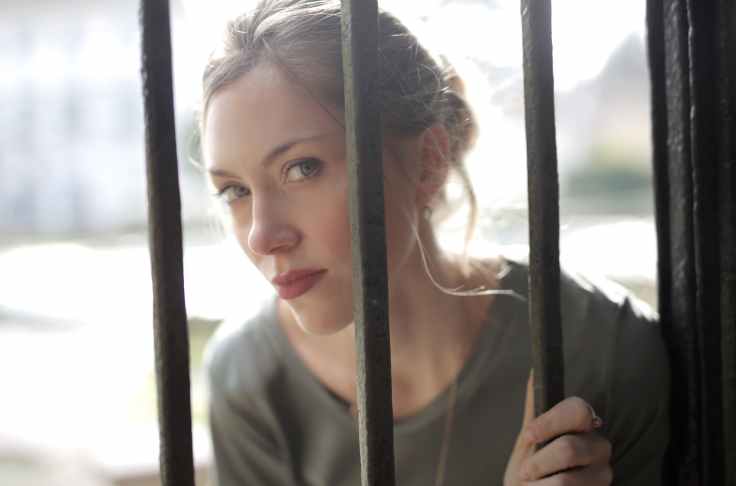
Photo by Andrea Piacquadio on Pexels.com

I must admit, I don’t like the idea of anyone spying on me or listening in on my private moments. I especially don’t like the thought of someone manipulating or using my private words, images, or ideas without my knowledge or consent.

Photo by Rene Asmussen on Pexels.com

But there is a danger in our quest for privacy– we are inclined to believe that anything we do in private CANNOT ever be discovered; that we are safe to do whatever we please, regardless of the consequences. The internet has made this idea even more dangerous–we can be private and anonymous behind the screen. We can say things we know we shouldn’t; we can view things we would be ashamed to acknowledge watching; we can explore fantasies, mask our inadequacies, pretend to be who and what we are not; all behind the “safety” of the screen.

Photo by Andrew Neel on Pexels.com

And this is nothing new. In Ezekiel’s day, the moral, legal, political, and religious leaders of the day thought they were “safe” to indulge in idol worship behind closed doors. But more than that, they believed that God would never see as they practiced divination, witchcraft, ritual prostitution, violent orgies, even child sacrifice! They had built hidden rooms where they practiced vile rites and indulged in the very behaviors they taught others to avoid. Worse, they condemned and vilified others when they “got caught” doing the same things they practiced with impunity. And when prophets came to them with warnings–the very words of God– they had them ruined, imprisoned, tortured, and killed.

Photo by Oleg Magni on Pexels.com

In the eighth chapter of Ezekiel, God shows his prophet a vision. He allows Ezekiel to “go behind closed doors” and see the priests and leaders at their worst–over and over again–secret rituals, detestable practices, flagrant disobedience, arrogant rebellion…And all of this was happening as the nations of Israel and Judah had collapsed, and many thousands had died from war, disease, and starvation. People had been sent into exile– defeated, starving, enslaved. Yet their leaders were keeping up an image of righteousness and proud endurance, instead of turning to God for help and hope.

Photo by Jigar Maru on Pexels.com

God was very clear–Jerusalem WOULD be captured and destroyed. Babylon WOULD take God’s people captive and send most of them to the sword or to exile. Defiance and pride– especially relying on the great victories of the past– would not save them. Rebellion and violence would not hold back God’s judgment.

Photo by Andrea Piacquadio on Pexels.com

The same is true today. It is easy to write about praying and walking closely with God–I’m hidden behind a screen. I can sound righteous and Godly for a few minutes three times a week. And it is easy to point fingers and call out the bad behavior of others behind the anonymity of a computer screen. We need to speak up, speak out, and defend the cause of those who are oppressed, abused, enslaved, and silenced. But we also need to beware that we are not crying, “Shame on you!” from a locked closet, while waving banners or buying merchandise supporting the abusers.

And God sees all of it. What we may find shocking and reprehensible, God has already seen through to its conclusion! God WILL bring judgment and punishment for those who shed blood and bring violence and injustice. But God also sees what I do in the watches of the night; when I’m alone with my thoughts; when I’m not on my guard against what I view on Facebook or YouTube. God knows what celebrity gossip I crave, or what I’m “watching” on eBay. He knows if I am ignoring or justifying evil happening all around me. He watches over my shoulder when I’m reading that new novel, or I’m driving down the road (hopefully not at the same time!), or when I’m wallowing in self-pity or jealousy or anger.

Photo by Ivan Samkov on Pexels.com

When I read about Ezekiel weeping over the behavior of Israel’s leaders, I am convicted. How often do I weep and seek God’s mercy over the behavior of our leaders–all of them, and not just the ones I voted for? Or do I just fume and post about how awful “they” are (whoever “they” my be) and how “they” need to be punished? How often do I ignore my own bad behavior? I may not have a “hidden room” filled with detestable images and idols, but God is still watching how I react to challenging times. He knows if I am obeying His voice or merely pretending to follow Him while leaning on my own understanding or my own image of self-righteousness. He knows if I have made money, politics, status, safety, health, or even “religion” into idols, hoping that one or more of them will carry me through tough times. He knows if I am condemning others for their bad behavior, while hiding or justifying my own.

I want everyone to see me when I am noble and righteous–but I need to see myself as He sees me every day–His much-loved, and ever-needy, child.
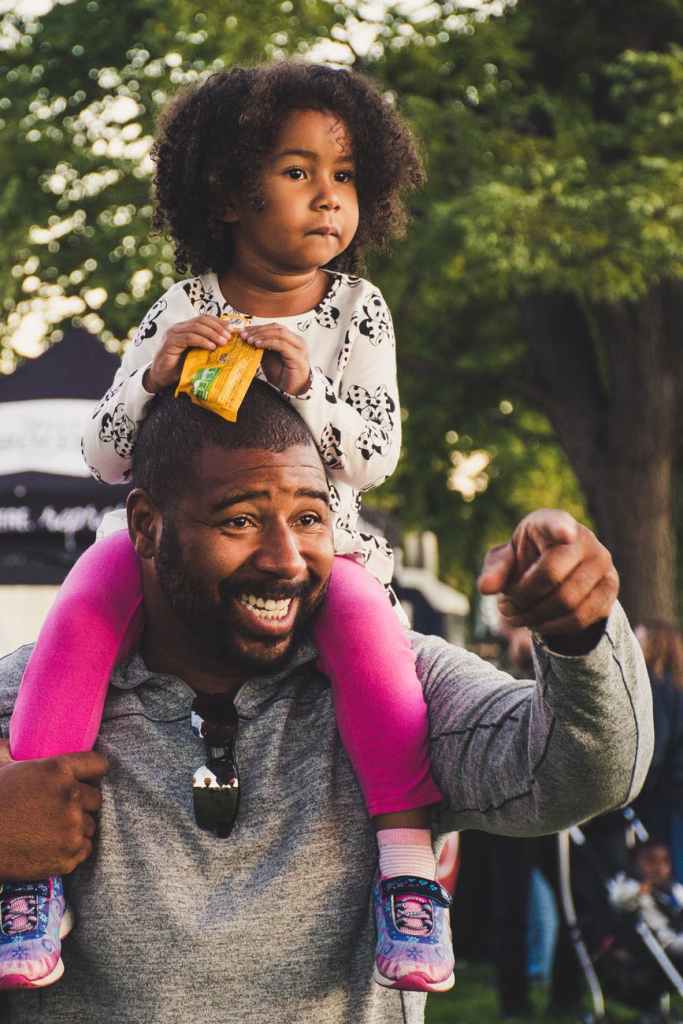
Photo by Brett Sayles on Pexels.com

Father, may I be quick to remember that You ALWAYS see me– and that You ALWAYS want me to see You as well. Help me to see You in the middle of challenging times. Help me to see You when I interact with others. Help me to obey You in the private moments when no one else is watching.
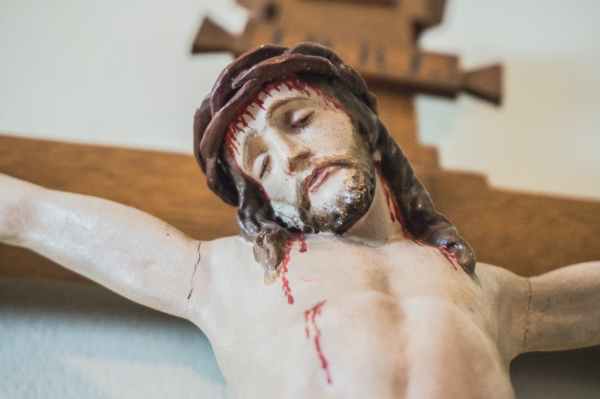

No Greater Love…

This coming Monday we will be celebrating Memorial Day in the U.S. It is a day to remember those who gave their lives in battle, defending our nation, our people, and our way of life over the course of almost 250 years. We decorate the graves of fallen soldiers with flowers and flags and plaques honoring their sacrifices. It is a strange sort of “holiday.” We don’t like to think of wars and battles– we ache for those who are terrorized by wars in the current days. We don’t celebrate war and violence– our highest goal is to achieve and preserve peace and safety. And it can seem somewhat morbid to “celebrate” the fallen soldiers of bygone days.

Photo by RODNAE Productions on Pexels.com

But we are not celebrating their deaths. We are celebrating the causes for which they fought and died. We celebrate freedom, and justice; the rights of individuals to pursue liberty and fulfill their dreams. These are causes worth fighting for, and yes, even dying for. We mourn the loss of life, and we grieve the necessity of fighting and struggling to preserve basic rights. But we are grateful for and humbled by the examples of those who have shown the courage and strength to give their all. We honor these sacrifices when we decorate the graves of fallen soldiers, or hold services and memorials at cemeteries. It is not meant to be a time of joyful celebration, but a time of solemn reflection and humble gratitude.

Photo by Pixabay on Pexels.com

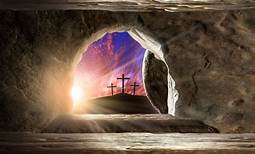
But Memorial Day can also be a time of reflecting on an empty grave– that of Jesus Christ, who gave His all for a cause even greater than liberty and justice in a particular nation or time or for a particular group of people. Jesus gave His life to reconcile an unholy human race with a Holy and Righteous God. He fought against Sin and Death, and conquered them both. And we cannot decorate a grave to honor His sacrifice, because, unlike all the soldiers we honor next week, Jesus did not just preserve a cause or a way of life– He became Life for us. His grave is empty as a symbol of Death’s defeat!

It was Jesus Himself who said, “Greater love has no one than this, that one lay down his life for his friends.” (John 15:13 NASB) Soldiers who lay down their lives often do so to save the lives of their comrades at arms– their friends and fellow warriors– as well as their countrymen and women, their neighbors, and their families. And it isn’t just soldiers who give their lives. Recent news stories tell of teachers, police officers, and other individuals who have sacrificed their lives for the sake of innocent shoppers, students, and neighbors. Such sacrifices are tragic, but they are also heroic, and deserving of our acknowledgement.

We take time to honor those who died for a cause. How much more should we honor the One who died to bring eternal freedom and life to each one of us! And how much more should we be willing to give our lives for the sake His Kingdom! There is no greater love that we can show.

Photo by RODNAE Productions on Pexels.com

Testimony

Yesterday at church we were challenged to share our testimony. I have shared my testimony several times, but I haven’t shared it in this space in a long while (if ever), so here goes:

When I was about 4 1/2 years old, I became a big sister. I was excited about this, but after my younger sister arrived, I had a terrible time with jealousy and resentment. She was tiny and adorable, and she had my Dad’s blue eyes (they later changed to a greenish/hazel color like mine, but everyone commented on her eyes, and never on mine). One day, filled with this resentment, I made a rather impulsive decision to poke my sister in the eye with a sharp stick. At that age, I wasn’t completely aware of the danger and damage I would have done, but I still knew it was wrong. I didn’t succeed– my mother caught me in time and got a stern talking-to about what had almost happened. Not wanting to face punishment and Mom’s anger, I burst into tears and said I was sorry. Surely a show of remorse would make everything all right. That’s how it worked on television, and it had worked for me that way in the past.

Photo by Keira Burton on Pexels.com

But this time was different. Mom was frightened by what might have happened, and unimpressed with my tears. She explained quite clearly that what I had attempted could have ended in disaster, and that no amount of “sorry” would have undone my action. I had to face punishment (probably less severe than I deserved, but it felt awful at the time). She also explained that she was both frightened of and disappointed in my action. She would tell my father, who would also be ashamed of my behavior. Now I was truly frightened. What if Mom and Dad never got over their disappointment? What if they stopped loving me? Not only that, but Jesus had seen everything: He knew what I had been about to do and WHY! I had learned about Jesus in Sunday School. He was kind and gentle and loved all the little children. What if He stopped loving me after He saw what I did? What if I had succeeded in hurting my sister and it could never be made right? What if I said I was sorry, and no one believed me? Even Jesus?

Photo by Keira Burton on Pexels.com

I can still remember the feelings of terror and shame– that kind and gentle and Holy Jesus might be disgusted with me; that my resentment and anger had separated me from Him, and that I could not “undo” it or “sorry” my way out of it. Certainly, I was coming to realize that He had (through my mom) stopped me from completing my evil plan –WHEW!– but He KNEW that I would have done it. And I wouldn’t have been sorry for my jealousy, or for my sister’s pain in that moment. Not really sorry. I recognized in that moment that I wasn’t a nice person or a good or righteous person. If Jesus loved me, I didn’t deserve it.

Mom must have seen the change in me, because she stopped and took the time to walk me through the lessons I was still learning in Sunday School. We are all sinners, and unworthy of the love and blessing of a Holy God. Yet Jesus came and offered to love us– to love us SO much that He was willing to die to remove the sting and shame of Sin and its consequences. And Jesus’ love is SO powerful that it can take a rotten, sinful heart and cleanse it completely. Mom and Dad could love and forgive me. But it would involve more than just saying, “I’m sorry.” I had to mean it. I had to choose to let Jesus take control of my resentment, and my wrong thinking, and ask Him for forgiveness. In fact, only Jesus can offer complete and everlasting forgiveness! I am not a righteous person; others can see that I am not a righteous person– yet Jesus can see me, not as I have been, but as I can be– perfected through Him! I asked Jesus to do just that– to come into my heart; to live in and through me; to renew me and change my mind and heart to be more like His.

Photo by Efigie lima Marcos on Pexels.com

Jesus Loves ME– this I KNOW
For the Bible tells me so.
Little ones to Him belong.
They are weak, but He is strong!

I had sung this song many times, but now it made sense to me in an entirely new way. That was over 50 years ago, and I must admit that I have had moments of failure and embarrassment; times when I have chosen my own will and emotions over what I know to be right. I have had moments of doubting whether Jesus could still love me after things I’ve said and done. But time after time, I come back to that simple truth that Jesus, for reasons I cannot explain or fully understand, Loves Me– He Really Loves Me! His offer of forgiveness isn’t phony or conditional or limited. Not because I deserve unconditional love or a thousand “second chances.” Simply because HE LOVES ME!

Photo by Nashua Volquez-Young on Pexels.com

And He Loves You, too! Right now, right where you are, just as you are– He Loves You! Whether you’ve never known that, or been sure of that, or whether you’ve had moments of doubt because of something you’ve said or done (or left undone or said)–Jesus Loves You! And He wants to give you a New heart and a New Life– one that is free of lingering shame and fear; one that is eternal and filled with joy and peace!

Photo by Pixabay on Pexels.com

That is my testimony. That is what I know from experience to be true of God– more true than anything else in the world.

For Righteousness’ Sake

Blessed are those who are persecuted for righteousness’ sake,
For theirs is the kingdom of heaven.

Matthew 5:10 (NKJV)
Photo by Meruyert Gonullu on Pexels.com

Yesterday was Easter (in parts of the world)–the celebration of Christ’s resurrection and victory over Sin and Death. We have much to celebrate. But we also have a mission. We have the assurance of eternity in Heaven, but in THIS world, Jesus warned us, “you will have trouble.” (John 16:33). We will be misunderstood, mocked, and persecuted. We will have to face the temporary consequences of living in a fallen world– anger, greed, abuse, violence, betrayal–even bad weather and natural disasters!

In giving the Beatitudes, Jesus turned common expectations upside-down. Blessed are the poor in spirit; blessed are the meek; blessed are those who are persecuted for righteousness’ sake… We don’t consider poverty, powerlessness, suffering and persecution blessings to be desired. Yet Jesus, the One we follow, gladly endured all of these for our sake! Notice that the “blessing” is the same here as in the first of the Beatitudes– “for theirs is the kingdom of heaven.” The Kingdom of Heaven is not reserved for those who are victorious in their own power or through force of will or extraordinary effort. But it is reserved for those who persevere in the face of evil–those who lean, and those who rest, and those who stand IN THE POWER of God.

Notice, too, that we are blessed if we are persecuted “for righteousness’ sake.” There is no blessing for suffering due to our own stubbornness or foolishness. There is no blessing for those who are persecuted for their own pride and judgmental nature and unforgiveness toward themselves or others. (see 1 Peter 3) https://www.biblegateway.com/passage/?search=1+Peter+3%3A8-17&version=CEV

Photo by MART PRODUCTION on Pexels.com

We live in a culture that celebrates “victimhood.” Those who suffer injustice– even perceived of implied injustice–are considered to have a special status. Those who claim to have been offended or hurt by individuals or groups often demand recognition for their “bravery” or retribution for their suffering. This happens even among certain Christians, who claim to be “persecuted,” when they are merely suffering the consequences of their own hubris and self-righteous posturing. This is a monstrous injustice to fellow Christians who are truly suffering persecution “for righteousness’ sake.”

Photo by Cameron Casey on Pexels.com

My prayer today is that I will emulate the example of Christ– that I will serve, humbly, willingly, sacrificially, enduring any persecution that comes as a result, and lifting up fellow Christians who are suffering, as well as their persecutors! For righteousness’ sake– for the sake of the Kingdom of Heaven.

Blessed Are the Pure in Heart..

“Blessed are the pure in heart, for they shall see God.” (Matthew 5:8)

“Create in me a pure heart, O God, and renew a steadfast spirit within me.” (Psalm 51:10)

Photo by Min An on Pexels.com

I’ve been looking through the Beatitudes and how they relate to prayer. Jesus said that the pure in heart are blessed, for they shall “see God.” Have you ever spoken to someone who wasn’t looking at you? They looked past you, or around you, or down at their device, but they didn’t attempt to make or maintain eye contact. It can be disconcerting, and even rude. And yet, there are times when, with our divided hearts, we come into prayer without really looking for, or at, God.

Photo by RODNAE Productions on Pexels.com

At other times, our hearts cloud our vision, giving us a distorted view of God. We harbor sin or guilt, and we see God as unforgiving or unfair. We are holding on to our own will, and we see God as restrictive or demanding.

Photo by Andrea Piacquadio on Pexels.com

The pure in heart see God as He really is– Glorious, Merciful, Wise, and Just. They see evidence of His lovingkindness and faithfulness all around them. They see themselves through His eyes– beloved and forgiven–and they see others through the eyes of Grace.

This is not our natural state. We are NOT pure in heart. We are self-centered, self-absorbed, and self-conscious. King David recognized this profoundly when he was caught in his great sin of adultery and murder. In his own lust and selfishness, he had seduced the wife of another man, and when she became pregnant, David arranged to cover up the first sin–by having the man murdered. David was not a notorious scoundrel. He was even called, “a man after God’s own heart.” But when he was confronted with his guilt, David “saw” himself as he really was– not a victim of circumstance, or a martyr to passion, or a king who was above the law, but a man who had committed evil against others, and against a Holy and Sovereign God.

Photo by Nicola Barts on Pexels.com

David’s prayer was in line with his vision. Not only did he see himself as he really was; he saw God as HE really is: Holy and Just, but willing and able to restore David’s purity of heart. David’s God is the same today as He ever was. He longs to make us clean; to restore to us the joy of our salvation (see Psalm 51:12), and give us the power to pursue our purpose and leave our past sins behind.

Photo by Edu Carvalho on Pexels.com

When we desire to “see God,” we must desire this cleansing and restoration of purity. We can pray without it, but we cannot look at a Holy God with an unclean spirit. All we can do is look elsewhere– talking to the wall or the floor. God still hears us, but he wants to have a real conversation; one full of intimacy and understanding.

So, today, will I make “eye contact” during my prayer time?

Prayer and Weight Loss

Recently, I found out that I have developed diabetes. One of the ways to lower my glucose count and mitigate the effects of diabetes is to lose weight– something I’ve been trying to do over many years with little success!

Photo by Andres Ayrton on Pexels.com

Weight loss can be a tricky thing– the harder I try, the less I seem to lose. In fact, sometimes, I gain weight instead! Part of the process is not to think of it as weight loss, but as a change of attitude and lifestyle. It is easy to get fixated on numbers– calories, carbs, ounces, serving sizes, etc.. But numbers alone don’t tell the whole story. It’s not just what I eat, or the amount, but when, and how, and why. Am I skipping meals? Do I fry my vegetables in butter, or drown them in cream sauces? Do I eat because I am bored, or stressed? Do I exercise? Do I drink enough water?

Photo by Lisa Fotios on Pexels.com

Prayer can be a tricky thing, as well. It shouldn’t be complicated or stressful, but I can add all kinds of expectations and structures to my prayer life that actually get in the way. I can stress about whether I am praying enough, or too little; whether I am forgetting to pray for someone, or if I’m praying selfishly for a certain situation; whether I am too distracted or tired; the list seems endless.

Photo by MART PRODUCTION on Pexels.com

One of the biggest barriers to prayer comes when we carry the extra “weight” of subtle sins like guilt, fear, doubt, or pride. And just like physical weight loss, the harder we try to deal with it using our own willpower and our own wisdom, the less likely we are to “lose” it. The only way to lose this kind of weight is to confess it– asking God to take it and replace it with a new way of thinking and a new attitude. Instead of focusing on what I need to lose, I need to start focusing on what I will GAIN as I change my eating habits.

Photo by Andrea Piacquadio on Pexels.com

My current weight-loss goal is to lose between 15-20 lbs. over the next three months (in time for summer). But my REAL goal is to change my way of cooking and eating, such that I am living a healthier lifestyle going forward. My current prayer goal is to spend more time in prayer (an hour each day). But my REAL goal is to develop prayer habits that further my relationship with God– to continue to draw closer to Him. It’s worth losing old habits and attitudes to gain so much more!

Without the Shedding of Blood..

Last Monday, I went into the doctor’s office to get the results of my latest blood test. It had been a while since my last check up, and my doctor told me that I have developed Type 2 Diabetes. This requires that I make some changes to my diet and lifestyle– more veggies, more exercise, less pasta and fewer desserts– and pay close attention to my blood sugar levels. Every day, I have to prick my finger and get at least one drop of blood on a test strip, and feed that into a glucose meter. It takes just about a minute, and just one drop of blood, but it has to happen every day.

Photo by Thirdman on Pexels.com

Millions of people around the world deal with diabetes, and I am so grateful that we caught it, and that it can be managed with these few changes. But I was surprised at how much I resented the daily “prick.” It is not painless, but it is not difficult, either. Still, I resisted, even when my husband offered marvelous support and help. I know this is part of what it will take to keep me healthy, but oh how I miss the freedom I took for granted just days ago!

Photo by Moaz Tobok on Pexels.com

It got me thinking of the ritual sacrifices that were set up for the nation of Israel. Every day, animals were not just “pricked,” but slaughtered–their blood poured out and their flesh burned–to represent the atonement necessary for sin. Hebrews 9:22 says that “without the shedding of blood, there is no remission.” There is no way to be made right with God without the shedding of blood. And the blood of rams and lambs, while it represents the atonement we seek, is inadequate to cleanse our souls of the stain of sin. Our own blood is tainted with sin in exactly the way my blood is tainted with glucose. My blood is not only imperfect, it is unpredictable, and even poisonous, if left untreated. And even with the “shedding of blood” every day to check my glucose levels, there is no “remission”; the only way to treat my condition is to have a change– a permanent and drastic change– in my lifestyle. For Sin, there is only the shedding of perfect blood applied to my condition that can make me whole.

Photo by RFA on Pexels.com

Though I have to shed blood every day to check on my blood sugar, I don’t have to shed blood every day for my Sin condition. But I do have to accept that Christ paid–in His perfect Blood– for my soul. He only had to do it once, but because of His sacrifice, I can be renewed every day– empowered to live the kind of life He wants me to live; empowered to grow and make healthy decisions, and righteous choices; empowered to live free of the guilt and poison of being enslaved to Sin.

Photo by Edu Carvalho on Pexels.com

With healthy choices and medication, I will be able to manage my blood sugar levels as I grow older. And I will never have to feel a “prick” or shed a drop of blood in eternity– there will be no death, and no disease! And all because of the Lamb who was willing to shed His blood for me– and for you! Not just a drop, not just another drop each day, but a once-for-all, extravagant, living sacrifice.

Photo by Sunshine Caro on Pexels.com

And it is THIS Christ, THIS God, that listens to my prayers each day– even the ones when I whine about one little drop of blood for my glucose meter!

The Work is “Donne”

Wilt Thou forgive that sin where I begun,
Which is my sin, though it were done before?
Wilt Thou forgive those sins through which I run,
And do them still, though still I do deplore?
When Thou hast done, Thou hast not done,
For I have more.
Wilt Thou forgive that sin by which I have won
Others to sin? and made my sin their door?
Wilt Thou forgive that sin which I did shun
A year or two, but wallowed in a score?
When Thou hast done, Thou hast not done,
For I have more.
I have a sin of fear, that when I have spun
My last thread, I shall perish on the shore;
Swear by Thyself that at my death Thy Sun
Shall sine as it shines now, and heretofore;
And, having done that, Thou hast done,
I have no more.

A Hymn to God the Father John Donne, 1623
John Donne

I enjoy studying the poetry of John Donne. https://www.biography.com/writer/john-donne Even though he lived 400 years ago, he wrote about very timeless and personal topics. Donne lived during a time of religious tumult and persecution. Born into a Catholic family, he later converted to Anglicanism and became a powerful preacher, as well as a poet, and lawyer. Throughout his life, he wrestled with deep theological questions of sin, guilt, redemption, and death. Yet he did so with wit, humor, and passion. The poem above, written during a long illness and near the end of his life, is filled with puns on his last name, Donne. Would God’s redemptive work ever be “done” in “Donne?” He struggles with the knowledge that his sins, having been forgiven, must be forgiven again and again. Does God never say, “Enough! I am done!?” What about stubborn sinful habits? What about sins that have led others to sin? What about last-minute, unconfessed sins?

Photo by Teona Swift on Pexels.com

The real question is, “How sufficient is God’s Grace?” Does God sprinkle out Grace sparingly on each sinful act, or does Christ’s blood cover All? Do our stubborn, habitual acts of rebellion pile up to a point where God cannot forgive? Having forgiven us once, twice, seventy times seven– is there a limit to His willingness to pour out Mercy? Theologically, the Bible is clear. The answer is a resounding, “NO.” God will not withhold His Grace from those who have sought it. God will never be “Done” with “Donne.” Nor will He be “done” with any of us who have chosen to follow Him. But in his all-too-human logic, Donne jokingly suggests that though God “hast” done/Donne, He “hast not” done/Donne. In other words, while Donne “belongs” to God– he has confessed his sins, and eagerly seeks to follow Christ, he still wrestles with fears that his small sinful acts prove that God does not fully “have” him– that He still lives separated from God.

Photo by Sinitta Leunen on Pexels.com

But the final sin of the poem is fear– fear that somehow, at the last, Death will prevail, and Donne will “perish on the shore,” rather than be taken into Heaven. He pleads that Christ’s blood (“Thy Sun/Son”) will be sufficient; that God’s promise of eternal life will indeed hold true, and that the work of salvation is indeed “done.” In the end, the poet hopes that “Thou hast Donne.” And he must trust that God’s promises will hold, for “I have no more.” Donne cannot stop death, he cannot do anything to save himself from sin, but he can be “done” with worry and trust in “Thy Sun/Son.”

Photo by Samuel Theo Manat Silitonga on Pexels.com

I am strangely encouraged by Donne’s poem. We all have moments of questioning and niggling doubts. And even though we “Know” the truth, our fears and emotions can play tricks on our mind. But Donne, even while putting such doubts and fears on paper, takes them to the Source of Hope. This is not a poem of accusation or despair. It is an honest and passionate desire to hear God’s calm assurance. And it is part of a long tradition that runs through the Bible. Jacob literally wrestled with an angel of the Lord (Gensis 32), Moses argued with God about going back to Egypt (Exodus 4), David questioned God (Psalm 10); even Jesus asked God, “Why have you forsaken me?” (Matthew 27). But in our doubts and questions, God’s still, small voice echoes, “I will never leave you nor forsake you.” (Hebrews 13:5), “My Grace is sufficient for you.” (2 Corinthians 12:9), and “Neither height nor depth, nor anything else in all creation, will be able to separate us from the love of God that is in Christ Jesus our Lord.” (Romans 8:39).

Photo by S Migaj on Pexels.com

God’s work is ongoing, but it is also “done”– it is complete, whole, sufficient, and eternal. And even if we occasionally wonder and even question, we can choose to rest in His promises. Just as the poet concluded, if God “hast” done/Donne, “I have no more”– he needed to have no other fear of sin or sin of fear. And through Donne’s poetry, God’s assurance is being passed on– the work continues to be “Donne!”

Photo by Nicholas Githiri on Pexels.com

If You Only Knew…

36 One of the Pharisees asked him to eat with him, and he went into the Pharisee’s house and reclined at table. 37 And behold, a woman of the city, who was a sinner, when she learned that he was reclining at table in the Pharisee’s house, brought an alabaster flask of ointment, 38 and standing behind him at his feet, weeping, she began to wet his feet with her tears and wiped them with the hair of her head and kissed his feet and anointed them with the ointment. 39 Now when the Pharisee who had invited him saw this, he said to himself, “If this man were a prophet, he would have known who and what sort of woman this is who is touching him, for she is a sinner.” 40 And Jesus answering said to him, “Simon, I have something to say to you.” And he answered, “Say it, Teacher.” 41 “A certain moneylender had two debtors. One owed five hundred denarii, and the other fifty. 42 When they could not pay, he cancelled the debt of both. Now which of them will love him more?” 43 Simon answered, “The one, I suppose, for whom he cancelled the larger debt.” And he said to him, “You have judged rightly.” 44 Then turning toward the woman he said to Simon, “Do you see this woman? I entered your house; you gave me no water for my feet, but she has wet my feet with her tears and wiped them with her hair. 45 You gave me no kiss, but from the time I came in she has not ceased to kiss my feet. 46 You did not anoint my head with oil, but she has anointed my feet with ointment. 47 Therefore I tell you, her sins, which are many, are forgiven—for she loved much. But he who is forgiven little, loves little.” 48 And he said to her, “Your sins are forgiven.” 49 Then those who were at table with him began to say among themselves, “Who is this, who even forgives sins?” 50 And he said to the woman, “Your faith has saved you; go in peace.”

Luke 7:36-50 (ESV)
Photo by Victoria Borodinova on Pexels.com

The Pharisees in the New Testament seem to spend a lot of time judging and criticizing everyone. They rail at Jesus for healing people on the Sabbath, they grumble about His disciples not following the ritual hand-washing customs, and they are constantly critical of Jesus for “hanging out” with sinners and undesirables. We shake our heads and lament how narrow-minded they were. But I have to wonder what would happen in today’s world if Jesus were walking among us today. Would He “hang out” at our churches? Would He praise those who spend their time pointing out the hypocrisy of others? Would He be a “social justice” warrior?

Photo by Pressmaster on Pexels.com

Many of Jesus’s miracles were done quietly and without pretense. No one criticized “what” Jesus was doing. No one said, “you shouldn’t be healing people,” or, “how dare you turn water into wine.” Instead, they criticized “how” Jesus did His miracles and what He said about Himself, others, and God. In the book of Luke, we have a story that doesn’t even involve a miracle. Jesus was invited to be the guest of a Pharisee. Jesus didn’t turn down the invitation. He didn’t start out criticizing the host or the food. But when a woman crashed the party– a woman known all around town for her sinful ways–and made a scene, Jesus didn’t recoil in horror, order her to leave, or stop her from making a fool of herself. The Pharisee, believing that he had “unmasked” Jesus as a charlatan, concluded that Jesus didn’t “know” what sort of woman she was. But Jesus, breaking His silence, ended up “unmasking” the Pharisee, instead.

Photo by Klaus Nielsen on Pexels.com

Jesus “knew” what sort of woman made such a spectacle of herself–one who needed compassion and forgiveness. Jesus knew exactly “who” and “what” she was. But He also knew who created her, loved her, and wanted to redeem her to become someone better. Moreover, He knew what kind of man Simon (the Pharisee) was. He started out with a parable about cancelled debt and a question. Simon answered the question correctly, but he had missed the point. Simon “knew” the woman was a sinner; he didn’t recognize that he was a sinner, too! Simon thought he was smarter and holier than Jesus. He didn’t know himself, and he didn’t recognize Jesus as God in the Flesh.

Photo by Anna Tarazevich on Pexels.com

How often I make the same mistake! I think I “know” who God wants me to love and honor– those who say all the right words and wear the right clothes and belong to the right church. But if I want to follow in Jesus’s footsteps, I will have compassion on the people who most need it; I will be ready to forgive those who owe me the most; I will spare judgment where I do not “know” all that God knows about someone else.

Photo by MART PRODUCTION on Pexels.com

It is easy to lift up in prayer those I admire; those to whom I am already close. It is more difficult to pray for those who persecute me, or taunt me about my belief in Christ. It is difficult to withhold judgment about why they may dislike me or why they distrust Christians in general. It is tempting to pray for their “exposure” or punishment, rather than their well-being. It may be unpleasant to spend time with them or take them seriously. But it is essential that I do, with God’s help, what I would not do in my own pride and limited knowledge. Otherwise, like Simon, I am showing only how little I love the one who died for me– and the person I choose to hold in judgment and contempt.

Photo by Pixabay on Pexels.com

I have a lot of work to do in this area. Just today, I read a news snippet about a political office-holder; one with whom I heartily disagree. My first instinct was to pray that she be ousted from office in the next election, and publicly scorned. And perhaps that will happen. But my first priority should be to pray that she would be protected in her current role as public servant, and that God would give her wisdom and discernment in the months ahead. Not because she is a “better” person; but because Jesus died for her. If she were the woman in this story, would I be another Simon the Pharisee? I pray not.

Static

This past weekend, my husband and I participated in “Field Day.” It is an annual Amateur Radio contest, in which operators have 24 hours to make as many unique “contacts” as possible within the U.S. and Canada, using low power and simulating “field” conditions (many operators and clubs literally set up with tents in fields and use only solar or battery power for their radio equipment).

Photo by Gratisography on Pexels.com

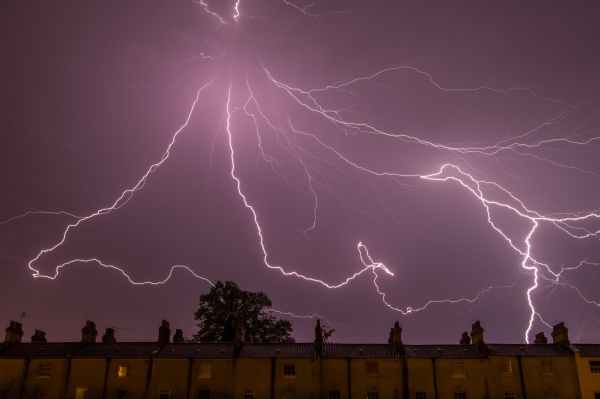
Field Day can be a lot of fun, but it can also be very frustrating. Depending on where and how you set up, the weather conditions, and other random factors, you may end up with very few contacts, and a lot of static! Radio static comes from three main sources– natural electromagnetic atmospheric noise, such as lightning, high winds, and solar pulses; radio frequency interference, when the radio equipment picks up pulses from nearby electrical devices, including TVs, other radios, or even power lines; and thermal noise coming from within the radio device itself.

Photo by cottonbro on Pexels.com

We chose to set up for Field Day at our radio store, which is located in town, just beneath our apartment. We have several antennas set up on the roof, along with a solar panel and battery, which can power all of our radio equipment. So we met the basic requirements for Field Day, operating the radios on Solar and Solar Battery power, without extra amplifiers and power boosts. We set up two stations, and we were able to make contacts through voice transmission or by Morse Code. But we were not exposed to the weather and discomfort of a tent in the field– we had a refrigerator stocked with food, we had air conditioning and comfy chairs, and we were able to sneak upstairs for a nap in our own bed, if we felt tired.

Photo by Ketut Subiyanto on Pexels.com

Atmospheric conditions were not so good this year for Field Day– not in Michigan, at any rate. We had a series of extreme storm cells coming through, with torrential rains, thunder and lighting, and a tornado watch, which spanned the first six hours of the contest. We were lucky not to have a tornado touch down, but other areas were not as lucky…

Photo by Ralph W. lambrecht on Pexels.com

Staying in town also provided some complications– we are surrounded by power lines, neighbors with electronic equipment, street traffic, including cars with loud stereo systems and radios, and our own electronic and radio devices– cell phones, air conditioners, computers, etc.

Photo by Jonas Ferlin on Pexels.com

Finally, we had an ongoing issue with our two radios. If we were using certain frequencies, the two radios interfered with each other. As I was listening to one radio, my husband would try tuning his radio. Suddenly, the noise of his radio could be heard over the sound of other transmissions.

All of this made for a somewhat frustrating contest, but it reminded me of some important aspects of prayer:

  • Prayer can be “choked out” by atmospheric conditions. If we are not “tuned in” to God’s presence, the noise of other worries, interests, concerns, and even “good” things can cause static. Life struggles, changes in our routine, or the “high winds” of adversity can seem louder than the faithfulness and compassion of the One who never changes and never leaves us. This is one reason we are to make prayer more than a habit or routine– it is to be a lifestyle and a blessed and constant pursuit– regardless of our circumstances or feelings at a given moment.
  • Prayer can also be derailed by “frequency interference.” If we don’t spend time in deep prayer and meditation with God, listening to His Word, or making ourselves accountable to Him, we will be susceptible to interference from other voices, other philosophies, and other “static” influences. Jesus’ prayer life included many times of retreat and separation from the crowds and stress of His ministry; not because He didn’t love others, but because He loved and honored God more.
  • Finally, prayer can get lost in the “internal” static of our wayward hearts. The heat of anger, bitterness, selfishness, pride, greed, and lust can keep us from meaningful communication and communion with our Father. Often, we struggle with prayer, because we are hanging on to the “static” of our own desires and fears. King David wrote: “Search me, O God, and know my heart; test me and know my anxious thoughts. Point out anything in me that offends you, and lead me along the path of everlasting life.” (Psalm 139:23-24, New Living Translation, via bible.com)
Photo by Luis Quintero on Pexels.com

Field Day is over for another year. We were somewhat disappointed in our performance, but, in the end, it is just a contest– an opportunity to learn and grow in our hobby. While we enjoy being amateur radio operators, and we feel it is an important and worthwhile hobby, it pales in comparison to growing in our Faith and our pursuit of praying and obeying Jesus Christ!

In the middle of our contest this year, we had a singular opportunity– to leave the contest for a few hours and visit a local church where my niece and two of my nephews were getting baptized. It would mean fewer contacts for the contest, at a time when the atmospheric conditions were the best they had been for several hours. After a dismal evening, we could have chosen to focus on our own pursuits. We didn’t have to witness the baptism to rejoice in it. They would have been no “less” baptized, and they had other family and friends there to see it. And going there didn’t make us “better” or more righteous people. But we chose to shut down our contesting activities, pick up my Mom, and join in the happiness of watching three precious young people publicly declare their choice to follow Jesus. And they were among others who made that decision– others whose joy and radiance also filled the church that day.

Photo by Transformation Films on Pexels.com

Field Day is about listening through the static, reaching out, and making contact with others. Yesterday, I was reminded that there is a much more important “Field Day.”

Do you not say, ‘There are still four months, and then comes the harvest’? Behold, I tell you, raise your eyes and observe the fields, that they are white for harvest.

John 4:35 (NASB, via biblehub.com)
Photo by Anna Shvets on Pexels.com

What static is preventing us from making “contact” with those who need to hear the Good News? What static is preventing us from hearing God’s voice? What static is keeping us from seeing the “fields” ready for harvest?

Blog at WordPress.com.

Up ↑