Yea, Though I Walk…

“Yea, though I walk through the valley of the shadow of death…” (Psalm 23:4a KJV)
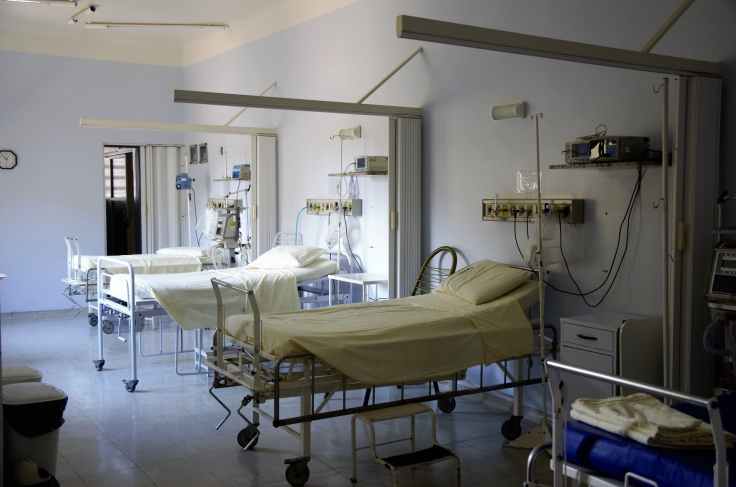
Photo by Pixabay on Pexels.com

The world is waking up to a global pandemic as I write this. Over 100,000 cases worldwide have been diagnosed; thousands have died. Projections are dire, with the possibility of millions of people who will need to be quarantined or hospitalized, and several thousands more dead before the year is out. Panic has already set in– people are hoarding cleaning supplies, stealing medicines and masks from hospitals, demanding testing long before they show any symptoms, and spreading rumors and false information about how the disease is spread or ways to prevent its spread.

In the midst of chaos, fear-mongering, and panic, the Bible provides both comfort and practical wisdom to face times of struggle and crisis. Psalm 23, often used to comfort people in times of grief, actually says a lot more about life than death. We have no need to panic– even though we find ourselves in unknown, unfamiliar, and threatening situations.

Photo by Francesco Ungaro on Pexels.com

“Yea, though I walk through the valley of the shadow of death…”

  • Yea, though–Not “if”, or even “when” I walk through tough times, but “though.” Death is inevitable and unpredictable, and the shadow of death, the threat of our mortality, will fall on us, often when we least expect it. Even without a traumatic event, like a pandemic, we all must travel this valley path at some point. A crisis like COVID-19 is unsettling, but death and disease wasn’t invented last year, and whatever steps we take to prevent or treat COVID-19 will not stop death or its shadow from touching our lives. Nor will panic and fear, denial, or wishful thinking make death’s shadow dissipate. It is wise to face the reality of this crisis with truth and the proper perspective.
  • I–Not “we.” We are surrounded by others who may share much of our fear, our grief, or our confusion at a time like this. But, when we walk through this valley, it is deeply personal, and our reactions, perspectives, beliefs, and emotions will be uniquely experienced. One of the most difficult things about times of crisis is the isolation we may feel when others cannot enter into our thoughts and hearts and painful emotions. Especially when they are dealing with similar fears and pain. Not only is this valley dark and low, it is often narrow. Even so, God is still present and powerful. We can turn to others for advice, comfort, or even excuses. But no one else can walk the road beneath our feet; no one else can choose whether we will focus on the shadows we see or the light beyond the shadows.
  • Walk through— There is a great temptation to try to hurry through any crisis– to look for the shortcut– the immediate cure; the escape hatch; the high ground; the detour. God’s love doesn’t give us the promise of ease and escape. God does not ask us to sprint through this part of our life’s journey. But God gives us the grace and power to keep walking– this valley is not the destination, but part of the longer race. This leg of the journey is difficult; there will be darkness, rocks and walls closing in on us; we may feel the cold finger of death, disease, and loss. Some days our walk may feel more like a crawl–but take heart and keep moving through.
  • The Valley of the Shadow of Death–Death is stark, uncompromising, cold, and overwhelming. Its shadow looms huge and oppressive. But the valley is not death; the shadow is NOT death; and even the reality of death is not bigger or more powerful or more eternal than God. COVID-19 will bring death to many thousands or millions of people, and it will bring sickness, fear, pain, grief, and distress to many more. But it cannot kill God– it cannot dim His great love for each person who suffers; it cannot catch God off guard and unprepared. We may question God’s timing and purpose. We may face hardship, loss, and confusion in the days and months ahead. But we will not face anything– even COVID-19– that can weaken God’s sovereignty. The same hand that raised Lazarus from the dead; the same power that rolled the stone away at Easter; the same Shepherd that led David all the days of his life–the One who holds galaxies in his hand and has numbered every hair on your head–He walks through this valley with us!
Photo by Umberto Shaw on Pexels.com

As God gives us wisdom, let us seek positive ways to reach out to those in crisis. Pray! Pray often, and fervently for those who are sick, and those who work in healthcare. Pray for wisdom, that our nations, regions, and communities will respond proactively and compassionately. And pray for opportunities to demonstrate and share God’s grace and mercy.

Photo by Elina Krima on Pexels.com

G.P.S.

Psalm 23:3 English Standard Version (ESV)

3     He restores my soul.
He leads me in paths of righteousness
    for his name’s sake.

Photo by Amelie Lachapelle on Pexels.com

Many phones, tablets, even vehicles, come with a GPS– Global Positioning System–which uses satellite technology to tell you where you are. Combined with a satellite navigation system, the GPS helps tell you how to get from point A to point B– mapping out various routes, including estimated travel times, and information about road construction, detours, and traffic patterns. Applications like Google Maps or MapQuest can show you details and even images of the roads on which you are traveling. Such systems and apps can be very helpful, but they are not perfect. A GPS may be a few yards “off,” leading you close to your destination, but leaving you slightly lost and confused. If you type the wrong coordinates or address into a navigation system, you may end up far from where you expected to be!

Photo by Leonardo Gonzalez on Pexels.com

As Christians, we have a GPS– God’s Provision and Sovereignty. God promises to lead us in the paths of righteousness. God’s direction and leadership are sure and good. We still have the responsibility of listening and adjusting our course, however. We can still miss a turn, go off in the wrong direction, or set the wrong coordinates for our destination.

But, unlike a satellite navigator, God’s provision is eternal and supernatural. God knows all the roads we can take, could take, should take, (or shouldn’t take), and will take– He knows every curve, every bump in the road, every traffic jam, and every scenic lookout and rest stop along the way! God’s MapQuest sets us on a course of righteousness– paths that will not only bring us safely to our ultimate destination of eternal life with Him, but do so in a way that brings honor and glory to Him. After all, it’s His reputation at stake as our Shepherd. He is the Good Shepherd– He won’t lead us down the wrong path; He WANTS us to reach our destination. And our full potential!

Photo by Vlad Cheu021ban on Pexels.com

When we travel these paths, with our Shepherd leading the way, we will become familiar with the best roads; able to help others navigate the sharp turns and steep grades we have already traveled. We can share the glory of that sweet stretch of road beside the cool stream, or the view from the hidden rise. And we can share the blessings of being on the road with the one who owns it!

Photo by Drew Rae on Pexels.com

Sometimes, we pray for a different path– a short cut, or a road with more adventure (or less!)–God hears our prayers, and He knows where the road leads. When we look back, we may be amazed– not only at the road God laid out for us to follow, but the roads we didn’t take. We see a short-cut; God sees missed opportunities for growth. We see a detour; God sees the dangerous wash-out we were spared. But if we walk by faith, and not by sight (or intuition, or emotion), we will begin to see the goodness of the path we are on, no matter how difficult or how different from our expectation. And we will begin to pray, not for the path to change, but for wisdom to follow where our Shepherd leads.

Photo by Aleksejs Bergmanis on Pexels.com

The best part of God’s GPS is that no matter how lost we are; no matter which path we have chosen against His good will– God can get us back on course and to the right destination. He can turn our dead-end roads around, help us make the right turns, and help us reconnect with the paths of righteousness.

Photo by rawpixel.com on Pexels.com

Whatever path you and I find ourselves on today, I pray that we will turn on our GPS, and follow God’s directions for the road ahead.

…And I Am Not.

In my last post, I talked about “When God Doesn’t Answer..” Of course, there are times when God seems silent, and I spoke about a couple of times when that was true in my life. God’s timing and wisdom are reminders that He is God– and I am NOT.

I want to revisit that theme for a bit. I was reading the post and realized that I spoke of the waiting and hoping and God’s faithfulness in sending an answer in the person of David, who became my husband. I spoke of God’s ways being higher and better than our ways– and they are. But I left out one aspect of God’s character. Forgiveness.

Photo by Josh Willink on Pexels.com

It is tempting, and I gave in to the temptation, to focus on my feelings, and my positive actions during those years of waiting– taking good advice and making good use of my time as a single to volunteer and serve. But I also did plenty of wallowing in self-pity, of questioning God’s goodness and His timing. I slipped into bad habits that I had to break as a married woman– selfish habits and indulgent thought patterns. And I find myself battling new bad habits, slipping back into depression and isolation, or taking for granted the blessings of married life.

I don’t say this to negate God’s goodness in answering my longing for a husband and family, nor to suggest that God’s long silence and eventual answer were any less gracious and loving. Instead, I want to thank Him for being patient with me, for extending both mercy and grace in His good time, and in spite of my bad behavior.

Photo by u0410u043du043du0430 u0412u0430u0441u0438u043bu044cu0435u0432u0430 on Pexels.com

God’s mercy and his goodness surround us–especially when we don’t see them. When we doubt His presence, when we accuse Him of not caring, when we pout, and posture, and resent the road He has us traveling. God’s word is full of stories of people who waited– some patiently, some not so much– and people who wandered, and even rebelled. And many of them perished without ever seeing God’s answer or without repenting. But I cannot think of any instance where someone who sought God’s face or His forgiveness and was turned away– EVER. God followed the grumbling nation of Israel for forty years, His anger breaking out against them multiple times, but He remained faithful to His promise to bring them to the Promised Land. https://www.biblegateway.com/passage/?search=Deuteronomy+1&version=NCV God went so far as to remove His Spirit from King Saul, but He allowed Saul to continue to reign, even when Saul tried to kill God’s anointed one and his own son-in-law. https://www.biblegateway.com/passage/?search=1+Samuel+19-24&version=NIV God followed David from his days as a shepherd boy through his reign as Israel’s king– in spite of David’s sins, in spite of the drama and chaos of his household, in spite of betrayal by his own sons and generals.https://www.biblegateway.com/passage/?search=1+kings+2%3A1-10&version=CSB God chased down Saul on the road to Damascus– after Saul had hunted and hounded faithful followers of the Messiah.https://www.biblegateway.com/passage/?search=acts+8%3A1-3%3B+9%3A1-18&version=ESV

God is patient and faithful with us– whether we have grumbled at His timing, or turned our back on Him for a season, or actively rebelled against His sovereignty and kindness.

Photo by Artem Beliaikin on Pexels.com

When God seems silent, we often forget that He also remains silent in the face of our grumbling. He withholds His righteous judgment, giving us ample opportunities to rethink, repent, and return. His silence reminds us that He is God– and we are not. He does not owe us an answer– nor does He owe us a second chance. But He will give us both in His time. Because He is God– in His sovereignty, in His boundless Love, and in His mercy–and I am not. I am not God. I am the (sometimes) grateful recipient of all that He gives.

May I be grateful today, not just for the blessings and gifts and answered prayers, but for the patience, grace and mercy I don’t deserve.

Great Is Thy Faithfulness

I generally write on Monday, Wednesday, and Friday each week. I missed Friday of last week and Monday of this week. I got busy with holidays and housework and mundane things. I was not faithful in my writing.

God is never unfaithful. There is never a day when the sun doesn’t rise, when the ocean waves don’t roll, when gravity suddenly stops, or when God stops answering prayer.

Photo by Pixabay on Pexels.com

There may be days when we don’t “see” God, or feel His presence; days when we don’t understand the way He works or why He chooses to answer, “No,” to our heart’s desire. But there is never a time when He simply stops caring, or takes His hand away from creation or removes Himself from all contact, leaving us alone and without hope.

Jesus said, “I am the way, and the truth, and the life…” (John 14:6 a) and the writer of Hebrews said, “Jesus Christ is the same yesterday, and today, yes, and forever.” (Heb. 13:8) We never have to worry or wonder about God’s Spirit leaving us, or disappearing; we don’t have to consider that God will suddenly change His character or that His love will grow cold.

Photo by nappy on Pexels.com

People will ultimately disappoint us–in small or big ways, or at surprising moments–not always because they are vicious or unfeeling. Most of the time, they will let us down because not one of us is perfect. We get tired, cranky, sick, or forgetful. We get delayed, distracted, or depressed. But God is Love, and “Love never fails” (1 Cor. 13:8a). God is sovereign and eternally unchanging.

So even when I fall short, I can call out to God for forgiveness, and strength to begin again. I can come to Him in confidence, assurance, and hope, knowing that His Grace is boundless, His love is limitless, and His arms are always open wide to receive me. All I have to do is run to Him and accept Him for who He is– My Faithful Redeemer, My Lord, and My Heavenly Father.

Photo by Darwis Alwan on Pexels.com

And in this pursuit of Prayer, and daily walk with Him, my goal is to become more like Him– including being more faithful.

This is My Father’s World

Yesterday, in our Bible Fellowship class at church, we continued our series on a Christian view of “Hot” topics: we focused on Environmental issues.

“In the beginning, God created the heavens and the Earth.” (Genesis 1:1)
“The earth is the Lord’s, and the fullness thereof; the world, and they that dwell therein.” (Psalm 24:1) KJV

Our environment can become a politically and emotionally charged subject. How should we as Christians, view our environment, our environmental impact, and our attitudes toward dire reports about climate change, extinction rates, emissions, pollution, habitat reduction, natural resources, and energy needs?

The Bible gives us guidelines, warnings, and even hope!

  • Ultimately, the fate of the world does not rest on my shoulders, or yours, or our generation’s…This is MY FATHER’S world. He created it, He inhabits it, and He has a plan for it. That does not give me an excuse to ignore the problems facing our planet. It does not give me the right or the privilege of passing the problems along to someone else, where action can and should be taken. But it does remind me that God has not left us alone and helpless to stop an environmental apocalypse left to us by previous generations and accelerated by our own.
Photo by Brett Sayles on Pexels.com
  • GOD created the heavens and the Earth. God, who knows the end from the beginning. God designed our planet, our atmosphere, our universe. What even the best of our scientists know about our planet is infinitely smaller than what God knows, and what even the boldest plans of man propose are nothing to the power of God to heal and restore. That doesn’t mean we don’t need to be concerned about things that are happening– but we can’t let our concerns turn to despair and doubt. When the nation of Israel first entered the promised land, God gave them a list of blessings and curses. (Deuteronomy, chapter 28) If they obeyed, they would be blessed. If they were disobedient, they would be cursed. Many of these blessings and curses relate directly to the land and weather. God is still in control of nature, but this leads me to…
Photo by Pixabay on Pexels.com
  • God gave stewardship of the Earth to mankind. We are to be the daily caretakers of God’s Earth. That there are so many problems with our environment shows that mankind as a whole has failed to obey God in this matter. We are not under the direct blessings and curses that came to Israel in the promised land, but there is still a correlation–as Sin proliferates, so does death and destruction– including that of the world around us. That doesn’t give me the right to point the finger at others and justify my own disobedience because “at least I don’t…,” or “at least I do…”
    God expects me to act in ways that protect, preserve, or develop the environment to benefit those around me and give glory to Him. This includes the way I interact with the land, water, air, plants, animals, and other people. It includes the actions I take to destroy harmful plants and animals; to protect the soil and water; to dispose of waste; to eat; to build, or heat, or cool buildings; what I eat and drink and wear. It even includes being informed about second-hand resources that I buy and use, and whether or not those resources are being stewarded well by others. This doesn’t mean becoming an environmental Pharisee– publicly calling out all my neighbors who still use plastic bags or buy products from “that” company. And it doesn’t mean I must become a vegan, or a homesteader or give up my computer or cell phone. But what can I do to become a better steward?
  • Is it possible that my attitude toward the environment is coming from a lack of exposure to both the environment itself and its maker? Am I spending more time reading about climate change than I am spending in the climate itself? Have I thanked God for the world He created? Do I take the time to notice the beauty in a blade of grass, or the colors in a sunset, or the mystery of running water, and marvel at God’s handiwork? How would my view of Nature change if I developed my relationship with its maker?
Photo by Pixabay on Pexels.com
  • Lastly, I need to engage with others to find ways we all can become better stewards– not (necessarily) by bashing people over the head with statistics and mandates, but getting the facts– not just the hype or the denials–and sharing practical ideas.

I don’t have to save the world– that is God’s job; He’s the only one who can. But I CAN do my part to protect, preserve, develop, and enjoy all the beauty He created. And in doing so, I pray that I can help others see the One who loved us all enough to create such a beautiful home!

I Surrender All?

I have been revisiting old hymns lately as I write about my pursuit of prayer. This is partly because I believe that prayer is a form of worship, and is closely tied to other forms of worship– meditation, singing, etc.. Sometimes, it can be helpful to pray songs or to sing prayers– look at the entire book of Psalms!

Our church has recently been involved in revival services– two weeks of time set aside to evaluate our daily walk with Christ. We need periods of revival and refreshment, conviction and confession, repentance and reflection. Without them, we will wander; without them we will wither and grow cold, and lose sight of our first love.

Photo by Luis Quintero on Pexels.com

One of the first nights, we explored the idea of surrender. We say that we trust God; that Jesus is Lord, that we are followers of Christ…but do we really demonstrate those truths by the way we live? Have we really surrendered our will, our lives, our futures to God? We claim that He is sovereign over big things– all of creation, world affairs, and such–but is He Lord over the little things? Do I trust Him with my reputation when someone misrepresents me to others? Do I trust Him with my diet when I am tempted to overeat? Do I trust Him with my time when someone asks me to help them on my day off?

One of the keys to this hymn (and to prayer) is in the first verse– “..in His presence daily live.” There are times when I feel the need to surrender; times when I feel wholly surrendered and devoted. But there will be other days when the feeling just isn’t there. My surrender needs to happen daily– in the “good” times and in the “difficult” times. Sometimes, I just need to pray that the Holy Spirit will guide and empower me to recognize and surrender those areas that I have tried to “take back” from Him.

Photo by Creative Vix on Pexels.com

And then, I need to be intentional about letting go–one piece at a time, if necessary–each day saying, “Yes” to God instead of “Yes” to those things that pull me away. It’s not always easy to say, “I surrender all.” It’s even harder to actually follow through. We want to hang on to things that are comfortable, familiar, even “good.” We want to hang on to things that seem to promise safety, success, or fulfillment– even when God offers more.

I’m not writing this because I have mastered the discipline of surrender– I need to learn to let go, to trust God more, to risk what I cannot keep to gain what I cannot lose (paraphrasing from Jim Elliot–https://www.brainyquote.com/quotes/jim_elliot_189244.
That is my prayer today, for myself, and for others.

Prayers for Harvest

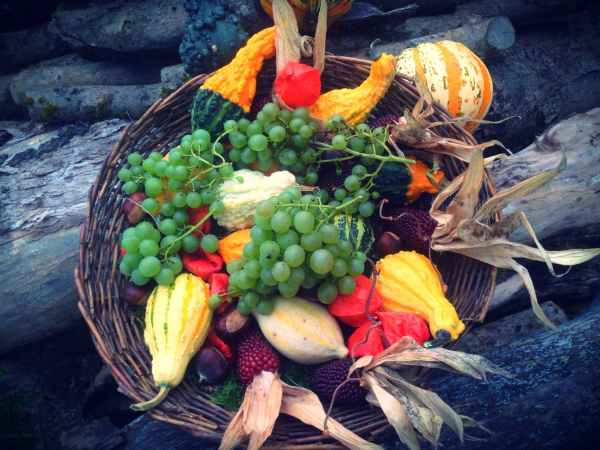
I love the autumn harvest season, and I believe it has many lessons for us about prayer:

  • There is a time and season for harvest. We cannot harvest at our convenience; neither should we expect God’s answers and our circumstances to arrange themselves around our wishes. Instead, as we pray, we should watch and wait, ready to do what is necessary in the meantime, and ready when the time is right for harvest. Too soon or too late, and we will miss the best of the crop, or lose it altogether. If we pray for a harvest, we must be willing to wait on God’s timing.
  • Harvest is a season among other seasons– not a single event. If I pick apples this fall, that is not the end of apples. There will be more apples to harvest next autumn, and the following year. Sometimes, we must wait through several seasons to see the harvest; seasons of rain, sun, even snow and cold dark days. We must be faithful to keep praying for the next harvest, and the next…
Photo by Phuc ( Xù ) Pham on Pexels.com
  • The harvest bears little resemblance to what we planted. If I plant an ugly bulb in the ground this fall, I may see a beautiful tulip next spring–unless I plant an onion bulb! If I plant some tiny black seeds in the spring, I may harvest a large orange carrot later in the summer. If I plant kernels of corn, I will get new kernels, but they will be on an ear on a tall stalk. If we are praying for a harvest, it may come in ways and shapes and circumstances that will surprise, or even mystify us. Often, we pray for what we imagine we could do– instead, we need to learn to ask for what only God can do!
  • We cannot control the harvest– we can plant the seeds, fertilize them, tend them, weed them, water them, prune them–but we cannot predict or guarantee the results. But if we do nothing, we will not see any harvest at all. Similarly, we do not control God’s answers to our prayers, but we will see no growth, no harvest, if we do not pray at all, or if we give up.
  • Harvest is gathering the crop (and the seeds for a new crop). We need to gather prayer requests, thanksgiving lists, areas of conviction, songs of praise; we need to present a bountiful harvest of prayer–an offering and a fragrant sacrifice to the giver of all good things!
Photo by Element5 Digital on Pexels.com

The “God of Jacob”– not “Jacob’s God”

For a blog about prayer, I’ve been spending a lot of time doing Bible study on the character of Jacob. But I think there is a huge connection. The stories in the Bible are powerful and important, not because of the human characters, but because, in them, we see how God interacts with a variety of His created people. And that can help us as we come to God in prayer.

Photo by Thorn Yang on Pexels.com

When we begin to understand that the “heroes” of the Bible are often ordinary people who encounter Almighty God, we see that little has changed in the course of history. God still chooses to bless and challenge ordinary people– for their own good, and as a witness to others.

Photo by Julian Jagtenberg on Pexels.com

In today’s world, we often reverse the importance of the characters in our own stories. Christians talk about “my God” or “our God”, as though God belongs to us or serves us. But the Bible doesn’t speak in those terms. God is not “Jacob’s God” or “Solomon’s God” or “Queen Esther’s God,” or even “Israel’s God.” Instead, He is the God of Abraham, Isaac, and Jacob– the God of Israel. He is pre-eminent. God exists, rules, creates, and acts on His own terms, not ours. And He exists, rules, and acts universally. No person, group, or nation can claim that God blesses them because of who they are or what they have done. Thus, there is no African God or Caucasian God or Chen Family God, or Jean’s God, or Muscovite God, etc. There is only One God– but He wants to be the intimate and personal God of every person on the African continent, and in Moscow, and everyone named Shirley, Clarence, Chen, Smith, Martinez, or Klein. He invites each of us into a personal relationship, but He remains Holy and Unchanging and Sovereign.

Photo by Nicholas Githiri on Pexels.com

The very same God who wrestled with Jacob wants to be your best friend. He also wants to be your King and Lord of your life. When we pray to “the God of Jacob”– we are not praying to “Jacob’s God”. We are praying to the very passionate lover of our soul. He just happens to be the same God who loved Jacob enough to take him through a series of adventures many centuries ago; the same God who promised never to leave him; the same God who blessed him and preserved him and made him the father of a great nation. Just think of what He’s waiting to do for and through you!

The Birds of the Air

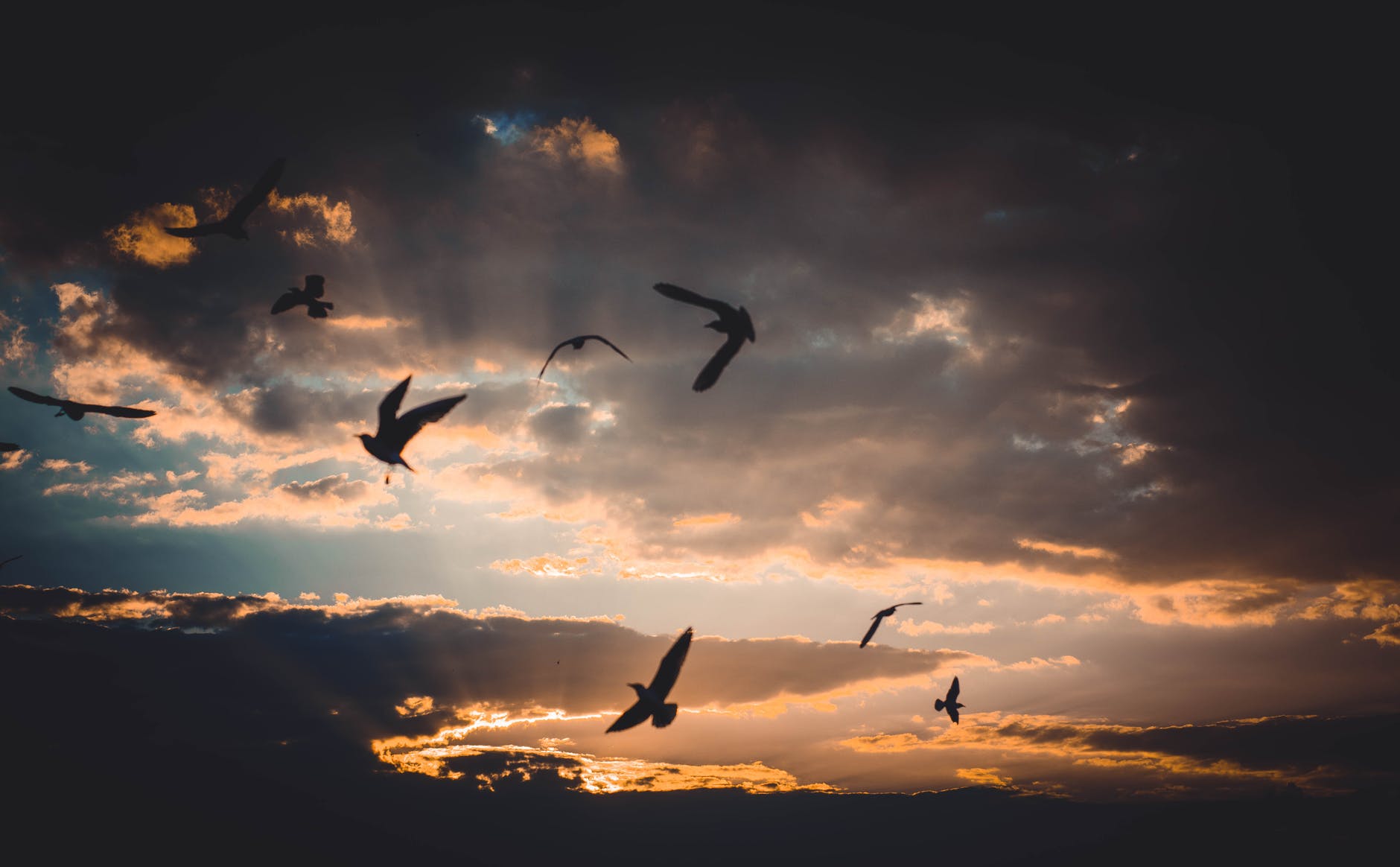
Yesterday, I was working in the Toddler Room at church.  The children had been playing and singing, when suddenly, our attention was caught by something happening outside our window.  Hundreds of birds were gathering in the front lawn and in the parking lot of the church, resting and re-organizing for the next leg of their long migration.  Birds were swooping in, landing, hopping about, lining up, changing places with other birds, circling in low flight, rearranging, and chattering before the entire flock took off and headed south.  The children gathered by the window in fascination for a few minutes, before returning to their play.

afterglow art backlit birds
Photo by luizclas on Pexels.com

I was reminded of the passage in Matthew 6:

25 “Therefore I tell you, do not worry about your life, what you will eat or drink; or about your body, what you will wear. Is not life more than food, and the body more than clothes? 26 Look at the birds of the air; they do not sow or reap or store away in barns, and yet your heavenly Father feeds them. Are you not much more valuable than they? 27 Can any one of you by worrying add a single hour to your life?

Ironically, yesterday was the first day of “falling back” from daylight savings time to “normal” time– literally trying to add a single hour to our lives by changing our clocks!

close up photography of wristwatch
Photo by Mat Brown on Pexels.com

The birds were not worried about clocks, or falling leaves.  They were not nervously searching about for seeds or worms or bread crumbs to eat.  They didn’t compare feathers or try to ostracize birds who were “different” in size or coloring or age.  Each year, the birds fly hundreds of miles, over lakes and fields and cities, to get to their “winter” home.  They repeat the process each spring to get to their “summer” home.  God has created them with a special GPS that not only gets them where they need to go, but helps them find food and resting places along the way– including the lawn and parking lot of our church!  And this is only one of thousands of flocks of birds.  They arrived, rested, regrouped, and left.  They didn’t collide with another incoming flock; they didn’t arrive upset or confused about the repaving that occurred this summer.  They didn’t need reservations or recalculations, credit or debit cards, cell phones with wi-fi hotspots, or pilots’ licenses.  God did not forget about them, abandon them, or set them up for failure.

The birds still have to face the long journey– they must gather food each day; rest each night; they must brave the very real dangers along the way.  Not every bird will reach its destination.  Some will be injured or become food for predators; some will succumb to bad weather or old age.  Some will even be blown off course or become separated from the rest of the flock.

flock of birds flying above sky during sunset
Photo by Irina Kostenich on Pexels.com

God doesn’t promise that we will never face danger, or that we will never have to struggle.  What He does promise is that we can trust Him to always be present and that He will provide all that is sufficient for us to follow Him.  There is nothing we can do to add an hour to our life– and nothing we can do to erase, amend, or alter His Love for us!

Praying for Peace

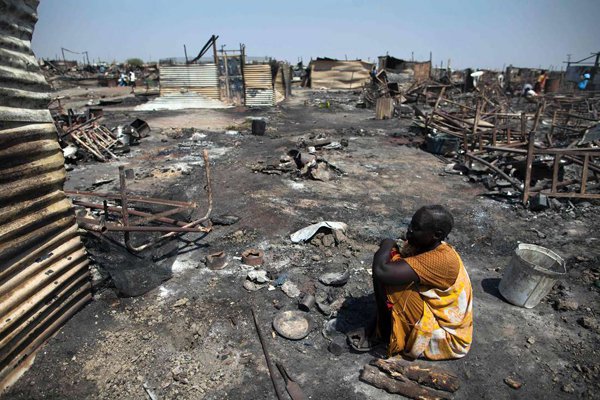
A few years ago, I was introduced to a man from South Sudan, who had come to the U.S. for a missions conference.  Earlier in the evening, he had shared a report on conditions in his region– all the horrible details you dread hearing–displaced families, homeless refugees, orphaned children, shortages of food, clothing, shelter, blankets, and medicine, constant fear of being attacked by one side or another in the ongoing conflict.  Throughout his report, he emphasized the sovereignty of God, and his hope that he and his team could continue to help those most in need.  As I got a chance to speak directly to “Robert” *, I told him that I would pray for peace to come to his region.  I was shocked when he stopped me.  “Please don’t pray for peace,” he told me.  “Pray instead that God would give us the resources and the strength to be faithful and to keep helping.”

south sudan

Then he explained.  It wasn’t that he didn’t want peace to come, but he wanted me to pray for whatever God willed for his region.  The Kingdom of God, not earthly peace, was his highest priority and his greatest urgency.  Because of the circumstances of war, people were desperate.  Their world had been turned upside-down, and they were in great need.  But war had also opened up opportunities– not only opportunities to help those in need, but opportunities to show the Love of Christ as it had never been known to the people there.  The people who were coming to refugee camps were meeting, sometimes for the very first time, people from other villages, other cultures, and other faiths– people they had considered enemies.  Suddenly, they were seeing these enemies as fellow sufferers, fellow human beings with the same injuries and losses, needs and longings as themselves.  They were also “seeing through” some of the lies they had believed about “the others” in their midst.  Their circumstances were desperate, but their biggest need was for hope and help.  Help was coming from around the world– United Nations’ agencies, The Red Cross, Doctors Without Borders, and several Christian relief and medical organizations.  These groups had been kept out during peacetime and even in the early stages of fighting.  Not only were they able to help with immediate relief; they were able to provide medical care for victims of AIDS, and childhood diseases, care that had long been denied.  Along with practical help, though, these groups were providing hope– hope to rebuild, hope in the midst of despair and chaos, hope of eternal life and a relationship with God.

“Robert” was not saying that he didn’t long for peace, or that peace would be a bad thing for the people of South Sudan.  Of course not.  But the greatest need was not for an immediate end to fighting– it was for the kind of peace that only God can bring.  As far as I know “Robert” is still working with refugees and displaced families in South Sudan.  The work is difficult and often heartbreaking.  Resources are stretched, and chaos still haunts the land.  But progress is coming– slowly, but surely.  Lives are being changed, reclaimed, and renewed.   And I pray that he and his team are being strengthened and encouraged even as their circumstances continue to be desperate.

pexels-photo-752473.jpeg

I share this story because I am still learning that Prayer isn’t about what I want or think is best; it isn’t about getting my way, or asking for the easy “fix” or the happy ending.  It’s about seeking God’s will, His way, His answer, His timing, and His grace.  Suffering, whether we are experiencing it or hearing about it, reminds us that we live in a fallen and dying world.  We long for peace.  We long for healing.   We long for rest and comfort and happiness.  But in this world, there will be trouble and injustice, death and disease, pain, suffering, betrayal, and unanswered questions.  We don’t understand God’s timing, his plan in allowing innocent people to suffer the cruelties of war or poverty.  And if we are living in peace and comfort, it makes us feel guilty and even fearful– why them and not us?  When might we face unexpected hardship?  So we ask God to remove all the discomforts, the struggles, the pain.  It is not wrong to want healing and peace and all the other good things– we should seek justice and mercy and peace and joy.  But we also need to recognize that God may choose to bless us in unexpected ways through our hardships and agonies.  And he may be calling some of us to take action– to be His hands and feet– to reach out with the resources he has given us to help others.  He doesn’t love those others less; he doesn’t love us more– he loves to see us love each other in His name!

God’s ways are not my ways; his timing isn’t the same as mine– it is better.  It is perfect. In the end, there will be peace in South Sudan.  There will be Peace on Earth. There will be healing and justice, and peace and joy.  There will be answers for all the questions, and happy endings.   But in the meantime, may God give all of us the strength and resources to help those in need, the faith and discipline to keep going in the midst of chaos, and the wisdom to make peace and spread love wherever and whenever we can.


*Because “Robert” is a Christian worker in an area of intense persecution, his true identity is being protected.  Please pray for all those who are risking their lives and livelihoods to live, work, and worship as Christians throughout the world.  And be thankful if you live in an area where you risk little or nothing to proclaim the name of Jesus Christ.

Blog at WordPress.com.

Up ↑