*”Grant Us Peace!” (In Latin, Dona Nobis Pacem) “When Peace like a River attendeth my Soul…” “Peace be with you..” “Give Peace a Chance..” Peace that passes all understanding–Phil.4:7
We spend our days rushing, working, worrying and stressing, always hoping for a time of peace, believing that if we work hard enough, rush fast enough, hope fervently enough, we will be rewarded with peace.
But this is contrary to the Biblical pattern. God has already given us a blueprint for peace, rest, and contentment. And it doesn’t involve working harder! It involves trusting more. And that involves waiting and resting. God wants us to work, yes, but He also wants us to rest, to seek times of solitude, meditation, and silence. This is not a suggestion given to a holy few–it is a principle to be practiced by all of us. God wants to give us peace for the asking—not for the earning.
When prayer becomes a priority, and not just something that happens in our “spare” time, or after all the “important” things get done, we should find that peace is a by-product of our pursuit. Taking time for prayer gives our mind a new focus, calms the rhythms of our heart and body. It forces us to step aside from the frantic pace of life– to lift our eyes (or close them) away from the flickering light of the tablet or phone, to sit (or stand or kneel) still and apart from whatever task is beckoning, and listen, not to the blare of the radio or TV or street noise, but to the underlying sounds of life–heartbeats, breathing, the slow ticking of a clock, or the retreating rumble of the world. We close our eyes to the distractions of “to do” lists and calendars, comparisons and competitions. We set our hearts on all that really matters in the long run.
Most importantly, through our time spent in prayer, we access the source of peace– The Prince of Peace! And it is this same Prince of Peace who will “grant us peace” if we just ask. You may not be able to set aside hours for blissful meditation. But if you ask, God will help you guard your time, and help you find those few precious moments of prayer and peace– peace with Him, peace that comes from Him, peace that passes all understanding.
I know several people (myself included) who are facing stressful situations on a daily basis– some are fighting cancer, some are caring for aging parents, some have rebellious teens, some have lost jobs or are in danger of losing their home, some are fighting depression or addiction, others have lost close family members–some are facing multiple stressors every day.
Stress is a killer and a thief. It robs us of energy, time, and focus. And it isolates us– as we focus on our stressful surroundings, they begin to close in on us, hemming us in and keeping others out. We long to be stress-free–sitting on a beach or lying in a hammock or on a chaise without a care in the world– no worries, just peace. And we pray for it.
But peace isn’t the absence of stressful circumstances. I once met a man who was, in fact, lying on a chaise by a poolside, a sandy beach less than 100 feet away– palm trees and gentle breezes relieving the searing heat, icy drinks available at a whim. He had nothing to do but soak in the heat and sea air, relax, and enjoy his day. He had all the time and money he needed to find perfect peace– but he didn’t have it. He was bored, and restless, and dissatisfied with life. He couldn’t lie still, and he found no wonder in all the beauty and peace all around him.
Peace doesn’t come by denying stressful circumstances, or running away from them, either. Ask the next three people you meet how they are doing, and they will likely answer, “I’m fine.” We know they’re not really “fine”– they know that we know they’re not “fine,” yet neither of us tells or demands to know the truth. Stress isn’t contagious, but we avoid sharing it. I don’t want to hear about your stress, in case it reminds me of my own; you don’t want to share your stress in case I judge you as being weak or whiny. We learn from others around us that “success sells.” “Fake it until you make it,” as some would say.
We can’t get peace by any means in our own power– we can’t manufacture it, legislate it, demand it, buy it, trade for it, or wish it into being. In fact, the more we try to chase after it, the more elusive it becomes. Peace is a by-product of faith and trust– the result of a relationship in which circumstances are not borne or understood only by us but shared with someone all-wise and all-powerful. Our circumstances don’t need to disappear, but we must believe that they are not insurmountable or permanent, and that we are not forgotten in the midst of them.
You will keep in perfect peace those whose minds are steadfast, because they trust in you. (Isaiah 26:3 NIV)
Peace comes from knowing and sharing with the Prince of Peace. He doesn’t take away our circumstances (though he can, and sometimes will remove some of our stressors–even against our will). Most of the time, Jesus will take away our blinders, instead. He will turn our focus away from our own pain, loss, frustration, or confusion, and allow us to see Him working around us, in us, through us, in ways that put things back in perspective.
The peaceful scene I described above– the beach, the pool, the gentle breezes– I was in the same location and enjoying every minute of it. This in spite of numerous bug bites, an almost certain case of sunburn, and a very short time before I had to return to the snowy Midwest, and the normal stresses of my ordinary life. But, while I knew they were waiting for me, I wasn’t concentrating on them. And even while I enjoyed the beauty of the beach, I wasn’t focused on the sun or the sand, or my tan/burn progress. I was enjoying the memory of working with rescued children, of meeting amazing foster parents and missionaries, and of seeing what God was doing to heal and bring peace to lives that had been ravaged. I was seeing in the beauty of my short stay at the resort the promise of what God has in store for me throughout eternity. THAT will be perfect peace– not shortened by time, not diminished by restlessness or dissatisfaction, or denial.
We live in a weary world– weary of war, weary of chaos, weary of worry, and weary of sin and its consequences. From the time the alarm rings to the time we finally lay down our weary heads, we are bombarded by stress, misunderstandings, distractions, disappointments, questions, harsh words, harsh images, demands, doubts– I’m tired just listing them…
Even so, we are surrounded by promises (mostly false) of peace and rest, satisfaction and success. “Buy this!” “Try that!” “New!” “Improved!” The voices call out, offering temporary bliss, or temporary escape from the weariness all around. “Jingle Bells!” “Happy Holidays!” “Tidings of Comfort and Joy!” It is tempting to let Christmas become just like all the other worldly distractions–shiny, loud, stressful and fleeting, full of promise, but leaving us empty and cold in the end.
But Christmas IS different, because it doesn’t celebrate what the world has to offer. The celebration includes lights and bells, songs and gifts, food and friends and family– but at its heart, Christmas celebrates something “out of this world!” Jesus came to a weary world long ago, and no matter how weary the world was, or is, or will be, Jesus brought all the hope and healing of Heaven in the small package of a tiny infant child in a crowded town in a conquered land.
On that Holy Night, God crashed the party– He did more than watch from a distance, more than speak from the skies above or send angel messengers–He arrived, actively participating in the struggle, the bone-weariness, the hunger and thirst and chill and stress of living among His fallen and fractured creation.
And the weary world rejoices–can you hear it? Above the bustling noise of people shouting, and car horns blaring, and advertising slogans, and piped-in Christmas songs…Can you feel it–beyond the comfort of a warm blanket and hot cocoa, beyond the hugs of friends or the smiles of strangers or gifts from loved ones? Can you see it–beyond the glare of city lights, undimmed by the darkness of hatred and greed?
The lights and songs will fade away, but the Love, Joy, and Peace of God that came to the world that first Christmas is for all time!
“Fall on your knees! Oh, hear the angel voices, ‘O Night Divine. O Night, when Christ was born. O Holy Night!'”
November 10th marks the 50th anniversary of the wreck of the Edmund Fitzgerald, an iron freighter that sank in Lake Superior. The gale-force winds tossed the ship (carrying over 26,000 tons of iron) in waves of over 35 feet. All 29 sailors aboard the ship were lost. The event has been memorialized in song and stories, and in at least one museum display at Whitefish Point Michigan, near where the wreck occurred. The bell tolled 29 times, once for every life lost in the storm. Fifty years later, families are still haunted by the tragedy– a continuing reminder of the fragility of life, and the power and destructive force of winds and waves.
Some days, the hits just keep coming– an unexpected expense, a misunderstanding at work, a fender-bender during the commute, a plumbing nightmare, a migraine, the phone call with bad news. Each new pain rolls over us, throwing us off balance, and trying to drag us under like a storm-tossed ship.
“Even so, it is well with my soul.” The story of this favorite hymn has been told many times, but it bears repeating. ( It Is Will With My Soul. wikipedia.org ) The author of these words had lost everything– his only son had died; shortly afterward, he lost almost all his money and property in the Great Chicago Fire of 1871. A friend, knowing of his troubles invited him to bring his family to England for an evangelistic campaign. Mr. Spafford (the above-mentioned author of the hymn) had to stay behind and sent his wife and four daughters ahead. Their ship, the Ville du Havre, was struck by another vessel and sank. All four of the daughters were drowned, and only his wife survived to send him news of the tragedy. As he made the heartbreaking voyage to rejoin his wife, he passed the place where his daughters had most likely gone down. At that moment, Mr. Spafford felt a welling of peace and hope beyond human understanding, which led him to pen the words that have given comfort to so many in the years since:
When peace, like a river, attendeth my way, When sorrows like sea billows roll; Whatever my lot, thou hast taught me to say, It is well, it is well with my soul.
Nothing can prepare us for the sorrows that sweep over us at unexpected moments. Nothing can stop them, and though we know they will come, no one knows how high they will rise, or when they will crest and break around us. No one except the one who set the boundaries of the sea, the one who has walked on its waters, and the one who can calm the storm.
God doesn’t remove the sorrows or tragedies from our life or prevent them from washing around and over us. But for those who trust in him, there is a promise that we will not be consumed. We may be in a storm-tossed boat in the middle of a raging sea, but at our faintest cry, Jesus will walk on choppy waves to be by our side and bring comfort. He will teach us to be in awe of him as he commands the winds and waves to obey him. He will teach us to trust him in the good times and the bad. He will teach us to say, “It is well with my soul!”
35 Who can separate us from the love of Christ? Can affliction or anguish or persecution or famine or nakedness or danger or sword? 36 As it is written: Because of You we are being put to death all day long; we are counted as sheep to be slaughtered.[a] 37 No, in all these things we are more than victorious through Him who loved us. 38 For I am persuaded that not even death or life, angels or rulers, things present or things to come, hostile powers, 39 height or depth, or any other created thing will have the power to separate us from the love of God that is in Christ Jesus our Lord! Romans 8:35-39 (HCSB)
Several years ago, it became incredibly fashionable (literally) to wear t-shirts, necklaces, and especially bracelets with the four letters, WWJD– which stood for “What Would Jesus Do?” This was supposed to serve as a reminder that the wearer was an ambassador of the Kingdom of God, and was supposed to be a follower of Jesus, and thus should act in accordance with what Jesus would do in any given situation. Stuck in traffic–What would Jesus do? Presumably, we would not lose his temper, honk and scream obscenities, or rudely try to cut or push others off the road. Tempted by the scantily clad actors and actresses in a new R-rated movie– What would Jesus do? Presumably, he would not attend R-rated movies filled with sexual situations in the first place, or, finding himself tempted, he would leave the movie.
I think the intention was good in the beginning– even scriptural in a sense. The Children of Israel were commanded, in Deuteronomy 6: 8 to “tie them (God’s commandments, laws, and decrees) as symbols on your hands and bind them on your foreheads. Write them on the door frames of your houses and on your gates.” Throughout the Bible, the patriarchs, prophets, Jesus, and the apostles, often spoke of keeping God’s Word in our hearts and on our minds as we go through our daily routines. This short reminder should help us do just that– redirect our thoughts to the One we are to follow. As far as it achieved that goal, it was a good thing.
The problem is that it didn’t work that way for most people. The jewelry or the t-shirt didn’t serve as a reminder to the wearer, but as a symbol to everyone else. “Hey, look at me! I’m wearing a fashionable accessory with a cryptic message that lets you know that my thoughts and actions represent Jesus here on earth!” Ironically, Jesus would have been the last person to wear such an item– not only because he wouldn’t have to ask the question (BEING Jesus, and all), but because his focus was on others–Jesus didn’t wear his heart on his sleeve, or his wrist, and he didn’t call attention to his own righteousness. Instead, he spoke to outcasts, and touched lepers. He acted in accordance with God’s wishes, not because he had decided what he thought God would want him to do, but because he knew who God wanted him to become.
One of the worst casualties of the WWJD craze is that many people substituted their own wisdom for a study of God’s word– in other words, they imagined what Jesus would (or might) have done, instead of learning and following what he DID. Of course, Jesus was never stuck in a traffic jam. But he did face demands on his time, and stressful situations. He was never tempted by movies or internet porn, but he was surrounded by a culture that had “religious” “temple” prostitutes, along with sexual immorality not that different from what we see today. The Bible doesn’t give us a picture of Jesus planning and executing a strategy for specific temptations– it DOES give us specific examples of people over a long period of time who failed or triumphed over temptations, big and small, and of people who turned to God for strength to overcome temptation and grace when they had fallen. It also gives us a picture of Jesus living a life that was perfectly pleasing to God– including a life of prayer.
What would Jesus pray? Look at John 17. Look at Luke 11:1-4 or Luke 22: 39-48. Look at Mark 14: 32-42. There are many examples of Jesus’ prayers– prayers that pour out his heart to his Father– in faith, in pain, in grief, and in hope. In fact, it would be appropriate to say in answer to the question, “What would Jesus do?”– Jesus would take it to God in Prayer! Look at the way He taught His disciples to pray:
“And when you pray, do not be like the hypocrites, for they love to pray standing in the synagogues and on the street corners to be seen by others. Truly I tell you, they have received their reward in full. But when you pray, go into your room, close the door and pray to your Father, who is unseen. Then your Father, who sees what is done in secret, will reward you. And when you pray, do not keep on babbling like pagans, for they think they will be heard because of their many words. Do not be like them, for your Father knows what you need before you ask him. “This, then, is how you should pray:
“‘Our Father in heaven, hallowed be your name, your kingdom come, your will be done, on earth as it is in heaven. Give us today our daily bread. And forgive us our debts, as we also have forgiven our debtors. And lead us not into temptation, but deliver us from the evil one. For if you forgive other people when they sin against you, your heavenly Father will also forgive you. But if you do not forgive others their sins, your Father will not forgive your sins. (Matthew 6:5-15 NIV)
Jesus did not ask the Father to give His disciples a blueprint of “Holy” activities or attitudes. He asked for fundamentals– that God’s Kingdom would come; that God would meet our daily needs; that God would forgive us as we forgive others; and that God would steer us away from temptations and evil. For everything else, Jesus directed His disciples to DO what He did, not ask what He would do. Reach out to those who are needy and hurting with love and practical help. Forgive. Tell the Truth. Worship God above all else, and go to Him in prayer.
Jesus didn’t come to earth and live his life to make us great, or successful, powerful or popular by the world’s standards. He came to seek and to save those who were lost. He asks us to do the same– not in our own strength or success, but in the overflow of the grace and power he has poured into us. T-shirts and jewelry are nice, but Jesus used his life–his time, his love, his talents, his words and his actions in accordance with God’s will and God’s wise commands to bring people to himself. Then he did what none of us could do– he fulfilled God’s law, becoming the perfect sacrifice for our sins, and conquering Sin and death. What would Jesus do? He DID IT! It is FINISHED! Our part is not to do what only God can do, but to what he has asked of us and trust him to do the rest.
This is also true in our pursuit of prayer. I often get side-tracked in wondering if my prayers match up to what Jesus might have prayed in the same situation– and that shouldn’t be my immediate focus. Prayer is, as I have to keep reminding myself, a pursuit. It is a process and a journey, and an ongoing, deepening conversation with the one who loves me best. And it is not a one-sided conversation– God answers my prayers, not just by meeting immediate needs or changing circumstances. He speaks through his law, through the Psalms and prophets, through the Gospels and the Epistles, and through the godly wisdom of friends and counselors and ministers of his Grace. And in doing so, he teaches me to pray.
May I stop worrying so much about the length or the style or the “worthiness” of my prayers. May I instead listen, and learn, and continue the pursuit.
In Chapter 2 of the Book of Daniel, there is an interesting story. Most often, students of the Bible focus on the prophetic meaning of Nebuchadnezzar’s dream. But I want to look at the context, and see what this story tells us of Daniel, his friends, his boss, and his God. (see text here: https://www.biblegateway.com/passage/?search=Daniel+2&version=NIV )
First, let’s look at the extraordinary presumption of Nebuchadnezzar. (God will deal with him severely a few chapters later!) The ruler of the vast Babylonian empire, Nebuchadnezzar’s word is absolute. His whims and moods control the destinies of all his courtiers, as well as all the people under his domain. Princes, satraps, governors, advisers, military leaders, and common citizens all live in fear of his absolute power, even as they try to curry favor and rise among the ranks.
Nebuchadnezzar is not (at this point) crazy; he is not a foolish man. He has led campaigns to destroy several strong enemies, and has wisely appointed a number of officials to administer his sprawling empire. Daniel (and his friends, Shadrach, Meshach, and Abednego) are among several captured youth who are being assimilated into this administration. But this story shows the beginning of Nebuchadnezzar’s descent into madness and humiliation. He has had a dream (some translations suggest it was a recurring nightmare) that disturbs him greatly. It has him agitated. It causes him to act in an irrational manner. He calls in all the magicians, enchanters, astrologers and sorcerers of the kingdom. He is desperate for answers.
We don’t know how many various men (or even women) were called in, but they represent all the best minds of the entire Babylonian empire. And Nebuchadnezzar wants the impossible–not only are they to correctly interpret his strange dream; they are to do it without any clue about what happened in it! As they try to reason with their king, he accuses them of wanting to mislead him, and threatens them with death and the destruction of their homes and families! This is a very real threat– the king’s word is absolute, and his wrath inescapable. Nebuchadnezzar’s bizarre actions and irrational fear are signs of much worse to come. As powerful as he is, the king is plagued by insecurities throughout his reign. Pleasing, or even appeasing such a man must be like constantly walking a tightrope.
The story seems to suggest that Daniel and his friends were not included in the first summons before Nebuchadnezzar. Perhaps they were still too young to be included; perhaps they were still in training. But it is clear that they will be included in the execution orders if they cannot please this tyrant. This marks the second trial faced by Daniel in his captivity, but it is the first time he comes to the forefront of Nebuchadnezzar’s notice. While the king raves and threatens his other counselors, he listens to Daniel’s plea for more time. In the end, he is awed by Daniel’s interpretation, by Daniel’s courage– and by the God Daniel serves.
It is not only Daniel’s wisdom and courage that are highlighted in this story. Daniel has a confidence and peace that Nebuchadnezzar lacks. Daniel calmly asks for more time. He asks for help from his friends before he proceeds. And when he recognizes the importance (and the danger) of the dream, he doesn’t respond with panic or theatrics. He very calmy presents God’s answer to the king and gives God the credit for everything. It wasn’t just Daniel’s amazing gift of prophecy and interpretation that saved the lives of all the other wise men, magicians, and counselors. It was his absolute trust that God was in control of the situation– both the current situation with Nebuchadnezzar, and the ongoing situation of Daniel’s captivity.
No matter what irrational situation we may face today, no matter what impossible task we are given; no matter who threatens us or makes ridiculous demands– God is more powerful. He causes kingdoms to rise and fall. He knows the future, and nothing is outside his control. Even the direst circumstances and most impossible situations can lead to opportunities …opportunities that showcase God’s omnipotence and sovereignty.
There is a dangerous idea that sometimes appears in Christian circles. If we are struggling with circumstances, someone, usually with good intentions, will ask us if we have prayed. Then they may suggest that we haven’t prayed “enough” or that maybe we haven’t prayed the “right” way.
We want to see results– immediate, dramatic, positive results. It’s what we expect from everything else in life; from the drive-thru fast food place, the vacation resort, weight loss program, graduation, manicure, even marriage. When results are not evident, or slow in coming, we think we can and must do something to speed up the process. We begin looking around for what else we can try– what else we “should have” done– to get the results we want. We even say to ourselves that God wants more from us before he will provide blessing or healing or a breakthrough.
But that’s not always the case. God makes everything good–IN HIS TIME. He has the power to bring about immediate change, but he frequently chooses to walk with us through the times of stress and shadows, when we can’t see the end from the beginning, and we are tempted to turn back or doubt. He doesn’t do this because he enjoys seeing us go through struggles, but because he knows that we learn to lean on him, to trust him, and to find our strength in him by traveling the narrow road.
Our prayers need to focus on God’s love and faithfulness. He knows our need, sees our situation, and hears our prayers. Our job is to know His word, look for his hand in our situation, and listen for his counsel as we trust him. We should not grow weary of praying or give up in our efforts. But neither should we doubt God’s wisdom or try to manipulate his timing with empty gestures or endless repetition.
Sometimes, we may find that God changes our desires, or opens our eyes to habits we need to change or worries we need to give over to him. Hear out those well-meaning folks–some of them may carry God’s wisdom. But in the end, our prayers– our life’s struggles and triumphs– are in God’s hands, not theirs. It’s not the quantity or the quality of your prayer that makes the difference. It’s the perfect love and timing of God.
Remember that even Jesus prayed in the Garden of Gethsemane– he prayed with so much intensity that he sweat blood drops. He prayed more than once that God might let the burden of death and separation pass from him. It wasn’t that Jesus didn’t pray “enough”, or that his prayers weren’t valid. It wasn’t that God didn’t listen or care about his own son. But God sent the assurance that Jesus needed to end his prayers with “Thy will be done.” So it should be with our prayers.
I pray every day. But why? There are short, glib answers– “Prayer works,” or “The Bible tells me to.” Or I could say that it’s just a “good” habit, or that it “does something” for me. But prayer is more complex than that. I can give a lot of generic reasons for someone to pray. I can list (and have listed) many benefits of regular prayer. But what are my personal reasons for praying?
Prayer does “do something” for me– lots of somethings. Not every time; not always in the same measure, but prayer can:
Put me in a better mindset; it changes my focus and my attitude. When I pray, the world around me shrinks, along with all the worries and distractions it presents. Instead, I begin to focus on “God” things– the metaphysical reality that I am not the center of the universe, and my limited understanding is not enough to navigate life in its fullest sense. Jesus offers “abundant life” (See John 10:10)– life to the full. And prayer ignites that, taps into that, and lifts me from futility and confusion to meet with One who sees the end from the beginning.
“Recharge my batteries.” Prayer, meditation, “quiet time”– they are all similar, and they all have a physical benefit. Spending time in prayer can lower blood pressure, promote clearer thinking, and increase a person’s ability to withstand stress. Prayer can improve mood, but it can also improve the body’s ability to fight off depression, infection, and other stress-related issues. This is very personal for me, because I have struggled with stress and depression at various times in my life, and prayer can calm me, help me to change negative thought patterns, and endure hardship better than anything else. (Please note this does not mean that I don’t also need to do other things– proper diet, plenty of sleep, hydration are all necessary. Some people may require medication– prayer is not a substitute for good health advice, rather it is an integral part of being physically and spiritually healthy.)
Deepen my faith. God doesn’t always give immediate and clear answers to my prayers. In fact, it may feel sometimes as though He has forgotten me. So why continue to pray? Because God DOES answer prayer. Often, He answers in surprising and unexpected ways. Sometimes His answers come so slowly, so subtly, that I might miss them– if I weren’t keeping track. This is one of the great benefits of keeping a prayer journal or diary…I will often see an old entry, one that I had given up on or forgotten, and realize that God answered it weeks ago without any startling revelation or dramatic rescue. If I only pray when I expect God to do the impossible immediately, I may miss the development of something even more amazing that I imagined!
Become a vital part of my discipleship. Being a disciple literally involves discipline…I can’t say that I follow Christ part-time. Ignoring daily habits, like prayer and Bible study; failing to make time for fellowship with others; depending on my feelings instead of God’s Truth to guide my life– is hypocritical. Also, prayer should open my heart and mind to others who need to BE discipled. And this leads me to another benefit…Prayer can
Help me develop empathy for others. As I pray for others, I learn more about the struggles they face; I learn about their deeper needs. For instance, I may begin praying for someone with a chronic illness to be healed. And that is good. But as I pray for them daily, I learn that along with healing, they desire help with everyday chores that they can no longer do, or they need support and encouragement. Maybe they need rides to doctor appointments and tests. If I am praying for someone struggling with past mistakes or addictions, I learn to see with eyes of compassion and encouragement, rather than judgment and self-righteousness. It’s not just about praying for the “big” needs but learning to pray for (and find ways to help with!) intermediate needs as well. Finally, prayer can…
Remind me that I am never alone! I don’t pray to a brick wall, nor do I pray in a vacuum. I LOVE meeting with our local prayer group every week. I love hearing the others pray. I love being reminded that God listens to my prayers– The Father listens; The Son is my intercessor; The Spirit translates even my groans and mumbles–God delights in hearing from me! (See Zechariah 3:17; Hebrews 13:5; others)
So, Yes, I would say that “Prayer works.” But not in the sense that I can show that God has answered my requests exactly how or when I wanted. There are prayers I have prayed for most of my life that have not been answered “my way” yet. Reckoning with hurtful words and deeds from my past; family members who still haven’t accepted Christ; friends who are still facing the consequences of sinful life choices; situations and circumstances that I would like to see changed. And I don’t have any jaw-dropping evidence that my prayers can cure cancer or end world hunger or make my life problem-free. Quite the opposite. But I DO have evidence that Prayer has made a difference in my life; that I HAVE seen lives changed in ways that are impossible to explain away; that prayer is worth pursuing.
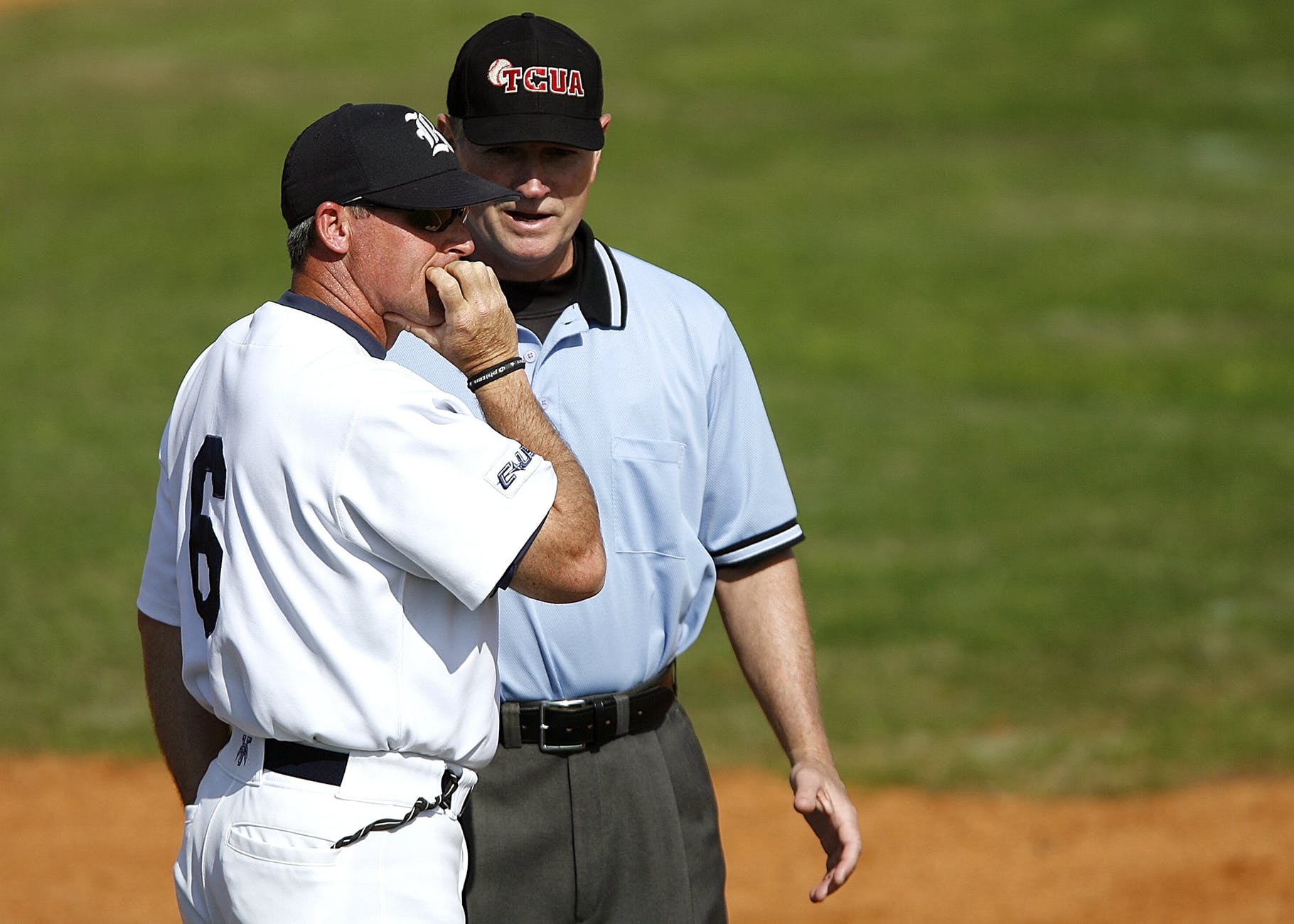
Baseball season is off to a great start! I love baseball, and I love word-play, so it’s probably no surprise that I really love the Abbot and Costello routine, “Who’s on First?” (watch here)
The idea behind the famous routine is that Abbot is trying to explain the positions on the baseball team, but the players’ names lead to all sorts of needless confusion. You don’t really have to know a lot about baseball to be entertained by the comedy routine, but the more you do know, the funnier it gets. Baseball depends on coordinated team effort– knowing who is playing where can make the difference between spectacular plays and disasters– both offensively and defensively. But as much as I would love to talk about both baseball and comedy today, I really want to use baseball as a metaphor for prayer.
Prayer is very personal, especially confessional prayer, but often it is also communal and a coordinated team effort. Every player (pray-er) wants to play our best, and we are gifted for certain positions on the “team.” Some of us are great at pop-ups– catching people “in the moment” and praying with them, sharing their burdens and joys with concise sentence prayers. Some are sluggers– prayer warriors who “knock it out of the park.” Some are outfielders, patiently persistent in praying for the lost, and ready to chase down a line drive or jump up to make the save. Some are basemen– praying to keep the enemy from gaining ground, or catchers, defending home base from all attempts to score. Some are good at bunting–providing the necessary support and sacrifice so that someone else can advance. And some are master pitchers–crafting prayers that strike out or even shut-out the enemy. Our coach, our mascot, our general manager and MVP? The Almighty, Triune God! He knows our strengths, weaknesses, and how we can improve our performance and standing. He also wants to help our team become closer and stronger. After all, baseball is wonderful, but Christian living is even better– it has eternal consequences!
When we ask, in relation to prayer, “Who’s on First,” we need to remember a few things:
Always listen to the coach!
Remember you are not alone.
PRAY to win!
Look out for and support your teammates.
Each inning is a new beginning– don’t live in the last inning.
Don’t let the current score determine your play.
Don’t let the other team’s players or their fans take you “off your game.”
(Spoiler alert)– We are the champions!
Let’s get suited up and ready to take the field for today’s game…after all, you or I may be on first!
So many times my prayers do not reflect a grateful heart, but a needy one. Giving thanks is easy in those miraculous moments, and those special times of reflection and rejoicing. It is not so easy during times of stress, suffering, and waiting.
God blesses those who are “poor in spirit”; he is close to the broken-hearted, the weary, and the afflicted. Yet he asks us to give thanks always and in all circumstances. Many people see this as unreasonable, egotistical, and tyrannical on the part of God– that somehow, he needs our constant and abject praise. But what if this command is for OUR benefit? Let’s break this down:
IN everything– Not for everything. We don’t thank God FOR the death of a loved one, or the loss of a home, or an injustice done to us. But we can and should thank God for being sovereign throughout all the circumstances of life; for conquering death, for providing help and hope in our times of need; for promising both justice when we have been wronged, and grace when we have been unjust in our turn. There is never a time when we CANNOT be thankful–though there are many times when it is difficult, or when we choose not look beyond our pain.
EVERYTHING–Not just the “big” things– everything. We can be thankful for teeth, for dishes to wash, for traffic, for the way the moon hangs in the misty darkness, for a puppy’s eager greeting, for finally understanding our math homework, for the memory of a loved one, for the song that keeps playing in our head. Sometimes it’s not the actual thing, but what it represents that causes gratitude to well up and turn our hearts back to God. If we wait for “something to be thankful for”, we’ll often miss those things right in front of us. GIVE– Giving thanks is an action, not just a reaction. It is a choice; a mindset. We learn to say “Thank you” as children. Our parents pound it into our training as “etiquette” or “manners”, but everyone can tell when a thank you is genuine. Saying “Thanks” is not the same as giving Thanks. Actions speak much louder than mere words, and our choices in the moment are a reflection of our true character and not just “good training.”
THANKS– not just the word, but the concept. Even in my neediest moments, as I pour out a suffering, exhausted, wounded, and broken heart, I do so because I have a God who is THERE– a God who listens, who cares, who never leaves me alone and hopeless. I may feel overwhelmed, abandoned, even battered in those moments. But those awful moments do not define my life, nor do they characterize my walk with God.
This morning, I woke up–a small and underappreciated miracle– I am alive! I opened my eyes– I can see! I looked up and saw a roof over my head–I have shelter! I turned over and got out of bed– I can move! I have a bed, mattress, pillows, sheets…a bedroom! I brushed my teeth and washed my face– running water! Teeth! A toothbrush! A wash cloth! Skin! A bathroom–indoor plumbing! I saw a stack of bills on the table– I have electricity! Heat and air conditioning! A table! Money to pay bills!…I’m writing this on a computer with wireless internet in my apartment! All these things are precious gifts from God. I can be grateful, and give Him the thanks He deserves, or I can choose to ignore the blessings, or take the credit myself.
And what if I wake up tomorrow and I can’t see? What if my blessings all disappear– no house, no running water, no food or internet; no money, no family? Giving thanks is still a choice. I can choose to be thankful for who God is, and for what he has chosen to give me– or I can choose to be angry and envious and bitter. Some of the most grateful people I have ever met are those who have struggled with difficult circumstances– poverty, pain, loss, injustice–and yet they have chosen to look beyond those circumstances to give praise to God. Some of the most miserable people I’ve met are those who choose to look at their blessings with contempt; those who deny God’s goodness and choose to see only what they want but don’t have.
David and I recently closed our store. We had been open for 12 years, and we enjoyed having a business. But times change; our circumstances have changed; the economy has changed, including shopping patterns. After 12 years, this feels like a great loss. Yet, God is faithful. We met a lot of wonderful people, and we were able to provide goods and services to many within our community.
What happens next is uncertain– to us. But God knows exactly what options we have, and we trust that He will give us wisdom as we move forward.
And in everything, we will give thanks. And I’m so grateful that we can offer prayers of praise, of petition, of pain; prayers for people and places and priorities; prayers in the uncertainty, and in the unfolding of what is to come.































 Pursuing Prayer