Not Enough Prayer..

There is a dangerous idea that sometimes appears in Christian circles.  If we are struggling with circumstances, someone, usually with good intentions, will ask us if we have prayed.  Then they may suggest that we haven’t prayed “enough” or that maybe we haven’t prayed the “right” way.

We want to see results– immediate, dramatic, positive results.  It’s what we expect from everything else in life; from the drive-thru fast food place, the vacation resort, weight loss program, graduation, manicure, even marriage.  When results are not evident, or slow in coming, we think we can and must do something to speed up the process.  We begin looking around for what else we can try– what else we “should have” done– to get the results we want.  We even say to ourselves that God wants more from us before he will provide blessing or healing or a breakthrough.

But that’s not always the case.  God makes everything good–IN HIS TIME.  He has the power to bring about immediate change, but he frequently chooses to walk with us through the times of stress and shadows, when we can’t see the end from the beginning, and we are tempted to turn back or doubt.  He doesn’t do this because he enjoys seeing us go through struggles, but because he knows that we learn to lean on him, to trust him, and to find our strength in him by traveling the narrow road.

13423899_10206741318640863_20981142957496268_n

Our prayers need to focus on God’s love and faithfulness.  He knows our need, sees our situation, and hears our prayers.  Our job is to know His word, look for his hand in our situation, and listen for his counsel as we trust him.  We should not grow weary of praying or give up in our efforts.  But neither should we doubt God’s wisdom or try to manipulate his timing with empty gestures or endless repetition.

Sometimes, we may find that God changes our desires, or opens our eyes to habits we need to change or worries we need to give over to him.  Hear out those well-meaning folks–some of them may carry God’s wisdom.  But in the end, our prayers– our life’s struggles and triumphs– are in God’s hands, not theirs.  It’s not the quantity or the quality of your prayer that makes the difference.  It’s the perfect love and timing of God.

Remember that even Jesus prayed in the Garden of Gethsemane– he prayed with so much intensity that he sweat blood drops.  He prayed more than once that God might let the burden of death and separation pass from him.  It wasn’t that Jesus didn’t pray “enough”, or that his prayers weren’t valid.  It wasn’t that God didn’t listen or care about his own son.  But God sent the assurance that Jesus needed to end his prayers with “Thy will be done.”  So it should be with our prayers.

pexels-photo-576926.jpeg

Why Do I Pray?

I pray every day. But why? There are short, glib answers– “Prayer works,” or “The Bible tells me to.” Or I could say that it’s just a “good” habit, or that it “does something” for me. But prayer is more complex than that. I can give a lot of generic reasons for someone to pray. I can list (and have listed) many benefits of regular prayer. But what are my personal reasons for praying?

Prayer does “do something” for me– lots of somethings. Not every time; not always in the same measure, but prayer can:

  • Put me in a better mindset; it changes my focus and my attitude. When I pray, the world around me shrinks, along with all the worries and distractions it presents. Instead, I begin to focus on “God” things– the metaphysical reality that I am not the center of the universe, and my limited understanding is not enough to navigate life in its fullest sense. Jesus offers “abundant life” (See John 10:10)– life to the full. And prayer ignites that, taps into that, and lifts me from futility and confusion to meet with One who sees the end from the beginning.

  • “Recharge my batteries.” Prayer, meditation, “quiet time”– they are all similar, and they all have a physical benefit. Spending time in prayer can lower blood pressure, promote clearer thinking, and increase a person’s ability to withstand stress. Prayer can improve mood, but it can also improve the body’s ability to fight off depression, infection, and other stress-related issues. This is very personal for me, because I have struggled with stress and depression at various times in my life, and prayer can calm me, help me to change negative thought patterns, and endure hardship better than anything else. (Please note this does not mean that I don’t also need to do other things– proper diet, plenty of sleep, hydration are all necessary. Some people may require medication– prayer is not a substitute for good health advice, rather it is an integral part of being physically and spiritually healthy.)
  • Deepen my faith. God doesn’t always give immediate and clear answers to my prayers. In fact, it may feel sometimes as though He has forgotten me. So why continue to pray? Because God DOES answer prayer. Often, He answers in surprising and unexpected ways. Sometimes His answers come so slowly, so subtly, that I might miss them– if I weren’t keeping track. This is one of the great benefits of keeping a prayer journal or diary…I will often see an old entry, one that I had given up on or forgotten, and realize that God answered it weeks ago without any startling revelation or dramatic rescue. If I only pray when I expect God to do the impossible immediately, I may miss the development of something even more amazing that I imagined!

  • Become a vital part of my discipleship. Being a disciple literally involves discipline…I can’t say that I follow Christ part-time. Ignoring daily habits, like prayer and Bible study; failing to make time for fellowship with others; depending on my feelings instead of God’s Truth to guide my life– is hypocritical. Also, prayer should open my heart and mind to others who need to BE discipled. And this leads me to another benefit…Prayer can
  • Help me develop empathy for others. As I pray for others, I learn more about the struggles they face; I learn about their deeper needs. For instance, I may begin praying for someone with a chronic illness to be healed. And that is good. But as I pray for them daily, I learn that along with healing, they desire help with everyday chores that they can no longer do, or they need support and encouragement. Maybe they need rides to doctor appointments and tests. If I am praying for someone struggling with past mistakes or addictions, I learn to see with eyes of compassion and encouragement, rather than judgment and self-righteousness. It’s not just about praying for the “big” needs but learning to pray for (and find ways to help with!) intermediate needs as well. Finally, prayer can…
  • Remind me that I am never alone! I don’t pray to a brick wall, nor do I pray in a vacuum. I LOVE meeting with our local prayer group every week. I love hearing the others pray. I love being reminded that God listens to my prayers– The Father listens; The Son is my intercessor; The Spirit translates even my groans and mumbles–God delights in hearing from me! (See Zechariah 3:17; Hebrews 13:5; others)

So, Yes, I would say that “Prayer works.” But not in the sense that I can show that God has answered my requests exactly how or when I wanted. There are prayers I have prayed for most of my life that have not been answered “my way” yet. Reckoning with hurtful words and deeds from my past; family members who still haven’t accepted Christ; friends who are still facing the consequences of sinful life choices; situations and circumstances that I would like to see changed. And I don’t have any jaw-dropping evidence that my prayers can cure cancer or end world hunger or make my life problem-free. Quite the opposite. But I DO have evidence that Prayer has made a difference in my life; that I HAVE seen lives changed in ways that are impossible to explain away; that prayer is worth pursuing.

And that is why I pray.

Who’s on First?

Baseball season is off to a great start! I love baseball, and I love word-play, so it’s probably no surprise that I really love the Abbot and Costello routine, “Who’s on First?” (watch here)

The idea behind the famous routine is that Abbot is trying to explain the positions on the baseball team, but the players’ names lead to all sorts of needless confusion.  You don’t really have to know a lot about baseball to be entertained by the comedy routine, but the more you do know, the funnier it gets.  Baseball depends on coordinated team effort– knowing who is playing where can make the difference between spectacular plays and disasters– both offensively and defensively.  But as much as I would love to talk about both baseball and comedy today, I really want to use baseball as a metaphor for prayer.

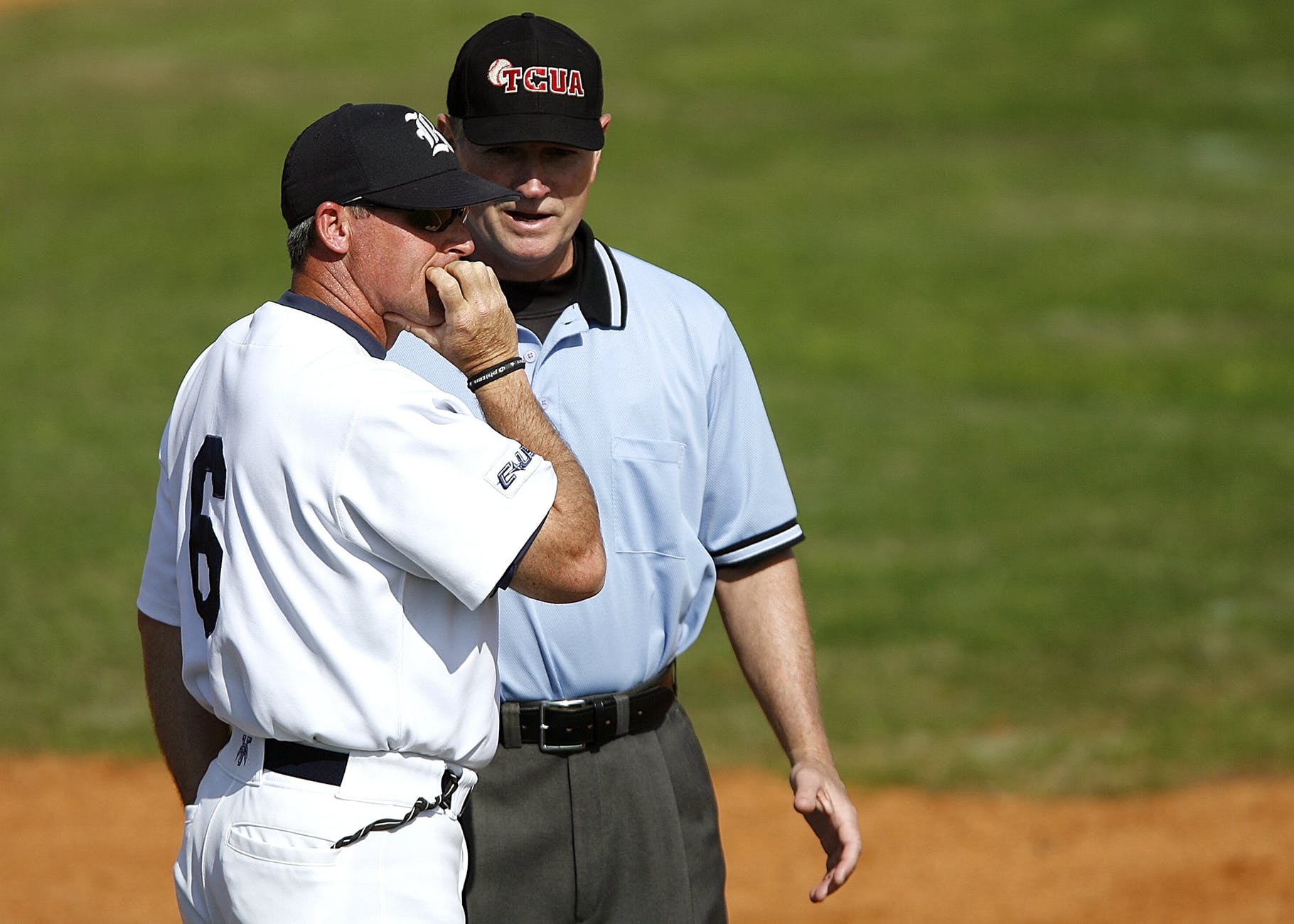
baseball-substitute-bench-hands-48151.jpeg


Prayer is very personal, especially confessional prayer, but often it is also communal and a coordinated team effort.  Every player (pray-er) wants to play our best, and we are gifted for certain positions on the “team.”  Some of us are great at pop-ups– catching people “in the moment” and praying with them, sharing their burdens and joys with concise sentence prayers.  Some are sluggers– prayer warriors who “knock it out of the park.”  Some are outfielders, patiently persistent in praying for the lost, and ready to chase down a line drive or jump up to make the save.  Some are basemen– praying to keep the enemy from gaining ground, or catchers, defending home base from all attempts to score.  Some are good at bunting–providing the necessary support and sacrifice so that someone else can advance.   And some are master pitchers–crafting prayers that strike out or even shut-out the enemy.  Our coach, our mascot, our general manager and MVP?  The Almighty, Triune God!   He knows our strengths, weaknesses, and how we can improve our performance and standing.  He also wants to help our team become closer and stronger.  After all, baseball is wonderful, but Christian living is even better– it has eternal consequences!

pexels-photo-260998.jpeg

When we ask, in relation to prayer, “Who’s on First,” we need to remember a few things:

  • Always listen to the coach!
  • Remember you are not alone.
  • PRAY to win!
  • Look out for and support your teammates.
  • Each inning is a new beginning– don’t live in the last inning.
  • Don’t let the current score determine your play.
  • Don’t let the other team’s players or their fans take you “off your game.”
  • (Spoiler alert)– We are the champions!

Let’s get suited up and ready to take the field for today’s game…after all, you or I may be on first!

In Everything Give Thanks

So many times my prayers do not reflect a grateful heart, but a needy one.  Giving thanks is easy in those miraculous moments, and those special times of reflection and rejoicing.  It is not so easy during times of stress, suffering, and waiting.

God blesses those who are “poor in spirit”; he is close to the broken-hearted, the weary, and the afflicted.  Yet he asks us to give thanks always and in all circumstances.  Many people see this as unreasonable, egotistical, and tyrannical on the part of God– that somehow, he needs our constant and abject praise.  But what if this command is for OUR benefit? Let’s break this down:

IN everything– Not for everything.  We don’t thank God FOR the death of a loved one, or the loss of a home, or an injustice done to us.  But we can and should thank God for being sovereign throughout all the circumstances of life; for conquering death, for providing help and hope in our times of need; for promising both justice when we have been wronged, and grace when we have been unjust in our turn. There is never a time when we CANNOT be thankful–though there are many times when it is difficult, or when we choose not look beyond our pain.


EVERYTHING–Not just the “big” things– everything.  We can be thankful for teeth, for dishes to wash, for traffic, for the way the moon hangs in the misty darkness, for a puppy’s eager greeting, for finally understanding our math homework, for the memory of a loved one, for the song that keeps playing in our head.  Sometimes it’s not the actual thing, but what it represents that causes gratitude to well up and turn our hearts back to God.  If we wait for “something to be thankful for”, we’ll often miss those things right in front of us.
GIVE– Giving thanks is an action, not just a reaction.  It is a choice; a mindset.  We learn to say “Thank you” as children.  Our parents pound it into our training as “etiquette” or “manners”, but everyone can tell when a thank you is genuine.  Saying “Thanks” is not  the same as giving Thanks.  Actions speak much louder than mere words, and our choices in the moment are a reflection of our true character and not just “good training.”

THANKS– not just the word, but the concept.  Even in my neediest moments, as I pour out a suffering, exhausted, wounded, and broken heart, I do so because I have a God who is THERE– a God who listens, who cares, who never leaves me alone and hopeless.  I may feel overwhelmed, abandoned, even battered in those moments.  But those awful moments do not define my life, nor do they characterize my walk with God.

This morning, I woke up–a small and underappreciated miracle– I am alive!  I opened my eyes– I can see!  I looked up and saw a roof over my head–I have shelter!  I turned over and got out of bed– I can move!  I have a bed, mattress, pillows, sheets…a bedroom!  I brushed my teeth and washed my face– running water!  Teeth!  A toothbrush!  A  wash cloth! Skin!  A bathroom–indoor plumbing!   I saw a stack of bills on the table– I have electricity! Heat and air conditioning!  A table!  Money to pay bills!…I’m writing this on a computer with wireless internet in my apartment!  All these things are precious gifts from God.  I can be grateful, and give Him the thanks He deserves, or I can choose to ignore the blessings, or take the credit myself.

And what if I wake up tomorrow and I can’t see?  What if my blessings all disappear– no house, no running water, no food or internet; no money, no family?  Giving thanks is still a choice.  I can choose to be thankful for who God is, and for what he has chosen to give me– or I can choose to be angry and envious and bitter.  Some of the most grateful people I have ever met are those who have struggled with difficult circumstances– poverty, pain, loss, injustice–and yet they have chosen to look beyond those circumstances to give praise to God.  Some of the most miserable people I’ve met are those who choose to look at their blessings with contempt; those who deny God’s goodness and choose to see only what they want but don’t have.

David and I recently closed our store.  We had been open for 12 years, and we enjoyed having a business.  But times change; our circumstances have changed; the economy has changed, including shopping patterns.  After 12 years, this feels like a great loss.  Yet, God is faithful.  We met a lot of wonderful people, and we were able to provide goods and services to many within our community.  

What happens next is uncertain– to us.  But God knows exactly what options we have, and we trust that He will give us wisdom as we move forward.

And in everything, we will give thanks.  And I’m so grateful that we can offer prayers of praise, of petition, of pain; prayers for people and places and priorities; prayers in the uncertainty, and in the unfolding of what is to come.


Peace on Earth

Christmas is a joyful season– for most people. And it is a giving season; a busy season; a bright and noisy season. But for most of us, it is NOT a peaceful season. Our small city had a lighted parade earlier this month It was festive and bright; there were a lot of happy people cheering on marching bands, floats, dancers, decorated fire engines and tractors, horse-drawn carriages, and other entries. People were eating, drinking hot cocoa, enjoying the entertainment, and even singing carols. The whole downtown was decorated with brilliant lights and banners and festive plants. But before the parade started, and after it ended, there were angry drivers trying to find (or leave) parking spots, bawling toddlers, rowdy people who had more to drink than just the cocoa, and several others who were just tired, and cold, and overstimulated.

While parades and festivities, parties and pageants have become part of the seasonal celebrations in many parts of the world, they are not what Christmas is really about. Jesus did not come to the world to bring “fun.” He did not come to bring toys or games, parties or feasts. He did not come to bring cheerful songs and fragrant holiday decorations, or hot cocoa and cookies. The angels who announced His arrival did not bring good tidings of candy canes, flying reindeer, or twinkle lights.

We sing about “Peace on Earth.” We talk about it, send greeting cards about it, and pray for it. But what do we MEAN when we talk about Peace on Earth, Good will to Men (Humankind)? For many, it is a wish or a prayer that wars would end, or that the petty differences between rival political factions or even rival churches would end. We speak of global peace or universal peace– peace between men (and women). And it is good that we should want such peace. But is that really the kind of peace Jesus brought with Him? He didn’t put an end to wars and disagreements during His ministry here. He didn’t “settle the score” for those who experienced oppression– the Roman Empire remained; the tax collectors still took more than their fair share; there was still slavery and abuse; greed and adultery and murder did not cease. And the world has been noisy, and messy, and angry and depressed in the two millennia since. And yet…

There IS peace on earth–it is the profound peace that comes with “Good will to Men.” God’s good will found its ultimate expression in the gift of the Savior. There may still be wars and pestilence, angry drivers, bad hair days, injustice, confusion, grief, and pain among people. But there is power to be at peace in the midst of it all– the power of a Peace that passes all understanding (Philippians 4:7); the power of Peace with God (Romans 5:1).

Jesus came to a world that knew only the rumor of such peace. Even King David– a “man after God’s own heart,” a man who wrote songs about peace and safety and joy in God’s presence–knew this kind of peace as something that had been promised. David could know the immediate peace of God’s forgiveness; he could know the blessings of obedience and the restoration of the joy of salvation (Psalm 51:12). But the everlasting Peace that has been accomplished by the Advent of the Christ– David, Moses, Abraham, and all the prophets had longed to know it; to experience it from within.

And THIS Peace we can experience– not just during the Advent and Christmas Season, but throughout our lives. Chaos, loneliness, grief, separation, injustice– it HAS BEEN defeated. It has no power to separate us from God’s Good Will or from His Loving embrace! The noise and anger and clutter and abuse is still real. We should not ignore it, and we certainly must not contribute to it or sanction it. But we no longer have to live without hope; we no longer have to fret and live in constant fear or defeat.

There is no parade tonight as I write this– there are still lights and occasional noises downtown– a door closing, a dog barking, a car passing. But there is Peace within– no matter how loud or bright, how festive or even forlorn things seem.

But Did I Pray?

I saw you at the store today.
I saw your stressed-out look
And your nervous glances.
I nodded and said, “Hello.”
I didn’t ask about your family–
Your husband’s job search,
Your child’s illness…
I felt so bad for you.

But did I Pray?

She came into my shop yesterday.
She was slurring her words a little
As she tried to focus.
She didn’t meet my eyes.
I was polite to her.
I felt guilty because I was a bit
Relieved when she left.
I wondered if she would be ok.

But did I Pray?

I worked into the night making pies
For the church bake sale.
Peach, cherry, pecan–
Perfect crusts for each one.
I gave my best effort.

But did I Pray?

I got up and wrote my blog for the day.
I spoke of prayer and the need to cry out,
To share my heart in prayer.
I quoted scripture, shared personal anecdotes
And offered suggestions about how to
Start and end the day–

But did I Pray?

Lord, forgive me for the times
I’ve failed to come to You–
In my pride, or in my need,
In my confusion or awkwardness.
In my sorrow, or in my joy.
Help me to seek You FIRST
So I don’t have to think back and ask

Did I Pray?

Childlike or Childish?

This is the week of our local County Fair. People around here are pretty excited. The exhibits, the rides, the animals, the events and attractions, the food, the games…there is a little something for everyone. I love watching the faces of the children– their wonder and excitement is contagious as they see the various farm animals, or ride the Merry-Go-Round, or discover the joys of Cotton Candy and Elephant Ears.

I grew up with the County Fair– not just as a visitor, but as a participant. And I am encouraged to see a new generation showing animals, exhibiting craft projects, learning new skills, and having fun. Some of them will return as 4-H parents; some to work as judges or to volunteer at a booth for local churches, clubs or businesses ; some to visit from out of town with their own children and grandchildren. There is something about a County Fair that is simple and pure–something that can inspire childlike wonder, even in adults.

Childlikeness is something we are called to by Christ. He loved children, and He told His disciples that if they wanted to be part of God’s Kingdom, they would have to become like little children (See Matthew 18:2-4). We are to pray to Our Father, having childlike faith in His good will and His promise to hear us. Childlike faith is not “blind” faith. Children are often frightened by the big animals or loud noises at the Fair. And they tend, (especially small children) to want to hold hands or stay close to those they know. But they also want to see and experience “everything”– because they trust that their parents and the Fair organizers will not put them in jeopardy. A childlike attitude and trust in God brings us the kind of joy and peace we see in children as they discover, rejoice, explore, and enjoy life– especially during Fair week.

This is not to be confused with childishness. While Jesus encouraged His disciples to have childlike faith, He reminded them that the “children of Israel” had often behaved with childish disobedience and complaining. God is a loving Father. He wants children who follow Him out of love, and who trust Him completely. But He will also lovingly discipline those who have developed a childish rebellious streak. I didn’t see much childishness at last year’s fair, but when I did, it was not exhibited by children, but by those who consider themselves adults. Tantrums, selfish demands, complaining about the weather or the crowds or the noise… While the children at the fair were gracious “winners” and “losers” at the shows, patient and content (for the most part) as they waited for rides or food, some of the adults were grouchy, whine-y, and difficult to please. I’m sure I missed a couple of epic meltdowns by toddlers, and some tears from a few exhibitors, but most of the children were just thrilled to be able to go to the Fair again.

It is easy to recognize and call out childish behavior in others. Obnoxious, foolish, self-centered, unreasonable– those are just some of the adjectives such behavior warrants. A childlike attitude is also easy to recognize– eager, grateful, joyful, hopeful, teachable, honest and open, loving and caring. Oddly, I know several adults who sneer at childlike behavior, even as they exhibit childish behaviors. They brag about their very “adult” approach– cynical, “realistic,” confident, “tough,” clever, independent, and self-sufficient. But they are stressed, angry, bored, distrustful, lonely, and sad. Our loving Father wants so much better for us! Being with childish people is tiring and depressing; being around childlike people is refreshing, joyful, and encouraging!

I’ve been thinking this week about my own attitude. The County Fair will come and go this year, but each day comes with wonders and struggles, competitions, waiting in lines, and dealing with crowds. Do I face them with an attitude that is childlike or childish? Do I trust God to be with me when I go through new experiences, even if they are a bit daunting? Or do I complain and demand my own way, expecting to “win” every game or competition, dragging myself and others through stress and tears? Father, help me to see Your world through childlike eyes of wonder and gratitude. Help me to see others with the love and joy You alone can inspire.

What Peace We Often Forfeit

*Note: This was a post from a couple of years ago, but I thought it was worth posting again, as this past week has also been somewhat hectic…

This has not been a “peaceful” week– unexpected changes of plans, setbacks, last-minute opportunities–even the good things have not been restful or without some stress. I’m writing this mere hours before it’s supposed to be published. It’s getting close to midnight, and I’m exhausted. I’ve had writer’s block, and decided to look through an old hymn book for inspiration.

Happening upon an old favorite, I was ready to turn the page– I’ve already used this hymn for inspiration before. But one line caught my eye in a new way:
“O, what peace we often forfeit,
O, what needless pain we bear
All because we do not carry
Everything to God in prayer!”
I’ve sung this hymn dozens, maybe even hundreds of times, and I always focus on the last phrases. I know so well the “needless pain” of not praying. I also know the restlessness and stress of “going it alone” and not seeking God first. But I was struck anew by the phrasing.

Most of us would say that we are seeking peace, not asking for stress or anxiety or worry. We would say that we finally find peace when we pray. But how many of us are aware that we already HAVE peace, and we are losing it or even giving it away when we don’t pray?

What a friend we HAVE in Jesus
All our sins and griefs to bear
What a privilege to carry
Everything to God in prayer
Jesus has already promised us PEACE–“Peace I leave with you; my peace I give to you. Not as the world gives do I give to you. Let not your hearts be troubled, neither let them be afraid.” (John 14:27 ESV) ; “do not be anxious about anything, but in everything by prayer and supplication with thanksgiving let your requests be made known to God.  And the peace of God, which surpasses all understanding, will guard your hearts and your minds in Christ Jesus.” (Philippians 4:6-7 ESV)

Prayer doesn’t just help us find peace, it keeps us from losing peace.

I found that to be true this week–even with the surprises and last-minute changes, I have felt a peace that I can’t explain through ordinary means. It isn’t anything I’ve done differently, or anything about my circumstances. It comes from taking everything to God in prayer. I didn’t have to “find” peace– I never lost it!

What a wonderful privilege!
(And, by the way, the writer’s block I was experiencing evaporated as soon as I refocused on taking it “to the Lord in prayer!”) It is still before midnight, and I will sleep in peace.

Why Say Grace?

When I was growing up, we always said grace before our meals. It wasn’t an afterthought; it wasn’t an affectation. It was just part of the meal. We sat down, said grace, and started eating. Sometimes, Dad did the honors; sometimes, it was Mom. And sometimes, my sister or I were asked to say it. It was usually something simple, though it wasn’t always the same. We would say grace at home, around our own table, and we would say grace at restaurants– wherever and whenever our family was together for a meal.

Today, my husband and I have the same tradition. We don’t have children in the house, but he and I take turns saying grace, and if one of the grandkids happens to visit, they know they may be asked to take a turn, as well. If David and I are eating out, we still take a quiet moment to hold hands, close our eyes, and say grace. Some times, other diners or wait staff will stare (or glare) or comment, but most of the time, they don’t even notice.

So why do we do it? Is it no more than force of habit? Are we just “holier” than other diners? Do we really think it impresses God if we say grace, or that God will be angry if we don’t say it?

No. But we believe saying grace is important. Here are some reasons why:

  • Grace is about gratitude. In our busy lives, it can be tempting to take things for granted– even things like food and family. We are BLESSED to have food to eat, and family with whom to share it. We are blessed when we go out to eat to have others cook and clean up for us. We are blessed whenever our family or neighbors can share a meal with us. God is a loving and gracious God, and grace is a time to remember our blessings.
  • Grace slows us down for just a minute to REMEMBER who we are, and who God is! All our blessings– including food and family and time to share them– come from God. Grace reminds us to be humble as well as thankful. It reminds us to see God’s hand at work in even the smallest and most mundane happenings in our lives. And it reminds us that God is faithful in all things, big and small.

  • Grace also helps us to remember to thank the people involved in our meals– the ability to buy groceries; the work it takes to prepare our food; friends and family who share our meals; neighbors who have given or traded with us for food; the cooks and wait staff that serve us at restaurants. Saying grace helps us SEE how we are interconnected; how we depend on God and on others in every area of our lives.
  • Grace gives us the opportunity to lift up our immediate worries and give them to God, instead of holding on to them. Grace is more than just a quick word about food. It is a time for us as a couple (or a family) to pray together about worries that are on our minds. Then, instead of being stressed as we eat, we can stay “in the moment” with each other, and enjoy mealtime together! It’s also a great way to share our thoughts, feelings, and concerns in a safe and informal environment. How much better mealtime is when stress and frustration are diminished, and joy and peace are given a seat at the table, instead!

Saying grace is much more than just a quaint habit from a bygone era. It is a vital part of our growth as individual Christians, and as a Christian couple. I believe it is a simple and quiet witness to others. I believe it has benefits for our digestion, our attitudes, and our emotions, as well.

Grace– not just the mealtime prayer, but the concept of Grace– is not loud or showy. It is, however, consistent, lovely, and powerful. May we say grace; may we show grace; may we live in the power of Grace today!

Miss Whitcomb

When I was in seventh grade, I had a teacher named Miss Whitcomb. She was notorious throughout the school system as the “toughest” teacher we would ever have. She was ruthless. She demanded absolute quiet, she did not grade “on a curve,” and she never smiled. She had an ongoing war with grape-flavored chewing gum and students who were three seconds late for class. She gave impossible assignments and offered little in the way of help, comfort, or guidance. She had a point system for behavior, and most students ended up earning detentions. Everyone dreaded her class. Many normally confident and competent students failed her class. They worried themselves into sleepless nights and second-guessing their own abilities.

I suffered through two years of Miss Whitcomb’s classes. I had her for American History, English, and introductory drafting class. She was exacting and frustrating. But I learned a lot. Her assignments often seemed impossible, but some of them were creative as well as challenging. I never learned to love Miss Whitcomb’s class, but I learned to survive it– and, while I can’t say I learned to like her, I learned to respect her.

Years later, I returned to my home town as a teacher. And Miss Whitcomb was my colleague. A new generation of students were suffering under Miss Whitcomb’s impossible demands, and many were sure they could petition the school administration to get her fired. They came to me seeking support. I wouldn’t give it. I told them I remembered how difficult her classes were, but that I felt that it was important that they experience tough teachers, like Miss Whitcomb, because they would often experience tough bosses or professors, and tough situations as adults; learning to survive Miss Whitcomb’s class would give them practice for tough times in the future. And I suggested that they look at her classes as a challenge to be faced, rather than a punishment to be feared.

I had a difficult time understanding why Miss Whitcomb was so “tough.” But I got an insight from an unexpected event. A group of high school students were going on a field trip to see the hit musical, “Les Miserables” at a local university theater. They needed chaperones, and I agreed to come, as it was a wonderful chance to see a national touring company perform a terrific play. Surprisingly, Miss Whitcomb also came as a chaperone. I never thought of musicals as “her thing,” but she had decided to give it a try. Of course, the students were terrified of her, and she ended up sitting on the far side of the group (but it was a much quieter ride up to the campus!)

The play was magnificent, but Miss Whitcomb was very disturbed by it. The next day, she tackled the teacher who had organized the trip to complain. Her complaint was not with the students or the performers. It was about the story itself! She was somewhat familiar with the novel’s plot, but seeing it “live,” she was bothered by the character of Javert, and his pursuit of the main character, Jean Valjean. In the story, Javert has spent the better part of 25 years tracking Valjean, an escaped convict. When he finally finds him, Valjean ends up saving his life. Javert cannot reconcile that the “criminal” he has been looking for– his enemy– has saved him. Miss Whitcomb so identified with Javert, that she found the story untenable.

Why was she so upset? Because Javert was “righteous.” He represented the law. His quest was legal–his foe, Valjean, HAD escaped from prison. He had every “right” to pursue him and force him to complete his extra sentence (Valjean had completed his original term). But Javert was the one, in the end, who needed to be saved. And Valjean, who had every reason to let Javert die, risked his life to save his arch-enemy. This was not how Miss Whitcomb viewed life. The righteous should be the saviors; the guilty should be punished, not celebrated. Miss Whitcomb understood right and wrong– but she had no room for grace or forgiveness.

There is a Bible verse that has always caused me to be curious. Romans 5:8 is well known– “But God demonstrates His own love for us in this: while we were still sinners, Christ died for us.” But Romans 5:7 says, “Very rarely will anyone die for a righteous person, though for a good person someone might possibly dare to die.” (emphasis added) Paul is making a distinction that Jesus also often made–not everyone who is “righteous” is “good.” In Mark 10, Jesus is asked by a rich young ruler what he must do to inherit eternal life. The young man calls Jesus, “good teacher.” But before Jesus answers the question, he turns it back on the young man. “‘Why do you call me good,’ Jesus asked. ‘Only God is truly good” (v. 18). The rich young ruler does not want to know how to become “good.” He does not want to learn from Jesus. He merely wants to be judged as “good enough” to inherit eternal life. And he believes that he is “righteous” enough to have earned it.

Miss Whitcomb was a dedicated teacher. She was a “righteous” educator. But she never learned (or was able to teach) compassion, humility, or mercy. And that was a lesson her students missed. It is a lesson far greater than knowing U.S. History, or Government, or English grammar. I have heard from some of her adult education students that she was far less harsh with them. I hope this is true. She had a lot to give, and she suffered greatly from her own high standards and lack of compassion in relation to her younger students. I believe she had “good” intentions– that she believed her high standards were “right” and that any show of mercy was a weakness. But she missed out on so much– so many students who might have liked her better, and learned more from her–by putting righteousness ahead of mercy.

Photo by Ivan Samkov on Pexels.com

We serve a God who is BOTH– completely HOLY and Good, and Righteous, as well as merciful, gracious and compassionate. God forgives us without lowering His standards. He sent His Son to save us– While we were yet sinners! Romans 5 continues, “ Since we have now been justified by his blood, how much more shall we be saved from God’s wrath through him! For if, while we were God’s enemies, we were reconciled to him through the death of his Son, how much more, having been reconciled, shall we be saved through his life!” (Romans 5:9-10) We don’t have to be terrified of God. We don’t have to be constantly reminded of our past guilt and shame. We don’t have to fear that we will “fail” to please God if we choose to follow Him.

Blog at WordPress.com.

Up ↑