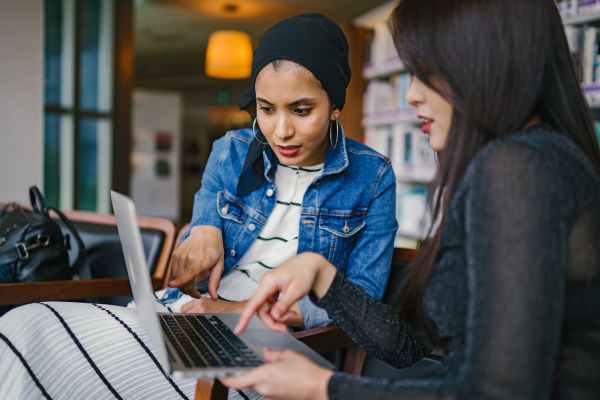

I read an on-line article the other day https://www.verywellhealth.com/perils-of-using-the-internet-to-self-diagnose-4117449 about people using the internet to find medical information, rather than seeing a doctor. The article focuses on self-diagnosis, and the dangers of using only on-line sources to diagnose and treat a chronic medical condition. But I was astonished to note that over two-thirds of American adults (according to various studies) are using the internet to get at least some of their medical advice, and many of them prefer to get their medical information in this way. Why is this?
I think there are several factors, many of which are not discussed in the article:
- Convenience–The internet is easy, quick, and convenient. I can look up medical terms, symptoms, treatment options, find testimonials and comparisons of various medications and procedures all at the touch of a few buttons, all from the privacy of my own home. I can stay in my pajamas!
- Cost (in both time and money)– I can save hours of sitting in waiting rooms and thousands of dollars by seeking help from the internet. I don’t need to “waste” time or money on multiple appointments in multiple locations with multiple specialists. I don’t need to spend more on medication if the internet offers alternative treatments.

- “Confirmation Bias”– the article does discuss the idea that using the internet often helps us achieve a sense that we “know” ourselves better than our health care provider– that the information on the internet can be customized to confirm our already-held beliefs about what is wrong and how to treat it. And we can find on-line groups and sites that will confirm and support whatever we already believe about our health or treatment options, or steer us toward a course of treatment that more closely aligns with our established preferences and habits.
- Community–One of the positive points about using the internet is that we can connect with a community of others who also suffer from similar chronic conditions. We can receive support and advice from people near and far, and connect with resources that would otherwise be unknown to us, given by those who seem to understand and sympathize.
- Credibility–The article does NOT go into much detail about this, but many Americans (and I suspect others) no longer have a blind trust in the medical profession. Even once respected institutions, such as the National Institutes of Health, the Center for Disease Control, and the World Health Organization have lost much of their status and credibility due to their handling of COVID and other recent medical crises. We no longer trust the “experts” to give us the best medical advice. We are looking for someone (anyone) who seems to have a better answer–one that doesn’t require us to trust where we have felt disappointed or hurt.
Of course, this poses danger and risk to anyone who is trying to “go it alone” in their medical journey. We risk getting it wrong and causing more harm– even risking our lives. We may end up spending more time, energy, and money “fixing” the damage we cause by trusting the wrong people, and end up confused, frustrated, and angry at ourselves and everyone else we trusted to help us. Even “support” groups have been known to give false encouragement and even prey on people or families who are struggling with chronic illness.
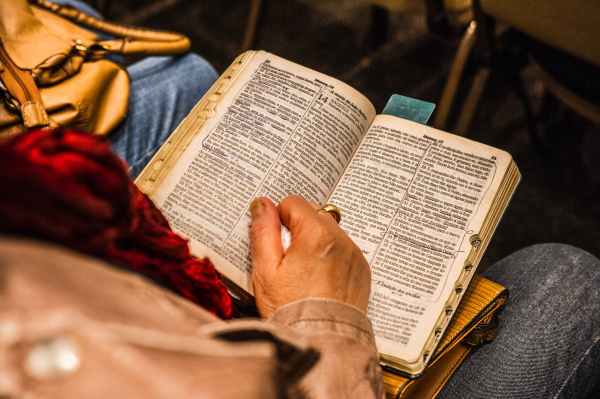
But this article also reminded me that we can risk our spiritual health in the same way– going it alone instead of getting connected to a local church, or substituting on-line articles and blogs (even this one!) for daily personal prayer and Bible study. How does this happen, and WHY?

- Do we find it more convenient to pick and choose our counsel from the abundance of resources available on-line? Do we only want to read or listen to those who tell us what we want to hear? (See 2 Timothy 4:3-5)
- Are we trying to “cut corners” in the cost of being a Christian? Do we find it too much to spend time in church, wrestle with questions, accept correction from others, or ask for help?
- Are we worried about “fitting in” or are we trying to create a “holy huddle” of like-minded people, regardless of our call to be part of the “Body of Christ?” (see 1 Corinthians 12:12-30)
- Have we lost faith in the Church because of past encounters with others, or the attacks of unbelievers? Do we find it easier to “customize” our spiritual life, closing ourselves off from the kind of challenges that cause us to grow, and falling into a comfortable compromise?
The internet can be a wonderful tool, allowing us to share encouragement, testimonies, warnings, and valuable information globally with a few keystrokes! But it is not without risks. Ultimately, we need to trust, not the makers of websites, or the self-proclaimed “experts” of the world, but in the Sovereign God– the Maker of Heaven and Earth, the one who holds the future of our health (both physical and spiritual) in His Almighty Hands!
Trust in the LORD with all your heart and lean not on your own understanding;
Proverbs 3:5-6 (NIV)
In all your ways submit to Him, and He will make your paths straight.
I lift my eyes toward the mountains.
Psalm 121:1-2
Where will my help from from?
My help comes from the LORD,
The Maker of heaven and earth.

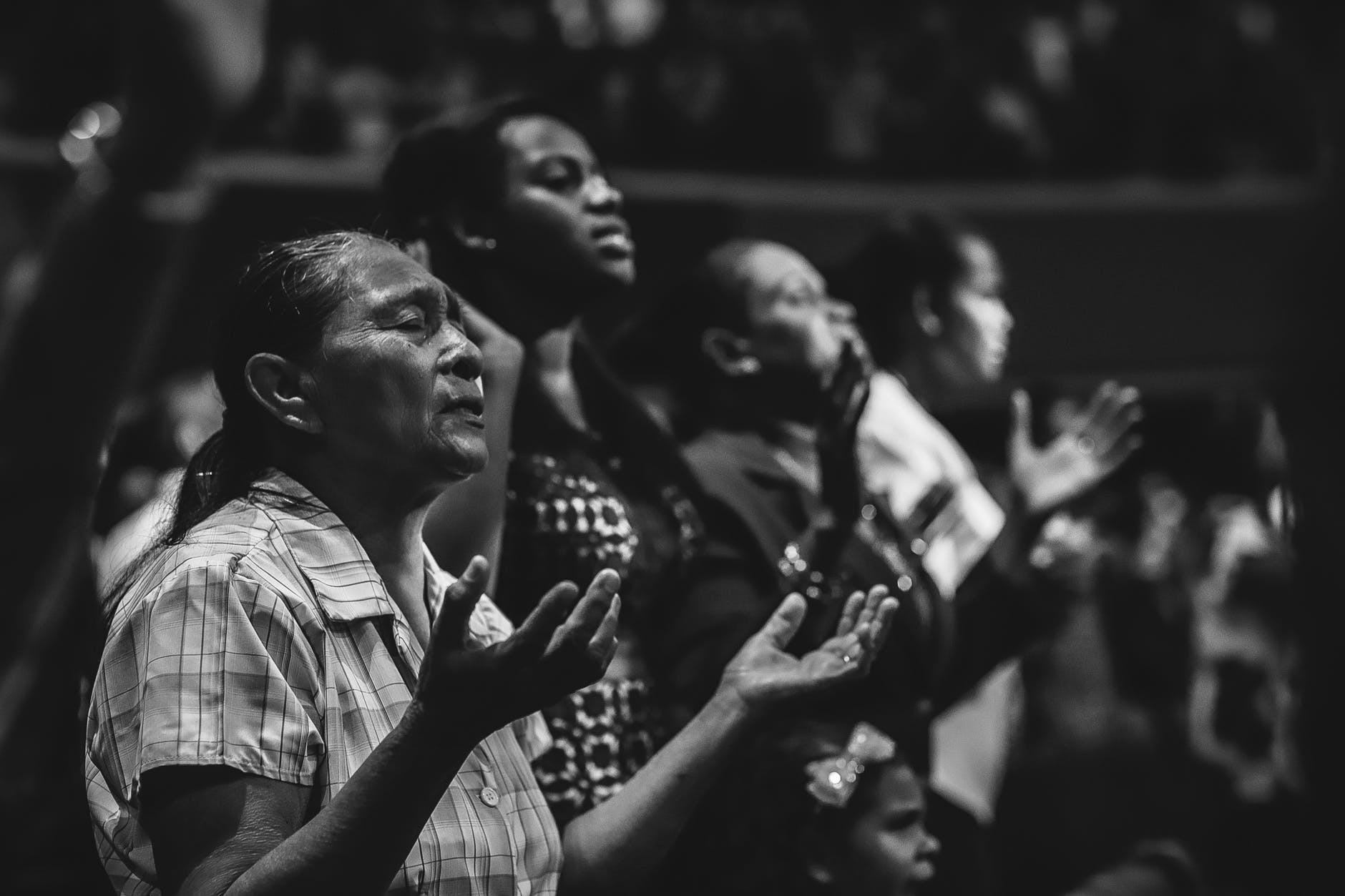
My prayer today is that we would look beyond the mountains of information we find on the internet, and fix our sight and our trust in God for our daily bread, our health, and our future. May we rely on His wisdom to help us seek the right counsel, and to learn, even from our sufferings, that His Presence and His Promises are eternal, sufficient, and sure!




 Pursuing Prayer