Treetop Prayers

There is a zoo, about an hour from my house, where you can climb up on a platform at certain times of the day, and feed giraffes.  Since giraffes are not native to the American Midwest, this is probably the closest I ever have come, or ever will come, to a live giraffe, and I have enjoyed the opportunity to interact with this unique member of God’s creation.

Giraffes are grazers, but their unique bodies are not best designed for munching on grass or other low-lying plants.  Instead, their focus is on the tops of trees and tall bushes.  For me to feed a giraffe, I need to be at the level of the tree branches.  And it changes my perspective.  I’m no longer paying attention to ants and blades of grass.  I can see landscapes and clouds for miles stretching out around me.  Not a bad view at all!

pexels-photo-772662.jpeg

Yet giraffes are still grounded–they do not soar like eagles, above all the clouds and unattached to the earth.  Giraffes must still be on guard and prepared to flee danger from predators or grass fires.  But their unique height and perspective give them a better view to see the danger from far off, and act accordingly.

Sometimes, I think we are called to pray with a giraffe’s perspective–to look up and out and pray from the treetops–a little closer to God and leaving behind the small things of the world.  Lofty prayers of gratitude and praise; prayers that recognize that there is a big world of wonder all around us.  Prayers that look ahead and can see trouble on the horizon; to seek God’s face early and prepare for hard times ahead.

pexels-photo-235734.jpeg

This doesn’t mean that we will always be in a place to pray treetop prayers. Sometimes, we need to pray from the depths. There are days when we cannot lift our eyes without help from the very God to whom we pray. But we are called to walk THROUGH the valleys, not to stay in them! We should feel confident that God will still hear us, no matter where we may be.  But the Bible reminds us often that we should look up, ascend, raise our eyes, and change our perspective.

  •  I lift up my eyes to the hills. From where does my help come? My help comes from the Lord, who made heaven and earth. Psalm 121: 1-2 (ESV)
  • Lift up your eyes and look to the heavens: Who created all these? He who brings out the starry host one by one and calls forth each of them by name. Isaiah 40:26
  • Since, then, you have been raised with Christ, set your hearts on things above, where Christ is… Set your minds on things above, not on earthly things. Colossians 3: 1-2
  • But as for me, I watch in hope for the Lord, I wait for God my Savior; my God will hear me. Micah 7:7
  • So we fix our eyes not on what is seen, but on what is unseen, since what is seen is temporary, but what is unseen is eternal. 2 Corinthians 4:18
  • “Surely then you will find delight in the Almighty and will lift up your face to God.” Job 22:26
  • “But you, Lord, are a shield around me, my glory, the One who lifts my head high.” Psalm 3:3

I plan to take some time today for treetop prayer.  Will you?

Be Still and Know…

Psalm 46
For the director of music. Of the Sons of Korah. According to alamoth. A song.
God is our refuge and strength,
    an ever-present help in trouble.
Therefore we will not fear, though the earth give way
    and the mountains fall into the heart of the sea,
though its waters roar and foam
    and the mountains quake with their surging.
There is a river whose streams make glad the city of God,
    the holy place where the Most High dwells.
God is within her, she will not fall;
    God will help her at break of day.
Nations are in uproar, kingdoms fall;
    he lifts his voice, the earth melts.
The Lord Almighty is with us;
    the God of Jacob is our fortress.
Come and see what the Lord has done,
    the desolations he has brought on the earth.
He makes wars cease
    to the ends of the earth.
He breaks the bow and shatters the spear;
    he burns the shields with fire.
10 He says, “Be still, and know that I am God;
    I will be exalted among the nations,
    I will be exalted in the earth.”
11 The Lord Almighty is with us;
    the God of Jacob is our fortress.

When I am tempted to fret or worry, I like to read through Psalm 46. I love the way the psalmists use hyperbole to shrink fear and maximize faith– God is an “ever-present help”, we will not fear, “though the earth give way, and the mountains fall into the heart of the sea”, “He lifts his voice, the earth melts!” And I love that the phrase is repeated– “The Lord Almighty is with us; the God of Jacob is our fortress.”

There is so much to unpack in just 11 verses of psalm! But I want to stick to two that always stand out to me.

First, the phrase, “the God of Jacob.” God is the God of Abraham, Isaac, and Jacob. He is the God of Moses, the God of Israel, the God of David…His titles are many. But in this case, He is the God of Jacob. NOT the God of Israel– even though God changed His name. No, He is the God of Jacob– the “heel grabber,” the son who stole his brother’s blessing and tricked his brother out of his birthright– the same Jacob who fled his homeland and worked for twenty years for his duplicitous uncle Laban. This is not the God of the victorious, but the God of those who have had to learn the hard way. He is the God of the one who has acted unjustly, and the God of one who has been treated unjustly. He is the God of the one who wrestles and demands a blessing, the God of the second son, the disappointed husband, and the grieving father. THAT is the God who is with US when we are in trouble and feeling overwhelmed by our own past mistakes, or our own inadequacies, or our unfair circumstances.

Secondly, the phrase “be still and know that I am God.” This same God who wrestled with Jacob, who blessed him in dramatic fashion, was the God who was with him through all the long and lonely night watches as a shepherd. Jacob, with his two wives, their two servants, and all thirteen or more of his children (12 sons and at least one daughter, Dinah)–spent a lot of his time surrounded by noises, nagging, responsibilities, and discord. Yet he took time to ‘be still.” And, though it took many years, and often came “the hard way,” Jacob did learn to “know” his God. He learned to trust that God would protect him, guide him, and bless him– and the generations that would follow him!

I am so grateful for this Psalm to remind me of God’s everlasting presence, His power to save and protect, and His sufficiency for every circumstance in my life. I’m so glad that the “God of Jacob” is the same God who sees me, loves me, and rescues me. I’m humbled to know that I don’t have to be clever enough or brave enough, or “righteous” enough to earn God’s help. I’m glad that the Lord Almighty is always with me. (see Hebrews 13:5) However, I still struggle to “be still and know…” I want to know by doing; by studying and making things happen. But to know God– to really know Him– I have to be still, to wait in silence and anticipation, to trust in what I cannot see and cannot do in my own power. I have to know Him as the Almighty, Omnipotent, Sovereign God that He is, rather than a God of my own imagination or the God I hear about or read about from someone else.

What a mighty God! The God of Jacob is MY fortress! And in stillness, meditation, and trust, I can KNOW Him!

The Unchanging God

A few days ago, we had to reset all our clocks for “daylight savings time.” This is an artificial construct whereby we pretend that seven o’clock is really eight o’clock for several months in an attempt to “gain” more daylight hours. Several months from now, we will “move the clock back” to its “real” time. We talk about a “lost” hour which will be “regained” in the fall, but time is constant. There are still 24 hours in each day throughout the year. We are simply playing a game with time.

We live in a time of great changes. Whether it’s a “time change”, a change of government officials, climate changes, technological changes, and even physical changes as we age, we must learn to “roll with” and adapt to the many changes around us.

God does not change. All the changes in our life can leave us confused, frightened, agitated, and even angry. But God is constant. His love is constant. His nature does not change. His Word does not change. He is the same yesterday, today and forever (see Hebrews 13:8). We can trust Him to do what He has said He will do. We can rely on Him to be the same, regardless of the changes around us; regardless of the changes within us; regardless of our circumstances, our reactions, our failures, and our best efforts. Other people will let us down. Their love may be conditional or fleeting. Their promises can be broken. And the fact that we are so hurt by broken promises and sudden changes points to the reality of the unchanging God, and of our need for Him.

It can be tempting, with all the change around us, to doubt God’s faithfulness; to wonder, or even wish, that He, too, might change. Sometimes, we want Him to “bend” to fit in with our own desires, or to fit in with our society and culture. Surely, if the majority of our culture has changed, we believe that such change equals growth. We look at the past with disdain. “We just didn’t know better, then,” we say. And surely, if we know better now, God will recognize our new thoughts and attitudes as a positive change– in fact, God will change to fit our new awareness, our “better” way of thinking.

But that is not how it works. There are millions who believe that the “bad” days of slavery are behind us; others believe that the “legacy” of slavery is the greatest problem of our age. All without acknowledging that there are still millions of people who are enslaved– victims of the sex trade, victims of organ harvesting, victims of debt and war–even in our “modern” world. Abortion-on-demand still slaughters millions of human beings every year–in spite of our culture’s acceptance, and even championship of abortion as a “woman’s right.” Hundreds of thousands of young people are being mutilated because of our society’s growing belief that gender is “fluid” and God is not a good and wise creator.

While God’s unchanging nature can be a great comfort to the believer, it can be a stumbling block for those who listen to the roar of cultural voices, instead of the still small voice of the lover of their souls. And it can mean that Christians face misunderstanding and persecution as we hold God’s truths to be unchanging and unfailingly good.

I am choosing today to be grateful for God’s unchanging nature. I choose to celebrate that His promises are true; that His love never fails; that He is eternally wise; that His compassions are new every morning, and great is His faithfulness! (Lamentations 3:22-23)

Free to Forgive

“Forgive us our trespasses as we forgive those who trespass against us.” (Matthew 6:12)

Imagine being a prisoner and being told that you were free to leave! Now imagine someone refusing to leave their prison cell, and choosing to stay locked up! Why would anyone do such a thing? And yet, there are stories of prisoners who have been freed– some of them found innocent of the crimes for which they were being held–who cannot seem to adjust to freedom.

For some, the issue is legal. Even though they have been exonerated, or have served out their sentence, they still face legal consequences–even if their conviction was overturned, or their sentence fulfilled, they still wear the tag of “convicted felon.” Their record, even if legally overturned, still hangs over their head when they apply for jobs, try to register to vote, or attempt to establish credit. For most, however, the issue is psychological. They still wear the imaginary label, “guilty.” “Not fit for freedom.” “Incorrigible.” And often, society does nothing to remove those labels, but rather reinforces the idea that once found guilty, a person can never redeem their life or legacy.

As Christians, we have been given a full pardon for our sins– regardless of whether we have spent time in a physical prison or not. We are free! But we can continue to live as though we are in prison– and worse, we can continue to put ourselves in a prison of unforgiveness toward others.

“If we confess our sins, He is faithful and just to forgive us our sins, and to cleanse us from all unrighteousness.” (1 John 1:9) God does not keep us in a prison of guilt and shame. He is faithful to forgive us, redeem us, and renew our mind and spirit. But part of that cleansing involves letting go of our “right” to hold grudges and cling to old hurts and bitterness toward others. God is faithful to forgive US; He is also faithful to act with justice on our behalf. In forgiving others, we are not denying the justice we deserve. And in forgiving us, God does not deny justice to those whom we have hurt!

God wants to give us true freedom– freedom from guilt and freedom from the burden of injustice. HIS shoulders are big enough to offer both– perfect freedom, and perfect justice. We are allowed to be free of both burdens when we trust God to take care of it all. And we are allowed to walk out of the prison of guilt, shame, bitterness, anger, vengeance, pride, self-righteousness, and self-loathing.

Let’s face it– we have all sinned. All of us have said or done things that have hurt others. We may not know the extent of the damage our words and actions have done, just as others may not be aware of how they have hurt us. And “hurting” people often hurt others in reaction. Jesus paid the price for our sins when He offered Himself on Calvary. His sacrifice stops the cycle of “unavenged” hurt.

Sin still continues to hurt us. Forgiveness doesn’t seek to pretend that what happened never happened, or that it didn’t matter, or that our hurt isn’t real and tragic. But forgiveness allows us to walk out of the prison of living with the label “victim” or “convict” that Sin slaps on our forehead or in our heart. It allows us to breathe the free air of God’s grace and the hope of a joyful, productive, courageous future!

Sacrificial Prayer

I call this blog “Pursuing Prayer.” I believe prayer is a pursuit; a discipline that one can learn from, grow into, and practice faithfully in life. But prayer is also a sacrifice. It involves giving of time, space, and honest reflection.

Sometimes, prayer is a willing and joyful sacrifice. I want to come and spend time with My Father in praise and worship, adoration, and even asking for His guidance and wisdom. But sometimes, the sacrifice is hard. I may dread coming to God when I know I have been dishonest or unfaithful. Like any relationship, I cherish the easy times, the relaxing times, and the expectations of challenges met and conquered. I don’t look forward to the hard work, the waiting, or the corrections that God may have for me.

One type of sacrifice that doesn’t belong in the prayer of a believer is the Sin sacrifice. As described in the Old Testament books, the sin sacrifice had to be given to cover over the sins of individuals, priests and even the entire nation. The Israelites even had to give a sin offering for unintentional or accidental sins!

Unfortunately, I sometimes make the mistake of thinking that I must make a similar “sin sacrifice” in my prayer life– that I have to rehearse and recount all my past sins before God will hear me or act on my behalf. And that is NOT Biblical. If we are truly trusting in Jesus’ finished work on the cross, we are not obligated to offer token sacrifices as a means of covering over our past. Christ’s blood IS sufficient! (See 1 John 2:2, 2 Corinthians 5:21,1 Peter 2:24, and Romans 5:9 among others)

So when I talk about prayer of confession, I’m not talking about pouring out long laundry lists of sins I committed last week or thirty years ago. God already knows– in fact He knew about them before they happened!–and He has already forgiven me. That doesn’t mean that He wants me to pretend they never happened or that He doesn’t want me to feel the regret or understand the consequences of what I have done. Instead, He wants me to understand and rejoice in His overwhelming Mercy and Grace! My sacrifice, when I confess my sins, is a sacrifice of praise for God’s willingness to offer what I can never earn or deserve or atone for– complete forgiveness and restoration! I am agreeing with God about who I am and what I’ve done, AND about what He has done for me!

There are other times when prayer can be a difficult sacrifice. Sometimes, I am compelled to pray for those who have hurt me, or those whose actions have hurt others. I am commanded to pray for leaders– that may include church leaders who have sinned, or national leaders who have broken their promises or caused great damage. I am commanded to love my enemies, even if they never repent for things they have done.

Once again, I should be reminded of the sufficiency of Christ’s sacrifice for our sins. He didn’t just die for my Sin; He died for the sins that were committed against me. I may still feel the pain and consequences of that Sin for as long as I live on this earth. But I can trust and be confident that God has dealt with it. And that causes me to rejoice, because I can’t turn back time; I can’t undo the bad things that have happened; I can’t create perfect justice to punish my enemy. But I can let go of the burden of trying to make things “as they should be.” God will do it; He has promised! I can stop wallowing in the “what ifs” or the “what-could-have-beens;” the endless “whys” and “why me’s” that take up so much of my time and focus. Instead, I can leave them as a sacrifice on the altar of prayer, pledging my trust in the Almighty to heal and help me forgive as I have been forgiven.

We don’t practice the old animal sacrifices of the Old Testament. And we don’t have to! But sacrifice is more than just bleeding sheep and burning incense. Sacrifice is offering all of who we are to the One who created us, sustains us, forgives us, and gives us abundant life!

“Sheepish” Prayers

“The Lord is my Shepherd…” (Psalm 23: 1)

How often do I recite this favorite Psalm without really thinking about it? In the words of this Psalm, I am loved, cherished, sustained, and led by Him. But am I in reality? Do I submit to His leadership and guidance? When I pray, am I really coming to meet with my Shepherd, or am I trying to meet with God on some other level or in some other relationship?

I’ve been reading through the first few books of the Bible. I’m in Numbers right now, and Moses is leading the Israelites through the wilderness. The spies have just returned from Canaan, and the people have rebelled against God, weeping and accusing God of leading them to the Promised Land only to have them die in battle with the giants of the land.

I read through this and shake my head, but haven’t I done similar things in my walk with God? I want to avoid the wilderness. I want to walk in the green pastures, but I don’t want to travel through the valley of the shadow of death to get there! I look at obstacles and setbacks as though God were sitting far away, arms akimbo, laughing at my struggles; in reality, He is right beside me all the way, waiting to help me overcome each obstacle and gain victory together with Him. I’m looking at the giants, when He wants me to trust Him for the milk and honey He has promised. I still have to face the giants, and the battles ahead– but I don’t have to face them alone. I don’t have to face them in my own strength, my own limited wisdom, or my limited vision.

But here’s what I am learning as I read through this section of the Bible right now:

God IS with me. He doesn’t leave me or give me anything HE can’t handle. But I have to walk through the wilderness. I have to fight battles. I have to face giants. I have to learn to trust for my daily bread– whether it is manna or money to buy bread–daily. I have to listen to His voice; not impose my plans and ask for Him to bless them.

God doesn’t want me wrapped up or caged: He will not take away my freedom to follow (or NOT follow) Him. And when I wander, He may allow me to wander in circles for a while (hopefully not forty years!), but He will still be right there, ready to lead me when He sees that I am ready to move forward.

He will supply all that I really need– water from the rock, bread from Heaven– not because I have the money or resources, I think I’ve earned, but because He IS my provider. He can part the Red Sea; He can destroy Pharaoh’s armies. He can make the earth swallow up those who threaten me and defy Him. I am safe, even in the wilderness, when I stay close to the Shepherd!

He will counsel and correct me. He will offer forgiveness again and again. He will not leave me lost or unable to return to His side. He will be a “Presence” in my life, wherever I go– day or night.

He sees me and He hears me– which is both comforting and fear-inducing. But it is a healthy fear; an awesome and reverent fear; one that keeps me humble. After all, I am a sheep, NOT the Shepherd! I can call out to Him, and He knows where I am (because He is right there, too), and He knows what I need. God saw the Israelites worshipping the Golden Calf even as He was speaking to Moses up on the mountain. God heard Moses as he pleaded for mercy, even in His anger and wrath.

He calls me by name. The Bible, especially the Old Testament, is full of individual names. Not just the ones we study in Sunday School; not just the ones in the children’s stories; but names of the leaders of the various tribes of Israel, and names of the spies, names of craftsmen God had selected to build the Ark and all the items needed for the Tabernacle, and names of those who rebelled. I am not lost in the crowd; I am not forgotten among the many. God knows me intimately– just as He knows you!

Even when my prayers seem like whining, bleating, plaintive “baa-ing”, I know my Shepherd hears. And He delights to hear from me. He delights in leading me through the wilderness and providing for my every need. And His promises sustain me when I don’t know what’s coming next, or I fear what I see on the horizon.

So I will pray today, and tomorrow, and every day, knowing that even my– especially my– “sheepish” prayers are not in vain.

When God says, “Wait!”

I hate waiting. Most people do. I hate waiting rooms at the doctor’s office or the waiting area at the garage or the DMV. They try to make it a bit more pleasant with music, or a TV, or magazines lying around to keep you occupied. But usually, I spend the whole time thinking of “useful” things I could be doing if I wasn’t sitting around waiting. Recently, I published my first book, and I had to wait for freshly printed copies to be sent to my door. Every day, I waited for the delivery van to pull up– and every day, I missed it. Finally, I had to pick them up at the post office. Those few days seemed to take forever.

But I have learned over the years that waiting is necessary, and even good sometimes.

I was thinking about my first “real” teaching job–not student teaching or getting called in as a substitute, but a permanent position. I applied for a teaching job in my hometown. They needed an English teacher for middle and high school– perfect! I felt the interview went well, and I was a “known quantity”– many of the staff knew me from my time as a student just a few years before. Nevertheless, I waited and waited and finally got bad news. The job had gone to another applicant with more teaching experience. I was disappointed. I had prayed so hard, and it seemed like the perfect “fit.” I knew I should trust that God knew about my situation, and had everything in hand, but I just felt the outcome wasn’t “right.” What would I do now? I looked for other teaching positions, but could find nothing. I ended up doing substitute teaching. It was sporadic and unpredictable. I wasn’t really teaching as much as babysitting– especially in classes like elementary music!

Still, I learned a lot about classroom discipline; something I hadn’t really experienced much of before. My student teaching had been done with master teachers who were amazing examples of quiet but stern management. Even when they “turned their class over” to me in the final weeks, the students knew that their other teachers would back me up in a classroom situation.

Not so with substitute teaching! Not only was I “on my own” in the classroom, I frequently traveled to schools where I knew no one on staff and no one knew me. I had no idea what kind of discipline was practiced by either the teacher or the administration at some of the schools. Most were ok, and staff were friendly and supportive. Most of the students were typically a bit naughty, but not out of reason. But not all! There was one class of over thirty-five fourth- and fifth-graders whose teacher had left no lesson plans, and another day at a high school where the entire staff was intimidated by the football team– most of whom were in the same third hour class. The lesson plan called for them to do research in the library– the librarian hid– and I was trying to stop them from literally throwing the pumpkins that were meant to be decorations at each other!

All this to say that after several months, I got a phone call. It was my old school, wanting to know if I would be interested in finishing out the school year in the position I had applied for the previous fall. It turns out the teacher they had hired had serious health issues and had missed over 60 days! They had been trying to fill in with substitutes, but wanted someone who could bring stability and order to the classes for the last marking periods of the year.

My first week in the new position was a nightmare. Every class had fallen behind. The succession of substitutes had given up. The classes lacked discipline and focus. In fact, the other regular teacher had written off all the students as irredeemable hooligans, and she was glad to give up the position. My first day, one of the high school students attempted to sneak out of the window at the back of the classroom, while another classmate tried to sneak out the door! And I found out that my last hour class was to be held in the middle school band room– it was a computer class! I had to commute from the high school to the middle school, which took up part of my preparation period, so I had little time for planning or grading paperwork.

In spite of all the challenges, that first “trial by fire” proved that I really was a “fit” for the position after all. I spent another seven years teaching in my hometown. Eventually, my schedule was changed and I no longer had to commute. I loved my students (most of them), and I am still in touch with some of them to this day! Even the ones from that first disastrous partial year.

God did not answer those first eager prayers that I should get the teaching position right away. And even when I finally “got” it, it was filled with challenges and obstacles. But in the waiting, God was there. Even in the difficult substitute assignments, and the adjustments, and the questions about why I didn’t get the job when I first interviewed.

God may not tell us audibly why He wants us to wait. He won’t tell us how long we must wait. And He generally doesn’t put us in a “waiting room”, filled with soothing music or distracting TV ads or old magazines. But we can trust that God has good reasons for us to wait– whether it’s for a job, or a spouse, a chronic illness, loss of income, or change in circumstances. What He asks is that we trust Him, and that we continue walking a praying in faith. Because I will be worth the wait.

“…Lose All Their Guilty Stains!”

“There is a fountain filled with blood
Drawn from Immanuel’s veins;
And sinners plunged beneath that flood
Lose all their guilty stains.”
William Cowper

I love old hymns. So often, they express Biblical truths in simple purity, or in soaring poetry, that captures both the imagination and the memory.

Recently, I was listening to a radio broadcast of a sermon about mercy. It was a wonderful sermon, and the pastor talked about the richness and wideness of God’s mercy and lovingkindness in various situations– when we face injustice, pain, loss and grieving, guilt, and even when we are unaware of it throughout our life (Psalm 139:16-17) From the womb to the tomb, we live in the Mercy of God– God extends His Mercy and Grace for as long as we are alive to call out for it, accept it, and receive it. More than that, His Mercy and Lovingkindness endures forever (Psalm 136).

Later that day, I was doing housework– I had dirty dishes to wash and laundry to do. And there were stains! I have plastic dishes that I used to heat up leftovers in the microwave, and some of those leftovers had tomato-based sauce or cinnamon or turmeric. The dishes have a film of red or brown or yellow that didn’t come out, even when I washed and soaked them. A few of the stains will eventually fade away, but some of them will never come out. I also have clothes that are stained. David and I still wear them around the house, but there are paint stains, ink stains, oily stains, and mustard stains that didn’t come out the first time I washed (or the second or third time!)

As humans, we all have stains of one type or another. We try to hide them; we try to scrub them; we try to cover them up. Some of our stains are external and visible– scars or blemishes, imperfections and disabilities, worn or tattered “second-hand” clothes, missing teeth, poor posture, obesity, being “too” short or tall–things that people notice right away. Other stains are deep inside– guilt, shame, fear, anger, hatred, bigotry, envy, arrogance, hopelessness, depression, broken-heartedness, loneliness– we try to hide them by isolating, covering up, pretending that all is well, or denying the extent of our brokenness.

I was touched by the sermon about how God’s Mercy reaches us in all of these circumstances. The Bible is full of examples of God’s Mercy and its transforming power. But the words of this old hymn came to my mind, and a deeper realization swelled as I sang them quietly in my own heart: “And sinners plunged beneath that flood LOSE ALL THEIR GUILTY STAINS!”

I spend time washing and scrubbing at stains– silly mistakes, accidents, upsets– and even if I am successful, I can often point out where the stains were or find the last vestiges of them on an old shirt or a white plastic bowl. But I don’t “LOSE” stains. I don’t have the power to make stains totally disappear– especially stubborn ones like ink and oil. But the stains I worry about most– guilt, pain from my past, worry about how others might judge me– these stains are all in my doubting mind. In God’s Mercy, THEY DON’T EXIST! That doesn’t mean that others WON’T still judge me, or that I won’t still remember old hurts. But God WON’T! Their power is broken. God has removed them as far as the east is from the west (Psalm 103:12-14)

Sin leaves stains in our lives– even if the sin wasn’t ours to begin with. That person who bullied me in third grade– that left a stain. The way I reacted– that probably left a stain, too. When I nearly died as an infant– that wasn’t my sin, or even my parent’ sin. But it left a stain because I was born into a world where we have disease, defects, and disasters. I have Diabetes. Part of that “stain” can be blamed on things I ate, and lifestyle choices I made. Part of that is genetic. There are people who live with abuse, injustice, chronic pain, and lasting heartaches. And God’s Mercy didn’t stop any of that from staining their lives.

But the “fountain…drawn from Immanuel’s veins” is powerful enough, and God’s Mercy is amazing enough to make those stains disappear. In this life, I still have to deal with diabetes, fatigue, misunderstandings, and my own sinful lapses. People still struggle with cancer, poverty, war, and doubt. But the stains won’t follow Christians into eternity. There won’t be any vestiges of uncleanness; there won’t be any memory of the hurts and losses we suffered during this lifetime. Christ’s blood is powerful enough, and His Mercy vast enough to make the effects of sin DISAPPEAR!

Prayer Requests

As someone who pursues prayer passionately, you might suspect that I hear a lot of prayer requests. And I do. And even so, it’s not enough. I always look for more! I admit to trolling on Facebook for prayer requests; following the church newsletter for prayer requests; and even asking friends if they have any requests when we chat. But what about prayer requests that aren’t exactly requests–

“Oh. It’s really nothing. I’m not worried about it or anything…”
“We’re just going through a rough patch. Nothing to be really concerned about…”
“It’s just something I have to deal with..”
“The doctor says it’s a chronic condition, so it’s just something I have to get used to…”
“I know so many other people who are hurting worse than we are…”

Sometimes, prayers are shortened or even missed because we are looking for prayer requests instead of prayer opportunities. Prayer is an opportunity to talk to God about anything that is on MY mind or in MY heart. Often, it comes in the wisp of a stray thought about someone else. Maybe I haven’t heard from them in weeks (or even years!), but suddenly, they are on my mind. Suddenly, I have an opportunity to pray for them. Do I know what is on their heart or mind? Probably not. But God knows! That schoolmate from fifth grade? Pray for them. So what if I only remember their first name– or their maiden name or their childhood nickname–God knows! That former co-worker who was having a rough time with her teenage son ten years ago? Ten years have passed! I know the son is now an adult. I don’t know if the relationship is better or worse now than it was a decade ago. I don’t even know for sure that the co-worker or her son are still alive. But God knows! My neighbor who seems to be doing fine, but I keep thinking about them, and I don’t know why– God knows! Each one is an opportunity to pray– nothing elaborate or specific– just to lovingly lift them up before God’s throne!

And what about the “actual” requests that I hear or see on-line? Sometimes, there are no details or specifics about “what” I am praying for. But it doesn’t matter. Because God already knows. Even more, He knows the end from the beginning, even if it isn’t exactly what is being requested. I can lift up in prayer situations about which I know very little– because God knows. And for those situations that seem dire or impossible– God knows those, too. And I can lift them up with confidence, even when I have no answers and the problems seem overwhelming.

This sounds easy, but it’s not. It forces me to step away from each request, each situation in which I might try to stake my own “claim.” Yes, I want my friend’s cancer to disappear, or my co-worker and her daughter to have a repaired and healthy relationship. But I don’t have the first clue how to make that happen. I don’t have any answers. I don’t know what GOD has planned in those situations. And while I know what sounds or feels good in the moment, I don’t know what is best in the grand scheme of things. But God knows! He doesn’t want me to solve each problem; He doesn’t need me to offer my “best” suggestion of how He should solve it. All He wants is for me to trust HIM to care for each need. In HIS way, in HIS time, and in the fulness of HIS love!

During Jesus’ ministry here on earth, He prayed many times, but His prayers rarely dwelt on details about specific situations. In fact, in teaching His disciples how to pray, He included the phrase, “THY kingdom come, THY Will be done in earth as it is in Heaven.” (Matthew 6:10) And that is a perfect phrase to exercise, whether I have a specific request, or a flash of memory, or a nagging worry about someone or something.

The same is true when it is my turn to request prayer. There are many times I find myself like the people I quoted above– trying to make light of a situation or avoid actually requesting prayer. It may sound humble and self-deprecating, but there is an element of arrogance in saying “I don’t need prayer for …”(whatever situation). We ALL need prayer. We ALL need to live in the assurance that we can “cast all our cares upon Him, for He cares for us” (1 Peter 5:7 paraphrased). And we need to acknowledge that we should share our cares with others as they share their cares with us. And that we need to allow for God to involve others in the way He cares for us. Asking for prayer is a way of allowing others to share our concerns– and share in our joy of receiving answers to prayer! Requesting others to pray for us is not a weakness. We are not being a burden on others when we allow them to pray for us.

That is not to say that I need to publish every problem and concern on Facebook or in the Church Newsletter! Nor should I try to dictate how or when or what others should pray for me. But it does mean that I must be open to sharing the very real struggles I have with trusted friends, especially if they ask how they can pray for me. Even the “chronic” ones; even the “silly” ones. Because I don’t know how God may use that opportunity in THEIR life; nor do I know how God may use their prayers to bless my life.

But GOD knows!

“Better-than” Prayers

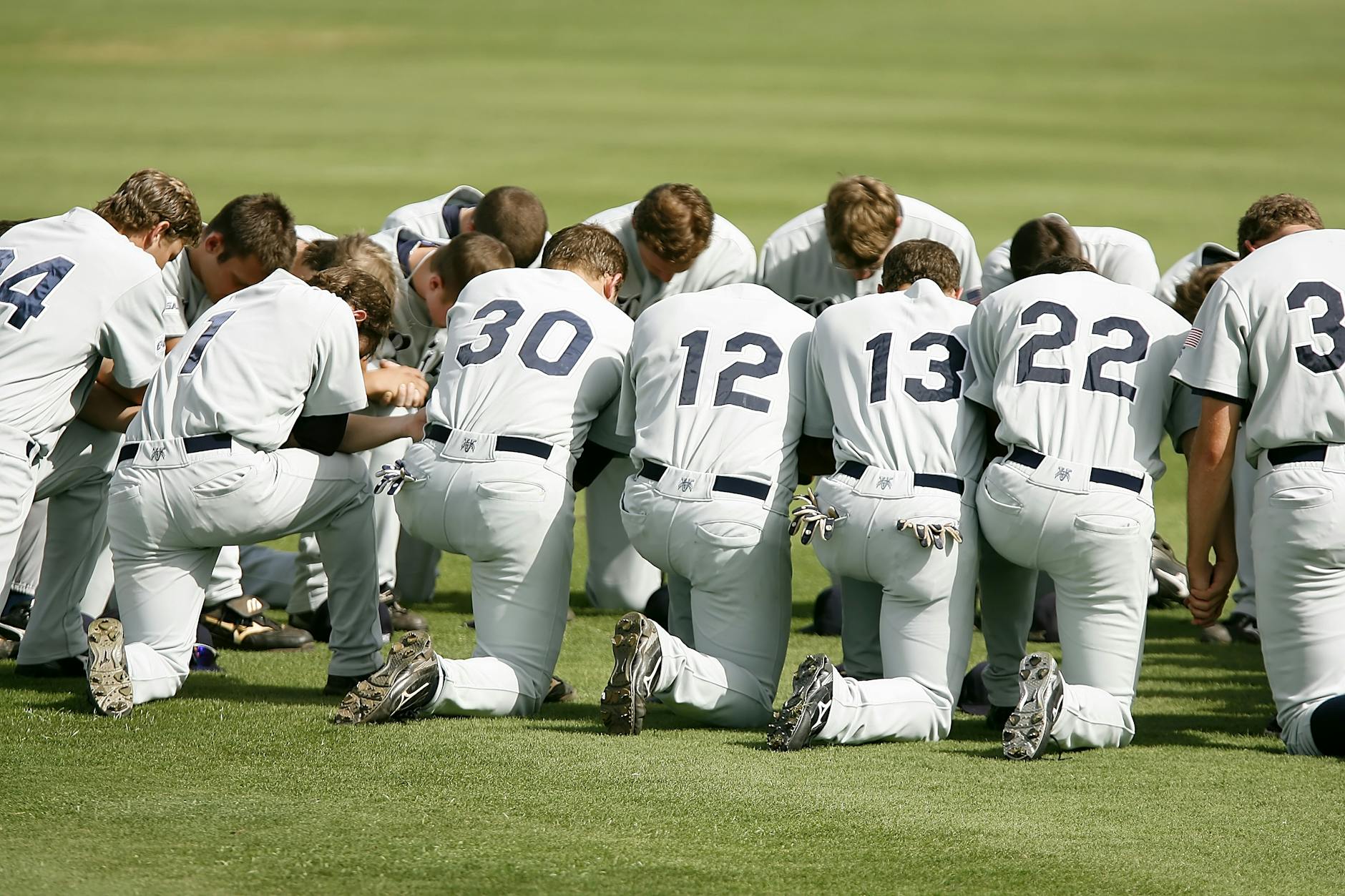
I know a lot of “Prayer Warriors”– people who pray often, and fervently, and are known for their prayer habit. But I often hear a very disturbing statement in relation to such people. The thinking goes that if someone is a “Prayer Warrior” they get results. They have a direct line to Heaven– different and “better” than normal pray-ers. There are people who will hunt down a prayer warrior, believing that this action will be more effective than praying about an issue or problem themselves. Others try to emulate or copy the praying style of “prayer warriors,” thinking that the way someone words their prayers will make a difference in whether or not God will hear them. Still others will refuse to pray in public, because they say their prayers are not good enough. And this should not be!

We have a terrible tendency to compare. We compare our appearance, our social or economic status, our skills and abilities, and even our spirituality. “She’s so close to God!” “He knows the Bible so much better than I do!” And we think this determines whether or not God will listen to and act on our prayers. And Christians who could pray more often, more joyfully, and, yes, more effectively, simply give up on pursuing prayer, because they think others are so much “better” at it.

God is not a respecter of persons. His willingness to listen to our prayers does not depend on how many Bible verses we can quote or how many church services we attend each week, or how eloquently we can pray. God does not play favorites– He does not respond more quickly or more powerfully to some people because they call Him “Heavenly Father” instead of “Almighty God” or because they kneel instead of sitting, or because they are somehow “holier” than their neighbor.

God wants to hear from YOU. And yes, it can be a blessing and a comfort to know that others are praying for you or with you, but we should not measure our prayers against those of others around us. Especially if we allow ourselves to get discouraged in our pursuit of “better” prayer.

That said, there are a few things that can make our prayers “better”:

  • Be sincere– God doesn’t play games. He doesn’t respond to flattery, falsehoods, foolishness, or exaggerations. God already knows what you need, what you’re thinking, and who you are– who you REALLY are. Prayer that tries to cover up your real emotions or thoughts; prayer that tries to make you sound pious, needy, devout, etc., are not fooling anyone but you…
  • Be still–take time to get quiet before God– so that you can listen as well as speak! Meditate on WHO it is you are talking with, instead of just what you want to say.
  • Be submitted– Prayer is not about getting God to “deliver” on your wish list. Don’t just pretend to be pious, but determine that you will accept God’s perfect will and timing. And that you will accept God’s correction when you are having trouble accepting His will!
  • Be faithful–don’t give up. Pursuing Prayer means practicing prayer. You may find it gets easier to pray as you stumble through awkward prayers, instead of trying to be perfect out of the gate. Most “Prayer Warriors” started out the same way. Anyone–ANYONE–can be a prayer warrior!

Such “better” prayers will not impress God. God isn’t about being impressed. He IS about being personal, loving, wise, and sovereign. But such prayers will be “better than” those prayed in pride, or prayed inconsistently, or without fully acknowledging God’s character and authority.

My goal is not to be a “better” pray-er than someone else. I may never be acknowledged by others as a “Prayer Warrior.” But my goal is to be disciplined and trained in the pursuit of Prayer. Every day, we face spiritual warfare– in that sense we are all prayer “warriors.” And I may be a foot soldier in this war, but I want to be the best foot soldier I can be! I want to be “better than” I was yesterday, and even better tomorrow!

Blog at WordPress.com.

Up ↑