Praying in a Time of Protest

There is a sickness in our world. Call it racism, or bigotry, or prejudice. Call it power, or oppression, or tyranny. Trace its roots to fear, to greed, to a lust for power, to pride, to hatred… Expose it as government overreach, police brutality, white supremacy, corruption, indifference to the suffering of others. Protest it with signs, looting, rioting, tear gas, lines of police officers in riot gear, shouting, and anger. Lots of anger.

Photo by Pixabay on Pexels.com

There is not enough anger in the world to heal it.

Anger is a natural and even God-given emotion. God gets angry; even wrathful. It is right to be angry at injustice and hatred; division, greed, apathy, inequality, brutality, oppression, poverty, sickness, and death– they are unnatural, wrong, maddening.

Photo by Denniz Futalan on Pexels.com

But anger, even justified anger, cannot heal. It cannot build up, bind wounds, create peace. Anger feels powerful. It is active, dynamic, it tears down and threatens some of the powers that have, in their time, threatened us or those we love. It draws mobs that seem to share our anger– it looks like solidarity, even unity. It makes headlines. It creates “buzz.” It feels righteous and “right.” And it creates change. In the short term, anger “works.” Surging anger forces the oppressor to be quiet, go into hiding, make some small concessions…for now. Maybe they will pass legislation. Maybe they will give lip service to certain ideals. For now.

Photo by Daria Shevtsova on Pexels.com

God understands anger– he even shares anger. Jesus even got angry. But God does not sanction letting our anger spill into vengeance, violence, and retaliation of sin for sin. Our anger does not give us the right to judge others, oppress others, steal destroy, or condemn.

The New Life
17 Now this I say and testify in the Lord, that you must no longer walk as the Gentiles do, in the futility of their minds. 18 They are darkened in their understanding, alienated from the life of God because of the ignorance that is in them, due to their hardness of heart. 19 They have become callous and have given themselves up to sensuality, greedy to practice every kind of impurity. 20 But that is not the way you learned Christ!— 21 assuming that you have heard about him and were taught in him, as the truth is in Jesus, 22 to put off your old self,[f] which belongs to your former manner of life and is corrupt through deceitful desires, 23 and to be renewed in the spirit of your minds, 24 and to put on the new self, created after the likeness of God in true righteousness and holiness. 25 Therefore, having put away falsehood, let each one of you speak the truth with his neighbor, for we are members one of another. 26 Be angry and do not sin; do not let the sun go down on your anger, 27 and give no opportunity to the devil. 28 Let the thief no longer steal, but rather let him labor, doing honest work with his own hands, so that he may have something to share with anyone in need. 29 Let no corrupting talk come out of your mouths, but only such as is good for building up, as fits the occasion, that it may give grace to those who hear. 30 And do not grieve the Holy Spirit of God, by whom you were sealed for the day of redemption. 31 Let all bitterness and wrath and anger and clamor and slander be put away from you, along with all malice. 32 Be kind to one another, tenderhearted, forgiving one another, as God in Christ forgave you.

Ephesians 4:17-32 ESV via http://www.Biblegateway.com (emphasis added)

If you have read this far, some of you will say that I am being unfair– speaking out against protesters, but not against the evil they are protesting. And if I have never spoken out against injustice, if I have never called upon people to seek peace, never lifted my hand to help my neighbors, never encouraged, never offered help, never shared in others’ grief, then I am the worst of hypocrites. Stop reading.

Photo by nappy on Pexels.com

Anger asks us to act NOW– it asks us to abandon patience, prayer, and the promises of God, and take matters into our own hands–in our own power, in the moment, for the moment. And it tells us that we can and should act in the place of God to achieve what we believe to be His ends. Often, it asks us to act with little information, no time to reflect, and at the behest of others, who wish to use our anger to further their ends. Anger tells us that we can force evil people to surrender their power without being corrupted by it. And anger tells us that it has the only solution– the only action– that can bring peace.

Photo by BROTE studio on Pexels.com

Does this mean that no one should be angry? That we should do nothing active in the face of evil? ABSOLUTELY NOT! We should speak truth to our neighbors– not just the truth of our anger, but the truth of our hope for justice, our dependence on God, our love for our brothers and sisters, and our need for Mercy. We must not turn a blind eye to injustice, but we must work toward justice– not just vengeance. We must not sit silent in the face of bigotry, but we must love extravagantly– even those who seem unlovable and unwilling to love us in return. We must not silence those who are angry and hurt, but listen with respect and compassion–as we would wish to be heard.

Photo by Luis Quintero on Pexels.com

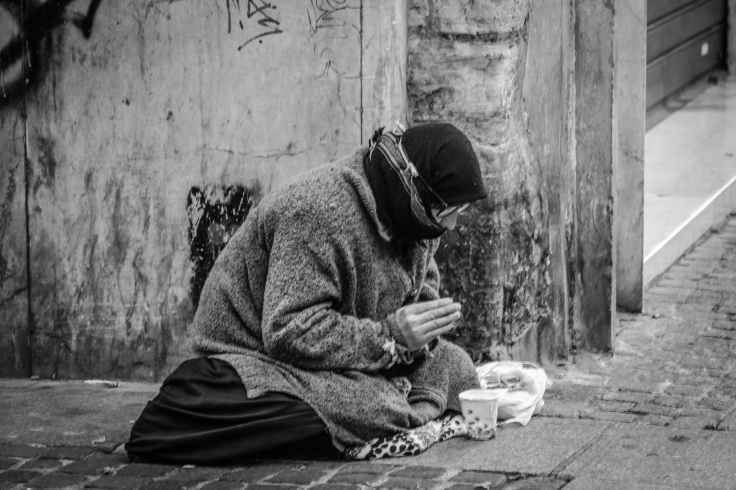
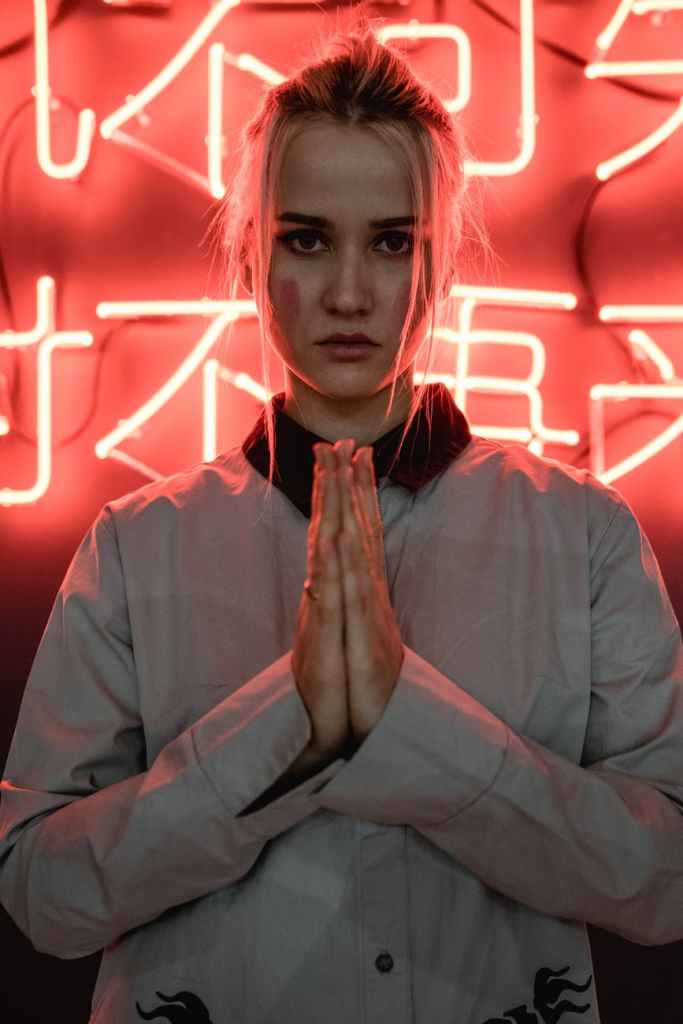
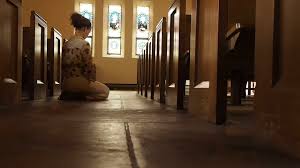
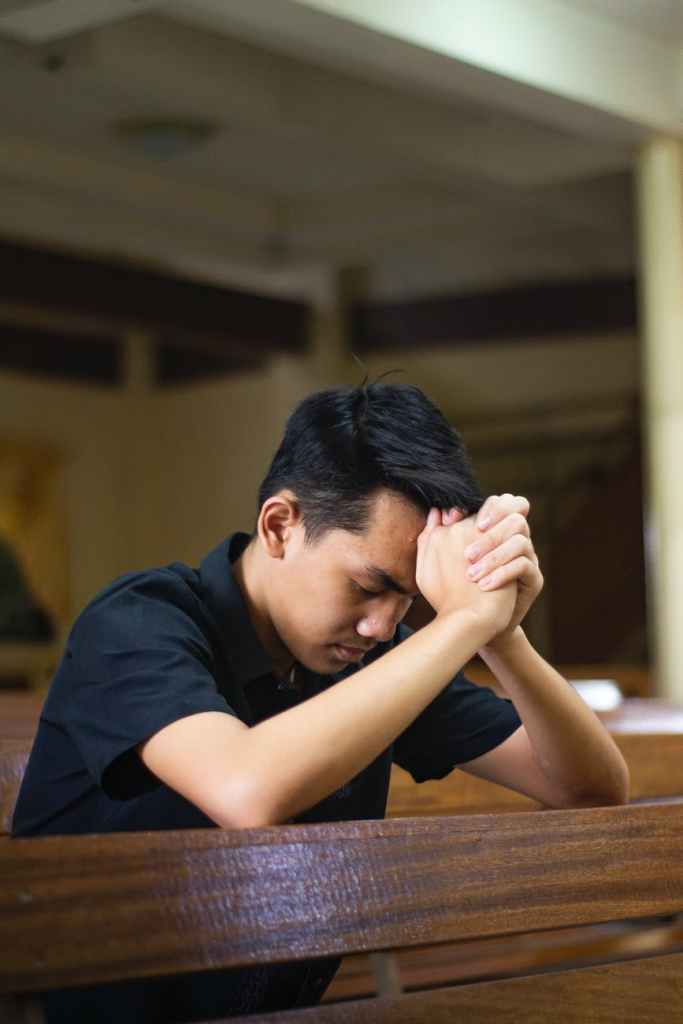
And we MUST pray! Pray for the grieving; pray for our enemies; pray for justice; pray for peace. Pray even when we don’t have the answers– especially when we don’t have the answers. Pray–fervently, feverishly– pray on our knees and as we pace in frustration. Pray like we’ve never prayed before. Pray until we break a sweat; until we hunger and thirst for GOD’S presence on every street corner, and in every household, and at every riot, and every government office. Those who would silence our prayers and hold them in disdain are trying to silence the power of God Himself! They cannot win, but they can keep us from sharing in God’s ultimate victory by marching in a fake war, instead of defending the Kingdom. We must take our anger to God and let Him show us the path to justice, action, peace, and healing. He may ask us to step out in ways we never imagined–loving our enemy; sharing the gospel; standing in solidarity with those we used to fear; forgiving those who have hurt us; asking forgiveness from those we have hurt.

Photo by Juhasz Imre on Pexels.com

There is not enough anger to heal the world. There is enough Love to save it!

“Seasoning” Prayer

Today, my husband was finally able to get out and go to the grocery. He saw that they were unloading some herbs, already started and ready to plant. It got me thinking about various herbs and their symbolism. What we plant in our garden; what we use in our cooking; how we “season” our prayer life– it all makes a difference. So here are some tips for “seasoning” our prayers…Make sure to add:

Photo by Markus Spiske on Pexels.com
  • Rosemary– for remembrance. Remember and worship God for who He is. Remember His past goodness. Remember His faithfulness. Remember His Great Love. Remember that He sees and hears you; He knows you intimately, and loves you eternally.
  • Sage– for wisdom. Ask for it. God longs to give you stores of wisdom and guidance. He longs for you to seek His wisdom every day.
  • Fennel– for praiseworthiness. God is worthy of all our praise and worship. Prayer is just one way of expressing His worthiness and glory!
  • Mustard seed– for faith. Faith grows exponentially larger and stronger when it is tended. One seed of faith can produce a large plant, which in turn produced hundreds of new seeds. Don’t let the weight of doubt crush that little seed–it really is enough! Not because of the size of your faith, but because of the size of the One in whom it rests.
  • Horseradish/radishes– for bitterness and contrition. A Holy God can only be approached by those whose sins have been forgiven. God offers mercy and grace in abundance– for those who acknowledge their sin and wish to be restored in Grace. Confession and repentance should be a regular part of our prayer life… and this leads to..
  • Hyssop– for cleansing. King David prayed: “Cleanse me with hyssop, and I will be clean; wash me, and I will be whiter than snow…Create in me a pure heart, O God, and renew a steadfast spirit within me.” (Psalm 51: 7, 10) May we seek to have a pure heart and a steadfast spirit. And as we are cleansed, we will have…
  • Parsley– for gratitude and joy. Parsley brightens and garnishes; it brings a finishing touch and its bright green color suggests growth and abundance. Prayer should result in thankfulness and rejoicing as we enter into the very presence of the Giver of All Life.
  • Thyme–for, well, time. Take time every day to meet with God. Make both “quality time” and “quantity time” when you can, knowing that God wants to be part of your day, all day, every day.
  • Chives– for usefulness and peace. Chives add flavor and balance when used in cooking. Bring your daily tasks, your goals, even your everyday worries to God in prayer. Pray as you work, as you run, as you do useful things throughout the day. This will lead to peace and purpose.
  • Garlic– for strength and healing. Especially in times when people are experiencing sickness and confusion, prayer brings strength. As we pray for healing– physical, emotional, and spiritual– we cast our cares upon a Loving and Omnipotent God.
Photo by Wendy Wei on Pexels.com

For some more interesting symbolic meanings of herbs and flowers, you can visit the following sites:
https://theherbalacademy.com/the-secret-meaning-of-herbs/
https://www.richters.com/show.cgi?page=InfoSheets/d9003.html
and many others.

Does Prayer “Work?”

I have a friend who is very keen to study if prayer “works.” His theory is that if someone were to measure the number of prayers said in various regions of the world during the COVID-19 pandemic, and compare those numbers to the rates of infection, numbers of deaths, etc, for the same regions, one could “prove” whether or not prayer is effective.

I don’t think my friend is being sarcastic or overly cynical– I believe he is sincere in wanting to study prayer. I accept his desire to study prayer–to quantify it, even to “prove” it, or legitimate it for those who are skeptical. Unfortunately, he wants to study it as an observer, and not a participant, and he wants to conduct a physical study of a metaphysical practice.

Photo by Ali ArapoÄŸlu on Pexels.com

Scientists are conducting several studies during this time, to see what “works.” Does social distancing “work” better than building up “herd immunity?” Is there a treatment that works better, or faster than others? Can we develop an effective vaccine? What practices– social, hygienic, medical, political– might help mitigate the spread of future viruses? Even these studies will not be definitive. The results will depend a great deal on methodology, and the conclusions will be open to interpretation.

Photo by Lukas on Pexels.com

There are additional problems in studying whether or not prayer “works” or not, because prayer is metaphysical. Here are just a few of the “measurement” problems:

  • How do you measure prayer? By length of time? Number of words used? The number of prayers prayed by each person over a certain period of time?
  • Do you count ritual prayers? Mantras? Meditation? Unspoken “thought” prayers? Recitations? Prayers spoken “in tongues” or in ecstatic states?
  • Do you count corporate prayer as a single prayer or by the number of people in the group?
  • What about social media? Do you count all the people who say they will send “thoughts and prayers?” Do you count those who say they “will pray,” or only those who are “praying,” or “praying now.”
  • If you are testing by geographical region, how do you account for people who are praying for others around the world?
  • How do you measure the efficacy of prayer (as opposed to other factors)? If a region has a higher mortality rate, even though many people prayed, does that mean that prayer “doesn’t work?” Or does it mean that the mortality rate would have been even more devastating (given other factors) without prayer?

More than just measurement problems, there are problems with the very nature of prayer that make such a study impossible:

  • Even if you could come up with a standard definition of “prayer” in order to get a count, prayer is not a physical substance or action. Prayer is not a “cause and effect” exchange. It is communication. If ten people say the same thing at the same time to the same person, it is not necessarily “more effective” than a single person-to-person exchange. If a thousand people pray to the same “god” who is not a god–“Mother Nature” or “The Force,” for example, it cannot be compared to a single person praying to a Loving and All-Powerful God.
  • God’s ways are not our ways. If we are measuring for one thing, God may be working for a different, unseen outcome. If more people contract the virus during the “study period”, we see that as “failure.” But God may be preparing that region to build up a resistance or immunity for a future outbreak. God answered prayer in a mighty way that we won’t see immediately. I have known a great many people, and prayed for a great many people who have not received physical healing in this world. They have suffered. They have died. But that doesn’t mean that prayer “didn’t work.” Their sufferings and eventual deaths have often brought about unbelievable works of God– salvation, families restored, friends discovering renewed purpose, strengthened efforts to fight disease, injustice, poverty, etc., and communities coming together in unity and hope.
  • Prayer is not about measurable results. Prayer is a heart-cry to a caring Creator. It doesn’t just involve asking for healing or miracles or “wish fulfillment.” Prayer involves thanksgiving, worship and adoration, repentance and confession, sharing burdens, asking questions, and building an eternal relationship with God Almighty.
  • In the end, any study results will be interpreted differently by different people. Some people will be convinced by numerical comparisons to re-consider their view of prayer. Others will never be convinced, no matter how much “evidence” someone else presents.

Prayer isn’t like taking an aspirin, or holding a protest rally, or doing research for a cure. Prayer isn’t about “winning the battle.” It isn’t about “what works.” It isn’t about “what” at all. It’s about WHO.

Photo by Luis Quintero on Pexels.com

God “works.” God is sovereign, loving, and wise beyond what we can imagine. His ways endure. And He has vanquished the power of death and disease. Yes, it can still touch us in the here and now, spreading havoc and pain and mourning. But it will never triumph over Hope, and Life, Truth, and Faith. And when we pray, we connect to the source of all that is Eternally victorious! Beyond ANY measure!

Planting Seeds

I live in Michigan, and our state is in the news, because our Governor has issued a new set of restrictions in light of the ongoing COVID-19 outbreak. There is a “Stay Home; Stay Safe” measure restricting travel and “non-essential” business until the end of April. But parts of her new executive order have drawn criticism–especially her restriction of gardening and landscaping activities. Larger stores are not allowed to sell plants and seeds and gardening implements, as they are considered “non-essential” (as opposed to food and medicine purchases). It is still unclear whether or not gardening centers or roadside businesses can still sell plants or seeds if that is their primary business.

Photo by Engin Akyurt on Pexels.com

Thousands of residents are upset about these restrictions, and the slippery logic behind allowing liquor sales, sales of lottery tickets, and recreational marijuana, and allowing access to abortion clinics, while seeming to single out gardening, landscaping, home improvement (we can’t buy paint), and other reasonably “safe” activities, and prohibiting families from being with their loved ones– especially those who are dying of non-COVID-19 related causes.

I am not faulting those who are upset, and I won’t use this space to either fault or defend our governor. These are challenging times, and tempers flare, patience grows thin, and people are not always going to think or act at their best.

Photo by Paul Theodor Oja on Pexels.com

My point is that we– all of us– are sowing seeds during this time. Maybe not vegetable seeds or herbs or flowers, but seeds of discontent, seeds of anger, seeds of bitterness, and seeds of pride. We don’t need soil or seed packets or starter plants to sow a crop of good or bad spiritual produce. We don’t need to visit a store or garden center to bloom where we are planted.

So today, my prayer is that I would plant the following seeds:

Photo by Maggie Zhao on Pexels.com
  • Kindness–Words and deeds that show honor, respect, and love for those around me. Not just my friends, but also those who count themselves my enemies, and those with whom I disagree. Kindness multiplies and brings a fruitful harvest.
  • Joy–Not phony happiness, but true joy– the kind that doesn’t deny hardship, but gives strength in tough times. The kind that grieves with those who grieve, but offers hope and compassion. It is a sweet balm that brings healing and a lingering fragrance.
  • Patience–Waiting is not easy. It is not comfortable. But it is quiet strength that doesn’t give way to panic and anger. Patience is a “hardy” plant for any season.
  • Forgiveness– Forgiveness must be carefully tended in times of distress and uncertainty. We must prune away pride and hurt feelings and the desire for vengeance. Forgiveness is a rare and precious plant.
  • Gratitude/Contentment–I woke up today. That was a blessing. I opened my eyes and saw a roof over my head. I was warm and wrapped in blankets in a bed in a bedroom in my own apartment. I turned on a light, pulled clothes out of my closet, took a shower, and looked in the refrigerator where I had a choice of food to eat. I can breathe without a respirator, I can walk and use my arms and hands. I can speak and listen. Even in the midst of these times– even if I had no home or food, no running water, and I tested positive for COVID-19, or cancer, or MS–God is with me; God loves me; God knows everything about me; God sent His own Son to die for me when I was still a sinner! Gratitude is like a morning glory, declaring beauty, not because of its surroundings, but because that is its nature and its purpose. We can do the same!
  • Faith–I saw a meme the other day that said , “If a tiny virus can do this much damage, imagine what mustard-seed-sized faith can do! There is so much confusion, so much doubt, so much despair right now. But Faith, like a mustard seed, can spread and grow, even under (sometimes especially under) adverse circumstances. And Faith is another strong plant that can withstand the strong hot winds of adversity and weather great storms.
  • Love–Love is like a tomato plant– it just keeps growing and giving and producing. But, like a tomato plant, we need to watch out for blight and worms. True love drives out fear, overcomes, endures…you’ve probably heard all the cliches. But love also involves risk, rejection, and even pain. Make sure you plant your love in good soil and give it the supporting frame of faith in the one who IS Love.
Photo by Kaboompics .com on Pexels.com
  • and finally, Prayer– Prayer is a root vegetable; it grows in good soil and where is can’t always be seen. Prayer can thrive in times of quarantine. It is (or should be) untroubled by what is happening “above ground.” It needs the “living water” of God’s Holy Spirit, and the good soil of faith. Its roots are deep, and it provides nourishment for the soul.

Jesus Slept

I’ve had a difficult time sleeping lately. Not just because these are stressful times (though they are), and not just because we’ve had a couple of stormy nights (which we have), and not even because I’ve lost track of time, and slept in late and stayed up too late doing things like writing my blog entries…

Photo by bruce mars on Pexels.com

But the combination has meant that I’ve slept badly for several nights, and I’ve been paying the price– tired in the early evening, grumpy in the mornings… Sleep is essential for good health; not just physical health, but mental and emotional health, too. And it is just as necessary– in some ways more so– when we face trying times.

Photo by Pixabay on Pexels.com

When I cannot sleep, I can still pray. Sometimes, I pray through tears, sometimes through exhaustion. And sometimes, I cannot sleep because I have not prayed– I have worried and wearied my mind, but have not given my worries and concerns over to the One who holds the universe in His hand. Often, once I resolve to spend time in prayer–I find I can sleep, after all! (Isn’t that just the way, sometimes?!) I pray for the storm to pass, or the worries to melt away, but they don’t. However, as soon as I begin to pray about things bigger than what is keeping me awake– unsaved loved ones, those who are suffering much worse than my headache or stuffy nose–suddenly I’m out like a light! ( BTW– I’m not recommending this as a course of action. I don’t believe God works that way. It’s just an observation. God grants us what He knows we need most–rest is important, but God will send it in His time, not because we say or do things in a particular, even contrary, manner.)

Photo by Pixabay on Pexels.com

Jesus was fully human. He needed sleep, and the Bible records that he slept. But the recorded instance of him sleeping doesn’t center on peaceful circumstances and luxurious surroundings– no soft beds and tropical breezes gently whispering him to slumber. And we don’t see him falling asleep after an intense prayer session. Instead, we see Jesus sleeping through a raging storm in the middle of a lake . (Matthew 8:23-27; https://www.biblegateway.com/passage/?search=Mark+4%3A35-41&version=NIV; Luke 8:22-25). With great waves churning the lake, and tossing the boat about, even seasoned fishermen were terrified; yet Jesus lay asleep in the stern of the boat. And it seems that his sleep was deep and restful, in spite of his surroundings and circumstances. When he was awakened, he didn’t worry or panic– he simply told the wind and waves to “be still.” The disciples were in awe of Jesus’ power, but they had failed to consider praying before they woke him up. Instead, they had exhausted themselves with worry and fear.

Photo by Arthur Brognoli on Pexels.com

Lest we fall into thinking that Jesus was just supernaturally “chill” about danger, we need to look at his experience in Gethsemane. This time, it was the disciples who slept, even when Jesus asked them to keep watch as he prayed, even when he had explained to them that he was about to be betrayed. There are circumstances that drive us to our knees, that won’t let us sleep– trials and pains that draw us to our Father. But in His mercy, He will often grant us rest and renewal in the midst of the worst circumstances. Jesus did not find sleep in the Garden– he found the power he needed to face his trial and death on a cross. But his victory means that WE can have peace and hope– and rest– even in times of crisis.

Photo by Pixabay on Pexels.com

There is a time to sleep, and a time to pray. Anxiety, trouble, and sickness may make sleep difficult, and even impossible for awhile, but God knows we need it in times like these. And He knows that in the sleepless hours, we can lift our deepest cares to Him. May God grant me the wisdom and the faith and the ability to find time for sleep and prayer. May God grant the same to you, and to all of us.

Photo by Aldo Picaso on Pexels.com

I Will Fear No Evil

These are fearful days. As I write this, the world is reeling from the Coronavirus/COVID-19 pandemic. There are travel bans and business closures; people are hoarding hand sanitizer, soap, and toilet tissue, bread and bottled water.

But what do we really fear? The Coronavirus is dangerous– even potentially deadly–but so is the “regular” flu (to a lesser extent). Many people will suffer from the Coronavirus for a few days, only to recover and return to “normal”life. The economic reverses and closures, while temporarily devastating, will come to an end, as well.

Photo by Almighty Shilref on Pexels.com

In many ways, the real fear is, as Franklin Roosevelt once said, “fear, itself.” Panicked people hoarding basic supplies leave us wondering if we will face food shortages, or be left without any way to protect ourselves from the spread of this disease. We fear the rumors, the exaggerated stories, the dire possibilities and predictions. We fear over-reacting and inviting unnecessary dangers, and we fear under-reacting and taking unnecessary risks. We even begin to fear those close to us– are they telling us the truth? Are they giving us helpful advice? Do we trust their sources of information?

In the midst of this atmosphere, there are three mistakes I think we need to avoid as Christians:

Photo by halilibrahimctn on Pexels.com
  • Panic– the world around us reacts with fear. We are told, again and again in scripture, not to be afraid, not to worry, and not to fret. “Yea, though I walk through the valley of the shadow of death, I will fear no evil.” (Psalm 23:4) Why can we keep calm when the rest of the world succumbs to fear? “For Thou art with me..” (v. 5a) No set of circumstances– even a worldwide pandemic– are a match for God’s omniscience, His power, or His mercy. We may not know the future, but God does. He knows how this chapter of the story ends. He knows what we need, and how to supply it; He knows every cell of our bodies, and every virus in the atmosphere. And, while He may not supernaturally stop this disease in its tracks, He will give us wisdom to respond in ways that may limit the spread and severity of COVID-19– and even teach us lessons to face the next crisis.
Photo by Hamann La on Pexels.com
  • Over-confidence–the Psalmist says, “I will fear no evil.” That doesn’t mean that I will take no caution, make no plan to protect my loved ones and myself, or feel no concern over adverse conditions. It is very tempting to put on a show of bravado in the face of worldly panic; to project confidence in ourselves and disdain for danger. Our confidence doesn’t lie in ignoring the very real dangers and struggles ahead– our confidence lies in knowing that God is ALWAYS in control. We should have a healthy concern in the weeks ahead. We should not berate those who express worries–we should direct them toward our source of comfort and strength, not waste time bragging or sneering.
Photo by Engin Akyurt on Pexels.com
  • Isolation– times of crisis bring out the best or worst in us. Panic and over-confidence can make us step back and close ourselves off to those in need. We need to be wise to ways that we can offer practical help and spiritual guidance to those around us. How can we offer to share burdens? Ease financial difficulties? Help deliver food or medicine to those in quarantine? Offer shelter or hospitality to those displaced by quarantine or travel bans? Help those who are grieving or stressed?
Photo by Pixabay on Pexels.com

Finally, notice that the Psalmist singles out the fear of evil. Panic will bring evil in its wake. Evil will need to be confronted and checked by those willing to fight it. We need to confront those who try to take advantage of others; we need to hold thieves and liars and fear-mongers accountable, as we combat their message of greed and panic. Not because we are here to judge; but because we are here to spread Grace and Peace, Blessing and Kindness. May we be more contagious than Coronavirus in bringing God’s power and Love to those who need it so desperately at this time.

Helpful links:

https://www.who.int/

https://www.washingtonpost.com/opinions/2020/03/15/hospitals-are-overwhelmed-because-coronavirus-heres-how-help/

https://www.cnn.com/2020/03/15/success/small-businesses-coronavirus/index.html

https://www.cdc.gov/coronavirus/2019-ncov/index.html

https://www.bbc.com/news/uk-england-51821470

https://www.whitehouse.gov/presidential-actions/proclamation-national-day-prayer-americans-affected-coronavirus-pandemic-national-response-efforts/?utm_source=link

Yea, Though I Walk…

“Yea, though I walk through the valley of the shadow of death…” (Psalm 23:4a KJV)

Photo by Pixabay on Pexels.com

The world is waking up to a global pandemic as I write this. Over 100,000 cases worldwide have been diagnosed; thousands have died. Projections are dire, with the possibility of millions of people who will need to be quarantined or hospitalized, and several thousands more dead before the year is out. Panic has already set in– people are hoarding cleaning supplies, stealing medicines and masks from hospitals, demanding testing long before they show any symptoms, and spreading rumors and false information about how the disease is spread or ways to prevent its spread.

In the midst of chaos, fear-mongering, and panic, the Bible provides both comfort and practical wisdom to face times of struggle and crisis. Psalm 23, often used to comfort people in times of grief, actually says a lot more about life than death. We have no need to panic– even though we find ourselves in unknown, unfamiliar, and threatening situations.

Photo by Francesco Ungaro on Pexels.com

“Yea, though I walk through the valley of the shadow of death…”

  • Yea, though–Not “if”, or even “when” I walk through tough times, but “though.” Death is inevitable and unpredictable, and the shadow of death, the threat of our mortality, will fall on us, often when we least expect it. Even without a traumatic event, like a pandemic, we all must travel this valley path at some point. A crisis like COVID-19 is unsettling, but death and disease wasn’t invented last year, and whatever steps we take to prevent or treat COVID-19 will not stop death or its shadow from touching our lives. Nor will panic and fear, denial, or wishful thinking make death’s shadow dissipate. It is wise to face the reality of this crisis with truth and the proper perspective.
  • I–Not “we.” We are surrounded by others who may share much of our fear, our grief, or our confusion at a time like this. But, when we walk through this valley, it is deeply personal, and our reactions, perspectives, beliefs, and emotions will be uniquely experienced. One of the most difficult things about times of crisis is the isolation we may feel when others cannot enter into our thoughts and hearts and painful emotions. Especially when they are dealing with similar fears and pain. Not only is this valley dark and low, it is often narrow. Even so, God is still present and powerful. We can turn to others for advice, comfort, or even excuses. But no one else can walk the road beneath our feet; no one else can choose whether we will focus on the shadows we see or the light beyond the shadows.
  • Walk through— There is a great temptation to try to hurry through any crisis– to look for the shortcut– the immediate cure; the escape hatch; the high ground; the detour. God’s love doesn’t give us the promise of ease and escape. God does not ask us to sprint through this part of our life’s journey. But God gives us the grace and power to keep walking– this valley is not the destination, but part of the longer race. This leg of the journey is difficult; there will be darkness, rocks and walls closing in on us; we may feel the cold finger of death, disease, and loss. Some days our walk may feel more like a crawl–but take heart and keep moving through.
  • The Valley of the Shadow of Death–Death is stark, uncompromising, cold, and overwhelming. Its shadow looms huge and oppressive. But the valley is not death; the shadow is NOT death; and even the reality of death is not bigger or more powerful or more eternal than God. COVID-19 will bring death to many thousands or millions of people, and it will bring sickness, fear, pain, grief, and distress to many more. But it cannot kill God– it cannot dim His great love for each person who suffers; it cannot catch God off guard and unprepared. We may question God’s timing and purpose. We may face hardship, loss, and confusion in the days and months ahead. But we will not face anything– even COVID-19– that can weaken God’s sovereignty. The same hand that raised Lazarus from the dead; the same power that rolled the stone away at Easter; the same Shepherd that led David all the days of his life–the One who holds galaxies in his hand and has numbered every hair on your head–He walks through this valley with us!
Photo by Umberto Shaw on Pexels.com

As God gives us wisdom, let us seek positive ways to reach out to those in crisis. Pray! Pray often, and fervently for those who are sick, and those who work in healthcare. Pray for wisdom, that our nations, regions, and communities will respond proactively and compassionately. And pray for opportunities to demonstrate and share God’s grace and mercy.

Photo by Elina Krima on Pexels.com

Death Cannot Stop True Love

I’ve spent the past few days revisiting one of my favorite movies, The Princess Bride. The movie is based on a “fractured” fairy tale, written by William Goldman. In it, a spoiled young farm girl falls in love with a lowly farm hand. When he leaves to make his fortune, the girl promises to wait for his return. When word comes back that he has been killed, she swears that she will never love again, and becomes a pawn of a wicked prince.

** SPOILER ALERT**

Of course, her true love, Westley, has not been killed, and when he finally finds Buttercup, she has agreed to marry the wicked prince, who has had her kidnapped and plans to kill her. “Why didn’t you wait for me?, ” Westley asks. “Well..you were dead,” replies Buttercup. “Death cannot stop true love. All it can do is delay it a while, ” says the intrepid Westley, to which Buttercup replies, “I will never doubt again.”

In true fairy-tale fashion, Westley and Buttercup must face many obstacles, including all the dangers of the “fire swamp,”capture, torture, a fake marriage ceremony, and Westley being “mostly dead”– again– before they can have their happy ending. But in the end, “true love” wins over all trials and obstacles, and Westley and Buttercup “live happily ever after.”

We live in a post-modern age, where people tend to sneer at notions like fairy tales, true love, and “happily ever after.” We are more likely to echo the words of the bitter Dread Pirate Roberts, who tells Princess Buttercup that “life is pain, highness, and anyone who tells you differently is selling something.” Ironically, the Dread Pirate Roberts is really Westley in disguise. His life is filled with painful trials, and “inconceivable” obstacles, but he perseveres, and his “happily ever after” makes all that came before fade from memory. Because, in the end, death CANNOT stop true love. It may take a few miracles, and lots of patience, forgiveness, and faith, but true love “bears all things, believes all things, hopes all things, endures all things” (1 Corinthians 13:7 ESV)

God’s love is true– it is sure and enduring. God’s presence goes with us even into the valley of the shadow of death–even if the shadows and darkness block our sight; even if death seems sure to win. His rod and staff are not tools of torture and dread, but reminders that He is there to guide us, even if we cannot see His face in the gloom.

Photo by Francesco Ungaro on Pexels.com

Life is filled with pain–and Westley was right; anyone who tells you differently is selling you something. God doesn’t promise that our path will always be on smooth ground in sunny pastures. We may face separation from loved ones, flame spurts and quicksand, betrayal by friends, battles with giants, wicked rulers, even rodents of unusual size. But in each of these situations, we have God’s very presence to comfort us and help us endure to the end. And the “happily ever after?” It is eternal and glorious like nothing we have ever known or even imagined.

Photo by Sachin C Nair on Pexels.com

Fairy tales are not real– but God’s word is. The very reason such tales and myths and legends endure is because they echo what we know to be true– Truth, and Love, and Justice, and Honor, and Hope, and Faith–they are eternally enduring and strong. We recognize the truth that “Death cannot stop true love– all it can do is delay it for a while.” https://www.biblegateway.com/passage/?search=Romans+8%3A31-39&version=ESV

A Lot to Discover…

I spent part of last year taking a closer look at some of the figures of the Old Testament. This week, I’d like to take a closer look at one of the lesser figures of Genesis: Abraham’s nephew, Lot.

Photo by cottonbro on Pexels.com

We tend to focus on the teachings of Jesus, and the writings of the apostles in the New Testament. We should. But we should not neglect the lessons to be found in these ancient stories. They have a “lot” to teach us about human nature, and about God’s response to it. They are rich with characters, patterns, metaphors, and foreshadowing.

We first meet the character of Lot, along with his family, at the end of Genesis 11:
27 This is the account of Terah’s family line. Terah became the father of Abram, Nahor and Haran. And Haran became the father of Lot. 28 While his father Terah was still alive, Haran died in Ur of the Chaldeans, in the land of his birth. 29 Abram and Nahor both married. The name of Abram’s wife was Sarai, and the name of Nahor’s wife was Milkah; she was the daughter of Haran, the father of both Milkah and Iskah. 30 Now Sarai was childless because she was not able to conceive. 31 Terah took his son Abram, his grandson Lot son of Haran, and his daughter-in-law Sarai, the wife of his son Abram, and together they set out from Ur of the Chaldeans to go to Canaan. But when they came to Harran, they settled there. 32 Terah lived 205 years, and he died in Harran.
(Genesis 11:27-32 NIV, taken from http://www.biblegateway.com)

When I was reading this passage the other day, I was struck by something I never noticed before, and have never heard in any sermon or Bible study–Lot’s mother is never mentioned, and there is a strong implication that Lot’s parents were never married. The text merely says that Haran became the father of Lot, and that he died. The next sentence, however, says that both his uncles married– and it names their wives. The Bible does not state explicitly that Lot was illegitimate, or that he never knew his mother, but if that is the case, it makes certain things about his life stand in sharp contrast. And, though it says Haran died while his father was still alive, we don’t know how long he was a part of his son’s life. Lot is part of a family, but his position is not well-defined. He is a grandson, and a nephew, but he has no parents or siblings, and he is not adopted or named as an heir by either of his uncles. (Even before Abraham becomes a father, his “heir” is a servant named Eliezer of Damascus, not his nephew– see Genesis 15:1-3) He travels with his grandfather, and then “moves about” with Abraham (Genesis 13), but doesn’t seem to be a part of Abraham’s household. Instead, he is raised by his grandfather, who seems to have given him his father’s portion of the inheritance. Lot isn’t abandoned by his father’s family, but he is not embraced, either.

Photo by Ilkin Safterov on Pexels.com

Lot seems almost to be included in this family history by chance. And, indeed, his name connotes chance and happenstance. People cast lots, play the lottery, and talk about their “lot in life.” Lot, much like his name, seems to depend on chance as he travels through life. His birth is mysterious and obscure, but he has connections to a great and wealthy family. He has great success in building his flocks and herds, enough that the “land could not not support (he and Abraham) while they stayed together” (Genesis 13:6a), but he doesn’t seem to be able to stay out of trouble. He gets used as a pawn in a territorial war (Genesis 14), and must be rescued by his uncle, only to return to the wicked city of Sodom. Angels must drag him out of the city to rescue him again, when God decides to destroy both Sodom and Gomorrah for their wickedness. Bitter and pouting, Lot becomes a pawn for his own daughters in the aftermath of his rescue, ending his days as a footnote in history, as the ancestor of two of Israel’s fiercest enemies– the Moabites and Ammonites.

Photo by Nishant Aneja on Pexels.com

Why is the story of Lot woven into the chronicles of Abraham? What can we learn from his character and life story? How does Lot play a part in the genealogy of Jesus?

Photo by Pixabay on Pexels.com

I’ve challenged myself to learn more–may I pray that you might do the same? Nothing about Lot’s story is written without some purpose–let’s search out what a “lot” God has to share with us in the life of this one man.

20/20 Vision, Blind Faith, and Prayer

As we approach the arrival of a new year, there is a lot of talk about vision–20/20 vision, that is. For the past few years, I’ve heard of companies, community groups, even churches using the year 2020 as a target date for planning, and using the phrase “2020 Vision” in their mission statements, fund-raising drives, and talking points.

Photo by Christina Morillo on Pexels.com

The phrase comes from 20/20 vision, considered clear or “good” vision. Someone with 20/20 vision has no need of corrective lenses or surgery to improve their reading, or correct their sight. Figuratively, 20/20 vision suggests good planning or foresight. So it is desirable to plan with clear “vision” and forethought, rather than jumping into a project, or from one unmet goal to another.

But, while it’s clever to borrow the idea of 20/20 vision and tie it to the coming year, it doesn’t guarantee that our future plans will be wise or successful just because the calendar says 2020. In the same way, just because we have 20/20 vision, it doesn’t mean that we can see everything around us perfectly. We will see clearly those things on which we focus– those things that are right in front of us and not obstructed. Even with “good” vision, we cannot see things that are hidden from sight or things that are outside our scope of vision.

Photo by malcolm garret on Pexels.com

Even the old phrase, “Hindsight is 20/20 vision,” doesn’t mean that we will always gain clarity with time. Sometimes we understand past experiences in a different light after time has passed. But sometimes, we are still left wondering and asking about events from our past; no wiser or less damaged by setbacks or failures, and no better prepared for future trials and pains.

If vision, even good vision and planning, is no guarantee of future success, perhaps it would be better to trust to “blind faith.” After all, doesn’t the Bible say, “walk by faith, not by sight?” Except the Bible doesn’t exactly say that. Instead it says:

So we are always confident, knowing that while we are at home in the body we are absent from the Lord. For we walk by faith, not by sight. We are confident, yes, well pleased rather to be absent from the body and to be present with the Lord.

2 Corinthians 5:6-8 (NKJV via http://www.biblegateway.com)

This verse often gets taken out of context and twisted to suggest that “faith” is opposed to “sight,” and therefore faith must be “blind” to reason, experience, or reality. Many good articles and sermons have been written to clarify the concept (see one example here:
https://www.biblestudytools.com/blogs/theologically-driven/walk-by-faith-a-misused-verse.html). Faith is not blind–or should not be blind. Rather, it utilizes the ability and practice of seeing what is hidden or indistinct in the present. If our faith is based on empty myth, rumor, conjecture, or cloud dreams, it is not faith at all–it is nothing more than a mirage. Faith is seeing beyond the obvious, the blatantly visible, and trusting more than just what we can immediately see. We don’t walk through life ignoring reality, or dancing across a superhighway full of speeding cars. But we see our circumstances as having hidden elements; our lives have unseen depths, and are lived on both physical and metaphysical spheres. There is more to life than meets the eye– and while faith may not always show us a clear picture of what lies beyond our sight, it causes us to know that something beyond our “20/20 vision” exists and matters.

Photo by Daniel Spase on Pexels.com

The great old hymn, “It Is Well With My Soul,” speaks to this as well. No matter what our circumstances look like, we can have confidence that “It is well, it is well, with my soul!” “And Lord, haste the day when my faith shall be sight..” We look forward, even as we look around, and look back to the finished work of Jesus our Savior. We see the present, but we walk in the knowledge that there is more than what our eyes behold.

Faith doesn’t negate the need to use our senses and common sense to navigate life. And using planning and vision for the future doesn’t negate the need for faith. Rather, they work together. And they work together best in prayer.

When we pray, we are exercising our faith– speaking to the One we do not see, though we know Him and trust Him. And we bring to Him our plans and visions and hopes and dreams. We lay them in His Hands, trusting that where our vision is “good,” He will empower and bless us; where our own vision is lacking, His Spirit will help us to refocus and see enough of what lies beyond to keep walking forward.

Photo by Harrison Haines on Pexels.com

As we walk into a new year, may we have more than just 2020 vision– may we have faith and hope in the One who has perfect vision!

Blog at WordPress.com.

Up ↑