The Whale and the Worm

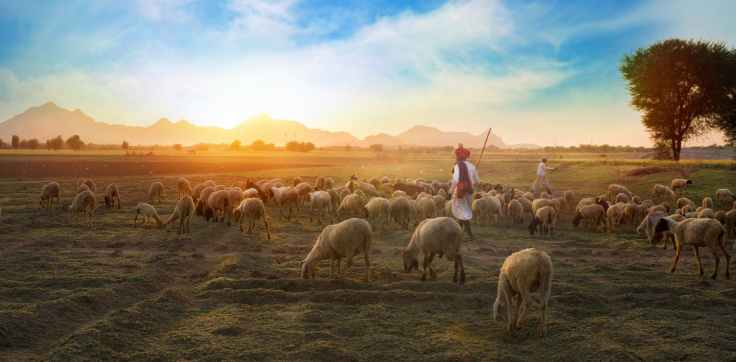
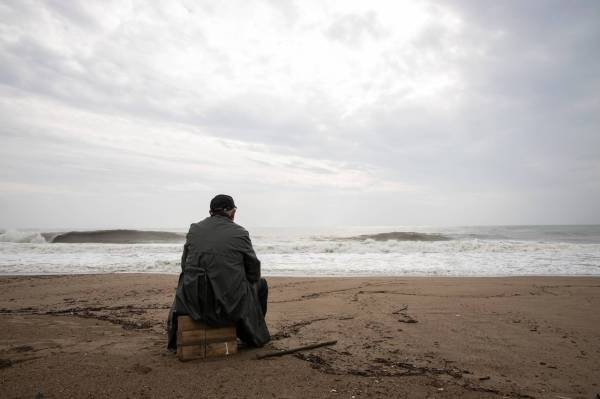
Photo by Daniel Ross on Pexels.com

God keeps calling my attention to the book of Jonah. It’s not a very lengthy or in-depth book. It has only four chapters, and it tells a single story of the prophet Jonah and his mission to preach to the people of the Assyrian capital of Nineveh. But it is filled with lessons about prayer, obedience, gratitude, repentance, and Grace. https://www.biblegateway.com/passage/?search=Jonah%201&version=NIV And we learn four important things about God: He sends, He saves, He sustains, and He suspends.

  • FIrst: God sends. The book of Jonah reminds me of reading Ernest Hemingway. It is compact, terse, and to the point. The very first verse reads, “The word of the Lord came to Jonah, son of Amittai.” There is no other intro, no back story, no conversation between Jonah and God… Yet there IS a back story: elsewhere in the Bible, Jonah is mentioned as a prophet of God. Jonah wasn’t an unlikely choice to take a prophecy to Nineveh. He wasn’t new to the whole “prophet” gig– he wasn’t a farmer or a fisherman or a young shepherd boy. He was an experienced seer and prophet.
    I mention this because God sends who HE wants to send. He didn’t have to give this message to Jonah. And when Jonah ran away, God didn’t have to chase him down and give him a second chance. There were other prophets who might have delivered the message without any fuss or drama. There were priests, soldiers, merchants, and shepherds who could have done the job (and likely done a better job!) The book of Jonah reminds us that God’s purposes are often multi-faceted. God’s purpose in sending Jonah wasn’t just about the Ninevites– He wanted to work in and around and through Jonah to reveal His character. He also sent the big fish (the Bible never says it was actually a whale), and later a gourd vine and a worm– all to minister to Jonah. They all appear in the story, but only to Jonah, not to any of the others!
    God will send us–or He will send people (or big fish) TO us. He will send people and things to bless us; and to test our patience! But God sends us what is meant for our good and His glory.
  • God saves: Each chapter contains an example of God’s salvation– In chapter one, God not only saves Jonah from drowning by sending the big fish; He also saves everyone else on the ship. An entire crew of hardened seamen are stunned by God’s power and grace. In chapter two, God rescues Jonah from the fish’s belly, and gives him another opportunity to fulfill his mission. In chapter three, God sees and hears the pleas of the Ninevites–He withholds His judgment and showers the city with amazing Grace. In the final chapter, Jonah wants to die (twice!), yet God provides comfort, compassion, and correction in response. At the end of this book, in spite of storms and raging seas, prophecies of doom and destruction, dangerous journeys, scorching sun, and disobedience, rebellion, and evil– NO ONE DIES!
Photo by Scott Webb on Pexels.com
  • God Sustains: God could have rescued Jonah without the “whale.” He could have calmed the storm. He could have caused Jonah to walk on water. He could have created a path of dry land for Jonah to walk on… But God caused Jonah to be in the belly of the fish for three days– a circumstance that Jesus used to foretell His own death and resurrection. God sustained Jonah even in the midst of his bitterness, anger, depression, and rebellion. He gave Jonah a miraculous rescue– one Jonah could have shared with the Ninevites to illustrate God’s Mercy. I find it curious that the King of Nineveh invites everyone to fast and pray, saying “Who knows..” Jonah KNEW! He was a living example of God’s Grace and Power. He could have shared this wonderful news with the people of Nineveh, yet he chose to share only the message of God’s wrath. Jonah had the biggest “fish story” in history, and he chose to keep it a secret! In spite of this, God sustained Jonah’s life– against Jonah’s own wishes! How has God sustained us in moments of crisis, doubt, and infidelity?
  • God Suspends: What does that mean? Well, in this book, it means several things. God suspends His judgment against the city of Nineveh–in later Bible books, we see that the people of Nineveh and Assyria return to their evil ways. They do not turn completely from their worship of idols and their detestable practices. Within a couple of generations, they experience the total destruction that Jonah predicted. God is Gracious and Merciful; He is also Righteous and Just. Jonah’s mistake was to despise God’s Mercy toward his enemies; the Ninevites’ mistake was to forget God’s Holiness. But God also suspends Jonah’s life– three times Jonah expresses a passive desire to die: he asks to be thrown into the sea (he does not know or expect that God will rescue him); he asks to die after the Ninevites are spared; and he asks to die when the worm destroys the gourd vine. But Jonah’s desire to die goes unfulfilled. God’s purpose is not that Jonah should die, but that Jonah should learn to LIVE and love: love his life; love his God (better); and love his former enemies. Sadly, we never find if Jonah ever learned his lesson. The author of Jonah leaves us “suspended” as well.
Photo by Artem Bali on Pexels.com

Our God sends “whales” to rescue us from our rebellious wandering, and “worms” to take away those comforts that keep us from seeing our real needs. He saves us, even though we don’t deserve a second (or third or thirtieth) chance. He sustains us, even in times of failure. And He suspends us, withholding His wrath and giving us loving compassion and correction.
Jonah is not a very lovable character– and that is a great comfort to me in times when I am faced with my own failures and missed opportunities. The people of Nineveh were despicable! They deserved justice and judgment. But God loved Jonah; and He loved the people of Nineveh. And He loves us– more than we deserve; more than we can imagine. He loves the unlovable. He loves the despicable. He loves those who cannot love themselves, and those we are convinced we cannot love.

Photo by Luis Quintero on Pexels.com

May we learn a lesson today from the “whale” and the “worm”– we can trust God for Mercy and for Justice. We can trust Him to save and sustain us; to send us and suspend us. And we can rest in His love and care–whether we find ourselves in a raging sea or caught in the scorching heat, or sent on a mission that tests our heart and soul to its limit.

Continuous Prayer

1 Thessalonians 5:12-24 English Standard Version (ESV)

(Via http://www.biblegateway.com)
Final Instructions and Benediction

12 We ask you, brothers, to respect those who labor among you and are over you in the Lord and admonish you, 13 and to esteem them very highly in love because of their work. Be at peace among yourselves. 14 And we urge you, brothers, admonish the idle,[a] encourage the fainthearted, help the weak, be patient with them all. 15 See that no one repays anyone evil for evil, but always seek to do good to one another and to everyone. 16 Rejoice always, 17 pray without ceasing, 18 give thanks in all circumstances; for this is the will of God in Christ Jesus for you. 19 Do not quench the Spirit. 20 Do not despise prophecies, 21 but test everything; hold fast what is good. 22 Abstain from every form of evil.23 Now may the God of peace himself sanctify you completely, and may your whole spirit and soul and body be kept blameless at the coming of our Lord Jesus Christ. 24 He who calls you is faithful; he will surely do it.

Footnotes:
  1. 1 Thessalonians 5:14 Or disorderly, or undisciplined
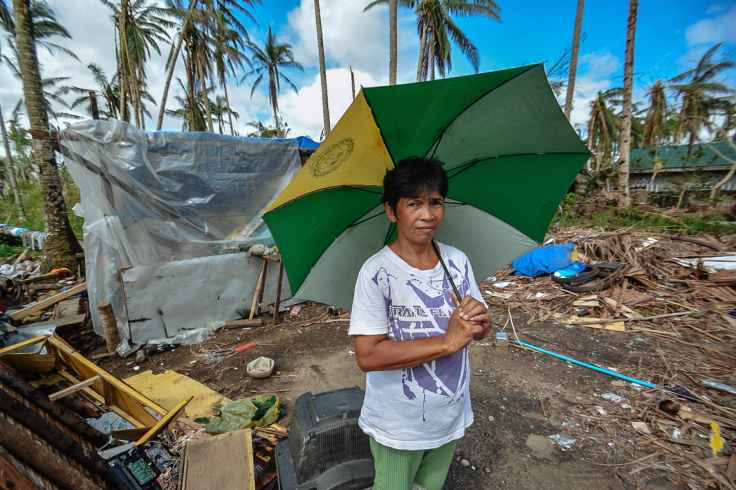
Photo by Luis Quintero on Pexels.com

The Apostle Paul, writing nearly two thousand years ago, left some final instructions to believers in Thessalonica. One of the instructions was to “pray without ceasing.” I have visited this phrase before, and I came back to it recently, because it still has much to teach us.

As with any verse or passage in the Bible, it helps to have context. To say “pray without ceasing,” without acknowledging the other instructions may leave a false impression. Paul is not saying that we should all stop living and working, eating or sleeping, and do nothing else but pray. But he means that we should pray consistently and frequently– prayer should be a natural part of our daily routine, and a natural reaction to events and circumstances as they occur. Prayer should not only be a personal practice, either. It should be part of “admonishing,” “encouraging,” and “helping” those around us. In fact, everything we do can be infused with prayer, and can actually be part of our ongoing prayer life. Also, prayer is part of being joyful always and giving thanks in all circumstances–“for this is the will of God in Christ Jesus for you.” Not just joy or thanksgiving or prayer, but all of them together!

Photo by Emre Kuzu on Pexels.com

What struck me about this passage today was the idea that if we are practicing consistent prayer (and rejoicing and being thankful in prayer), and teaching and encouraging others to do the same, there will be prayer “without ceasing.” As the world spins, people all over the globe who are faithful will lift up prayers that never cease. My prayers rise with those of millions of others who pray at the same moment. But someone else just finished praying before I started; someone else will begin praying as I say my “Amen.” People with very different circumstances, praying in different languages, from different parts of the world– but we have so much in common! And each prayer–each pray-er–is like a note in a symphony rising to the throne of Grace.

Photo by Vincent Tan on Pexels.com

Our prayers are so much more than we know. They have so much more value than we imagine. Not just because we say them; not just because of the thoughts and emotions that go into them. But because, when we lift them to the God of all Creation, He weaves them into what only He can.

Photo by InstaWalli on Pexels.com

“Seasoning” Prayer

Today, my husband was finally able to get out and go to the grocery. He saw that they were unloading some herbs, already started and ready to plant. It got me thinking about various herbs and their symbolism. What we plant in our garden; what we use in our cooking; how we “season” our prayer life– it all makes a difference. So here are some tips for “seasoning” our prayers…Make sure to add:

Photo by Markus Spiske on Pexels.com
  • Rosemary– for remembrance. Remember and worship God for who He is. Remember His past goodness. Remember His faithfulness. Remember His Great Love. Remember that He sees and hears you; He knows you intimately, and loves you eternally.
  • Sage– for wisdom. Ask for it. God longs to give you stores of wisdom and guidance. He longs for you to seek His wisdom every day.
  • Fennel– for praiseworthiness. God is worthy of all our praise and worship. Prayer is just one way of expressing His worthiness and glory!
  • Mustard seed– for faith. Faith grows exponentially larger and stronger when it is tended. One seed of faith can produce a large plant, which in turn produced hundreds of new seeds. Don’t let the weight of doubt crush that little seed–it really is enough! Not because of the size of your faith, but because of the size of the One in whom it rests.
  • Horseradish/radishes– for bitterness and contrition. A Holy God can only be approached by those whose sins have been forgiven. God offers mercy and grace in abundance– for those who acknowledge their sin and wish to be restored in Grace. Confession and repentance should be a regular part of our prayer life… and this leads to..
  • Hyssop– for cleansing. King David prayed: “Cleanse me with hyssop, and I will be clean; wash me, and I will be whiter than snow…Create in me a pure heart, O God, and renew a steadfast spirit within me.” (Psalm 51: 7, 10) May we seek to have a pure heart and a steadfast spirit. And as we are cleansed, we will have…
  • Parsley– for gratitude and joy. Parsley brightens and garnishes; it brings a finishing touch and its bright green color suggests growth and abundance. Prayer should result in thankfulness and rejoicing as we enter into the very presence of the Giver of All Life.
  • Thyme–for, well, time. Take time every day to meet with God. Make both “quality time” and “quantity time” when you can, knowing that God wants to be part of your day, all day, every day.
  • Chives– for usefulness and peace. Chives add flavor and balance when used in cooking. Bring your daily tasks, your goals, even your everyday worries to God in prayer. Pray as you work, as you run, as you do useful things throughout the day. This will lead to peace and purpose.
  • Garlic– for strength and healing. Especially in times when people are experiencing sickness and confusion, prayer brings strength. As we pray for healing– physical, emotional, and spiritual– we cast our cares upon a Loving and Omnipotent God.
Photo by Wendy Wei on Pexels.com

For some more interesting symbolic meanings of herbs and flowers, you can visit the following sites:
https://theherbalacademy.com/the-secret-meaning-of-herbs/
https://www.richters.com/show.cgi?page=InfoSheets/d9003.html
and many others.

Does Prayer “Work?”

I have a friend who is very keen to study if prayer “works.” His theory is that if someone were to measure the number of prayers said in various regions of the world during the COVID-19 pandemic, and compare those numbers to the rates of infection, numbers of deaths, etc, for the same regions, one could “prove” whether or not prayer is effective.

I don’t think my friend is being sarcastic or overly cynical– I believe he is sincere in wanting to study prayer. I accept his desire to study prayer–to quantify it, even to “prove” it, or legitimate it for those who are skeptical. Unfortunately, he wants to study it as an observer, and not a participant, and he wants to conduct a physical study of a metaphysical practice.

Photo by Ali ArapoÄŸlu on Pexels.com

Scientists are conducting several studies during this time, to see what “works.” Does social distancing “work” better than building up “herd immunity?” Is there a treatment that works better, or faster than others? Can we develop an effective vaccine? What practices– social, hygienic, medical, political– might help mitigate the spread of future viruses? Even these studies will not be definitive. The results will depend a great deal on methodology, and the conclusions will be open to interpretation.

Photo by Lukas on Pexels.com

There are additional problems in studying whether or not prayer “works” or not, because prayer is metaphysical. Here are just a few of the “measurement” problems:

  • How do you measure prayer? By length of time? Number of words used? The number of prayers prayed by each person over a certain period of time?
  • Do you count ritual prayers? Mantras? Meditation? Unspoken “thought” prayers? Recitations? Prayers spoken “in tongues” or in ecstatic states?
  • Do you count corporate prayer as a single prayer or by the number of people in the group?
  • What about social media? Do you count all the people who say they will send “thoughts and prayers?” Do you count those who say they “will pray,” or only those who are “praying,” or “praying now.”
  • If you are testing by geographical region, how do you account for people who are praying for others around the world?
  • How do you measure the efficacy of prayer (as opposed to other factors)? If a region has a higher mortality rate, even though many people prayed, does that mean that prayer “doesn’t work?” Or does it mean that the mortality rate would have been even more devastating (given other factors) without prayer?

More than just measurement problems, there are problems with the very nature of prayer that make such a study impossible:

  • Even if you could come up with a standard definition of “prayer” in order to get a count, prayer is not a physical substance or action. Prayer is not a “cause and effect” exchange. It is communication. If ten people say the same thing at the same time to the same person, it is not necessarily “more effective” than a single person-to-person exchange. If a thousand people pray to the same “god” who is not a god–“Mother Nature” or “The Force,” for example, it cannot be compared to a single person praying to a Loving and All-Powerful God.
  • God’s ways are not our ways. If we are measuring for one thing, God may be working for a different, unseen outcome. If more people contract the virus during the “study period”, we see that as “failure.” But God may be preparing that region to build up a resistance or immunity for a future outbreak. God answered prayer in a mighty way that we won’t see immediately. I have known a great many people, and prayed for a great many people who have not received physical healing in this world. They have suffered. They have died. But that doesn’t mean that prayer “didn’t work.” Their sufferings and eventual deaths have often brought about unbelievable works of God– salvation, families restored, friends discovering renewed purpose, strengthened efforts to fight disease, injustice, poverty, etc., and communities coming together in unity and hope.
  • Prayer is not about measurable results. Prayer is a heart-cry to a caring Creator. It doesn’t just involve asking for healing or miracles or “wish fulfillment.” Prayer involves thanksgiving, worship and adoration, repentance and confession, sharing burdens, asking questions, and building an eternal relationship with God Almighty.
  • In the end, any study results will be interpreted differently by different people. Some people will be convinced by numerical comparisons to re-consider their view of prayer. Others will never be convinced, no matter how much “evidence” someone else presents.

Prayer isn’t like taking an aspirin, or holding a protest rally, or doing research for a cure. Prayer isn’t about “winning the battle.” It isn’t about “what works.” It isn’t about “what” at all. It’s about WHO.

Photo by Luis Quintero on Pexels.com

God “works.” God is sovereign, loving, and wise beyond what we can imagine. His ways endure. And He has vanquished the power of death and disease. Yes, it can still touch us in the here and now, spreading havoc and pain and mourning. But it will never triumph over Hope, and Life, Truth, and Faith. And when we pray, we connect to the source of all that is Eternally victorious! Beyond ANY measure!

Lament

Oh Lord!
I am weak, helpless, empty..
I have nothing to offer,
Nothing to show for my straining.
I lift up hands that are empty and trembling.

People are sick.
People are dying–
Alone, afraid, apart.
People are living–
Alone, afraid, apart.

I cannot reach out far enough,
Cannot speak loud enough,
Cannot run fast enough,
Cannot close the gap…

Photo by Mugurel Photo on Pexels.com

There is a distance–
A yawning, gaping separation
Between me and my loved ones,
Between families and friends,
Between us and each other,
Between us and YOU.

And yet, You are here,
Waiting, whispering…
Words of hope and comfort,
Words of healing and peace,
Words of love and unity.

You are life.
You are truth–
Brighter than fear,
More powerful than death,
Closer than our next precious breath.

Photo by Min An on Pexels.com

Banish the distance, Lord.
Banish the fear and loneliness;
Banish the chaos and darkness;
Bring us –all of US–together–
In peace
In health
In hope,
In Your eternal Love.

In the Presence of My Enemies

“Thou preparest a table before me in the presence of my enemies..” (Psalm 23:5a)

I don’t like confrontation. I don’t like dealing with opposition. I don’t like having enemies. However, God’s word is very clear– I can’t avoid them or deny their existence. No matter how hard I try to make peace or stay on good terms with others, there will always be some who disagree, who dislike me, who stand against me.

Photo by Engin Akyurt on Pexels.com

So it should not come as a great surprise that God, the Good Shepherd, promises that He will prepare a table before me in the very presence of those enemies. He does not expect me to stay hidden; He does not give His blessings in secret. Instead, He allows my enemies to see that I am never alone or abandoned to their power. He showers me with blessing, meets my every need, binds my wounds and comforts my sorrows right before their eyes. They may have limited access to hurt me or frighten me, but God will bring His justice– and they will be made to see it. (see Psalm 37 https://www.biblegateway.com/passage/?search=Psalm+37&version=HCSB)

But more than that, God invites some of those very enemies to see His peace and blessing. God’s desire is that we would all share in the wedding feast of the Lamb; that the table He sets before us would be a chance to turn enemies into brothers and sisters. And He gives us the opportunity, through His blessings, to extend that invitation of Grace and inclusion–to Love our Enemies!

Photo by Sarah Jane on Pexels.com

Not all will accept this invitation– some will choose to watch in resentment, rebellion, and pride as we enjoy communion with our Shepherd; but they will be unable to disturb or destroy the joy and refreshment He brings. And not all “enemies” are the people who oppose us. God blesses us in the presence of those enemies who oppose Him. They may seek to hurt us, and turn us away from our Shepherd. But He will never turn from us. Even when we turn away, or doubt His presence or His purpose– even in the presence of our enemies–God is with us.

Photo by Josh Willink on Pexels.com

In troubled times like these, that is especially comforting to know. Chaos, disease, doubt, fear, guilt, and in the “valley of the shadow of death:” our enemies may be present and looming, but God is laying out a table, preparing to anoint our heads with oil, and showing us with Goodness and Mercy, Justice and Righteousness– all in their presence. And they are powerless to stop Him!

I Will Fear No Evil

These are fearful days. As I write this, the world is reeling from the Coronavirus/COVID-19 pandemic. There are travel bans and business closures; people are hoarding hand sanitizer, soap, and toilet tissue, bread and bottled water.

But what do we really fear? The Coronavirus is dangerous– even potentially deadly–but so is the “regular” flu (to a lesser extent). Many people will suffer from the Coronavirus for a few days, only to recover and return to “normal”life. The economic reverses and closures, while temporarily devastating, will come to an end, as well.

Photo by Almighty Shilref on Pexels.com

In many ways, the real fear is, as Franklin Roosevelt once said, “fear, itself.” Panicked people hoarding basic supplies leave us wondering if we will face food shortages, or be left without any way to protect ourselves from the spread of this disease. We fear the rumors, the exaggerated stories, the dire possibilities and predictions. We fear over-reacting and inviting unnecessary dangers, and we fear under-reacting and taking unnecessary risks. We even begin to fear those close to us– are they telling us the truth? Are they giving us helpful advice? Do we trust their sources of information?

In the midst of this atmosphere, there are three mistakes I think we need to avoid as Christians:

Photo by halilibrahimctn on Pexels.com
  • Panic– the world around us reacts with fear. We are told, again and again in scripture, not to be afraid, not to worry, and not to fret. “Yea, though I walk through the valley of the shadow of death, I will fear no evil.” (Psalm 23:4) Why can we keep calm when the rest of the world succumbs to fear? “For Thou art with me..” (v. 5a) No set of circumstances– even a worldwide pandemic– are a match for God’s omniscience, His power, or His mercy. We may not know the future, but God does. He knows how this chapter of the story ends. He knows what we need, and how to supply it; He knows every cell of our bodies, and every virus in the atmosphere. And, while He may not supernaturally stop this disease in its tracks, He will give us wisdom to respond in ways that may limit the spread and severity of COVID-19– and even teach us lessons to face the next crisis.
Photo by Hamann La on Pexels.com
  • Over-confidence–the Psalmist says, “I will fear no evil.” That doesn’t mean that I will take no caution, make no plan to protect my loved ones and myself, or feel no concern over adverse conditions. It is very tempting to put on a show of bravado in the face of worldly panic; to project confidence in ourselves and disdain for danger. Our confidence doesn’t lie in ignoring the very real dangers and struggles ahead– our confidence lies in knowing that God is ALWAYS in control. We should have a healthy concern in the weeks ahead. We should not berate those who express worries–we should direct them toward our source of comfort and strength, not waste time bragging or sneering.
Photo by Engin Akyurt on Pexels.com
  • Isolation– times of crisis bring out the best or worst in us. Panic and over-confidence can make us step back and close ourselves off to those in need. We need to be wise to ways that we can offer practical help and spiritual guidance to those around us. How can we offer to share burdens? Ease financial difficulties? Help deliver food or medicine to those in quarantine? Offer shelter or hospitality to those displaced by quarantine or travel bans? Help those who are grieving or stressed?
Photo by Pixabay on Pexels.com

Finally, notice that the Psalmist singles out the fear of evil. Panic will bring evil in its wake. Evil will need to be confronted and checked by those willing to fight it. We need to confront those who try to take advantage of others; we need to hold thieves and liars and fear-mongers accountable, as we combat their message of greed and panic. Not because we are here to judge; but because we are here to spread Grace and Peace, Blessing and Kindness. May we be more contagious than Coronavirus in bringing God’s power and Love to those who need it so desperately at this time.

Helpful links:

https://www.who.int/

https://www.washingtonpost.com/opinions/2020/03/15/hospitals-are-overwhelmed-because-coronavirus-heres-how-help/

https://www.cnn.com/2020/03/15/success/small-businesses-coronavirus/index.html

https://www.cdc.gov/coronavirus/2019-ncov/index.html

https://www.bbc.com/news/uk-england-51821470

https://www.whitehouse.gov/presidential-actions/proclamation-national-day-prayer-americans-affected-coronavirus-pandemic-national-response-efforts/?utm_source=link

Yea, Though I Walk…

“Yea, though I walk through the valley of the shadow of death…” (Psalm 23:4a KJV)

Photo by Pixabay on Pexels.com

The world is waking up to a global pandemic as I write this. Over 100,000 cases worldwide have been diagnosed; thousands have died. Projections are dire, with the possibility of millions of people who will need to be quarantined or hospitalized, and several thousands more dead before the year is out. Panic has already set in– people are hoarding cleaning supplies, stealing medicines and masks from hospitals, demanding testing long before they show any symptoms, and spreading rumors and false information about how the disease is spread or ways to prevent its spread.

In the midst of chaos, fear-mongering, and panic, the Bible provides both comfort and practical wisdom to face times of struggle and crisis. Psalm 23, often used to comfort people in times of grief, actually says a lot more about life than death. We have no need to panic– even though we find ourselves in unknown, unfamiliar, and threatening situations.

Photo by Francesco Ungaro on Pexels.com

“Yea, though I walk through the valley of the shadow of death…”

  • Yea, though–Not “if”, or even “when” I walk through tough times, but “though.” Death is inevitable and unpredictable, and the shadow of death, the threat of our mortality, will fall on us, often when we least expect it. Even without a traumatic event, like a pandemic, we all must travel this valley path at some point. A crisis like COVID-19 is unsettling, but death and disease wasn’t invented last year, and whatever steps we take to prevent or treat COVID-19 will not stop death or its shadow from touching our lives. Nor will panic and fear, denial, or wishful thinking make death’s shadow dissipate. It is wise to face the reality of this crisis with truth and the proper perspective.
  • I–Not “we.” We are surrounded by others who may share much of our fear, our grief, or our confusion at a time like this. But, when we walk through this valley, it is deeply personal, and our reactions, perspectives, beliefs, and emotions will be uniquely experienced. One of the most difficult things about times of crisis is the isolation we may feel when others cannot enter into our thoughts and hearts and painful emotions. Especially when they are dealing with similar fears and pain. Not only is this valley dark and low, it is often narrow. Even so, God is still present and powerful. We can turn to others for advice, comfort, or even excuses. But no one else can walk the road beneath our feet; no one else can choose whether we will focus on the shadows we see or the light beyond the shadows.
  • Walk through— There is a great temptation to try to hurry through any crisis– to look for the shortcut– the immediate cure; the escape hatch; the high ground; the detour. God’s love doesn’t give us the promise of ease and escape. God does not ask us to sprint through this part of our life’s journey. But God gives us the grace and power to keep walking– this valley is not the destination, but part of the longer race. This leg of the journey is difficult; there will be darkness, rocks and walls closing in on us; we may feel the cold finger of death, disease, and loss. Some days our walk may feel more like a crawl–but take heart and keep moving through.
  • The Valley of the Shadow of Death–Death is stark, uncompromising, cold, and overwhelming. Its shadow looms huge and oppressive. But the valley is not death; the shadow is NOT death; and even the reality of death is not bigger or more powerful or more eternal than God. COVID-19 will bring death to many thousands or millions of people, and it will bring sickness, fear, pain, grief, and distress to many more. But it cannot kill God– it cannot dim His great love for each person who suffers; it cannot catch God off guard and unprepared. We may question God’s timing and purpose. We may face hardship, loss, and confusion in the days and months ahead. But we will not face anything– even COVID-19– that can weaken God’s sovereignty. The same hand that raised Lazarus from the dead; the same power that rolled the stone away at Easter; the same Shepherd that led David all the days of his life–the One who holds galaxies in his hand and has numbered every hair on your head–He walks through this valley with us!
Photo by Umberto Shaw on Pexels.com

As God gives us wisdom, let us seek positive ways to reach out to those in crisis. Pray! Pray often, and fervently for those who are sick, and those who work in healthcare. Pray for wisdom, that our nations, regions, and communities will respond proactively and compassionately. And pray for opportunities to demonstrate and share God’s grace and mercy.

Photo by Elina Krima on Pexels.com

I Shall Not Want..

Of all the 150 Psalms in the Bible, Psalm 23 is the most well-known. It speaks of our Lord as a Shepherd who takes care of us, leading us to green pastures and calming our fears even in the valley of the shadow of death. But these four words in the very first verse, though comforting to many, have also been a source of grief to others. If the Lord is my Shepherd, I should have no reason to want. But what if I still have wants? Unanswered prayers? Struggles and trials and lacks?

Photo by Ken Ozuna on Pexels.com

Let’s look at the phrase carefully. “I shall not want” is the wording in the King James (English) version of scripture. More modern translations render the phrase as “I lack nothing (NIV),” “I have what I need (CSB),” or other variations of “I shall not want.” Let’s stick with “I shall not want,” and look at it word by word.

This Psalm is very personal. The Lord is MY Shepherd– I shall not want. This is between me and my Shepherd. I may be tempted to look around and compare, to want what someone else has, even if I don’t need it; even if it isn’t good for me. But when I depend on my Shepherd to provide, I can trust that whatever comes, He knows what I want and what I need. He knows what is best. Therefore, I shall not worry or wonder or want.

Photo by kailash kumar on Pexels.com

I am a former English teacher, so the verb “shall” interests me here. “Shall” and “will” are sometimes used interchangeably in English, but they are not exactly the same. “Shall” is not used much, but it indicates a future condition, or a condition that is ongoing into the future. It is not the active verb in this phrase, but rather the indicator of when that action (wanting, lacking, needing) will take place and how. The difference between “shall” and “will” in this case is not one of action, or time, but of volition. “Will” indicates a conscious decision– I “Will not want” means I will determine the action and outcome–without a Shepherd’s guidance or provision. I “Shall not want” means the outcome is determined by my Shepherd (in this case), not by my own volition or actions. There may be things I “will” still want– if I’m trying to go my own way and depend on my own wisdom and abilities, but that doesn’t change my condition–God has provided. God has given. God WILL continue to provide.

Photo by Jigar Maru on Pexels.com

“I shall NOT want”– I may desire something else; I may not have what others have; I may be poor or sick or sad. I may respond to my circumstances with grumbling, doubt, anger, envy, greed, or disbelief. But I can also respond with trust, gratitude, wonder and worship, knowing that God sees me, knows me, and cares for my always. God doesn’t force me to respond positively to hard times– the Psalmist doesn’t say, “The Lord is my Shepherd, I shall be grateful,” or “I shall never complain.” He doesn’t say, “The Lord is my Shepherd, I shall have whatever gives me pleasure or makes my life easier.” Rather, he gives us a true picture life– I will NOT have everything I wish for; I will NOT understand or take pleasure in all the circumstances of my life, but I shall NOT be abandoned, left alone and without help or resources, lacking any source of hope, joy, peace, or love.

Photo by Denniz Futalan on Pexels.com

Finally, we come to the word “want.” In this context, it is meant to signify lack– I shall lack for nothing; I shall not be without (God who provides). And this is where many people struggle with the verse; with the Psalm; with the Shepherd Himself. We DO lack– many things. We lack money to pay the bills, we lack in our relationships, we lack perfect health, we lack patience…the list is endless. We “want” for many things. And we read Psalm 23, and it seems to mock us. If God is our Shepherd, why do we lose loved ones to disease? Why do we have to declare bankruptcy? Why did our spouse file for divorce? Why can’t we break that bad habit or addiction? Why do we see “good” people suffering? Doesn’t God see or care? God doesn’t give us easy answers. He doesn’t promise ease and comfort in this fallen world. But He is with us, not matter where, no matter what, no matter how we got there. And He promises to renew, restore, and redeem all that we lack in the present– perfectly and forever after.

Photo by rawpixel.com on Pexels.com

I shall not WANT. I shall suffer in the present– loss, pain, confusion, heartbreak, disappointment, failure. But I am not without– not without God’s presence in this world, and not without His promise of justice, mercy, hope, and love now and in the world to come. I am still a sheep–I have needs, I make unwise decisions, and I don’t have the ability to see or defend against the dangers of this world. But I have a Shepherd– all-knowing, all-powerful, and extravagant in Love and Grace. I will depend on Him. I will call out to Him. I will follow Him. And I shall not want!

Inconceivable?

One of my favorite movies is “The Princess Bride.” Based on a modern “fractured” fairy tale by William Goldman, it tells the story of a young couple whose “fairy tale” romance is complicated by his death, her kidnapping on the eve of her wedding to an evil prince, and rodents of unusual size…

One of the kidnappers is a Sicilian mercenary named Vizzini. Vizzini brags about his intellect, and claims to know more than anyone. He also claims that his plot to kidnap Princess Buttercup is perfect to the last detail. But when a mysterious stranger begins following them, and foils each of Vizzini’s efforts to shake him, Vizzini grows more and more rattled. His brilliant plan turns out to be less than perfect. In fact, the mysterious stranger (who turns out to be Princess Buttercup’s long-lost true love) succeeds in rescuing the princess and defeating Vizzini in a battle of wits.

As each of Vizzini’s efforts fails, he declares it is “inconceivable” that the stranger should win. Even in the face of clear evidence, Vizzini finds it unbelievable that his plan should have failed–and failed again! Finally, one of the other kidnappers turns to Vizzini and says, “You keep using this word; I do not think it means what you think it means”.

I often hear people scoff at faith in God– “it doesn’t make sense.” “There’s no proof that God exists.” “How can you believe all those old myths–Noah and the Ark; Moses and the Red Sea; David and Goliath–they’re impossible in ‘real life’.” “It’s inconceivable!” “Stop saying all that stuff about God!” “Stop saying you’ll pray for me.” “Prayer is nothing more than wishful thinking.”

Photo by 3Motional Studio on Pexels.com

And it can be difficult to have faith, sometimes. We don’t ‘see’ what God is doing in our lives and circumstances.” We don’t understand the bigger picture. We don’t believe that God sees or hears us in the middle of our struggles. But God tells us time and time again that nothing is impossible for Him; that He knows all that happens, and that He works all things together for the good of those who follow Him (Romans 8:28). God is able to do “exceedingly, abundantly, above all that we ask or think..”(Ephesians 3:20)

Those stories in the Bible; those “unbelievable” stories we hear or read about miraculous healings and lives transformed…we can choose to ignore them, or scoff at them. We can, like Vizzini, claim that they are “inconceivable,” or try to explain them away while trusting our own knowledge and experiences to get us through life. We can ignore the wise counsel of others, ignore our conscience, and laugh in the face of danger. But in the end, we are human. We are fallible. We are not all-knowing or all-powerful. And we are not immune to sin and its poisonous consequences. The only chance of escape is to be rescued by someone who is “immune” to sin– our Savior, Jesus the Lamb of God.

Photo by Pixabay on Pexels.com

It may seem “inconceivable” that God would part the Red Sea, or save Noah in the Ark; it may seem beyond belief that Jesus would be born as a human, live among people who denied Him, die on the cross and be resurrected on the third day, so that He could take away the power of sin and death for anyone who will trust Him. But it is precisely this Good News that has transformed the lives of millions of people throughout the centuries since he came.

Photo by Matheus Bertelli on Pexels.com

It may seem “inconceivable” that God would listen to our “little” prayers and care about our every need– but He does! His Love may be beyond our ability to comprehend or explain– His power extends beyond our wildest imagination. But if we have faith– even as small as a mustard seed (Matthew 17:20)– we can experience God’s Love, Power, Grace, and Salvation in miraculous ways.

Blog at WordPress.com.

Up ↑