This is My Father’s World

Yesterday, in our Bible Fellowship class at church, we continued our series on a Christian view of “Hot” topics: we focused on Environmental issues.

“In the beginning, God created the heavens and the Earth.” (Genesis 1:1)
“The earth is the Lord’s, and the fullness thereof; the world, and they that dwell therein.” (Psalm 24:1) KJV

Our environment can become a politically and emotionally charged subject. How should we as Christians, view our environment, our environmental impact, and our attitudes toward dire reports about climate change, extinction rates, emissions, pollution, habitat reduction, natural resources, and energy needs?

The Bible gives us guidelines, warnings, and even hope!

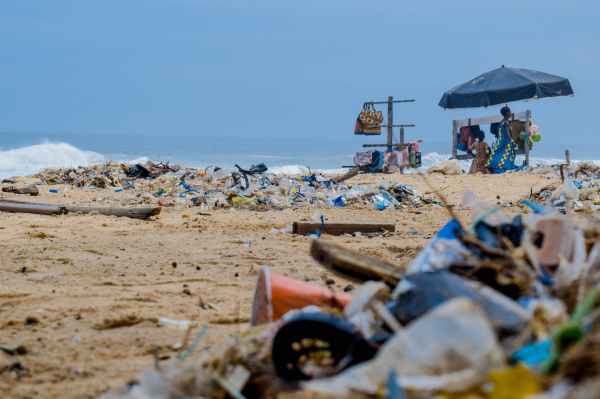
  • Ultimately, the fate of the world does not rest on my shoulders, or yours, or our generation’s…This is MY FATHER’S world. He created it, He inhabits it, and He has a plan for it. That does not give me an excuse to ignore the problems facing our planet. It does not give me the right or the privilege of passing the problems along to someone else, where action can and should be taken. But it does remind me that God has not left us alone and helpless to stop an environmental apocalypse left to us by previous generations and accelerated by our own.
Photo by Brett Sayles on Pexels.com
  • GOD created the heavens and the Earth. God, who knows the end from the beginning. God designed our planet, our atmosphere, our universe. What even the best of our scientists know about our planet is infinitely smaller than what God knows, and what even the boldest plans of man propose are nothing to the power of God to heal and restore. That doesn’t mean we don’t need to be concerned about things that are happening– but we can’t let our concerns turn to despair and doubt. When the nation of Israel first entered the promised land, God gave them a list of blessings and curses. (Deuteronomy, chapter 28) If they obeyed, they would be blessed. If they were disobedient, they would be cursed. Many of these blessings and curses relate directly to the land and weather. God is still in control of nature, but this leads me to…
Photo by Pixabay on Pexels.com
  • God gave stewardship of the Earth to mankind. We are to be the daily caretakers of God’s Earth. That there are so many problems with our environment shows that mankind as a whole has failed to obey God in this matter. We are not under the direct blessings and curses that came to Israel in the promised land, but there is still a correlation–as Sin proliferates, so does death and destruction– including that of the world around us. That doesn’t give me the right to point the finger at others and justify my own disobedience because “at least I don’t…,” or “at least I do…”
    God expects me to act in ways that protect, preserve, or develop the environment to benefit those around me and give glory to Him. This includes the way I interact with the land, water, air, plants, animals, and other people. It includes the actions I take to destroy harmful plants and animals; to protect the soil and water; to dispose of waste; to eat; to build, or heat, or cool buildings; what I eat and drink and wear. It even includes being informed about second-hand resources that I buy and use, and whether or not those resources are being stewarded well by others. This doesn’t mean becoming an environmental Pharisee– publicly calling out all my neighbors who still use plastic bags or buy products from “that” company. And it doesn’t mean I must become a vegan, or a homesteader or give up my computer or cell phone. But what can I do to become a better steward?
  • Is it possible that my attitude toward the environment is coming from a lack of exposure to both the environment itself and its maker? Am I spending more time reading about climate change than I am spending in the climate itself? Have I thanked God for the world He created? Do I take the time to notice the beauty in a blade of grass, or the colors in a sunset, or the mystery of running water, and marvel at God’s handiwork? How would my view of Nature change if I developed my relationship with its maker?
Photo by Pixabay on Pexels.com
  • Lastly, I need to engage with others to find ways we all can become better stewards– not (necessarily) by bashing people over the head with statistics and mandates, but getting the facts– not just the hype or the denials–and sharing practical ideas.

I don’t have to save the world– that is God’s job; He’s the only one who can. But I CAN do my part to protect, preserve, develop, and enjoy all the beauty He created. And in doing so, I pray that I can help others see the One who loved us all enough to create such a beautiful home!

…And Grace My Fears Relieved…

Amazing grace! How sweet the sound
That saved a wretch like me!
I once was lost, but now am found;
Was blind, but now I see.
’Twas grace that taught my heart to fear,
And grace my fears relieved;
How precious did that grace appear
The hour I first believed.
Through many dangers, toils, and snares,
I have already come;
’Tis grace hath brought me safe thus far,
And grace will lead me home.
The Lord has promised good to me,
His Word my hope secures;
He will my Shield and Portion be,
As long as life endures.
Yea, when this flesh and heart shall fail,
And mortal life shall cease,
I shall possess, within the veil,
A life of joy and peace.
The earth shall soon dissolve like snow,
The sun forbear to shine;
But God, who called me here below,
Will be forever mine.
When we’ve been there ten thousand years,
Bright shining as the sun,
We’ve no less days to sing God’s praise
Than when we’d first begun.

timelesstruths.org
Amazing Grace, lyrics by John Newton

As I write this, a massive hurricane looms in the Atlantic Ocean, devastating the Bahamas, and threatening several major cities along the southeastern coast of the United States. There is much fear, danger, and distress for people living in these areas, for their families, and for compassionate people watching helplessly from a distance. What can anyone DO in the face of such raw power and destruction? What hope or comfort can we offer?

Photo by Denniz Futalan on Pexels.com

There are many questions we cannot answer in times like this– we can offer no definitive explanation why hurricanes form, how they behave, why they change courses, grow, shrink, or when or where they will make landfall. There are many actions we cannot take– we can’t stop a hurricane, or shift its course, weaken it or make it go away (though scientists and others have been trying for decades). We cannot provide immediate “fixes” for the damage that hurricanes (or other weather emergencies) leave behind.. roads and houses take time to rebuild; fields and forests must be replanted; families must heal and grieve.

What we can offer seems, on the surface, to be insufficient and condescending– we offer prayers, reassurance that God sees and knows and cares, we say, “trust in God and His promises.” And many sneer at such “gifts. God doesn’t promise to steer the hurricanes away from our loved ones, or our own villages or cities or islands. God doesn’t promise that we won’t experience disaster, fear, pain, or grief. God doesn’t promise us days of sunshine with never a cloud, or storm or loss.

Photo by Johannes Plenio on Pexels.com

What God DOES promise is Grace– not comfort, not ease, not happiness– something mysterious, undeserved, and unexpected. God’s grace is sufficient– it is enough– through ANY and EVERY circumstance when we ask for it. ENOUGH–never lacking, never too much for us to use, but just right for His good purpose and our best interest in learning to know Him.

Grace doesn’t take away the storms of life; it allows us to experience victory in, through, and in spite of the storms. Grace makes us strong enough, brave enough, wise enough, healthy enough, kind enough, rich enough, and “good enough” to get to the next step in our journey. It may fall short of what we expect, or envy, or dream of for ourselves, but it is never too little to be useful. God’s economy is not about bigger and better, grander or “more.” Because “More” is never “enough”– there is never enough money to buy a longer life; there is never enough strength to defeat heartache and loneliness; never enough goodness to eradicate the injustices of a hundred wicked generations. Bad things will happen. Loved ones will be wounded or killed. Homes and roads and villages will be destroyed. But God is faithful to comfort us, strengthen us, sustain us, and give us a new vision, a new hope, and a new life. Only God is big enough, rich enough, strong enough, and wise enough to do “exceedingly abundantly above all that we ask or think” https://www.biblegateway.com/passage/?search=Ephesians+3%3A20-21&version=NKJV. The amazing part is that He sends us the Grace we need to be part of the unfolding story–just what we need, just when we need it most– not because of anything we have done, but because of His great compassion.

Photo by Edward Eyer on Pexels.com

Grace doesn’t take away the storms of life– this may seem unfair and cruel. God, even a loving God– allows us to weather storms, even to be broken and crushed by them. But God also brings blessing, renewal, healing, comfort, hope, and a renewed sense of purpose, compassion, and vision. These things often come only after the storm. Storms can bring us to a point of fear and despair, or to faith and dependence. Grace is a gift–God won’t force us to acknowledge or accept His Grace. We can choose to tremble at the storm’s approach, or rage, or try to run away. But God’s offer means we never have to face the storm alone.

Grace won’t take away the storms in our lives– and it won’t make us foolishly fearless in the face of hurricanes. But it can relieve our fears and give us the courage and wisdom to face even the fiercest trials in life; even the fiercest storms that rage. And isn’t that an Amazing hope?! Our prayers may seem small; our hope may seem insignificant– because we are not “enough” . But we serve a God and pray to a God who holds the future in His hand. Our prayers are held in the same hands– our faith is in the one who is more than “enough” to face the storm and relieve our fears.

Photo by Brett Sayles on Pexels.com

Five Smooth Stones

God’s ways are not our ways. God often turns our expectations on their heads– choosing Abraham and Sarah to become parents at an advanced age; choosing Moses, reluctant, disgraced, and hot-tempered, to shepherd close to a million refugees across the wilderness; choosing David, young and poorly armed to defeat the mighty giant, Goliath; choosing to send His Messiah as an infant, the son of a teenage girl stranded miles from home in a cattle shed…

Not only that, but God chooses to include cryptic and seemingly random details in many of the stories we read in the Bible. When Abraham and Sarah received news that they would become parents, Sarah laughed. Such a small detail, but God called attention to it, even giving the name Isaac (Laughter) to this promised son. When God called Moses, He didn’t just include the details of the burning bush and the miraculous signs, He chose to include Moses’s excuses and objections, and a curious command to Moses to remove his shoes.

Photo by Pixabay on Pexels.com

Recently, I found a short discussion about the “five smooth stones” David used to defeat Goliath. https://www.biblegateway.com/passage/?search=1+Samuel+17%3A26-50&version=MSG Some teachers spend time talking about the number of stones– why five? Did David doubt God’s power and provision? Can we attach significance or apply principles to each stone? But someone commented (I’m sorry, I lost the reference, or I would attach a link) on the fact that the stones were smooth–I’d never really noticed that detail before. David chose five smooth stones from the brook, not five heavy rocks, not sharp-edged stones of flint, not round balls made of iron– five smooth stones. The smooth stones in the brook may seem like a strange choice to us if we are not used to using a sling, but to David, such stones meant greater accuracy and speed. Five such stones would have been about a handful– easy to carry, load, and fire in rapid succession, if necessary.

I would like to suggest that there are some principles here that apply to both prayer and Christian living, especially involving how we can pray for and interact with the “giants” and “enemies” in our lives:

  • First, understand the reality of the “Giant”—Goliath was huge; bigger than any single warrior in Israel. But he wasn’t bigger than God. Goliath was also hampered by his heavy armor, his size, and his arrogance. David was offered armor and weapons similar to Goliath’s, but David’s greatest weapon was his understanding that Goliath was no match for the God of Angel Armies! We often make the mistake of magnifying our enemies. We see their size, their shining armor, and heavy weaponry. We forget that God is the maker of smooth stones!
Photo by Pixabay on Pexels.com
  • Second, actions really do speak louder than words. Goliath inspired fear; he taunted the army of Israel. Yet he never landed a blow against David. Goliath scoffed, bullied, and talked a good game, but David paired his words with action. Goliath demanded that David (or any other warrior) “Come down to me..” He had a javelin and a spear, but he never used either one. I find it interesting that many “enemies” of the Church behave the same way. They want to challenge the followers of Christ in debates; they publish books and articles filled with arrogant words, accusations, and complex arguments. It is tempting to respond in kind– to get into a war of words; to match their arrogance with our self-righteous assertions. What if we fought their words with action, instead of spending so much of our time answering and defending ourselves against empty arguments and accusations. We will not “win” any culture wars; we will not “win” the hearts and minds of the next generation; we will not “defend” morality by using bigger, better, or more persuasive words, or by having better armor and sharper weapons than our enemies. We need smooth stones from the brook–small acts of kindness and humility and grace that defy all the logic and brute force of those who trust in their own understanding.
Photo by Pixabay on Pexels.com
  • Third, accuracy is better than power. Goliath had one spear–and it was impressive–” His spear shaft was like a weaver’s rod, and its iron point weighed six hundred shekels.” (verse 7). Still, Goliath had a javelin, a sword, and several pounds of armor. David had no armor, one shepherd’s staff, and his sling and five smooth stones. But he only used one stone! It was accurate and true; it was sufficient, and it won the battle! Sin likes to flaunt it’s power–shiny armor, impressive weapons.. But if we are “true”–if we hold fast to the truth and follow the words and example of Jesus Christ–if we are faithful in our everyday walk with Christ, it is sufficient.
    There is an amazing climax in the movie, Star Wars (episode 4, A New Hope), where the young Luke Skywalker is sent with a group of fighters on a seemingly impossible task– destroy the “indestructible” Death Star! There is only one weakness–one small target. Luke’s small fighter plane is old and outdated; he and his fellow soldiers are under attack, and the pressure is on. But Luke’s accurate shot leads to victory. It is a modern retelling of the story of David and Goliath (with several space-age gadgets and extra plot twists).
    How many of our interactions with others get “sidetracked” by anger, envy, bitterness, and pride, to the point that we no longer reflect Christ accurately? How often do we consistently pray to stay “true” to God’s word, rather than praying for more powerful opportunities or platforms?
Photo by Arthur Brognoli on Pexels.com
  • Fourth, know your strengths and weaknesses (and those of your enemy). David knew that his strength was, first and foremost, in God. And David’s passion for God’s honor gave him focus and commitment beyond all that was found among the skilled soldiers of either side. He knew that fancy weapons and armor could not improve his skill with the sling, and that his skill had been tested in battle before.
    But David also knew better than to aim the stone at Goliaths’s breastplate, shield, or greaves. Goliath’s weakness was in his head! His first weakness was in thinking that his power was enough to defy the God of Israel’s army. But he also left his head unprotected from attack. Some scholars have even suggested that Goliath may have had very poor eyesight– that he was a fierce warrior in hand-to-hand combat, but literally could not see the stone coming at his forehead. Perhaps all his blustering and taunting was, in part, to distract from his very real vulnerability.
    I am reminded that this is also true of many of the “giants” we face. Their weakness is in their head and in their vision–they trust in their own understanding and in human arguments, or in their “vision” of who God is, or “isn’t”, or “should be”. They rely on what they can comprehend and control. They wave their swords and rattle their shields; they have gleaming armor and they “talk a good game”. They have locked away their hearts and bodies, often hiding painful scars and deep hurts.
    Goliath was a giant–but he wasn’t a god. He was once a little boy (or maybe never a “little” boy, but a young boy..). David was a young man (probably in his mid-to-late teens), who was a simple shepherd.
    How do we see ourselves? How do we see others around us? Do we know our weaknesses? Do we see the vulnerability in those who would threaten us?
Photo by Sharefaith on Pexels.com
  • Last, God’s “weapons” are not like those of the world. Five smooth stones do not look like weapons. In fact, five smooth stones from the brook may have looked charming and harmless and even comforting in David’s hand. Four of those stones may have gone back into the brook, to be polished some more by the current, or carried out to the sea.
    Christ’s followers have armor and weapons, but they are spiritual in nature. We are to put on the “whole armor of God” (https://www.biblegateway.com/passage/?search=Ephesians+6%3A11-18&version=ESV, including the “sword of the Spirit”, which is the word of God. Truth, Righteousness, Peace, Good News, Faith, Salvation– This is how we prepare for battle! And we are to pray at all times! Imagine dropping the weapons of sarcasm and self-righteous posturing, and picking up a smooth stone of grace!
    God calls us to use unconventional “weapons”– not to kill or destroy those around us, but to demolish lies, tear down walls of hatred, and defend the helpless. Has God placed you in a situation where you need to pick up “five smooth stones” today?

Jacob Meets His Match–Part two

In the last post, we looked at how Jacob worked for 20 years for his corrupt father-in-law. Jacob has changed from the scheming young man who cheated his brother, lied to his father, and was sent away for his own safety. But that’s not the end of the story…

After 20 years of keeping Laban’s flocks, establishing his family, playing referee to his squabbling wives, and dealing with Laban’s greedy and capricious nature, Jacob is ready to leave. But we have a couple of curious incidents yet to explore in this relationship. In Genesis, chapter 30 https://www.biblegateway.com/passage/?search=Genesis+30%3A25-43&version=NIV we are given a detailed plan by Jacob to develop and increase his flocks. Jacob outlines part of his plan to Laban, and Laban agrees. Jacob’s flocks will be speckled and spotted, while Laban’s will be “pure.” On the surface, it looks like Laban is getting the better end of the bargain, and, as Jacob points out, there will be no way he can “cheat” by claiming Laban’s animals as his. But Jacob’s plan has a couple of twists and turns.

Photo by Quang Nguyen Vinh on Pexels.com

As Jacob follows his plan, he ends up with the strongest and best of the flocks, while Laban’s flocks are weaker. Once again, Jacob uses a clever scheme to advance at the expense of someone close to him. At the beginning of chapter 31, we see the result– Laban and his sons are angry and resentful– they feel they have been cheated, and plan to retaliate. Jacob leaves in the middle of the night with his wives, children, and livestock, planning to return to his father in Canaan. Jacob explains to his wives that his “plan” was inspired by a dream in which God told him what to do to increase his flocks and then told him to return home. https://www.biblegateway.com/passage/?search=Genesis+31%3A4-13&version=NIV

But is Jacob telling the truth? Has he really changed, or is this just another case of Jacob using his wits to get what he wants?

The Bible doesn’t give us direct confirmation, but indirectly, the story seems to back up Jacob’s statements. Though the Bible says that Jacob “deceived” his father-in-law by sneaking away in the night, and not telling him that he was going, it never says that he deceived Laban by separating the flock as he did, or by preparing to return to Canaan. Furthermore, when Laban pursues Jacob, God warns him in a dream to say nothing to Jacob (advice he quotes, but doesn’t actually take)! Laban also confessed (back in chapter 30) that, via divination, he has learned that he was blessed on account of Jacob.

Why am I taking time to dissect this relationship between Jacob and Laban a second time? What else can we learn from this story?

I think there is a great lesson about deception, and how it often backfires. But just as powerful, I think there is a lesson about how God looks beyond our actions to see our heart.

Photo by Pixabay on Pexels.com

Laban was not only Jacob’s father-in-law– he was also Jacob’s uncle. They shared similar character traits– both were ambitious, clever, and driven to take advantage of any “edge” that might be to their advantage. God did not “choose” Jacob because of any of this– but neither did he condemn him for any of it. Instead, God appeared to Jacob, and Jacob responded in awe, worship, and obedience. God didn’t change Jacob’s nature; his drive to succeed, his innovation, his ambition. But he did change Jacob’s heart–Jacob didn’t leave his uncle in ruins, in spite of the treatment he and his family (Laban’s own daughters and grandchildren!) had received. Jacob used his cleverness to build a strong flock, but he also used it to prove to his uncle that he was not the liar or thief he had been labeled back in Canaan. Jacob listened to God in formulating his plans– both his clever plan to build the flock, and the plan to return home.

Laban, on the other hand, had seen the hand of God at work blessing him on account of Jacob. Years before, he had seen the hand of God leading his sister, Rebekah to be Isaac’s wife. He had seen how God had blessed his daughters. He even saw that his ill-treatment of Jacob, Leah, and Rachel led to a loss of God’s blessing. But at no time is there any evidence that Laban ever acknowledged God, worshiped Him, thanked Him, or obeyed Him. https://www.biblegateway.com/passage/?search=Genesis+31%3A14-55&version=NIV

Photo by Pixabay on Pexels.com

In their final encounter, Laban accuses Jacob of theft and duplicity– Jacob confesses that he fears Laban, but then, he gives him a blistering rebuke. Laban’s response is a feeble argument that all Jacob has belongs (or should belong) to him– Laban! “All you see is MINE” (emphasis added). He also claims (even after God tells him to say nothing to Jacob) that he has the power to hurt Jacob. Laban is a controlling user– a bully and a manipulator. Laban is a powerful man who is ruthless in using that power to get what he wants. But all that power is not enough to challenge God– the same God who blessed Laban because of Jacob; the same God who warned him not to act against Jacob. The real power does not belong to Laban or to Jacob. Jacob has been learning this lesson–Laban never will. The most he learns is that Jacob will no longer be under his control and submit to his corrupt authority.

Perhaps you have been in a relationship with someone who is controlling and manipulative. Perhaps they have convinced you that they have all the power to keep you enslaved to their manipulation. There are two essential truths you need to remember:

  • God sees you. He sees the injustices done to you– and your response to them. He sees your heart– even when it is breaking under the weight of oppression. He asks that you trust HIS power and HIS timing as you are going through this deep valley. Abusers thrive on clever lies– that you can’t make it without them; that no one else will help you, love you, believe you…; that their actions are in your best interest…even going so far as saying that they are making sacrifices for you and that you “owe” them. Don’t let their lies overwhelm God’s truth–
  • God desires you to submit to HIM. Even when the road is tough and we don’t understand circumstances, God is making a way for you, just as He did for Jacob. God allowed Jacob to grow his flocks in spite of Laban’s crooked ways– He allowed Jacob to be both the agent of Laban’s success and the instrument of Laban’s downfall. Submission to God does NOT mean abject submission to an abuser or a manipulator. If God has shown you a way of escape (even running away without warning) or shown you a way to flourish under harsh circumstances– listen and obey!

And keep praying to the “God of Jacob!”

God Promised..

When we look around at all the beauty God created (see yesterday’s post:https://pursuingprayerblog.wordpress.com/wp-admin/post.php?post=1206&action=edit  ), we also see the ugliness of a fallen world.  What God created, he proclaimed “Good.”  That goodness still exists, but it is tainted and polluted by sin.  God has the authority and the right to destroy it all (and us along with it!); instead, he chose to redeem it.  God’s promise to do this has been playing out from the very beginning.

Photo by Pixabay on Pexels.com

God did not strike Adam and Eve– He allowed them to age, and reproduce, and live out their lifespan–but He did keep his promise that they would have to die (see Genesis 3).  God kept his promise to Noah, to save his family from a worldwide flood (Gensis 6-9).  He kept his promise to Abraham, to bring him to a new land and give it to his descendants– though the promise was made when Abraham as childless and wandering in the wilderness (Genesis 12-25).  God kept his promise to Abraham’s descendants, to bring them back to the land he had promised them (Exodus–Joshua). 

Photo by Brett Sayles on Pexels.com

God kept his promises to Israel– promises of blessings and of curses, of retribution and revival.  God chose King David, and kept many promises to him about his dynasty, the building of the temple, and the coming of a kingly redeemer in David’s line of ancestry (2 Samuel-1 Kings).  He kept his promises given through the prophets concerning the exile and return to Jerusalem.

Photo by Pixabay on Pexels.com

In this season, we celebrate all the many promises God made and kept regarding the coming of our Savior (Matthew-John). Just as God’s creation is “good,” so too are His promises– they are sure and true.  God’s promises reveal His nature–He is Just, He is Kind, and He is Omnipotent.  What He says, He can and will accomplish.

Photo by Pixabay on Pexels.com

Today, I am grateful for God’s promises– for all the ones He has already fulfilled, and for all He will bring to pass!

The Season’s Not Over, Yet!

Last Friday, I attended a high school football game in my home town.  It was homecoming, complete with floats and balloons, face paint, and screaming fans (myself included).

My hometown team is having a fantastic season so far– their record is 6 and 0, and they are winning by wide margins each week.  I’m a little biased, not only since this is my home town, but because I have a nephew and a cousin on the team!  They have already qualified for a spot in the playoffs for their division, and they have dreams of becoming state champions.

nfl stadium field full with crowd watching the game during daytime
Photo by Robert Villalta on Pexels.com

I hope they make it.  I pray that they will play their best; that they will stay safe and healthy, too.  I want them to win, and I think they have a good chance.  But the season’s not over yet.  They still have to play a couple of tough teams in the regular season, and they will face stiff competition in the playoffs.

american sports
Photo by Skitterphoto on Pexels.com

As good as they have been so far, the teammates and coaches will still drill, train, and learn how to adjust the way they play based on whatever the next game throw at them.  Next week’s team may be better at passing, or rushing.  Their players may be bigger, or more agile, or more experienced than others.  The weather conditions may play a bigger role next week.

All that to say that we all go through seasons– sometimes even “winning” seasons– and each one requires that we prepare, work, train, and persevere until the season is over.  Some of us are facing a season of trials and losses–we’re waiting and hoping for the season to end.  And it will.  But the season’s not over yet.  Stay in the game– keep praying, keep training, and keep believing that there will be a new season of hope.  Some of us are in a season of victory!  That’s great, but the season’s not over yet.  Stay focused– keep training and preparing, and learning, knowing that there will come a season of trial.  Some of us are watching others in their success–but the season’s not over yet.  Stop comparing– reach out and connect.  Show respect; show compassion.

action activity adult athletes
Photo by Pixabay on Pexels.com

This is true in all areas of life– there are seasons in our education, seasons in parenting and relationships, seasons in our careers and service, seasons in politics, economics, and even in our faith walk.  And in every season, God is there.  Like a proud parent or an ardent fan, He is cheering you on; like a great coach, He gives guidance and instruction; like a cherished teammate, He has your back.  In all of this, God roots for all His children– not that some will “win” and others will “lose”, but that all will learn to play their very best and become “victors”.

boy child clouds kid
Photo by Porapak Apichodilok on Pexels.com

No matter what kind of season we are in, or where we are in our season, we should remember a few things:

  • Life is both an individual and a team activity.  None of us can “win” on our own, nor can we expect the team to “carry” us to victory without any effort on our part.
  • We can’t see the end from the beginning (or even the middle).  But God can.  And we can trust His guidance and His timing, even if we don’t see the whole picture.
  • God goes not see “winning” and “losing” in the same way the world judges it.  What looks like “winning” to us may be superficial and false.  What feels like losing may be building a Godly character that will overshadow the temporary struggles of this season.
  • Seasons come and go, but not everyone experiences them the same way or at the same time.  In other words, don’t compare your winning swim season to someone else’s losing soccer season, or your dry summer to someone else’s monsoon season.  Instead, focus on your own season and your own growth.  Don’t close yourself off to others– you may have an opportunity to give or accept help, advice, training, and encouragement along the way–but don’t let others become more powerful (or less worthy of respect) than they really are.
  • At the end of the “season”, if we know Jesus Christ, we will share in the ultimate victory.  The celebration that occurs over each person who comes to Christ makes any celebration here on earth seem dull and timid–no amount of parade floats, lights, fireworks, screaming fans, balloons, or other excitement can compare to the joy of welcoming a lost soul into the Kingdom of Heaven.

Of Mighty Winds and Strong Towers

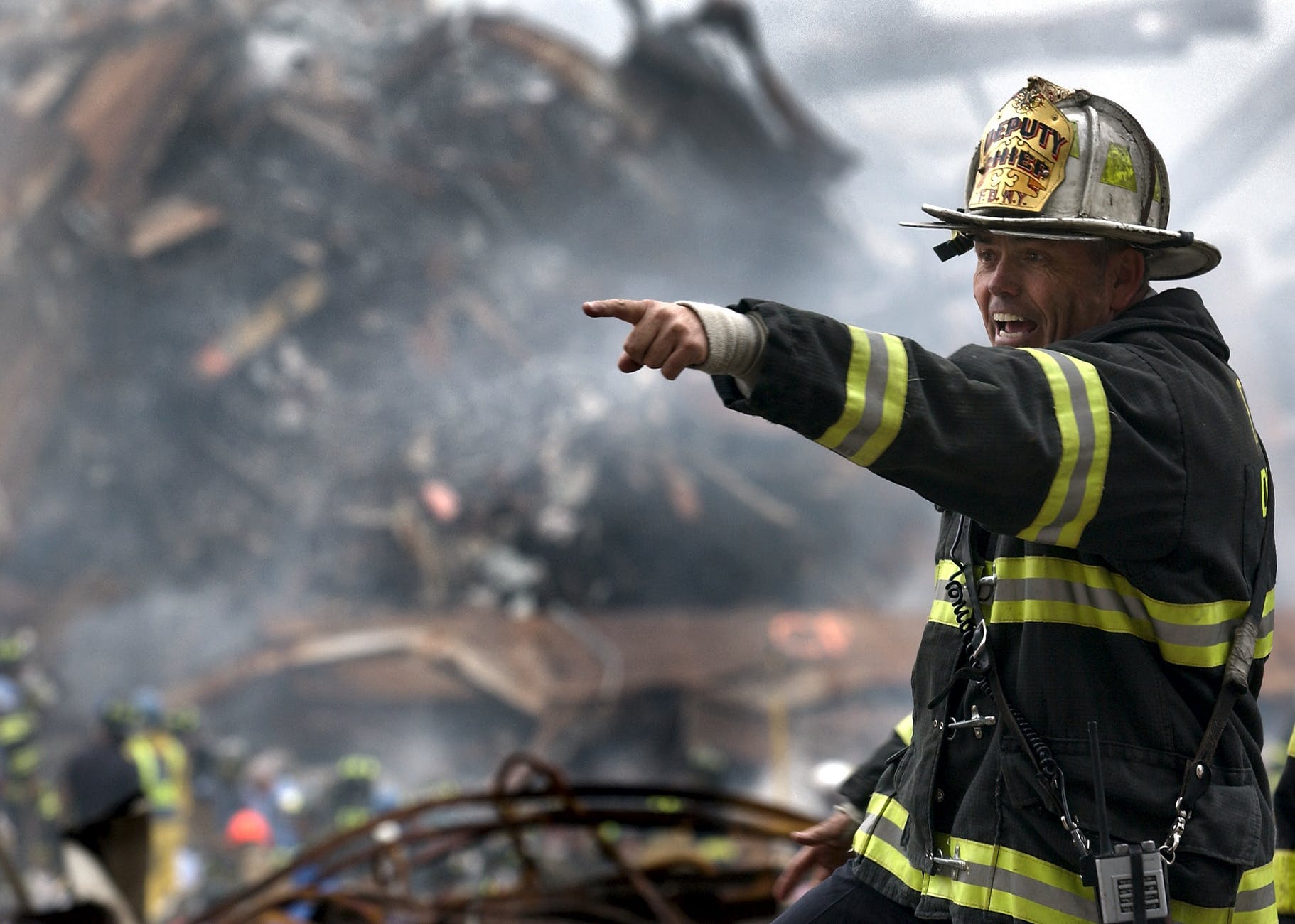
Seventeen years ago today, I was, like many people around the world, glued to a TV watching with horror as the Twin Towers of the World Trade Center in New York City were spewing fire, ash, paper, and even bodies before collapsing.  I sat in shock as I watched footage of the second plane smashing into the south tower.  People running away as rescue vehicles rushed toward the panic.  And as the towers fell, the smoke rose, filled with the last breaths of those trapped inside, along with the collective breaths of their families, friends, and the world.  A silent gray gasp– a frozen moment of silence in the midst of sirens and screams.  Time stopped at least twice that day.  Motions and emotions were suspended in those columns of smoke– love and memory, hopes and dreams– all drifted silently away from the open wound that was lower Manhattan.

History Channel 9/11 Timeline

Reports came of further hijackings and an attack at the Pentagon.  We were stunned; we were horrified; we were helpless.

fireman holding hose during daytime
Photo by Flickr on Pexels.com

And then, amazing things started to happen.  Stories of heroism and miraculous rescues.  The initial estimates of people killed ranged in the tens of thousands–all morning, they climbed higher– by Wednesday, they began to fall as more people were located.  Others were rescued from the debris as thousands of workers poured in to help.  Caravans and convoys of supplies– food, water, medical supplies, rescue workers and excavators– rolled, sailed, walked, or were ferried in.  In the first years, more stories emerged.   As horrific and tragic as the events of 9/11 were, they could have been even worse.  The initial panic morphed into resolve.  People who wouldn’t have spoken to their neighbors now worked side by side in shelters and clean-up efforts.  People who shouldn’t have lived through it did, while others who shouldn’t have cared willingly shared their time, their resources, their skills, their homes, and even their lives to help others.

fire fighter wearing black and yellow uniform pointing for something
Photo by Pixabay on Pexels.com

Ironically, the buildings were designed to withstand a hurricane.  Today, the east coast of the U.S., including potentially New York City, is preparing for the arrival of a hurricane.  The buildings of the World Trade Center were built with the hope that they would be strong enough to survive high winds and floods; able to provide emergency shelter and protection to thousands in the event of a natural disaster.  They were leveled by an unnatural force of evil and hatred meant to destroy life, liberty, and the pursuit of happiness.

aerial view atmosphere clouds cold front
Photo by Pixabay on Pexels.com

There are no man-made towers that can protect against the force of evil in our world– mighty winds of change, forces of nature, powerful attacks, acts of war, and collapse can occur without warning.  There is only one strong tower that can withstand the deadly forces of sin and hate and despair.  God stands firm and unshakable, offering to save all who come within His embrace.  He may not bring us through without wounds; He may even allow us to go through the valley of the shadow of death.  He doesn’t promise perfect weather or days without struggles.  He won’t remove us from the storm, but He invites us to take our shelter in Him.  He won’t make you take shelter; he won’t make you evacuate your house built on the sand.  He may calm the storm or stop the winds and waves.  He may ask us to weather them in their full force.  We may even lose this mortal life, but He will keep the soul that is stayed on Him.  And He won’t leave us to face the storm alone.

island during golden hour and upcoming storm
Photo by Johannes Plenio on Pexels.com

Today, I pray for those who are remembering that horrible day in 2001, and those who are facing an uncertain 9/11 today.  May each one feel God’s strength, shelter, and comfort in the midst of this life’s storms.

Arise, Go Forth, and Conquer!

I love quirky motivational posters.  A friend of mine once had a poster with an awkward looking duckling– wide-eyed and still fuzzy–with the caption,

“Arise, Go Forth, and Conquer!”

yellow duckling on gray dirt
Photo by Pixabay on Pexels.com

The phrase comes from Tennyson in Idylls of the King, but it is reminiscent of phrases given to Joshua as he prepared to lead the Israelites across the Jordan and into the promised land.

Joshua 1:2-3 (NKJV)   2 “Moses My servant is dead. Now therefore, arise, go over this Jordan, you and all this people, to the land which I am giving to them—the children of Israel. 3 Every place that the sole of your foot will tread upon I have given you, as I said to Moses.

God tells him several times to “Be strong and courageous..” (Joshua 1:6), “Be strong and very courageous.” (Joshua 1:7),  “…be strong and courageous.  Do not be terrified; do not be discouraged, for the Lord your God will be with you wherever you go.” (Joshua 1:9)

When I think of being strong and courageous, I don’t usually think of ducklings!  I think of hero bodybuilders or armored knights of old…people who are prepared to crush and conquer and face an army.  Yet God repeats the phrase to Joshua, including at last the command to “not be terrified; do not be discouraged..”, which indicates that Joshua was close to terror and despair, rather than filled with hope and adrenaline.

blue and red superman print tank top shirt
Photo by Pixabay on Pexels.com

And little wonder.  Joshua had to be experiencing a slight sense of Déjà vu.  About forty years earlier, he had been part of the group of spies sent to scout out the promised land…spies who had come back terrified and discouraged.  The entire nation was ready to rebel against Moses and even God.  Now, forty years later, Joshua was to try again– this time as Moses’ replacement, a new leader for a new generation already prone to complain and rebel.

Some days I feel a little like Joshua– facing walled cities, giants, and feeling totally inadequate to the task.  Some days it even feels like a struggle to “arise”, let alone going forth to conquer.

brown tabby kitten on green grass
Photo by Pixabay on Pexels.com

And then God reminds me…”Every place that the sole of your foot will tread upon I have given you, as I said to Moses.”  It’s not that God is literally leading me into the promised land as I go to the grocery store or face a difficult customer at work or walk around the neighborhood.   But, figuratively, He is helping me win battles against temptation, discouragement, anger, and bitterness.  He IS with me wherever I go, and He wants me to trust HIS strength and wisdom to triumph.  I become “more than a conquerer” (Romans 8:37) when I stop trying to fight in my own strenth and rely on His.  My strength may be minimal, my motivation questionable, and my wisdom lacking, but I can waddle confidently into battle, knowing that the victory is certain!

boy child clouds kid
Photo by Porapak Apichodilok on Pexels.com

This is also true for my pursuit of prayer– My prayers are often flighty, inadequate, sporadic, and even grudging.  I keep a prayer journal, and that can help with motivation, discipline, and even praise, but it doesn’t guarantee that I will draw perfectly near to God or follow Him with total faithfulness.  The more I rely on MY efforts, the more I am fighting to replace God’s strength and wisdom with my own.  God doesn’t want me on the sidelines, or sleeping in– He wants me in the game.  But the outcome doesn’t depend on my ability or my performance (or my lack of feathers!)

animal beak blur close up
Photo by Pixabay on Pexels.com

Spoiler Alert!

I love being “in the know”–being part of a great secret and knowing that I got the information first (or at least earlier than someone else).  But I don’t like spoilers– learning about things that I was hoping to discover for myself.  I don’t want to know the ending to that new novel from my favorite author until I read it.  I don’t want to know how the new blockbuster movie ends before I have had a chance to see it.  I don’t want to know that my favorite character in a TV show dies at the end of season three (Downton Abbey!) before watching it in all its tragic impact.

There are, however, some spoilers that should be shared, and God has given them to us in His word.

  • First and foremost– in the battle of good and evil– God Wins!  The victory has already been won, and the outcome is certain.
  • Second– Christ Messiah will return to earth.  He will come in triumph and glory.  While none of us know the hour or the day of that return, it will come quickly, like a flash.
  • Before Christ’s return, we will face chaos and trouble in this world.  That is also certain, though we have the power to face it and God has the power to turn it to good.
  • We will face death and the judgment of God–those who trust in Jesus Christ will still die; we will still be judged.  Only the blood of Christ, and our faith in his finished work will save us from the wrath our acts deserve.
  • Every knee shall bow, and every tongue confess, that Jesus Christ is Lord to the Glory of the Father (Phil. 2:10-11).

bow down

Knowing these “spoilers” doesn’t ruin our prayer life– instead, that knowledge gives us the power, the passion, and the promise to pray as if our lives depend on it!  Moreover, it should move us to pray and act on these truths in all our dealings with others.  Not to become arrogant about our knowledge, but to be compassionate and forgiving toward those who don’t have it or haven’t accepted it.


Presumptuous Prayer

The Christian life is often one of paradox–We are “in” the world, but not “of” the world; we “die to the flesh”, even as we continue to breathe and walk and eat in our fleshly bodies.  Prayer is part of that paradox– we dare to present ourselves before the throne of Almighty God, yet we are told to call him “Our Father”, and to come boldly.  We call on one who is unseen, unknowable, and sovereign, and we’re told to ask for anything in Jesus’ name, and it will be done.

This can lead to problems, as we try to resolve the paradox– sometimes we dare too much; other times, we ask too little.  I want to take a peek at how this works, especially as I have a problem with the latter.

Why do I feel it is a presumption to ask God for help?  Why do I ask God to do the least that I might expect from Him, when He offers miracles for the asking?  Why do I wait to bring my requests to God, hoping that I can solve them myself and not “bother” him?  Do I not trust him?  Do I not trust him enough?  Why do I get discouraged when my prayers are not answered “my way?”  Immediately!  When hardship comes, why do I assume that it is an accident–a miscarriage of justice–and call out to God as though he is unaware of my dilemma?

sunrays

I think we come to prayer with a few faulty assumptions about God:

  • we believe that God doesn’t know– that he is unaware of our needs or our circumstances, , our sense of urgency, or the depth of our despair; that he will be embarrassed by our lack of obedience or the simplicity of our request
  • we believe that God doesn’t care– we fear that God will be distant, disapproving, or even disdainful; unwilling to help us until we “clean up our act.”  Or we believe that he delights in testing us, watching us struggle, withholding help until we are properly humbled and abject in our obedience.  Perhaps we believe that “God helps those who help themselves,” and therefore, he is waiting for us to work ourselves to the limit before we bother him with our troubles.  We believe that “if God really cared” he would give us what we want, when we want it, and how we want it
  • we believe that God is unable– that we have messed up so badly, even God can’t fix our mistakes; that what we are asking is stretching God to do what is beyond his plan or purpose; that our request is too broad in its scope for God to attend to it
  • we believe that God isn’t really GOD–we have doubts about his existence, his reality, his presence, and his power over all our circumstances

We also come with assumptions about ourselves:

  • we believe that we are unworthy of God’s love, care, time, power, concern, or attention
  • we believe that we are worthy–worthy of special treatment and privileges denied to others because of who we are or what we’ve done; worthy of a life devoid of pain, stress, hardship, or struggle
  • we believe that we know better than God how to meet our needs; we believe that we have all the answers, and God’s job is to do our bidding
  • we believe that coming to God in prayer is a sign of weakness, laziness, or neediness that brands us as “less” than others who live life on “their terms”
  • we believe that our wants and needs are not important; that our dreams and desires must be squashed in order to serve God

If we assume any (or all) of these things, our prayers will swing wildly from wimpy hand-wringing and grudging worship to impatient demands and selfish complaints.

God knows– he sees everything; he knows your very thoughts before you think them!  God cares– he loves each of us with an eternal, limitless love– a perfect love that casts out fear and bids us to draw near to him, but doesn’t spoil us, indulge our selfishness, or set us up for failure.
God is able–just because we don’t see the answer we want in our current situation doesn’t mean that answer isn’t on its way.  Look back at the ways God has been faithful in the past–Can’t He Do It!

We are unworthy–in our own power–but we are also cherished by God, who makes us worthy through faith in the finished work of Jesus Christ.  Our privilege of coming to and communing with Almighty God is not a presumption in itself– it is a gift given by him in the moment that the veil was torn from top to bottom in the temple– the very moment Christ fulfilled the law, the barriers were removed, and God made it possible to come into his very presence.
We know only in part, and we see only in part– God sees the whole; the end from the beginning.  He knows what is best, not only for us, but for all of creation.
When we come to God, it is a sign of submission– not weakness.  It is a sign that we recognize God’s right to be God, and our privilege to live and work and commune with him, instead of acting and living in rebellion against him.
Because he knows our every thought, and he loves us completely, he cares about our every need.  When we trust in him– in his goodness, his faithfulness, his timing, and his sovereignty, he doesn’t promise us a life without hardship; but he does promise peace that passes all understanding as we go through those hardships.

pexels-photo-156151.jpeg

In the end, our faulty assumptions come from making ourselves too big– taking pride in our own worthiness, strength, and intelligence; or exaggerating our faults, mistakes, and unmet expectations– and making God too small to meet our needs or understand our hearts.

God wants us to presume on his Goodness and Might– not on our own wisdom and worthiness.


Blog at WordPress.com.

Up ↑