But then, he does three important things: He recounts what he knows of God’s character, he waits, and he hopes.
Sometimes, when I cry out to God, I expect God to reveal Himself to me with an immediate and positive answer. And, occasionally, God does answer prayer with a dramatic and instant result. But most of the time, God answers first with silence. Not because He is cruel or uninterested or too busy to acknowledge my cry. He gives me time to reflect– on His nature, and the nature of my need. And He gives me time to find peace and trust in the middle of the storm.
I spent much of yesterday crying out– I am frustrated with the uncertainty surrounding COVID-19. I am angry at the misinformation and conflicting reports; I don’t know what to believe about staying put or venturing out–is it allowed? Is it safe if I wear a mask? Can I go to the park or beach? When can I re-open my shop? Can I make the payments until it can be re-opened? When can I safely see my family and friends again? Will it be safe to hug them? And I am frustrated with the way I see people treating each other– yelling, screaming, eager to condemn everyone else’s behavior while justifying their own. And I find myself saying and doing the same thing from the relative safety of my computer screen– after all, I can’t yell at anyone to their face if I can’t leave the house, right? But I can let my 300 closest friends know how heartless and selfish they are if they don’t see things my way! They’re KILLING people! They’re betraying family members! They’re living in fear! They have no compassion! And I cannot make them do what I think is right!
But when I stop the crying and carrying on, and justifying, and finger-pointing; when I stop to remember who God is, and who I am, I remember that God IS attentive. And not just to my frustration, but to everyone’s needs– the person who is living in terror; the person who is suffering pain, grief, agony, and loss; the person who is defiant and uncaring and angry. God is attentive, but He is also overflowing with mercy. If He kept records– if He only looked upon mankind to find evidence of our guilt or to pour out shame and punishment– who could stand? Who would have the authority to tell God how He should direct the universe? Who could say that they were more capable of dispensing life and death, health and sickness, mercy and justice? Would I? It is no little thing to cry out to the God of the universe. And yet, God listens attentively to our every cry. Especially when we cry out to Him for mercy, for wisdom, for peace, and for healing. His answer may not look like what we expect, but He never fails to listen in Love.
And as I contemplate God’s power, wisdom, compassion, grace, and authority, I can wait. And that doesn’t mean that I sit in a lotus position and stop seeing the pain and chaos and death. Or that I count to ten and hold my breath. Or that I set a timer and think happy thoughts for 20 minutes. No. I wait like a watchman– like a sentry waiting for whatever may happen– alert and ready to do my duty. And I wait like a watchman for the dawn– for the light of day to see clearly; for the end of my watch, when there will be rest.
This season is difficult, but it will end. It will give way to a new dawn– with new challenges! But just as the Psalmist tells Israel, I know I can put my hope in the Lord, for “with the Lord is unfailing love and with him is full redemption (v. 7). If I cry out, knowing that God is willing to listen and able to save, but I don’t stand firm in hope, I can still be swept away by the winds of doubt and the current of angst.
GOD–Almighty, Bountiful, Compassionate, Deliverer, Eternal, Faithful, Glorious, Holy, Incomprehensible, Just, Kind, Loving, Merciful, Noble, Omnipresent, Perfect, Quick to listen, Redeemer, Sovereign, Trustworthy, Unchanging, Victorious, Wise, EXcellent, Yahweh, Zealous. Father, let me fix my eyes, my mind, my soul, on YOU. Let me see you; let me stay close by you and be true to you. Let me reflect you and share your glory today.
LOVES–Adores, Blesses, Cares, Delights, Encourages, Favors, Gives, Holds, Intercedes, Justifies, Knows, Listens, Ministers, Nears, Ordains, Protects, Quiets, Reveals, Sanctifies, Treasures, Understands, Values, Watches, EXhorts, Yearns, Zeroes in… Jesus, your love for me is beyond anything I can imagine. I don’t understand it, I don’t deserve it, and I can’t be separated from it. It hems me in and holds me close– even when I don’t see it. I thank you and praise you for BEING love; for showing love; for sending your Son; for showering me with your mercy; for showing me how to share your love with others.
YOU. No long alphabet list– just let that sink in. God LOVES you. He adores and pursues YOU. He wants to spend an eternity with YOU– helping you become the YOU you were always created to be! Lord, let whoever may read this to know and experience the power of Your love, today. May they be wrapped in Your mercy and grace. May they be strengthened and encouraged in the warmth of Your invitation to COME to You.
I live in Michigan, and our state is in the news, because our Governor has issued a new set of restrictions in light of the ongoing COVID-19 outbreak. There is a “Stay Home; Stay Safe” measure restricting travel and “non-essential” business until the end of April. But parts of her new executive order have drawn criticism–especially her restriction of gardening and landscaping activities. Larger stores are not allowed to sell plants and seeds and gardening implements, as they are considered “non-essential” (as opposed to food and medicine purchases). It is still unclear whether or not gardening centers or roadside businesses can still sell plants or seeds if that is their primary business.
Thousands of residents are upset about these restrictions, and the slippery logic behind allowing liquor sales, sales of lottery tickets, and recreational marijuana, and allowing access to abortion clinics, while seeming to single out gardening, landscaping, home improvement (we can’t buy paint), and other reasonably “safe” activities, and prohibiting families from being with their loved ones– especially those who are dying of non-COVID-19 related causes.
I am not faulting those who are upset, and I won’t use this space to either fault or defend our governor. These are challenging times, and tempers flare, patience grows thin, and people are not always going to think or act at their best.
My point is that we– all of us– are sowing seeds during this time. Maybe not vegetable seeds or herbs or flowers, but seeds of discontent, seeds of anger, seeds of bitterness, and seeds of pride. We don’t need soil or seed packets or starter plants to sow a crop of good or bad spiritual produce. We don’t need to visit a store or garden center to bloom where we are planted.
So today, my prayer is that I would plant the following seeds:
Kindness–Words and deeds that show honor, respect, and love for those around me. Not just my friends, but also those who count themselves my enemies, and those with whom I disagree. Kindness multiplies and brings a fruitful harvest.
Joy–Not phony happiness, but true joy– the kind that doesn’t deny hardship, but gives strength in tough times. The kind that grieves with those who grieve, but offers hope and compassion. It is a sweet balm that brings healing and a lingering fragrance.
Patience–Waiting is not easy. It is not comfortable. But it is quiet strength that doesn’t give way to panic and anger. Patience is a “hardy” plant for any season.
Forgiveness– Forgiveness must be carefully tended in times of distress and uncertainty. We must prune away pride and hurt feelings and the desire for vengeance. Forgiveness is a rare and precious plant.
Gratitude/Contentment–I woke up today. That was a blessing. I opened my eyes and saw a roof over my head. I was warm and wrapped in blankets in a bed in a bedroom in my own apartment. I turned on a light, pulled clothes out of my closet, took a shower, and looked in the refrigerator where I had a choice of food to eat. I can breathe without a respirator, I can walk and use my arms and hands. I can speak and listen. Even in the midst of these times– even if I had no home or food, no running water, and I tested positive for COVID-19, or cancer, or MS–God is with me; God loves me; God knows everything about me; God sent His own Son to die for me when I was still a sinner! Gratitude is like a morning glory, declaring beauty, not because of its surroundings, but because that is its nature and its purpose. We can do the same!
Faith–I saw a meme the other day that said , “If a tiny virus can do this much damage, imagine what mustard-seed-sized faith can do! There is so much confusion, so much doubt, so much despair right now. But Faith, like a mustard seed, can spread and grow, even under (sometimes especially under) adverse circumstances. And Faith is another strong plant that can withstand the strong hot winds of adversity and weather great storms.
Love–Love is like a tomato plant– it just keeps growing and giving and producing. But, like a tomato plant, we need to watch out for blight and worms. True love drives out fear, overcomes, endures…you’ve probably heard all the cliches. But love also involves risk, rejection, and even pain. Make sure you plant your love in good soil and give it the supporting frame of faith in the one who IS Love.
and finally, Prayer– Prayer is a root vegetable; it grows in good soil and where is can’t always be seen. Prayer can thrive in times of quarantine. It is (or should be) untroubled by what is happening “above ground.” It needs the “living water” of God’s Holy Spirit, and the good soil of faith. Its roots are deep, and it provides nourishment for the soul.
I’ve had a difficult time sleeping lately. Not just because these are stressful times (though they are), and not just because we’ve had a couple of stormy nights (which we have), and not even because I’ve lost track of time, and slept in late and stayed up too late doing things like writing my blog entries…
But the combination has meant that I’ve slept badly for several nights, and I’ve been paying the price– tired in the early evening, grumpy in the mornings… Sleep is essential for good health; not just physical health, but mental and emotional health, too. And it is just as necessary– in some ways more so– when we face trying times.
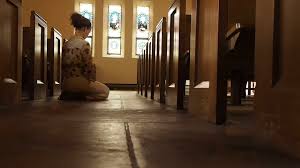
When I cannot sleep, I can still pray. Sometimes, I pray through tears, sometimes through exhaustion. And sometimes, I cannot sleep because I have not prayed– I have worried and wearied my mind, but have not given my worries and concerns over to the One who holds the universe in His hand. Often, once I resolve to spend time in prayer–I find I can sleep, after all! (Isn’t that just the way, sometimes?!) I pray for the storm to pass, or the worries to melt away, but they don’t. However, as soon as I begin to pray about things bigger than what is keeping me awake– unsaved loved ones, those who are suffering much worse than my headache or stuffy nose–suddenly I’m out like a light! ( BTW– I’m not recommending this as a course of action. I don’t believe God works that way. It’s just an observation. God grants us what He knows we need most–rest is important, but God will send it in His time, not because we say or do things in a particular, even contrary, manner.)
Jesus was fully human. He needed sleep, and the Bible records that he slept. But the recorded instance of him sleeping doesn’t center on peaceful circumstances and luxurious surroundings– no soft beds and tropical breezes gently whispering him to slumber. And we don’t see him falling asleep after an intense prayer session. Instead, we see Jesus sleeping through a raging storm in the middle of a lake . (Matthew 8:23-27; https://www.biblegateway.com/passage/?search=Mark+4%3A35-41&version=NIV; Luke 8:22-25). With great waves churning the lake, and tossing the boat about, even seasoned fishermen were terrified; yet Jesus lay asleep in the stern of the boat. And it seems that his sleep was deep and restful, in spite of his surroundings and circumstances. When he was awakened, he didn’t worry or panic– he simply told the wind and waves to “be still.” The disciples were in awe of Jesus’ power, but they had failed to consider praying before they woke him up. Instead, they had exhausted themselves with worry and fear.
Lest we fall into thinking that Jesus was just supernaturally “chill” about danger, we need to look at his experience in Gethsemane. This time, it was the disciples who slept, even when Jesus asked them to keep watch as he prayed, even when he had explained to them that he was about to be betrayed. There are circumstances that drive us to our knees, that won’t let us sleep– trials and pains that draw us to our Father. But in His mercy, He will often grant us rest and renewal in the midst of the worst circumstances. Jesus did not find sleep in the Garden– he found the power he needed to face his trial and death on a cross. But his victory means that WE can have peace and hope– and rest– even in times of crisis.
There is a time to sleep, and a time to pray. Anxiety, trouble, and sickness may make sleep difficult, and even impossible for awhile, but God knows we need it in times like these. And He knows that in the sleepless hours, we can lift our deepest cares to Him. May God grant me the wisdom and the faith and the ability to find time for sleep and prayer. May God grant the same to you, and to all of us.
When I was just over a year old, I became very ill. Several doctors were consulted, but no one seemed to know what was wrong. I was losing weight, growing weaker, lost the strength to walk (something I had just started doing), and losing the will to thrive. I cried and moaned throughout the day, and had trouble falling asleep normally– demanding constant attention and comforting, but not showing any signs of fever or infection.
Our minister at church anointed my head with oil for healing. Everyone prayed fervently. Mom and Dad took turns staying with me at the hospital, trying to calm my fears and hope that I would get better. Finally, one of the doctors (a third- or fourth-opinion at that point) suggested that I might have a protein deficiency–that my body was not processing proteins correctly, as I had just started eating meat and more complex dairy. He suggested a course of booster shots that lasted well into my fifth year; it was one part nightmare, and three parts miracle– daily, then weekly, monthly, and quarterly trips to get the dozens of booster shots, but I lived, grew, and was able to live a normal life. My childhood was filled with nightmares and many sleepless nights, even after my health began to improve. But I learned to love meat and dairy, trust the doctor and nurses who administered the dreaded shots, and embrace life.
I tell this story in relation to Psalm 23:5, not to make a plug for anointing as a miracle “cure” or magical ritual. I realize that healing comes in God’s time and will, and that not everyone who prays for (or anoints for) healing receives it in this life. But I DO believe in the power of prayer, and I do believe in the act of anointing. It is not the oil, or the ritual involved that brings about powerful healing, however. It is a representation of God’s power to heal– and it brings with it an awareness of His presence and sovereignty.
When David talks of anointing, he speaks from multiple layers of experience. As a shepherd, David would pour oil over the heads of his sheep. This served two purposes– it would keep insects from burrowing in and around the eyes, nose, ears, and necks of the sheep, where they could do untold damage, and where sheep could not dislodge them; and it would help them as they grazed among briers and rocks where they might get snagged, cut, or scraped. Oil brought protection and healing.
But David was also a King. He had been anointed by Samuel to be the next King of Israel as a young man. Even though he had to wait through years of danger, war, and exile, he had been chosen and set aside by God. God had seen him through and raised him to prominence, and He had signaled all that through anointing.
God is our Good Shepherd. He anoints our heads with oil– for protection, for healing, for service, and for ordination. Our Shepherd cares deeply for our physical and spiritual needs. And He appoints us to His service–He has a purpose and a position for each of us in His kingdom.
In days of confusion and suffering, we can forget to look for the Shepherd’s presence and His provision. We may lose strength, and even the will to thrive. But God can and will strengthen us with “spiritual protein” in His word and through fellowship. He will provide us with “booster shots” of blessings– friends who pray for us and with us; scripture that inspires and convicts; hymns and songs that remind us of His amazing grace and love; moments of prayer and meditation that carry us through the day. God will provide the daily anointing we need– and when we turn our face toward His, we will see eyes of love and feel His gentle hands of grace as He gives us all we need.
For more on Biblical anointing– it uses, meanings, and symbolism, check out these resources:
“Social Distancing” is the latest buzz-phrase in the media. With the spread of COVID-19, governments and health officials are asking people to avoid meeting in groups, avoid physical contact, and keep our distance from those outside our immediate family. Those who are most susceptible to the disease are being asked to self-quarantine; those who contract the disease are put in isolation. This is causing many people additional suffering, because they feel alone and even abandoned.
But God assures us that He will never leave nor forsake us. No matter how “distant” we may be from others, God is always with us– ALWAYS. Prayer does not summon God to our side, or capture His focus and attention from someone or something else. Our God is omnipresent and omniscient– He know our every thought; He is with us through every moment and every breath.
So why do we feel so alone and frightened at times like these?
Disaster, disease, hardship– especially when they come unexpectedly or develop rapidly– remind us that we live in a fallen world. We KNOW our world isn’t perfect. We know that life is fragile. We know that health and comfort are not guaranteed. But sudden tragedy leaves us unable to deny that our world is broken and we cannot, by our own efforts, fix it. We expect that God’s presence means God’s perfection will surround us, protect us, and shield us from the reality of Sin and its consequences– including the reality of Sin in the natural world around us. Hurricanes, earthquakes, infections, climate change– God allows them to happen. They will continue to impact our fallen world until God chooses to step in and put a permanent end to them. But He is still here WITH us through the storms and sicknesses and trials of life.
God’s voice is often gentle and comforting. Panic and fear are loud and insistent. We will hear the voice we focus on most. God whispers in our ear if we are listening to Him– if we concentrate on spending time with Him. How much of my time today was spent in Scripture and prayer? How much of it spent listening to the news or reading FB posts full of anger and confusion?
Sometimes, in the good times, we pay God lip service; taking for granted that He is there, but not acknowledging His presence. Sure, we say that He walks with us (or we walk with Him); but we don’t take a moment to look up and see where He is leading us. Instead of being close to God by following our Shepherd, we are close to Him because He is chasing us down to bring us back to the right path. He is right there, but in our panic, we don’t see Him, because He is no longer leading us.
Fear and panic draw our attention inward. It’s one of the reasons “social distancing” causes emotional distress. We are social creatures, but our focus is easily drawn inward, and more so when there seem to be no other people around. Our own thoughts, fears, and questions grow bigger– enough to consume us if we are not careful.
Pray. Pray some more. Pray without ceasing! (2 Thessalonians 5:17)
Let God speak– meditate on God’s word. Meditate on His names and His character.(Psalm 19) Seek out websites that magnify God. Call or e-mail friends who can pray or praise with you.
Sing! Worship the God who is bigger than any crisis we may face. Sing at the top of your lungs– if you are alone, there is no one else to hear you, but the one who adores your “joyful noise” (Psalm 100)
Encourage others– Be the reminder that someone else needs today. (1 John 4)
These are fearful days. As I write this, the world is reeling from the Coronavirus/COVID-19 pandemic. There are travel bans and business closures; people are hoarding hand sanitizer, soap, and toilet tissue, bread and bottled water.
But what do we really fear? The Coronavirus is dangerous– even potentially deadly–but so is the “regular” flu (to a lesser extent). Many people will suffer from the Coronavirus for a few days, only to recover and return to “normal”life. The economic reverses and closures, while temporarily devastating, will come to an end, as well.
In many ways, the real fear is, as Franklin Roosevelt once said, “fear, itself.” Panicked people hoarding basic supplies leave us wondering if we will face food shortages, or be left without any way to protect ourselves from the spread of this disease. We fear the rumors, the exaggerated stories, the dire possibilities and predictions. We fear over-reacting and inviting unnecessary dangers, and we fear under-reacting and taking unnecessary risks. We even begin to fear those close to us– are they telling us the truth? Are they giving us helpful advice? Do we trust their sources of information?
In the midst of this atmosphere, there are three mistakes I think we need to avoid as Christians:
Panic– the world around us reacts with fear. We are told, again and again in scripture, not to be afraid, not to worry, and not to fret. “Yea, though I walk through the valley of the shadow of death, I will fear no evil.” (Psalm 23:4) Why can we keep calm when the rest of the world succumbs to fear? “For Thou art with me..” (v. 5a) No set of circumstances– even a worldwide pandemic– are a match for God’s omniscience, His power, or His mercy. We may not know the future, but God does. He knows how this chapter of the story ends. He knows what we need, and how to supply it; He knows every cell of our bodies, and every virus in the atmosphere. And, while He may not supernaturally stop this disease in its tracks, He will give us wisdom to respond in ways that may limit the spread and severity of COVID-19– and even teach us lessons to face the next crisis.
Over-confidence–the Psalmist says, “I will fear no evil.” That doesn’t mean that I will take no caution, make no plan to protect my loved ones and myself, or feel no concern over adverse conditions. It is very tempting to put on a show of bravado in the face of worldly panic; to project confidence in ourselves and disdain for danger. Our confidence doesn’t lie in ignoring the very real dangers and struggles ahead– our confidence lies in knowing that God is ALWAYS in control. We should have a healthy concern in the weeks ahead. We should not berate those who express worries–we should direct them toward our source of comfort and strength, not waste time bragging or sneering.
Isolation– times of crisis bring out the best or worst in us. Panic and over-confidence can make us step back and close ourselves off to those in need. We need to be wise to ways that we can offer practical help and spiritual guidance to those around us. How can we offer to share burdens? Ease financial difficulties? Help deliver food or medicine to those in quarantine? Offer shelter or hospitality to those displaced by quarantine or travel bans? Help those who are grieving or stressed?
Finally, notice that the Psalmist singles out the fear of evil. Panic will bring evil in its wake. Evil will need to be confronted and checked by those willing to fight it. We need to confront those who try to take advantage of others; we need to hold thieves and liars and fear-mongers accountable, as we combat their message of greed and panic. Not because we are here to judge; but because we are here to spread Grace and Peace, Blessing and Kindness. May we be more contagious than Coronavirus in bringing God’s power and Love to those who need it so desperately at this time.
We’re getting ready to enter the Lenten season–six and a half weeks of reflection and preparation before Easter. Lent is not a celebration in the traditional sense– it is solemn and reflective, personal and, sometimes, painful. It is a time of getting “real” about our sinful condition. The Bible says we have all fallen short of the Glory and Holiness of God (Romans 3:10) and deserve God’s wrath. The natural consequence of sin is death (Romans 6:23), and permanent separation from the goodness of God.
There are many ways we can react to this reality. I know many people who resent God’s Holiness and His laws. They do not want to face God’s righteous judgment; they believe that God’s laws are cruel and unjust, and that they do not have to answer to anyone greater then themselves.
Others want to bargain with God. They feel that if they relent– if they set a goal to do more good than harm, if they strive to be better than “the next guy”–God will weigh their good deeds in the balance and judge them in comparison with how bad they “might have been.”
But God doesn’t judge on a curve– He doesn’t judge us by our measure, but by His. And none of us “make the grade.”
If that were the final word– the end of the story– there would be no reason to relent, and it wouldn’t make any difference if we were resentful. But God, from the very beginning, designed a different outcome. His judgement is just, but it is not without hope or remedy. God Himself has given us the chance to change– to repent. Repentance is agreeing with (not resenting) God’s judgment, and responding (not bargaining) with changed behavior and a changed attitude.
Lent begins when we confront the great gulf between God’s Holiness and our sinfulness. It stretches through the realization that sin and its consequences surround us, hem us in, and poison our world. It is a time of sadness and gaping loss, when we long for healing, for hope, and for a home we’ve never seen. It is a time for reflecting on the cost involved–not just in human suffering, but in God’s suffering as a human. God, who could have, in His righteousness, destroyed even the memory of mankind, chose to share our sufferings– hunger, cold, exhaustion, rejection, heartbreak, betrayal, death– to that we could be delivered into everlasting life.
Lent ends as we remember Jesus’ death and burial– His ultimate sacrifice for our debt. It ends with a shattering trumpet-blast of hope and joy on Easter Morning. Our sadness and loss is NOT the end– Sin’s power and poison are illusory. They have no power over our Great God.
It can be tempting to respond to our present circumstances with resentment. It can be tempting to relent in our rebellion– trying to bargain with God, and minimize the cost He had to pay, trying to pay the price ourselves with a show of good behavior and a superficial devotion.
But God’s great Love and Mercy should draw us to worship and true devotion. As we reflect on the great gulf between sin and holiness, it should cause us to gladly repent– to lay on the altar all the substitutes and lesser things that keep us from full communion with the Lover of Our Souls.
Our prayers during this season may be difficult. They may be filled with grief, loss, and pain. But they may also be filled with hope and joy as we anticipate the gift of Grace. And they should be filled with praise. After all, Lent is a season; a season to reflect, a season to repent, a season to mourn, but a season with a beginning and an end; a season that gives way to celebration and a sure hope of resurrection!
**Spoiler alert** If you have not seen this movie, or read the book, I will be disclosing large portions of the plot in the paragraphs below.
I love the movie, The Princess Bride. Though it is not a “spiritual” tale, and not meant to be a Christian allegory, I find a lot of Biblical truth in this story. In my last post, I looked at the skeptic, Vizzini, whose exaggerated claims of intellect and trust in his own brilliance lead to his downfall.
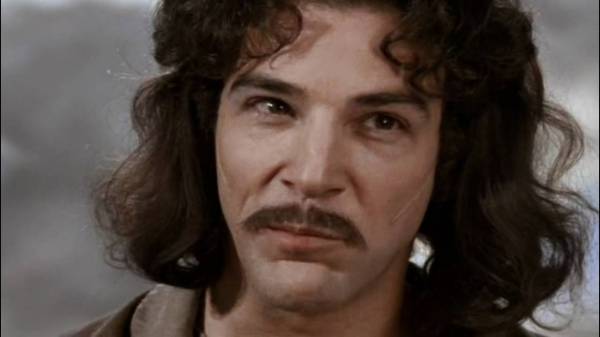
Today, I want to look at one of his sidekicks– Inigo Montoya. Inigo is a reluctant mercenary. He works for Vizzini “just to pay the bills.” His only real ambition is to find his father’s killer and demand vengeance. This has been his guiding ambition for over 20 years, and he is committed to killing his father’s murderer in a duel– if only he can find the elusive villain!
Inigo knows three things– he knows the villain roams free and has never been brought to justice; he carries the scars from his own failed sword fight with the man, so he knows his skill and ruthlessness; and he knows the man has six fingers on his right hand. He doesn’t know the man’s name or rank, where he lives, what he does for a living, if he still lives, if he has a family– he really doesn’t know how or where to look for him, and he has no plan beyond challenging the man to a rematch to avenge his father.
I cannot condone Inigo’s thirst for vengeance https://www.biblegateway.com/passage/?search=Romans+12%3A19&version=ESV, nor his half-baked plan to achieve his goal. But Inigo’s great love for his father and his belief in justice make him a likable character. Unlike Vizzini, Inigo seems concerned for the princess’s welfare and fate, and reluctant to be involved in something that could lead to her harm (or even death). Once he meets the “man in black” who comes to rescue the princess, he treats him with honor and admires his courage and skill, even as he is pledged to try to stop him. He allows his foe to catch his breath, prepare for battle, and even shares his sad tale in the hopes that the man in black can help him find his Nemesis.
Inigo isn’t a very good villain; he is too honorable, too ready to help others he meets along the way. But he attracts miracles along his journey, and I’d like to look at three-and-a-half miracles today.
Miracles come in different types. Some are miracles of preservation; some are miracles of healing; some of transformation.
Inigo’s first “miracle” is actually a series of miracles of preservation. Three times, Inigo is involved in sword battles, and three times he is preserved. At age eleven, he watches as his father is ruthlessly slaughtered by the villainous six-fingered man. Inigo tries to fight for his father’s honor, but is defeated. The six-fingered man leaves him scarred and humiliated, but considers Inigo nothing more than a “brat,” and considers that he has “taught him a lesson,” so he lets him live. It doesn’t seem like a miracle, but Inigo is given a chance to grow up, when he easily could have been killed. He uses this opportunity to become a great swordsman, so he can find his father’s killer and challenge him to a rematch! When Inigo challenges the mysterious man in black, he is formidable in battle, yet he loses. He is winded, scratched, and disarmed by the stranger, and expects to be killed. Yet, again, he is spared– this time out of respect. The stranger renders him unconscious, but does not kill him. Inigo recovers and finally gets the chance for vengeance against his nemesis, Count Rugen. He challenges the Count to a duel. But the Count cheats, and Inigo is gravely wounded before the battle even begins. Miraculously, he finds the strength of body and will to continue the fight. Struggling against the loss of blood, the taunts of his enemy, and his own sense of failure, Inigo continues to fight, gaining strength and momentum, until he wins–bringing justice to his father, and defeating his enemy.
The second miracle is one of guidance. Inigo needs help to reach his goal of finding and confronting Count Rugen. He needs the help of the very man he fought earlier– the mysterious man in black. But the tables have turned. The man in black has been taken captive and tortured. Inigo must find and rescue him. In desperation, he prays for guidance. He enlists God’s help in locating the man who can help him. But his prayer seems to go unanswered. He stumbles around in the woods, lost and defeated. Finally, he leans against an old tree–and in doing so, he triggers the secret door leading to the torture chamber where the man in black lies, left for dead.
The third miracle is one of revival and restoration. The man in black seems to be dead, so Inigo and his friend, Fezzik, take the body to a man named Miracle Max, to be brought back to life. Of course, this is a fairy tale (though a fractured one). We don’t expect to find miracle workers in the middle of a forest. But we often pray for miracles in hospital wards, courtrooms, and rescue shelters. God sends miracles– but he often does so through the skills and willingness of others. In this case, Miracle Max delivers a crushing blow– he does not have the power to bring someone back from the dead. However, the man is black is NOT dead; he is only “mostly” dead. Miracle Max concocts a restorative potion, delivered in a chocolate-coated pill. The man in black makes a halting, but timely, recovery, allowing Inigo to track down the evil Count and bring him to justice. (It also allows the man in black to finish his quest, rescue the Princess and defeat her wicked fiance.)
After three miracles, Inigo finishes his quest and faces a surprising new problem. His whole life has centered around revenge. Now that he has achieved his goal, he has no future; he has lost his sense of purpose. And this is where the “half” miracle happens. Inigo’s character is noble, even if his obsession with vengeance has been unhealthy. Along the way, he has befriended Fezzik, and rescued a man who was deemed to be an enemy. He has fought bravely and with honor, and has not been corrupted by money, power, or violence. His new friend, the man in black, offers him the chance to start over– as the Dread Pirate Roberts! (Lest this sound truly “dreadful”, it has already been explained that the name and reputation are what brings terror into the hearts of the other pirates..once again, this is a fairy tale, where pirates can be heroes.)
Inigo Montoya is a flawed character– he is a drunkard, a mercenary, living with years of failure and haunted by his thirst for revenge. He is not wicked in the same way as Count Rugen or the evil Prince Humperdink, but he is lost, confused, angry, bitter, and unable to save himself. He is a sympathetic character because he is a lot like many of us. But Inigo’s life is transformed by miracles– mostly unsought–giving him the opportunity to start a new life, make new friends, and explore new opportunities.
What unsought, and even unacknowledged, miracles have come into your life? How many times has God preserved your life, guided you in unexpected directions, provided healing or renewal to your physical, emotional, or spiritual being, and given you unexpected new opportunities?
God doesn’t always give us an instant or dramatic miracle– even when we pray for one. Sometimes, he allows us to collapse against a tree, or be scarred by our enemies, or spend twenty years chasing a quest only to find ourselves unfulfilled at the end of it.
The character of Lot in the Biblical book of Genesis is one that often gets overlooked in favor of his uncle, Abram/Abraham. Yet Lot lingers in the background, following Abram to Canaan, and later to the area between Bethel and Ai. (See the end of Genesis 11 and the beginning Genesis 13.) Curiously, we don’t hear anything of Lot when Abram and Sarai travel to Egypt during a period of famine. He isn’t there to support his uncle, or share his burden. He isn’t there to alleviate any of Abram’s fears relating to Sarai (See Genesis 12). Abram resorts to lying about his relationship, and causing difficulties with Pharaoh, but there is no mention of Lot until Abram and Sarai return from Egypt. Lot rejoins his uncle and they move into a fertile region– so fertile, in fact, that their flocks and herds soon grow too big for the area.
At the beginning of Genesis 13, things have come to a crisis point. Abram, as the elder, could have used his age and position to demand the best grazing land and force Lot to fend for himself elsewhere. But he doesn’t. God has already promised that Abram and he will become a great nation and own the land of Canaan. Abram, in faith, tells Lot that he can have his choice of the land– anywhere he goes, Abram will pull back and take the leftovers.
It must have felt like winning a prize–being given carte blanche– first dibs on the best land in the region, while your elder agrees to give you even more space to expand. And Lot makes the most of this golden opportunity. He chooses the best land in the area– well watered, green, and near wealthy centers of commerce and culture–what could go wrong?
Before we explore the answer to that question, let’s stop and consider Lot’s character and choice in comparison to his uncle’s character and offer.
Abram reveals much of his character in a pattern of “calling on the Lord.” He does it in Genesis 12:7, 13:4, and again after the separation from Lot in Genesis 13:18, where he built an altar. There is no mention of Lot ever calling on the Lord for anything. Not to seek His face, or give Him praise, or memorialize an event. Lot is not a giver– he is a taker. He takes advantage of his uncle’s wealth and standing time after time, but we never see him thanking his uncle or showing deference to him as an elder. This is not to say that Lot never showed gratitude or deference, but he seems not to have made a habit of it. In taking the best land for himself, Lot acted with supreme self-interest. He could have sought out good land elsewhere, leaving his older uncle in possession of good land close by. He could have taken time to consider more than just the obvious good points of the land he chose. But he didn’t. He jumped at what looked like an amazing stroke of luck. But in the end it turned out to be more of a curse than a blessing.
How often am I like Lot? When have I jumped at the chance to take the “easy” path, never bothering to consider how it impacts others? Have I developed the bad habit of taking “good fortune” for granted? Do I thank God, and those who have poured into my life, for their care and help? Am I dependable– am I “there” for my friends and family in good times and in times of famine, hardship, or pain?
Lord, help me to learn these lessons from your word. Help me to be more like Abram, and less like Lot as I go through the day and week ahead. And Thank You for Your character of faithfulness and grace, that chose to rescue Lot (twice!) in spite of his selfish choices. Help me to show the same grace to others I encounter.









































 Pursuing Prayer