Afraid to Pray?

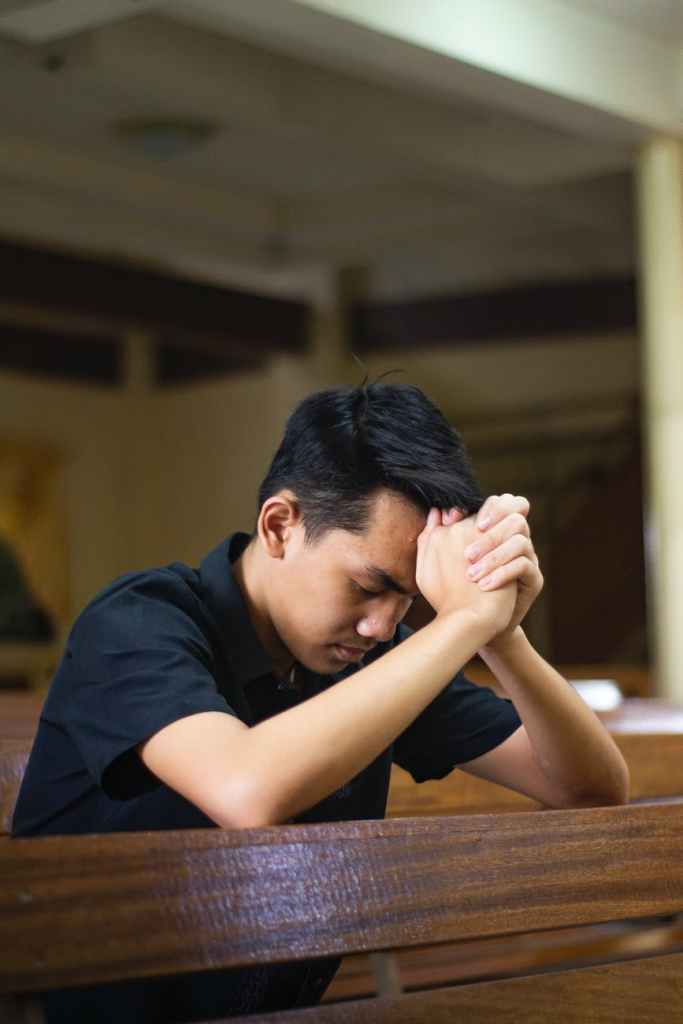
Are you ever afraid to pray? Afraid that God will not hear, or worse yet, that God will hear but reject your prayers?

The Bible has much to say about fear and our worship of God and in our conduct before God. We are supposed to have a healthy “fear of the Lord.” After all, God is Sovereign. He holds absolute power over life and death, both in this life and throughout eternity! We should have the kind of awe and respect we have for one whose power is so great. We fear forces of nature, such as fire, floods, earthquakes and tornados. We should be afraid of God’s power in relation to our own. But what does this mean in relation to prayer? Does fear have any place in our pursuit of prayer?

So we have come to know and to believe the love that God has for us. God is love, and whoever abides in love abides in God, and God abides in him. By this is love perfected with us, so that we may have confidence for the day of judgment, because as he is so also are we in this world. There is no fear in love, but perfect love casts out fear. For fear has to do with punishment, and whoever fears has not been perfected in love. We love because he first loved us.

1 John 4:16-19 (ESV)

The “fear of the Lord” has to do with God’s power and authority to punish sin. We live in a fallen, sinful world, and we are fallen, sinful people. Our natural response is that of Adam and Eve in the Garden of Eden– to hide from God, and try to avoid His righteous judgment against us. Those whose consciences have been seared will lose this healthy and natural fear– they will be proud in their defiance against God. They will say that God is not sovereign or Holy; that He does not have the power to judge them; that they can “bargain” with God about their eternal destiny– they will even deny His very existence. Others will claim that God is Holy, but not “Good.” They claim that He is disposed to judge harshly; that He is vindictive and without mercy; that He demands too much of us. On the other end of the spectrum, Christians and others can become so disposed to seeing God as their friend and advocate that they forget His awesome Holiness and Power. Christians have no reason to be afraid of God, but we have every reason to stand in AWE of Him!

The Truth of God, as revealed in Jesus Christ is that God is LOVE– perfect and everlasting Love! While He has the power and the authority to judge, it is His desire to lavish mercy on us! Such love should compel us to run TO God, rather than run away from Him! We fall on our knees in worship and adoration, not in abject terror.

So what could still cause us to be afraid to pray?

Perhaps we are still in sin, or we have strayed back into sin. Christ has already paid the penalty for Sin– it has no real power over the believer who “abides in God.” But it still has the power to draw us away from God and damage our relationship so long as we hide it, refuse to confess it, or repent of it. Even as we know that Christ has paid the price for our Sin, we also know that we need to abide in His Love to grow into a more perfect relationship with Him.

Perhaps we are holding on to old patterns of thinking and old guilt. Satan is an accuser. Even after we have confessed our sin and received God’s forgiveness, Satan will try to keep us enslaved to our guilt and shame. He will try to bring it to mind, or have others treat us with condemnation or condescension, so that we feel unforgiven or unlovable. We need to follow the advice of the Apostle Paul:

So here’s what I want you to do, God helping you: Take your everyday, ordinary life—your sleeping, eating, going-to-work, and walking-around life—and place it before God as an offering. Embracing what God does for you is the best thing you can do for him. Don’t become so well-adjusted to your culture that you fit into it without even thinking. Instead, fix your attention on God. You’ll be changed from the inside out. Readily recognize what he wants from you, and quickly respond to it. Unlike the culture around you, always dragging you down to its level of immaturity, God brings the best out of you, develops well-formed maturity in you.

Romans 12:1-2 (The Message)
Photo by Rubenstein Rebello on Pexels.com

God’s love is PERFECT. But our love is not. Sometimes we are praying, not out of love, but out of duty or even selfish motives. We pray for God to give a green light to our wants and desires and plans, rather than listening for His wisdom and grace in our situation. We pray for God to “change” that person who annoys us or persecutes us, rather than praying for God’s blessing on them, and listening to the ways He may want to “change” us! Sometimes we cannot see the wisdom of an outcome we don’t like, and we are afraid of the unknown path we must take– even with God’s continued presence by our side.

We don’t have to be afraid to pray. But when we feel apprehensive, it may be a sign that we NEED to pray–honestly telling God what He already knows and asking for the grace and wisdom to listen to what He so lovingly wants to tell us.

Therefore, since we have a great high priest who has passed through the heavens—Jesus the Son of God—let us hold fast to our confession.  For we do not have a high priest who is unable to sympathize with our weaknesses, but one who has been tempted in every way as we are, yet without sin. Therefore, let us approach the throne of grace with boldness, so that we may receive mercy and find grace to help us in time of need.

Hebrews 4:14-16 (CSB)

Casting Shadows

Today is “Groundhog Day.” Tradition says that on this day, if a large rodent called a groundhog peeks out of its hibernation burrow to see its shadow, there will be six more weeks of winter. For more history about this observation, see https://www.yahoo.com/lifestyle/groundhog-day-five-things-didn-095407401.html?fr=sycsrp_catchall .

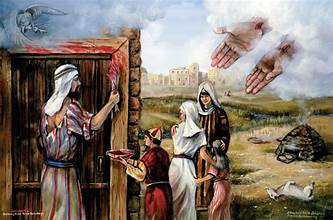
Candlemas, the celebration on which Groundhog Day is founded, is actually the day of the Baby Jesus’ presentation in the Temple (see Luke 2:22-40). Forty days after his birth, every first-born male child in Israel was to be presented at the temple, and a sacrifice was to be made for his redemption. This traces back to the Passover tradition, when the angel of death passed over the houses of the Jewish families who had painted their door frames with blood. Meanwhile, the first born sons (and animals) throughout Egypt were slaughtered. In this way, God showed His Power and His Mercy, leading Israel out of Egypt in triumph, while showing judgment on the Egyptians. (See Exodus 12).

History and tradition cast long shadows. The Jews had been slaves in Egypt for nearly 400 years. A new tradition helped them remember where they had come from and celebrate the promise that God would lead them to their own land. The Jewish people had kept this sacrificial tradition for centuries, reminding them of God’s mercy in saving their sons, and in redeeming them as a people from slavery in Egypt. Christians, realizing that this tradition “foreshadowed” the coming of Christ, adapted it into a new celebration. Christians celebrated Candlemas for centuries, remembering that Jesus was presented as OUR sacrifice, OUR redemption from Death into eternal Life Jesus came to be our Sacrifice, and also our Light. 

But somewhere along the way, pagan beliefs and rituals were woven into the story of this day, until it has become “Groundhog Day.” Instead of the Lamb of God, we celebrate a common rodent. Somewhere in Pennsylvania (Punxsutawney), a small crowd gathers as someone lifts up a frightened groundhog and pronounces a weather prediction (one that is less than 50% accurate!) And everyone is looking for a shadow, instead of celebrating the Light.

The thing about shadows is that you cannot see them when you are looking INTO the light. You have to look away, turn around, look back, to see a shadow. Shadows are cast when something gets between the source of light and a flat surface. History casts shadows. Memories cast shadows. Sin casts a huge shadow. But Jesus is pure light. The Word of Life came to be a “lamp unto (our) feet and a light unto (our) path” (Psalm 119:105 KJV). We are meant to learn from the shadows of the past, but not to walk in them. We are to walk in the light, looking forward to the fulfillment of God’s promises, even as we celebrate the faithfulness of His past actions in the lives of others.

Light casts no shadow. But it banishes the darkness where shadows live. Our choices have consequences. We can turn away from the light, or step in opposition to the light, and cast shadows that may follow for generations–cycles of abuse, isolation, hatred, anger, or regrets. Or we can choose to follow the light, and banish the shadows of the past– bringing peace, repentance, reconciliation, and hope.

Heavenly Father, today, I pray that I will be a reflection of Your light in the world; that my actions would help banish shadows of doubt and despair, and shine with Your truth and hope for others to see. Where there are shadows in my life from the past, may I learn from them and leave them behind as I follow you more closely. Where I have cast shadows in the lives of others, help me to bring light and healing in Your name. Amen.

Praying in Anger

Ephesians 4:25-32 English Standard Version (ESV)

25 Therefore, having put away falsehood, let each one of you speak the truth with his neighbor, for we are members one of another. 26 Be angry and do not sin; do not let the sun go down on your anger, 27 and give no opportunity to the devil. 28 Let the thief no longer steal, but rather let him labor, doing honest work with his own hands, so that he may have something to share with anyone in need. 29 Let no corrupting talk come out of your mouths, but only such as is good for building up, as fits the occasion, that it may give grace to those who hear. 30 And do not grieve the Holy Spirit of God, by whom you were sealed for the day of redemption. 31 Let all bitterness and wrath and anger and clamor and slander be put away from you, along with all malice. 32 Be kind to one another, tenderhearted, forgiving one another, as God in Christ forgave you.

I grew up hearing that anger is a sin.  Yet God experiences anger and wrath.  And the Apostle Paul says in this passage that we are to “Be angry and do not sin” (Eph. 4:26a).

Anger is an emotion; feeding on anger, wallowing in it, stewing and screaming and acting out under the control of our anger– that is sin.  That is why Paul goes on to say that we should “not let the sun go down on your anger ” (4:26b).  Anger doesn’t have to be a bad emotion, but it is a bad master.  We need to take control over our anger to resolve it, and let it go.  In Genesis, God spoke to Cain about this very thing–Cain and his brother Abel had brought sacrifices to God; Abel’s sacrifice was pleasing to God, but Cain’s sacrifice did not find God’s favor.  The sacrifices were voluntary– Cain and Abel were not in competition to see who could bring the “best” sacrifice.  God had not ordered them to bring a sacrifice only to find fault with Cain’s efforts or the way he chose to present the sacrifice.  The scriptures don’t even say that God rebuked Cain or pointed out a flaw in his offering.   He simply found favor with Abel’s offering– Abel had brought the best he had; the firstborn of his flocks.  Cain had brought “some” of his crops. 

garlic beside ginger and pepper on brown wooden table

The difference in the sacrifices had nothing to do with the content or the manner of offering, but in the intent to worship God halfheartedly, instead of wholeheartedly.  God saw that Cain was angry (as well as proud and envious of his brother).  Instead of rebuke, God offered grace and wisdom:

man head face portrait

Genesis 4:6-7 New Revised Standard Version (NRSV)

The Lord said to Cain, “Why are you angry, and why has your countenance fallen? If you do well, will you not be accepted? And if you do not do well, sin is lurking at the door; its desire is for you, but you must master it.”

God doesn’t want us to deny our anger or pretend we are never angry.  But He does want us to acknowledge it, and deal with it.  Why am I angry?  What should I do about it?  Anger can motivate us to do the wrong things, but it can also spur us to change our course, and do something good.  Righteous anger can spur us to speak out about injustice, and seek to correct wrongs.  Anger can lead us to our knees, asking God for direction, strength, or His intervention and justice.  King David often prayed angry prayers asking God to strike down the people who were plotting against him, or those who were doing evil or mocking God’s people.

walk human trafficking

I wish I could say that I had mastered this area, but I’m writing as much for my own instruction today as anything else.  Here are some wonderful steps we can and SHOULD take to deal with anger:

  • Pray!  Anger can strangle us, or it can sneak up and suffocate us, but the worst it can do is drive us away from our source of help and hope.  God WANTS us to come to him.  He reached out to Cain in his anger, wanting to draw him near and help him overcome it; He offers us the same help.  God can handle our anger– he can give us the power to let it go, and direct our feelings appropriately.
  • Own it–Angry people tend to deflect responsibility.  Yes, other people can say or do things that make you angry, but they can’t make you say or do sinful things in response to their actions.  You still bear the responsibility for what you do with your anger– even “righteous indignation.”
  • Question it!–This is something I have found helpful.  Just as God asked Cain, ask yourself, “Why am I angry?  Why am I downcast?”  And then, answer them honestly.  Many times, the root of my anger isn’t justified–instead it’s “just a lie”.  I have no right to be angry with someone else when I chose to waste time, cut corners, or neglect to do what was necessary.  I have no right to be angry or outraged because someone else feels differently or sees a different side of an issue.  In fact, if I keep listening instead of exploding, I might find compassion overriding the anger.  I might even learn something new!  Or I might better understand why I feel or think as I do, and be better able to explain it to others, instead of just yelling the same thing over again.
adult anger angry angry face
  • Deal with it–This is a difficult one for me.  I don’t like confrontation.  If someone hurts me, I just want to walk away and lick my wounds.  And we shouldn’t confront others WITH our anger, striking out at them and seeking to hurt them.  But I have found that a lot of anger and hurt that I have harbored is not only unjustified, but is based on misunderstandings and pride.  It takes humility, but it also takes courage to seek out someone to offer an apology you don’t want to give, or to ask for clarification instead of harboring hurt.
women typing on the notebook
  • Don’t spread it!  “Don’t let the sun go down upon your wrath”  is not permission to “vent” to seven (or seven hundred) friends by spreading your hurt and outrage  until you feel calmer.  This is particularly true in the age of Facebook, Twitter, and Instagram.  In the short-term, this may seem right– “they need to know what is happening”– but it is just the opposite.  Anger often leads to rash judgments, and hasty actions that we can’t undo or call back.  If you are not talking with the object of resolving a misunderstanding, apologizing, or offering a positive solution, you are engaging in sin.  The old saying, “If you can’t say something nice about a person, say nothing at all” applies here.  And it applies about situations and circumstances, too.  I am angry about various practices and policies by governments, companies, even churches; what I need to spread is not my anger about them, but awareness of how God can change them, and why we should be seeking His justice, His righteousness, and His grace toward those who have been impacted by them.
  • Repent of any anger-related sin.  Remember, anger itself is an emotion.  God experiences it; we are made in His image, so we experience it, too.  But God’s anger is Holy; ours is often tainted with other feelings and thoughts– pride, envy, greed– or even other human frailties like misunderstanding, exhaustion, hunger and pain. Instead of feeling guilt over the anger, we need to turn away from the sin that overpowers us in our anger.

For more Biblical wisdom about dealing with anger, see the following:

belief bible book business

https://www.biblestudytools.com/topical-verses/anger-bible-verses/

https://www.biblegateway.com/passage/?search=Matthew%205%3A21-26&version=NCV

https://thewisebeliever.com/anger-bible-examples/

Where Are the Altars?

In the Biblical books of the prophets (Isaiah, Jeremiah, Ezekiel, etc.), there are many references to altars and sacrifices–both the ones built to honor Jehovah God, and those designed for idols.

Israel and Judah were guilty of building thousands of altars and shrines to false gods. Some of them were found even inside the Holy area of God’s own temple! As part of God’s judgment, He repeated that He would no longer accept the empty sacrifices of His people–He would no longer hear their prayers, unless they repented.

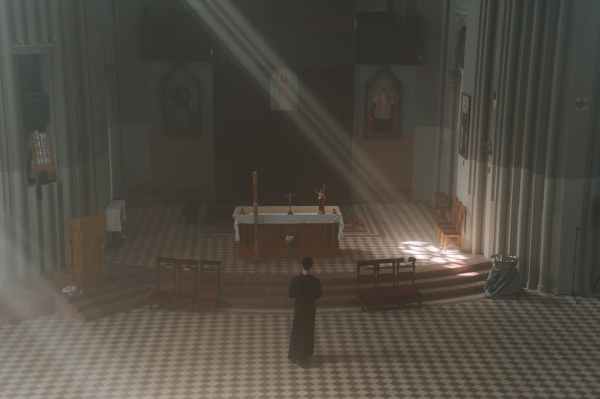
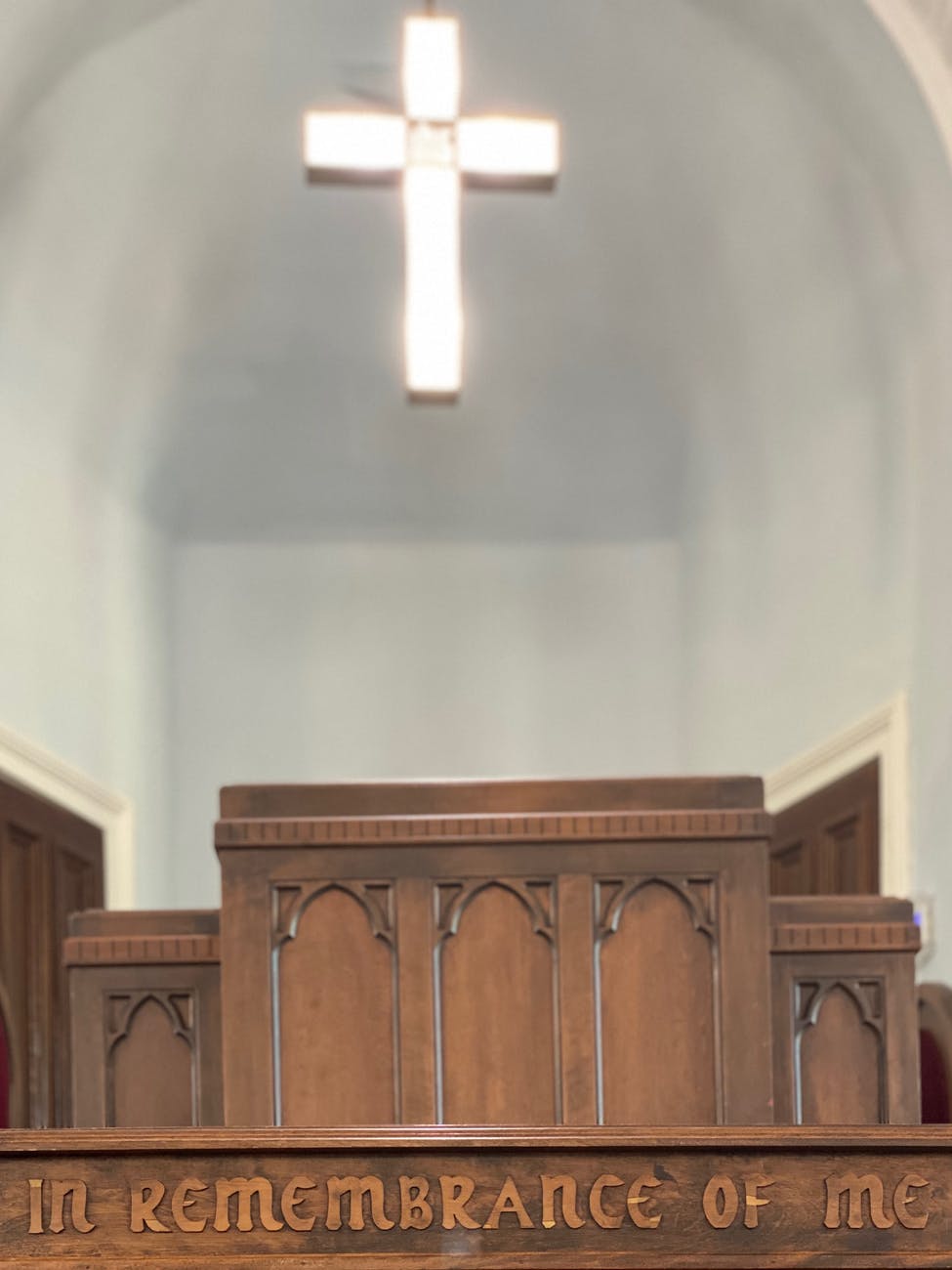
I read these words and wondered– Where are our altars today? When I was a child, many of the older churches had what we called an Altar. It was usually a raised platform, with a podium for the minister, and possibly a “host table” for communion. My childhood church also had a small table that held a large Bible. Sometimes, the platform would have a railing around the edge, with a couple of stairs on either side. And, while many churches “passed the plate” for offerings, some had a special plate on the railing of the altar, where people would march up and place their offerings for the week. There it would sit for the rest of the service–random dollar bills of random denominations in random states of being crumpled, folded, and worn, along with checks, and, sometimes even coins. All of them brought forward and placed on the altar.

In many churches, the altar was where congregants would come to receive communion. The most important church events happened “at the altar.” Weddings, baby dedications, Bible readings and sermons, even funerals– all happened at the altar.

And often, we would have an “altar call.” The pastor, or a guest evangelist would urge people from the congregation to meet at the altar– to repent, to receive forgiveness, to be renewed and refreshed as we offered ourselves to God. There we were– random denominations of people, in random stages of obedience or rebellion, all answering the call to follow Christ as Lord. Some stayed there for a few minutes, praying silently. Others might be there for an hour, crying out, trying to find the words to express pain, guilt, or gratitude and awe, that GOD would meet with US there! Sometimes, we would form small groups to pray and give encouragement; sometimes we would disperse, too moved to speak at all. The Altar was the focus of the service– the place where God met with us; where He received our worship and our offerings; where we were challenged and made ready for spiritual battle.

Today, many churches have stages, like any large theater or event center. There is no railing, but there are hundreds of spotlights and fog machines. There is no podium for the pastor–just a headset and maybe a small stand for notes. Sometimes, the pastor reads from a teleprompter. Often, he or she is joined by a full band or orchestra, and dozens of singers, actors, or other assistants. No one from the congregation approaches the stage– why would they get up from their comfortable reclining padded seat? No one even “needs” to bring a Bible– the sermon text is printed out on the giant screens hanging above the stage. Our worship is comfortable, and entertaining. Many of us don’t even go to a church building, anymore. We can livestream worship services, or watch from a satellite location. We don’t even have to change out of our pajamas! And we feel blessed, and filled with excitement to be part of something dynamic and spiritually uplifting.

But we have no altars. There is no place for someone to lay their offering before God; no place to meet with Him in repentance or revival. There is no place to remind us of sacrifice and atonement. Oh, to be sure, many churches have a large cross on display somewhere. Some even have the “host table” for communion– somewhere in the wings, just in case–but the concept of an “altar” has all but disappeared from churches in the West. It is an anachronism–something ancient and uncomfortably part of the distant mists of tradition.

I miss the altar. I believe God misses it, too.

Building Blocks of Healthy Prayer

When I was in elementary school, we learned about nutrition. Back then, we were taught that there were four basic food groups (nutrition education has gone through several “cycles” since then– food pyramid, healthy plate, “eating the rainbow”, etc.). Eating a healthy balance of foods is essential to good health. If I only eat meat, or only sweets, I will not be healthy. If I just eat whatever or whenever I feel like it, my body won’t get all the necessary nutrients to grow, fight off diseases, and stay strong.

Pursuing a healthy prayer life includes essential “building blocks” or nutrients, as well. Over the course of many years, I have seen various guidelines and acronyms to help include different building blocks in prayer. I want to share a couple of them again today. These guidelines are just that– guidelines. But they can help balance our prayer life, and help it grow.

The first acronym I learned, and the one I have used for decades, is ACTS. Here’s how it works:

  • Adoration/Acknowledgement– begin each prayer by acknowledging God’s Sovereignty, His Holiness, His Goodness, and other qualities worth worshipping. This helps put you in the right frame of mind when talking to God. I am not just talking to a neighbor or a “good buddy”– I am speaking with the One who holds all of Creation in His hands! And He WANTS a relationship with me! He is all-powerful: there is nothing I can ask that He cannot do! His is all-loving: there is nothing I can ask that He won’t filter through His loving wisdom and will. Even if I don’t know what to ask for; even if I ask for the “wrong” thing– God will only allow those things that He can use for good. God is beyond space and time: He knows all that has happened– all the triumphs and tragedies of my life so far, and all that is to come. He is LORD: He is in control– now and forevermore. Whatever seemingly impossible circumstances I face, they are nothing compared to the eternal, almighty plans of God.
  • Confession–This doesn’t mean an endless repetition of all my failures and sins from six months ago, or raking myself over the coals for not being “holy enough.” This is an honest assessment of who I am in relation to God. God is Holy and perfect. I am not. If I acknowledge God’s goodness, I must also acknowledge that I fall short. I don’t know everything. I don’t always act with the right motives. I NEED the Holy Spirit’s guidance, and I DEPEND on Christ’s finished work on Calvary for my Salvation. This should naturally lead to
  • Thanksgiving/Trust– I can trust God to save me, NOT because of who I am, but because of what He has done. I can see God’s hand working in and around and through me as I yield to His Spirit in me. I can recall, and acknowledge so many of the ways that God has blessed me and others around me. Once I have these building blocks in place, I can bring burdens to God through
  • Supplication– this is just a fancy term for asking God to work His will in specific areas– healing, guidance, encouragement, strength, understanding, submitting to His will, and following Him. I can ask for personal help, or lift up family members, neighbors, friends, and yes, even enemies! I can pray about situations great and small–from wars and famines to lost keys and short tempers.

I learned about ACTS when I was in college, and I have found it to be a great guideline. While I don’t use it for every prayer– sometimes an issue calls for immediate and direct supplication, for instance– I find that using this in daily prayer helps me grow in faith, patience, endurance, and hope. When I come to God in panic or stress, and I haven’t built up a healthy, consistent practice of prayer, my words can be anemic– lacking in faith and based on my fear or anger. I pray with my focus on problems, rather than on God’s power to overcome any circumstance. Using ACTS helps me remember that it is GOD who “acts,” and always for the best!

The second acronym I have used is PRAY. It is very similar to ACTS, but the end focus is slightly different:

  • Praise/Adoration– once again, it begins with praising the God who is worthy; the God who hears me, sees me, loves me, and knows what is best. I cannot live victoriously without remembering the source of hope and victory, and putting my heart in HIS hands.
  • Repentance– as with Confession above, this is not an act of groveling and rehearsing past shame. It is acknowledging anything that I might be holding on to that gets in the way of my worship of and submission to God’. E.M. Blaiklock, the Christian apologist from New Zealand once said: “God alone knows how to humble us without humiliating us and how to exalt us without flattering us.”  Repentance is not about humiliation or holding on to guilt, but rather about staying humble and honest about our need for God’s Grace and Power. And turning from anything that might get in the way of following Jesus Christ.
  • Ask– once we have a right view of who God is, and who we are, we are free to ask Him whatever is on our mind, and share our questions, fears, burdens, etc., with the One who has all the answers!
  • Yield/ “Yes, LORD!”– The final step is making sure we are ready to listen and respond to God as we expect His answer. No matter what God’s answer may be, we should trust and obey His wisdom above our own.

I have come to value PRAY as a wonderful tool to help in my pursuit of prayer, and in my broader pursuit of Christlikeness. Both ACTS and PRAY help me pray “better.” It’s not that God grades my prayers or listens more or responds differently: but it helps me to better appreciate the power of prayer, and the power behind prayer. Individual prayers can change circumstances, but the pursuit of prayer is meant to change US as well. Prayer that shapes us, helps us grow– if that isn’t at least part of our pursuit of prayer, we are missing out on what God wants to do through us, and not just for us.

It is important, just as with nutrition, that we have a healthy balance in our prayer life. That balance consists of worship, repentance, sharing our burdens, showing gratitude, and offering ourselves in humble service. Prayer is too important to just “wing it.” We need to pursue it with the same (or better!) dedication that we give to our physical health.

Processed Prayer

I love to cook. I love looking at new recipes, and finding new ways to use fresh ingredient, use up that last bit of leftovers, or stretch staple foods like beans, flour, or rice. And I love to pray. I love being able to lift up praises, requests, and even questions. I love knowing that I can confess even my most shameful thoughts or deeds to a God who already knows, loves me more than I can imagine, and stands eager to forgive me and strengthen me to make wiser choices.

Cooking can be exciting, challenging, and creative. But it doesn’t have to be. I don’t have to cook at all in our culture. I can (at some expense) dine out every day, and let someone else do all the work. Or, I can buy pre-made meals, “processed” foods and “instant” mixes– “just add water,” “cooks in 6 minutes,” “ready to eat.” I can pray “processed” prayers, too. I can recite prayers of others, mumble graces by rote, and even read off a list of requests with little or no effort or emotion.

But processed prayer isn’t healthy– no more than processed food. Oh, it won’t seem much different– at first. And it isn’t “bad”–every once in a while. But a steady diet of praying someone else’s words and thoughts doesn’t build a personal relationship. We miss out on the “process” of praying, and the end result is not as fresh and healthful.

When I cook from scratch, I have to follow a process:

  • I need to make sure I have the proper ingredients.
  • Some ingredients need to be seeded, skinned, peeled, chopped, or otherwise readied before they can be used.
  • Ingredients need to be added in the proper order.
  • Measurements are important. 1 teaspoon of salt is not the same as 1/2 cup of salt!
  • I need to use the proper methods– simmer, boil, chill, bake, etc.
  • Timing is crucial, too. Cookies may take 10 minutes to bake– a roast may take 3 hours.
Photo by Gary Barnes on Pexels.com

Praying “from scratch” also follows a process:

  • I have to have the right heart attitude.
  • Distractions need to be put aside.
  • I want to include all the “ingredients” of a deep prayer– Adoration and Praise; Acknowledging God’s Sovereignty and Power; Confession and Repentance; Thankfulness; Presenting my requests; Lifting up the needs of others; and Committing to Listen and Obey God.
  • Timing is important–I need to make time to visit with God in Prayer. It shouldn’t be an afterthought or another activity to squeeze in IF I have a chance!

That doesn’t mean that we can’t (or shouldn’t) pray “in the moment” or recite The Lord’s Prayer, or the Prayer of St. Francis, or another written prayer. It doesn’t mean that we should make all our prayers from a “recipe” or a formula. But if our prayer “diet” is becoming dependent on “processed” prayers, we may need to go back to the kitchen!

Hallelujah! Amen!

At least once a month this year, I hope to include a post on helpful tips to improve our pursuit of prayer. These are tips I’ve gathered over the years, and it helps me to remember as I write about them.

Today, I want to talk about starting and finishing well.

Beginning prayer with a Hallelujah helps focus my attention where it should be– on God! Too many times, I start praying with a “need” mindset. I’m focused on a need or a situation in my life or the lives around me. But the greatest “need” I have is to lift my eyes and focus on the ONE who is higher and greater and more powerful than any situation; the ONE who can satisfy every “need” and bring justice, restoration, and hope to any situation.

I have learned two different acronyms for prayer over the years– ACTS and PRAY. ACTS stands for Adoration, Confession, Thanksgiving, and Supplication. PRAY stands for Praise, Repent, Ask, and YES! (action). In both, the first step is to bring praise and adoration to the One who is worthy of it.

Sometimes, this is easy to do. Sometimes, it is painful. When I am stressed, worried, grieving, or convicted, my focus is inward and downward– and I can spiral into depression, isolation, and fear. The last thing I want to do is turn my focus away. God’s glory and righteousness can be blinding in the face of dark depression and despair. And yet–

Start small. Begin with one aspect of God’s character that you have experienced– His Grace, His Faithfulness, His Love. Meditate on it. Express it. Expand on it. Recall some of the specific ways in which God has been gracious, faithful, or loving. Think about some of God’s other attributes– His wisdom, power, omnipresence; His eternal nature, His creation. Soon, it becomes easier to speak, and even sing, His Praise!

Often, this will lead naturally into confession and repentance. When we begin by focusing on God’s greatness, His Holiness, and His majesty, our worries show themselves for lack of faith; our needs, while still real, reveal opportunities for God to “show up!” and for us to learn new depths of His character IF we are humble, obedient, and willing to learn.

Praise and Adoration are important first steps in prayer. But it is equally important to end our prayers well. Sometimes, our “Amen” is muted as our focus returns to our requests. And sometimes, it can be difficult and even painful to say “Amen!” I KNOW God is all-gracious, all-knowing, and all-powerful. But I also know that I don’t have enough money to pay the latest bill, or that I have been diagnosed with an incurable disease, or that my son or daughter is still lost. And I know that God may be asking me to walk through the valley of the shadow of death. He will be beside me, but He’s not going to remove the shadow or the valley to make it easier.

Over the years, I have found that it is better to wrestle IN prayer than to end with a half-hearted Amen. I must go back to Adoration; find my Thanksgiving, reclaim my Yes, Lord! before I say, “AMEN!” Otherwise, I am like the double-minded person in the book of James: being tossed like a wave in the ocean and filled with petty doubts in spite of my knowledge of God’s goodness.

End your prayer on a high note today. Remember to sandwich requests and concerns between hymns of praise and odes of thanksgiving. “Amen” should always echo our “Hallelujah!”

As Far as the East is From the West..

In blogging about prayer and in keeping a prayer journal, there is one type of prayer I don’t dwell on very often.  Prayers of confession and repentance are very important, but I don’t  include them in my journal and I don’t spend much time analyzing them.  It’s not that I want to ignore them or that I want to give a false impression that I don’t say them.

arrogant

I’m a saint–but only in the sense that Christ’s blood is my atonement and my only hope of salvation.  He who started the work is still working, and there’s a lot of work yet to be done.  So, while I include prayers of confession and repentance in my practice of pursuing prayer, I don’t write them down or share them publicly.

Photo by Mikhail Nilov on Pexels.com

Here are some of the reasons I don’t spend more time talking about confession:

trueconfessions
  • Confession is not meant to be a public spectacle.  It is generally private and very personal between an individual and God.  Apologies may be public, and repentance may include public atonement or recompense, but those are not prayer; rather they are the actions taken in conjunction with  and as a result of prayer and confession.
  • Confession is fundamental– it’s not a prayer option, or a stylistic preference–every one of us has sinned, and we all need to admit to our sins, bring them before the throne of God’s grace, and ask for his forgiveness.  Hiding sins, denying sins, or lying about them will get in the way of all our other prayers.
  • Writing about past sins keeps them alive and keeps the focus on me and on my faults, rather than on God and on His Grace.
  • Making confession public has a tendency to devolve into gossip and self-justification.  Descriptions of my sinful actions will necessarily be from my incomplete and very biased point of view.  Other people can be misrepresented and hurt.
  • But the last reason is my favorite– I don’t waste time writing down and discussing past sins because GOD HAS FORGOTTEN THEM!  Writing them down, rehearsing them, analyzing them–even analyzing how I might approach confession won’t change God’s response:

10 he does not treat us as our sins deserve
    or repay us according to our iniquities.
11 For as high as the heavens are above the earth,
    so great is his love for those who fear him;
12 as far as the east is from the west,
    so far has he removed our transgressions from us.

Psalm 103:10-12 New International Version (NIV)
  • The key is that we DO confess– humbly, consistently, and with a heart of true repentance.  What follows is a free and forgiven conscience, no longer weighted down or pulled off focus by guilt and doubt.
pexels-photo-941693.jpeg

But I Didn’t…

I could have welcomed that visitor at church this morning…
The one who looked a little lost; a little overwhelmed.

Photo by cottonbro studio on Pexels.com

I could have smiled when I paid my utility bill the other day–
When the clerk asked if she could help me, and thanked me, and sent me on my way.

I might have offered my unused coupons to that young man who was shopping–
The one with two boisterous kids in the cart, and very few groceries.
Maybe he would have been offended. But maybe it would have given him an opportunity
And a little hope.

I thought about calling an old friend and asking if we could pray together.
Maybe we could have met for tea or gone for a walk together.

Photo by cottonbro studio on Pexels.com

I had planned to clean out the closet and set aside some clothes to take to a local shelter.

I considered calling my sister, sending a card to that widower from church, or e-mailing my cousin…

I really needed to spend a little time in confession and repentance, and cleansing.
I needed to be renewed, recharged, and transformed. At least, I thought I did.
But something else claimed my thoughts, and my good intentions.
Now, I just feel worn and guilty and unworthy.

Photo by Engin Akyurt on Pexels.com

And the “thing” is– I didn’t do anything horrible. I didn’t make anyone cry, or rob a bank.
I didn’t burn dinner or break the speed limit. I didn’t break my marriage vows or embezzle a fortune.
I didn’t break the law– I didn’t even break a sweat!

I just
Didn’t.

Lord, today, I pray that you would light a fire under me. Help me to see the opportunities all around me– tiny acts of kindness, and truths that I need to hold tight. Show me people who need a listening ear, or a helping hand, or a word of encouragement. Help me to move “at the impulse of your love.” And when You direct me to be still, help me to be still and KNOW that You are a God of purpose and hope; joy and abundance. Help me to BE first–to Be obedient, to Be humble, to Be available. But then, help me to DO what you would have me do for Your Great Name. Thank you for second (and third) chances to BE and DO all that brings You honor. Amen.

Photo by Munmun Singh on Pexels.com

God Alone Knows..

Photo by Lgh_9 on Pexels.com

God alone knows how to humble you without humiliating you, and how to exalt you without flattering you.

E. M. Blakelock

This is at once a simple and extremely profound statement. God knows us so well, He knows exactly those areas where we tend toward pride and disobedience. But unlike our accuser, Satan, God doesn’t stand around saying, “AHA! AHA!” and pointing out our faults with glee. His loving discipline will cause us to be confronted with our errors–and our own pride and failure to obey may cause us to be humiliated by others–but God’s purpose is to bring us to repentance and transformation, not shame and dishonor. God wants us to learn from our mistakes, not be imprisoned by them.

Photo by Andrea Piacquadio on Pexels.com

In the same way, God knows our strengths and glories in our wise use of His gifts. But He loves us far to much to flatter us and lead us to improper pride. If we go there, we do so led by our own temptation. God may choose to do great things around us, for us, even through us– but they are God’s great deeds, and we are blessed to be part of the process.

One of Satan’s greatest lies is that we must be “like God”– knowing good and evil, and able to always choose the right course in our own power and wisdom. Such thinking leads us to wonder if God will be unable or unwilling to forgive us– that we must never falter, totter, or doubt. “All have sinned and fall short of the glory of God…” (Romans 3:23 NIV). But THAT is not the Good News of the Gospel– merely the reality of our lost state. Guilt without remedy is hopeless and dead! Such a picture places God in the place of prosecutor. But God is both our just judge (rather than an unforgiving one), and our faithful advocate! The Good News is that “…God shows His love for us in that while we were still sinners, Christ died for us.” (Romans 5:8 ESV) We can be “like God”– not through our own efforts, or by our own self-delusion– through the blood of Christ! God knows us; He knows every mistake we’ve ever made, and every good deed we’ve ever attempted, regardless of our motive or our success or failure. And HE makes it possible for us to have abundant, eternal life with Him.

God WILL humble us; and He WILL exalt us according to His wisdom. But God is more concerned about our ultimate well-being and redemption than in our temporary feelings, or our standing in human society. He is not a superficial God. His healing is deep, and His discipline brings life.  “He makes the sun rise on both the evil and the good and sends rain on both the righteous and the unrighteous. ” (Matthew 5:45 CEB) God isn’t impressed by any show of self-righteousness or claims of victimhood. “You didn’t think, did you, that just by pointing your finger at others you would distract God from seeing all your misdoings and from coming down on you hard? Or did you think that because he’s such a nice God, he’d let you off the hook? Better think this one through from the beginning. God is kind, but he’s not soft. In kindness he takes us firmly by the hand and leads us into a radical life-change.” (Roman 2:4 The Message)

Photo by Andrea Piacquadio on Pexels.com

My prayer for today is two-fold– first, that I would seek God’s opinion and His just judgment, so that I can confess, repent, and adjust my heart accordingly. Second, I would pray that I might seek to see others as God does; that my love for others would cause me to encourage and admonish with pure love, and not selfish ambition or spite.

Blog at WordPress.com.

Up ↑