Can You Hear Me Now?

We experienced some storms last week, and while we didn’t have a lot of damage from the winds and rain, my husband and I lost our internet connection over the weekend.  No wireless internet meant no Facebook, no WordPress, no e-mail, and no cash register at our little shop downstairs.  We had to do every transaction by hand until we could rig up something so our smart phone could accept cards; no new chip cards, no Apple Pay or PayPal.  And while our phone could begin to accept limited credit payments, it could not provide any printed receipts, nor could it do double duty– we either had a phone or a point-of-sale device, but not both!

It was an inconvenience, but not a disaster.  I thought about thousands of people who are stuck in the aftermath of hurricanes, tornadoes, floods, earthquakes, and blizzards who have no electricity, no phone lines, no cell service, no roads, no water or sewer lines–cut off from common necessities and basic communication.  Suddenly, an emergency becomes even more tragic because of the isolation, and the inability to ask for help or to hear any message of hope.  (Of course, my husband would like me to put in a short plug here about the advantages of amateur radio– the radios can run on battery power and still connect over hundreds of miles!)

sound-speaker-radio-microphone.jpg

Isolation is an earthly concept.  God is eternally Triune.  He created us for relationship; from the very beginning, he declared that it is not good for “man” to be alone (Genesis 2:18)  God instituted marriage, and families, and communities so that we would stay connected, and he himself came to walk and talk with mankind in the Garden of Eden before the Fall.  It is mankind who hid from God and broke off communication– one of the effects of Sin is the desire to run away, to separate, to isolate and cut off relationships and break off contact.

That is one reason that prayer is so basic; so essential.  It is a lifeline to the one who loves us best, who knows what we need, and has the power to hear us, to help us, to lift us up wherever we may be, whatever our circumstances.

pexels-photo-787452.jpeg

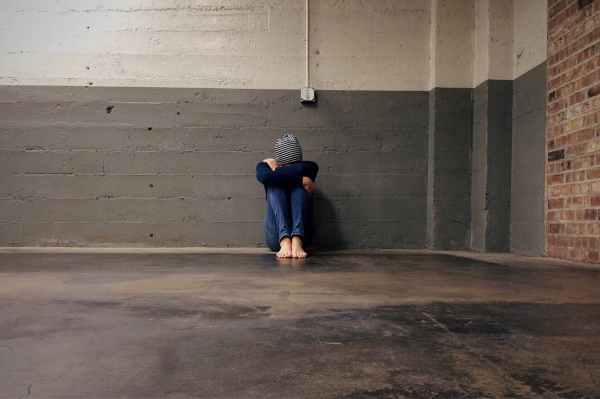
But sometimes, even when we want to talk to God, it seems impossible to speak or feel like he hears us.  Sometimes, we are the ones who can’t come up with words, or can’t settle our minds to seek his face.  Sometimes, we pour out our hearts and wait in silence for an answer.   Why should it be that just when we need it most, prayer seems the hardest?

I wish I had a pithy, perfect answer.  I don’t know.  I have a few incomplete thoughts, though:

  • what comes easily has less value to us.  Cheap and pointless conversation doesn’t make us work hard, but it also leaves us empty and unsatisfied.  Crying out to God is hard–it humbles us, it strips us bare and uncovers all our pretenses and subterfuge.  The true depth of our need is ripped out of us like a tumor, and it hurts, but it is a healing hurt.  Waiting in silence can cause us to become restless and to doubt, but it also can cause us to listen more attentively– we strain to hear the answer; we stop the white noise of busyness and half-hearted hand-wringing, and listen with our whole being.  And the smallest whisper– that still, small voice– has the power of the first rain after a long drought.  We are revitalized and our strength renewed as never before.

pexels-photo-546657.jpeg

  • sometimes, though not always, we find prayer difficult because we have not really prayed for a long time (if ever)– we have developed a habit of saying words to the empty air and thinking that the words themselves hold some power of hope or magic or self-fulfilling prophecy.  When life’s realities cannot be wished away with simple words, we search for distractions, for other types of words, for other “realities”, when we should be searching for our maker and the lover of our souls.
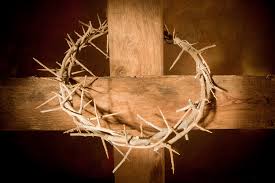
  • sometimes, it is a matter of unacknowledged or unconfessed sin that keeps us from breaking through in prayer.  However, there are many people who will use this as a default position, and that, too, is wrong.  Jesus had such difficulty in praying at Gethsemane that he sweat drops of blood— NOT because of unconfessed sin, but because his heart was that overwhelmed.  Still, we should examine ourselves to see if we have started to move away from God– better to turn back than to go father afield.
  • sometimes, as with Christ in the Garden, our hearts are just overwhelmed in the moment– it’s hard to breathe!  It’s hard to go on; it’s hard to ask for help; it’s hard to keep the faith.  Just because it’s difficult, don’t give up– even if all you can do is groan or whimper–even if it feels like God has closed up the heavens and left you alone–don’t give up.  God DOES hear, he DOES care.  Sometimes, we are inches from victory– don’t give up!

And what can we do during those times?  Again, I wish I had better answers, but what I have, I want to share– some from my own experience, some wisdom from others, some of both:

  • Learn to “pray outside the box”–
    • Sing–sing the blues, sing an old hymn, sing along with the radio, sing like nobody else is listening
    • Write it out– write a letter, write an angry letter if you have to– write a rant, write a poem, write out all your questions
    • Move– dance, pace, run, punch a pillow, do some sit-ups, mop the floor, scrub the sink– as you get a rhythm going, add your thoughts or questions to your movements
    • Cry it out– it’s ok to cry, moan, sob, weep, or just stare into space and rock yourself to sleep after all the tears have dried up.  Jesus wept (John 11:35)– what makes us think that we can’t?

landscape-nature-man-person.jpgpexels-photo-256658.jpeg

  • Count your blessings
    • Make a list of what you have; what you have to be grateful for; what you have experienced and enjoyed now or in the past
    • Make a list of your questions, concerns, needs, wants, wishes–Now think back ten years and make a list of what you wanted then, and how many of those concerns have been answered, altered, or forgotten.
    • Put yourself in another time or place– what do you have here and now that others lack?  How do your present troubles compare to what others have had to deal with?
  • Ramp up your pursuit of God in other areas–
    • Search for answers in His word
    • Seek the companionship of someone you trust who will help you keep on going
    • Seek out counselors, web sites, and/or a church group or family who can keep you from becoming isolated

pexels-photo-935944.jpeg


The single most important thing is to continue the pursuit– seek God with all your heart–and you will find him sufficient through the silent times, as well as through the roaring of the fiercest storms.


What Did You Say?

Every once in a while, I like to check an app that counts the words I use on Facebook.  The end result is a cloud full of words that people see when they read my posts.  (You can see my most recent one above.)

Sometimes, I like the cloud– I love to see it filled with words like Love, People, God, Prayer, Joy, Peace, Thankful, etc.  I’d like to think that this is how I always look and sound.  Of course it isn’t.  I don’t always speak encouragement and love on people.  Sometimes, I complain and rehearse negative self-talk, or I explode and rant about bad drivers, rude customers, constant bills, and more.  Checking on my word count may not keep me from using negative words altogether, but it does show me patterns I may not be seeing or hearing on my own or from my friends.

pexels-photo-211816.jpeg

My prayer life acts in this same way–especially as I journal about my prayers.  I can look back through my prayer journal, and see patterns in prayer requests, notes, and even answers to prayer.  Sometimes, I see patterns of struggle–desperation, need, frustration.  Sometimes, the pattern is steady; other times it is a roller coaster of ups and downs.

It’s important to spend a little time periodically getting feedback like this.  Why?  Because what we actually say (and pray) may be very different from what we think we have said.  Jesus was very careful about words:

Matthew 12:35-37 English Standard Version (ESV)

35 The good person out of his good treasure brings forth good, and the evil person out of his evil treasure brings forth evil. 36 I tell you, on the day of judgment people will give account for every careless word they speak, 37 for by your words you will be justified, and by your words you will be condemned.”

Mark 10:17-18 English Standard Version (ESV)

17 And as he was setting out on his journey, a man ran up and knelt before him and asked him, “Good Teacher, what must I do to inherit eternal life?” 18 And Jesus said to him, “Why do you call me good? No one is good except God alone.

Paul is also careful to distinguish between words:

Romans 5:7-8 English Standard Version (ESV)

For one will scarcely die for a righteous person—though perhaps for a good person one would dare even to die— but God shows his love for us in that while we were still sinners, Christ died for us.

I include the last two examples because they both refer to “Good” people.  I want people to see God’s goodness in me.  But idle or careless words and habits can show up in my thought life, my prayer life, my on-line life, and my face-to-face conversations.  In attempting to show how “good” I am (self-righteousness), or how clever I am (even at someone else’s expense), or how__________________________________ (daring, popular, hard-working…you get the idea) I am, it compromises all that I want my life to say about God, and all that He is waiting to say through me.

cheaptalk

Words matter– whether in praying or blogging or commenting on someone else’s post.  I pray that I am making mine count!

Great Expectations

Earlier this week, the Duke and Duchess of Cambridge (otherwise known as Prince William  and Kate Middleton), welcomed their third child.  As with most royal births, there was a lot of fanfare and speculation well in advance of the actual delivery.  Early tabloid reports hinted at twins; bookmakers were figuring odds for delivery dates, names– even what the Duchess would be wearing as she brought the newborn outside for his first “sighting”.  As of the writing of this blog, the name has yet to be announced, which is cause for more speculation and anticipation.

pexels-photo-50632.jpeg

Preparing for a newborn is exciting, and filled with certain expectations.   We imagine what the baby will look like, what kind of personality s/he will have, all the wonderful discoveries to be made. But we need to be careful not to let our expectations become idols.  There’s nothing wrong with hoping for good outcomes, but it can be dangerous to get locked into a particular expected outcome.  Children surprise us (in good ways and other ways) be being themselves, and not who or what we expect them to be.

pexels-photo-185934.jpeg

When we pray, we sometimes come with certain expectations–that God will answer in a certain way or on a certain timeline.  This is not the same as having faith.  Faith says that God will hear our prayer; that he knows best, and that he will act in accordance with his own love and mercy.  It doesn’t mean that he will give us what we want when we want it, or that he will give us what makes us comfortable and happy.  His answers may seem difficult or even painful to accept– certainly not what we were expecting.  When he chooses to answer in ways that don’t meet our expectations, we wonder why.  When he chooses to say “wait,” or even, “no,” we may feel cheated and even resentful, instead of thankful that our prayers are heard by a loving God.  Often, we have built up such expectations of what “the best” should look like that we miss the real miracle God is giving us instead.

pexels-photo-236287.jpeg

Worse, there are times when our expectations reveal a lack of faith or a lack of understanding of God’s ways.  We pray for peace, but what we really want is ease and comfort.  Peace– real peace– is often revealed in times of stress, hardship and loss!  We don’t want stress; we don’t pray for stress, but stress and hardship are going to come into our lives at some point.  Praying for peace won’t bring stress, any more than not praying will keep it away!  We expect the peace to come without the battle; we expect the growth to come without the growth pains; we expect to win the race without having to run!

Sometimes we won’t even pray for what we really want or need because we expect that God will “test” us or give us difficult circumstances if we ask for certain things (like patience or peace).  We see God as some sort of cosmic con artist, who teases us with the promise of good things, only to laugh as we suffer.  But this is a wrong view of God.  God doesn’t play games or “trick” us by giving us hardship when we ask for healing, though it may feel like it at the time. Suffering and hardship are not the gifts of God– his amazing gift is the ability to redeem even the worst of circumstances and bring joy and rest and peace that passes any expectation, any dread, or any understanding we have.  Often, our very desire for extra patience, peace, and joy are opportunities for us to learn more about God’s grace–and more about ourselves.

Life seldom meets our expectations–God is waiting to exceed even our wildest dreams!  Don’t just pray expecting something good might happen.  Pray expecting God to SHOW UP!


The Empty Cross

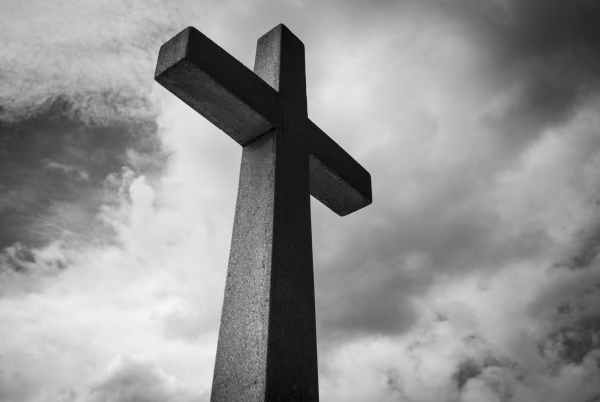
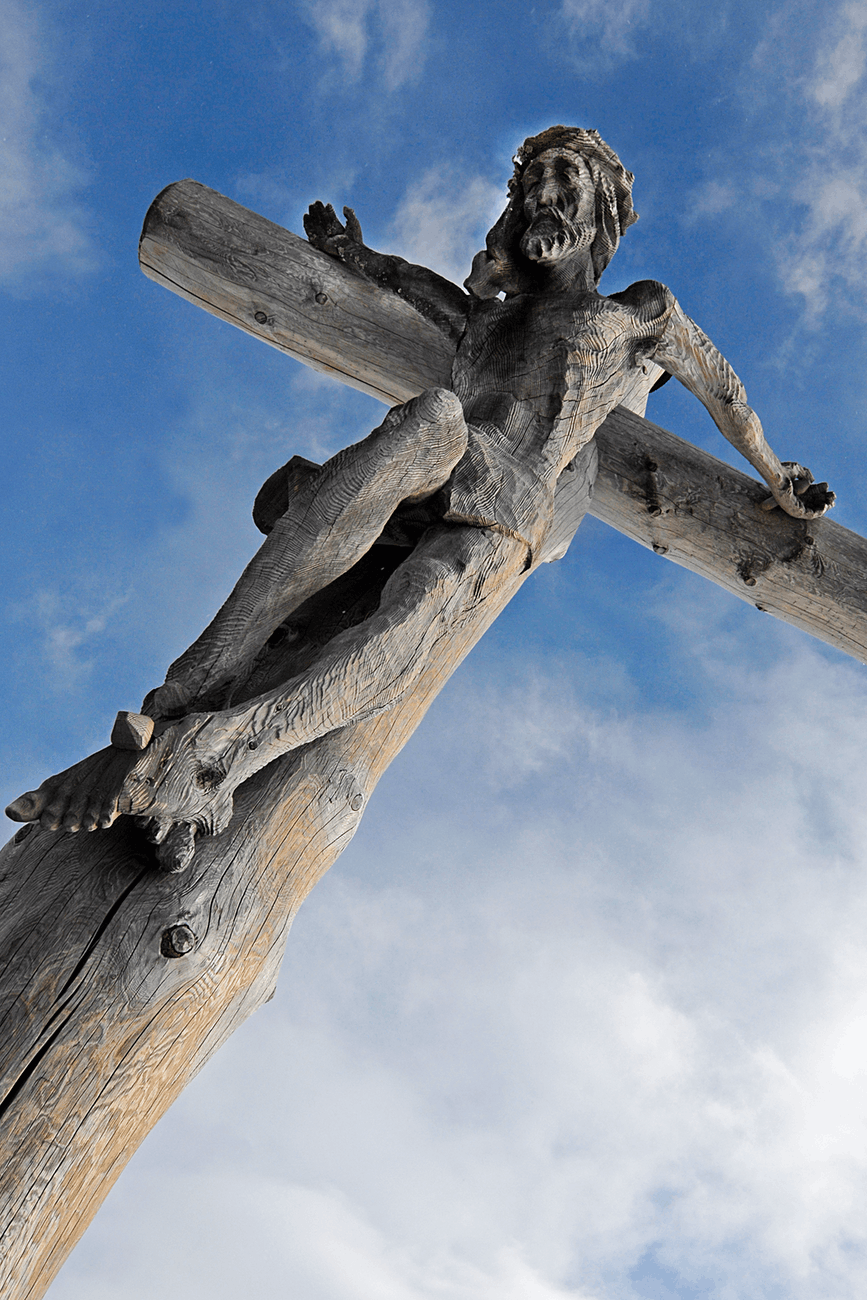
The most common symbol of the Christian religion is the cross.  And, while many statues and necklaces and artistic renderings include a dying Christ figure , the kind you most often see is the empty cross.  On this day between the crucifixion and the resurrection, I want to consider the significance of the empty cross.

  • First, the empty cross reminds us that Christ lived.  In spite of those who continue to challenge the historical evidence, there was a man named Jesus of Nazareth.  He lived in a particular time and place, and he was tried and sentenced to death by crucifixion.  His existence caused the modern Western Calendar to be split into two distinctive parts based on the estimated year of his birth, and his life, death, and resurrection gave rise to a movement that has never been stamped out, equaled, or eclipsed.

pexels-photo-51524.jpeg

  • Second, it reminds us that Christ died.  He was fully human in his capacity to feel pain, rejection, betrayal, hunger, thirst, and grief.  Yet he also experienced joy, companionship, hope, love, compassion, laughter, and growth.  He didn’t just grow old or fade into obscurity.  He didn’t leave his life’s work unfinished, he didn’t compromise or change his message; he didn’t give up or start over with a different “crew.”  Though he never staged a coup, or built up an arsenal, or rose to a seat of power or influence, this homeless, itinerant, soft-spoken rabbi was seen as enough of a threat to the leaders of his time that he was framed, tried and convicted, and sentenced to death.
  • The empty cross also reminds us how he died.  Modern crosses often look imposing and even triumphant, as they tower over a mega church parking lot, or hang on a chain of elegant silver, or stand in rows of chiseled rock in a military cemetery.  “O death, where is your sting?  O grave, where is your victory?”  (I Cor. 15:55)  But the torture before and during the crucifixion were brutal– bones were not broken, but they were pulled out of joint and then forced to bear the full weight of a bloody, swollen and bruised body of ripped muscles and exposed flesh.  Heat caused the salty sweat mixed with blood to drip into his eyes, his open wounds, and around his nose and mouth, but he was unable to wipe any of it away.  Flies gathered; he couldn’t keep them from buzzing or biting.  Each breath was a torturous push and pull of the arms and body upon the nails holding him at an unnatural angle against a wooden bar that rubbed against his already raw back.  And all of this was public; entertainment for the masses of hecklers, and those who were rejoicing in his humiliation and failure.  There was nothing pretty or majestic about the cross on that day.

jesus-cross-summit-cross-37737.png

  • The empty cross reminds us that Jesus was buried and put under Roman guard.  His emaciated, bloody, barely recognizable remains were wrapped up and prepared with spices.  Guards, whose lives depended on this body remaining in the tomb and undisturbed, were posted, and a huge boulder rolled into place to block entry to and exit from the tomb.  Jesus didn’t spontaneously climb down off the cross, or waltz out of an air-conditioned cave.
  • Finally, the empty cross reminds us that Jesus was the Christ–death could not stop him; the grave could not hold him.  His victory was complete.  He didn’t claw his way out of that tomb; he didn’t sneak out in the dead of night; he didn’t hobble into hiding for several weeks because he was only “mostly dead” of his torturous injuries.  He arose, victorious, recognizable to those who knew him best; healed and full of power.

pexels-photo-635699.jpeg

There are hundreds of reasons why we “cherish the Old Rugged Cross.”  And, though the cross stands empty, our reasons are not.  Hallelujah!  Tomorrow, hundreds of millions of Christians will be celebrating the empty tomb.  But for today, I want to celebrate the empty cross.

Why “Good” Friday Matters

Good Friday is a stumbling block for many people who would be Christians.  Some get angered at the mere mention of “Good” Friday.  They see nothing good in it, and no reason to celebrate.  They mock Christian celebrations and practices throughout Holy Week.  They ask, “What could be good about being arrested, beaten, tried in an unfair court, mocked, and condemned to death?”  “What could be good about celebrating someone’s final meal, and following the gruesome details of his humiliating crucifixion?”  “Why remember someone being tortured by his enemies and abandoned and even betrayed by his friends?”  I know someone who uses the crucifixion of Jesus as “proof” that God is neither omnipotent, nor holy.

Yet the Bible chooses to focus time, detailed description, and several varying viewpoints to make this the pivotal event (along with the resurrection) of history.  The Crucifixion does not come as a sudden and inexplicable episode in Jesus’ ministry. He predicts it; not just once, and not just in one account–he doesn’t hint vaguely at some “future trouble,” or potential danger–he gives a detailed description of what will happen to him:

Mark 10:33-34 New American Standard Bible (NASB)

33 saying“Behold, we are going up to Jerusalem, and the Son of Man will be [a]delivered to the chief priests and the scribes; and they will condemn Him to death and will [b]hand Him over to the Gentiles. 34 They will mock Him and spit on Him, and scourge Him and kill Him, and three days later He will rise again.”

Luke 24:6-7 New American Standard Bible (NASB)

He is not here, but He has [a]risen. Remember how He spoke to you while He was still in Galilee, saying that the Son of Man must be delivered into the hands of sinful men, and be crucified, and the third day rise again.”

Why do we need Good Friday?  Why, my acquaintance posits, does a loving God make salvation contingent upon the death of himself in human form?  Is it that God is incapable, or unwilling to offer “unconditional” grace?  After all, does he not offer “unconditional” love?  Why must salvation be achieved only by the unjust death of a perfect being?  Why must reconciliation and new life be forged in suffering and death?

These are not unreasonable questions, but I think they miss the broader picture.  Before the cross, before the scourging and the betrayal, let’s look at the life of Christ.  Jesus, the second person of the Trinity, the author of creation, could have stepped out of Heaven at any moment, and arrived in all his glory, surrounded by angels, to walk in pomp and dignity through the world he created.  He could have swept the entire Roman Empire off the face of the planet, healed every disease with a whisper, and lived in the Temple in Jerusalem as the Ruler he is.   Instead, he came as a helpless child, born to a teenage mom and her fiance during a grueling tax season.  He grew up in relative obscurity, never attended college, and is lost to history until he begins his second career as an itinerant rabbi at age 30.  He never held political office, never owned a home of his own, never wrote a book, or produced a piece of art work, never led an army into battle, never married or had children, never became wealthy, never did anything to make himself famous by worldly standards.  He was not crucified because he posed an actual threat to the Roman occupation of Jerusalem, but because he was accused of blasphemy by not denying claims that he was the promised Messiah of Israel.  His only “claim to fame” was that he was a dynamic teacher and had performed miraculous healings.  By almost every worldly standard, his life was a failure and a lesson in wasted potential.

His death is in keeping with his humble life.  It strikes us as a failure– humiliating, unjust, anti-climactic.  A life of servitude, poverty, being misunderstood, and making all the “wrong” friends and enemies.  Why would God live such a ridiculous and unfulfilling life?  Except he didn’t– it wasn’t a failure; his life and death stand as examples of how to live at peace, and how to change the world!  Hundreds of people flocked to hear him teach; hundreds more to see him heal the sick and raise the dead.  But he never charged a single coin, never demanded accolades or even thanks.

church-window-church-window-stained-glass-46154.jpeg

This is the paradox of the Gospels.  God’s ways are not our ways.  His humiliating death on the cross was necessary for the ultimate triumph of the resurrection, but it was more than that– it was a vindication of justice over injustice and service over selfishness.  Good doesn’t always triumph over evil in a power play.  God has the power to obliterate every one of his enemies, but more often than not, he causes them to fall by their own arrogance and blind ambition.  The Chief Priests, the Roman Soldiers, the agony and torture of death– they were no match for God’s love.

Good Friday showed us that God can ALWAYS make even our most difficult circumstances, even the worst situations, into something VICTORIOUS.  Jesus still had to suffer and die, because we will still have to face betrayal, hatred, injustice, unanswered questions, and even taste death.  An Easter without Good Friday is a happy ending without the story.  Only an omnipotent God could have given us the triumph; only a loving God would have walked the Via Dolorosa to fight in the trenches with us.


Prayers in the Pendulum

I’m late in posting an entry today– it’s been a day of swinging in the pendulum.  Not in a personal sense, but in praying for friends and family.

We all have “pendulum” days (or weeks, or even hours)– times where we are carried, pushed, swung, or banged about by life’s circumstances.  Moments where time stands still– sometimes in astonishing joy, and sometimes in soul–stomping grief.  Then comes the rush of being pulled by forces beyond our control– up, and down, across, and through the arc.  I’ve been hearing from friends all day, sharing those moments, and asking for prayer.  In the space of an hour, I’ve prayed for those who have just lost loved ones– a mother, a sister, a son– and those who are celebrating– an engagement, a birthday, a new home.  I’ve prayed for those whose lives are in the balance– in ICUs and in the womb.  Cancer, anniversaries, new puppies, pneumonia, a new job, a vacation, a car accident…

When we pray for others, we share those joys and heartaches– together, we swing through the arc of tragedy and triumph, even if we don’t all feel the full impact.  We become like the balls on the pendulum swing; absorbing and sharing laughter and tears not fully our own. But by doing so, we provide both energy and equilibrium.  Shared joys are multiplied; shared pain becomes bearable.  Prayer breaks through the isolation or the intensity of the moment, and keeps us grounded, or keeps us from shattering.   It reminds us that even in these defining and refining moments, life is not static.  And the momentum pulses through us in our connectedness.

Yet prayer goes one step further– it brings triumph and tragedy to the God who is above, beyond, around, and amidst the circumstances, the chaos, and the emotional highs and lows.  Our voices, raised together in laughter or grief, exasperation or anticipation, ascend to the one who came and lived and laughed and cried among us– to Jesus, whose arms are fully extended to embrace us wherever we are on the pendulum.

pexels-photo-227390.jpeg

Making Waves

Yesterday, students across the nation walked out of class to protest the school shooting that took place a month ago in Florida.  Many have hailed this as the beginning of a new movement; others have decried it as a stunt.  I’m not here to debate the merits of this particular action or even what it may or may not represent.  What I do want to look at is how and why groups are using various methods to “make waves” in our world.

What does it mean to “make waves?”  According to the online urbandictionary.com, it means:  to cause a disturbance, or to create a situation where chaos or controversy will surface

The underlying assumption is that there is a deceptively calm surface that requires a disturbance– that chaos or controversy are already present, and bringing them to the surface is necessary to prevent more tragic results.

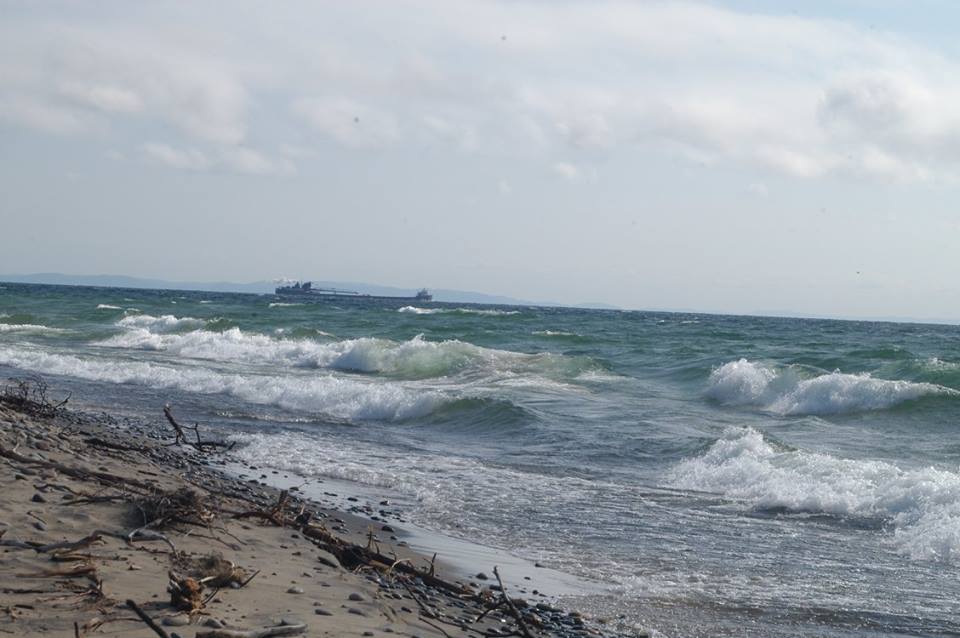
If you live near a large lake or the ocean, you may have watched waves in action.  Waves can be powerful, and even tragic, in their own right.  Storm surge waves and tidal waves have been known to decimate coastal areas; even normal wave action can erode shorelines and pull unwary swimmers under the surface.  But waves also serve good purposes– they polish the stones and wash up treasures onto the beaches.  They prevent stagnation.  They help move small creatures that dwell in the sand and shallow waters.

One thing about waves that sometimes passes unnoticed– waves may change in size or power, but they are constant– rolling in and out unvaried in their rhythm from day to day and year to year.  In this sense, no one “makes” waves, except the creator, who started that rhythm and set the boundaries for the lakes and seas.  Instead, we attempt to create bigger, more powerful waves, or make waves where none were before– puddles, or swimming pools, perhaps.  At some point in our lives, we WILL make waves– but what kind, and to what purpose?

waves

My point is not that we shouldn’t try to be agents of needed change in our world– but we should examine the positive and negative consequences of our wave-making.  Are we pushing something to the surface that needs to be seen or discovered?  Are we pulling something under the surface to drown it out?  Are we eroding a foundation, or carving out a new coastline?  Also, are we being consistent in our wave-making?  Are we hoping for a single tidal wave of chaos, or a constant churning action that brings lasting change.

Of course, since this blog is about prayer, I would suggest that prayers are also like waves– each one breaking in its turn, but constantly rolling, churning, and moving forward, bringing things, both large and small, to the shore.  Prayers have a constant rhythm and a subtle roar that masks their full impact.  Prayers, like rolling waters,  intermingle, push each other forward, dance, and rise, and fall with the winds and storms of life, and roll back to rise up again.
Not all prayers are like waves– not all waves are like prayer.  but  shouldn’t we want to make waves in tune with God’s purposes?  Waves answer to God– he can both calm them, and stir them into wild fury; walk on them, or hold them back.

I pray that our prayers and our actions would be consistent with God’s rhythm; that we would embrace changes and actions that bring him honor.

Presumptuous Prayer

The Christian life is often one of paradox–We are “in” the world, but not “of” the world; we “die to the flesh”, even as we continue to breathe and walk and eat in our fleshly bodies.  Prayer is part of that paradox– we dare to present ourselves before the throne of Almighty God, yet we are told to call him “Our Father”, and to come boldly.  We call on one who is unseen, unknowable, and sovereign, and we’re told to ask for anything in Jesus’ name, and it will be done.

This can lead to problems, as we try to resolve the paradox– sometimes we dare too much; other times, we ask too little.  I want to take a peek at how this works, especially as I have a problem with the latter.

Why do I feel it is a presumption to ask God for help?  Why do I ask God to do the least that I might expect from Him, when He offers miracles for the asking?  Why do I wait to bring my requests to God, hoping that I can solve them myself and not “bother” him?  Do I not trust him?  Do I not trust him enough?  Why do I get discouraged when my prayers are not answered “my way?”  Immediately!  When hardship comes, why do I assume that it is an accident–a miscarriage of justice–and call out to God as though he is unaware of my dilemma?

sunrays

I think we come to prayer with a few faulty assumptions about God:

  • we believe that God doesn’t know– that he is unaware of our needs or our circumstances, , our sense of urgency, or the depth of our despair; that he will be embarrassed by our lack of obedience or the simplicity of our request
  • we believe that God doesn’t care– we fear that God will be distant, disapproving, or even disdainful; unwilling to help us until we “clean up our act.”  Or we believe that he delights in testing us, watching us struggle, withholding help until we are properly humbled and abject in our obedience.  Perhaps we believe that “God helps those who help themselves,” and therefore, he is waiting for us to work ourselves to the limit before we bother him with our troubles.  We believe that “if God really cared” he would give us what we want, when we want it, and how we want it
  • we believe that God is unable– that we have messed up so badly, even God can’t fix our mistakes; that what we are asking is stretching God to do what is beyond his plan or purpose; that our request is too broad in its scope for God to attend to it
  • we believe that God isn’t really GOD–we have doubts about his existence, his reality, his presence, and his power over all our circumstances

We also come with assumptions about ourselves:

  • we believe that we are unworthy of God’s love, care, time, power, concern, or attention
  • we believe that we are worthy–worthy of special treatment and privileges denied to others because of who we are or what we’ve done; worthy of a life devoid of pain, stress, hardship, or struggle
  • we believe that we know better than God how to meet our needs; we believe that we have all the answers, and God’s job is to do our bidding
  • we believe that coming to God in prayer is a sign of weakness, laziness, or neediness that brands us as “less” than others who live life on “their terms”
  • we believe that our wants and needs are not important; that our dreams and desires must be squashed in order to serve God

If we assume any (or all) of these things, our prayers will swing wildly from wimpy hand-wringing and grudging worship to impatient demands and selfish complaints.

God knows– he sees everything; he knows your very thoughts before you think them!  God cares– he loves each of us with an eternal, limitless love– a perfect love that casts out fear and bids us to draw near to him, but doesn’t spoil us, indulge our selfishness, or set us up for failure.
God is able–just because we don’t see the answer we want in our current situation doesn’t mean that answer isn’t on its way.  Look back at the ways God has been faithful in the past–Can’t He Do It!

We are unworthy–in our own power–but we are also cherished by God, who makes us worthy through faith in the finished work of Jesus Christ.  Our privilege of coming to and communing with Almighty God is not a presumption in itself– it is a gift given by him in the moment that the veil was torn from top to bottom in the temple– the very moment Christ fulfilled the law, the barriers were removed, and God made it possible to come into his very presence.
We know only in part, and we see only in part– God sees the whole; the end from the beginning.  He knows what is best, not only for us, but for all of creation.
When we come to God, it is a sign of submission– not weakness.  It is a sign that we recognize God’s right to be God, and our privilege to live and work and commune with him, instead of acting and living in rebellion against him.
Because he knows our every thought, and he loves us completely, he cares about our every need.  When we trust in him– in his goodness, his faithfulness, his timing, and his sovereignty, he doesn’t promise us a life without hardship; but he does promise peace that passes all understanding as we go through those hardships.

pexels-photo-156151.jpeg

In the end, our faulty assumptions come from making ourselves too big– taking pride in our own worthiness, strength, and intelligence; or exaggerating our faults, mistakes, and unmet expectations– and making God too small to meet our needs or understand our hearts.

God wants us to presume on his Goodness and Might– not on our own wisdom and worthiness.


Positioning for Prayer

Bow, kneel, stand; hands folded, hands raised, hands clasped–there are many positions we assume when praying.  And different types of prayer seem to have different positions.  We tend to say grace seated or standing behind our chair at the table.  Some families hold hands; others bow their heads and fold their hands.  Some corporate prayers call for kneeling; others are said standing.  Some people bow, some kneel on the floor with arms outstretched; some curl up in their favorite easy chair; some face east or toward a certain focal point; some touch or hold an object, like a rosary or a Bible, or the wall or surface of a sacred place.  Some pray with eyes closed; others with eyes raised toward Heaven.

Does any of this posturing and positioning really matter?  Does God have a preference?  A requirement?  Does He get offended if I stand, or keep my eyes open or neglect to hold my hands a certain way?

gracelady

The answer is not as easy as one might think–The Bible has many specific accounts of prayer, as well as many commands and guidelines.  Hebrew priests stood with hands raised to pronounce blessing and to seek God’s favor.  King David’s psalms are poetic prayers.  They don’t often describe a position of standing or kneeling, but many of them imply a position of lying down, pacing, clapping, shouting, climbing, etc.  Jesus often prayed alone, and spoke of praying privately– in corners and closets away from prying eyes and listening ears.  On the night of the Last Supper and in the Garden of Gethsemane, the Bible describes Jesus as praying while “looking toward Heaven” (John 17:1), and later, “he fell with his face to the ground and prayed.” (Matthew 26: 39)

All this indicates that positions matter in relation to the function or the nature of the prayer.  And that’s where I want to focus my thoughts today.

God isn’t displeased if I stand to pray, rather than kneel–unless I am standing in pride and arrogance.  He is pleased if I kneel in humble and contrite spirit, but not if I kneel out of false humility or to impress others with my self-righteous posturing.  If I bow my head at the table out of habit, and forget who I am supposed to be talking to, or “pretend” to kneel instead of leaving the comfort of my chair– then I may need to take a new position; a new attitude of prayer.

kneelprayer

God isn’t impressed with our physical position in prayer– but I believe he wants our whole self, our undivided attention and our physical and emotional expression and attitude.  Sometimes, the physical position comes as a natural extension of our grief, our joy, our reverence, and our stillness before His throne.  Other times, our physical position brings us out of our pride, our busyness, and prepares our heart attitude.

I have had moments–even days– when I was not naturally motivated to quiet my spirit, bow my head or my heart, and kneel before my Maker.  But in kneeling, and bowing my head, and closing my eyes, I was positioning more than just my body.  I was coming in obedience to the one– the only one– who can transform my mind, renew my spirit, and soothe my restless heart.  Other times, I could not kneel for the joy and exuberance of the moment.  Standing on tiptoe, hands raised, head raised, and heart raised, I sang out to my Father in gratitude and awe.

So the answer to the question– Does our position in prayer matter?– would seem to be, “no.”  What matters is our attitude. God is not impressed or fooled by an outward show–he is concerned with our heart’s desire to be close to him. There is, however, one position that is pivotal in the pursuit of prayer.  That is the position of Faith.  In Hebrews, we are told that “without Faith, it is impossible to please God, for whoever comes to him must believe that he exists, and that he rewards those who earnestly seek him..”(Hebrews 11:6)  Jesus spoke of faith that can move mountains, even if it is the size of a mustard seed.  Whether kneeling or standing, grieving or rejoicing, our prayers must be accompanied by faith– faith that God exists; that he is loving and gracious and all-powerful to save; faith that our “position” in him is one of reconciliation and renewed life through his grace and the finished work of Jesus Christ; faith that he will hear our prayers and answer according to his will; faith that his will is altogether good and perfect– even when we don’t understand it in the here and now.

One final thought–though the Bible does not specifically require that we kneel to pray as we pursue a relationship with him, it does declare that one day, “at the name of Jesus, every knee should bow, in heaven and on earth, and under the earth, and every tongue confess that Jesus Christ is Lord…” (Philippians 10-11a).  I can practice kneeling in this life, knowing that it won’t go to waste!

What? A Privilege?!

“What a Friend we have in Jesus,  all our sins and griefs to bear!  What a privilege to carry everything to God in Prayer!”

The word “privilege” has taken a beating lately.  A privilege used to be considered a good thing.  Merriam-Webster defines it as, “a right or immunity granted as a particular benefit, advantage, or favor.”  A privilege is granted–given as the prerogative of someone in power or authority– to someone else.  It may be given as a reward, or granted for a limited time and under certain conditions.  But a true privilege is a gift–you can’t make your own privilege, and you cannot own or control a privilege– the terms are set by the giver, not the receiver.

In the past generation, the word “privilege” has become charged with political and societal connotations.  Those connotations, and the issues surrounding them, are worthy of discussion and could fill volumes, but I want to talk about a privilege that should be free of undertones and dubious meanings.

Prayer is a pursuit, and a practice.  It is personal, practical, and powerful.  But it is also a privilege.  Often one that we take for granted.

In pursuing prayer, we are not just developing a personal routine or discipline.  We are not just approaching a powerful supernatural entity.  We are fallen creation entering the presence of a Holy Creator; we are rebels entering the throne room of the King of Kings.

We have the right to approach God; to talk to, converse with, ask favors of, plead with, confess to, and expect answers from the One who creates galaxies with a single spoken word, and designs every unique flake of snow.  This same God grants us the right to draw breath, to experience both beauty and wonder, to question and to create.

Prayer in ancient times was almost universally accompanied by sacrifices, and surrounded with ritual– incense, bowing and prostrating oneself, covering or uncovering the head–in recognition of the horrible chasm, the great separation between God and mankind.  Many traditions still use ritual for prayer, and there is nothing wrong in this reminder of God’s Holiness and Sovereignty.  Yet God talks of prayer in intimate terms.  He didn’t impose ritual and sacrifice for his benefit, but for ours.  Several times throughout the Bible, he makes clear that he does not require the blood of bulls and goats–what he wants most is a humble and pure heart.  At the moment Jesus died, the great veil in the Temple was ripped in half from top to bottom–the most holy place laid open to all who might come into God’s presence.  Christ’s death and resurrection were not just means of saving us from Hell, but the means of bringing restoration of the intimacy God designed from the beginning.  God– Almighty, Omnipotent, and completely Holy–wants to give us the privilege to enter his presence and pour out our thoughts, feelings, burdens, and triumphs; to share intimacy with HIM.  We are not just objects of his care (or his wrath), not just creatures in whom he has a certain fond but distant interest.  We are recipients of lavish love and priceless privileges– forgiveness, power over sin, power to become more Christlike, restoration and renewal, and yes,  the pursuit of  prayer.

Blog at WordPress.com.

Up ↑