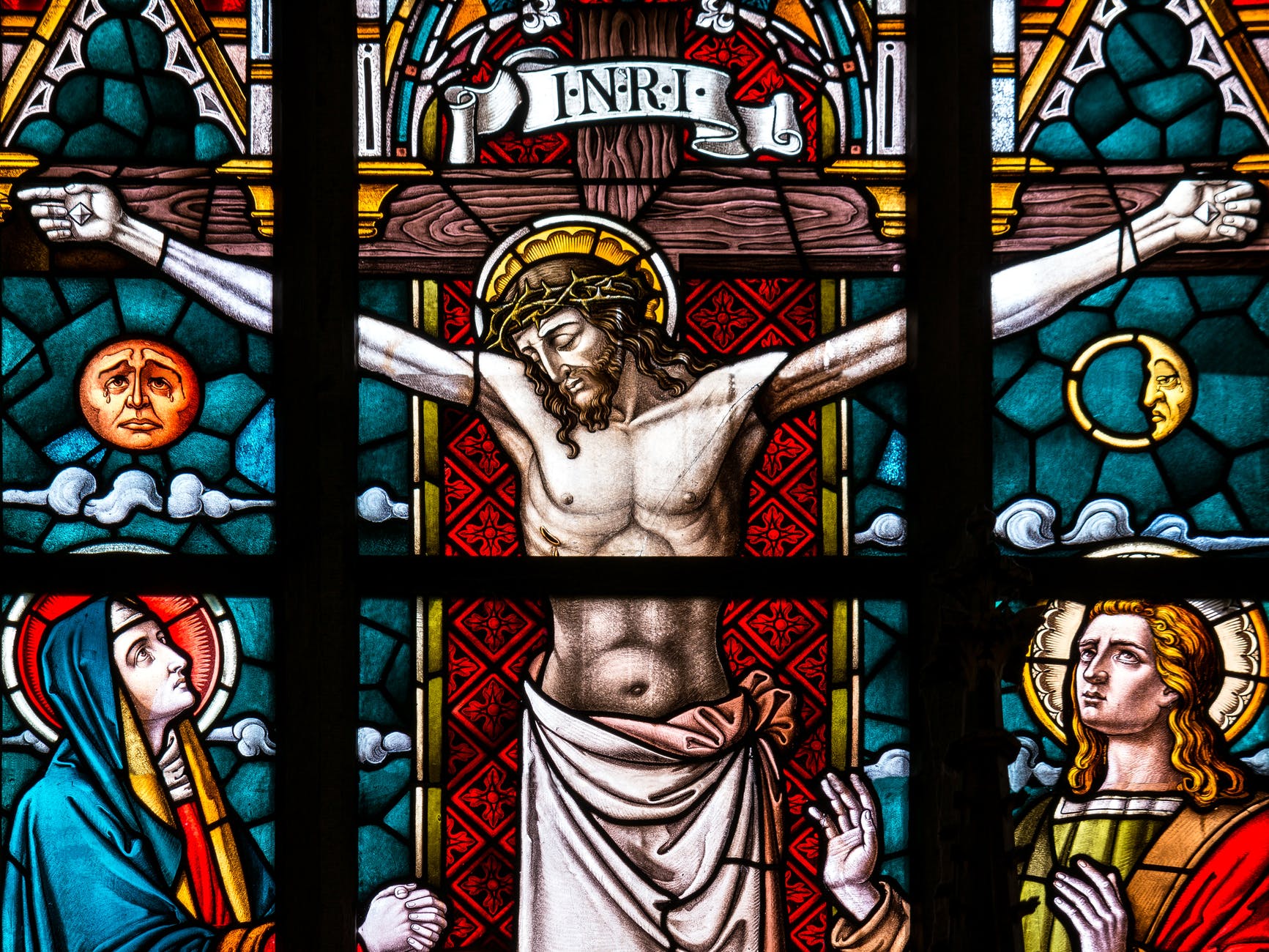
Blessed Are the Merciful

“Blessed are the merciful, for they will be shown mercy” (Matthew 5:7).

Am I merciful when I pray? That’s not a question I normally ask, but I’m looking at the Beatitudes, and how they relate to my pursuit of prayer. I pray for justice; I pray for healing; I pray to be more Christlike, but do I specifically pray about mercy? Certainly, I thank God for HIS mercy toward me, and I hope I show mercy to others, but does it enter my prayer life?

Photo by Michelle Leman on Pexels.com

It’s easy to pray for mercy for ourselves, when we know we deserve justice (and punishment). It’s easy to ask for mercy for our loved ones. But do I pray to become more merciful? Do I pray for a greater love of Mercy? In Micah 6:8, we are told that God requires three things– to do justice, to love mercy, and to walk humbly with Him. Often, it is easier to love justice, do mercy (when it suits us) and walk in our own way, asking God to follow US as we go through the day– bless me, bless my work, bless my travels, etc..

Mercy requires a knowledge of justice and a humble acceptance of God’s sovereignty. Justice is NOT whatever we think is “fair” or “equitable” in a certain set of circumstances. Justice is defined by God, and the only way to “do justice” is to obey His will. We will not “love mercy” until we experience it at God’s hands.

That’s really what this Holy Week is all about–God’s justice, God’s Mercy, and His Victory and Lordship. As we go through this week, in preparation for Easter, it is vital to meditate on what Jesus DID for justice to be satisfied, the depth of His Love that caused Him to suffer and die to provide, not just mercy, but Unspeakable Grace, and the humility He demonstrated in His time on earth– serving, sacrificing, even dying the painful and humiliating death on a cross–all for me; all for you.

Photo by RFA on Pexels.com

And we must be careful about making Mercy all about us and all about the here and now. We live in a culture of “instant gratification.” We want God’s mercy to “fix” the immediate problems we see around us. Those who are merciful WILL be shown mercy– but we may not see instant ease and comfort in a situation where others hold a grudge, or where the natural consequences of our sin still exist. We have been justified before God– He will not count those sins against us–but we still live in the fallen world where sin leads to death and destruction. God will redeem all things in His time, and we can trust that His mercy will triumph over even the worst of circumstances, but we may still have to endure suffering for a season.

Photo by Inzmam Khan on Pexels.com

When we come to God in prayer, we have no right to withhold mercy– either from those who may have offended us, or from ourselves for things we did in the past. Mercy is a gift– one we cannot give without having received it, and one we cannot hold on to without sharing it freely. When we pray for our enemies, we must pray with a heart of mercy– not because they deserve it, but because God’s sovereignty demands it.
Photo by Daniel Maforte on Pexels.com

When I Don’t Know How to Pray

Prayer is both simple and complex. Anyone can pray. There is no single correct “formula” for prayer. God is always listening and hears the prayers of those who sincerely seek Him. I can pray to God in formal words, songs, groans, and scattered thoughts.

Photo by Collis on Pexels.com

But there are times when I don’t know how to pray. More precisely, I don’t know WHAT to pray. When someone is diagnosed with cancer, or a chronic illness, my first instinct is to pray for healing– immediate and total healing. When I hear of a mass shooting, or a blatant injustice, or a natural disaster, I want to pray for all the pain and loss and evil to disappear or be reversed. I want all those things that I know to be “good”– health, happiness, healing, hope, unity, righteousness, and wholeness.

Photo by James Wheeler on Pexels.com

Still, God’s ways are not my ways. God’s “goodness” is not measured in comfort and quick resolutions. I may not understand the goodness of struggle and pain in the short term. I think of disaster as total and irredeemable, and my prayers often come out of my own short-sighted thinking and my own discomfort at the realization of others’ (and my own) weakness and mortality.

There are a few Biblical principles that I find very helpful when I don’t know “how” to pray:

  • God knows –REALLY KNOWS– all my inner thoughts and feelings. Even more, He KNOWS what will happen, what should happen, and what is best in every situation. I can pour out my desire to see my friend restored to health, or a community re-united in hope, knowing that God is a God of healing and restoration; but also knowing that God’s timing and purposes may involve temporary suffering–even for those I love. Moreover, God knows why I am confused. He knows why I struggle to know how to pray. He doesn’t ask me to always know the “right” answer– He does ask that I trust Him to know and act in His sovereign strength and wisdom. No matter the circumstances, God is still on His throne. And I am not!
  • Jesus gave us simple but powerful examples of “how” to pray. In “The Lord’s Prayer,” He prayed for simple, personal things– daily bread, forgiveness, guidance–as well as big and overarching things–“Thy kingdom come, Thy will be done..” His trust in the Father’s ability to accomplish all things was absolute, and His relationship was firmly established– “Father…Hallowed by Thy Name.” In the garden, Jesus was clearly suffering, and asked that the “cup” of suffering– the torture of the cross and the inconceivable horror of being rejected as He bore our sins and carried them through death and the grave– be removed. Yet, He submitted His desire, His fears, His anguish, to His Father– “Not My will, but Thine..”
  • There are other wonderful examples throughout the Psalms, the Gospels, the Epistles, and hundreds of years of Church leaders and saints: their prayers can teach us, encourage us, and embolden us.
  • Jesus promised that we would have an advocate–the Holy Spirit– who would intercede for us. When we don’t know how or what to pray, the Apostle Paul says that the Spirit makes intercession for us with “groanings which cannot be uttered.” (Romans 8:26 KJV). The Spirit also speaks to our own spirit to help us understand more clearly God’s ways and plans.
Photo by Italo Melo on Pexels.com

I may not always know how to pray, or what to pray. But I can be confident that God hears my prayers. I can come before Him with the assurance that my prayers– and all my thoughts and emotions–are precious to Him because I am His child, redeemed by His sacrifice. My heart may not know all things, but as He continues faithfully completing the work He began in me (Philippians 1:6), my prayers will come more fully into alignment with His will.

All the Same

When I was growing up, my Mom used to say, “I love all my children differently, but I love them all the same.” It didn’t make sense to me at first, but what she meant was that she loved us equally, but also uniquely as individuals. She didn’t treat us exactly the same, because we weren’t the same person, and because our circumstances were different. When my brother was small, there wasn’t enough time or money to do some of the things she did with me or my sister. When my sister and I were young, Mom was older and had less energy to do some of the things she had done with my brother. She punished us in slightly different ways, and encouraged us in slightly different ways, because we responded differently.

Photo by RODNAE Productions on Pexels.com

Mom is human, so even her best efforts weren’t perfect. Sometimes, we felt she treated us unfairly in certain matters. But overall, Mom has lived out her intention to “love us all the same.”

God follows the same principle. He shows no partiality; no favoritism. He sends rain and sunshine on “the just and the unjust.” (Matthew 5:45) He allows us to face sickness, trials, hardships, and disasters, regardless of our status or our relationship with Him. And He allows others, even evil-doers, to prosper and enjoy good health. This can be difficult for some of us to accept. I know many people who believe that they have an “in” with God– a special status that is supposed to keep them “safe” from disappointments and hardships, while punishing those who cross them in some way. But it doesn’t happen like that. God loves us and treats us each differently, according to our unique circumstances and personalities.

Photo by Emre Kuzu on Pexels.com

It is especially difficult to accept this in relation to prayer. God does not promise that, if we pray or if we have dozens of others praying for us, we will be spared pain and suffering, or receive only blessing and favor. This past year, we prayed for many friends and family who struggled with COVID (including David and I!) Many of them recovered; but others died. I just heard some wonderful news about a relative who was supposed to have a biopsy of a tumor on his brain. As he was being prepped for surgery, the surgeon realized that the lump had disappeared– there was nothing to biopsy! Case closed! It was wonderful news, and an answer to prayer. But what about my friend who had dozens praying for him to be healed of cancer? He had been in remission, but his cancer came back and just kept getting worse, and then he died. Does God love my relative more than my friend? Is he a “better” person, or more deserving of health and life? Absolutely not!

Photo by sergio omassi on Pexels.com

When we pray, we pray about what we see and what we understand. But God loves us each as individuals, and with perfect understanding and wisdom that we lack. I may never understand why some of my friends died of COVID or cancer, while others lived. I don’t know why some of the people I love have had to suffer pain and grief and loss, while others have been blessed with good health, opportunity, and riches. But I know this– God loves each one exactly as much as the others, and exactly as much as He loves me. Nothing about who I am or what I do can change God’s love for me– but it can and DOES change my love for Him!

Photo by Luis Quintero on Pexels.com

Praying for those we love, especially those who are suffering, is not a “magic” formula. While God listens to and answers prayer, He doesn’t guarantee that “more” prayers or “better” prayers will change our circumstances or the outcomes of our circumstances. But prayer changes US. It can change our outlook and our attitude. It can change circumstances in unseen ways we cannot measure or imagine. One thing prayer cannot change– it won’t cause God to love us any more or less than He already does. His love is perfect in scope and power. He loves us–“All the Same!”

I Just Want Them to Be Happy…

..but we rejoice in our sufferings, knowing that suffering produces endurance, 4 and endurance produces character, and character produces hope, 5 and hope does not put us to shame, because God’s love has been poured into our hearts through the Holy Spirit who has been given to us.

Romans 5:3b-5 ESV via biblegateway.com
Photo by CDC on Pexels.com

I once had to drop out of a thread on social media. (Actually, I’ve had to drop out of a number of threads, but that is neither here nor there…) The thread was about parenting, and priorities. The main thrust was that, as a parent, one’s top priority was to make one’s children “happy.” If your child wanted a particular toy for her/his birthday, you would certainly do whatever you could to get “that” toy. If your child wanted the latest fashion in shoes, you would certainly try to buy them. If your child wanted to be successful, you would do whatever you could to see that he/she got into the “best” schools and had the “best” opportunities in life. And if they wanted to do something of which you disapproved, you would still encourage them to follow their dream– if it would make them happy. Of course, this didn’t include letting your child abuse drugs or become a criminal. But in general, it meant sacrificing and taking a back seat to your child’s emotional well-being.

Photo by Kampus Production on Pexels.com

On the surface, this seems like good parenting. Of course, I don’t “want” my child to be miserable, or unsuccessful, or “left out.” And I don’t want to impose my dreams and wishes onto my child, or live my life through him/her. I would not wish hardship and suffering to come to anyone, especially those I love. Except…I want them to develop endurance, and character, and hope, and compassion, and wisdom, and humility, and faith. And all these things come from suffering, losing, and learning from difficult experiences.

Photo by Polina Zimmerman on Pexels.com

I dropped out of the thread for a couple of reasons: I have learned that whenever the subject of parenting comes up, my experience (or lack thereof) makes my opinion “invalid” to those who disagree. “You’ve never had children. You don’t know what it’s like.” But I know what it was like to BE a child, and to have parents. I’ve observed the results of parenting by others, both good and bad. I know that even good parenting can’t guarantee “happy” teenagers! And even “bad” parenting can produce children who break the cycle and become adults of integrity and joy. The other reason I held back was that, in my experience, those who post such threads only want their own opinions confirmed. The people posting on this thread were not “bad” parents–in fact, they probably would agree with me if we had the time to sit down and talk through the issue. But one of the downfalls of social media is that we want short, pithy advice, instead of long and serious discussions. We don’t want nuances; we want comfortable “likes.”

Photo by Denise Duplinski on Pexels.com

I don’t want my family members– my step-children, grandchildren, nieces and nephews, and cousins, etc.–to be defeated by suffering. I don’t want them to be overwhelmed by depression and anxiety. I don’t pray for them to be hurt or frustrated, because “it’s for their own good.” But I do pray that they will learn strength and courage, faith and trust, hope and joy as they overcome struggles, conquer fears, fight life’s battles, and walk in obedience to the One who has won the final victory. I don’t “just” want them to be happy. I want them to find the lasting joy that comes from developing a Godly character. That may bring me to tears when I see them fighting illness and hardship, persecution, depression, and other setbacks. But it also keeps me on my knees and reaching out as they understand that I’m there whether they’re sad, or angry, or hurting– and so is the God who loves them forever!

Photo by August de Richelieu on Pexels.com

The Sound of Silence

The events of Good Friday are well recorded in all four of the gospels, (see Matthew 27, Mark 15, Luke 23, and John 19 https://www.biblegateway.com/passage/?search=JOhn%2019&version=NIV ) but it is still difficult to imagine exactly what it must have been like that day. The first crow of the rooster came as Jesus was still on trial before the Sanhedrin, hours of questioning and betrayal that would continue as the sun rose and Jesus as passed on up the chain of power to Pontius Pilate for more questioning. The sun was still climbing as Jesus was beaten and paraded before the crowds. The swell of voices shouting for His execution would have echoed through the public square–“Crucify Him! Crucify Him!” “We have no king but Caesar!” The same taunting would continue as Jesus walked the long Via Dolorosa and came to Golgotha.

By nine that morning, Jesus, bloodied, whipped, exhausted, humiliated, betrayed, and struggling for every breath, was nailed to the cross. He was fully exposed to the bright morning sun, the heat, and all the stares of the angry mob who came to revel in His anguish. He was unable to wipe the blood or salty sweat that trickled from His brow and ran into His eyes; unable to swat away flies who buzzed around His face, elbows, or cheeks. He was unable to block out the noise–curses, curious questions, His Mother’s agonized cries, and, in the lull, the ordinary noises of a crowded city preparing for a celebration.

Photo by Pixabay on Pexels.com

As noon approached, there would be the aromas of roasted lamb, market fish, baking bread. The crowds were quieter now, some may have left to seek out lunch or relief from the heat. But the heat and the sun disappeared as darkness rolled in. The angry energy gave way to fear and dread. The earlier shouting was now a an ominous rumbling among the remaining spectators. It was quiet enough to hear Jesus address His Mother and His disciple, John, and answer the thief on the neighboring cross, promising to see him in Paradise. It was possible to hear Jesus cry out later, His voice raspy and broken, but clearly in anguish, “Eloi, Elioi, lama sabachthani!?”

Photo by Pixabay on Pexels.com

Perhaps it even got so quiet, as it sometimes does in darkness, that you could hear the three men on the crosses struggling to take each breath–their tortured muscled straining to lift their weight enough to get air past their parched lips and tongues–in and out, as distended muscles demanded more oxygen than their bodies could provide. Did the members of the crowd listen to their own heartbeats in those moments?

Photo by Francesco Paggiaro on Pexels.com

The unnatural darkness would have magnified the moment when Jesus, the Light of the World, breathed His last breath. And I imagine in the moment after that a silence so deafening, so complete, as the Word of God, the Creator of Life and Giver of Breath departed the Earth– as though all light and sound imploded at the loss. A split second only, but one so intensely silent that it must have taken the breath of every onlooker.

Photo by Engin Akyurt on Pexels.com

And then, the sound returned full-force– the Earth quaking, the skies crashing, Creation gasping, the Temple Veil ripping, and terrified people rediscovering their ability to cry out. Noise–piercing, and violent and sudden, bringing with it a return of the angry energy of before. But the energy is different now. Subdued. Nervous. Desperate. Empty…

Photo by Shawn on Pexels.com

Insult to Injury

Have you had “one of those” days lately? Nothing seems to go according to plan, and as the day goes on, it just seems to go from bad to worse. Something (or someone) comes along and adds insult to injury.

Photo by Andrea Piacquadio on Pexels.com

Next week, the Church will be remembering what seemed like the last week in the ministry of Jesus Christ on earth. First comes “Palm” Sunday, commemorating Jesus’ triumphal entry into Jerusalem. Shouts of “Hosanna!” and crowds of people cheering and waving palm branches–it was as though Jesus was a rock star or a prince of Israel. But just a few short days later, he was arrested, and convicted in a corrupt “trial” by the religious officials. The same crowds who cheered him on were screaming for his death, waving fists instead of palm branches. Pilate, to please the crowd, sentenced an innocent Messiah to one of the most brutal deaths imaginable– public, excruciating, humiliating, torturous crucifixion.

Jesus didn’t just suffer death. He was mocked, insulted, deserted by his friends, lied about and lied to by those he should have been able to trust, stripped naked and whipped, and branded as a criminal as his “fate.” In such a short time, to be so crushed and betrayed, brutalized and humiliated–none of my “bad days” can compare to what Jesus went through. His injuries were horrific; the insults and betrayals were worse. Yet He bore them all. He died in anguish; broken, bruised, beaten, and abandoned.

Photo by Francesco Paggiaro on Pexels.com

And He could have chosen differently. He was perfectly innocent, perfectly authorized to defend Himself, capable of calling all the Hosts of Heaven to testify on His behalf, and perfectly powerful enough to come down off the cross at any time and send all of His accusers and tormenters to oblivion! That Friday wasn’t just “one of those” days. It was not something that took Him by surprise, nor was it something He “deserved.” He chose to go through that day…it was part of His perfect plan. That day. That death. That stunning humiliation and “defeat.”

But Holy Week doesn’t end in insult, injury, defeat, or despair–because God’s ways are perfect, Jesus turned everything to Glory! We will celebrate next Friday– “Good” Friday– because only God can triumph over death, and transform horror into hope, despair into deliverance, and shame into salvation.

Even on “one of those” days, we can find peace and practice praise as we pray to the one who took “one of those” days and turned it into the greatest miracle!

The Lord Has Taken Away…

20 Then Job arose and tore his robe and shaved his head and fell on the ground and worshiped. 21 And he said, “Naked I came from my mother’s womb, and naked shall I return. The Lord gave, and the Lord has taken away; blessed be the name of the Lord.”

Job 1:20-21 ESV (via biblegateway.com)
Photo by Pixabay on Pexels.com

The book of Job presents us with a startling picture. Job is a godly man; a righteous man; a man of faith and good works. And yet, God allows him to experience loss upon loss– Job loses everything, short of his life and his nagging, bitter wife. His first response is praise and worship! But as the losses sink in; as the pain and agony and grief continue, Job questions God’s justice and wisdom. Job, like us, wants answers that make sense. He is willing to suffer– even greatly–IF he can see the purpose of his suffering, and justify it to himself.

Photo by RODNAE Productions on Pexels.com

We are getting ready to celebrate Thanksgiving tomorrow in the U.S.– a day when we celebrate what God has given us. We normally celebrate family, health, good food, material blessings, etc. We celebrate abundance and comfort; peace and plenty; family and freedom. But his year, our celebration will be quite different. The Lord has taken away…

Photo by Karolina Grabowska on Pexels.com

Some of us have lost jobs, or we’ve lost our good health to COVID or related factors, or we’ve lost loved ones, often without the chance to say our final “goodbyes”. Millions of us have lost the ability to move about freely and conduct “normal” errands and activities. Schools and businesses are closed or operating from a distance. Families and friends have been kept apart. Much that gave us comfort and happiness has been “taken away” this year. And God has allowed it all to unfold. He has not “taken away” this disease or its consequences. He has not “taken away” floods, or fires, or hurricanes. He has not given us answers or explanations.

Photo by Collis on Pexels.com

Job’s initial praise turns to questioning. While he does not “curse God and die,” as his wife suggests, Job spends his time wondering, “Why me?” His friends try to find answers– “you must have done something to deserve this, Job.” Because God does not “punish” the righteous. It isn’t logical; it isn’t fair; it isn’t just.

Photo by Alem Su00e1nchez on Pexels.com

Except that God laid on His own Son– on Himself– the guilt and punishment for all those who are unrighteous. What Job went through–unknown and unseen to him and his friends–was a glimpse into what God Himself would suffer. Christ lost everything–INCLUDING his life– in order to bring salvation to all those who are willing to believe and receive it. Christ was willing to give away His dignity, His power, His friends and family, and His life. And the Lord allowed it all to be taken.

Photo by Andrea Piacquadio on Pexels.com

Many people read the story of Job– his loss and all his questions and complaints–and conclude that God is not fair or just. They find Him to be capricious and unwilling to ease Job’s suffering or answer his questions. They conclude that God is wicked and unworthy of Job’s praise or trust.


But to do so is to ignore the end of the story– God DOES “answer” Job; He gives Job a chance to justify himself and bring his case. And more than that– He gives Job more than he had before. Job ends up with more children to love, renewed health, and even more wealth than he lost. https://www.biblegateway.com/passage/?search=Job+42&version=CSB And the same is true of Jesus Christ. Because of His “loss,” the world has gained the priceless gift of Salvation by Grace. Christ has become the first of millions to taste victory over death and enter into eternal life. https://www.biblegateway.com/passage/?search=1+Corinthians+15%3A20-23&version=NIV

Loss and grief still exist in this world; disease and suffering and hardship still plague us this year. But we have SO much to celebrate at Thanksgiving. When the Lord “takes away,” it is not because He is capricious, or jealous of our wealth or happiness. It is not because He is unkind or uncaring. At just the right time, and forever more, the Lord will Give without end– lavishly, extravagantly, abundantly. Nothing He takes away in this life– even a cherished love one–is beyond all hope of comfort, redemption, or restoration. Our losses cannot compare to the riches of His Grace and Love. This is a great mystery, but as Job discovered, God WILL DO IT!

Photo by mentatdgt on Pexels.com

Blessed be the name of the Lord! Let us Thank and Praise His Holy Name!

The Empty Tomb


We are living in dark days– days of death counts, and dire predictions; of fear and grief and chaos. Masks, social distancing, angry outbursts, collapsing economies, job loss, political unrest, disease, plague–we are in the grip of a global pandemic. “Bring out your dead.” It’s a phrase from hundreds of years ago, and the horrors of other plagues and other disasters. Tombs, graveyards, skulls and visions of death abound. And yet, as Christians, we celebrate an empty tomb…

Photo by Matthias Zomer on Pexels.com

It’s been over a month since many Christians celebrated Easter (and almost a month for Orthodox Christians). How soon many of us forget the power of the resurrection. Our world is gripped with fear and anger. But we should be gripped with hope and healing. We celebrate an empty tomb– a testament to the victory of life over death, and hope over chaos!

Photo by Felix Mittermeier on Pexels.com

Even when we use the symbol of the cross, it is not about Christ’s death, but his ultimate victory that we celebrate. Jesus himself even referred to the cross in these terms in John 3:

“Just as Moses lifted up the snake in the wilderness, so the Son of Man must be lifted up, that everyone who believes may have eternal life in him.”

John 3:14-15 NIV via http://www.Biblegateway.com

Jesus is speaking with Nicodemus, a Pharisee and religious teacher. He is referring to an historic incident in the wilderness, when the Israelites had rebelled (once again), and the Lord sent venomous snakes among them. Nicodemus would have known about this incident, but Jesus presented it as more than just history– it was a foreshadowing of God’s perfect plan of salvation! https://www.biblegateway.com/passage/?search=Numbers+21%3A4-9&version=NIV God had Moses make a bronze snake to be lifted up on a pole. When the people looked up and saw the bronze snake, they could live. In just such a way, when Jesus was “lifted up” on the cross, he didn’t just die. He battled death to bring life to anyone who “looks up” and believes.

That ancient symbol of a snake on a pole is used by physicians to represent healing. The ancient symbol of Christ on the cross is used to represent redemption and eternal life. Combined with the reality of an empty tomb, we can celebrate life in the midst of any circumstances.

These are difficult days–even with the hope of eternal life, we still have to face the sadness and grief of death, the confusion and hardship of economic chaos, and the uncertainty of what tomorrow will look like– socially, politically, economically, and physically. But we need only “look up” and beyond our circumstances to be reminded that this is not the whole story. There is an empty tomb– ours! There is victory–ours! Won for us by the perfect plan of God, and the perfect obedience of Jesus Christ.

Photo by 3Motional Studio on Pexels.com

Look up– and Live!

Resent, Relent, or Repent…

We’re getting ready to enter the Lenten season–six and a half weeks of reflection and preparation before Easter. Lent is not a celebration in the traditional sense– it is solemn and reflective, personal and, sometimes, painful. It is a time of getting “real” about our sinful condition. The Bible says we have all fallen short of the Glory and Holiness of God (Romans 3:10) and deserve God’s wrath. The natural consequence of sin is death (Romans 6:23), and permanent separation from the goodness of God.

Photo by Engin Akyurt on Pexels.com

There are many ways we can react to this reality. I know many people who resent God’s Holiness and His laws. They do not want to face God’s righteous judgment; they believe that God’s laws are cruel and unjust, and that they do not have to answer to anyone greater then themselves.

Others want to bargain with God. They feel that if they relent– if they set a goal to do more good than harm, if they strive to be better than “the next guy”–God will weigh their good deeds in the balance and judge them in comparison with how bad they “might have been.”

Photo by mentatdgt on Pexels.com

But God doesn’t judge on a curve– He doesn’t judge us by our measure, but by His. And none of us “make the grade.”

If that were the final word– the end of the story– there would be no reason to relent, and it wouldn’t make any difference if we were resentful. But God, from the very beginning, designed a different outcome. His judgement is just, but it is not without hope or remedy. God Himself has given us the chance to change– to repent. Repentance is agreeing with (not resenting) God’s judgment, and responding (not bargaining) with changed behavior and a changed attitude.

Lent begins when we confront the great gulf between God’s Holiness and our sinfulness. It stretches through the realization that sin and its consequences surround us, hem us in, and poison our world. It is a time of sadness and gaping loss, when we long for healing, for hope, and for a home we’ve never seen. It is a time for reflecting on the cost involved–not just in human suffering, but in God’s suffering as a human. God, who could have, in His righteousness, destroyed even the memory of mankind, chose to share our sufferings– hunger, cold, exhaustion, rejection, heartbreak, betrayal, death– to that we could be delivered into everlasting life.

Lent ends as we remember Jesus’ death and burial– His ultimate sacrifice for our debt. It ends with a shattering trumpet-blast of hope and joy on Easter Morning. Our sadness and loss is NOT the end– Sin’s power and poison are illusory. They have no power over our Great God.

Photo by Pixabay on Pexels.com

It can be tempting to respond to our present circumstances with resentment. It can be tempting to relent in our rebellion– trying to bargain with God, and minimize the cost He had to pay, trying to pay the price ourselves with a show of good behavior and a superficial devotion.

But God’s great Love and Mercy should draw us to worship and true devotion. As we reflect on the great gulf between sin and holiness, it should cause us to gladly repent– to lay on the altar all the substitutes and lesser things that keep us from full communion with the Lover of Our Souls.

Photo by sergio omassi on Pexels.com

Our prayers during this season may be difficult. They may be filled with grief, loss, and pain. But they may also be filled with hope and joy as we anticipate the gift of Grace. And they should be filled with praise. After all, Lent is a season; a season to reflect, a season to repent, a season to mourn, but a season with a beginning and an end; a season that gives way to celebration and a sure hope of resurrection!

I Heard the Bells on Christmas Day


I heard the bells on Christmas day
Their old familiar carols play;
In music sweet the tones repeat,
“There’s peace on earth, good will to men.”
I thought how, as the day had come,
The belfries of all Christendom
Had rolled along th’ unbroken song
Of peace on earth, good will to men.
And in despair I bowed my head:
“There is no peace on earth,” I said,
“For hate is strong, and mocks the song
Of peace on earth, good will to men.”
Then pealed the bells more loud and deep:
“God is not dead, nor does He sleep,
For Christ is here; His Spirit near
Brings peace on earth, good will to men.”
*When men repent and turn from sin
The Prince of Peace then enters in,
And grace imparts within their hearts
His peace on earth, good will to men.
O souls amid earth’s busy strife,
The Word of God is light and life;
Oh, hear His voice, make Him your choice,
Hail peace on earth, good will to men.
Then happy, singing on your way,
Your world will change from night to day;
Your heart will feel the message real,
Of peace on earth, good will to men.

Words by Henry Wadsworth Longfellow, with alterations and *additional text by Harlan D. Sorrell.

Some Christmas Carols are the joyous outpouring of Christmas cheer, filled with the laughter of wonder of the season.  Others are forged in pain and doubt that has been turned to the light of hope and renewal.  Such is the story behind this hymn. http://suvcw.org/mollus/art005.ht

Photo by Pixabay on Pexels.com

The famous American poet, H. W. Longfellow had lost his wife in a tragic fire just three years before he nearly lost his son in the horrors of the Civil War.  When his son was severely wounded in battle, Longfellow went to the military hospital, and, when he could, he transported his son home, knowing the journey would be painful and the outcome might not be a happy one.  (His son lived, but never recovered fully– see the article above.)
As he sat with his wounded son over the Christmas season, he could hear the bustle and chatter, and the bells ringing from the church steeples, announcing the good news of Christmas.  As his pain and bitterness churned, he wrote about it, and about how his heart was turned from bitterness to hope. (See the original poem here:   https://www.hymnsandcarolsofchristmas.com/Poetry/christmas_bells.htm

Photo of C. A. Longfellow

Christmas is a time of warmth and good cheer for many–the ringing of bells, the singing of merry tunes, the tinsel and glitter of decorations–but for others, it is a time of deep soul-searching.  “My life is a mess.  I have suffered greatly.  There is no Peace On Earth!”  Yet, the hope and promise of Christmas rings out greater than the darkness and the blast of gunfire, the angry outcries and the weeping of those in grief.

How can this be?

Christmas reminds us that our circumstances, though very real and very painful, are confined to this time and space.  They are temporary– not in the sense that we will forget our pain or loss– but that we can still experience hope and joy  and healing in their midst.  “The Wrong shall fail”–there will still be evil in the world, injustice, hunger, abuse, sickness–wrong will still exist, but it does not have the power to define us, to enslave us and take away our ability to do good.  “The Right, prevail”–God’s promise of Messiah (among several hundred other prophetic promises!) has been fulfilled.  God is Faithful.  God’s word endures.  God’s Justice Will Be Done, and there will be “Peace on Earth, Good Will to Men.”

Photo by Magda Ehlers on Pexels.com

Christmas also reminds us that it is just in those very small things– the tolling of bells, being able to hug your child,  to share memories of loved ones who are no longer here, being grateful for small gifts, giving a word of encouragement–that hope and joy are spread like ripples of water and echoes of sound.  Christ’s birth was humble, but it was heralded with the hosts of angels from the highest heavens. 

Photo by Oleg Magni on Pexels.com

My prayer today is that we would listen for the true message of Christmas, and that we would echo and repeat the message– even if it seems that we are being drowned out by sirens and protests, or silenced by those who are hurting and cannot hear the sweetness in the music of the season.

Blog at WordPress.com.

Up ↑