I love revisiting the promises of God. But I have to be careful not to make God’s promises into something they are not.

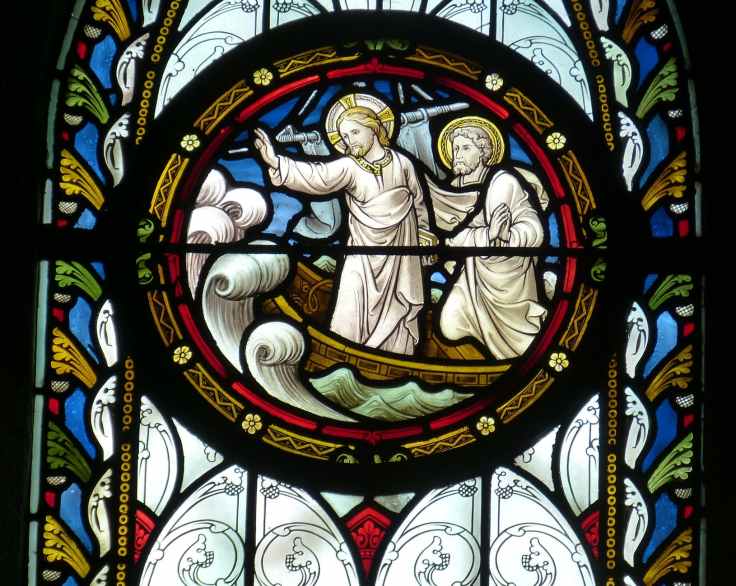
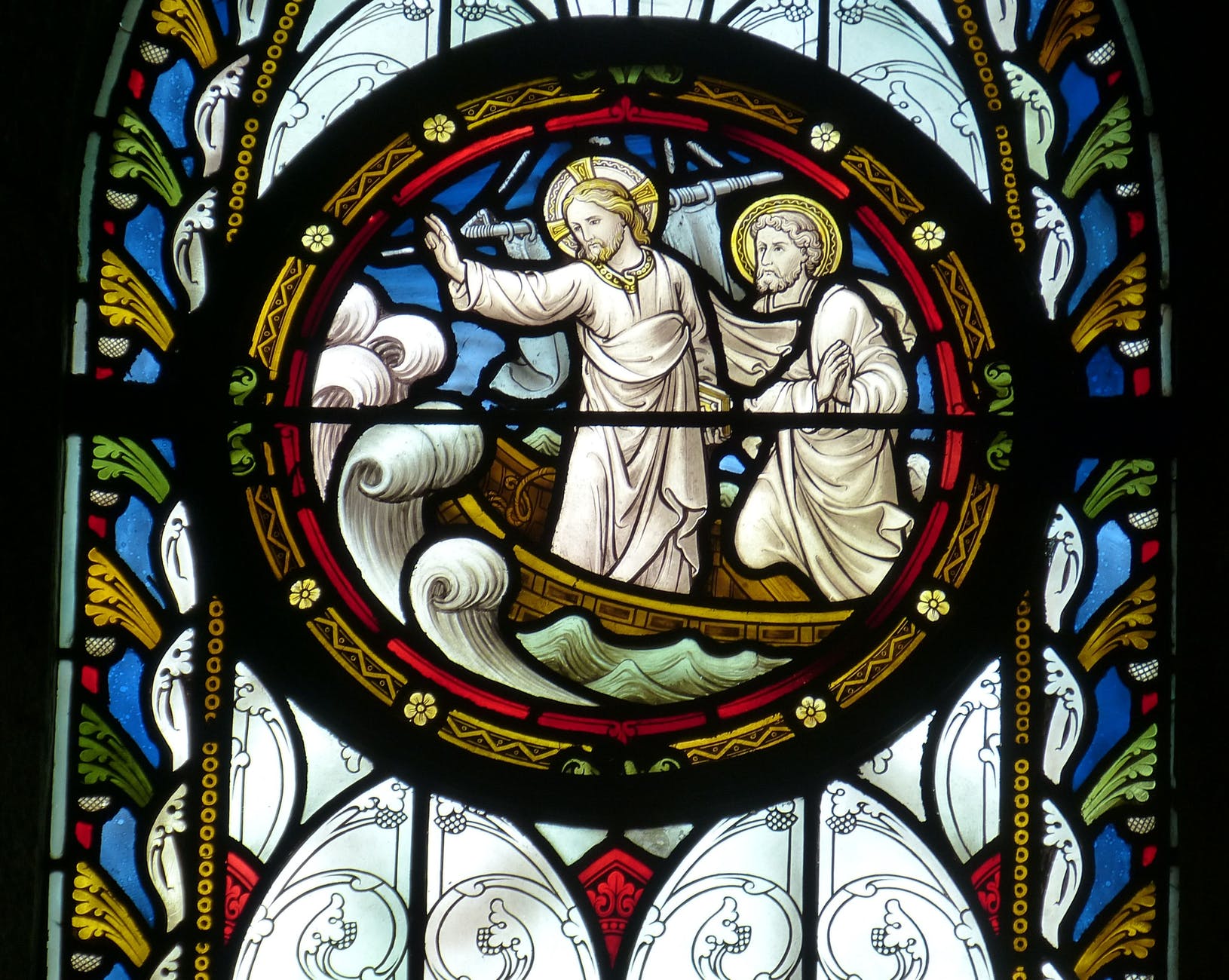
In Matthew 11, Jesus gives a promise– “I will give you rest.” But sometimes, I read more (or less) into this promise than Jesus meant.
28 “Come to me, all you who are weary and burdened, and I will give you rest. 29 Take my yoke upon you and learn from me, for I am gentle and humble in heart, and you will find rest for your souls. 30 For my yoke is easy and my burden is light.”
Matthew 11:28-30 (NIV) via biblegateway.com
First, Jesus bids us come to Him. There are times I want rest, but I want it on my terms– I want ease, comfort, rest, and renewal in the middle of my own plans, activities, and even rebellion. When we pray, we need to come to Jesus, not demand that He come to us.
Next, Jesus offers rest to those who are weary and burdened. Similarly, Jesus said He came to save those who were lost, NOT those who already saw themselves as justified. If I come to Jesus asking for perpetual rest– never willing to trust Him when He asks me to exert myself or carry a burden–I will never know complete rest or fulfillment in Him.
In the very next verse, Jesus offers a yoke– certainly not a symbol of rest for most of us!–and He offers to teach us to find rest. Rest is not a gift like grace or love, even though Jesus “gives” it to us. Rest is a reward. And Jesus makes it clear that He will be with us every step of the way as we work and rest in Him. A yoke has many bad connotations– slavery or bondage, burdens, toil, and hard labor in the hot sun–but it can also have a positive meaning. Oxen who are yoked together share the load– with the lead ox taking the brunt of the burden, and the yoke-fellow carrying a lesser share. Imagine one ox trying to pull the load alone! Yet that is what many of us are doing– trying to carry the weight of the world on our shoulders and pushing away the One who wants to share our load and lead us in the best and most restful paths.
We don’t do much work with teams of horses or oxen in my community. We have powerful machines that make quick work of heavy loads– our burdens have less to do with loads of grain or logs, and more to do with mental and emotional stress. But Jesus reminds us that He is “gentle and humble in heart”–that the rest He promises is rest for our souls.
What a wonderful promise in these turbulent times! Will we take up this offer? Will we claim this promise of our Loving Father to share our burdens and bring us to a place of rest?
The U.S. is getting ready for a national general election. We’ll be voting for officials, from local commissioners all the way to the office of President. There are campaign ads and political conventions– banners, slogans, hats, t-shirts, and lots of American Flags. And, while many of the normal rallies and “whistle-stop” campaigns have been cancelled due to Covid-19, the conventions have been marked by people reciting the Pledge of Allegiance to our Flag and all it stands for.
“I pledge allegiance to the Flag of the United States of America, and to the Republic for which it stands, one Nation under God, indivisible, with liberty and justice for all.”
Much has been made recently about just two words of this pledge–“under God”– which were added more than 65 years ago. Interestingly, between 1892 and 1942, there were at least two versions of the pledge being used. One version stated: “I pledge allegiance to my flag, and the republic for which it stands. I pledge my head and my heart to God and my country. One country, one language and one flag.” Another version (which was altered and officially recognized by Congress in 1942), originally read: “I pledge allegiance to my Flag and the Republic for which it stands, one nation, indivisible, with liberty and justice for all.” https://en.wikipedia.org/wiki/Pledge_of_Allegiance.
There are Americans who are using the Pledge of Allegiance, the U.S. Flag, even the words, “under God,” to cause division, chaos, and ill-will to flourish in the weeks leading up to the election. Some are trying to redefine what it means to be an American; what the Flag stands for. People on “both sides” are trying to rewrite our history–denying that it contains both good and bad; triumph and tragedy, promises kept and promises broken.
As an American, I seek to live and act in such a way as to honor this nation and those who live here. Part of pledging allegiance to the flag (for me at least) is a promise to uphold those principles upon which this nation was founded: the conviction that all people are created equal (not just here, but around the world); that they are endowed by God with the right to live, to think and act according to the free will God gave them, and to pursue those dreams and activities that will bring hope, goodness, prosperity, and general “happiness” to themselves and to others. That does not mean that all people will use their free will wisely, or that they will all achieve equal outcomes and equal success regardless of their skills, resources, or efforts, however. Governments are instituted to protect the opportunities and rights of all, not to ensure that everyone gets the same life, the same will, and the same definition of “happiness.”
I also pledge to defend and protect and preserve this land–figuratively and literally. It is my duty to care for the trees and rivers, lakes and meadows, wildlife and even the air. It is my duty to encourage my neighbors, to vote on local ordinances, and cast my ballot for local, state, and federal offices. It is also my duty to speak out, to write, to act in the cause of justice. Finally, it is my duty to obey the laws that govern this country–not because I voted for them, or because they are convenient, or because I see an immediate benefit from them, but because they are justly enacted laws. If I don’t like a law, I pledge to see if it can be amended or repealed. I may use civil means to protest injustice– sit-ins, peaceful marches, legal suits, petitions, etc.. But my allegiance to this nation and its people means that I pledge not to put others in danger, or to deprive them of their lives or livelihoods in my pursuit of change. I will, however, defend myself and others from anyone who would try to take away these sacred rights.
I love my country. I love the world God created and the unique and diverse people He designed to fill it. But ultimately, my highest allegiance is not to America. It isn’t to my neighbors, or my family, or to the planet. My heart, mind, soul, and spirit belong to God. My allegiance to Him comes before any other. If my nation turns away from God; if it denounces all that is sacred, and demands that I do the same, I can no longer pledge my allegiance to its flag. If I am asked to destroy innocent lives, or deny God’s existence, or forced to speak lies in the name of patriotism, I must follow my first allegiance.
In times like these, it can be very easy to get “wrapped up” in the Flag, and the patriotic speeches, and the political rhetoric. Candidates paint themselves in the best colors, and attempt to make their opponents look evil, uncaring, and incompetent. But I have not pledged my allegiance to any candidate. I will choose to vote for the individuals I believe are best suited to bring about changes or preserve policies that honor both God and our founding principles. And I will pray for all elected leaders, whether I voted for them or not. But my hope, and trust, and allegiance, is to God above all, And all else, even the United States of America, is “Under God.”
It is very discouraging to listen to the news lately…pandemics, riots, economic collapse, lock-downs and social distancing mandates…some days it seems like it can’t get any worse. And yet, if someone were to report that things will soon get better, would we believe it? Even if a prophet of God came to reassure us, would we greet her/his news with joy, or would we react with cynical disbelief?
Such was the case hundreds of years ago in Samaria. The capital city of Israel was under siege by the Syrian King, Ben-Hadad. https://www.biblegateway.com/passage/?search=2+Kings+6%3A24-7%3A20&version=ESV The entire city was trapped; surrounded by thousands of soldier, they were terrified, diseased, and starving. It was far worse than most of us have ever experienced. The siege had gotten so bad that the people had resorted to cannibalism–things could not get any worse. The king, desperate and helpless, sent for Elisha. And the prophet had unbelievably good news– in less than twenty-four hours, the fate of Samaria would be completely reversed. There would be food, freedom, and joy throughout the city– plenty for everyone!
Hope! Joy! Salvation! But how could this be? The king’s messenger scoffed–“Impossible! Even if God opened up the heavens, this could not happen.” So Elisha has bad news for the messenger– he will see this prophecy fulfilled, but will not be able to enjoy it.
And it all happens just as Elisha predicted…in the middle of the night, the Syrian army panics and flees. Prompted by the Lord, they believe they hear a mighty host coming to ambush them in their tents. In their flight, they leave everything behind– food, weapons, clothing, medicine–vast resources, and enough to supply the entire city!
Alerted to this miracle by four lepers who brave the enemy camp only to find it deserted, the king and his messenger are still skeptical. But when the report is confirmed, the citizens rush out to plunder the Syrian goods, trampling over and killing the messenger in their haste.
When times are tough, it is easy to hold on to a limp and lifeless form of faith– we keep praying and reciting platitudes; we tell ourselves to be patient and bear up under pressure. And we should not lose heart or compromise the truth for a temporary sense of ease. But our faith has to be prepared to see God do “exceedingly, abundantly, above all that we ask or think, according to the power that works in us..” (Ephesians 3:20 NKJV) Because just when things couldn’t get any worse, they may just be about to get better than we can imagine!
Lord, may I seek your face with confidence and joy– not because of the circumstances I face, but because of my faith in Your great might and power, and in Your grace and wisdom to turn even the worst night into a glorious and victorious dawn!
112 Praise the Lord! Blessed is the man who fears the Lord, who greatly delights in his commandments! 2 His offspring will be mighty in the land; the generation of the upright will be blessed. 3 Wealth and riches are in his house, and his righteousness endures forever. 4 Light dawns in the darkness for the upright; he is gracious, merciful, and righteous. 5 It is well with the man who deals generously and lends; who conducts his affairs with justice. 6 For the righteous will never be moved; he will be remembered forever. 7 He is not afraid of bad news; his heart is firm, trusting in the Lord. 8 His heart is steady; he will not be afraid, until he looks in triumph on his adversaries. 9 He has distributed freely; he has given to the poor; his righteousness endures forever; his horn is exalted in honor. 10 The wicked man sees it and is angry; he gnashes his teeth and melts away; the desire of the wicked will perish!
My grandmother would have celebrated her 108th birthday today. I’m confident that she IS celebrating today– but she no longer has to count birthdays, or worry that this one might be her “last.” She passed into eternity more than 25 years ago. But she and my grandfather left a legacy of faith, hope, integrity, and prayer that lives on. It is a quiet legacy– my grandparents were not “important” people–they worked hard, lived a simple lifestyle, and never made a showy practice of their faith. But they lived it in such a way as to leave others with a glimpse of what steadfast faith looks like.
Grandma was born just a few short weeks after the sinking of the Titanic. She lived through two World Wars (one of which kept her separated from her husband, working in a factory, and raising two young girls). She lived through times of war, times of riots and uncertainty, and times of disease and pain. She knew what it was to struggle and lose. She was born before women could vote. She and my grandfather lived through the “Great Depression,” picking up whatever odd jobs they could, and sometimes not having enough for rent or food. But she also knew incredible joy and satisfaction. She knew what it was to be loved and to give love. She knew the joy of seeing a job to completion, and of using her talents and skills to help others. Most of all, she and grandad shared an incredible faith– one that had been tested many times– in God’s goodness, His provision, and His faithful protection. They lived in circumstances that would cause many to fear. But I never remember Gram being frightened–she wasn’t oblivious to bad news and difficult circumstances–but she faced them with confidence and resolve, the kind that gave hope and courage to everyone around.
My grandparents moved a lot. I mean, A LOT! They probably moved 50 times (at least) during their 62 years of marriage. Sometimes, they moved because Grandad had “itchy feet.” He liked change; he liked to have new projects to tackle; he liked to feel “free.” He loved moving into a “fixer-upper,” or renting a place with a run-down yard. But sometimes, they moved because they had to. They moved a lot– but they were never “moved” from each other, from their family, or their faith. They didn’t lose hope; they didn’t shift opinions based on their circumstances; they didn’t break promises or end friendships.
Psalm 112 gives a wonderful description of a “righteous” person. Not a self-righteous person, and not a perfect person (as none of us are perfect). But it is a great picture of the kind of legacy my grandparents left behind. They were generous– not just with money, but with gifts, work, time, hospitality, and words of encouragement and hope. They were rock-solid in their integrity– they went above and beyond not to cheat or lie or complain or shirk duties. In all their struggles (and in their good times) they never lost sight of God’s Goodness and Sovereignty.
My prayer today is that I would pass along such a legacy; such a witness. God is faithful, He is good, loving, and kind. He is never far from those who call on His Name, and He is able to deliver us from all our struggles. I am so grateful that, in addition to all the other blessings I take for granted, God gave me amazing grandparents. I hope He brings such people into your life today, and equips you to be such a legacy-builder, as well!
In some ways, all days are the same. They are 24 hours long; they include a morning and an evening (though in some parts of the world one always seems to be shorter than the other as we go through a typical year); and they fall into predictable patterns of weeks, months, season, and years. So we can identify a particular day as Tuesday, the 4th of September, or the 73rd day of the year 2019, or even the first day of summer, but Wednesday will follow Tuesday, October will follow September, and the 73rd day of the year will follow the 72nd.
Lately, days seem to blend together and get lost, as predictable routines have been put “on hold” due to a global pandemic. People complain about having “too much time” on their hands, or getting confused about what day it is, because it seems more than ever just like the day before. But that is only perception. Each day still contains 24 hours, and still follows the patterns set up by God when He set the universe in motion. God’s incredible design means that we can find comfort and stability in knowing that there won’t suddenly be a day with 77 hours, or six Mondays in a row, or a year without a summer (though sometimes it may feel like it)! Seemingly endless winters or dry seasons may be discouraging and even deadly, and we need to be prepared and willing to adapt to the challenges they bring, but we don’t need to give in to panic or despair.
According to the prophet Jeremiah, in the book of Lamentations, God’s mercies are new every morning. https://www.biblegateway.com/passage/?search=Lamentations+3%3A22-23&version=CSB God never gives us yesterday’s blessings, or tomorrow’s mercy. God gives us just what we need, when we need it (when we ask, and often even when we don’t)! God never loses track of what day it is, what season we are in, or what will come tomorrow. So if you’re stuck wondering if this is Sathursday, the 41st of Marprilmay, or if you missed summer because it was on Wednesday this year, know that God’s provision, His Mercy, and His timing are sufficient, perfect, and brand new for Today. You didn’t miss it; you won’t be locked out of tomorrow’s portion, and yesterday’s disappointments don’t have to follow you into next week.
God is ready to meet each of us in a new, pure, fresh way EVERY day. No expiration date; no appointment necessary. We don’t need to sign in, fill out paperwork, follow seventeen safety codes, show ID, or wait in line.
So whatever day it is–and whatever kind of day it has been so far–prayer brings us to a God of order and design, a God of renewal and refreshment, and a God of Mercy and Grace beyond all time and space.
But then, he does three important things: He recounts what he knows of God’s character, he waits, and he hopes.
Sometimes, when I cry out to God, I expect God to reveal Himself to me with an immediate and positive answer. And, occasionally, God does answer prayer with a dramatic and instant result. But most of the time, God answers first with silence. Not because He is cruel or uninterested or too busy to acknowledge my cry. He gives me time to reflect– on His nature, and the nature of my need. And He gives me time to find peace and trust in the middle of the storm.
I spent much of yesterday crying out– I am frustrated with the uncertainty surrounding COVID-19. I am angry at the misinformation and conflicting reports; I don’t know what to believe about staying put or venturing out–is it allowed? Is it safe if I wear a mask? Can I go to the park or beach? When can I re-open my shop? Can I make the payments until it can be re-opened? When can I safely see my family and friends again? Will it be safe to hug them? And I am frustrated with the way I see people treating each other– yelling, screaming, eager to condemn everyone else’s behavior while justifying their own. And I find myself saying and doing the same thing from the relative safety of my computer screen– after all, I can’t yell at anyone to their face if I can’t leave the house, right? But I can let my 300 closest friends know how heartless and selfish they are if they don’t see things my way! They’re KILLING people! They’re betraying family members! They’re living in fear! They have no compassion! And I cannot make them do what I think is right!
But when I stop the crying and carrying on, and justifying, and finger-pointing; when I stop to remember who God is, and who I am, I remember that God IS attentive. And not just to my frustration, but to everyone’s needs– the person who is living in terror; the person who is suffering pain, grief, agony, and loss; the person who is defiant and uncaring and angry. God is attentive, but He is also overflowing with mercy. If He kept records– if He only looked upon mankind to find evidence of our guilt or to pour out shame and punishment– who could stand? Who would have the authority to tell God how He should direct the universe? Who could say that they were more capable of dispensing life and death, health and sickness, mercy and justice? Would I? It is no little thing to cry out to the God of the universe. And yet, God listens attentively to our every cry. Especially when we cry out to Him for mercy, for wisdom, for peace, and for healing. His answer may not look like what we expect, but He never fails to listen in Love.
And as I contemplate God’s power, wisdom, compassion, grace, and authority, I can wait. And that doesn’t mean that I sit in a lotus position and stop seeing the pain and chaos and death. Or that I count to ten and hold my breath. Or that I set a timer and think happy thoughts for 20 minutes. No. I wait like a watchman– like a sentry waiting for whatever may happen– alert and ready to do my duty. And I wait like a watchman for the dawn– for the light of day to see clearly; for the end of my watch, when there will be rest.
This season is difficult, but it will end. It will give way to a new dawn– with new challenges! But just as the Psalmist tells Israel, I know I can put my hope in the Lord, for “with the Lord is unfailing love and with him is full redemption (v. 7). If I cry out, knowing that God is willing to listen and able to save, but I don’t stand firm in hope, I can still be swept away by the winds of doubt and the current of angst.
We’ve been hearing a lot lately about people who are “essential.” In times of crisis, certain skills and services are necessary to preserve or protect life. In times of war, soldiers, medics, makers of tanks and arms, helmets, planes, boots, and armor become essential. In times of famine, farmers, and anyone with reserves of food or water become essential. In times like these, doctors, nurses, EMTs, and those who make or distribute medicines, PPE (personal protective equipment), ventilators, etc., are essential.
Being “essential” may sound wonderful, but it comes with a heavy price. Doctors and nurses are stretched and stressed, working ridiculously long shifts and scrambling to find ways to arrest the progress of COVID-19 among their patients who test positive. Meanwhile, their neighbors are complaining about being told to stay home and do nothing because their skills, their businesses, and their contributions are considered “non-essential.” Grocers and the cashiers, restaurant owners, farmers, and truckers are risking their lives to keep people supplied with food, only to have people complain about prices and temporary shortages. And any one of their customers could be spreading the virus– not just to them, but to their other customers. Police officers, already putting their lives on the line, are now asked to interact with those who may be carrying and spreading this virus, as well as dealing with an angry and frustrated population chafing under orders to stay home and stay inactive. And those who are “essential” are also vulnerable– tired and frightened and inadequate to meet every need–they are not infallible or indefatigable.
There are really only a few things in life that are actually essential–breathing (which is one of the reasons COVID-19 is so scary, because it attacks the lungs), water, food, and basic shelter (protection from excessive heat or cold). And, while many around the world are facing more extreme shortages than others, most of the chafing and complaining has less to do with not having the essentials than with being (or not being) labeled “essential” with very little notice or guidance, and asked to bear the brunt of a crisis they cannot predict or control.
Redundant(non-essential)—
For every person who is feeling the pressure of being “essential” in a time like this, there are others who have been labeled “non-essential”– redundant, expendable, “in the way.” “Stay home!” “Stay away!” “Don’t!” Don’t shake hands, or hug, or visit friends or loved ones (unless you can do so via phone or internet). Don’t touch– don’t touch door knobs or counters or surfaces– don’t even touch your own face!
The intent of these messages is a positive one–“help stop the spread of this virus”–but the message often gets lost in the tone of fear and panic that accompanies it. “If you don’t (go away, stay away, stop touching, stop asking questions, stop being in the way…) other people, especially ‘essential’ people, will get sick and die.” “If you could just go away, disappear, be quiet, etc., until this crisis dies down…” Feeding your family, keeping your business open, earning a living, using or developing your skills, offering your services or products– none of that is “essential” right now. You have nothing to offer in a time of crisis– you are expendable. Perhaps not forever, but just now– just for a few more days, weeks, months?…
Jesus offers us a shocking view of what is/who is “essential” or “redundant.” In his encounter with the “rich young ruler,” (see https://pursuingprayer.blog/2020/02/07/a-miss-is-as-good-as-a-mile/) Jesus listens as the young man seeks to justify himself. He has done everything he deems “essential” to inherit eternal life. But Jesus challenges him with one “essential”–sell what he has in order to serve the poor and “redundant.”
Jesus had frequent encounters with lepers– the most “redundant” and expendable people of his day. They were contagious, “unclean,” unwanted. And Jesus also encountered those with great power and prestige–priests and rulers, centurions and tax collectors. Many of them were also considered “unclean,” and unwanted! Those for whom Jesus had the sternest warnings were those who refused to accept, respect, or help those they preferred to judge.
Jesus, the only One who actually has the right to judge, didn’t come to further the division of people into categories and labels. While he didn’t turn a blind eye to sinful activities, neither did he point fingers. And while he celebrated faith and service when he found it, he didn’t flatter or fawn over those whose service was more “essential” than others’. Instead, Jesus invited “whosoever” to believe in him (John 3:16), to follow him, and to become part of the Kingdom of God. (Revelation 22:17). Someday, He will judge us, and we will be separated. But the one “essential” will be whether or not we have chosen to depend on Him and trust Him for the wisdom and strength to do His will in service to “whosoever” we encounter.
There is no one so “essential” that God is required to accept her/him into the Kingdom. This may be a strange notion to some of us, who have fallen into thinking that we earn our salvation through good works or memorizing doctrinal statements. But NO person is essential in Heaven. And that’s not bad news or meant to condemn–it is simply a reminder that God’s standard is level and fair. We don’t have to strive and stress; we don’t have to have all the right answers, or do all the “right” things– in fact, we can’t.
And there is no one so “redundant” that God cannot accept him/her into the Kingdom. Again, this may be a strange notion, that we cannot “out-sin” God’s salvation. We can’t mess up, wash out, face-plant, or fail such that God cannot redeem, rescue, or revive us. God will never tell us to “stay away,” “wait,” “don’t get too close.” Instead he says, over and over again, “Come!”
Whosoever is struggling with exhaustion, or impossible expectations, panic, fear, sickness, anger, depression, loneliness, hunger, rejection, injustice, confusion, or emptiness– let them come!
“Social Distancing” is the latest buzz-phrase in the media. With the spread of COVID-19, governments and health officials are asking people to avoid meeting in groups, avoid physical contact, and keep our distance from those outside our immediate family. Those who are most susceptible to the disease are being asked to self-quarantine; those who contract the disease are put in isolation. This is causing many people additional suffering, because they feel alone and even abandoned.
But God assures us that He will never leave nor forsake us. No matter how “distant” we may be from others, God is always with us– ALWAYS. Prayer does not summon God to our side, or capture His focus and attention from someone or something else. Our God is omnipresent and omniscient– He know our every thought; He is with us through every moment and every breath.
So why do we feel so alone and frightened at times like these?
Disaster, disease, hardship– especially when they come unexpectedly or develop rapidly– remind us that we live in a fallen world. We KNOW our world isn’t perfect. We know that life is fragile. We know that health and comfort are not guaranteed. But sudden tragedy leaves us unable to deny that our world is broken and we cannot, by our own efforts, fix it. We expect that God’s presence means God’s perfection will surround us, protect us, and shield us from the reality of Sin and its consequences– including the reality of Sin in the natural world around us. Hurricanes, earthquakes, infections, climate change– God allows them to happen. They will continue to impact our fallen world until God chooses to step in and put a permanent end to them. But He is still here WITH us through the storms and sicknesses and trials of life.
God’s voice is often gentle and comforting. Panic and fear are loud and insistent. We will hear the voice we focus on most. God whispers in our ear if we are listening to Him– if we concentrate on spending time with Him. How much of my time today was spent in Scripture and prayer? How much of it spent listening to the news or reading FB posts full of anger and confusion?
Sometimes, in the good times, we pay God lip service; taking for granted that He is there, but not acknowledging His presence. Sure, we say that He walks with us (or we walk with Him); but we don’t take a moment to look up and see where He is leading us. Instead of being close to God by following our Shepherd, we are close to Him because He is chasing us down to bring us back to the right path. He is right there, but in our panic, we don’t see Him, because He is no longer leading us.
Fear and panic draw our attention inward. It’s one of the reasons “social distancing” causes emotional distress. We are social creatures, but our focus is easily drawn inward, and more so when there seem to be no other people around. Our own thoughts, fears, and questions grow bigger– enough to consume us if we are not careful.
Pray. Pray some more. Pray without ceasing! (2 Thessalonians 5:17)
Let God speak– meditate on God’s word. Meditate on His names and His character.(Psalm 19) Seek out websites that magnify God. Call or e-mail friends who can pray or praise with you.
Sing! Worship the God who is bigger than any crisis we may face. Sing at the top of your lungs– if you are alone, there is no one else to hear you, but the one who adores your “joyful noise” (Psalm 100)
Encourage others– Be the reminder that someone else needs today. (1 John 4)
The world is waking up to a global pandemic as I write this. Over 100,000 cases worldwide have been diagnosed; thousands have died. Projections are dire, with the possibility of millions of people who will need to be quarantined or hospitalized, and several thousands more dead before the year is out. Panic has already set in– people are hoarding cleaning supplies, stealing medicines and masks from hospitals, demanding testing long before they show any symptoms, and spreading rumors and false information about how the disease is spread or ways to prevent its spread.
In the midst of chaos, fear-mongering, and panic, the Bible provides both comfort and practical wisdom to face times of struggle and crisis. Psalm 23, often used to comfort people in times of grief, actually says a lot more about life than death. We have no need to panic– even though we find ourselves in unknown, unfamiliar, and threatening situations.
“Yea, though I walk through the valley of the shadow of death…”
Yea, though–Not “if”, or even “when” I walk through tough times, but “though.” Death is inevitable and unpredictable, and the shadow of death, the threat of our mortality, will fall on us, often when we least expect it. Even without a traumatic event, like a pandemic, we all must travel this valley path at some point. A crisis like COVID-19 is unsettling, but death and disease wasn’t invented last year, and whatever steps we take to prevent or treat COVID-19 will not stop death or its shadow from touching our lives. Nor will panic and fear, denial, or wishful thinking make death’s shadow dissipate. It is wise to face the reality of this crisis with truth and the proper perspective.
I–Not “we.” We are surrounded by others who may share much of our fear, our grief, or our confusion at a time like this. But, when we walk through this valley, it is deeply personal, and our reactions, perspectives, beliefs, and emotions will be uniquely experienced. One of the most difficult things about times of crisis is the isolation we may feel when others cannot enter into our thoughts and hearts and painful emotions. Especially when they are dealing with similar fears and pain. Not only is this valley dark and low, it is often narrow. Even so, God is still present and powerful. We can turn to others for advice, comfort, or even excuses. But no one else can walk the road beneath our feet; no one else can choose whether we will focus on the shadows we see or the light beyond the shadows.
Walkthrough— There is a great temptation to try to hurry through any crisis– to look for the shortcut– the immediate cure; the escape hatch; the high ground; the detour. God’s love doesn’t give us the promise of ease and escape. God does not ask us to sprint through this part of our life’s journey. But God gives us the grace and power to keep walking– this valley is not the destination, but part of the longer race. This leg of the journey is difficult; there will be darkness, rocks and walls closing in on us; we may feel the cold finger of death, disease, and loss. Some days our walk may feel more like a crawl–but take heart and keep moving through.
The Valley of the Shadow of Death–Death is stark, uncompromising, cold, and overwhelming. Its shadow looms huge and oppressive. But the valley is not death; the shadow is NOT death; and even the reality of death is not bigger or more powerful or more eternal than God. COVID-19 will bring death to many thousands or millions of people, and it will bring sickness, fear, pain, grief, and distress to many more. But it cannot kill God– it cannot dim His great love for each person who suffers; it cannot catch God off guard and unprepared. We may question God’s timing and purpose. We may face hardship, loss, and confusion in the days and months ahead. But we will not face anything– even COVID-19– that can weaken God’s sovereignty. The same hand that raised Lazarus from the dead; the same power that rolled the stone away at Easter; the same Shepherd that led David all the days of his life–the One who holds galaxies in his hand and has numbered every hair on your head–He walks through this valley with us!
As God gives us wisdom, let us seek positive ways to reach out to those in crisis. Pray! Pray often, and fervently for those who are sick, and those who work in healthcare. Pray for wisdom, that our nations, regions, and communities will respond proactively and compassionately. And pray for opportunities to demonstrate and share God’s grace and mercy.
**Spoiler alert** If you have not seen this movie, or read the book, I will be disclosing large portions of the plot in the paragraphs below.
I love the movie, The Princess Bride. Though it is not a “spiritual” tale, and not meant to be a Christian allegory, I find a lot of Biblical truth in this story. In my last post, I looked at the skeptic, Vizzini, whose exaggerated claims of intellect and trust in his own brilliance lead to his downfall.
Today, I want to look at one of his sidekicks– Inigo Montoya. Inigo is a reluctant mercenary. He works for Vizzini “just to pay the bills.” His only real ambition is to find his father’s killer and demand vengeance. This has been his guiding ambition for over 20 years, and he is committed to killing his father’s murderer in a duel– if only he can find the elusive villain!
Inigo knows three things– he knows the villain roams free and has never been brought to justice; he carries the scars from his own failed sword fight with the man, so he knows his skill and ruthlessness; and he knows the man has six fingers on his right hand. He doesn’t know the man’s name or rank, where he lives, what he does for a living, if he still lives, if he has a family– he really doesn’t know how or where to look for him, and he has no plan beyond challenging the man to a rematch to avenge his father.
I cannot condone Inigo’s thirst for vengeance https://www.biblegateway.com/passage/?search=Romans+12%3A19&version=ESV, nor his half-baked plan to achieve his goal. But Inigo’s great love for his father and his belief in justice make him a likable character. Unlike Vizzini, Inigo seems concerned for the princess’s welfare and fate, and reluctant to be involved in something that could lead to her harm (or even death). Once he meets the “man in black” who comes to rescue the princess, he treats him with honor and admires his courage and skill, even as he is pledged to try to stop him. He allows his foe to catch his breath, prepare for battle, and even shares his sad tale in the hopes that the man in black can help him find his Nemesis.
Inigo isn’t a very good villain; he is too honorable, too ready to help others he meets along the way. But he attracts miracles along his journey, and I’d like to look at three-and-a-half miracles today.
Miracles come in different types. Some are miracles of preservation; some are miracles of healing; some of transformation.
Inigo’s first “miracle” is actually a series of miracles of preservation. Three times, Inigo is involved in sword battles, and three times he is preserved. At age eleven, he watches as his father is ruthlessly slaughtered by the villainous six-fingered man. Inigo tries to fight for his father’s honor, but is defeated. The six-fingered man leaves him scarred and humiliated, but considers Inigo nothing more than a “brat,” and considers that he has “taught him a lesson,” so he lets him live. It doesn’t seem like a miracle, but Inigo is given a chance to grow up, when he easily could have been killed. He uses this opportunity to become a great swordsman, so he can find his father’s killer and challenge him to a rematch! When Inigo challenges the mysterious man in black, he is formidable in battle, yet he loses. He is winded, scratched, and disarmed by the stranger, and expects to be killed. Yet, again, he is spared– this time out of respect. The stranger renders him unconscious, but does not kill him. Inigo recovers and finally gets the chance for vengeance against his nemesis, Count Rugen. He challenges the Count to a duel. But the Count cheats, and Inigo is gravely wounded before the battle even begins. Miraculously, he finds the strength of body and will to continue the fight. Struggling against the loss of blood, the taunts of his enemy, and his own sense of failure, Inigo continues to fight, gaining strength and momentum, until he wins–bringing justice to his father, and defeating his enemy.
The second miracle is one of guidance. Inigo needs help to reach his goal of finding and confronting Count Rugen. He needs the help of the very man he fought earlier– the mysterious man in black. But the tables have turned. The man in black has been taken captive and tortured. Inigo must find and rescue him. In desperation, he prays for guidance. He enlists God’s help in locating the man who can help him. But his prayer seems to go unanswered. He stumbles around in the woods, lost and defeated. Finally, he leans against an old tree–and in doing so, he triggers the secret door leading to the torture chamber where the man in black lies, left for dead.
The third miracle is one of revival and restoration. The man in black seems to be dead, so Inigo and his friend, Fezzik, take the body to a man named Miracle Max, to be brought back to life. Of course, this is a fairy tale (though a fractured one). We don’t expect to find miracle workers in the middle of a forest. But we often pray for miracles in hospital wards, courtrooms, and rescue shelters. God sends miracles– but he often does so through the skills and willingness of others. In this case, Miracle Max delivers a crushing blow– he does not have the power to bring someone back from the dead. However, the man is black is NOT dead; he is only “mostly” dead. Miracle Max concocts a restorative potion, delivered in a chocolate-coated pill. The man in black makes a halting, but timely, recovery, allowing Inigo to track down the evil Count and bring him to justice. (It also allows the man in black to finish his quest, rescue the Princess and defeat her wicked fiance.)
After three miracles, Inigo finishes his quest and faces a surprising new problem. His whole life has centered around revenge. Now that he has achieved his goal, he has no future; he has lost his sense of purpose. And this is where the “half” miracle happens. Inigo’s character is noble, even if his obsession with vengeance has been unhealthy. Along the way, he has befriended Fezzik, and rescued a man who was deemed to be an enemy. He has fought bravely and with honor, and has not been corrupted by money, power, or violence. His new friend, the man in black, offers him the chance to start over– as the Dread Pirate Roberts! (Lest this sound truly “dreadful”, it has already been explained that the name and reputation are what brings terror into the hearts of the other pirates..once again, this is a fairy tale, where pirates can be heroes.)
Inigo Montoya is a flawed character– he is a drunkard, a mercenary, living with years of failure and haunted by his thirst for revenge. He is not wicked in the same way as Count Rugen or the evil Prince Humperdink, but he is lost, confused, angry, bitter, and unable to save himself. He is a sympathetic character because he is a lot like many of us. But Inigo’s life is transformed by miracles– mostly unsought–giving him the opportunity to start a new life, make new friends, and explore new opportunities.
What unsought, and even unacknowledged, miracles have come into your life? How many times has God preserved your life, guided you in unexpected directions, provided healing or renewal to your physical, emotional, or spiritual being, and given you unexpected new opportunities?
God doesn’t always give us an instant or dramatic miracle– even when we pray for one. Sometimes, he allows us to collapse against a tree, or be scarred by our enemies, or spend twenty years chasing a quest only to find ourselves unfulfilled at the end of it.