Troubled Waters

I love reading the 23rd Psalm (among many others). I love the picture of the Lord as my shepherd– the green pastures, the still waters, the anointing oil, dwelling in the house of the Lord forever. It is comforting. But there is also the part about walking in the valley of the shadow of death, fearing no evil, and sitting in the presence of my enemies–I tend to gloss over those parts.

The truth is, much of our life is spent somewhere in between. We journey through hills and valleys, in sunshine and shadow, and there are times of green pastures and still waters, but sometimes we are in a dry season or wading through troubled waters. We face stress, chaos, unexpected obstacles, and swirling doubts.

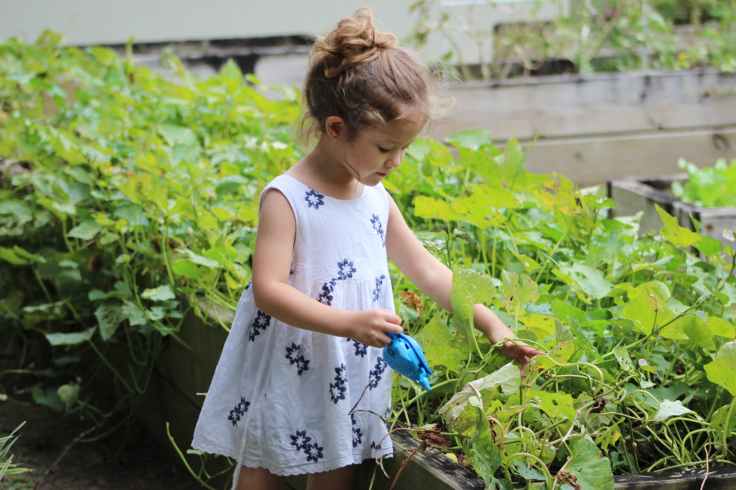
Photo by Alexander Dummer on Pexels.com

Jesus was no stranger to troubled waters. In His life on earth, He faced stormy seas– at least once in the bottom of a wave-tossed boat, and again when He walked on water to reach His disciples late at night. (Matthew 14:22-33; Mark 4:35-41, etc.) In each case, Jesus could have stilled the waters sooner, or forbidden the winds and waves to cause any trouble. This is often what we pray for– for God to keep us away from the shadow of death, from the stormy seas, from the trials and hardships we wish to avoid.

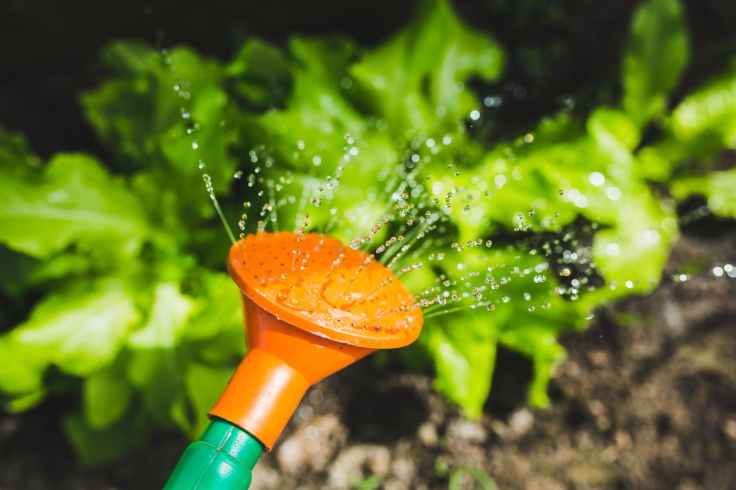
Photo by Muhammad Dompil on Pexels.com

Often, God answers those prayers by keeping us from trouble and hardship. Sometimes, He sends friends, counselors, and sweet reminders from His word to build a bridge over rapids or whirlpools or provide light and song on our journey. Other times, He answers our prayers by staying with us through even the darkest and loneliest of valleys, through the raging storms, the unanswered questions, and the waves of doubt. Sometimes we can look back and see how and why God chose to take us by the narrow winding path or through the churning waves. But even when He is silent, He is still there– reaching out to lift us when we fall, or carry us when we can’t go on.

Photo by Sebastian Voortman on Pexels.com

Lord, help me to follow you, even when the way seems dark or the storms rage. Help me to look up from the troubled waters and see you–ready to swim alongside, or lift me up and bring me to safety. Help me to help build bridges and throw life-lines when needed. And help me to remember that you have promised seasons of still waters and green pastures, as well. Whatever comes this day, may I listen for the voice of the Good Shepherd and Savior. In Jesus’ name, Amen.

Praying in the Present

I don’t know about anyone else reading this, but I need a reminder every so often about living in the present (including keeping my prayer life centered in the present).  It is very tempting sometimes to wallow in the past or dream of the future.  There’s nothing wrong with learning from past mistakes or making future goals, but we are not to waste our time or our energies pursuing what isn’t, while ignoring what is happening around us.

TheLordsPrayer

If we look closely at the Lord’s Prayer, we see how centered it is in the present.  There are a couple of forward-looking phrases (Thy kingdom come…lead us not into temptation…For ever and ever..) but most of the prayer is for the present and foreseeable future.

I need to be reminded, through Christ’s example and through scripture, that God wants me to trust Him for my daily needs and follow one step at a time.  If I find myself spending more time asking God for things far out in my future, or continually bringing up things from my past, it may mean (though not always) that I am not fully trusting in the sufficiency of His Grace for today.

God has already seen my past– and loves me unconditionally.  His Grace will not be rescinded each time I face a reminder of my past; He will not change His mind if someone else carries a grudge against me.

God has also seen my future.  He knows my needs, my concerns, my desires.  He wants me to bring my whole heart to Him in prayer–a heart that is ready to trust His provision and plan, even when I don’t know the details.

Think what would happen if every parent-child conversation involved the following themes:

blur broken ceramic clay
Photo by Fancycrave.com on Pexels.com

  1. “Mom, do you remember the time I tipped over your plants when I was five, and you yelled at me.  I just want to tell you I’m so sorry I did that.  I know you said you’ve forgiven me, but I need to ask you again.”  “Dad, I know you were disappointed when I got into a fight with my brother back when I was eight, but I hope you can see how I’ve learned a lot since then.  Please don’t hold that against me today.”
  2. “Hey, Dad, I really want to drive when I turn 16.  Can I ask you for a purple sports car when I turn 16?  I want to be a good driver, and I just know that you want me to be a good driver.  I think a purple sports car would make me a great driver in another seven years.”  “Mom, will you promise to babysit my kids after I have kids?  I just know my kids will want to have a close relationship with you, so will you just promise to be close to my kids when I grow up and have them?”

action asphalt automobile automotive
Photo by Taras Makarenko on Pexels.com

There’s nothing essentially wrong with the actual requests– but when we focus on the past or the future at the expense of the present, we miss learning what God has for us TODAY.  We also risk seeing God only for what He gives and what He has done, and not for Who He Is!

Let’s enjoy time with God today (and every day) as it unfolds.

pexels-photo-546657.jpeg


More Important

Everything I thought I wanted
Was more important than
Spending time in prayer that day.

The noise of the radio in the background;
The daydreams and worries in my head-
Drowned out
That still small voice.

woman working girl sitting
Photo by Alexander Dummer on Pexels.com

As the day passed by
My thoughts and actions
Turned…
Your presence
Nowhere to be found.
My worries and fears
Cancelling out
Faith.
UNTIL– I saw Your power in someone else’s life, giving ever increasing
Faith;
Cancelling out
My worries and fears–
(Nowhere to be found).
Your presence
Turned
My thoughts and actions
As the day passed by.

That still small voice
Drowned out
The daydreams and worries in my head;
The noise of the radio in the background.

girl-praying-hands-eyelashes-41942.jpeg

Spending time in prayer that day
Was more important than
Everything I thought I wanted.

Iron Sharpens Iron

Proverbs 27:17 New Living Translation (NLT)

17 As iron sharpens iron,
so a friend sharpens a friend.

I’m not really sure why this single verse, this single idea, has been rattling around in my mind lately, but I’ve taken a week off from doing the blog, trying to regroup and refocus, and yet this is the phrase that keeps coming back.  So here’s what I’ve been thinking:

Iron –God uses a lot of imagery, analogy, parable, and metaphor throughout the Bible.  What does this image suggest?  Iron is hard.  Iron is used for tools and (in Bible times) weapons.  Iron is strong.  Iron is forged in the fire.  Iron being sharpened can bring out sparks.  Iron crafted by a master blacksmith can be forged, shaped, smoothed, hardened, and, yes, sharpened.

leaves ladder green looking up
Photo by Jeremy Levin on Pexels.com

God calls us to be useful– light, salt, vessels, iron, hands–we have purpose; we have work to do during our time on earth.  Sometimes, that work calls for us to be steadfast, immovable– like iron.  But iron that is not being used can become brittle, or rusty, and lose its edge.

fence railing security barrier
Photo by Pixabay on Pexels.com

“Iron sharpens iron“– We don’t always use iron to sharpen iron– sometimes we use honing stones or grinding wheels or even strops.   But we don’t use cheese to sharpen iron– it won’t work.  We don’t sharpen it with paper or “positive energy” or a block of wood.  How are we staying “sharp”?  Do I make an effort to sharpen my skills, my knowledge, my service, my body, mind, and spirit?  Am I using the right method and materials to stay sharp?

Who or what do I turn to when I want sharpening?  Do I have friends who keep me accountable (and vice versa)?  Do I even WANT to stay sharpened and ready for service?  Or do I serve without guarding my edge until it becomes dull and useless?

Iron sharpens iron– but not always.  Sometimes iron blunts iron.  Sometimes it cuts away at it.  Sharpening is not accomplished by just banging pieces of iron together randomly.  There are circumstances, habits, people, or activities that try to chip away at my surface, that try to crush or bend or destroy.  There are others that are not made of iron; they cannot help me stay strong and sharp.  I need to be deliberate and careful about what and who I include in the sharpening process.  I also need to be as deliberate and as careful about who I “sharpen”.  We are here to live, and work, and build relationships together.  But I need to learn when and how to “sharpen” others in my life.  Otherwise, I can cause great damage to others and to my own soul.

black claw hammer on brown wooden plank
Photo by Pixabay on Pexels.com

What can I do to keep sharpened and help others stay sharp?

  • Pray.  I don’t have answers, I don’t have the power to stay sharp on my own.  But God is the one who can give us wisdom, power, and send us all we need (2 Peter 1:3)  Also, seek out a prayer partner or prayer group.
  • Get involved in Bible Study– seek out a Bible Study group or an on-line resource where you can ask questions, have meaningful discussions, and share insights.

black steel frame on wall
Photo by Alizee Marchand on Pexels.com

  • Seek out “iron” friends– friends who will hold you accountable, who will offer support, but also share their own struggles.  We all have friends who fill one or the other of these roles, but seek out friends who are not merely takers or givers, but true brothers and sisters in the faith.

black chain
Photo by lalesh aldarwish on Pexels.com

  • Don’t run away from challenges, “tough” questions, and earnest discussions–that doesn’t mean that we need to get pulled into senseless arguments, either; but we are disciples— that’s the same root word as discipline!  We need to come out of our comfortable corners and exercise our faith.

antique armor black and white chrome
Photo by Mikes Photos on Pexels.com

As iron sharpens iron, so a friend sharpens a friend— such a short verse, but it’s packed with wisdom and promise.

What’s Your Destination?

Recently, my husband and I took a weekend trip.  We had a destination in mind, but had to decide on a route.  Looking it up on the computer, we were given an estimated distance and travel time based on a programmed route that was found to be the “fastest.”  However, this route was not necessarily the shortest, or the most scenic, or the safest.  Knowing our destination, my husband was able to reconfigure the program to map out a route that fit our needs.  It got us to the correct destination, and allowed us to travel safely, leisurely, and confidently.

After we reached our initial destination, we decided to take a side trip.  Since we hadn’t counted on taking the side trip, we didn’t have a route.  We relied on the same technology, but, not knowing our exact destination, we typed in a general location and followed the instructions we were given.  We missed an important exit and had to reconfigure…we changed our plans and had to reconfigure…we misspelled the name of the new destination and were sent miles out of our way before we realized what had happened…we ran into an unexpected detour which sent us more miles out of our way.

pexels-photo-490411.jpeg

Knowing your destination, and having a good map or set of directions can make a huge difference.  We still had an enjoyable trip, but we might have been able to do more if we had planned a little better–one of the places we decided to visit had just closed by the time our reconfigured driving directions got us there!   And we might have been able to cut several miles off of the detour route if we knew the local roads better (it didn’t help that our map application wasn’t working at the critical moment, either!)

auto automobile automotive car
Photo by Mikes Photos on Pexels.com

In life, there are many “programs” that offer advice, direction, and focus to get us to a destination.  There are weight-loss programs, “life coaches,” self-help books, universities, “mindfulness” seminars, even religions that promise to guide us along a particular path.  But if we don’t have a clear destination in mind, we can end up wandering down a detour or even a dead end.  What started out with such promise becomes a maze of questions, unmet expectations, and frustrating twists and turns.

pexels-photo-618955.jpeg

So what is my destination in pursuing prayer?  Where do I want to end up at day’s end?  In a year?  When I face the end of my life (if God chooses to let me see the end approaching)? I want to experience the kind of prayer life that honors God, deepens my relationship with Him, and has an impact.  There are many “paths” of prayer– but they have different destinations.  Meditation, recitation, fasting and praying, praying corporately or in isolation–I need to map out a course that will get me to the goal.  And I need to rely on the guidance provided by the Bible, the Holy Spirit, and godly counselors and teachers.

pexels-photo-935944.jpeg


A Sacrifice of Praise

Hebrews 13:15 English Standard Version (ESV)

15 Through him then let us continually offer up a sacrifice of praise to God, that is, the fruit of lips that acknowledge his name.

Praise is an essential part of prayer– God is worthy of our continual praise and worship.  He is eternally good and thoroughly righteous; all-powerful and all-wise.  The author of Hebrews reminds us that we are to offer a sacrifice of praise–continually– to God.

This is more than just a simple “Praise the Lord” uttered when we are at church or surrounded by fellow believers.  A “sacrifice” of praise implies more than just a gift or even an acknowledgement of God’s worthiness and majesty.  It implies cost, and hardship; a giving up of something precious in the act of worship.

bow down

Sometimes, the sacrifice is small–giving up our right to take credit for God’s mercies; being thankful (instead of jealous) of our neighbor’s success.  Other times, the sacrifice is painful– praising God in the aftermath of a daughter’s rape, or a spouse’s betrayal, or acknowledging God’s goodness after a diagnosis of cancer or dementia.

God isn’t looking for false and empty worship–He wants us to be real.  Sometimes, the sacrifice isn’t eloquent, polished, or “pretty”; it comes with tears, tormenting questions, and anguish.  Sacrifices are poured out, broken, or burned up– dreams that have been dashed, hopes and plans that have been abandoned, heartaches that crush the soul.

God wants these sacrifices– but not because He is a cruel God who wants to see us crushed and hopeless.  God wants these sacrifices because only when we are ready to put them on the altar can He make the exchange– Beauty for ashes; eternal hope for temporary dreams; trust and security for our doubts and fears.

pexels-photo-133170.jpeg

In the same verse (Hebrews 13:15), the author describes the sacrifice of praise as the “fruit of lips that acknowledge his name.”  The Hebrews to whom he was writing were making a huge sacrifice in just uttering the name of Jesus.  They were beset on all sides– from the Jews who did not acknowledge Jesus as the Messiah; to the Romans who were using them as scapegoats for troubles within their Empire.  In the midst of their troubles, God did not ask them to slaughter their enemies, or to create a separate society and live only to themselves.  He didn’t ask for impossible deeds of daring–though many endured persecution and became martyrs for the Cross of Christ.  God asked for the sacrifice of praise.  God’s ways are not our ways– his weapons are not our weapons, and his words are not our words– God’s words are more powerful than any weapon or plan that we could ever imagine.

pexels-photo-546657.jpeg

The practice of praying the various names of God and titles of Jesus and the Holy Spirit– Almighty, Father, King of Kings, Lord of Lords, Counselor, I AM, Savior, Redeemer, etc.–is the essence of praise.  In times of trouble, God’s attributes may seem hidden, but when we acknowledge what we do not see, we are harvesting the fruit of our faith and putting it on the altar.

Stand back– God has been known to set both the sacrifice and the altar on fire!

fire wallpaper
Photo by Pixabay on Pexels.com

Where Your Treasure Is…

Our church held a hymn-sing and ice cream social last Sunday.  It was an informal evening service, but we heard testimony of the power of hymns to shape our worship, and to help us remember scripture’s promises.  We also had the chance to just “call out” a favorite hymn to sing together.  We probably sang 15 or 20 hymns that night, and each one had special meaning to many in the congregation.  We treasure certain songs, certain verses, certain stories– they feed our soul, encourage our heart, steel our thoughts, and pour balm on our wounds.

church-bank-wood-benches-161060.jpeg

One hymn we didn’t sing the other night, though it is a favorite of many, was “Sweet Hour of Prayer.”  Sweet Hour of Prayer– lyrics and much more here  In getting ready to post for today, I thought about this hymn.  We treasure the thought of prayer being sweet and bringing relief, but do we treasure prayer enough to spend an hour or more at it?  If I add up the time spent in morning prayers of devotion, grace at mealtime, evening prayers, and “quick thoughts to heaven” throughout the day, it probably adds up to an hour…but I spend more time writing about prayer each day than I actually spend practicing it.  And when was the last time I got so caught up in prayer that I lost track of time and spent over an hour at it in one sitting?

pexels-photo-707676.jpeg

In the Sermon on the Mount, Jesus warned that we should not lay up treasures for ourselves on earth, but to store up treasures in heaven, “For where your treasure is, there will your heart be also.” (Matthew 6:21 KJV)  This is true of our material treasures, but also our spiritual treasures, our thought treasures, and our time.  When I hear “Sweet Hour of Prayer,” one of my first thoughts is always, “That would be nice, but I don’t have an hour to spend praying– I’d never get anything done!”  But would I have said that about watching my favorite TV show?  Spending an hour on Facebook or shopping at my favorite store?

God is beyond time– he’s not counting the hours, minutes or moments we spend with Him.  But he feels our absence and our distraction just the same.  He isn’t trying to pull us away from important things to waste our time– he wants to pull us away from the things that weigh us down, worry us, haunt us, and eat up the precious time He has given us.

grayscale photography of people walking in train station
Photo by Skitterphoto on Pexels.com

I have found that when I feel “too busy” to spend time with Jesus, it’s a good time to pause and make time for prayer.  When I do (and it’s not as often as I should), three things happen:

  • I want more!  That time refreshes me, calms my spirit, and removes the burden of  worries, failures, and frustrations.
  • I accomplish more–maybe it’s a case of God re-ordering my other priorities; maybe he just gives me the power to work more efficiently; maybe it’s a miracle–but I find that the “time crunch” I worried about seems to melt away.
  • Jesus becomes “more” to me– I grow closer to Him, and closer to the person He created me to be.

Forgiveness is Free: It Isn’t a Free Pass

Yesterday, I posted about praying for our enemies– those who have hurt us.  We are commanded to forgive those who have wronged us, to do good to them, and to pray for them.  But I want to make sure I don’t give the wrong impression about offering forgiveness.

Forgiveness doesn’t ask us to excuse the inexcusable, or trust the untrustworthy.  Forgiveness is trusting that God, in His wisdom, His Holiness, and His timing, will bring justice, healing, and peace, when nothing else can.  This is important to remember, both as someone who asks for forgiveness, and as someone who gives it.

Jesus offers forgiveness–full, and free, and perfect– he died to make that offer.  He gave it to whoever believes on His Name.  But here’s the catch…he didn’t make that offer so you can temporarily wipe the slate clean and go on sinning without consequence.

Oscar Wilde wrote a chilling novel, “The Picture of Dorian Gray”, Dorian Gray/Wikipedia    in which the title character finds a way to trap his soul, with all its ugliness, hatred, anger, and sin, inside a portrait.  No matter what Dorian does, no matter how twisted or evil, he continues to look fresh, young, innocent, and handsome.  The effects of his dissipated lifestyle–drug addiction, sleepless nights, years of hard living, even murder–are all trapped in the portrait.  Over the years, the portrait haunts Dorian with its monstrous transformation from young man to gnarled wraith.  In desperation, he “kills” the portrait– and himself– in disgust and anguish.

dorian_gray_by_pti_spb-d6f1lmr

We live in an age of appearances– if all appears well on the surface, we ignore the deeper, long-term consequences of our sin.  If we “get away with” small sins, we run the risk of sinking deeper into a sham lifestyle.  We go through the motions of asking forgiveness, when what we really seek is escape from the consequences of our own actions.  We begin to see sin as a valid alternative to obedience–I can obey God if it is convenient, but when it’s not, I can just ask forgiveness.  This is a road strewn with lies, excuses, evasions, and it ends in death.  It is a lifestyle that makes a mockery of God, of his Holiness, His Sacrifice on the cross, and His loving offer of restoration.

God doesn’t just want to transfer your ugliness and rebellion into a painting to hide it away.  He wants to remove it “as far as the east is from the west.”  We don’t become perfect in an instant, but our past is expunged so that we can be free to choose obedience and live more abundantly in fellowship with a Holy God.  When we are truly sorry for our sins and seek true forgiveness, we want to make better decisions, we want to right wrongs– we want to redeem the past rather than merely escape from it.

pexels-photo-1018478.jpeg

When we, as imperfect people, offer forgiveness to someone else, we are not able to do what God does.  Our forgiveness is imperfect; like love, or discipline, or a new habit, it needs to develop and grow.  Forgiveness is not about freeing the offender, or wiping the slate clean for the other person.  It’s about freeing yourself to heal, to move away from slavery to the pain of the past, and to learn to trust God to bring justice.

Forgiveness isn’t natural or easy.  No one deserves forgiveness– that’s what makes it a miracle that God offers it to anyone who asks.  But God doesn’t undo our sin.  He doesn’t erase our actions, or clean up the messes we have made.  If I commit murder, God can forgive me, wash away the guilt of what I’ve done, and give me the power to live a life that seeks to do good, rather than evil.  But he’s not going to bring my victim back to life, or cause a judge and jury and the family of my victim to say, “Aw, that’s alright– you’ve probably learned your lesson.  No hard feelings.”  He can (and has) caused amazing healing to happen in such situations, but that’s the exception, not the expectation.

Similarly, if you have been hurt and you offer forgiveness, it doesn’t mean that the other person is no longer responsible for his/her actions.  It doesn’t mean that you were never hurt or betrayed, and it doesn’t mean that you trust them immediately and without reservation. It is not hateful, intolerant, or unforgiving to allow justice to catch up with someone who has hurt you– it IS unforgiving to seek beyond justice to vengeance and self-defined retribution.

pexels-photo-133170.jpeg

This is particularly important in cases of abuse.  If someone has abused you, physically, emotionally, or mentally, they are likely to make you feel the guilt they don’t want to deal with.  “You drove me to it.”  “You are the only one who understands my anger.”  Forgiving this person does not mean– it NEVER means– that you agree with their tactics and false accusations, or that you are giving them a pass.  But it DOES mean that you are giving them, and the damage they caused, over to the God of all justice.  Your case is closed; your final judgment is in his hands, and you are free to begin again– begin to heal, begin to see how God can bring something important and good and eternal out of something broken.  Forgiveness is impossible, but God will give you the power to do it– it may take several attempts, and several years, but when it comes, it will be the miracle of God working through you to glory!

Bloom Where You Are Planted

I love living in Southwest Lower Michigan– especially in the spring.  We have blossoms everywhere– apple blossoms, cherry blossoms, dogwood, red buds, tulips and irises, hyacinth and daffodils.  The rich earthy smell of freshly plowed gardens and fields permeates the air, and rides on the breezes coming off Lake Michigan.  Birds, newly returned from their winter wanderings are busily building nests, chirping away, while the sun’s rays chase away the last of the winter chill each morning.  There is color and new life everywhere you turn.

pexels-photo-165542.jpeg

We have a lot of spring festivals in the area, most of them centered on the blooms and blossoms that fill the countryside.  Gardens, orchards and fields are not just for show around here– they are also important parts of our economy and eco-system.  Without a good spring full of blossoms, buds, and blooms, we may have a disastrous harvest in the fall, and run-off of the soil; bees will die off, wild and domestic animals will have less grass and fewer berries to eat.  A late spring can shorten the growing season and shrink the harvest; an early spring can bring buds out too soon, only to have them lost to a late season frost or to have them mature too early and be burned in a mid-summer drought.

And yet, I have seen crocuses burst through two inches of snow; buds that defy harsh weather and cruel winds.  I have seen daffodils blooming where there once was a house and a yard, but now there are only brambles and foundation stones.  I have seen trees twisted and split by long-ago storms– one side dead and rotting, but with buds and new branches on the other side.

crocus-flower-spring-purple-60120.jpegpexels-photo-1031413.jpeg

It is easy to bloom when you are in a lovely flower bed, with tilled earth, fertilizer, gentle rains, just the right amount of sun, and protection from the winds and pests and birds.  But it is more spectacular to bloom in the desert; to defy the odds and stand in stark contrast to brambles, a broken-up sidewalk, or a litter-filled back alley; to bloom in the snow and sleet or weather a flood or a tornado.

pexels-photo-1035739.jpeg


Not always so with prayer.  Sometimes, it is easier to pray when we feel our own needs and shortcomings; when we are driven by our circumstances to call out for help.  When all is well, we may be grateful, but we may also begin to slack off.  We stop asking for wisdom and guidance, coasting in the beauty and ease of a good life, and forgetting that the beauty and the ease– indeed the life itself– is not our right, but a gift.  Amid so many other beautiful prayers, ours seem drab and ordinary, almost unworthy of God’s notice.

But God DOES notice– he has placed each of us where he wants us to bloom and grow– to pray, to fellowship, to walk with other believers and give off the fragrance of His grace as we live our lives in obedience to Him.  Have you been planted in an apartment complex?  Have you been planted as a suddenly single parent of three kids?  Have you been planted on a campus?  In a group of friends that all have Harleys?  Or one block from a rescue mission or homeless shelter?  A classroom full of high-energy first-graders?  A community that has had a lot of crime and blight?

pexels-photo-991681.jpeg

God has not placed you in circumstances to reward or punish you, but to grow you in the soil that can produce the best harvest.  Is your prayer list filled with needy people who live in turmoil and rebellion?  Bloom where you are planted– you may be the only person praying for your cantankerous neighbor– the only raindrop or fertile soil s/he will ever encounter.  Has God placed you in a family of people who taunt you for your faith?  Bloom where you are planted– pray for strength to stand firm in the beauty of meekness and compassion in the face of their taunts and disdain.  Are you in a greenhouse full of self-righteous orchids making you feel dowdy and wilted by comparison?  Bloom where you are planted– pray for God’s eyes to see the beauty in yourself, as well as those around you, and stop trying to be an orchid where God needs a lily.

Has God planted you in trying circumstances?  Bloom where you are planted– pray for God’s Peace as you face each day:

Matthew 6:25-34 English Standard Version (ESV)

Do Not Be Anxious

25 “Therefore I tell you, do not be anxious about your life, what you will eat or what you will drink, nor about your body, what you will put on. Is not life more than food, and the body more than clothing? 26 Look at the birds of the air: they neither sow nor reap nor gather into barns, and yet your heavenly Father feeds them. Are you not of more value than they?27 And which of you by being anxious can add a single hour to his span of life?[a] 28 And why are you anxious about clothing? Consider the lilies of the field, how they grow: they neither toil nor spin, 29 yet I tell you, even Solomon in all his glory was not arrayed like one of these. * 30 But if God so clothes the grass of the field, which today is alive and tomorrow is thrown into the oven, will he not much more clothe you, O you of little faith? 31 Therefore do not be anxious, saying, ‘What shall we eat?’ or ‘What shall we drink?’ or ‘What shall we wear?’ 32 For the Gentiles seek after all these things, and your heavenly Father knows that you need them all. 33 But seek first the kingdom of God and his righteousness, and all these things will be added to you.*

34 “Therefore do not be anxious about tomorrow, for tomorrow will be anxious for itself. Sufficient for the day is its own trouble.

*Emphasis added

The Power of a Praying Mother

Mother’s Day is coming, and I wanted to say a few words about the mothers in my life and their legacy of prayer.  My Mom is a prayer warrior.  I blog about prayer, and I pursue a better prayer life, but my Mom is a seasoned soldier,  and the daughter of another mighty woman of prayer.  Most of what I know about prayer, I learned through the examples of my Mom and Gram, but I have also been blessed by the godly examples of my mother-in-law, sister and sisters-in-law, aunts, cousins, and many more.

030

From my Mother, I learned to pray from the depths of my heart.  I have seen and heard her pray through pain, grief, and despair– not just her own, but more often that of someone else.  I have caught her holding back sobs over relatives and neighbors who don’t know or aren’t following Christ.  I’ve seen her pause in silent prayer over the plight of a person who is facing a lost job, or chemotherapy, or a migraine.  She very seldom offers to pray  aloud,”in the moment”, but she prays fervently, nonetheless.


Gramgrad

From my Grandmother, I learned to be patient and consistent in prayer.  Gram was quiet and unassuming, but she had an unshakable faith.  She prayed for years over situations that looked hopeless; often for people who or situations which never changed.  I asked her once how she kept from getting angry and frustrated.  She looked me straight in the eye and said, “We can’t change somebody else, and we can’t make them do what’s right.  That’s not our job.  Our job is to love each other, pray for each another, and let God deal with the rest.”  She died never seeing answers to some of what she prayed for, but that didn’t stop others from taking up the banner, and it never stopped her from earnestly and joyfully “taking it to the Lord in Prayer.”  She never gave up, never lost hope, and never stopped showing compassion.


There have been many other prayer warriors in my life– women (and men) of great faith who sought the Lord, and whose lives and words have had an unimaginable impact.  My family, members of my church family, classmates and friends from school or college, neighbors through the years…some of them have held my hand and prayed with me face-to-face; others have prayed on their knees in private; some have prayed for special needs and circumstances; others have prayed at the Holy Spirit’s prompting, never knowing why, but bowing in obedience.

prayermotherdaughter

Praying mothers are a treasure.  If you have one, or had one, don’t underestimate the value of her example.  And don’t just say, “Thank you”…Pay it forward.  Pray for family, neighbors and friends.  Pray early, pray often, pray without ceasing.  We all need more praying mothers, fathers, cousins, neighbors, co-workers, etc.  If you did not have a praying mother, you have a golden opportunity to become that good example to someone else.  You also have the opportunity to adopt a prayer partner– a surrogate praying mother–to pray with you and for you.

Blog at WordPress.com.

Up ↑