A Mighty Wind

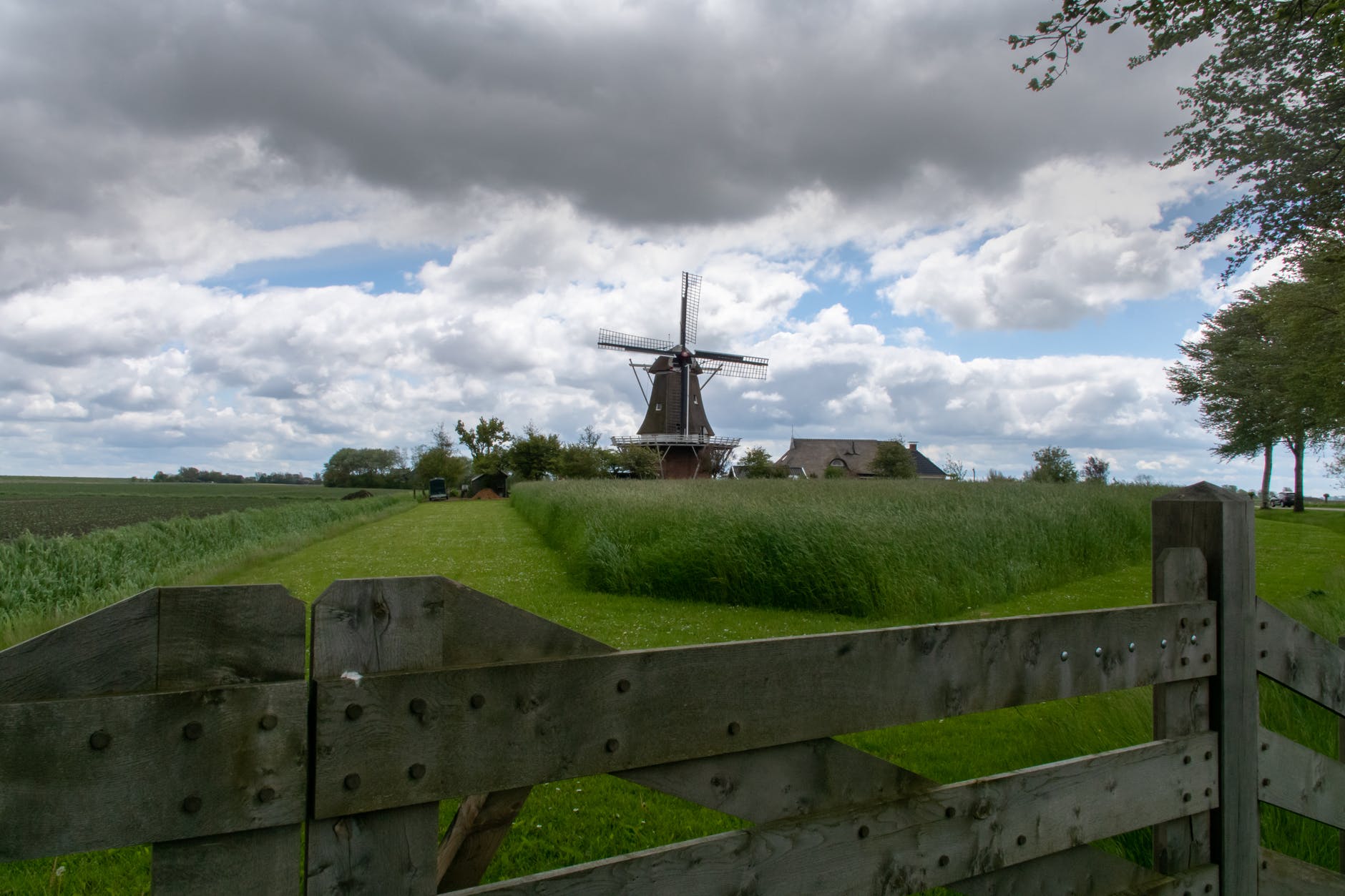
It’s been very windy here lately. Even when the sun is shining, the wind still makes it feel like winter (which, technically, it still is)! I don’t know that I have ever bothered to thank God for wind. After all, most of the time, we think of wind as being destructive–tornados, hurricanes, typhoons–winds tend to blow things over, knock things down, and they are often accompanied by water in the form of rain, waves, or hail.

Photo by Harrison Haines on Pexels.com

God created wind. He uses it for many good purposes that we may ignore or take for granted:

  • God used winds to dry up the waters after the great flood. (see Genesis 8:1)
  • God used a strong wind to blow locusts into Egypt as one of the plagues demonstrating His power to Pharaoh. He used another strong wind to blow them back out of the land and into the Red Sea. (see Exodus 10: 13-19)
  • God used a mighty wind to blow on the Red Sea, dividing the waters and allowing the Israelites to escape from the Egyptian army that pursued them. (Exodus 14)
Photo by Ricardo Esquivel on Pexels.com

  • God used a wind to blow thousands of quail into the Israelite camp, providing so much meat that they got sick from it! (Numbers 11)
  • God often demonstrates His power, authority, and judgment through wind. (see Amos 4:13; Psalm 78:26; Jeremiah 10:13; Jonah 1 and 4; etc.)
  • God sent His Holy Sprit on Pentecost with a sound like a mighty rushing wind (Acts 2:2)
Photo by BARBARA RIBEIRO on Pexels.com

Wind moves things. Without at least some wind, the air becomes stagnant, wind-borne seeds cannot find a home, and flying creatures must work harder to stay aloft. Wind can act as a cleanser, blowing away dead leaves and dust so that new growth can occur. Wind moves the waters– from gentle ripples to white-capped waves–pushing along the boats and ships over lakes and seas. Wind bears clouds and brings gentle rains and shade from the harsh sun. Wind can be directed for power in windmills and wind tunnels. Wind can even “sing” as it whistles through bare tree branches or moves wind chimes.

Photo by Ylanite Koppens on Pexels.com

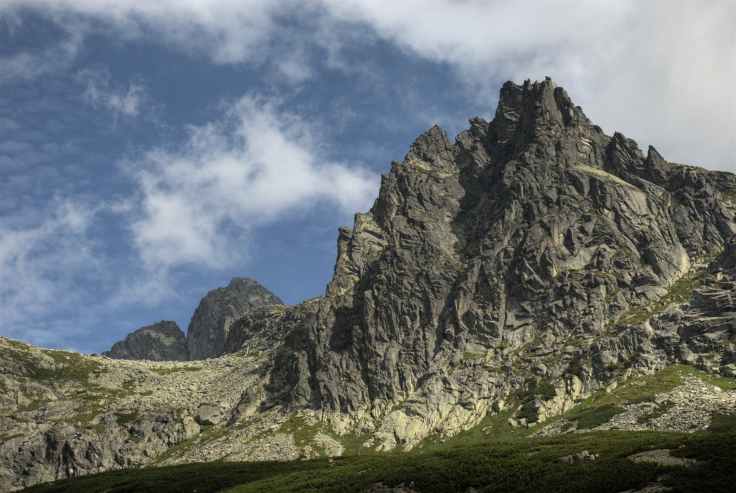
One of the most unusual uses of wind in the Bible happened to the great prophet Elijah. In 1Kings19:11, God told Elijah to stand on the mountain. Elijah had fled for his life from the wrath of Jezebel and Ahab. He was discouraged to the point of death. God sent a strong and destructive wind, but His presence wasn’t in it. He sent an earthquake, but His presence wasn’t in that, either. Finally, in the stillness, God appeared to Elijah and gave him a message of hope and encouragement. Sometimes, the winds come, not as a judgment, not as a message, but as a signal that God wants us to be still. HE is the mover; HE is the wind– but He is also in the middle of the stillness, if we are ready to listen!

Photo by John Diez on Pexels.com

I don’t know that I have ever bothered to thank God for wind. I take it for granted when it is gentle, and I dislike it when it is destructive– even when it just musses my hair or makes me shiver on an otherwise sunny day. But today, I thank God that He has the power, wisdom, and authority to use wind for His purposes. May He blow away all that is old and stagnant in my life, and move me to see His power at work in the world around me today. Thank You, God!

Praying with Confidence

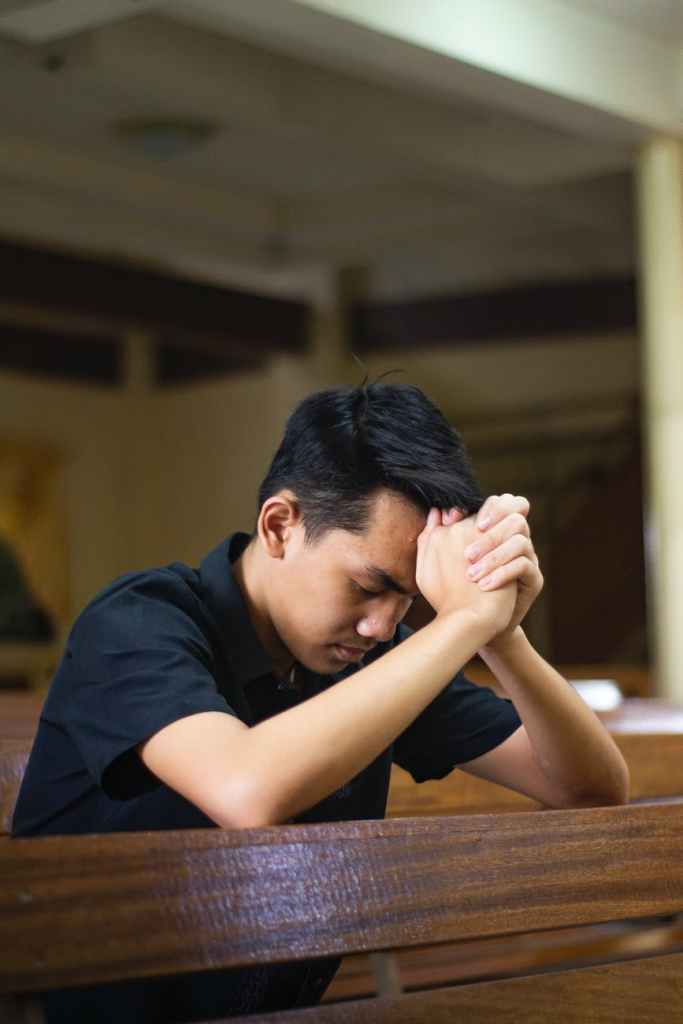
What does it mean to pray with confidence?

Does it mean that we pray with the sure knowledge that God will give us whatever we ask for?

Photo by Andrea Piacquadio on Pexels.com

22 Then Jesus said to the disciples, “Have faith in God. 23 I tell you the truth, you can say to this mountain, ‘May you be lifted up and thrown into the sea,’ and it will happen. But you must really believe it will happen and have no doubt in your heart. 24 I tell you, you can pray for anything, and if you believe that you’ve received it, it will be yours.

Mark 11:22-24 (New Living Translation)
Photo by Pixabay on Pexels.com

This is a difficult concept– and one I don’t fully understand. But I do believe the following:

  • “Confidence” means: “A trusting, or reliance; an assurance of mind or firm belief in the integrity, stability or veracity of another, or in the truth and reality of a fact.” (from studylight.org) Our trust is not in the power or our own words or in our worth, but in the power of God’s will to act justly, righteously, and in His sovereignty. I cannot ask God to act against His will and have confidence that He will give me what I ask for. Even if I ask for a miracle– like moving the mountain into the sea–I must trust that God will do it because it is part of His plan; not because God must obey my whims.
  • The more I learn of God’s power and love– by seeking Him, following Him, and experiencing His Grace–the more I will ask in confidence and assurance.
  • The more I seek my own will and ignore God’s wisdom, the more I will ask in arrogance and/or doubt.
  • Confidence will change the tone of our prayers from beseeching to believing–instead of asking for an outcome we don’t really expect, we will ask expecting that God already knows the outcome that is best.
  • Confidence doesn’t need immediate results. That mountain may not be moved in an instant. That doesn’t mean that it won’t be picked up and thrown into the sea–perhaps in our lifetime; perhaps in a year; perhaps in a thousand years. We sometimes trust in God’s power and willingness, but we forget to trust His timing.
Photo by Michelle Leman on Pexels.com

We can pray in confidence. In fact, we must learn to pray with confidence! And we can be confident that it will happen!

Photo by Ian Panelo on Pexels.com

3-6 Every time you cross my mind, I break out in exclamations of thanks to God. Each exclamation is a trigger to prayer. I find myself praying for you with a glad heart. I am so pleased that you have continued on in this with us, believing and proclaiming God’s Message, from the day you heard it right up to the present. There has never been the slightest doubt in my mind that the God who started this great work in you would keep at it and bring it to a flourishing finish on the very day Christ Jesus appears.

Philippians 1:3-6 (The Message)
Photo by Alyona P on Pexels.com

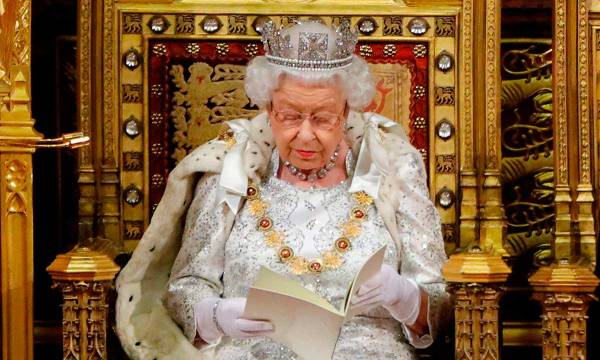
Even the Queen Has to Pray

I’m not talking about the current Queen of England–though it’s my understanding that she must, and does, pray as well as the rest of us. Sometimes we forget that even royalty have very human needs, and their power and authority, while greater than ours, is limited. God is still the ultimate authority. Instead, I’m thinking about the old testament Queen Esther/Hadassah.

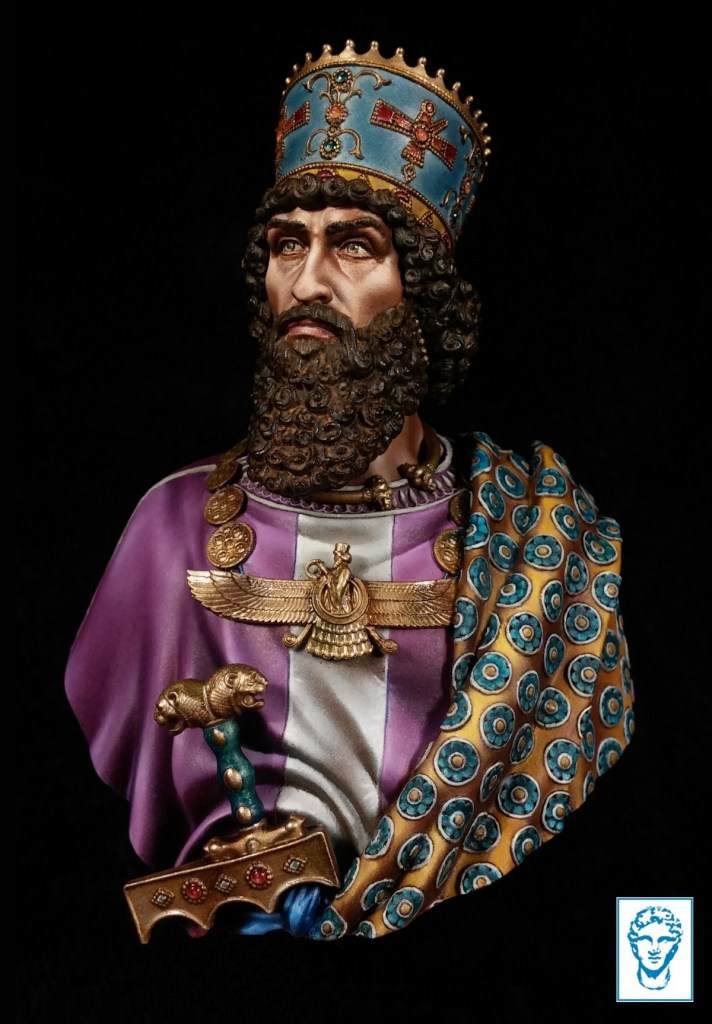
Queen Esther’s position was one of great power– and of great peril. Her husband, Ahasueras, the King of Persia, had chosen her from among a host of women to replace the disgraced Queen Vashti. But Ahasueras was not a man of character and integrity. Vashti’s disgrace came after the King had been banqueting and drinking for a solid week, and this after six months of entertaining other heads of state! Ahasueras left the running of his kingdom in the hands of his ministers–even Vashti’s dismissal and Esther’s elevation were at the suggestion of the King’s counselors (though the King made the particular choice of Esther over all the other contenders). Ahasueras was unpredictable, capricious, vindictive, hot-headed, and easily led. He also had “unlimited” power– his word was, literally, law.

Even though Esther had risen to a place of prominence and (limited) power, she still faced danger, in the guise of her husband’s Prime Minister, Haman. Haman’s power was second only to the king, and he intended to use that power to rid himself of his enemy, Mordecai, a Jewish exile, who just happened to be the foster-father and cousin of Queen Esther! Not content with simply having Mordecai executed, Haman suggested to the gullible King Ahasueras that all the Jewish exiles throughout the kingdom should be slaughtered and plundered within a single day.

Queen Esther’s only option was to get the king to reverse his own edict– even if she managed to escape the genocidal plot, her silence would spell the doom of the entire scattered nation of her own people. Queen Esther could not trust in her own limited authority, nor in the beauty that had brought her to the throne. Only God could capture the heart and mind of such a king. Queen Esther began to pray.

And she didn’t just fall on her knees in silent despair She asked others to fast and pray for three days before she would approach the king. And she paved the way with another banquet, during which she flattered both the king and his arrogant prime minister before pleading for her life and the lives of her countrymen.

Esther’s beauty and grace alone were no match for Haman’s treachery. But God knew the end of this story from the beginning. Esther was in grave danger, but she was also in God’s loving and all-powerful hands. Esther is remembered for her bravery and poise in the face of Haman’s diabolical plotting, but also for her dependence on God’s power over her own.

What dangers will we face today? If Queen Esther needed to pray– and ask for prayer– in her situation, how much more should we be willing to do so in ours?!
Photo by Michelle Leman on Pexels.com

Who’s On First?

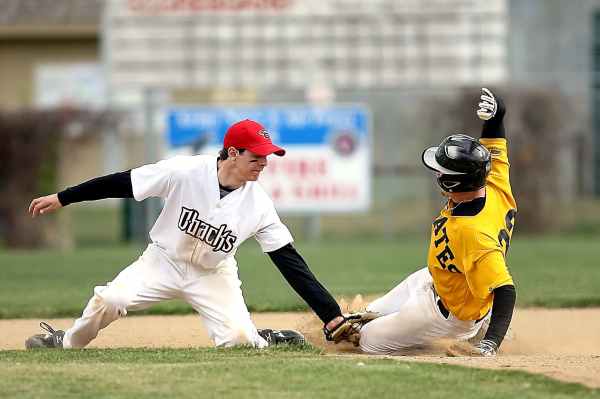
One of the classic comedy routines of the 20th century was a skit by Abbott and Costello, called “Who’s on First?” It’s all about mistaken identities and confusion, when the roster of players on a baseball team contains unusual names and nicknames that sound “question-able”.

I love baseball, and comedy, but the routine should make us do more than laugh. One of the big problems we face is that we often don’t know “who” is on first (or second, or in left field) in the game of life. We tend to become spectators, and fans, but we don’t always know the names of the players, or what position they play. We watch as players–celebrities, government power brokers, athletes, etc.–come and go on the “roster.”

Photo by Andrea Piacquadio on Pexels.com

And it can filter into our prayers. While we look at the line-up of human “players” around us, we can forget that God is in charge of the outcome of the “game.” God knows exactly “who’s on first,” and who will be there at the bottom of the fourth. He knows who will strike out in the third, who will hit a grand slam in the fifth, and who will drop the ball in the sixth. While we watch the players and bite our nails when the bases are loaded and there is a full count, God already knows the next pitch.

Photo by Liza Summer on Pexels.com

We may not understand why “Who” is on first, instead of someone else. Sometimes, we see people rise to a position only to abuse their power and oppress others. We may question “Why?” as well as “Who?” Sometimes, we may ask, “How?” “How could God put them in the line-up?” And the only answer I can offer is, “I don’t know.” God’s ways may not make sense to us in the moment. We may never understand the How or Why of our lives or circumstances. But God sees the whole picture, and His ways are not our ways. His understanding is far greater than ours.

Finally, we need to make sure that we are more than just spectators. Watching from the sidelines may seem safer, but we won’t really learn how to pray if we never learn how to “play.” God loves prayer warriors, but He commands us to be “doers of (His) Word.” (James 1:22-25) If we are just listening from the sidelines, we will continue to be confused and frustrated– in our praying and in our living!

We may not always know “Who’s on First.” But we should take comfort in knowing “Who IS First.” No matter who takes their position as shortstop or who is throwing the pitches, God is always sovereign. No matter who seems to be “winning” the game, God has already determined the outcome of the ultimate “World Series.” We can pray with confidence, knowing that, with God as our manager, Christ as the umpire, and the Holy Spirit as coach, we have the winning team!

Photo by Tima Miroshnichenko on Pexels.com

Chariots of Iron

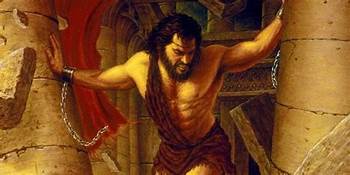
I was reading from the book of Judges today, and a curious phrase jumped out at me. The entire book of Judges is filled with the failure of the people of Israel to fully claim their promised inheritance from God. Generation after generation passes, with a cycle of sin, enslavement, and deliverance as God raises up various judges and heroes, like Gideon, Deborah, or Samson.

Already in chapter one, there is a hint of the trouble to come. The book begins with several successful battles after the death of Joshua. The people of Israel consult the Lord, who fights with them in several key battles. But in verse 19, it says: “The Lord was with the men of Judah. They took possession of the hill country, but they were unable to drive the people from the plains, because they had iron chariots.”

Say what? The Lord was with the men of Judah– the LORD! They had taken possession of the hill country– rough terrain that would have been filled with natural barriers, rocky fortresses, and literal “uphill battles.” They had destroyed massive cities like Jericho less than a generation before. They had defeated armies far larger and better positioned. They had defeated giants! And now, suddenly, they are “unable” to drive the people from the plains– because the enemy had chariots of iron?

Photo by van4er ivan on Pexels.com

https://www.biblestudytools.com/commentaries/gills-exposition-of-the-bible/judges-1-19.html I think this commentary says it well. The chariots of iron became the excuse for the Israelites’ unwillingness to obey; to trust in God’s strength instead of their own. After all, it wasn’t that long before in their history when God had drowned the entire Egyptian army, including all its chariots, in the Red Sea.

I don’t think it was about the chariots of iron. I think it was about the plains. I think sometimes it can be more difficult to fight on “the plains.” When God sends us on an “impossible” mission, we must face our own fears and acknowledge our weaknesses– we KNOW we cannot do it in our own power. But when we face an enemy on “equal footing,” we are tempted to trust in our own resources– the toughness of our armor, the skill of our generals, the speed of our horses, and the superiority of our weapons. We hope and expect God to fight for us where we cannot hope to win alone, but we don’t ask for God’s help or protection in areas where we believe our own strength should be sufficient. Israel had a fine army– seasoned veterans of battle. If they HAD iron chariots of their own, victory might have been expected– with or without God’s divine intervention. But victory eluded them, because they didn’t finish the fight!

Photo by Sora Shimazaki on Pexels.com

We do the same thing today–we fail to march into battle because the enemy has “chariots of iron.” Maybe they have more social status, more political or economic power then we have. Perhaps we see that they have the means to make our lives painful “on the plains.” We see their arrogance, and their wealth and success, and we let ourselves be intimidated. We know that God has promised never to leave us or forsake us, but He has not given us chariots of iron to match those of the enemy. We don’t pray for the courage to face their chariots, or the wisdom to trust that the battle belongs to the Lord. Instead, we make excuses for not fighting the battle at all.

The rest of the book of Judges is filled with war, slavery, corruption, death, and evil. The very last verse sums it up: “In those days Israel had no king; everyone did as he saw fit.” (Judges 21:25)

Photo by Ian Panelo on Pexels.com

Lord, help me to be courageous, and humble. May I always trust in You above all–especially above chariots of iron, and weapons of mankind.

I Surrender All?

I have been revisiting old hymns lately as I write about my pursuit of prayer. This is partly because I believe that prayer is a form of worship, and is closely tied to other forms of worship– meditation, singing, etc.. Sometimes, it can be helpful to pray songs or to sing prayers– look at the entire book of Psalms!

Our church has recently been involved in revival services– two weeks of time set aside to evaluate our daily walk with Christ. We need periods of revival and refreshment, conviction and confession, repentance and reflection. Without them, we will wander; without them we will wither and grow cold, and lose sight of our first love.

Photo by Luis Quintero on Pexels.com

One of the first nights, we explored the idea of surrender. We say that we trust God; that Jesus is Lord, that we are followers of Christ…but do we really demonstrate those truths by the way we live? Have we really surrendered our will, our lives, our futures to God? We claim that He is sovereign over big things– all of creation, world affairs, and such–but is He Lord over the little things? Do I trust Him with my reputation when someone misrepresents me to others? Do I trust Him with my diet when I am tempted to overeat? Do I trust Him with my time when someone asks me to help them on my day off?

One of the keys to this hymn (and to prayer) is in the first verse– “..in His presence daily live.” There are times when I feel the need to surrender; times when I feel wholly surrendered and devoted. But there will be other days when the feeling just isn’t there. My surrender needs to happen daily– in the “good” times and in the “difficult” times. Sometimes, I just need to pray that the Holy Spirit will guide and empower me to recognize and surrender those areas that I have tried to “take back” from Him.

Photo by Creative Vix on Pexels.com

And then, I need to be intentional about letting go–one piece at a time, if necessary–each day saying, “Yes” to God instead of “Yes” to those things that pull me away. It’s not always easy to say, “I surrender all.” It’s even harder to actually follow through. We want to hang on to things that are comfortable, familiar, even “good.” We want to hang on to things that seem to promise safety, success, or fulfillment– even when God offers more.

I’m not writing this because I have mastered the discipline of surrender– I need to learn to let go, to trust God more, to risk what I cannot keep to gain what I cannot lose (paraphrasing from Jim Elliot–https://www.brainyquote.com/quotes/jim_elliot_189244.
That is my prayer today, for myself, and for others.

Surprise!

The world is full of surprises– some good, some bad.  Open your mailbox on any given day, or walk down the street…you are bound to see something unexpected.  You may get a bill you forgot about, or run into an old friend.  There are surprises in the weather patterns, in traffic patterns, in relationships, in jobs, all around our houses and neighborhoods, in world events.  Some are shocking, some delightful, and any of them can change our days or even our lives.

We like pleasant surprises; we fear the unpleasant ones.  But most of us don’t pray for them.  We pray for miracles–healing and rescue and transformation–pleasant outcomes that we hope for or imagine.  We pray for ease and comfort, or wisdom and strength to face the bad times.  But we don’t ask God to surprise us.

Why don’t I ask God to awe me?  Dazzle me?  Surprise me?  Sometimes I fear that he might surprise me with what my past actions deserve.  More often, I simply want to stay in the comfort and simplicity of what I already know.  I don’t want to be delighted; I just want to be entertained.

pexels-photo-96405.jpeg

One thing I know, but I need to be reminded:  God does not give bad surprises.  He does not send ANYTHING into my life that can’t be used for my good and his glory.  The world will send tragedy and I will have to face the consequences of Sin– mine and others’.  I may be unfairly treated at work; I may be struck by a drunk driver and paralyzed.  I may face difficult losses, and inexplicable circumstances.  And the mistake is to see these as “surprises” from God.  God never promised a pain-free, problem-free life in this world, but he surprises us with the kind of gifts that overcome and even confound our tragic circumstances– the power to forgive, to be joyful, to have peace, and share love.

John 16:33 English Standard Version (ESV)

33 I have said these things to you, that in me you may have peace. In the world you will have tribulation. But take heart; I have overcome the world.”

Matthew 7:9-11 New International Version (NIV)

“Which of you, if your son asks for bread, will give him a stone? 10 Or if he asks for a fish, will give him a snake? 11 If you, then, though you are evil, know how to give good gifts to your children, how much more will your Father in heaven give good gifts to those who ask him!

The road ahead is full of surprises–that’s a great reason to pray.  God loves to surprise us with good things– that’s another great reason to pray for them!

gift-jeans-fashion-pack-157879.jpeg


The Empty Cross

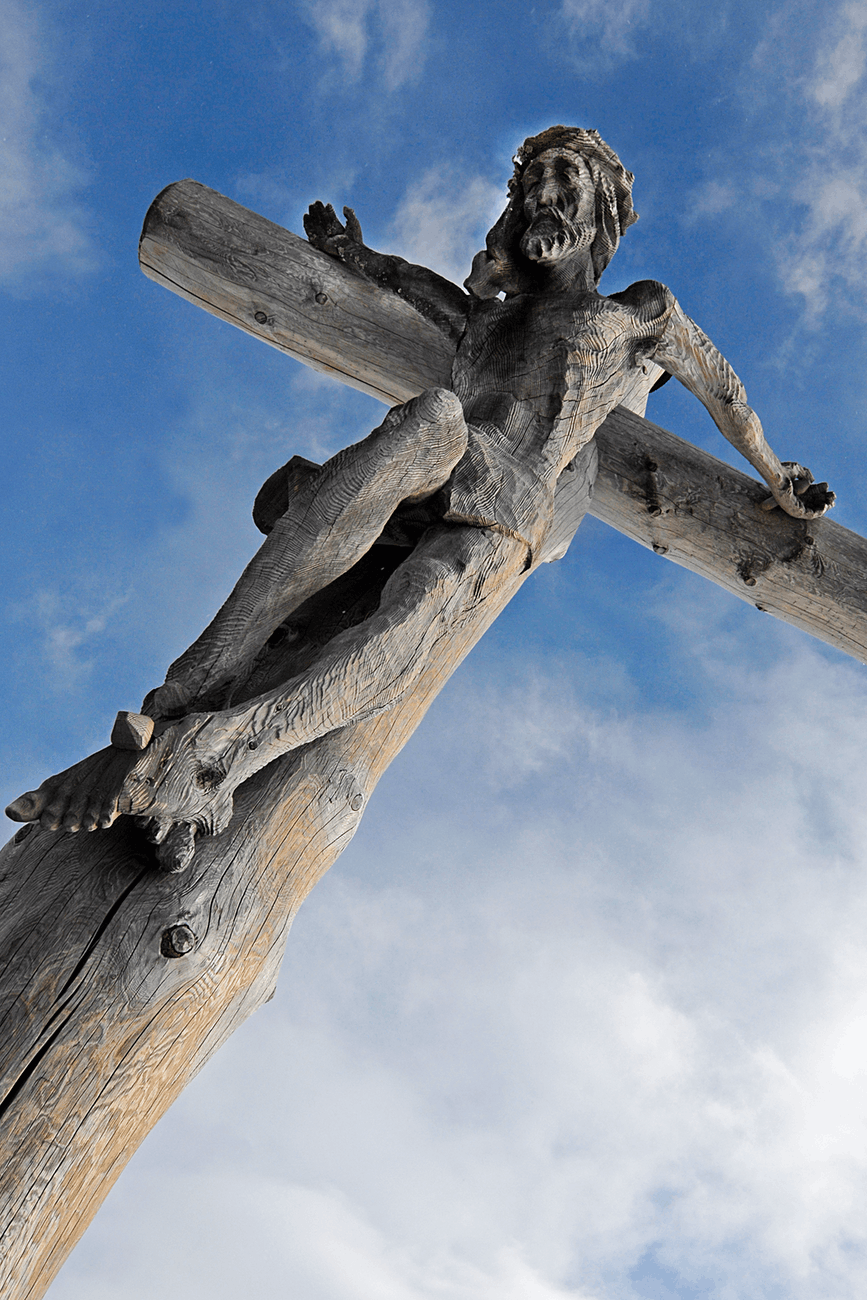
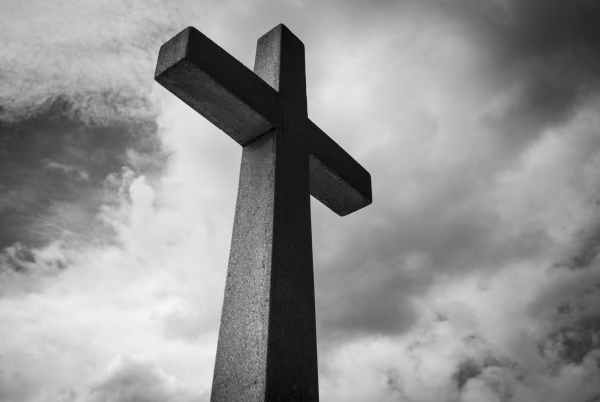
The most common symbol of the Christian religion is the cross.  And, while many statues and necklaces and artistic renderings include a dying Christ figure , the kind you most often see is the empty cross.  On this day between the crucifixion and the resurrection, I want to consider the significance of the empty cross.

  • First, the empty cross reminds us that Christ lived.  In spite of those who continue to challenge the historical evidence, there was a man named Jesus of Nazareth.  He lived in a particular time and place, and he was tried and sentenced to death by crucifixion.  His existence caused the modern Western Calendar to be split into two distinctive parts based on the estimated year of his birth, and his life, death, and resurrection gave rise to a movement that has never been stamped out, equaled, or eclipsed.

pexels-photo-51524.jpeg

  • Second, it reminds us that Christ died.  He was fully human in his capacity to feel pain, rejection, betrayal, hunger, thirst, and grief.  Yet he also experienced joy, companionship, hope, love, compassion, laughter, and growth.  He didn’t just grow old or fade into obscurity.  He didn’t leave his life’s work unfinished, he didn’t compromise or change his message; he didn’t give up or start over with a different “crew.”  Though he never staged a coup, or built up an arsenal, or rose to a seat of power or influence, this homeless, itinerant, soft-spoken rabbi was seen as enough of a threat to the leaders of his time that he was framed, tried and convicted, and sentenced to death.
  • The empty cross also reminds us how he died.  Modern crosses often look imposing and even triumphant, as they tower over a mega church parking lot, or hang on a chain of elegant silver, or stand in rows of chiseled rock in a military cemetery.  “O death, where is your sting?  O grave, where is your victory?”  (I Cor. 15:55)  But the torture before and during the crucifixion were brutal– bones were not broken, but they were pulled out of joint and then forced to bear the full weight of a bloody, swollen and bruised body of ripped muscles and exposed flesh.  Heat caused the salty sweat mixed with blood to drip into his eyes, his open wounds, and around his nose and mouth, but he was unable to wipe any of it away.  Flies gathered; he couldn’t keep them from buzzing or biting.  Each breath was a torturous push and pull of the arms and body upon the nails holding him at an unnatural angle against a wooden bar that rubbed against his already raw back.  And all of this was public; entertainment for the masses of hecklers, and those who were rejoicing in his humiliation and failure.  There was nothing pretty or majestic about the cross on that day.

jesus-cross-summit-cross-37737.png

  • The empty cross reminds us that Jesus was buried and put under Roman guard.  His emaciated, bloody, barely recognizable remains were wrapped up and prepared with spices.  Guards, whose lives depended on this body remaining in the tomb and undisturbed, were posted, and a huge boulder rolled into place to block entry to and exit from the tomb.  Jesus didn’t spontaneously climb down off the cross, or waltz out of an air-conditioned cave.
  • Finally, the empty cross reminds us that Jesus was the Christ–death could not stop him; the grave could not hold him.  His victory was complete.  He didn’t claw his way out of that tomb; he didn’t sneak out in the dead of night; he didn’t hobble into hiding for several weeks because he was only “mostly dead” of his torturous injuries.  He arose, victorious, recognizable to those who knew him best; healed and full of power.

pexels-photo-635699.jpeg

There are hundreds of reasons why we “cherish the Old Rugged Cross.”  And, though the cross stands empty, our reasons are not.  Hallelujah!  Tomorrow, hundreds of millions of Christians will be celebrating the empty tomb.  But for today, I want to celebrate the empty cross.

Why “Good” Friday Matters

Good Friday is a stumbling block for many people who would be Christians.  Some get angered at the mere mention of “Good” Friday.  They see nothing good in it, and no reason to celebrate.  They mock Christian celebrations and practices throughout Holy Week.  They ask, “What could be good about being arrested, beaten, tried in an unfair court, mocked, and condemned to death?”  “What could be good about celebrating someone’s final meal, and following the gruesome details of his humiliating crucifixion?”  “Why remember someone being tortured by his enemies and abandoned and even betrayed by his friends?”  I know someone who uses the crucifixion of Jesus as “proof” that God is neither omnipotent, nor holy.

Yet the Bible chooses to focus time, detailed description, and several varying viewpoints to make this the pivotal event (along with the resurrection) of history.  The Crucifixion does not come as a sudden and inexplicable episode in Jesus’ ministry. He predicts it; not just once, and not just in one account–he doesn’t hint vaguely at some “future trouble,” or potential danger–he gives a detailed description of what will happen to him:

Mark 10:33-34 New American Standard Bible (NASB)

33 saying“Behold, we are going up to Jerusalem, and the Son of Man will be [a]delivered to the chief priests and the scribes; and they will condemn Him to death and will [b]hand Him over to the Gentiles. 34 They will mock Him and spit on Him, and scourge Him and kill Him, and three days later He will rise again.”

Luke 24:6-7 New American Standard Bible (NASB)

He is not here, but He has [a]risen. Remember how He spoke to you while He was still in Galilee, saying that the Son of Man must be delivered into the hands of sinful men, and be crucified, and the third day rise again.”

Why do we need Good Friday?  Why, my acquaintance posits, does a loving God make salvation contingent upon the death of himself in human form?  Is it that God is incapable, or unwilling to offer “unconditional” grace?  After all, does he not offer “unconditional” love?  Why must salvation be achieved only by the unjust death of a perfect being?  Why must reconciliation and new life be forged in suffering and death?
These are not unreasonable questions, but I think they miss the broader picture.  Before the cross, before the scourging and the betrayal, let’s look at the life of Christ.  Jesus, the second person of the Trinity, the author of creation, could have stepped out of Heaven at any moment, and arrived in all his glory, surrounded by angels, to walk in pomp and dignity through the world he created.  He could have swept the entire Roman Empire off the face of the planet, healed every disease with a whisper, and lived in the Temple in Jerusalem as the Ruler he is.   Instead, he came as a helpless child, born to a teenage mom and her fiance during a grueling tax season.  He grew up in relative obscurity, never attended college, and is lost to history until he begins his second career as an itinerant rabbi at age 30.  He never held political office, never owned a home of his own, never wrote a book, or produced a piece of art work, never led an army into battle, never married or had children, never became wealthy, never did anything to make himself famous by worldly standards.  He was not crucified because he posed an actual threat to the Roman occupation of Jerusalem, but because he was accused of blasphemy by not denying claims that he was the promised Messiah of Israel.  His only “claim to fame” was that he was a dynamic teacher and had performed miraculous healings.  By almost every worldly standard, his life was a failure and a lesson in wasted potential.

His death is in keeping with his humble life.  It strikes us as a failure– humiliating, unjust, anti-climactic.  A life of servitude, poverty, being misunderstood, and making all the “wrong” friends and enemies.  Why would God live such a ridiculous and unfulfilling life?  Except he didn’t– it wasn’t a failure; his life and death stand as examples of how to live at peace, and how to change the world!  Hundreds of people flocked to hear him teach; hundreds more to see him heal the sick and raise the dead.  But he never charged a single coin, never demanded accolades or even thanks.

church-window-church-window-stained-glass-46154.jpeg

This is the paradox of the Gospels.  God’s ways are not our ways.  His humiliating death on the cross was necessary for the ultimate triumph of the resurrection, but it was more than that– it was a vindication of justice over injustice and service over selfishness.  Good doesn’t always triumph over evil in a power play.  God has the power to obliterate every one of his enemies, but more often than not, he causes them to fall by their own arrogance and blind ambition.  The Chief Priests, the Roman Soldiers, the agony and torture of death– they were no match for God’s love.

Good Friday showed us that God can ALWAYS make even our most difficult circumstances, even the worst situations, into something VICTORIOUS.  Jesus still had to suffer and die, because we will still have to face betrayal, hatred, injustice, unanswered questions, and even taste death.  An Easter without Good Friday is a happy ending without the story.  Only an omnipotent God could have given us the triumph; only a loving God would have walked the Via Dolorosa to fight in the trenches with us.


Making Waves

Yesterday, students across the nation walked out of class to protest the school shooting that took place a month ago in Florida.  Many have hailed this as the beginning of a new movement; others have decried it as a stunt.  I’m not here to debate the merits of this particular action or even what it may or may not represent.  What I do want to look at is how and why groups are using various methods to “make waves” in our world.

What does it mean to “make waves?”  According to the online urbandictionary.com, it means:  to cause a disturbance, or to create a situation where chaos or controversy will surface

The underlying assumption is that there is a deceptively calm surface that requires a disturbance– that chaos or controversy are already present, and bringing them to the surface is necessary to prevent more tragic results.

If you live near a large lake or the ocean, you may have watched waves in action.  Waves can be powerful, and even tragic, in their own right.  Storm surge waves and tidal waves have been known to decimate coastal areas; even normal wave action can erode shorelines and pull unwary swimmers under the surface.  But waves also serve good purposes– they polish the stones and wash up treasures onto the beaches.  They prevent stagnation.  They help move small creatures that dwell in the sand and shallow waters.

One thing about waves that sometimes passes unnoticed– waves may change in size or power, but they are constant– rolling in and out unvaried in their rhythm from day to day and year to year.  In this sense, no one “makes” waves, except the creator, who started that rhythm and set the boundaries for the lakes and seas.  Instead, we attempt to create bigger, more powerful waves, or make waves where none were before– puddles, or swimming pools, perhaps.  At some point in our lives, we WILL make waves– but what kind, and to what purpose?

waves

My point is not that we shouldn’t try to be agents of needed change in our world– but we should examine the positive and negative consequences of our wave-making.  Are we pushing something to the surface that needs to be seen or discovered?  Are we pulling something under the surface to drown it out?  Are we eroding a foundation, or carving out a new coastline?  Also, are we being consistent in our wave-making?  Are we hoping for a single tidal wave of chaos, or a constant churning action that brings lasting change.

Of course, since this blog is about prayer, I would suggest that prayers are also like waves– each one breaking in its turn, but constantly rolling, churning, and moving forward, bringing things, both large and small, to the shore.  Prayers have a constant rhythm and a subtle roar that masks their full impact.  Prayers, like rolling waters,  intermingle, push each other forward, dance, and rise, and fall with the winds and storms of life, and roll back to rise up again.
Not all prayers are like waves– not all waves are like prayer.  but  shouldn’t we want to make waves in tune with God’s purposes?  Waves answer to God– he can both calm them, and stir them into wild fury; walk on them, or hold them back.

I pray that our prayers and our actions would be consistent with God’s rhythm; that we would embrace changes and actions that bring him honor.

Blog at WordPress.com.

Up ↑